

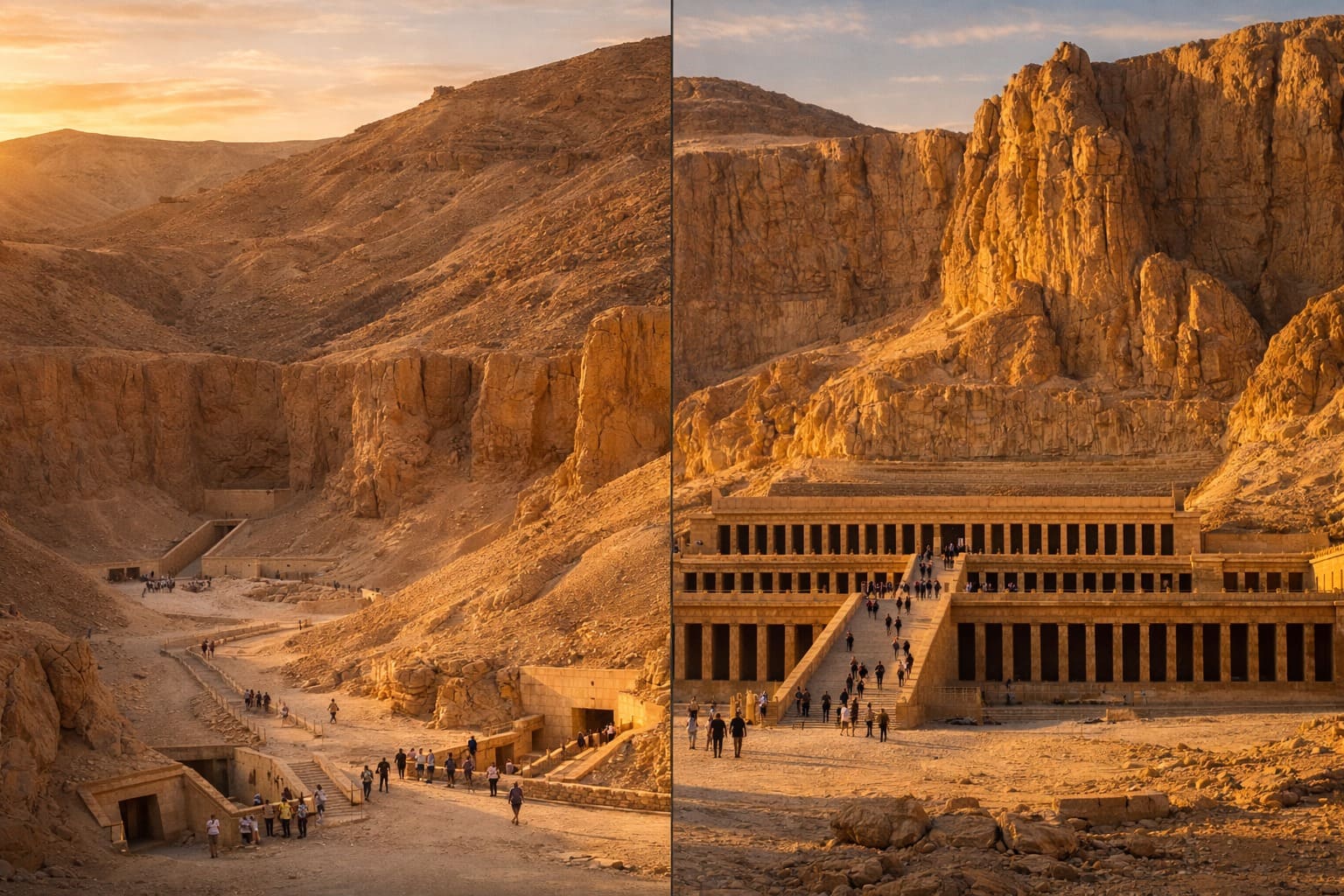
Valley of the Kings vs Hatshepsut Temple is one of the most useful comparisons for travelers planning Luxor. The Valley reveals Egypt’s hidden world of royal tombs and afterlife beliefs, while Hatshepsut Temple showcases open-air architecture, royal power and dramatic desert scenery. The sharp truth: if time allows, do not choose one — visit both.
Quick Answer: Valley of the Kings or Hatshepsut Temple?
Choose the Valley of the Kings if you want archaeology, tombs, pharaohs and afterlife art. Choose Hatshepsut Temple if you want architecture, photography, open terraces and cliffside scenery. For most travelers, the best option is a guided Luxor Day Tour that includes both sites on the same West Bank itinerary.
Introduction: Two Icons of Ancient Egypt on Luxor’s West Bank
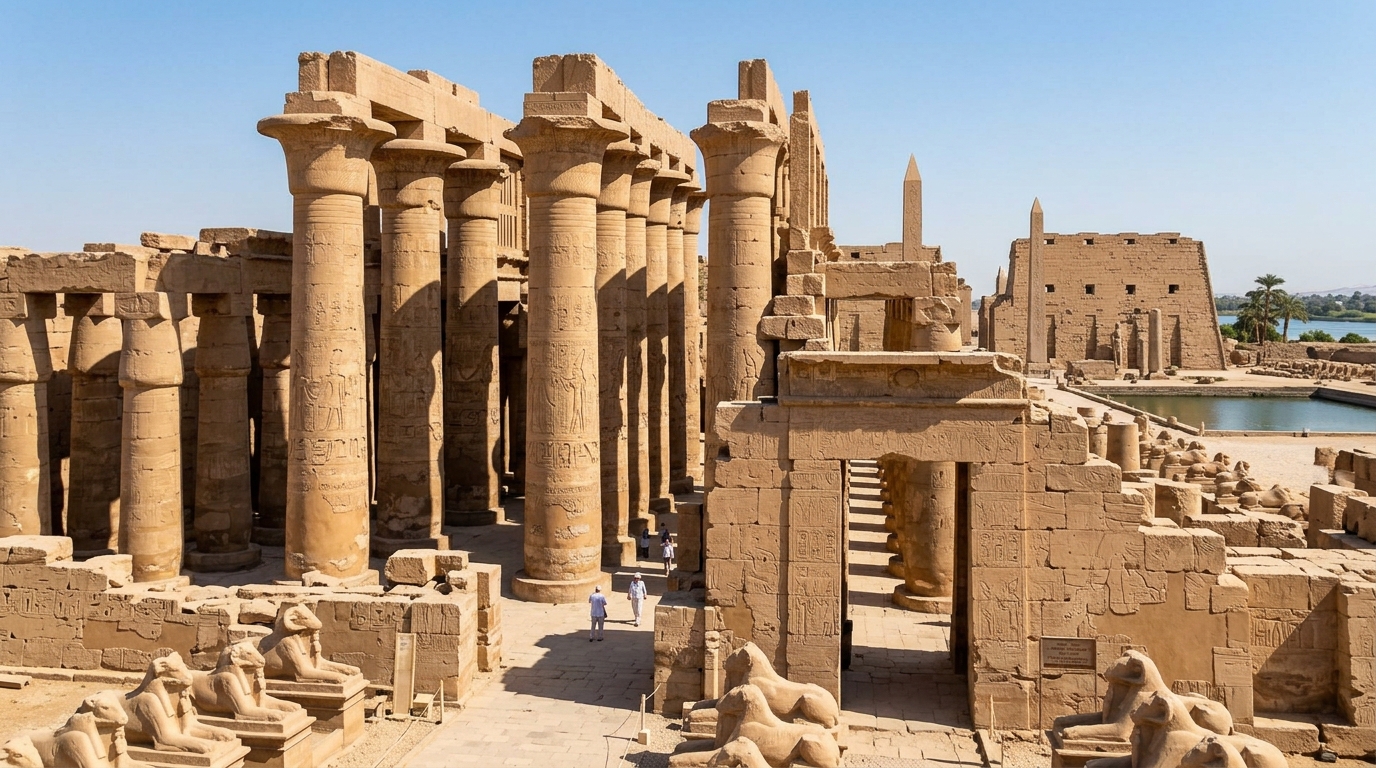
When visiting Luxor, travelers are often faced with an exciting choice between two of the most important historical sites in Egypt: the Valley of the Kings and the Mortuary Temple of Hatshepsut. Both sit on the West Bank of the Nile and both belong on any serious list of the best things to do in Egypt.
Yet they are not the same type of attraction. The Valley of the Kings takes you underground into decorated royal tombs. Hatshepsut Temple places you in a grand architectural setting carved against towering desert cliffs.
Travelers who start in Cairo with Cairo Day Tours or pyramid experiences often add Luxor later because it gives a different kind of ancient Egypt: not only pyramids and Old Kingdom kingship, but New Kingdom tombs, temples, ritual art and royal propaganda. If you are comparing these two sites, this guide will help you decide how to prioritize your time — and why combining both is usually the strongest answer.
Valley of the Kings: The Hidden World of Pharaohs’ Tombs
The Valley of the Kings is one of the most famous archaeological sites in the world. It served as the royal burial ground for pharaohs and powerful elites during the New Kingdom period, roughly from 1550 to 1070 BCE.
A sacred burial ground, not just a tourist stop
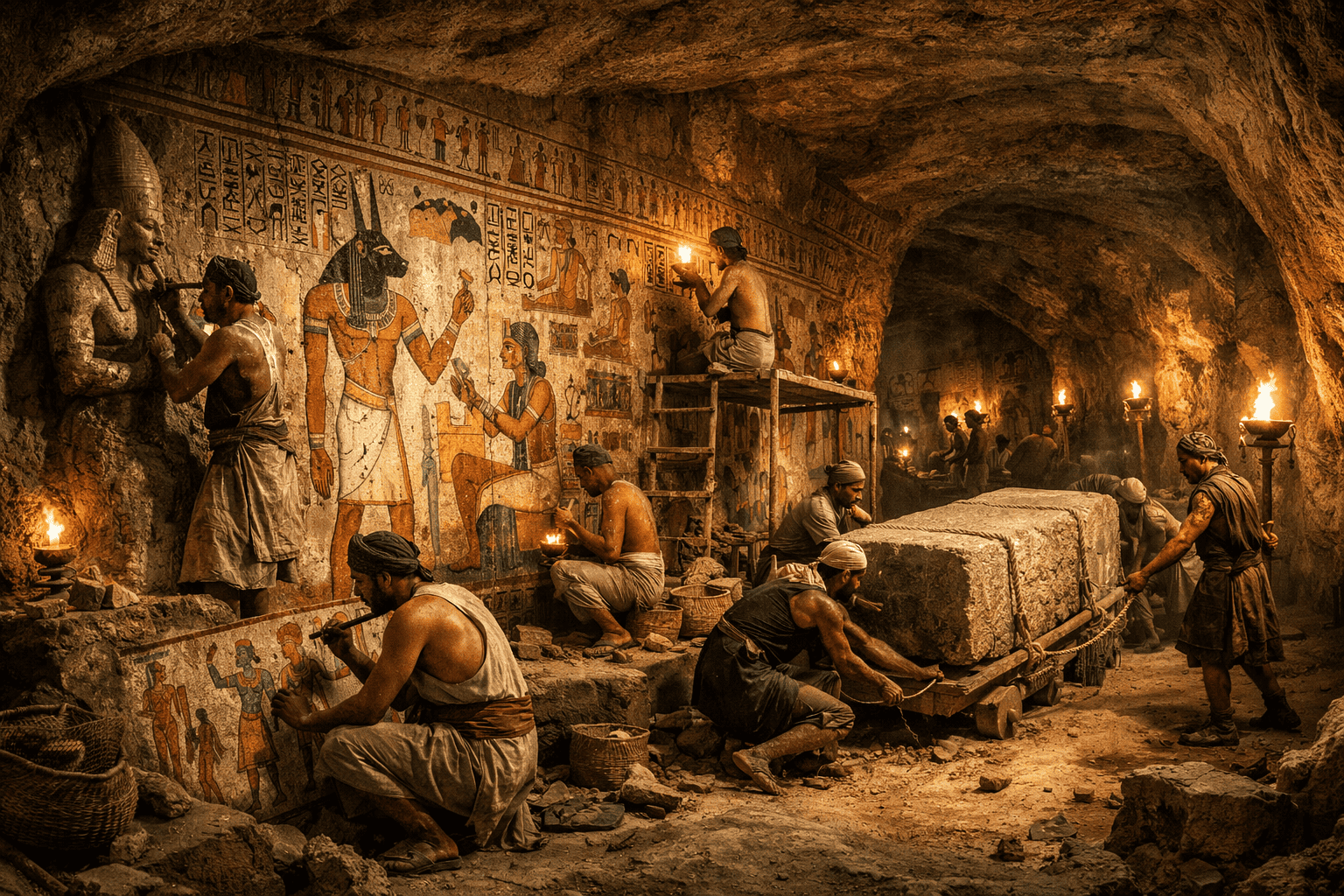
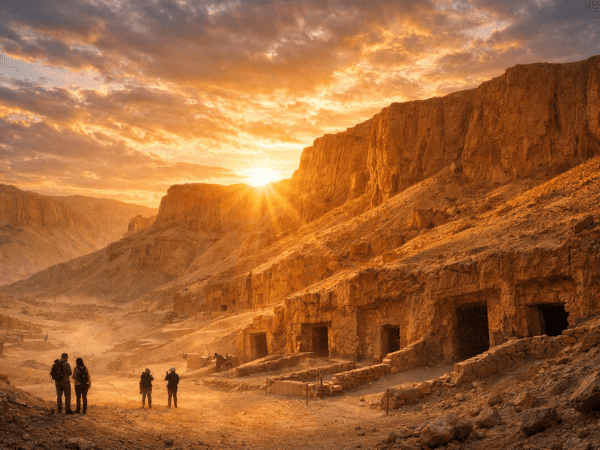
Hidden within a desert valley, the tombs were carved into the rock to protect royal burials and support the pharaoh’s journey into the afterlife. Many tombs were robbed in antiquity, but the walls, corridors, chambers and religious texts remain extraordinary.
The site contains more than 60 known tombs, each with its own layout, decoration and meaning. For travelers interested in ancient Egyptian religion, the Valley of the Kings is one of the strongest places in Egypt to understand how death, rebirth and divine kingship were imagined.
The Tomb of Tutankhamun
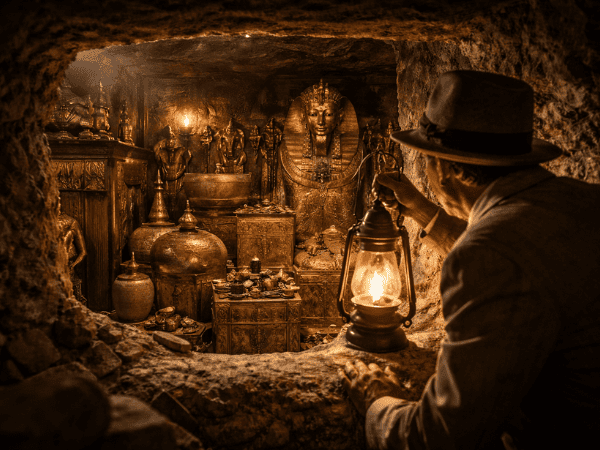
The tomb of Tutankhamun is the most famous discovery in the valley. Found almost intact in 1922, it changed modern understanding of ancient Egypt and made King Tut one of the most recognizable names in world archaeology.
The tomb itself is smaller than many visitors expect, but its historical importance is enormous. If you are planning a premium Luxor itinerary, ask your guide whether special-ticket tombs are worth adding based on your interests, time and budget.
Underground chambers and afterlife artwork
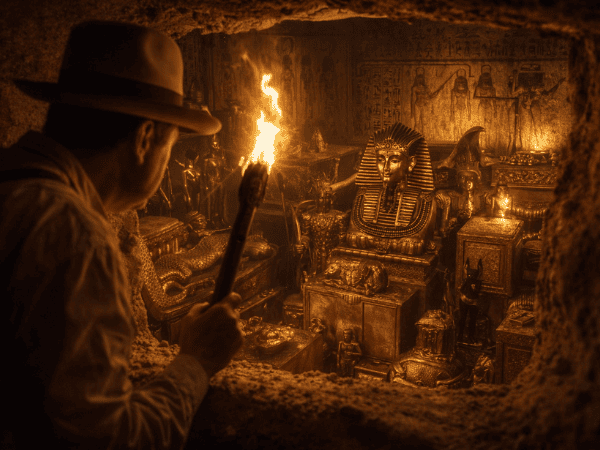
The most memorable part of the Valley of the Kings is the physical experience of descending into tombs. Long corridors lead into chambers covered with colorful religious texts, gods, protective scenes and images of the king’s journey through the underworld.
- Best for travelers who love archaeology and tomb art.
- Best for understanding ancient Egyptian afterlife beliefs.
- Best for seeing preserved wall paintings and hieroglyphic scenes.
Unspoken travel truth
The Valley of the Kings is not only “more famous”; it is also more complex. Without context, many tomb scenes can feel repetitive. With a good Egyptologist guide, the experience becomes much more meaningful.
Hatshepsut Temple: A Monument of Power, Design and Legacy
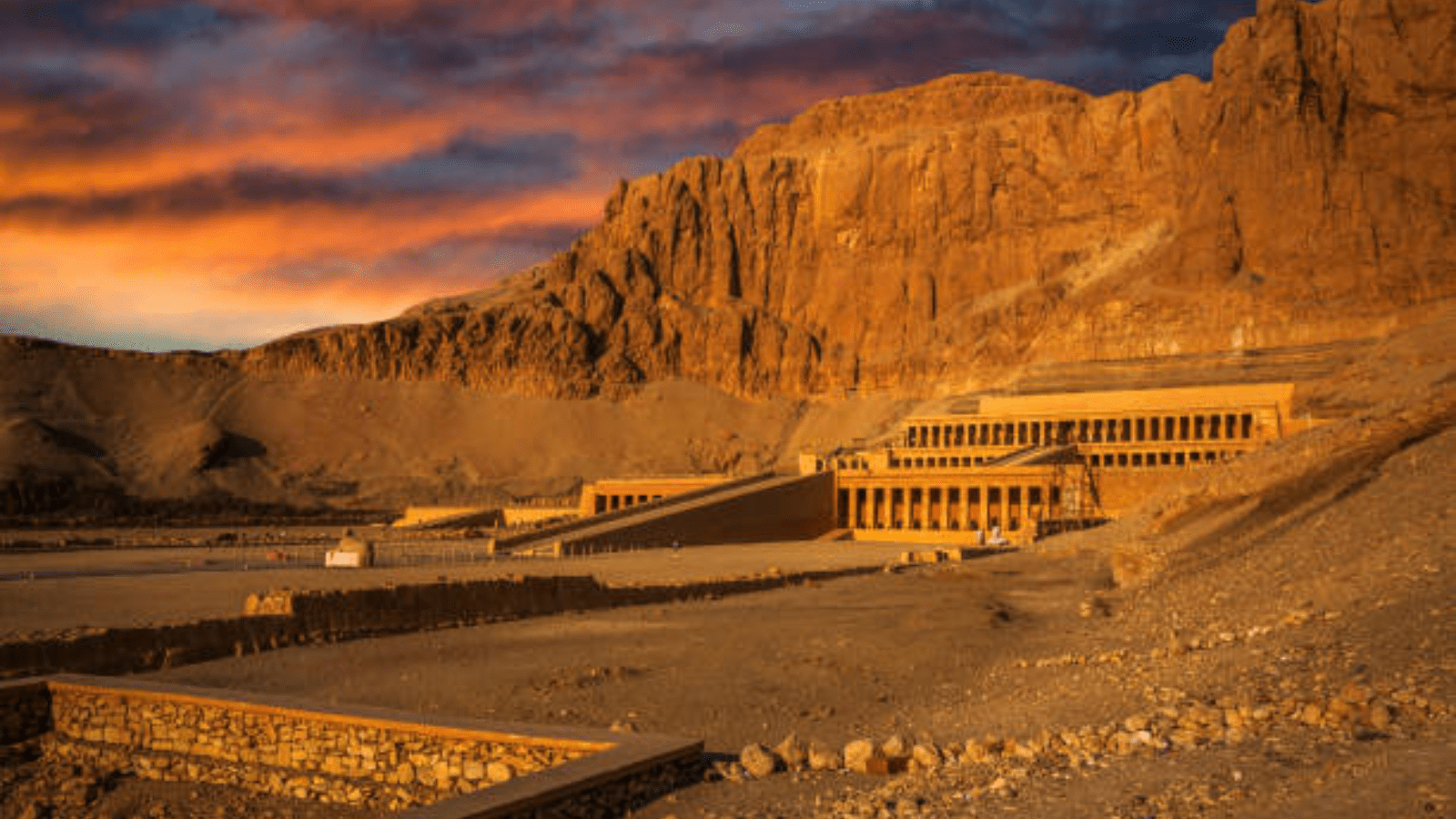
In contrast to the hidden tombs of the Valley of the Kings, the Mortuary Temple of Hatshepsut stands proudly above ground at Deir el-Bahari. It is one of the most visually striking monuments on Luxor’s West Bank and one of the best sites for travelers who love architecture, open views and royal history.
A temple like no other
Hatshepsut’s temple is famous for its three terraces, symmetrical colonnades and long ramps rising toward the cliffs. Its design blends with the surrounding landscape, creating a dramatic relationship between architecture and desert geology.
Unlike many temples that feel enclosed, Hatshepsut Temple feels wide, bright and cinematic. It is one of the strongest photography stops in Luxor and an ideal contrast to the underground atmosphere of the royal tombs.
A symbol of royal authority
Hatshepsut was one of ancient Egypt’s most remarkable rulers. Her temple was not built only as a place of ritual memory; it was also a political statement. Relief scenes helped present her rule as divinely approved and historically legitimate.
Important themes at the temple include divine birth, royal offerings, religious ceremonies and the famous expedition to Punt. These scenes make the temple a powerful site for understanding how ancient Egyptian rulers used architecture and imagery to communicate authority.
An open-air visitor experience
Hatshepsut Temple offers a very different rhythm from the Valley of the Kings. Instead of entering deep tomb corridors, you walk across open terraces, look up at cliff faces and experience the site in strong natural light.
- Best for travelers who love architecture and dramatic scenery.
- Best for photography and open-air exploration.
- Best for understanding royal image-making and queenly power.
Key Differences: Valley of the Kings vs Hatshepsut Temple
Both sites are essential, but they satisfy different travel intentions. The table below gives the clearest comparison.
| Feature | Valley of the Kings | Hatshepsut Temple |
|---|---|---|
| Site type | Royal tombs carved underground. | Mortuary temple built into a cliffside landscape. |
| Main experience | Descending into tomb corridors and decorated burial chambers. | Walking through open terraces, ramps and colonnades. |
| Core theme | Death, afterlife, rebirth and royal burial traditions. | Royal power, divine legitimacy, architecture and memory. |
| Atmosphere | Dark, mysterious, intimate and archaeological. | Bright, scenic, monumental and architectural. |
| Best for | History lovers, archaeology fans and travelers interested in ancient religion. | Architecture lovers, photographers and travelers who prefer open-air sites. |
| Typical visit length | About 1.5 to 2.5 hours. | About 45 to 75 minutes. |
| Best combined with | Hatshepsut Temple, Colossi of Memnon, Medinet Habu. | Valley of the Kings and other Luxor West Bank stops. |
Which Should You Visit?
The answer depends on your interests, your pace and how much time you have in Luxor. But for most travelers, this should not be treated as a hard either/or decision.
Choose the Valley of the Kings if...
You are fascinated by pharaohs, tombs, ancient burial practices, religious symbolism, archaeology and colorful underground chambers.
Choose Hatshepsut Temple if...
You love architecture, photography, open-air sites, cliffside scenery and the story of one of Egypt’s most powerful female rulers.
Choose both if...
You want the complete West Bank story: the hidden afterlife world of kings and the public architectural statement of royal power.
Best option for most travelers
Visit both on the same day. The Valley of the Kings explains royal death and rebirth. Hatshepsut Temple explains royal image, power and architectural ambition. Together, they make Luxor’s West Bank much easier to understand.
Best One-Day Itinerary for Both Sites
A smart Luxor West Bank itinerary should consider heat, crowds and energy. Start early, visit the tombs before the temperature rises, then continue to Hatshepsut Temple while the light is still good for photography.
| Time | Recommended stop | Why this order works |
|---|---|---|
| Early morning | Valley of the Kings | Cooler temperatures and better energy for tomb visits. |
| Late morning | Hatshepsut Temple | Open-air architecture and strong visual impact after the tombs. |
| Midday | Colossi of Memnon or Medinet Habu | Easy add-ons depending on your tour length. |
| Afternoon | Karnak Temple or Luxor Temple on the East Bank | Completes the Luxor story with temple religion and royal ritual. |
If you want a smooth plan, browse Luxor Day Tours and choose a route that combines West Bank highlights with enough time for explanation, photography and rest.
Travel Tips for Visiting the Valley of the Kings and Hatshepsut Temple
Start early
Luxor can get very hot, especially around open desert sites. Morning visits are usually more comfortable.
Wear proper shoes
You will walk between tomb entrances, terraces and uneven surfaces. Comfort matters more than style.
Bring essentials
Water, sunscreen, a hat and sunglasses will make the West Bank much easier to enjoy.
Check tomb tickets
Some famous tombs require separate tickets, so decide in advance whether they match your interests.
Plan photography wisely
Hatshepsut Temple is better for wide photos; tomb photography rules may differ and should be respected.
Hire a guide
A guide can turn reliefs, tomb texts and architectural choices into a coherent story rather than random details.
Best Tour Routes to Connect Luxor With the Rest of Egypt
Many travelers first discover ancient Egypt through the pyramids, then use Luxor to go deeper into tombs and temples. That is the right journey: Cairo introduces monumental beginnings, while Luxor explains royal religion, the afterlife and New Kingdom power.
Cairo to Luxor Cultural Route
Start with the pyramids, museums and Cairo’s historical layers, then continue south to the Valley of the Kings, Karnak and Hatshepsut Temple.
Explore Egypt Tour Packages →Luxor West Bank Day Tour
Best for travelers already in Luxor who want the Valley of the Kings, Hatshepsut Temple and nearby West Bank highlights in one day.
View Luxor Day Tours →Cairo Day Tours Before Upper Egypt
Ideal if you want to understand the pyramids, Sphinx and museum collections before flying or traveling to Luxor.
Explore Cairo Day Tours →Luxor and Aswan Nile Route
Combine Luxor’s tombs and temples with Aswan, Philae Temple and Abu Simbel for a richer Upper Egypt journey.
Explore Aswan Day Tours →Explore More on Egypt Tours Club
Continue from this comparison into Luxor, Cairo and broader Egypt travel planning.