

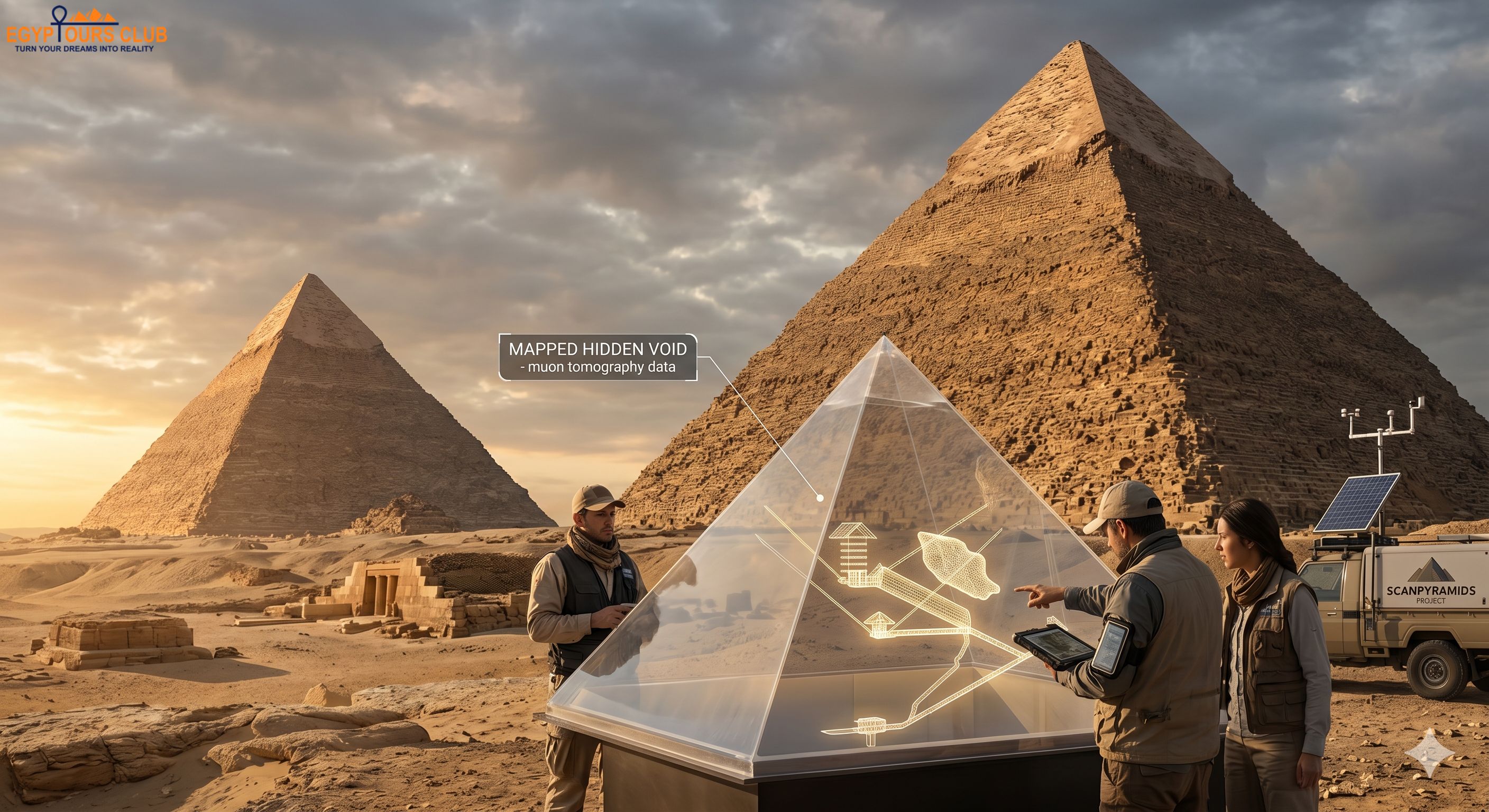
The story of the pyramids is not finished. New discoveries in Egypt pyramids continue to reshape how archaeologists understand Giza, Saqqara, hidden voids, royal tombs and the wider landscapes of Egypt’s pyramid age.
Quick Answer: What Are the New Discoveries in Egypt Pyramids?
The most important recent pyramid-related discoveries include hidden anomalies detected behind the eastern face of the Menkaure Pyramid at Giza, ongoing research into hidden voids inside the Great Pyramid, and major tomb discoveries at Saqqara. Some finds are inside pyramid structures, while others are in the pyramid fields and burial landscapes around them.
Simple Summary
New Egypt pyramid discoveries are not always treasure rooms. They can be hidden voids, structural anomalies, tombs, false doors, burial shafts, inscriptions or evidence that changes how the pyramid age is understood.
| Discovery Type | Main Location | What It Means |
|---|---|---|
| Menkaure Pyramid anomalies | Giza Plateau | Two detected anomalies behind the eastern face of Menkaure’s Pyramid may point to hidden structural features or voids. |
| Great Pyramid void research | Giza Plateau | Modern scanning has shown that the Great Pyramid still contains hidden spaces and unanswered architectural questions. |
| Saqqara tomb discoveries | Saqqara Necropolis | New tomb finds continue to reveal more about elite burial, royal family networks and pyramid-field culture. |
| Travel experience | Giza, Saqqara, Dahshur, Cairo | Travelers can visit the landscapes connected to these discoveries, even when newly detected voids are not open to the public. |
Why New Egypt Pyramid Discoveries Still Matter
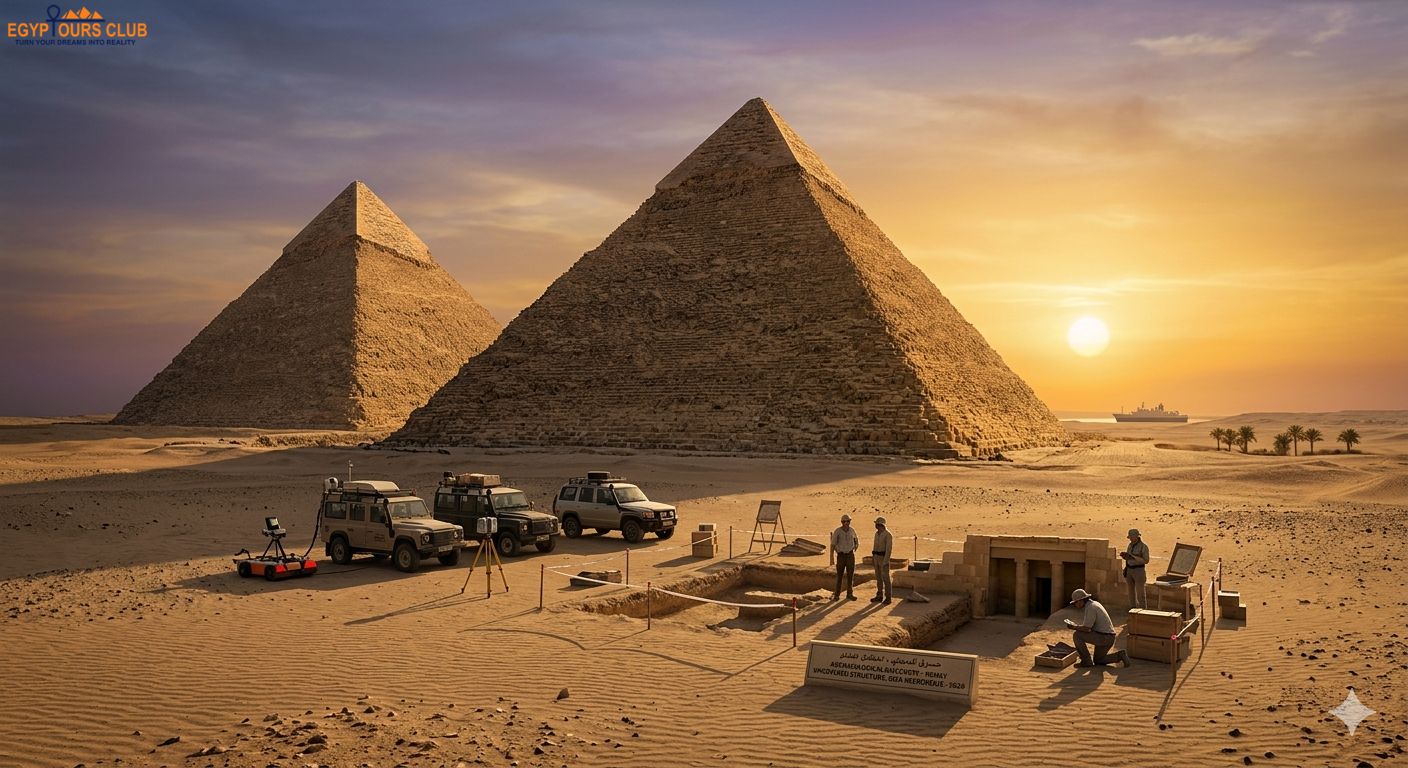
Even after centuries of excavation, surveys and global fascination, Egypt pyramid discoveries continue to produce new evidence. Some discoveries come from traditional excavation. Others come from safe scanning technologies that allow researchers to examine monuments without damaging them.
That is why interest in latest Egypt pyramid discoveries, recent discoveries in Egyptian pyramids, hidden chambers in Egypt pyramids and latest discoveries in Egypt archaeology remains so strong. The topic sits exactly where public curiosity, scientific research and travel inspiration meet.
The key is accuracy. Not every anomaly is a treasure chamber. Not every “new discovery” happens inside a pyramid. Some of the most important finds are tombs, false doors, burial landscapes or structural clues that help scholars understand how pyramid complexes worked.
What Was Recently Discovered in the Egypt Pyramids?
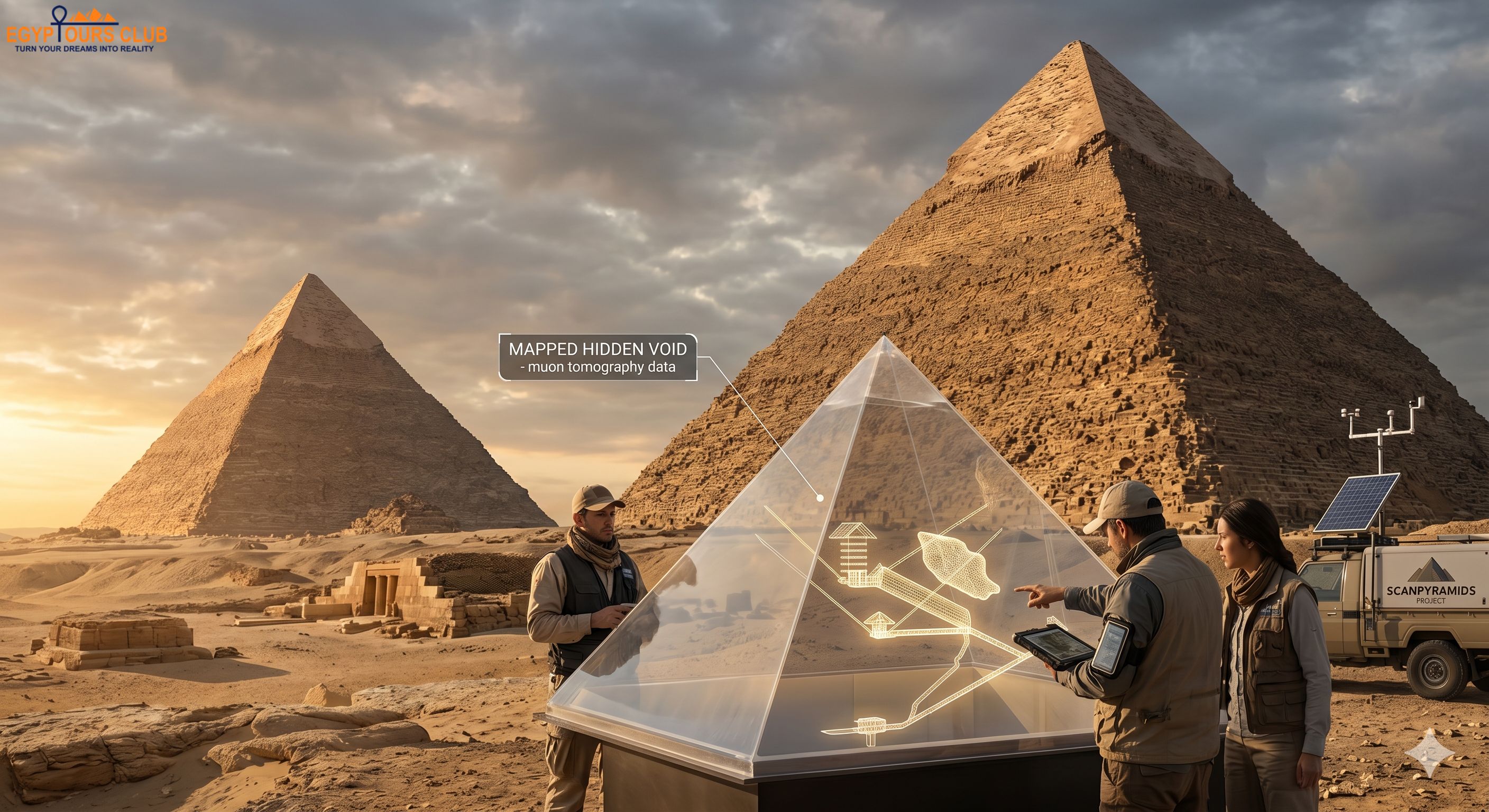
One of the strongest recent developments came from research on the Menkaure Pyramid at Giza. Researchers detected two anomalies behind the eastern face of the pyramid using non-destructive methods such as ground-penetrating radar, ultrasound and electrical resistivity.
This matters because new findings inside Egyptian pyramids do not always begin with excavation. Modern research can first detect structural differences, possible hidden spaces or air-filled anomalies from outside the monument. Only later do researchers interpret what those anomalies might mean.
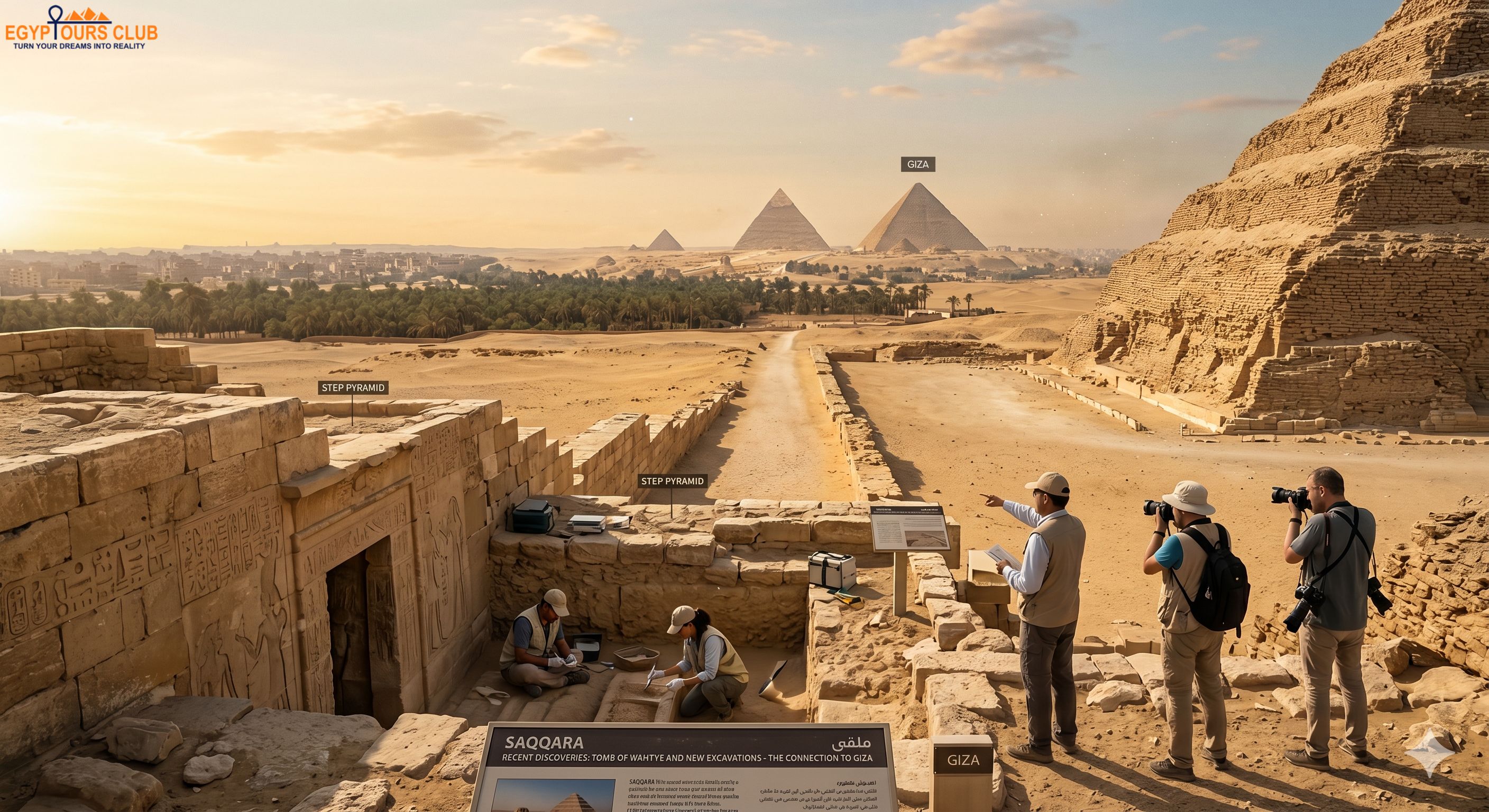
At the same time, not all pyramid-related discoveries are literally inside a pyramid. In Saqqara, archaeologists announced the discovery of the multichambered tomb of Prince Waser-If-Re, son of King Userkaf. This makes Saqqara discoveries, new tomb discoveries near pyramids Egypt and ancient necropolis discoveries Egypt essential parts of the story.
| Recent Discovery | Location | What Travelers Should Understand |
|---|---|---|
| Menkaure eastern-face anomalies | Giza Plateau | These may indicate hidden voids or structural features, but their final interpretation requires more study. |
| Great Pyramid hidden void research | Giza Plateau | Earlier scanning work made the public understand that even famous monuments can still contain unknown spaces. |
| Prince Waser-If-Re tomb | Saqqara | A major royal-family tomb discovery connected to Egypt’s pyramid-field burial culture. |
New Discoveries in the Pyramids of Giza
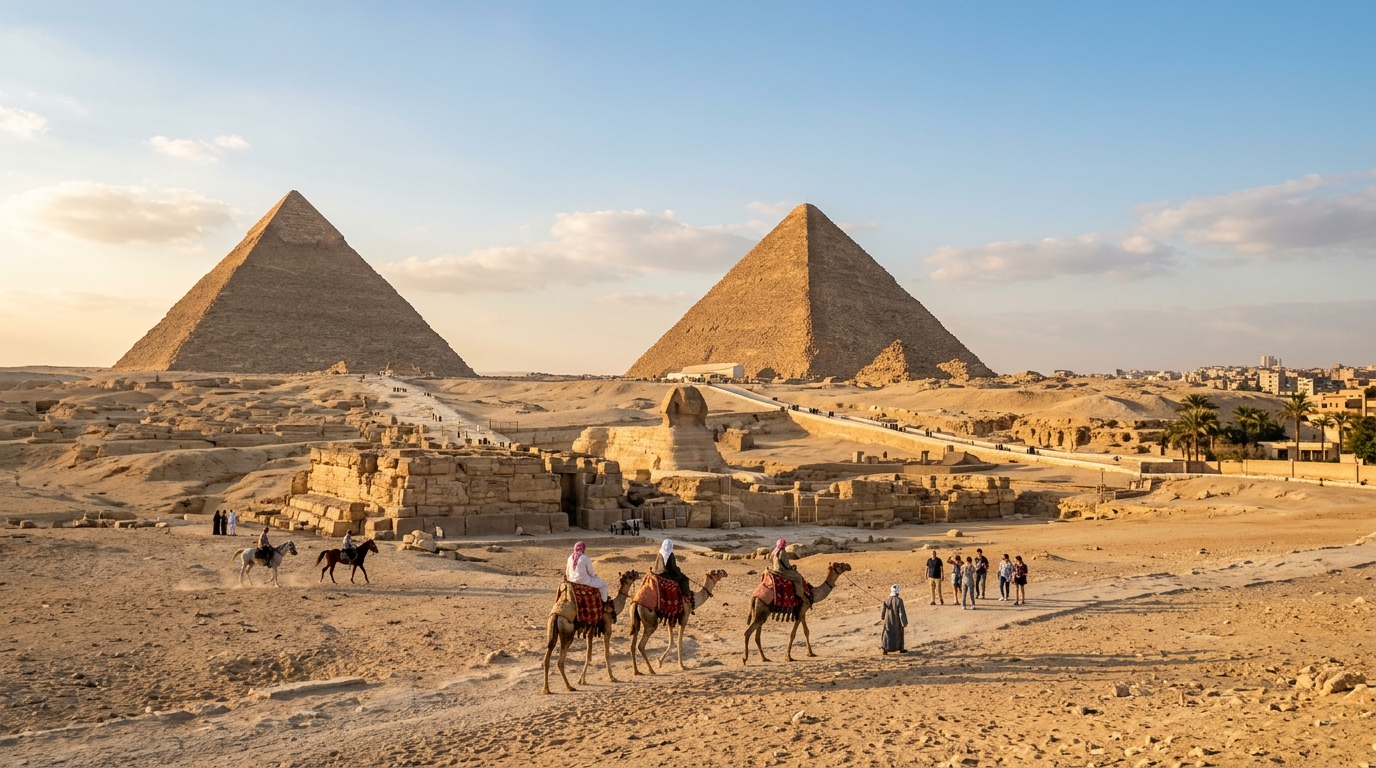
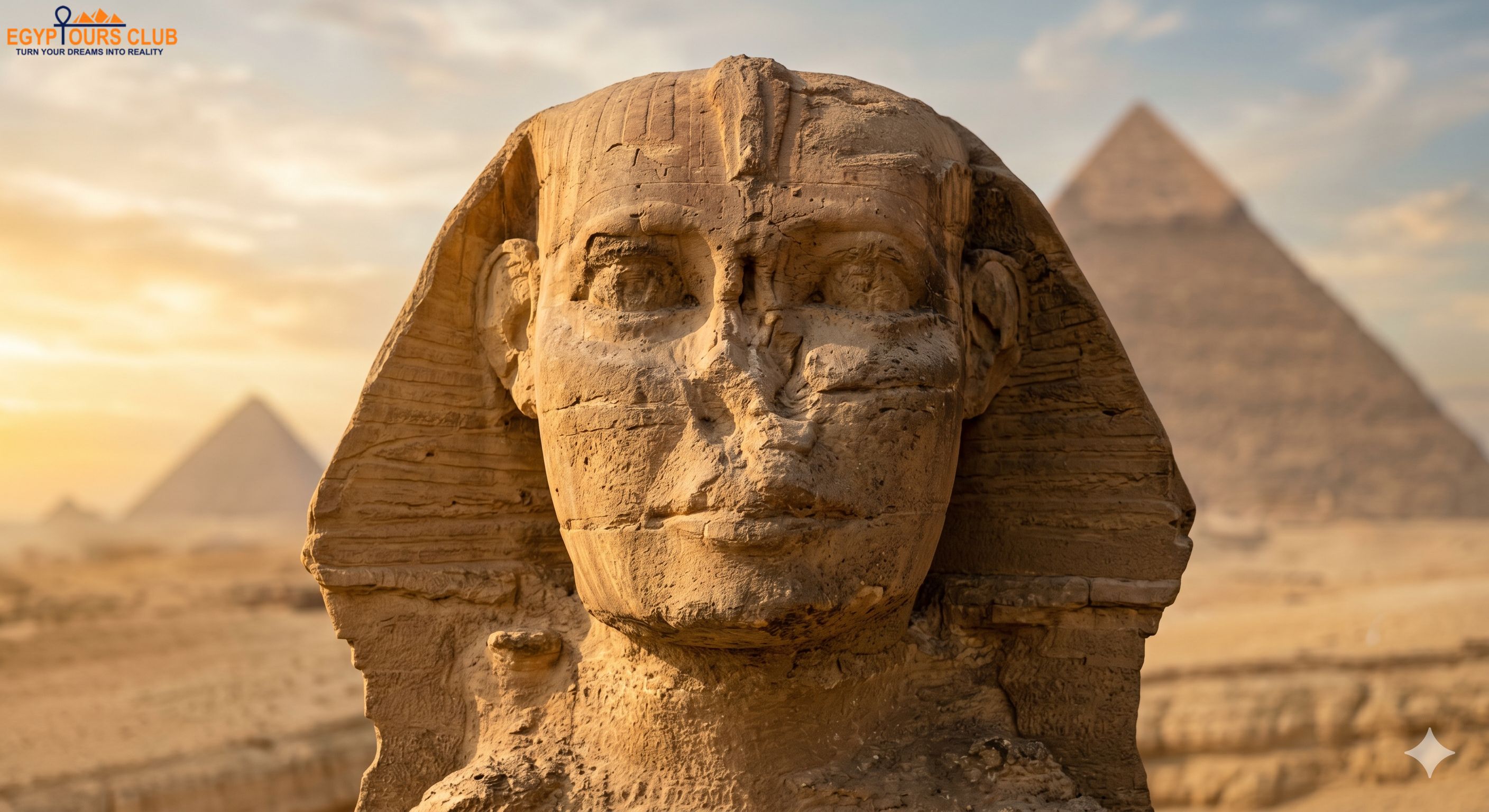
The Giza Plateau remains the strongest cluster for public interest in new discoveries in the pyramids of Giza. Giza combines the Great Pyramid, Khafre’s Pyramid, Menkaure’s Pyramid, the Great Sphinx and an active history of scientific investigation.
The most famous earlier modern example is Great Pyramid void research, which brought global attention to hidden spaces inside ancient monuments. The Menkaure research fits into the same wider movement: studying pyramid structures safely before any physical access is considered.
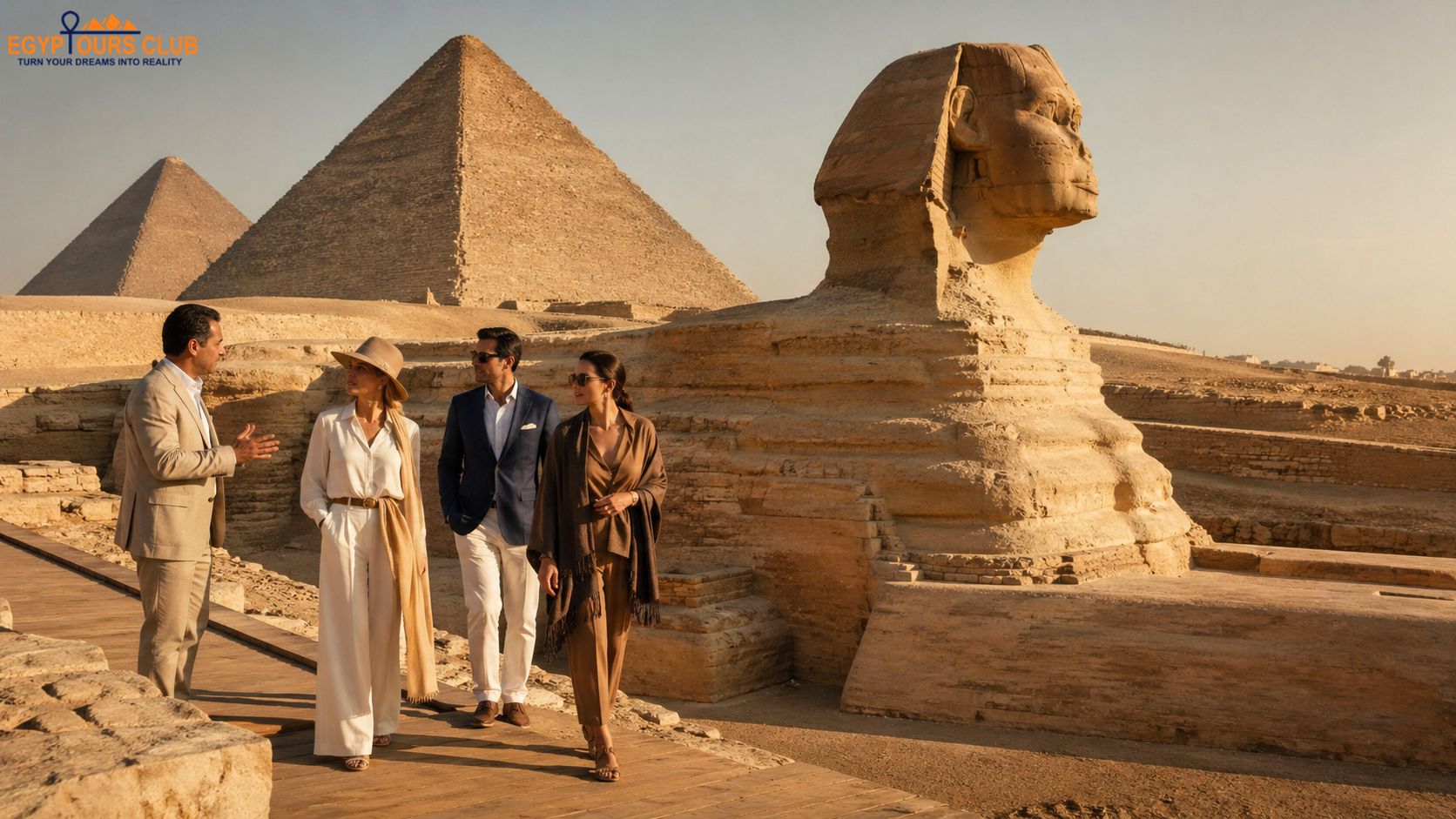
For travelers, this makes a guided Giza visit more meaningful. The site is not only a photo stop; it is an active archaeological landscape where ancient architecture and modern research meet. Start with Pyramids of Giza Tours if your main interest is the Great Pyramid, Menkaure, the Sphinx and the plateau itself.
| Giza Research Area | Why It Matters | Visitor Angle |
|---|---|---|
| Great Pyramid void research | Shows that the Great Pyramid still holds unanswered architectural questions. | Helps visitors understand why the monument remains a living research subject. |
| Menkaure anomalies | Detected possible hidden features behind the eastern face. | Makes Menkaure more interesting than a quick “third pyramid” stop. |
| Giza Plateau context | Connects pyramids, temples, causeways, tombs and the Sphinx into one landscape. | Best experienced with a guided route rather than a rushed photo visit. |
Saqqara Discoveries and New Tomb Finds Near Egypt’s Pyramid Fields
A strong article about new discoveries in Egypt pyramids should never focus only on Giza. Saqqara is one of the most important pyramid landscapes in Egypt, and it continues to produce major archaeological discoveries.
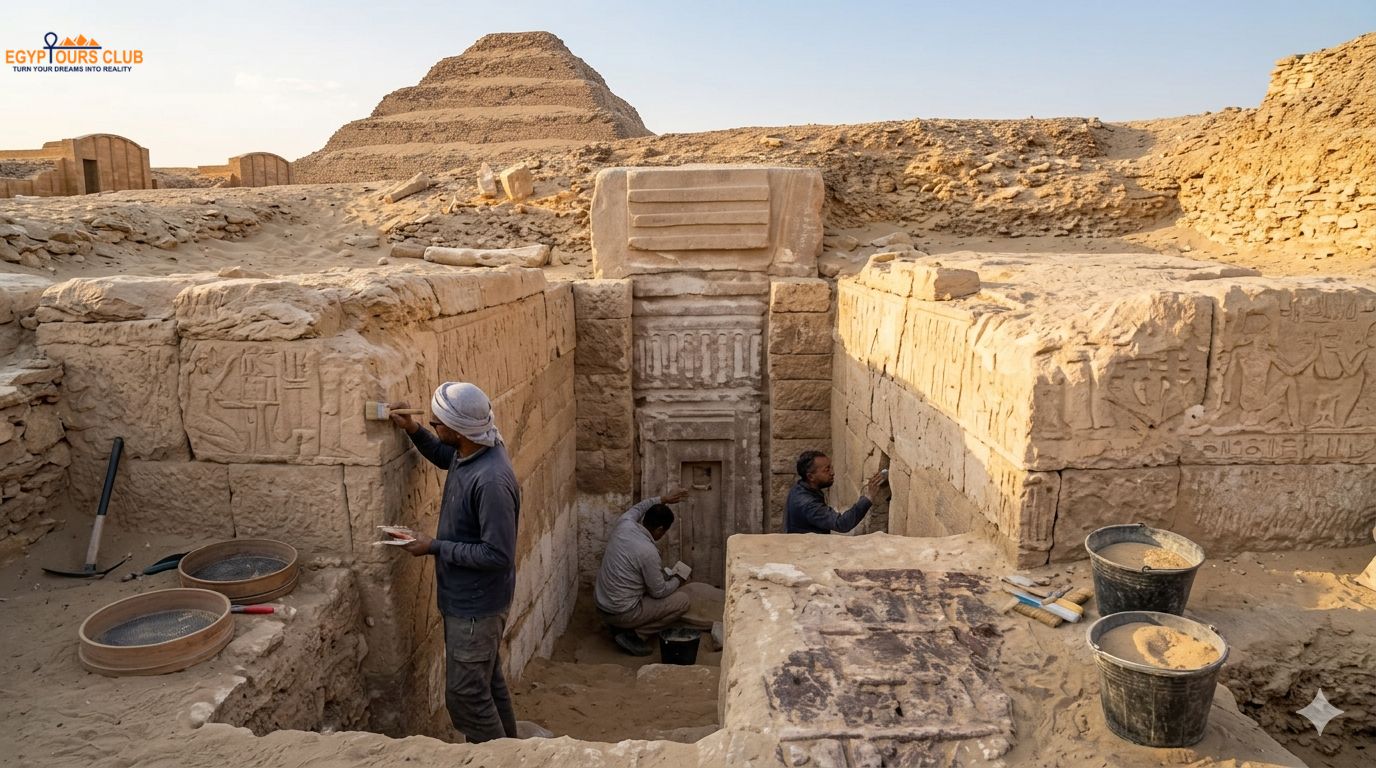
The tomb of Prince Waser-If-Re at Saqqara is important because it connects the pyramid age with royal family networks, elite burial and funerary architecture. Finds such as false doors, tomb chambers and burial features help explain how status and memory worked around Egypt’s royal necropolises.
This matters because Saqqara helps explain Egypt’s pyramid age beyond the pyramids themselves. The site preserves tombs, causeways, mastabas, temples, burials, inscriptions and ritual landscapes connected to royal and elite society. For a strong site-focused route, use Saqqara Pyramid Tours.
| Saqqara Discovery Angle | Why It Matters | Best Travel Context |
|---|---|---|
| Royal-family tombs | Add evidence about elite status and royal family connections. | Best with a Saqqara-focused guide who explains tomb layout and symbols. |
| False doors and burial features | Help explain funerary belief, offering rituals and social rank. | Best combined with the Step Pyramid and selected tombs. |
| Necropolis landscape | Shows that pyramid fields were living ritual zones, not isolated monuments. | Best combined with Memphis, Dahshur or Giza. |
Why These Egypt Pyramid Discoveries Matter
The value of Egyptian pyramid discoveries goes beyond headlines. Each discovery helps answer bigger questions: how pyramids were planned, how royal burial landscapes functioned, how elite families expressed status and how ancient Egyptians shaped sacred space around death and kingship.
The Giza scan results matter because they show that famous monuments still contain structural mysteries. The Saqqara tomb discoveries matter because they expand the historical record of royal and elite burial around Egypt’s pyramid landscapes.
Together, these findings remind readers that ancient Egypt is not a finished story. It is still an active field of research, where new technology and careful excavation continue to reveal new evidence.
Can Travelers Visit Places Linked to New Pyramid Discoveries?
Travelers usually want a practical answer: can they visit the places connected to these discoveries? The answer is partly yes. Newly detected voids inside a pyramid are usually not open to visitors, but the landscapes connected to those discoveries are major archaeological sites.
Giza, Saqqara, Dahshur and the Grand Egyptian Museum can be combined into powerful routes. This is where Cairo Day Tours become useful: they help travelers move between monument landscapes, museum context and city logistics without wasting the day.
Giza Plateau
Best for understanding the Great Pyramid, Menkaure, the Sphinx, pyramid scan research and the global story of pyramid archaeology.
Explore Pyramids of Giza Tours →Saqqara
Best for pyramid evolution, elite tombs, underground galleries, Step Pyramid history and ongoing archaeological discovery.
Explore Saqqara Pyramid Tours →Dahshur
Best for seeing pyramid experimentation through the Bent Pyramid and Red Pyramid in a quieter desert setting.
Explore Tours from Cairo →Grand Egyptian Museum
Best for connecting archaeological discoveries with royal collections, ancient technology and Old Kingdom context.
Explore Grand Egyptian Museum Tours →
Choose the Right Pyramid Discovery Route
The right route depends on what you want to understand. A short visit can focus on Giza and the Grand Egyptian Museum. A deeper archaeology day should include Saqqara and Dahshur. A full Egypt journey can connect Cairo with Luxor, Aswan and the Nile.
Giza + Grand Egyptian Museum
Choose this if you want the Great Pyramid, Menkaure, the Sphinx and museum context in one clear Cairo-based day.
Explore Grand Egyptian Museum Tours →Saqqara + Dahshur + Giza
Choose this if you want to understand pyramid development from the Step Pyramid to the Giza Plateau.
Explore Saqqara Pyramid Tours →Egypt Tour Packages
Choose this if you want Cairo, Giza, Luxor, Aswan, temples, tombs and Nile Valley highlights in a complete route.
Explore Egypt Tour Packages →Tailored Pyramid Route
Choose this if you want more time at Saqqara, a slower Giza visit, museum focus or a special archaeology theme.
Plan Tailor-Made Egypt Tours →Route Tip
For the strongest pyramid discovery day, combine Giza, Saqqara and Dahshur. For stronger historical context, add the Grand Egyptian Museum before or after the pyramid route.
Egypt Pyramids Discoveries Explained in Simple Terms
For readers who want a clear summary, here is the simplest way to understand the topic:
- New discoveries in Egypt pyramids can mean finds inside pyramid structures, such as detected voids or anomalies.
- They can also mean discoveries in pyramid fields, such as tombs and elite burials at Saqqara.
- Modern research now uses non-destructive scanning to study ancient monuments safely.
- Not every anomaly is a confirmed chamber.
- Some of the biggest breakthroughs explain structure, burial landscapes and elite society rather than opening a new pyramid room.
This is the cleanest way to understand the secrets of the Egyptian pyramids without drifting into exaggeration.