


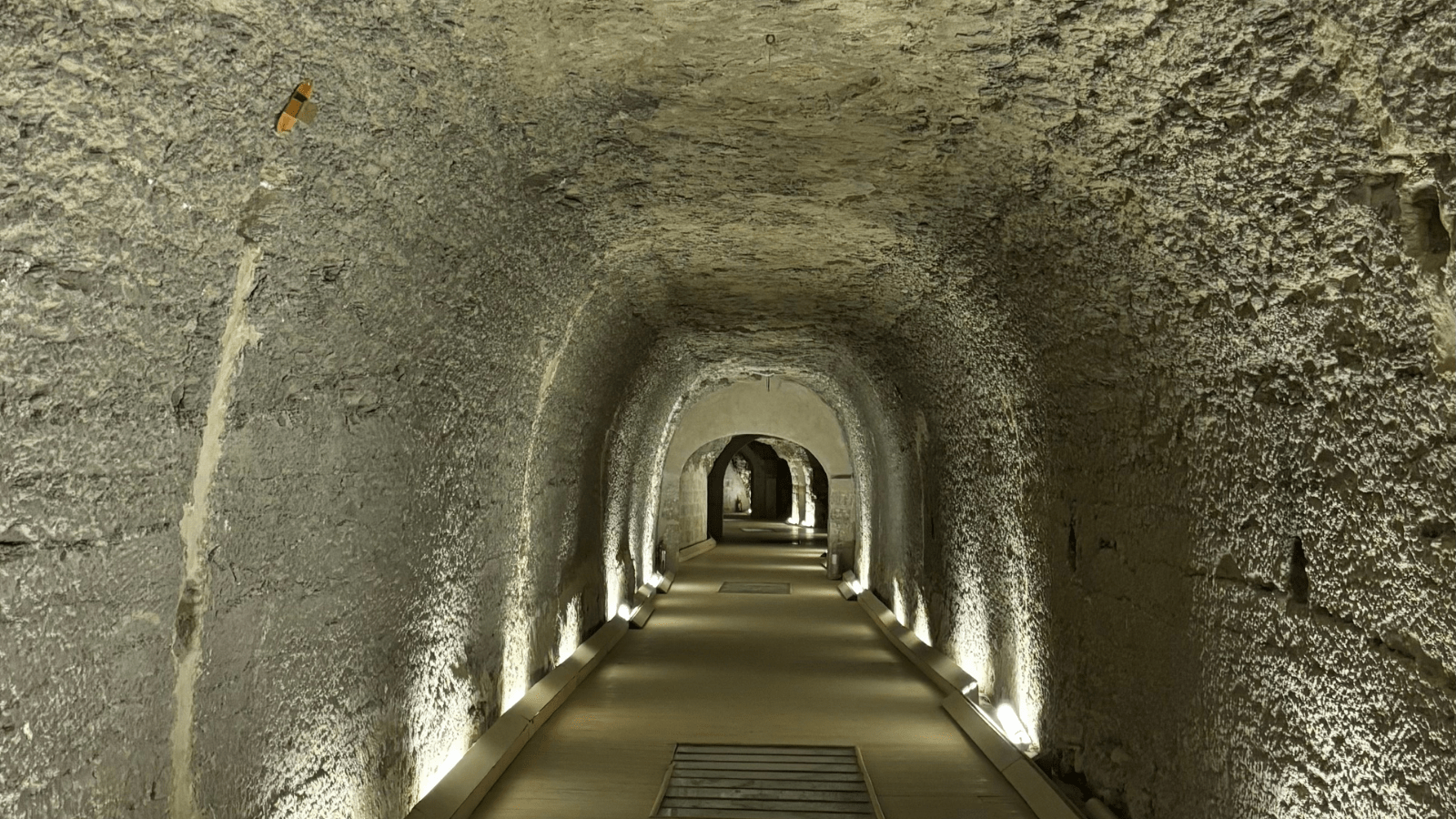
Necropoli di Saqqara: Guida Pratica per una Visita Indimenticabile
Una guida pratica per esplorare il più antico e vasto sito funerario d’Egitto con tempo sufficiente, trasporto privato e contesto storico professionale.
30 km a sud del CairoOttobre-Aprile3-4 oreEgittologo professionistaSaqqara è una delle esperienze archeologiche più profonde vicino al Cairo. L’articolo sottolinea che dimensioni e ricchezza del sito premiano una visita pianificata.
Cosa sapere prima di visitare Saqqara
Sito Esteso, Serve Tempo
Una visita corretta richiede normalmente 3-4 ore perché Saqqara copre un’area molto ampia.
Meglio Mattina e Mesi Freschi
Ottobre-aprile è il periodo più confortevole e la mattina aiuta a evitare caldo e folla.
La Guida Aggiunge Valore
La segnaletica limitata rende utile un egittologo per comprendere evoluzione delle piramidi, simbolismo e scene delle tombe.
Dove si Trova Saqqara?
Vicino all’antica Menfi.
La necropoli è estesa.
Consigliato.
Aiuta a organizzare la visita.
Periodo Migliore
Mesi più confortevoli.
Fortemente consigliata.
Possibile con arrivo molto presto.
Essenziale.
Quanto Tempo Serve?
Durata tipica.
Più tombe richiedono più tempo.
Si rischia di perdere monumenti importanti.
Entrambi meritano tempo.
Cosa Indossare e Portare
Terreno desertico e irregolare.
Meglio per il caldo.
Protezione solare.
Anche in inverno.
Per le foto.
Alcuni interni sono stretti.
Siti da Non Perdere
Principale attrazione.
Nota per i primi Testi delle Piramidi.
Iscrizioni ben conservate.
Importanti tombe d’élite.
Sepoltura sotterranea dei tori Apis.
Per Chi è Adatta?
Pubblico ideale.
Per chi cerca profondità.
Molto interessante.
Ottima scelta oltre i siti principali.
Può essere meno adatta.
Perché una Guida è Importante
Molti siti richiedono spiegazioni.
La guida collega Saqqara alle fasi successive.
Più chiaro con contesto.
Le incisioni acquistano significato.
Utile in un sito così grande.
Come Abbinarla ad Altri Siti
Indicata come prima capitale d’Egitto.
Piramidi Rossa e Romboidale.
Completa l’evoluzione architettonica.
Mostra il passaggio dalla sperimentazione alla perfezione.
Consigli Finali
Meno caldo e bus turistici.
Per interni e foto.
Sempre.
Utile se vuoi entrare negli interni.
Domande frequenti
Quanto dista Saqqara dal Cairo?
Circa 30 km a sud.
Qual è il periodo migliore?
Ottobre-aprile, soprattutto al mattino.
Quanto dura una visita?
Circa 3-4 ore.
Quali siti visitare?
Djoser, Unas, Teti, Mereruka, Kagemni e Serapeum.
È adatta a chi ha mobilità limitata?
Può essere meno adatta per lunghe distanze e interni irregolari.
Perché scegliere un egittologo?
Per comprendere evoluzione delle piramidi, simbolismo e scene funerarie.
Scopri Saqqara con Più Contesto Storico
Visita Piramide a Gradoni, tombe selezionate e necropoli con guida professionale e trasporto organizzato.
Vedi il Tour di Mezza Giornata a Saqqara