

Crystal Mountain, Egitto | Geologia e guida ai safari | Egypt Tours Club
Crystal Mountain, Egitto . banner

Crystal Mountain, Egitto

ETCEgypt Tours Club

Crystal Mountain planning by a licensed local team

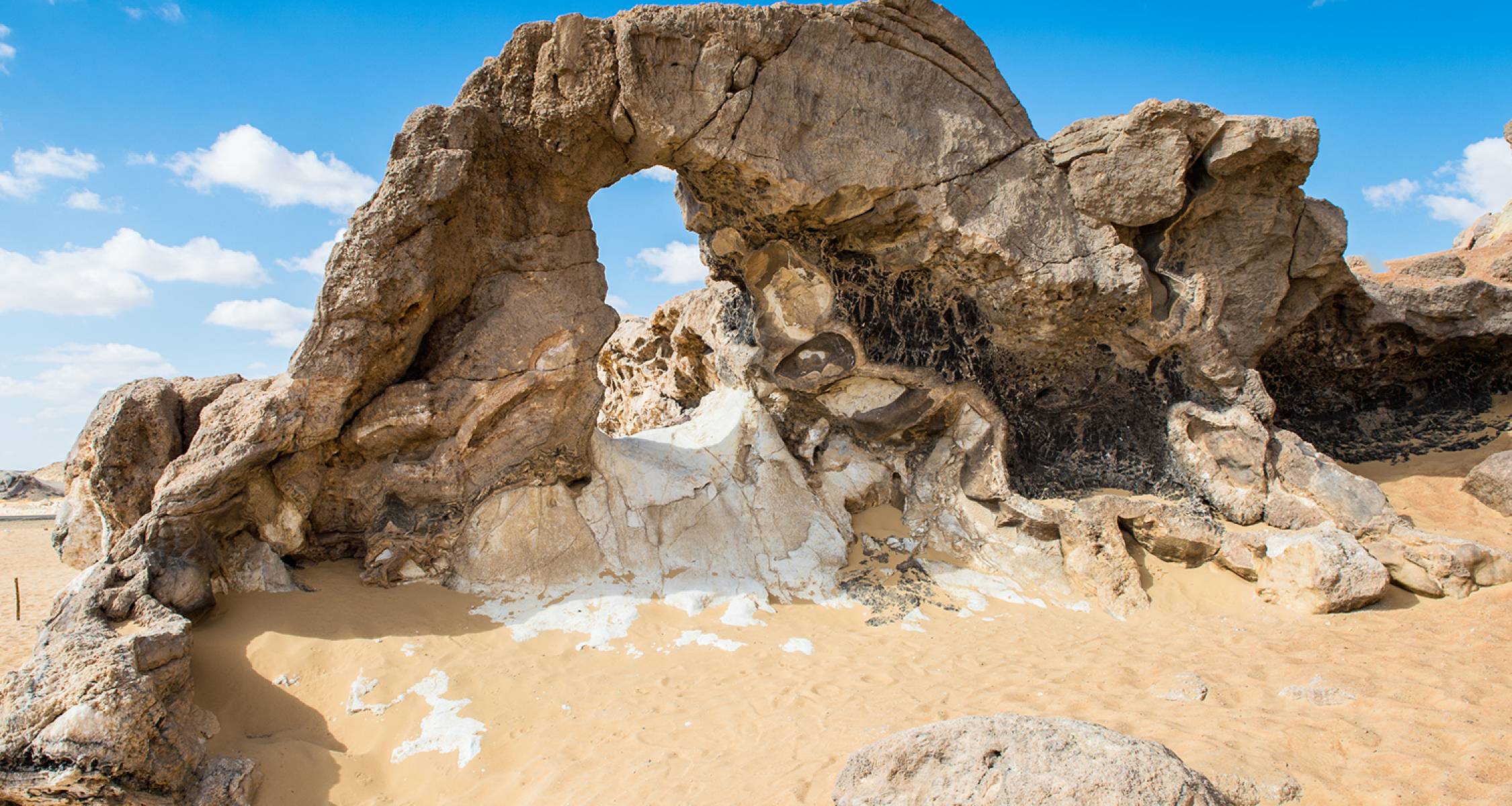
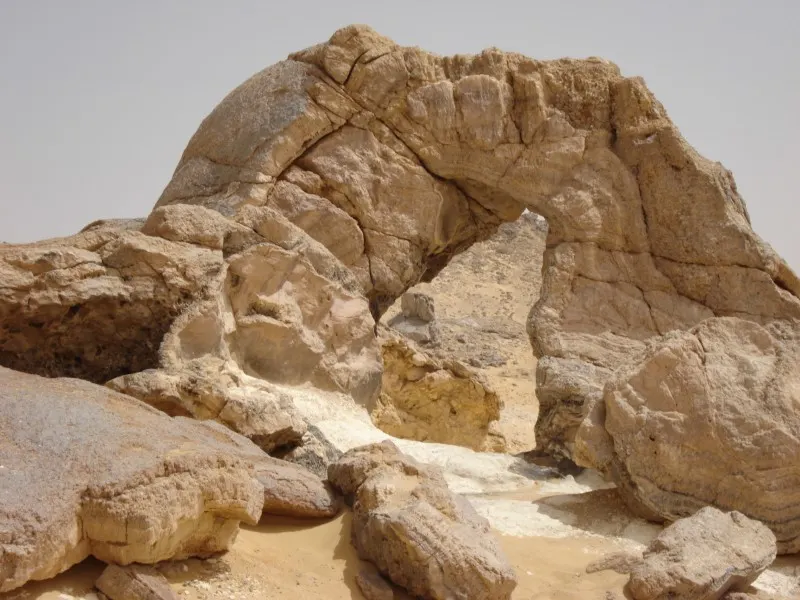
Crystal Mountain arch glowing in the Western Desert sun

Crystal ridge · Western Desert · Egypt

Crystal Mountain, Egypt: Complete Guide to Geology and White Desert Safaris

Discover the sparkling calcite-and-barite ridge between Bahariya and Farafra as part of a responsibly guided White Desert 4x4 safari.

Quick answer and geological context

Why visit Crystal Mountain?

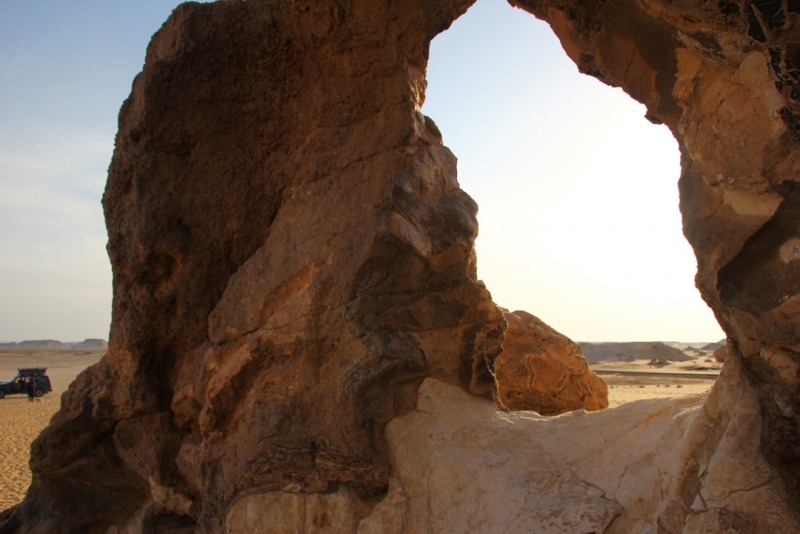
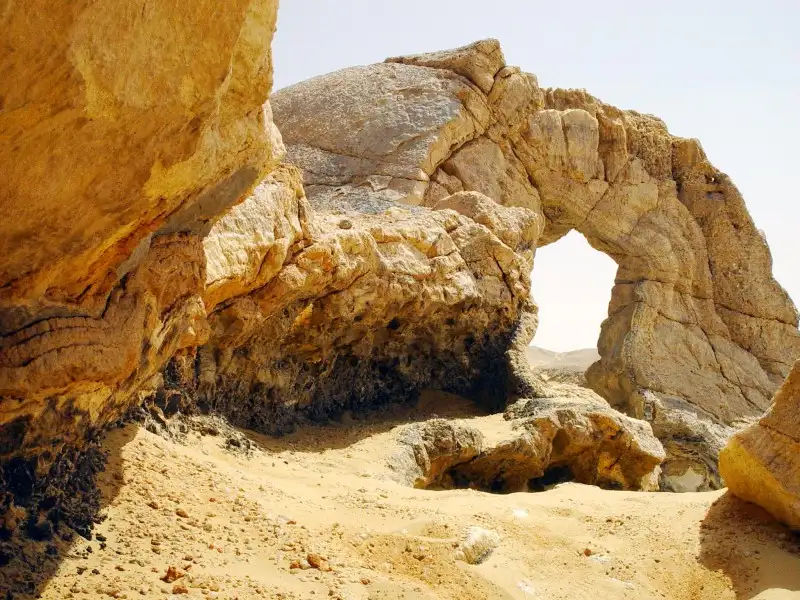
Crystal Mountain, locally known as Gebel al-Izzaz, is a small glittering ridge and natural arch between Bahariya and Farafra. Despite its name, it is not a major peak and its crystals are mainly calcite and barite—not quartz.

What makes the formation special?

Erosion exposed crystal-lined structures within chalk and limestone. The ridge sits along one of Egypt’s most dramatic landscape transitions, linking the dark hills of the Black Desert with Agabat and the chalk formations of the White Desert.

Its geology is discussed in different ways by popular sources, including paleocave and hydrothermal or subvolcanic interpretations. What visitors can clearly see is a fragile mineral-rich outcrop that must remain untouched.

Read Egypt’s official Crystal Mountain profile

Minerals, arch and desert landscapes

Crystal Mountain highlights and nearby stops

The outcrop is a short stop within a broader Western Desert route connecting Bahariya Oasis, the Black Desert, Agabat Valley and the White Desert.

Crystal Mountain ridge and natural arch in Egypt’s Western DesertGeological landmark

Crystal Mountain ridge

Calcite and bariteNot a high peak

The so-called mountain is a modest crystal-bearing ridge. Its glassy appearance has encouraged the common “quartz” description, but geological accounts identify abundant calcite and barite within the weathered formation.

Access and practical safari planning

How to visit Crystal Mountain

Crystal Mountain is normally visited during a full-day or multi-day guided 4x4 route. Do not treat remote Western Desert travel as an ordinary self-drive roadside excursion.

From Cairo

Road transfer to Bahariya

  • Leave early with a confirmed operator.
  • Transfer to Bawiti in Bahariya Oasis.
  • Change to the assigned 4x4 safari vehicle.
  • Continue only under the confirmed desert plan.
Open the Cairo guide
From Bahariya

4x4 safari route

  • Use an experienced desert driver and guide.
  • Confirm park access, permits and camping rules.
  • Carry water, cash, sun protection and layers.
  • Keep timing flexible for sand and weather.
Open the Bahariya guide
Two-day classic route

Black, Crystal and White Deserts

  • Cross the Black Desert after Bahariya.
  • Stop briefly at Crystal Mountain.
  • Continue through Agabat with current access.
  • Camp only where currently authorized.
View the complete safari package

Planning note: Protected-area access, permits, camping rules, track conditions, security procedures and operating routes can change. Reconfirm every detail with your licensed operator shortly before departure.

Crystal-bearing ridge between Bahariya and Farafra

Authoritative and specialist sources

Verify Crystal Mountain’s location and geology

Use Egypt’s official destination profile for location context and specialist geological sources for mineral and formation details, then confirm all access information locally.

External sources open in a new tab. Reconfirm access, security, permits and desert conditions before departure.

Frequently asked questions

Crystal Mountain travel questions

Direct answers cover mineral composition, location, access, visit length, conservation, season, photography and nearby stops.

What is Crystal Mountain?

Crystal Mountain, or Gebel al-Izzaz, is a small crystal-rich ridge and natural arch between Bahariya and Farafra in Egypt’s Western Desert. It is a standard stop on White Desert safari routes.

Is Crystal Mountain made of quartz?

Popular descriptions often call it quartz, but geological accounts identify the visible crystals primarily as calcite and barite.

Where is Crystal Mountain?

It lies between Bahariya Oasis and Farafra Oasis, near the northern White Desert landscape in the New Valley Governorate.

Can Crystal Mountain be visited alone?

It is rarely sensible as a standalone visit. Most travelers include it in a licensed 4x4 itinerary linking Bahariya, the Black Desert, Agabat and the White Desert.

What is the best time to visit?

October through April generally brings more comfortable desert temperatures. Summer heat and intense reflected sunlight require additional risk planning.

Can visitors collect crystals?

No. Do not remove crystals, collect loose fragments, scratch surfaces or break rock. Photograph everything in place and leave the formation unchanged.

How long should I spend at Crystal Mountain?

Around 30–60 minutes is usually enough for careful observation and photography because Crystal Mountain is one stop within a longer desert circuit.

What should I bring?

Bring closed shoes for sharp fragments, water, high-SPF sunscreen, sunglasses, a hat, charged devices and layers for changing desert temperatures. Carry out every item of waste.

Private Western Desert planning

Plan your Crystal Mountain safari

Share your date, Cairo pickup point, group size, camping preference and priority landscapes. Egypt Tours Club can design a private 4x4 route around current permits and conditions.