

Introduction: Two Icons of Ancient Egypt
When visiting Luxor, travelers are faced with an exciting choice between two of the most iconic historical sites in the country: the Valley of the Kings and the Mortuary Temple of Hatshepsut. Both sit on the West Bank of the Nile and serve as essential stops when you explore the best things to do in Egypt.
While Egypt tours often include both attractions on the same day, they offer completely different experiences. One takes you deep underground into elaborately decorated tombs, while the other invites you to explore a grand architectural masterpiece built into towering cliffs.
For travelers planning Cairo tours that extend to Upper Egypt or combining cultural experiences with pyramid tours, understanding the differences between these two sites will help you decide how to prioritize your time—or why visiting both is the best option.
Valley of the Kings: The Land of the Pharaohs’ Tombs
The Valley of the Kings is one of the most famous archaeological sites in the world. It served as the burial ground for pharaohs and powerful nobles during the New Kingdom period (around 1550–1070 BCE).
A Sacred Burial Ground
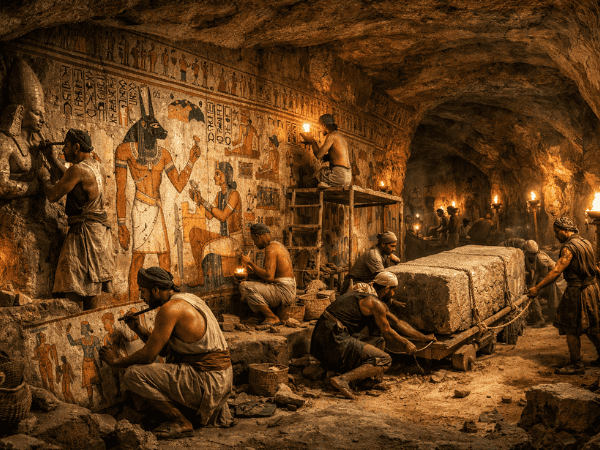
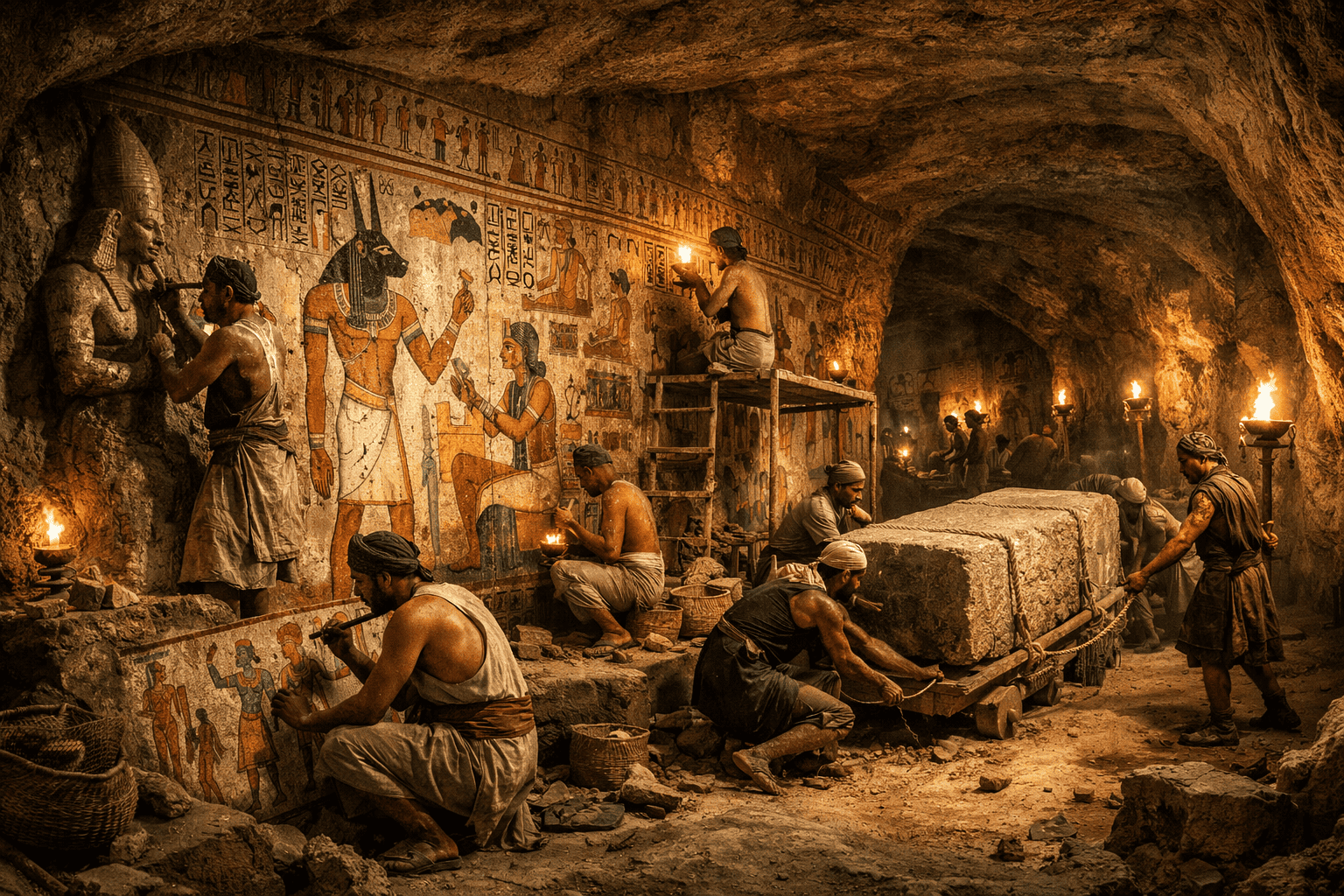
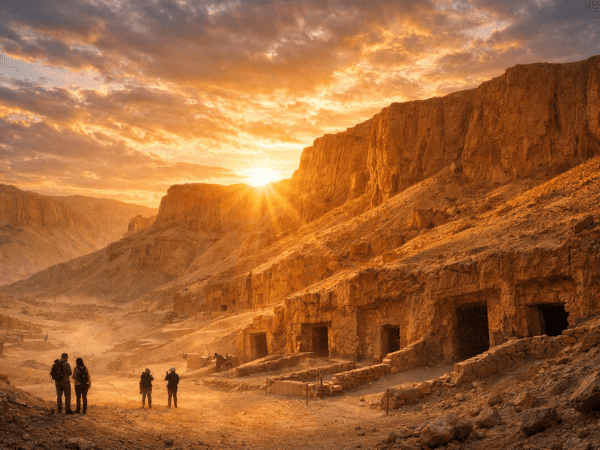
Hidden within a desert valley, the tombs were carved deep into the rock to protect them from tomb robbers. Despite these efforts, many tombs were looted over time—but what remains is still extraordinary.
The valley contains over 60 tombs, each uniquely designed and decorated with vibrant wall paintings and hieroglyphs.
The Tomb of Tutankhamun
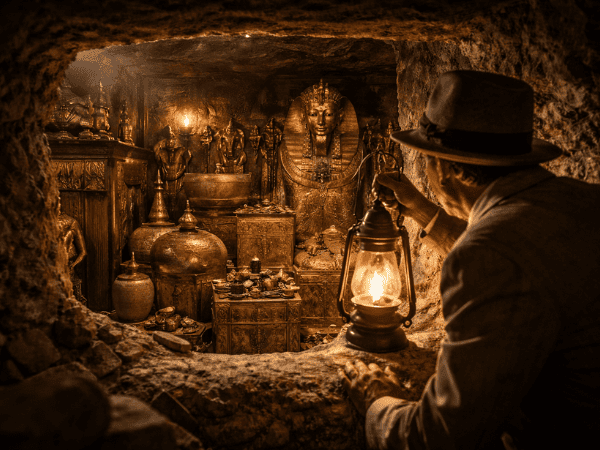
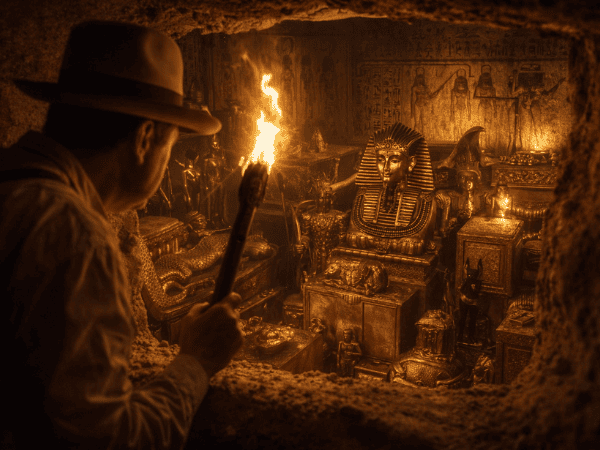
One of the most famous discoveries in the valley is the tomb of Tutankhamun, found almost intact in 1922.
Although the tomb itself is relatively small compared to others, its discovery revolutionized modern understanding of ancient Egypt and remains a highlight of things to do in Egypt.
Underground Chambers and Artwork
What makes the Valley of the Kings truly unique is the experience of descending into the tombs:
- Long corridors leading deep underground
- Walls covered in colorful religious texts
- Scenes depicting the journey to the afterlife
These tombs were designed to guide the pharaoh’s soul through the afterlife, making them both spiritual and artistic masterpieces.
Visitor Experience
Visiting the Valley of the Kings is an immersive experience:
- Walking under the desert sun between tomb entrances
- Entering cool, dimly lit chambers
- Viewing ancient artwork preserved for thousands of years
It is a must-visit for history lovers and a key highlight of Egypt tours.
Hatshepsut Temple: A Monument of Power and Elegance
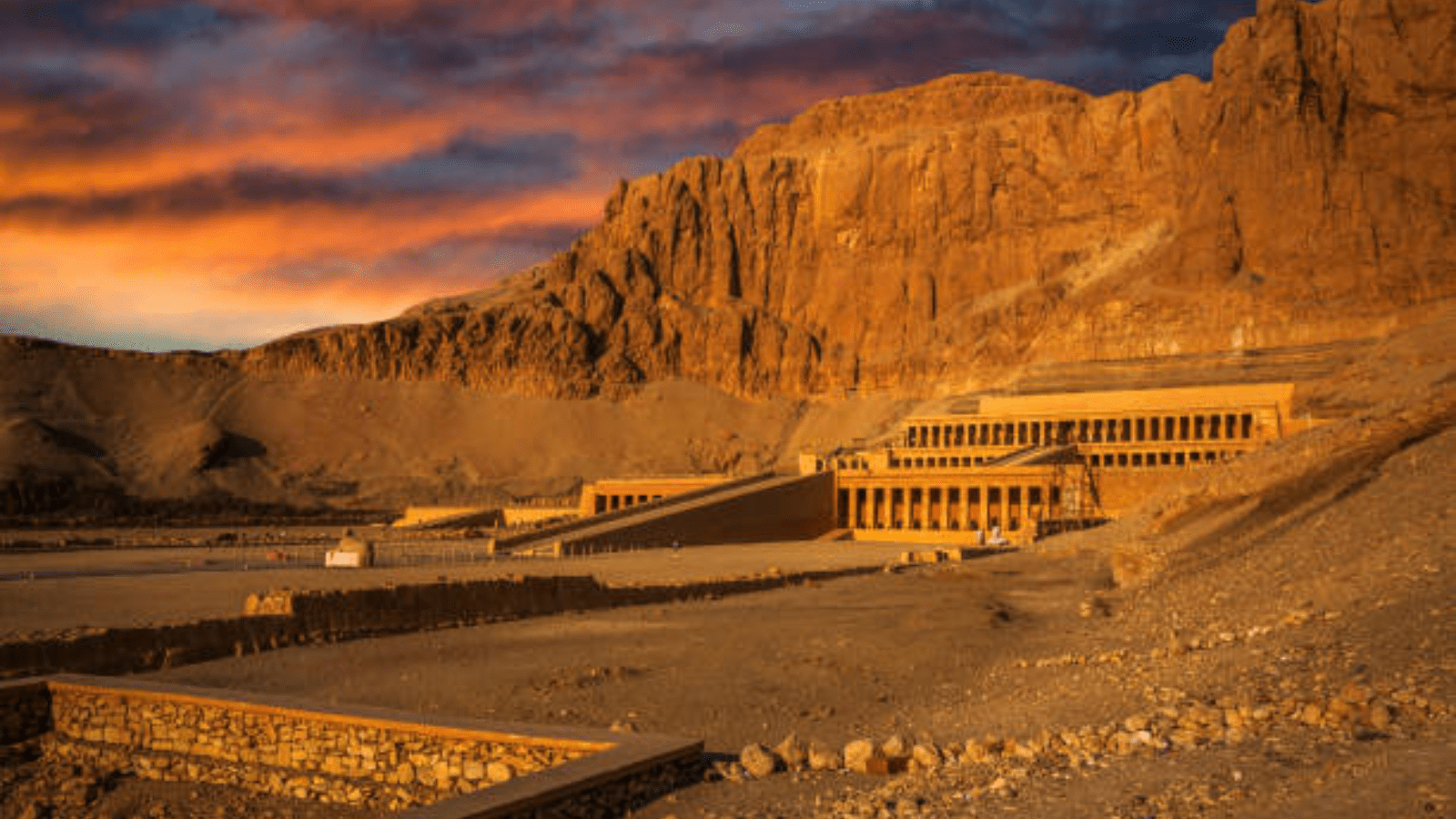
In contrast to the hidden tombs of the valley, the Mortuary Temple of Hatshepsut stands proudly above ground, carved into the cliffs of Deir el-Bahari.
A Temple Like No Other
Built by Hatshepsut, one of Egypt’s most remarkable rulers, the temple is known for its unique design:
- Three terraces
- Symmetrical colonnades
- Long ramps connecting levels
Its architecture blends seamlessly with the surrounding cliffs, creating one of the most visually stunning landscapes in Egypt.
A Symbol of Royal Authority
Unlike the Valley of the Kings, which focuses on death and the afterlife, Hatshepsut’s temple celebrates power, legacy, and divine connection.
Relief carvings throughout the temple depict:
- Her divine birth
- Trade expeditions to Punt
- Religious ceremonies
These scenes were designed to legitimize her rule and showcase her achievements.
Open-Air Experience
The temple offers a completely different visitor experience:
- Walking through wide, open terraces
- Enjoying panoramic views of the desert
- Experiencing natural light and dramatic scenery
This makes it ideal for photography and for travelers who prefer open spaces over enclosed environments.
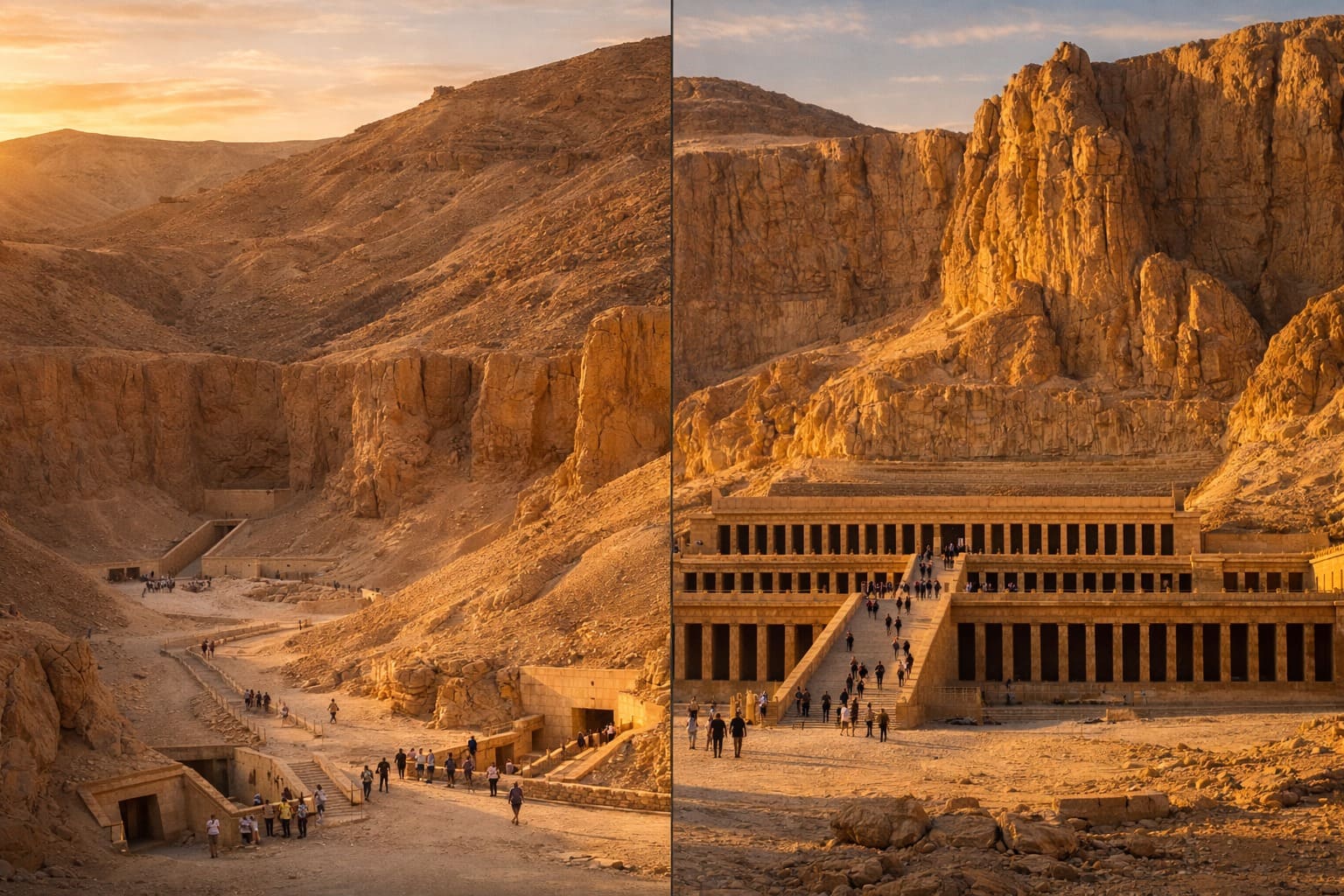
Key Differences: Valley of the Kings vs Hatshepsut Temple
| Feature | Valley of the Kings | Hatshepsut Temple |
|---|---|---|
| Type | Tombs | Temple |
| Experience | Underground | Open-air |
| Focus | Burial & afterlife | Architecture & power |
| Atmosphere | Dark, mysterious | Bright, scenic |
| Best For | History & archaeology | Architecture & photography |
Which Should You Visit?
Choosing between the two depends on your interests, travel style, and available time.
Choose the Valley of the Kings if you:
- Are fascinated by ancient burial practices
- Want to see real pharaoh tombs
- Enjoy exploring underground historical sites
This site is especially appealing to history enthusiasts and those interested in ancient religion.
Choose Hatshepsut's Temple if you:
- Love architecture and design
- Prefer open-air attractions
- Enjoy scenic landscapes and photography
It offers a more relaxed and visually striking experience.
Best Option: Visit Both
For most travelers, the best choice is simple—visit both.
These two sites complement each other perfectly:
- The Valley of the Kings reveals the hidden world of the afterlife
- Hatshepsut Temple showcases the grandeur of royal architecture
Together, they provide a complete picture of ancient Egyptian civilization.
Travel Tips for Visiting Both Sites
1. Start Early
Temperatures can rise quickly, so begin your visit in the morning.
2. Wear Comfortable Clothing
- Light, breathable fabrics
- Comfortable walking shoes
3. Bring Essentials
- Water and sunscreen
- Hat and sunglasses
4. Hire a Guide
A knowledgeable guide can explain the history and symbolism behind each site, enhancing your experience.
5. Combine with Other Attractions
Many Egypt tours include:
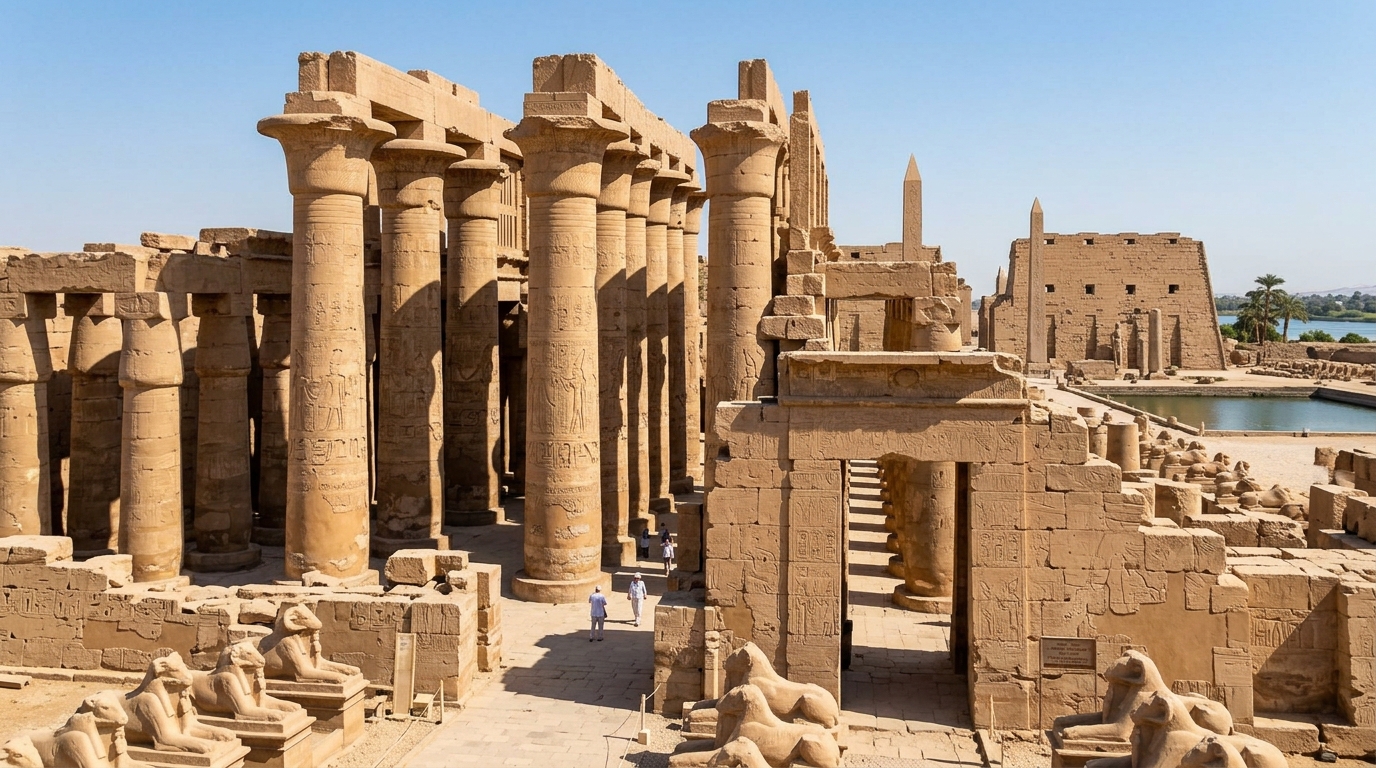
- Karnak Temple Complex
- Luxor Temple
This creates a full-day itinerary covering both East and West Bank highlights.
Why These Sites Are Essential for Egypt Tours
Both the Valley of the Kings and Hatshepsut Temple are central to understanding ancient Egypt.
They represent two different aspects of Egyptian civilization:
- Beliefs about death and the afterlife
- Expressions of power, religion, and architecture
For travelers exploring things to do in Egypt, these sites offer experiences that cannot be found anywhere else in the world.
Conclusion: Two Experiences, One Incredible Journey
The Valley of the Kings and the Mortuary Temple of Hatshepsut are not competitors—they are complementary experiences that together tell the story of ancient Egypt.
Whether you are descending into the hidden tombs of pharaohs or walking along the sunlit terraces of a queen’s temple, each site offers a unique and unforgettable perspective.
For anyone planning Egypt tours, Cairo tours, or combining cultural exploration with pyramid tours, visiting both sites is one of the most rewarding experiences in the country.
In Luxor, history is not just preserved—it surrounds you, inviting you to explore, learn, and be inspired.