

Kom Oshim & Karanis Egypt: Fayoum Travel Guide | Egypt Tours Club
Kom Oshim . banner

Kom Oshim

Egypt Tours Club

Fayoum heritage planning by a licensed local Egypt travel team

Kom Oshim · Ancient Karanis · Greco-Roman Fayoum

Kom Oshim (Karanis), Egypt: Complete Travel Guide to Fayoum’s Ancient Greco-Roman City

Explore ancient Karanis at Kom Oshim, the northeastern gateway to Fayoum. Founded in the Ptolemaic era, this major agricultural settlement preserves mud-brick houses, crocodile-god temples, Roman bathhouses and archaeological finds that reveal everyday life in Greco-Roman Egypt.

Quick Travel Answer

What is Kom Oshim and why is Karanis important?

Kom Oshim is the modern mound containing the ruins of ancient Karanis, one of Fayoum’s major Greco-Roman agricultural settlements. The source article dates its foundation to the 3rd century BCE under Ptolemy II Philadelphus as part of agricultural development around ancient Lake Moeris, now Lake Qarun.

Karanis later flourished under Roman rule with multi-story homes, granaries, oil presses, public baths and religious sanctuaries. The dry desert environment preserved papyri, textiles, wood, leather and glass, giving archaeologists unusually detailed evidence about daily provincial life.

Explore the Fayoum Travel Guide
Everyday Life in Greco-Roman Egypt

Top things to see at Kom Oshim and ancient Karanis

Walk through a preserved agricultural city, study its temples and Roman infrastructure, then use the museum and nearby Fayoum landmarks to place Karanis in a wider historical landscape.

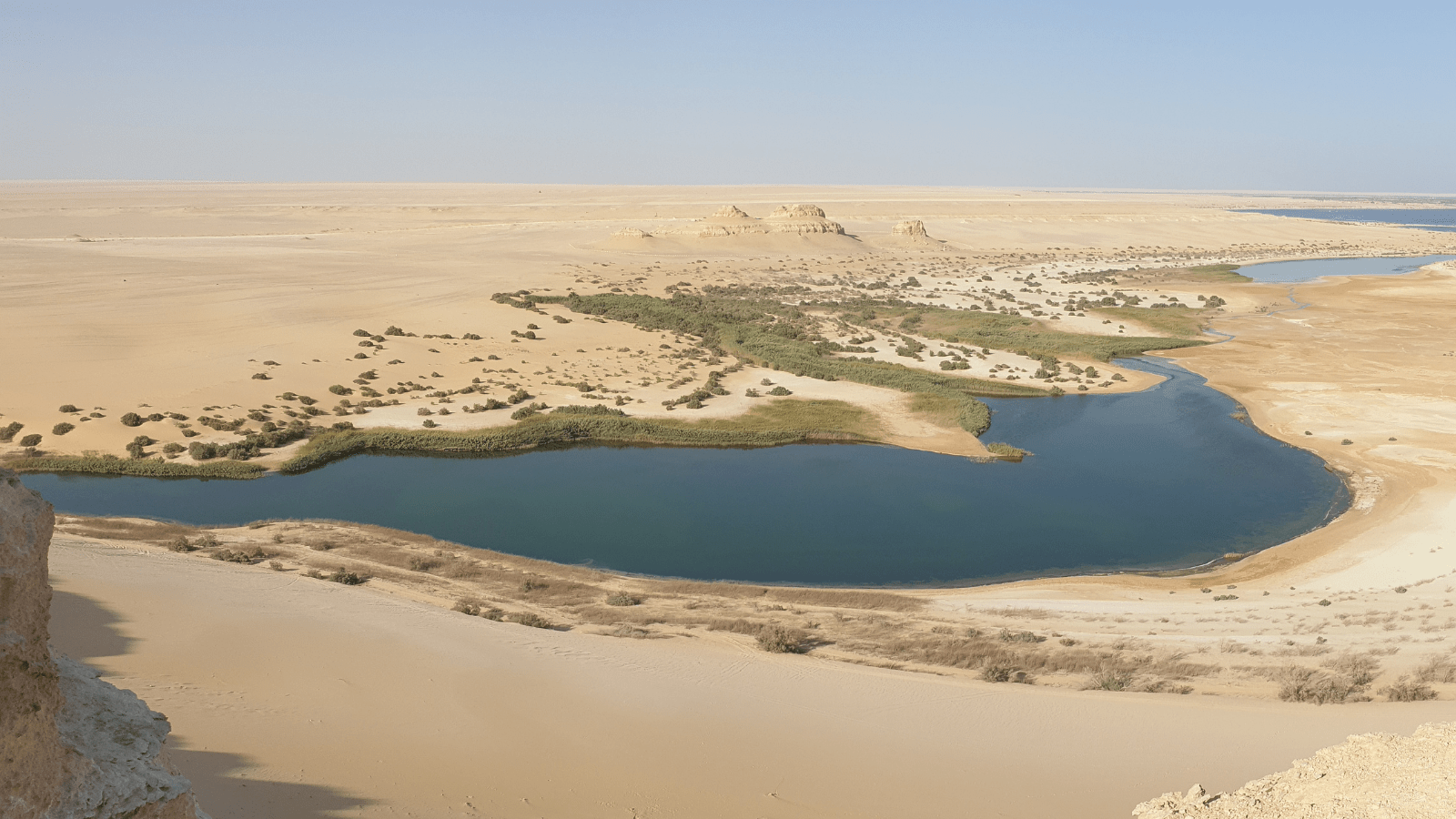
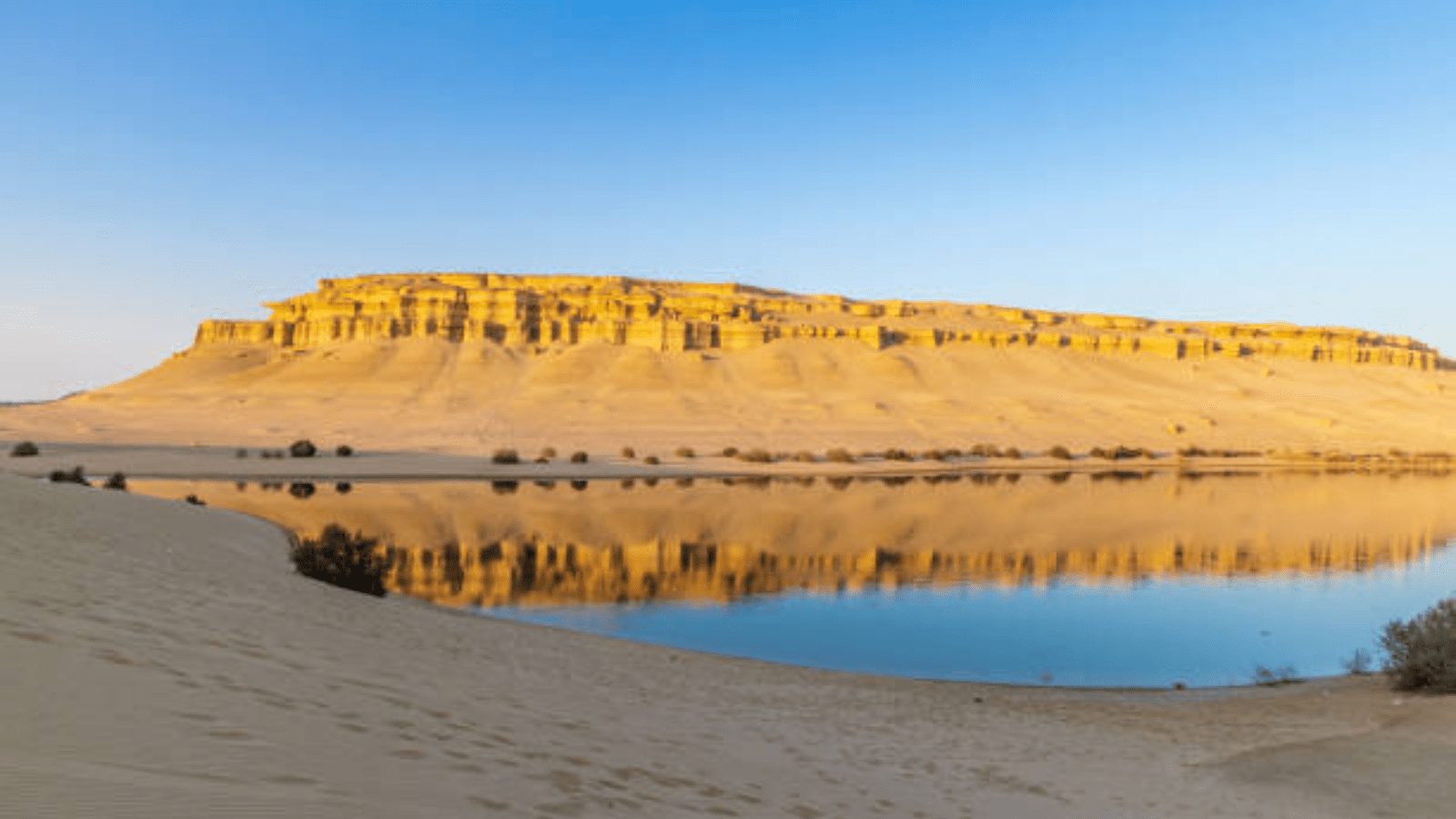
Fayoum desert and oasis landscape representing the setting of Kom Oshim and ancient KaranisAncient City

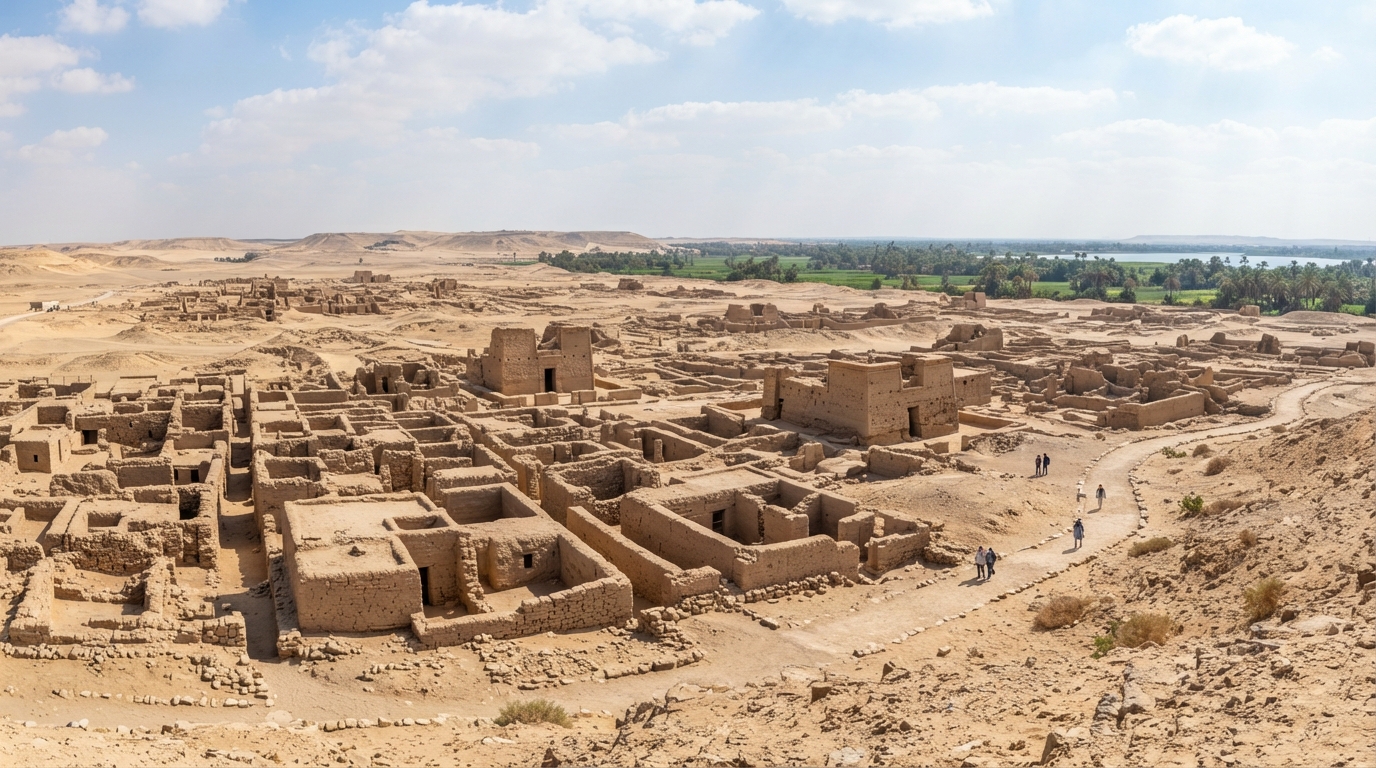
Karanis Mud-Brick City

Ptolemaic & RomanDomestic architecture

Ancient streets run between multi-story mud-brick houses with arched doorways, staircases, plastered walls and subterranean storage spaces. Large vaulted granaries reflect Karanis’s agricultural role in Roman Egypt.

Ancient stone temple architecture in Fayoum associated with the region's Greco-Roman crocodile cult heritageCrocodile Cult

South and North Temples

Pnepheros & PetesouchosLocal limestone

Karanis contains two principal stone sanctuaries associated with crocodile deities. The South Temple preserves a multi-room plan, while the smaller North Temple belongs to the Roman-era sacred landscape.

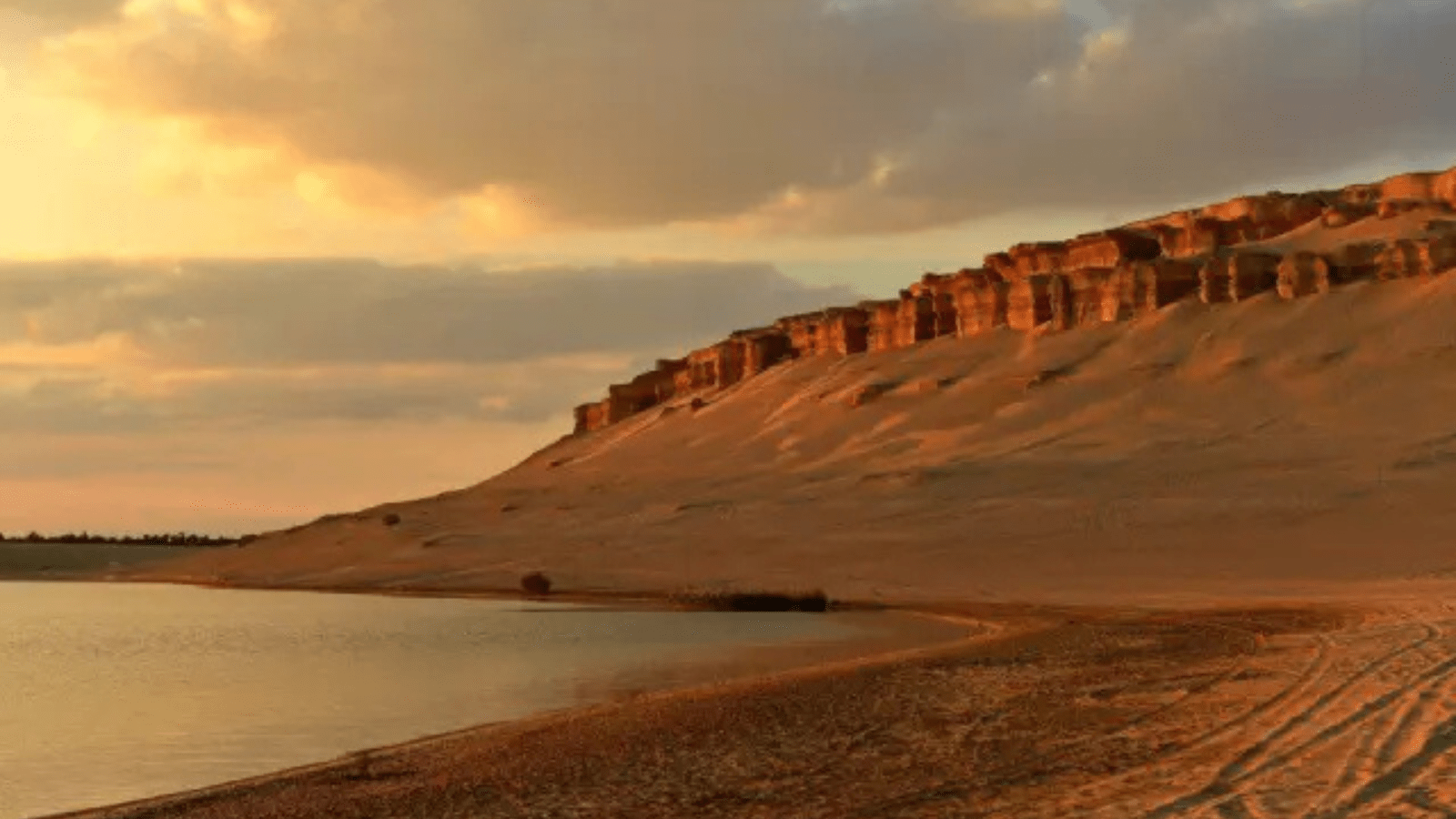
Fayoum archaeological landscape near Kom Oshim and KaranisRoman Infrastructure

Roman Bathhouses

ThermaeUnderfloor heating

Excavated public bath remains near the residential district include evidence of hypocaust heating, immersion basins and rooms designed for different water temperatures, illustrating Roman urban habits in provincial Egypt.

Fayoum heritage landscape representing archaeological collections from the oasisRegional Museum

Kom Oshim Museum

At the site entranceFayoum archaeology

The regional museum presents finds from across Fayoum, including Roman-Egyptian glassware, terracotta figurines, agricultural tools, funerary material, Coptic textiles and Fayoum portrait traditions.

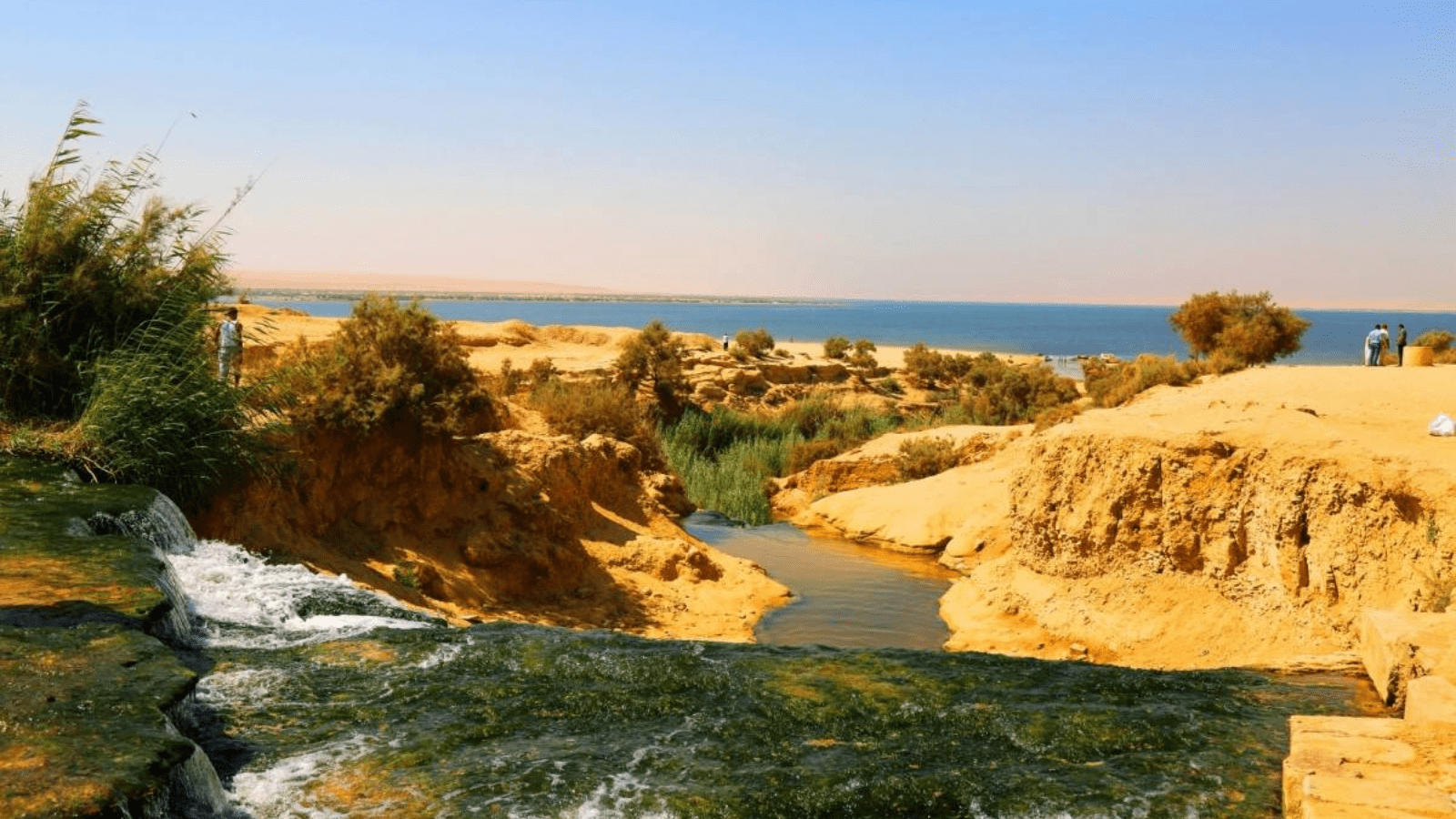
Lake Qarun in Fayoum near Kom Oshim and ancient KaranisNorth Fayoum

Lake Qarun, Qasr El Sagha and Dimai

Nature + archaeologyNorthern Fayoum

Continue around northern Fayoum for Lake Qarun scenery and remote archaeological landscapes such as Qasr El Sagha and Dimai, expanding the Karanis visit into a broader desert-and-oasis route.

Choose by Available Time

Practical ways to visit Kom Oshim from Cairo or Fayoum

Its gateway location makes Kom Oshim especially useful as the first archaeological stop on a Fayoum itinerary from Cairo.

From Cairo

Kom Oshim first-stop route

  • Drive southwest on the Cairo–Fayoum Desert Highway.
  • Start at Karanis before continuing deeper into Fayoum.
  • Visit the archaeological city, temples and museum.
  • Continue toward Lake Qarun or Tunis Village.
Request a private Fayoum route
From Fayoum City

Focused Karanis archaeology visit

  • The source places Kom Oshim about 25 km northeast of Medinet El-Fayoum.
  • Explore domestic architecture and granaries.
  • Study the South and North Temples.
  • Finish inside the Kom Oshim Museum.
Open the Fayoum guide
Full Fayoum route

Karanis, Lake Qarun and desert landscapes

  • Begin at Kom Oshim in the morning.
  • Continue around Lake Qarun and northern Fayoum.
  • Add Tunis Village or archaeological extensions.
  • Finish with Wadi El Rayan or another oasis highlight depending on timing.
Explore Fayoum adventure options

Planning note: The supplied article lists daily opening hours of 9:00 AM–5:00 PM and states that one ticket covers Karanis and the Kom Oshim Museum. Opening hours, ticket rules and access conditions can change, so confirm current details before travel.

Lake Qarun landscape in Fayoum near ancient Karanis

Trusted Archaeology & Destination References

Continue with authoritative information about Karanis and Fayoum

Use institutional archaeology resources alongside Egypt Tours Club planning pages for deeper historical context and current monument information.

External pages open in a new tab. Confirm current opening hours, ticket prices and archaeological access close to your visit.

Helpful Travel Answers

Kom Oshim and Karanis questions before you go

Direct answers about the site’s history, temples, museum, location and practical visit planning.

What is Kom Oshim?

Kom Oshim is the modern Arabic name for the archaeological mound containing the ruins of ancient Karanis in northeastern Fayoum.

What was ancient Karanis?

Karanis was a major agricultural settlement founded in the Ptolemaic period and later developed under Roman rule, with homes, granaries, baths, workshops and temples.

What can I see at Karanis?

Highlights include extensive mud-brick residential ruins, granaries, the South and North Temples, Roman bathhouse remains and the nearby Kom Oshim Museum.

Which gods were worshipped at Karanis?

The source identifies the principal temple deities as Pnepheros and Petesouchos, local crocodile gods associated with Fayoum’s wider crocodile-cult tradition.

Where is Kom Oshim?

Kom Oshim lies at the northeastern entrance to Fayoum Governorate, about 80 km southwest of Cairo and roughly 25 km northeast of Medinet El-Fayoum according to the supplied guide.

When is the best time to visit Kom Oshim?

October through April offers more comfortable outdoor conditions. Morning hours are especially useful because much of the archaeological site is exposed to the sun.

Can I visit Kom Oshim from Cairo?

Yes. The source describes a drive of about one hour via the Cairo–Fayoum Desert Highway, making Kom Oshim a practical first stop on a Fayoum itinerary.

What should I combine with Kom Oshim?

Nearby route options include Lake Qarun, Qasr El Sagha, Dimai, Tunis Village and pyramid sites such as Meidum and Hawara, depending on your itinerary and access.

Private Fayoum Planning

Add Kom Oshim and Karanis to the right Fayoum route

Share your Cairo pickup, available time, travel date and interests. Egypt Tours Club can structure a private Fayoum itinerary connecting Karanis with Lake Qarun, Tunis Village, desert landscapes and other archaeological stops.