

Shali Fortress Siwa Oasis: History & Visitor Guide | Egypt Tours Club
Shali Fortress Siwa Oasis . banner

Shali Fortress Siwa Oasis

Egypt Tours Club

Siwa Oasis heritage planning by a licensed local Egypt travel team

Old Shali · Kershef Architecture · Siwa Oasis

Shali Fortress Visitor Guide: History, Kershef Architecture and the Best Siwa Views

Explore the historic heart of Siwa Oasis through Old Shali’s salt-mud architecture, restored pathways, ancient mosque, traditional market and panoramic summit views. Use this guide to understand the fortress, plan a practical visit and connect Shali with the wider Siwa experience.

Quick Travel Answer

What is Shali Fortress and why should you visit it?

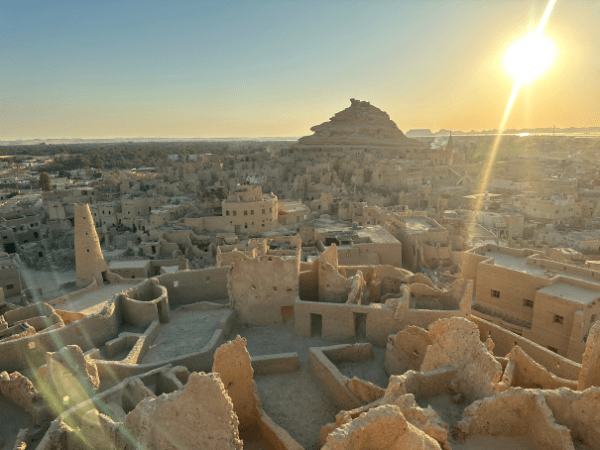
Shali Fortress, also called Old Shali, is the historic fortified settlement at the center of Siwa Oasis. Its dense kershef walls, narrow passages, traditional mosque and elevated viewpoints preserve the character of medieval oasis life.

Allow around 1.5 to 2 hours for a comfortable visit. Walk the restored lanes, examine the salt-mud construction, see the historic mosque area, browse the surrounding souk and climb toward the upper viewpoint near sunset.

Explore the 4-Day Siwa Oasis Tour
Read Old Shali Clearly

The essential sights and cultural experiences at Shali Fortress

Follow the fortress from its elevated skyline and historic mosque to kershef architecture, the traditional souk, Siwan cultural collections and the wider oasis landscape.

Historic earthen architecture in Siwa showing traditional walls and passages associated with oasis heritage Religious Heritage

Al-Ateeq Mosque and Historic Mosque Quarter

Old Shali heritageTraditional earthen building

Near the lower fortress, the historic mosque area demonstrates how religious, residential and defensive architecture developed together inside the compact oasis settlement.

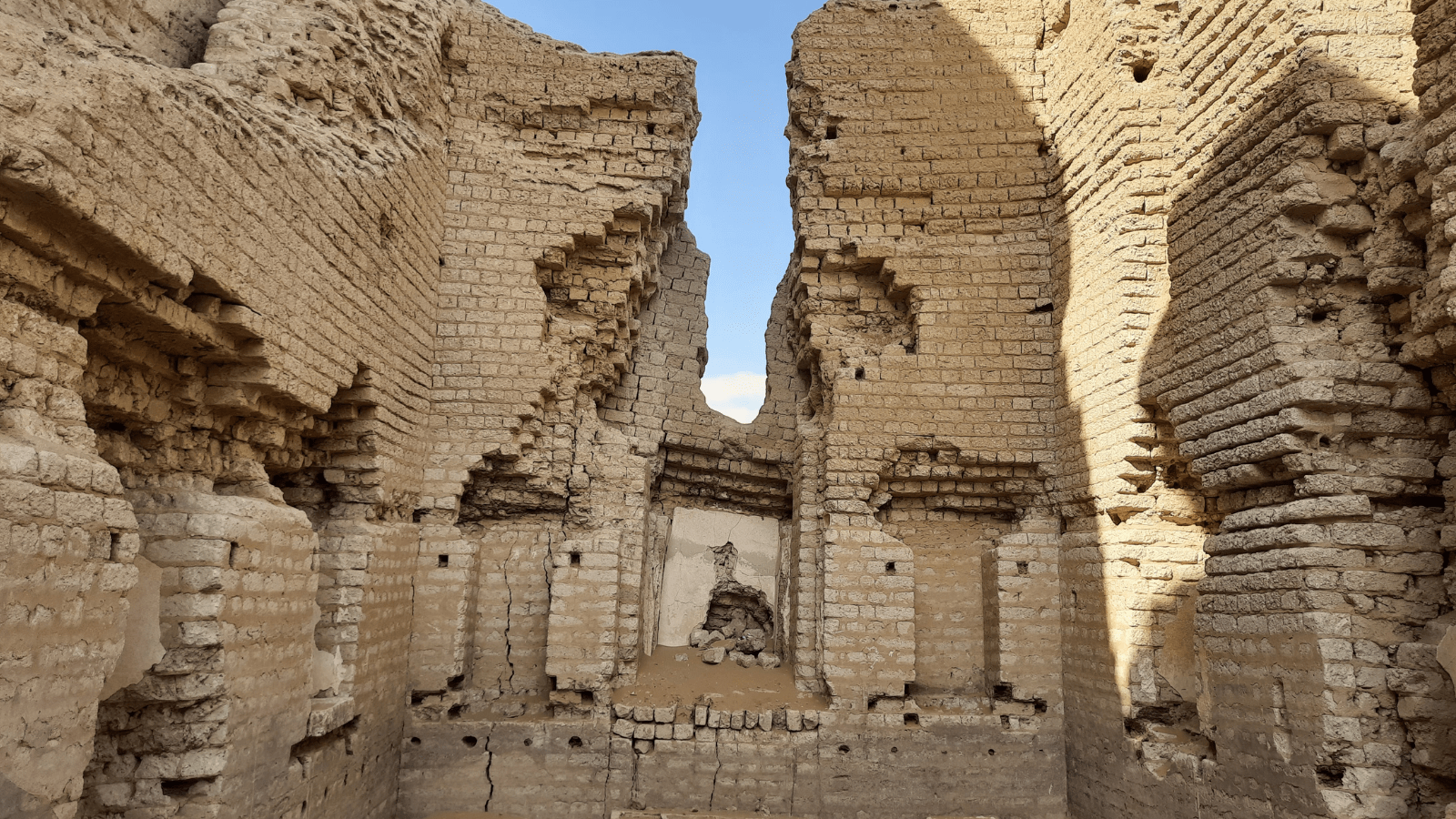
Traditional desert masonry and historic building remains illustrating Siwa architectural heritage Kershef Heritage

Kershef Walls, Alleys and Vertical Citadel

Salt-mud architectureMedieval urban form

Shali’s identity comes from kershef—salt-rich earth mixed with clay and reinforced with palm timber—used to create thick walls, multi-level homes, covered lanes and compact defensive passages.

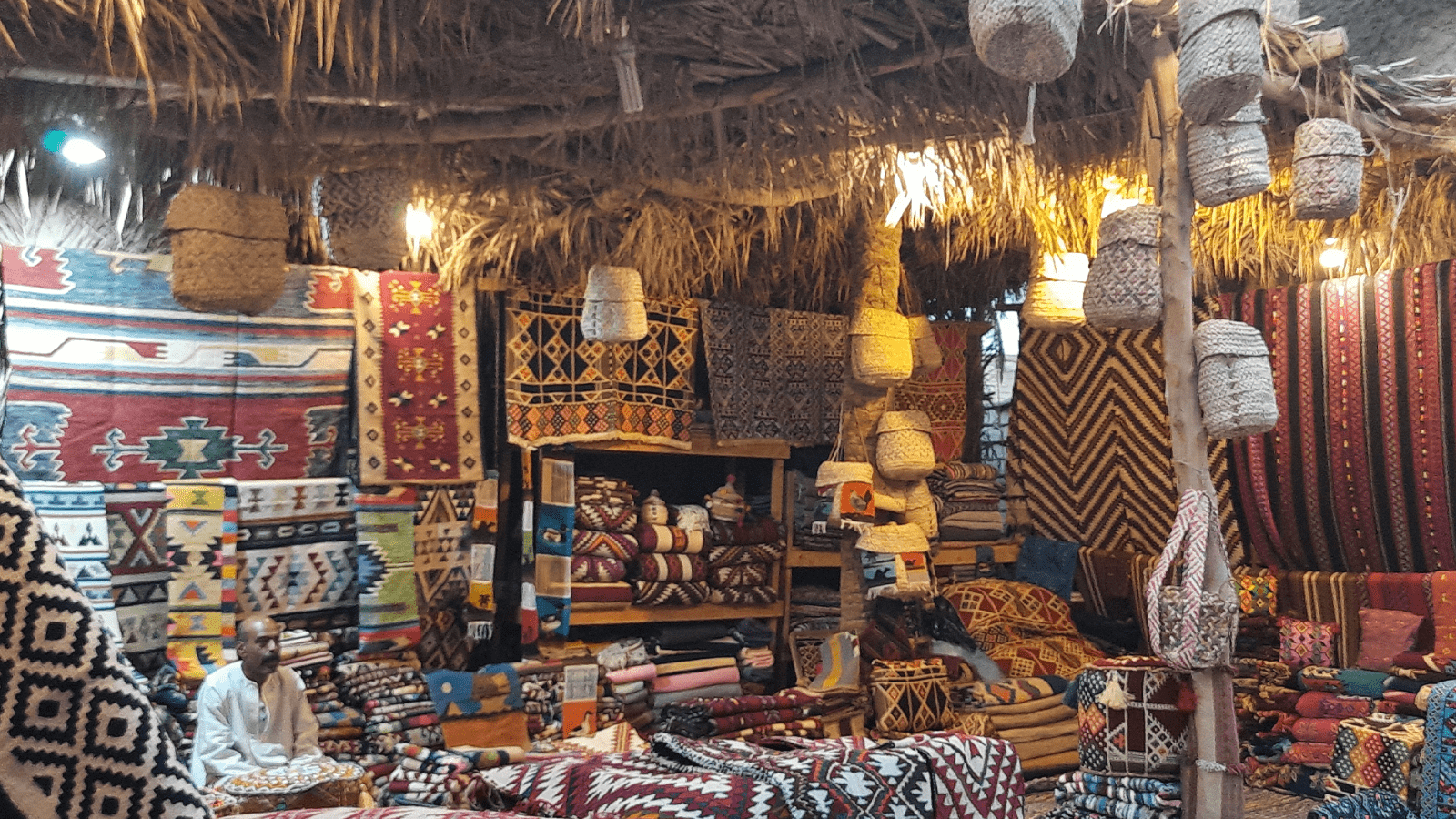
Traditional Siwan craft shop displaying woven textiles, baskets and local handicrafts Local Market

Traditional Souk and Siwan Crafts

Salt craftsDates, olive oil and textiles

The market around the base of Shali is a natural continuation of the visit, with local products such as salt lamps, olive oil, dates, embroidery, baskets and silver-inspired craftwork.

Choose by Available Time

The strongest ways to experience Shali Fortress and central Siwa

Shali is compact, but the best experience depends on whether you want a focused architectural walk, a culture-led half day or a wider Siwa itinerary that connects heritage with springs, lakes and desert landscapes.

1.5–2 hours

Focused Shali Fortress visit

  • Enter through the restored lower fortress lanes.
  • Study the kershef walls, arches and vertical urban layout.
  • Visit the historic mosque area respectfully.
  • Finish at the upper viewpoint close to sunset.
See the main Shali highlights
Half day

Old Shali, museum and traditional market

  • Start with the House of Siwa Museum for cultural context.
  • Walk through the souk for local crafts and oasis products.
  • Explore Shali’s restored passages and mosque quarter.
  • Return to the summit area for late-afternoon views.
Open the Siwa Oasis guide
Multi-day Siwa stay

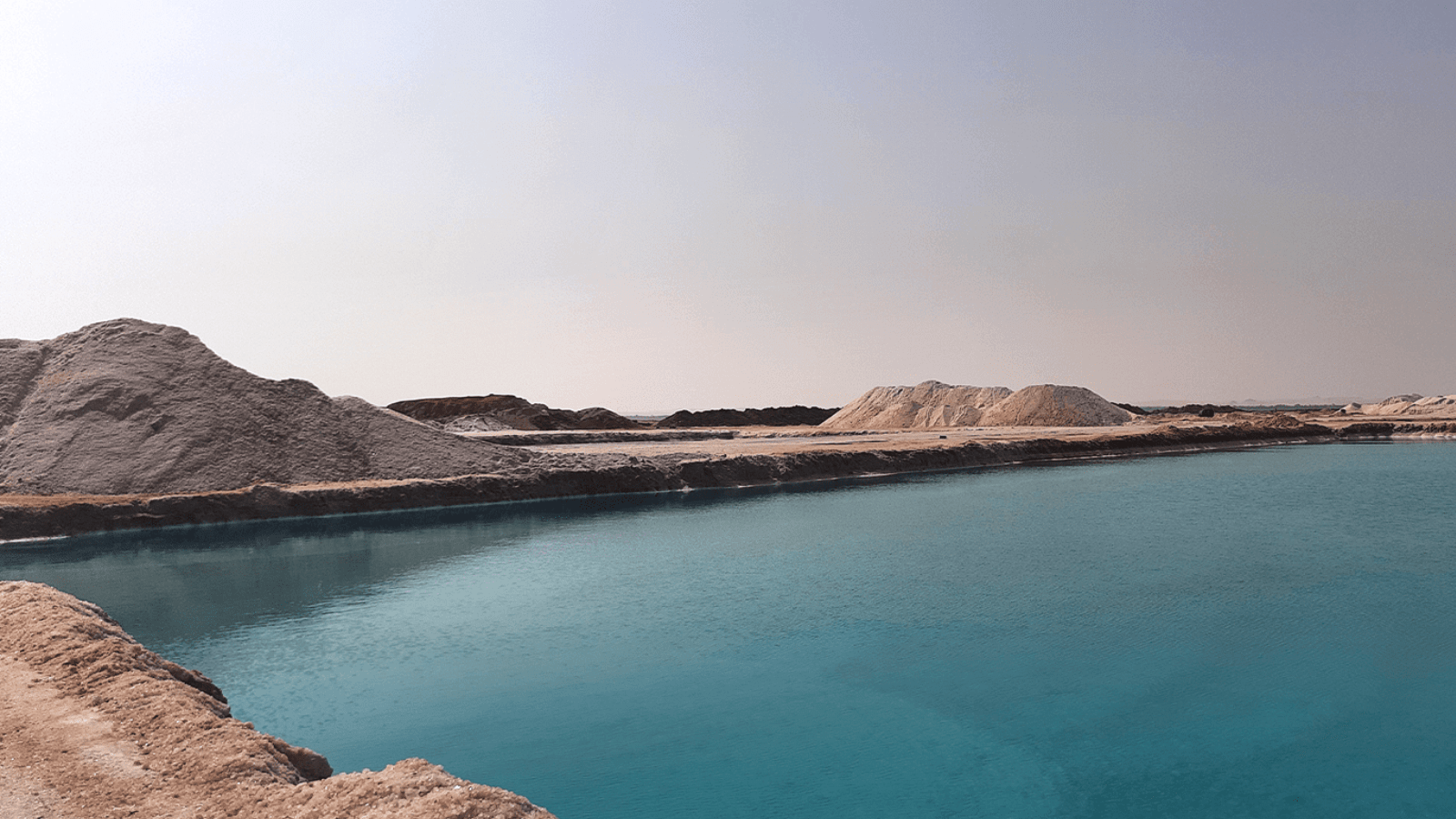
Shali with salt lakes, springs and desert

  • Use Shali as the heritage center of the itinerary.
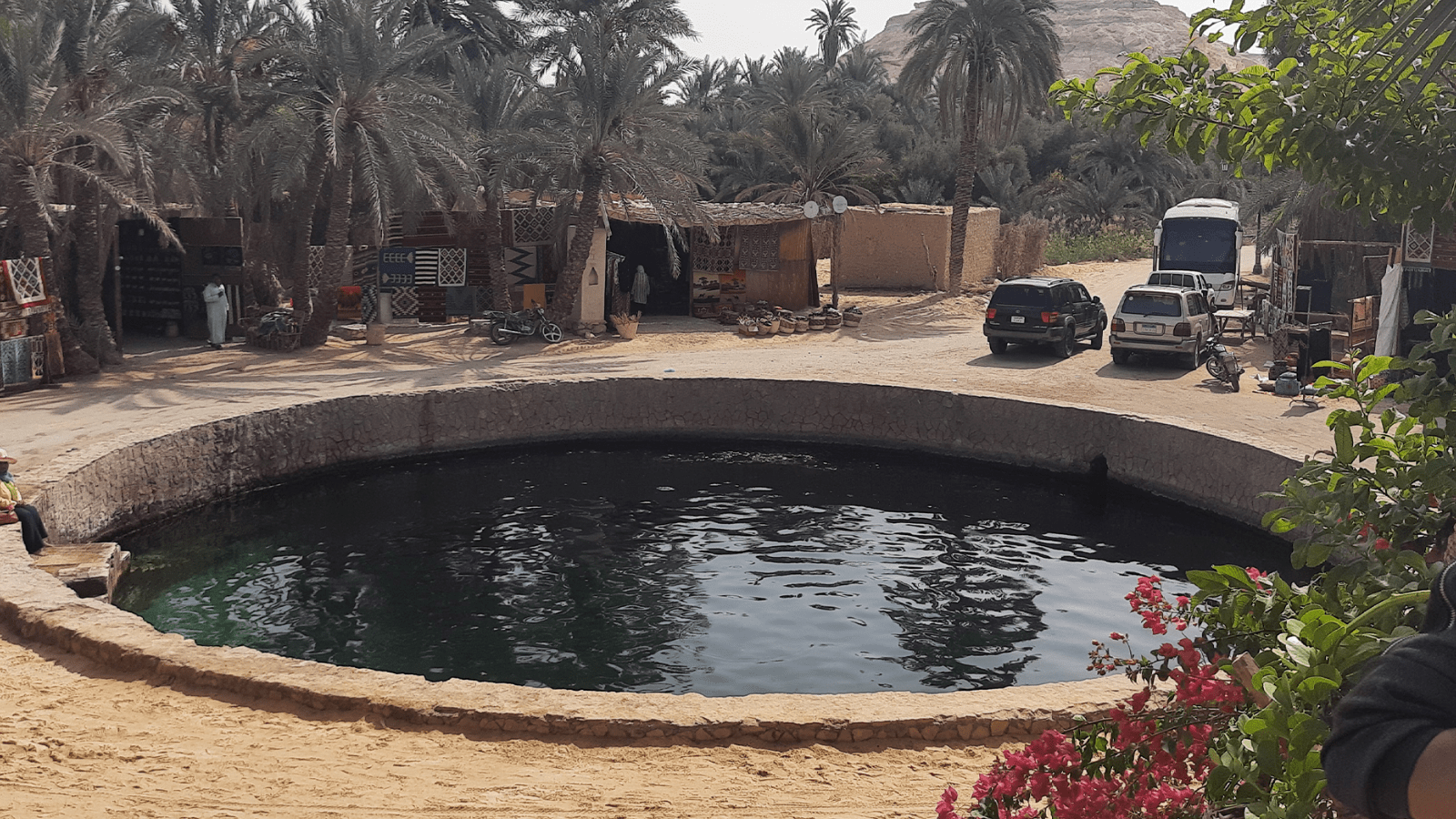
  • Add Siwa Salt Lakes and Cleopatra Spring.
  • Include the Temple of the Oracle for ancient-history context.
  • Finish the wider stay with a Great Sand Sea safari and sunset.
View the 4-Day Siwa itinerary

Planning note: The supplied article describes Shali as freely accessible and open around the clock, but access, restored-path availability, local conditions and religious-site etiquette can change. Confirm practical conditions locally and avoid unstable or unrestored walls.

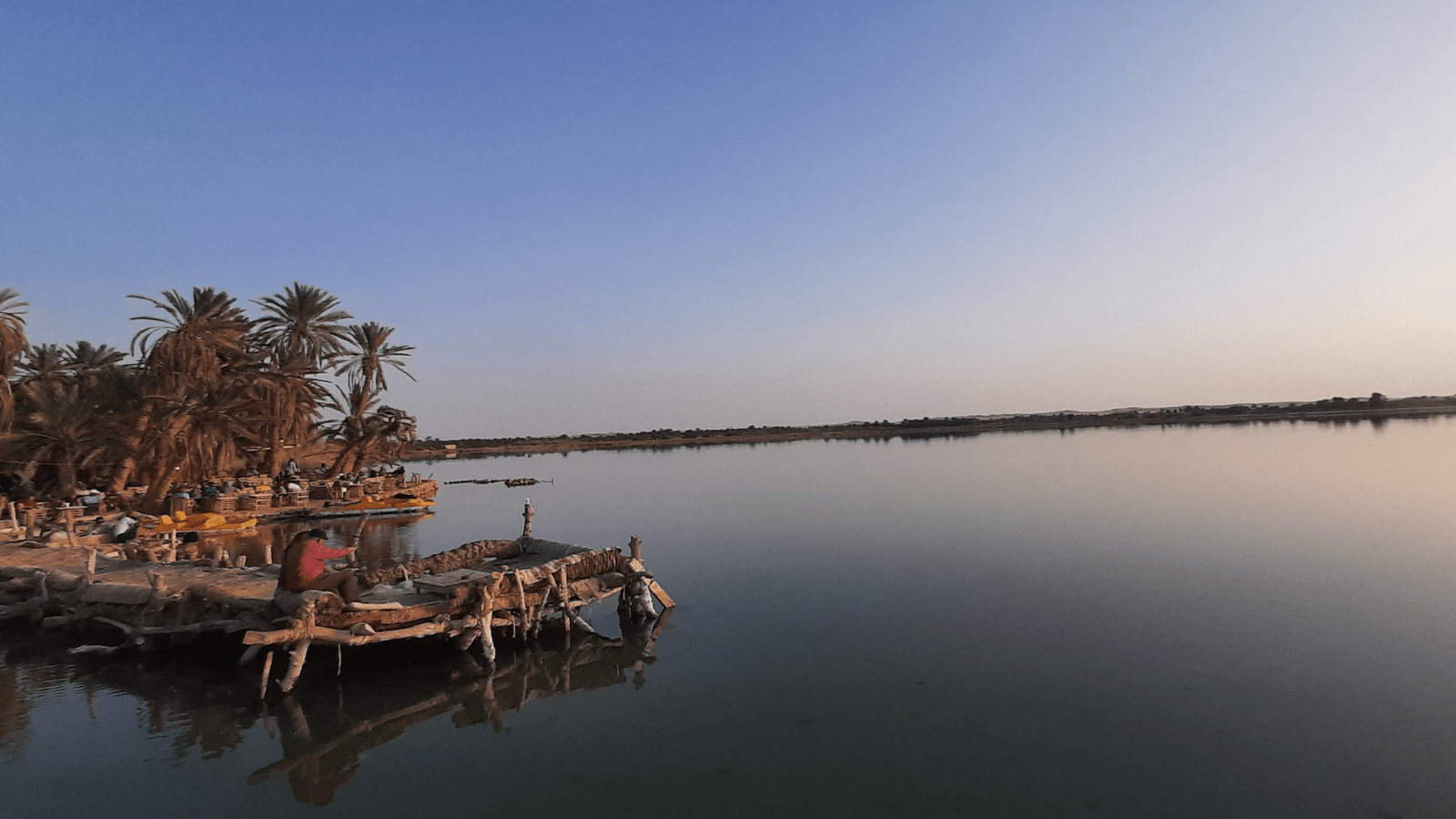
Palm-lined lake landscape in Siwa Oasis illustrating the environment surrounding Shali Fortress

Trusted Heritage and Destination References

Continue with official information about Shali and Siwa Oasis

Egypt Tours Club links help travelers plan the route. Government and institutional sources add archaeological, destination, conservation and restoration context for Shali Fortress and the wider oasis.

External pages open in a new tab. Use current local or official information for access conditions, restored-area availability and any operational changes close to your visit.

Helpful Travel Answers

Shali Fortress questions before you go

Direct answers help travelers understand the fortress, kershef construction, timing, walking conditions and the strongest ways to combine Old Shali with Siwa Oasis.

What is Shali Fortress?

Shali Fortress, or Old Shali, is Siwa’s historic fortified settlement. It was built from kershef—salt-rich earth mixed with clay and supported by palm timber—and developed as a compact defensive town above the oasis.

How long should I spend at Shali Fortress?

Allow about 1.5 to 2 hours for the restored lanes, architectural details, mosque area and upper viewpoints. Add more time if you also want the nearby museum and traditional market.

What is kershef?

Kershef is a traditional Siwan building material made from salt-rich earth, clay and mud, often reinforced with palm timber. It hardens strongly in the dry climate but remains vulnerable to prolonged rain and water.

Why was Shali Fortress damaged by rain?

The supplied article describes a destructive three-day rain event in 1926. Because the settlement’s kershef contains salt, prolonged water weakened the binder and contributed to roof and wall collapse.

What is the best time of day to visit Shali Fortress?

Late afternoon is especially rewarding because walking conditions are generally more comfortable and the elevated fortress gives strong sunset views across Siwa’s palms, lakes and desert landscape.

What should I wear for a Shali Fortress visit?

Wear sturdy shoes with good grip for uneven paths and steps. Dress modestly around religious structures, carry sun protection during the day and consider a small flashlight if you remain near upper passages after dark.

What can I combine with Shali Fortress in Siwa?

Nearby cultural stops include the House of Siwa Museum and the traditional market. Over a wider Siwa stay, combine Shali with the salt lakes, Cleopatra Spring, Oracle Temple and Great Sand Sea.

Can Shali Fortress be included in a private Siwa tour from Cairo?

Yes. Egypt Tours Club’s published four-day Siwa package includes Old Siwa and Shali heritage together with salt lakes, Cleopatra Spring, the Oracle Temple and a Great Sand Sea safari.

Private Siwa Planning

Build Shali Fortress into the right Siwa Oasis route

Share your dates, Cairo pickup area, available days, preferred hotel level, group size and whether you want salt lakes, springs or a Great Sand Sea safari. Egypt Tours Club can recommend the clearest Siwa itinerary.