The Ankh Symbol: Meaning, History, and Where to See It in Egypt
✨ Overview
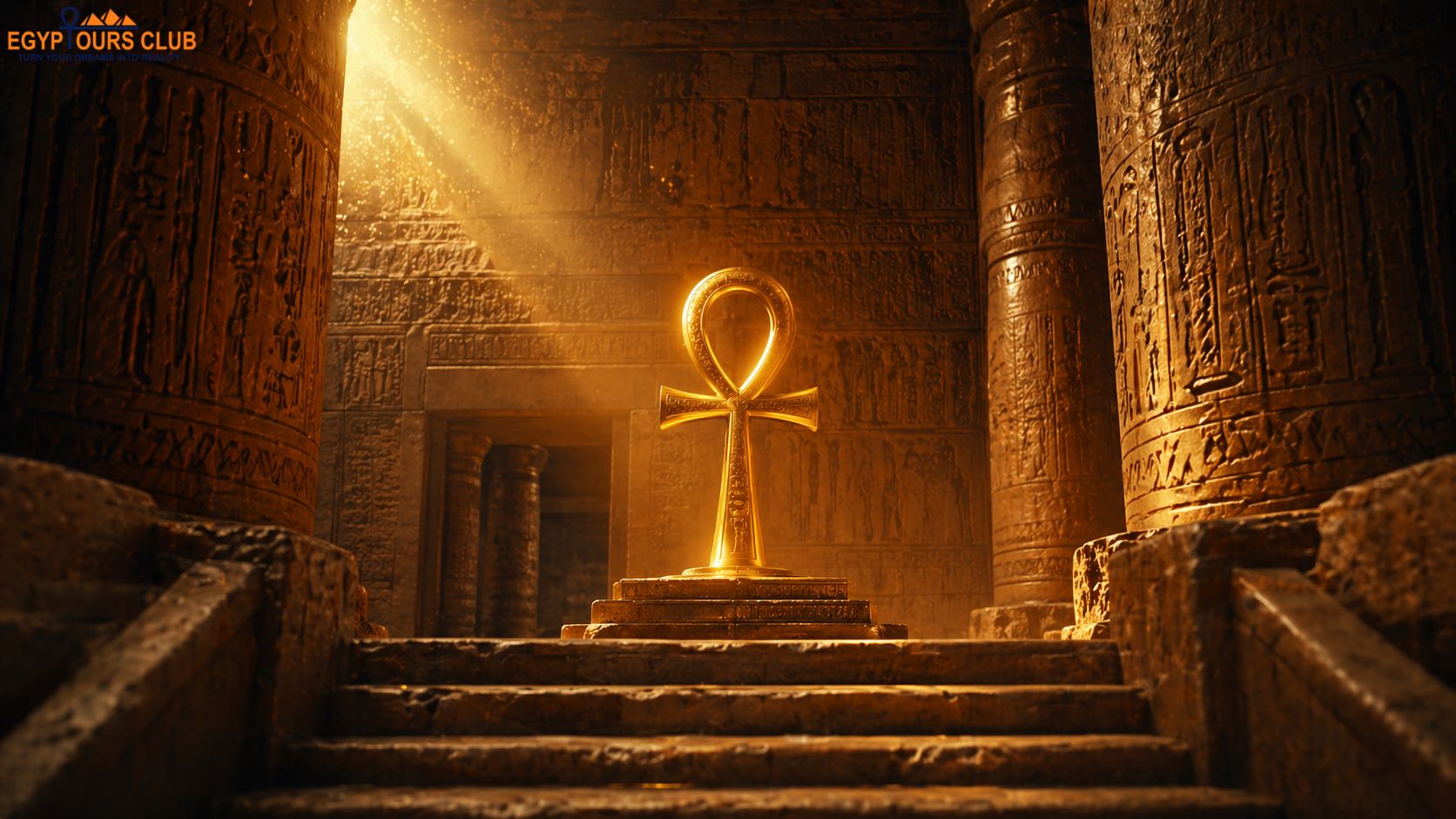
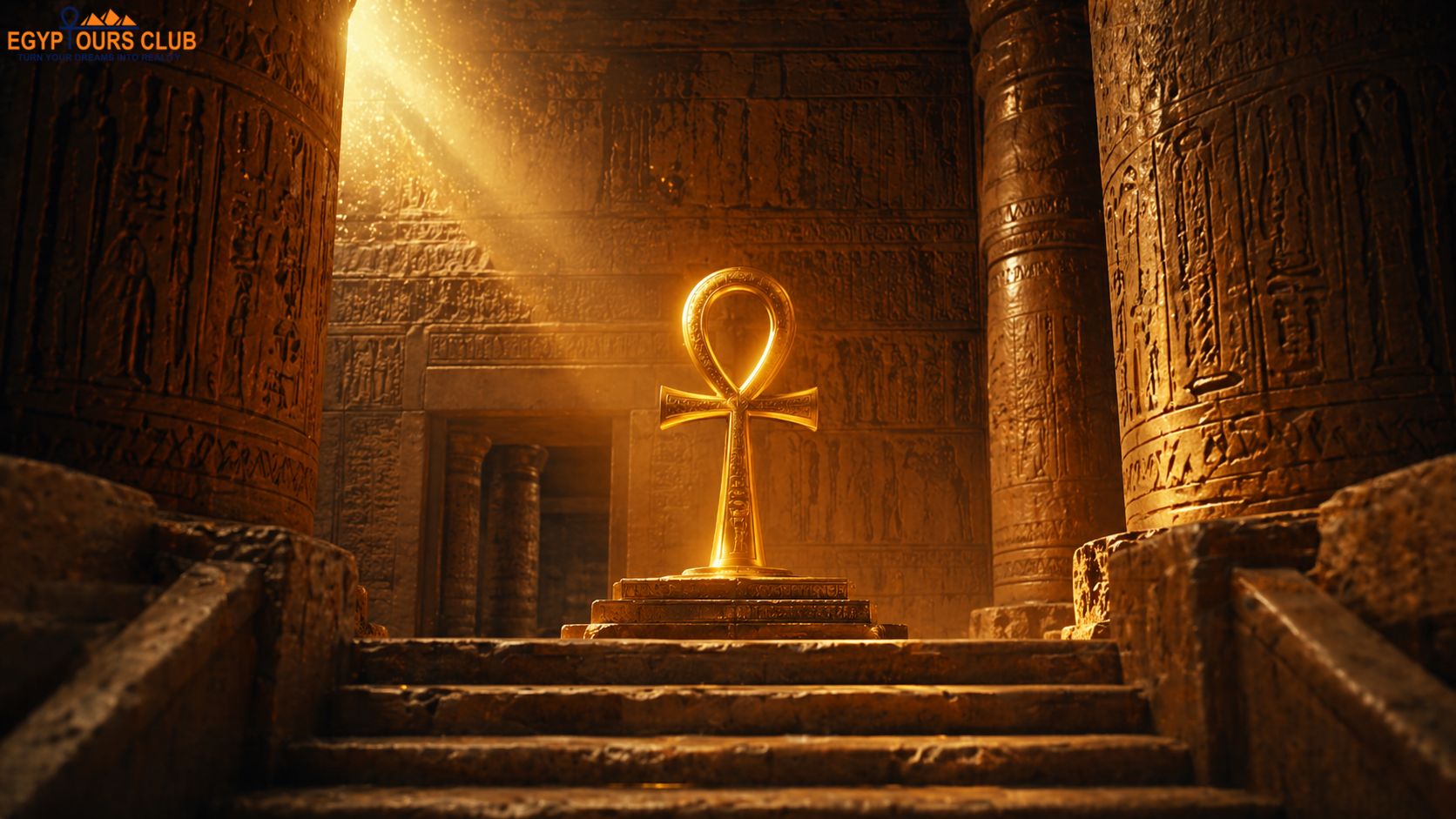
The ankh symbol is one of the most recognizable images from ancient Egypt. Known as the ancient Egyptian ankh, it is the famous looped cross that signified life in hieroglyphic writing and became the broader Egyptian symbol for life in art, religion, and royal imagery. Britannica defines the ankh as an ancient Egyptian hieroglyph signifying “life,” while the Metropolitan Museum of Art notes that it was used to write the words “live,” “alive,” or “life.”
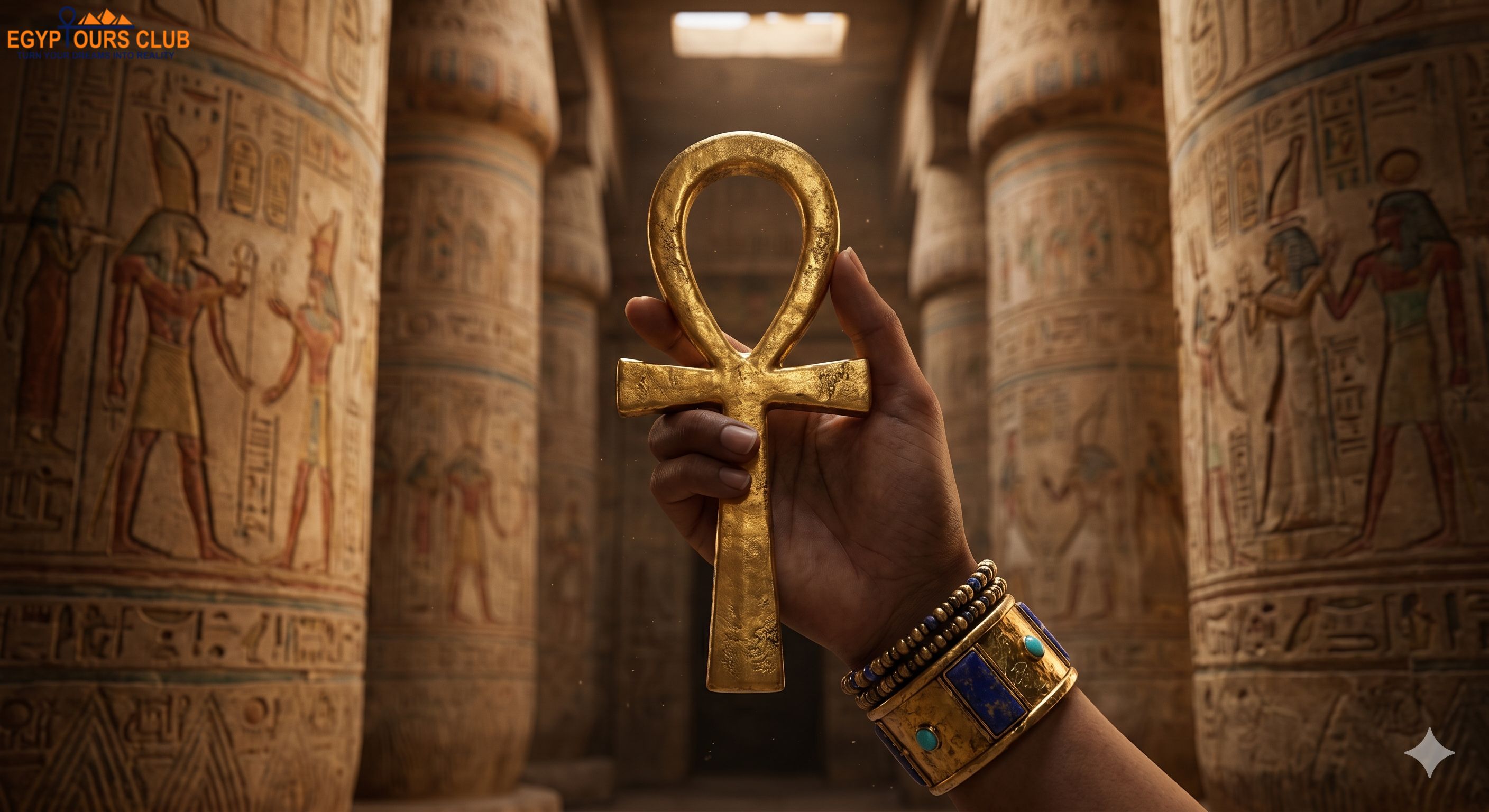
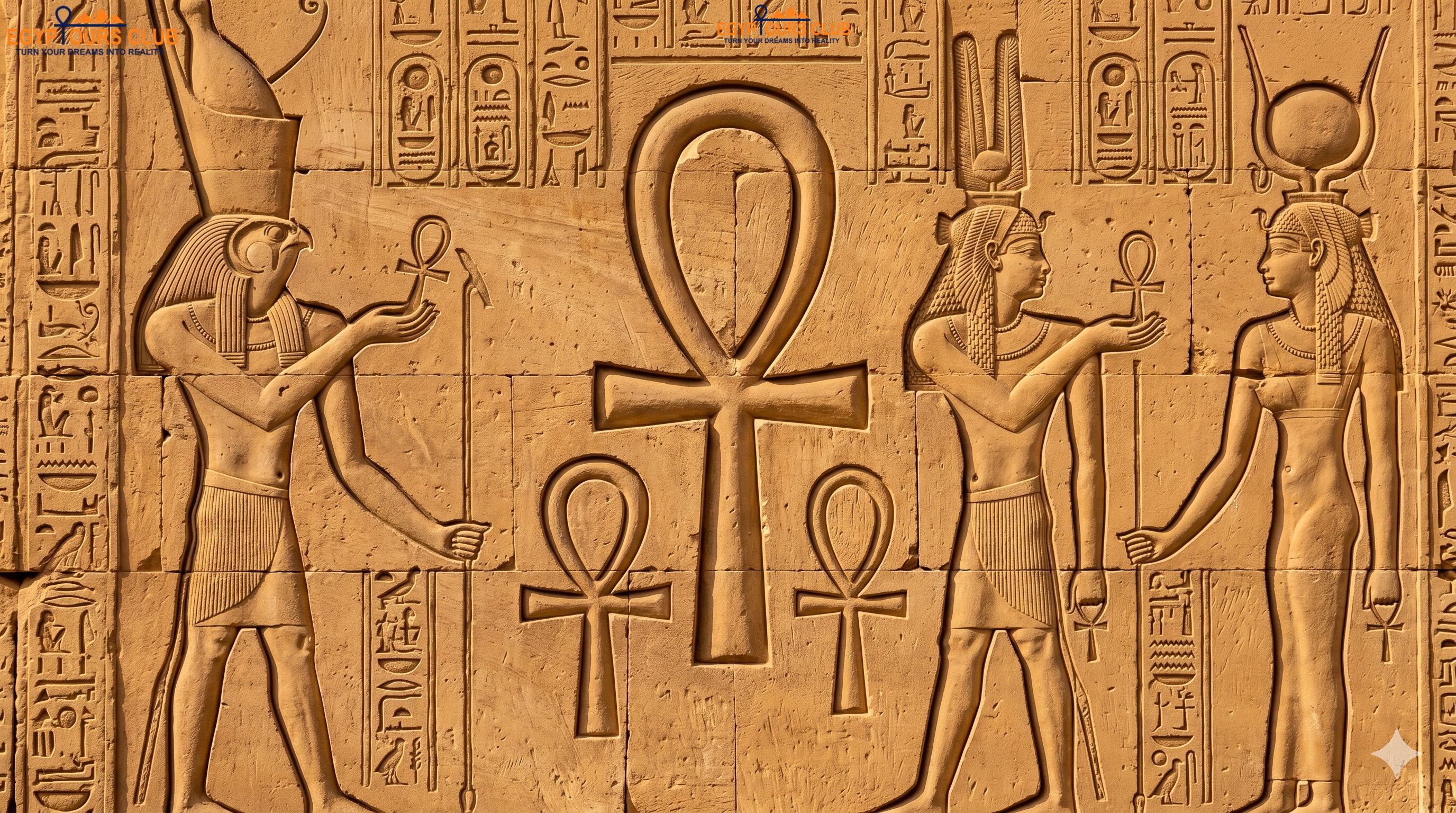
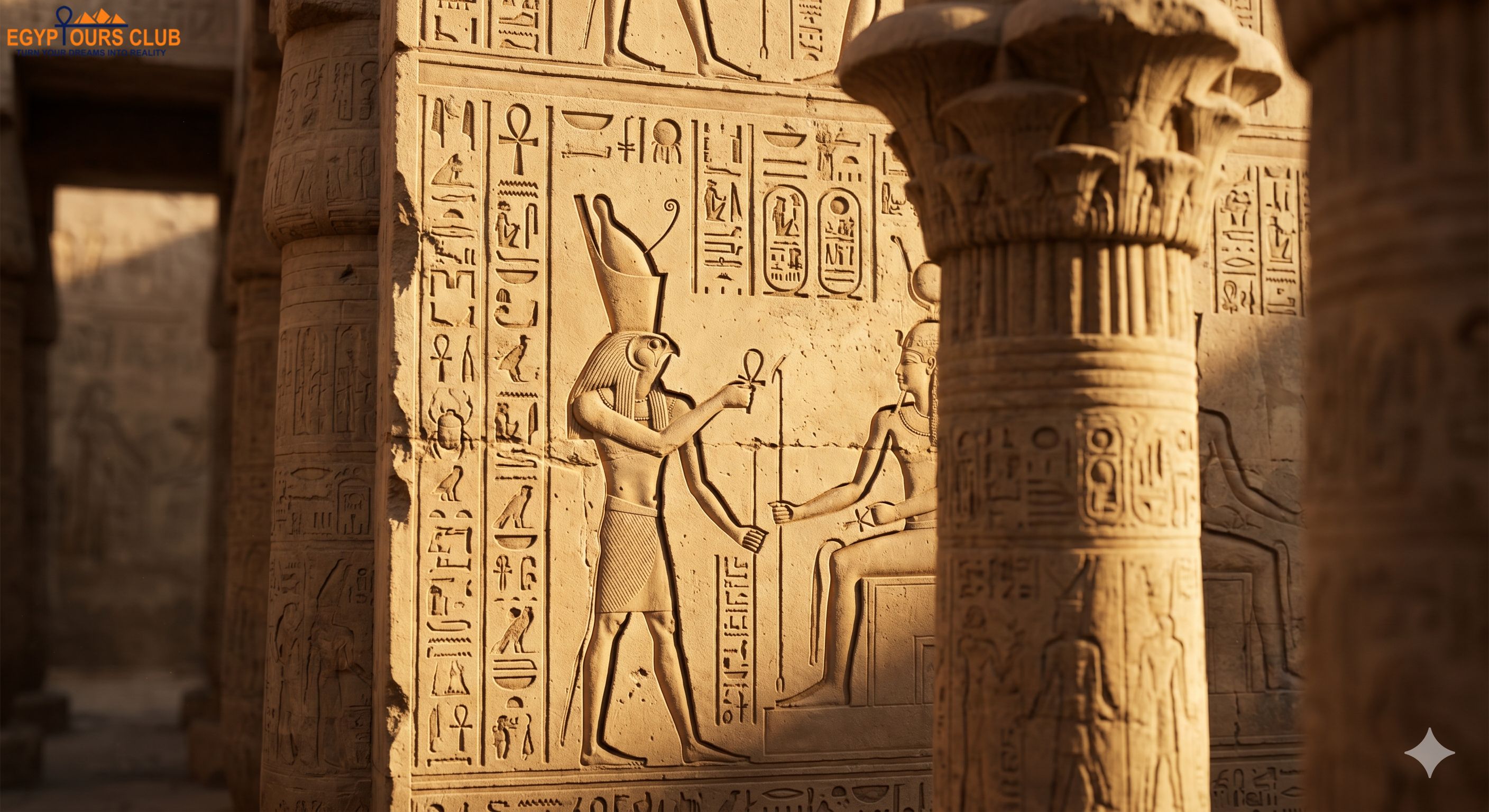
That is why searches such as ankh symbol meaning, what does the ankh symbol mean, ancient Egyptian ankh meaning, and ankh hieroglyph meaning remain so strong. The Egyptian ankh symbol is simple in form, but it carries a huge amount of historical and cultural meaning. In ancient art, it often appears in the hands of gods and pharaohs, visually expressing divine power, protection, life, and renewal. Britannica specifically notes that the ankh was often held or offered by gods and pharaohs as a vivifying talisman.
For a tourism site, this topic is especially valuable because it combines information intent with cultural travel intent. A reader may begin by searching the ankh symbol or ankh symbol explained, but that same reader can also become interested in where to see the ankh symbol in Egypt, ankh in Egyptian temples, ancient Egyptian symbols tour, or even a private Egypt tour ancient symbols once they understand how important the symbol was in the religious and artistic world of ancient Egypt.
🏛️ What Does the Ankh Symbol Mean?
A common question is: what does the ankh symbol mean?
The most direct answer is that the ankh symbol meaning is life. In ancient Egyptian writing, the sign represented the word for life, and over time it also became a powerful symbolic image associated with living, vitality, renewal, and eternal existence. The Met explicitly says the ankh was used to write “live,” “alive,” or “life,” and Britannica says it signified “life.”
This is why the ankh symbol Egypt tradition is so important. The ancient Egypt ankh was not just a decorative shape. It carried a direct written meaning and also a wider spiritual one. In many visual scenes, gods hold the ankh near the king’s face or body, symbolically offering the breath or force of life. Wikipedia’s overview summarizes this broader iconographic use by noting that the symbol often appeared as an object representing life or life-giving substances such as air or water.
In simple terms, ankh symbol explained means understanding it in two connected ways:
- as a hieroglyph that literally means life
- as a sacred emblem of life, vitality, and eternal continuity
That is exactly why it became known in modern language as the key of life Egypt and the symbol of life Egypt. The U.S. National Park Service also describes the ankh as representative of eternal life in ancient Egypt and notes that it is commonly shown in the hands of major Egyptian deities such as Osiris, Isis, and Ra.

📜 History of the Ankh Symbol
The history of the ankh symbol stretches deep into ancient Egyptian civilization. The sign was used in hieroglyphic writing and became one of the most widespread symbolic forms in Egyptian visual culture. The Met’s object records show that the sign appeared on ceremonial implements and model ankhs from different periods, including the Middle Kingdom and New Kingdom, confirming its long use across time.
A useful way to understand ankh symbol origin is to see that, while the exact origin of the shape is debated, its meaning in writing is clear. Britannica notes that the form of the sign may derive from a sandal strap, while the sign itself unmistakably signified life.
📊 Historical Snapshot
| Historical aspect | Why it matters |
|---|---|
| Hieroglyphic meaning | The sign directly meant “life.” |
| Long chronological use | It appears in objects and art across multiple Egyptian periods. |
| Religious symbolism | It became a broader emblem of life and eternal vitality. |
| Later Coptic use | It continued into Christian-era Egypt in modified symbolic contexts. |
This is why ancient Egyptian ankh, ankh ancient Egyptian symbol, and history of the ankh symbol are such strong foundational keywords for a long article. They help readers understand that the sign was never just a modern mystical symbol. It was part of the written, visual, and religious fabric of ancient Egypt.
❓ Why Is the Ankh Symbol Important?
Another major search query is: why is the ankh symbol important?
The answer is that the ankh matters on several levels at once.
✅ Why the ankh symbol is important
- It is the classic Egyptian symbol for life.
- It appears repeatedly in the hands of gods and kings, making it central to Egyptian religious imagery.
- It bridges writing and symbolism, functioning both as a hieroglyph and as a sacred visual emblem.
- It remained meaningful even beyond pharaonic Egypt, including later Coptic use.
This gives the ancient Egyptian ankh meaning unusual depth. It is one of those rare symbols that works equally well as text, art, theology, and cultural memory.
👑 The Ankh in Egyptian Gods, Temples, and Art
A major reason the ankh symbol remains famous is the way it appears in Egyptian art. The sign is frequently associated with gods such as Osiris, Isis, and Ra, and it commonly appears in temple and funerary scenes. The National Park Service notes that the ankh is often shown in the grasp of major Egyptian gods such as Osiris, Isis, and Ra, and Britannica says it was often held or offered by gods and pharaohs.
That makes these entity-rich phrases highly relevant:
- ankh symbol and Osiris
- ankh symbol and Isis
- ankh symbol and Ra
- ankh in Egyptian art
- ankh in Egyptian temples
- ankh in hieroglyphics
The symbol also appears in a wide range of museum objects. The Met preserves examples such as a ceremonial implement in the shape of an ankh and a model ankh, both of which show how the sign moved beyond writing into three-dimensional cultural use.
📊 Where the ankh appears
| Setting | What it shows |
|---|---|
| Temple carvings | The ankh appears in sacred religious imagery tied to gods and kings. |
| Tomb paintings | It reinforces ideas of life, afterlife, and divine continuity. |
| Museum objects | It appears as standalone ritual or decorative objects. |
| Later Coptic contexts | It continued as a meaningful cross-like symbol in Egypt. |
This is why keywords such as ankh symbol images, ankh symbol artwork, ancient Egyptian ankh art, ankh symbol in temple carvings, and ankh symbol in tomb paintings are excellent for building a long, visually rich article.

🧠 Ankh Symbol Facts
Here are some of the most useful ankh symbol facts for readers and for AI-style summaries:
- The ankh hieroglyph meaning is “life.”
- It was used in writing and as a general symbol of life.
- It often appears in the hands of gods and pharaohs.
- Its shape may derive from a sandal strap, according to Britannica.
- It continued to influence later Egyptian Christian symbolism.
Quick Facts Table
| Fact | Detail |
|---|---|
| Basic meaning | Life |
| Common nickname | Key of life |
| Main context | Ancient Egyptian writing, religion, and art |
| Common visual use | Held by gods and kings |
| Later influence | Used in Coptic and Byzantine Egypt as a cross form |
🎨 Ankh Symbol Images, Artwork, and Visual Identity
The ankh is one of the most visually memorable forms in ancient Egyptian culture, which is why the following keyword groups matter so much:
- ankh symbol images
- ankh symbol artwork
- ancient Egyptian ankh art
- ankh symbol photos Egypt
- ancient Egyptian life symbol art
This is not accidental. The symbol is visually simple, highly repeatable, and packed with meaning. It works well in temple carvings, reliefs, painted scenes, amulets, ritual implements, and decorative objects. Museum examples at the Met show how the sign could function as both inscription and object, and how the ankh could be combined with other Egyptian signs of power and stability, such as the djed and was symbols.
For a travel site, this section is valuable because it supports the transition from abstract meaning to physical experience. Once a reader understands the symbol, they become more interested in seeing it in real Egyptian settings.
🇪🇬 Where to See the Ankh Symbol in Egypt
This is where informational intent turns naturally into travel intent.
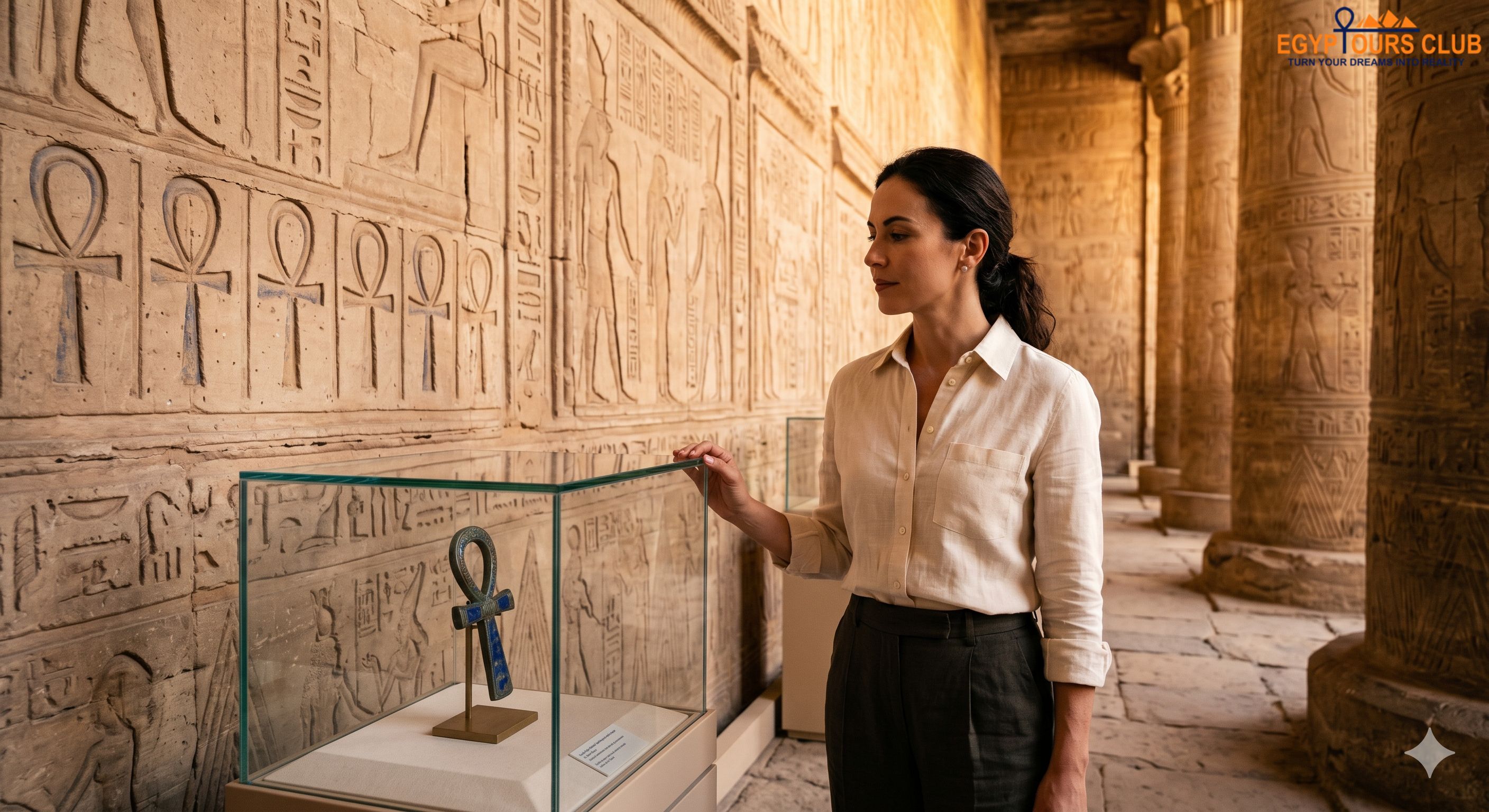
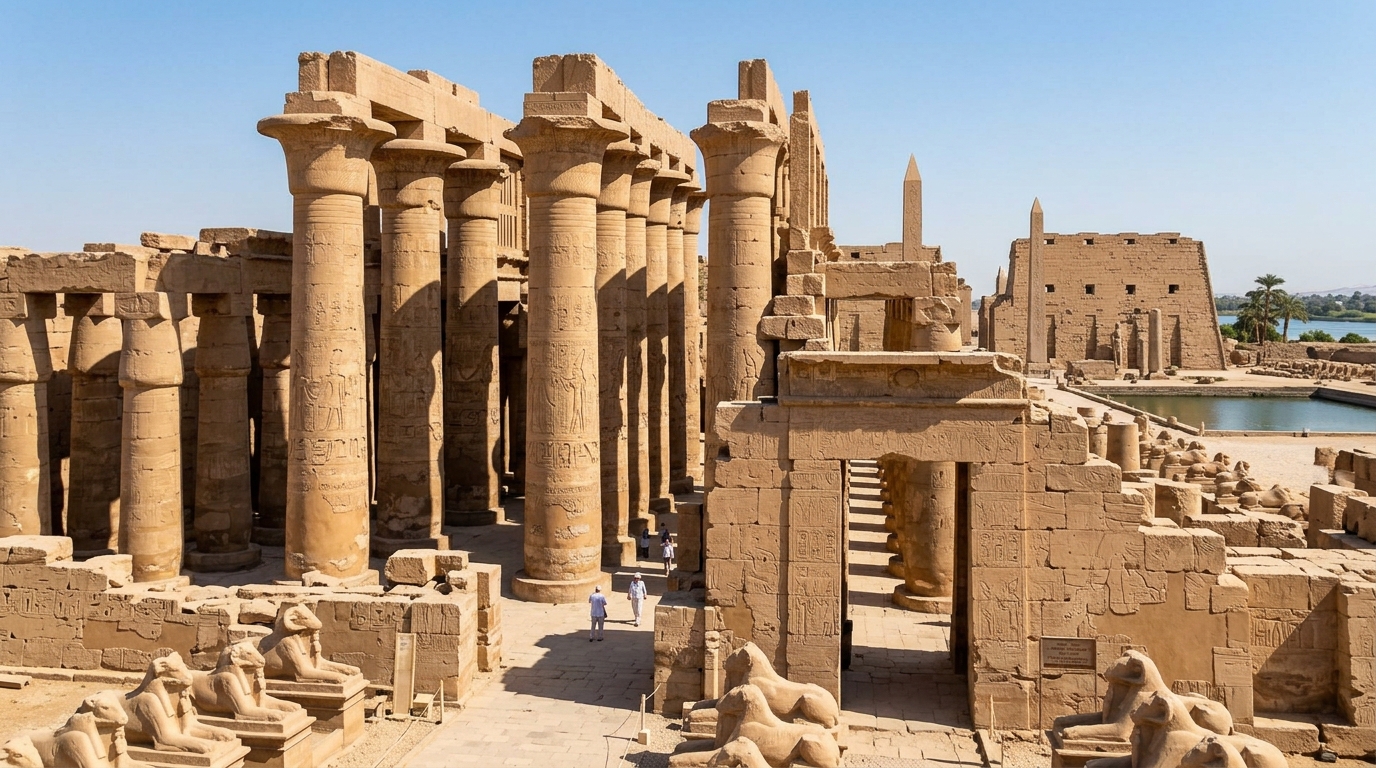
If someone searches where to see the ankh symbol in Egypt, the answer is that the symbol appears across Egypt’s ancient visual world:
- in temple carvings
- in tomb decoration
- in museum collections
- in royal and divine iconography
The Egyptian Museum’s catalog pages include objects where deities hold an ankh-sign symbol of life, and the Met’s collections preserve multiple ancient examples of ankhs as objects and motifs.
That makes the following keyword groups ideal for a tourism site:
- where to see the ankh symbol in Egypt
- temples with ankh symbols in Egypt
- museums with ancient Egyptian symbols
- Egypt cultural tour ancient symbols
- ankh symbol travel guide Egypt
- Egypt archaeology tour symbols and meanings
✅ Best travel-oriented contexts
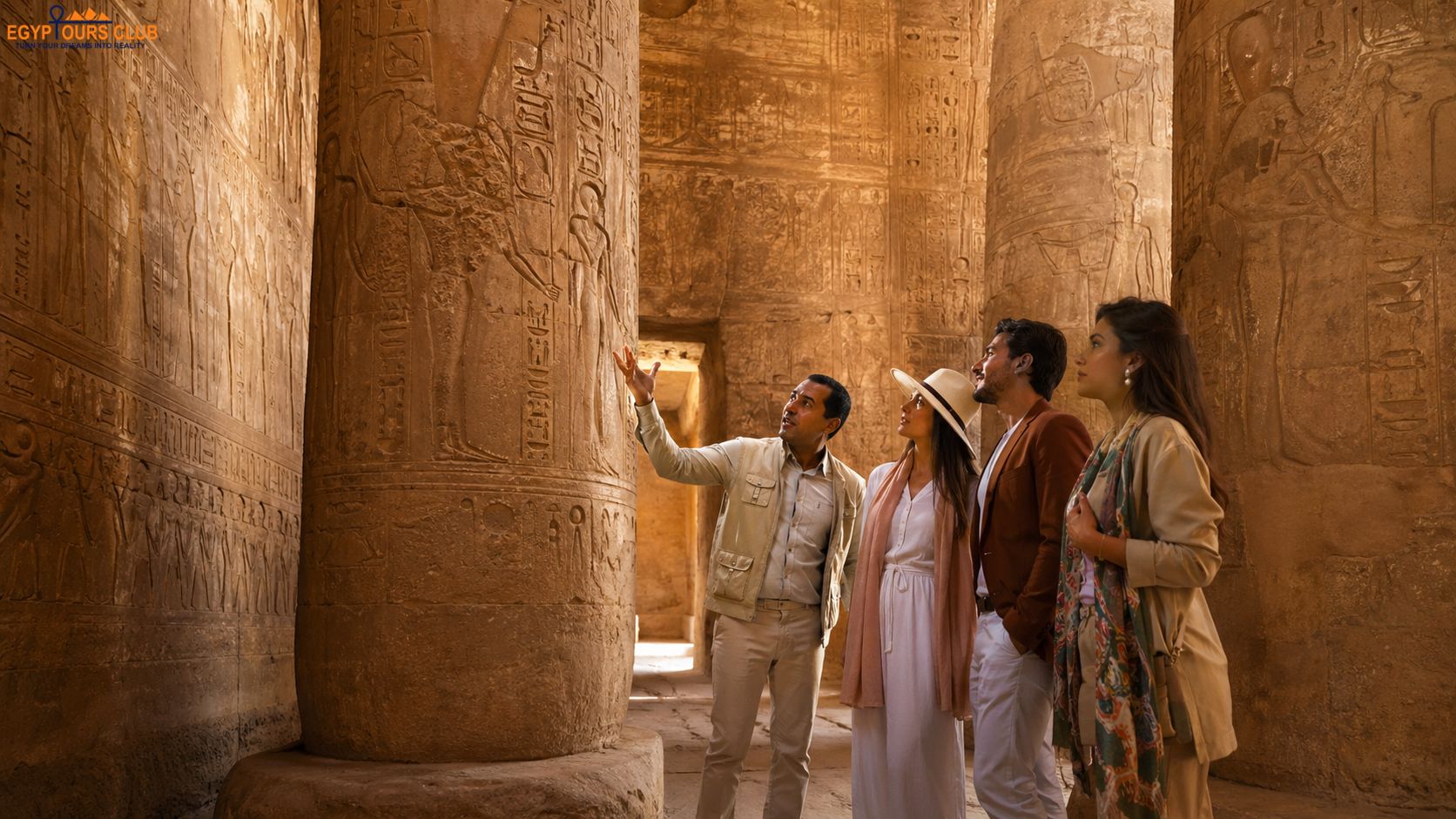
- temple visits focused on symbolic reliefs
- museum visits focused on ancient Egyptian signs and objects
- curated ancient Egyptian symbols tour
- bespoke private Egypt tour ancient symbols
- broader book Egypt cultural heritage tour journeys for travelers interested in meanings, not just monuments
This is the strongest booking bridge in the article: the ankh is not only something to learn about, but something to look for while exploring Egypt.

🧳 Why the Ankh Still Fascinates Travelers Today
The reason the the ankh symbol still performs so well in modern search is simple: it blends meaning, mystery, and visual clarity. Travelers often want more than a list of monuments. They want symbols that help them interpret what they are seeing. The ankh does exactly that.
For a tourism site, this means the page can serve several goals at once:
- answer informational queries such as ankh symbol meaning and history of the ankh symbol
- support cultural-intent queries such as ankh in Egyptian art
- open the door to booking-intent queries such as ancient Egyptian symbols tour and private Egypt tour ancient symbols
That is an ideal structure for modern SEO and AI-style search results because the page is genuinely useful at multiple stages of the user journey.
❓ FAQs About the Ankh Symbol
What does the ankh symbol mean?
The ankh symbol meaning is life. In ancient Egyptian hieroglyphic writing, the sign signified “life,” and it also became a symbol of life more generally.
Why is the ankh symbol important?
It is important because it linked writing, religion, kingship, and eternal life in one powerful symbol, and it appears constantly in Egyptian art and ritual imagery.
Is the ankh the Egyptian symbol for life?
Yes. The ankh is the best-known Egyptian symbol for life.
Did Egyptian gods hold the ankh?
Yes. The ankh often appears in the hands of deities such as Osiris, Isis, and Ra, as well as pharaohs.
Where can I see the ankh symbol in Egypt?
You can see it in temple carvings, tomb decoration, and museum collections featuring ancient Egyptian objects and reliefs.
🏁 Final Thoughts
The ankh symbol is one of the clearest examples of how ancient Egypt turned writing into visual theology. It is simple in shape, but enormous in meaning. As the ancient Egyptian ankh, it signified life in language, represented life in art, and remained influential long after pharaonic Egypt itself had ended.
For SEO, this topic is powerful because it naturally supports both educational and travel-driven intent. A reader may arrive through ankh symbol meaning, history of the ankh symbol, or why is the ankh symbol important, then continue into where to see the ankh symbol in Egypt, ancient Egyptian symbols tour, or book Egypt cultural heritage tour. That is exactly the kind of useful, layered content that performs well for both users and search systems.