The Ankh Symbol: Meaning, History & Where to See It in Egypt
Understand the “key of life,” how Egyptians used it, and where its finest surviving examples can be seen today.
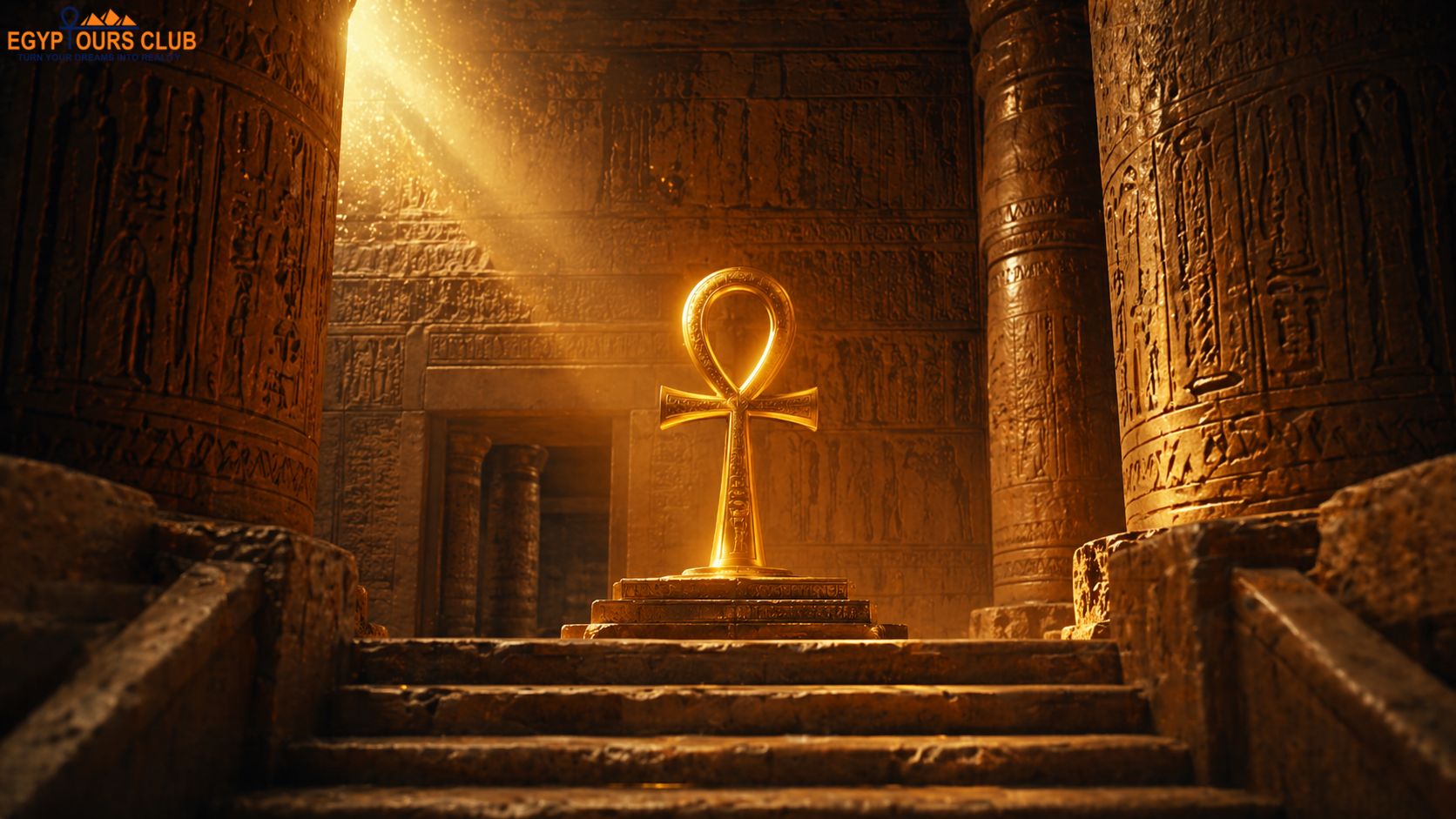
Few ancient Egyptian signs are as instantly recognizable as the ankh. Its looped form appears in sacred art for thousands of years, carried by deities, placed near a king’s nose as the breath of life, and included among protective and funerary objects.
What the ankh meant
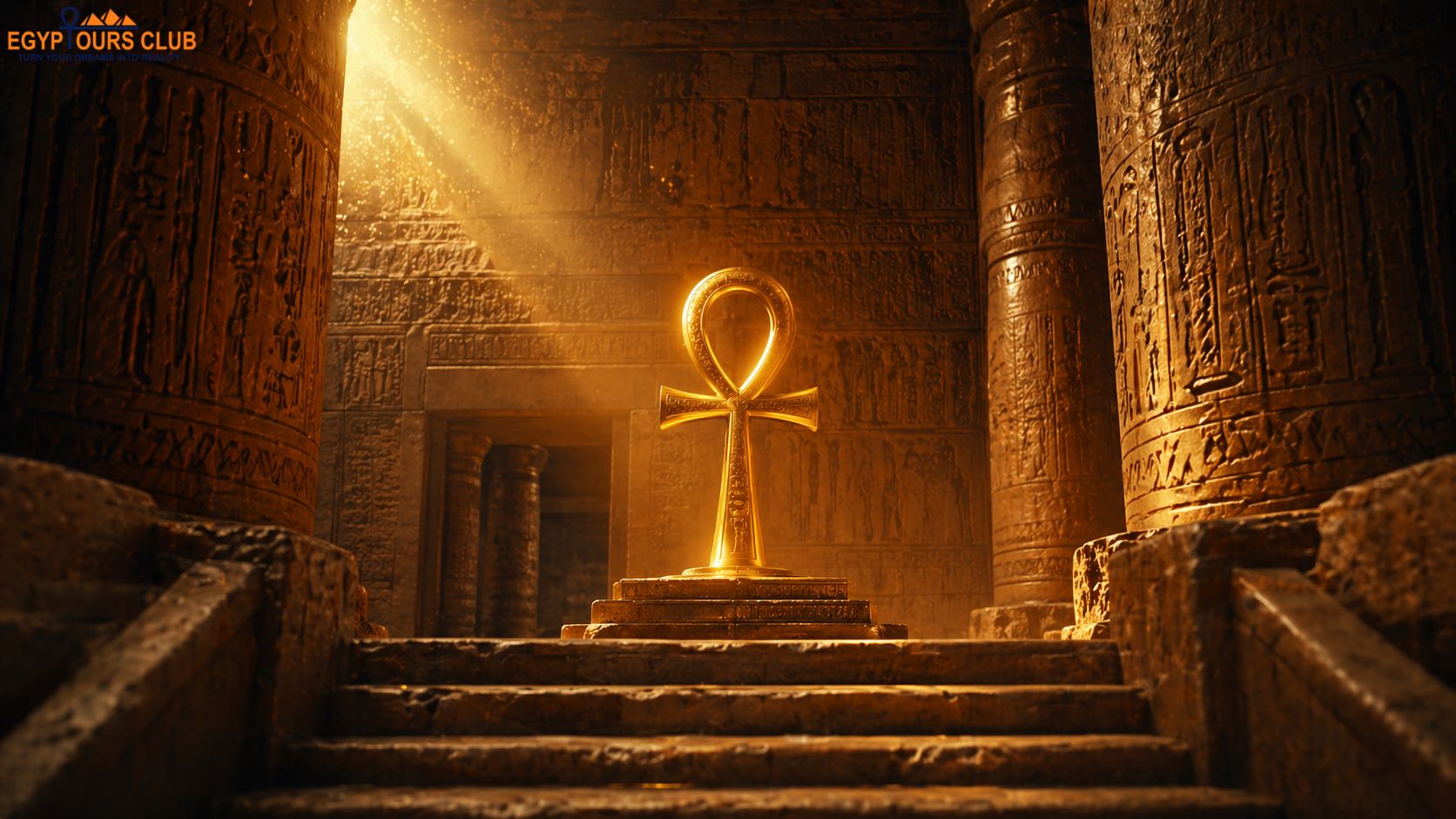
Life and vitality
Its central meaning is life: physical existence, divine energy and continuing renewal.
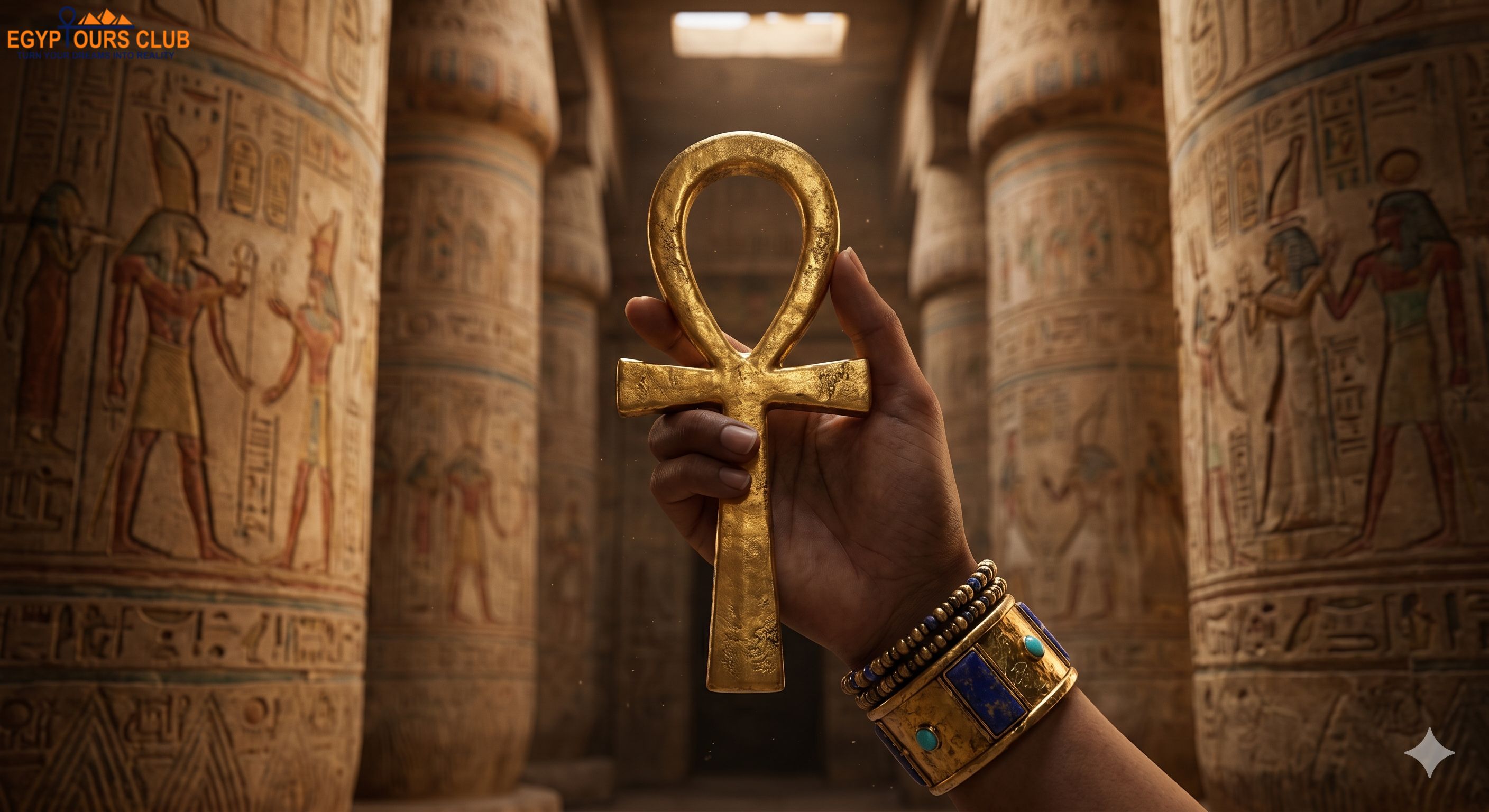
Breath of life
Temple reliefs sometimes show a deity bringing the ankh toward a king’s nose, symbolically granting life-giving breath.
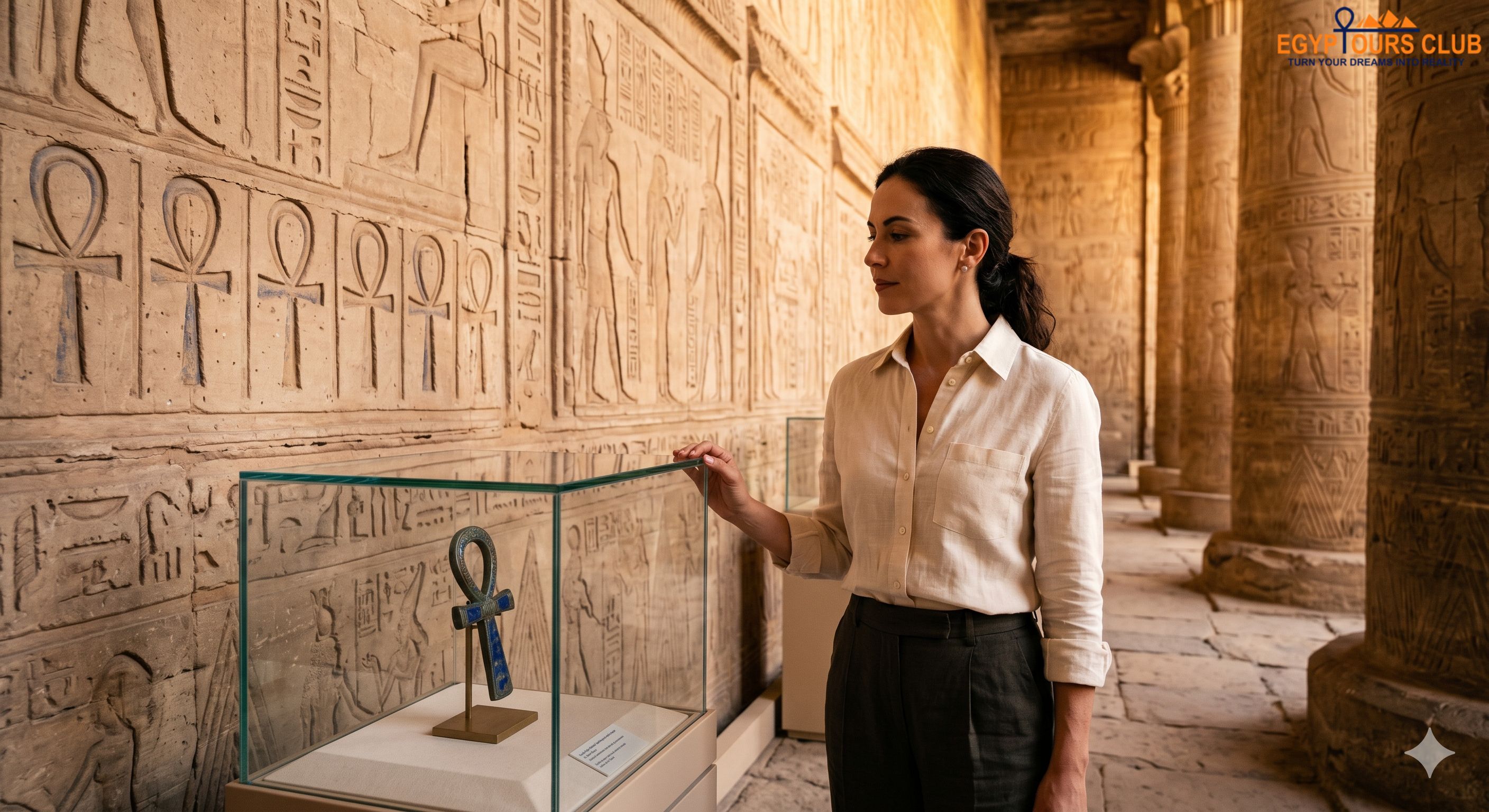
Life after death
Because Egyptian belief linked death with transformation, the ankh also expressed continued existence in the afterlife.
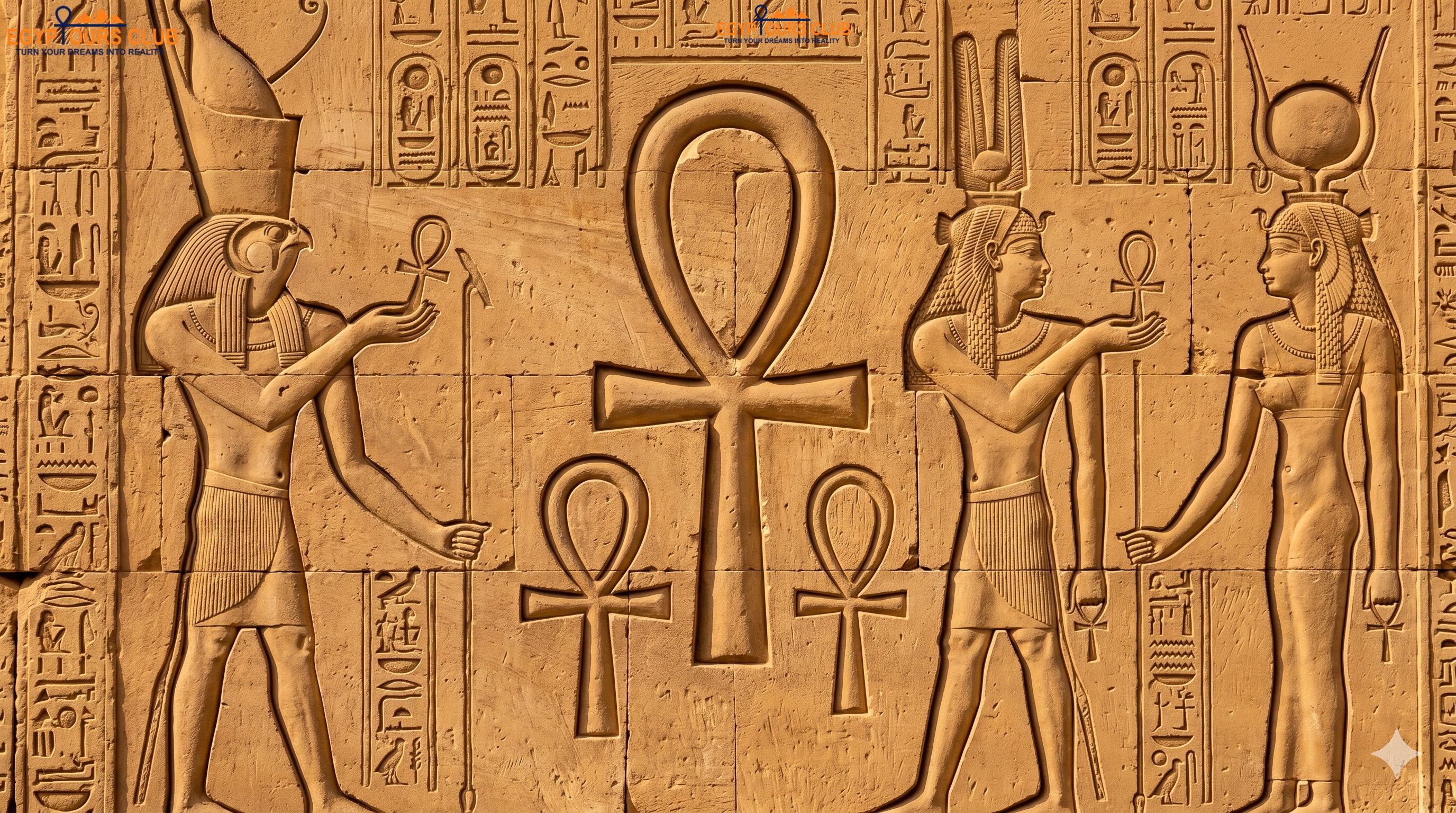
Divine authority
Gods hold the ankh as possessors and givers of life; kings receive it as part of their sacred relationship with the gods.
Shape, name and historical context
What does the word mean?
The Egyptian word ꜥnḫ means “life” or “to live,” which anchors the sign’s interpretation.
Why is it called the key of life?
The modern nickname comes from its key-like shape and its ancient association with life; Egyptians did not use that English phrase.
What does its shape represent?
Many theories exist—such as a sandal strap, a knot or joined opposites—but no single origin is universally proven.
Was it a Christian cross?
The ankh predates Christianity by millennia. Its form later influenced the Coptic crux ansata, but the traditions are historically distinct.
Best places to see the ankh in Egypt
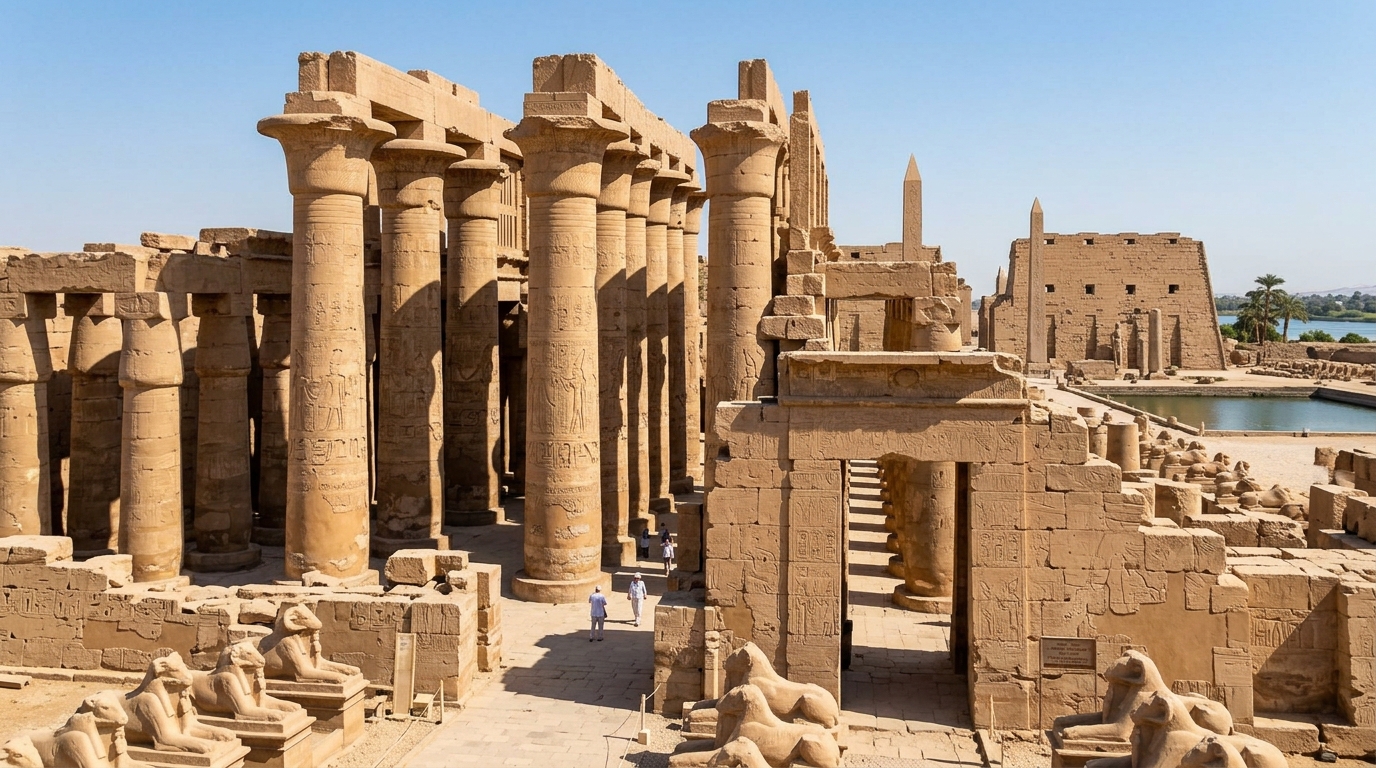
Karnak and Luxor Temples
Reliefs show gods presenting life to pharaohs across monumental ritual scenes.
Valley of the Kings
Painted royal tombs preserve ankhs among gods, funerary texts and afterlife imagery.
.jpeg)
Philae Temple
Ptolemaic reliefs combine the ankh with offerings and the cults of Isis and Osiris.
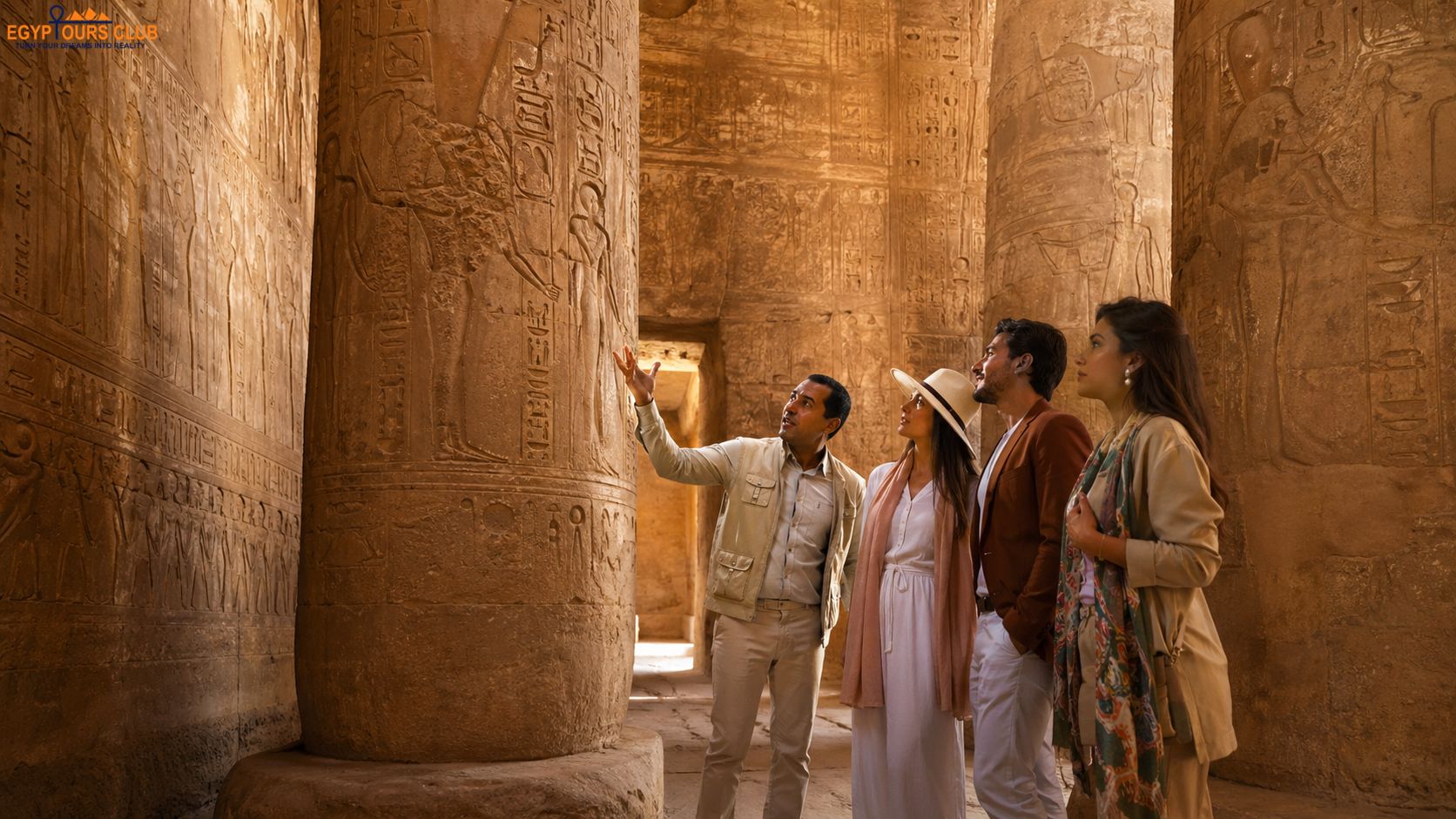
Egyptian museums
The Grand Egyptian Museum and Egyptian Museum display amulets, coffins, jewelry and ritual objects bearing the sign.
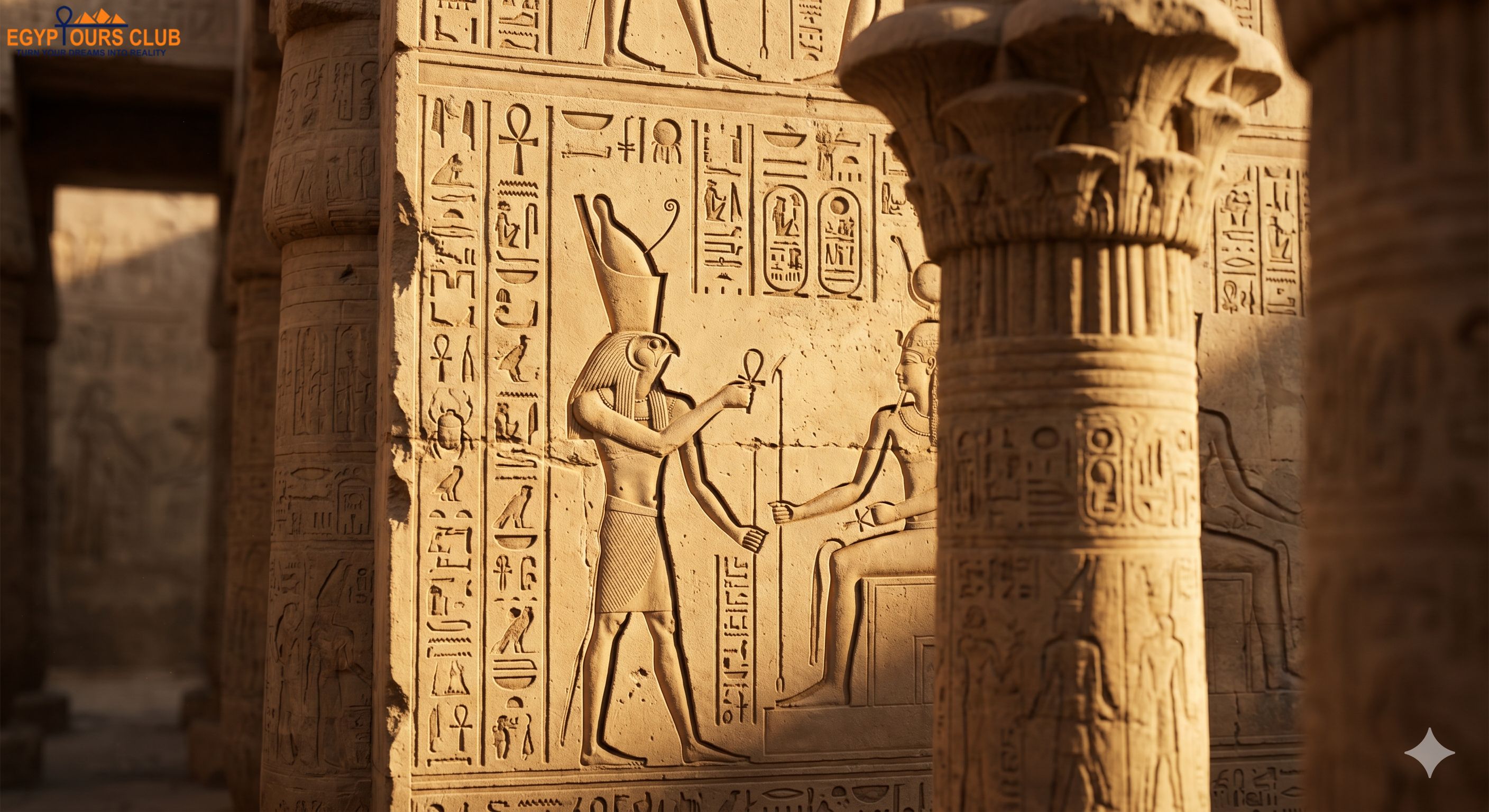
Abydos and Dendera
Detailed temple walls reward close viewing and show the symbol within complex divine ceremonies.
Frequently asked questions
What is the main meaning of the ankh?
Its primary meaning is life, including divine vitality and continued existence.
Is the ankh a religious symbol?
Yes. It belongs to ancient Egyptian sacred writing and art and is closely associated with gods, kings and the afterlife.
Why do Egyptian gods carry an ankh?
It shows their power to possess, protect and grant life.
Can visitors see original ankhs in Egypt?
Yes. Original amulets and objects appear in museums, while carved and painted examples survive in temples and tombs.
Is it acceptable to wear an ankh today?
Many people wear it as jewelry, but understanding its Egyptian religious and cultural history shows appropriate respect.
See ancient Egyptian symbols with context
Plan a private Egyptologist-led tour of temples, tombs and museums where the ankh still tells its story.
Plan My Egypt Tour