

Abu Simbel Tours from Aswan | Day Trip, Tickets & Temple Guide
Aswan departure · Ramses II · Nefertari · Lake Nasser
Abu Simbel Tours from Aswan Day Trip, Tickets & Temple Guide
Plan the right Abu Simbel tour from Aswan with early pickup timing, temple highlights, ticket guidance, travel choices and a clear route around the Great Temple and the Temple of Nefertari.
Abu Simbel Tours from Aswan are for travelers who want to know whether the long southern journey is worth it, how early to start, what to see first, whether to go by road or plane, how tickets work and how to fit the visit around an Aswan hotel or Nile cruise schedule.
Abu Simbel day trip from AswanRamses II TempleTemple of NefertariLake Nasser viewsTicket and photo notes
Yes, an Abu Simbel day trip from Aswan is worth it for travelers who want one of Egypt’s most dramatic temple experiences. The visit combines the colossal facade of Ramses II, the Temple of Nefertari, Lake Nasser scenery, a famous sunlight alignment story and one of the world’s best-known monument rescue projects. The trade-off is distance, so the day needs an early start and a well-planned return to Aswan.
Choose the Right Visit
Compare Abu Simbel Tours from Aswan
Use this table to separate the main Abu Simbel temple visit from broader Aswan, Nile cruise and custom itinerary planning.
Choice
Best for
Time pattern
Main value
Next step
Guided Abu Simbel tour from Aswan Best match
Most first-time Aswan visitors
Early start and return to Aswan
Great Temple, Nefertari Temple, Lake Nasser and guided context
Best Time, Duration, Difficulty and What to Combine
Abu Simbel is simple once you arrive, but the day succeeds or fails through timing, transport and heat planning.
Best time
Start early
Early morning gives better light, cooler walking conditions and more reliable return timing to Aswan hotels or cruise points.
Visit length
About 90–120 minutes on site
That usually gives enough time for both temples, outside photos, Lake Nasser views and a careful explanation without rushing.
Difficulty
Easy walking, long transfer
The site walking is not usually the hard part. The main challenge is the long journey from Aswan and the exposed weather.
Guide value
Strongly useful
A guide helps connect Ramses II, Nefertari, temple reliefs, the relocation story and the sunlight event into one clear visit.
Best pairing
Aswan and Nile cruise route
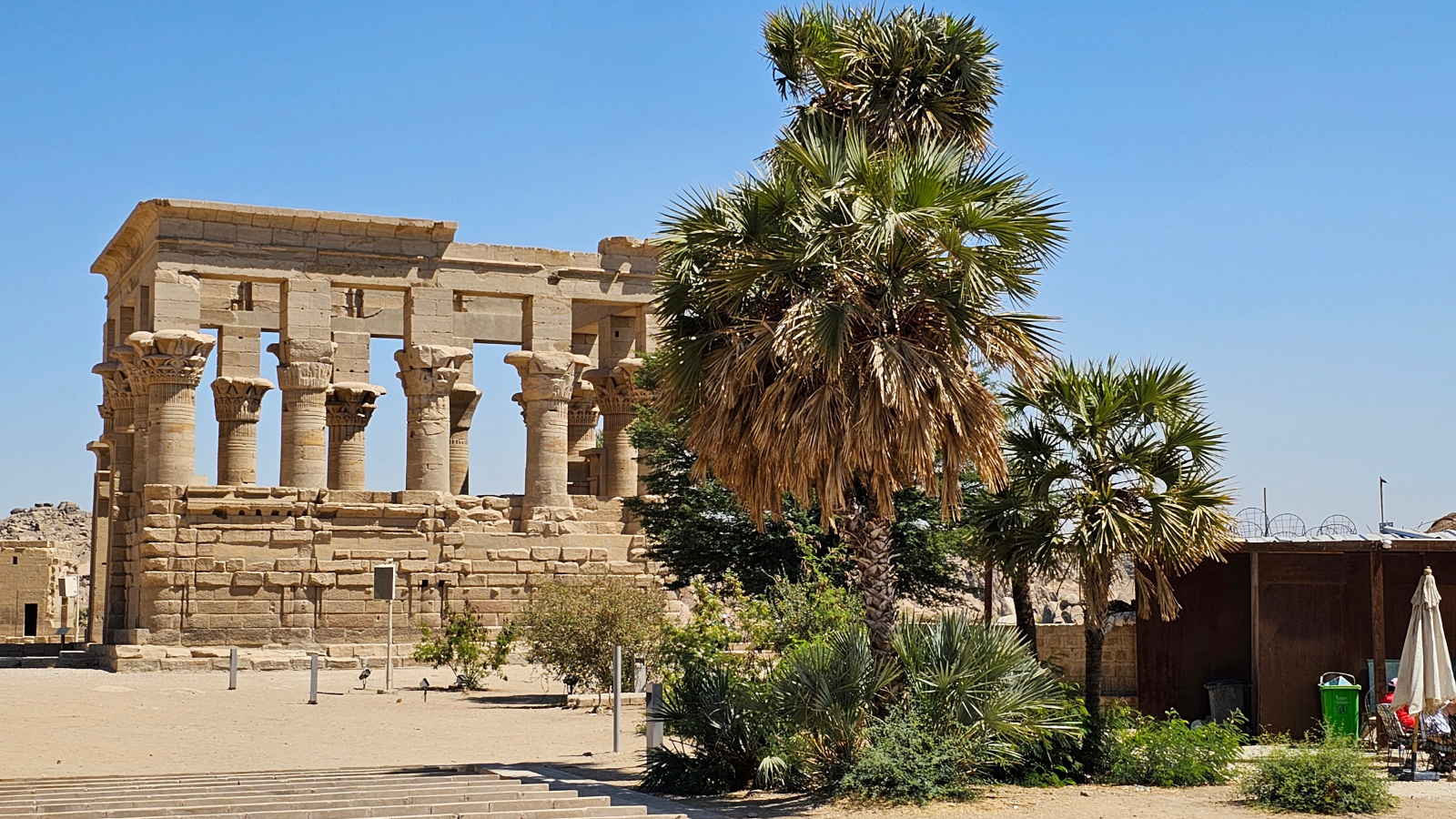
Abu Simbel pairs naturally with Philae Temple, Aswan highlights or a Nile cruise schedule.
Best traveler
Worth the distance
Best for travelers who value ancient history, monumental scale, dramatic landscapes and once-in-a-trip temple experiences.
Guide Insight
Why Abu Simbel Feels Different from Other Egyptian Temples
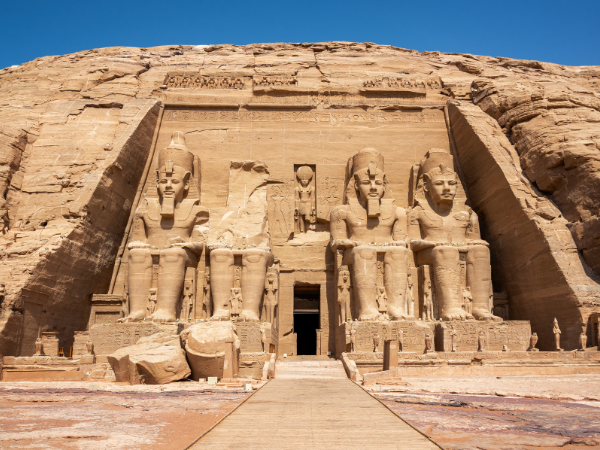
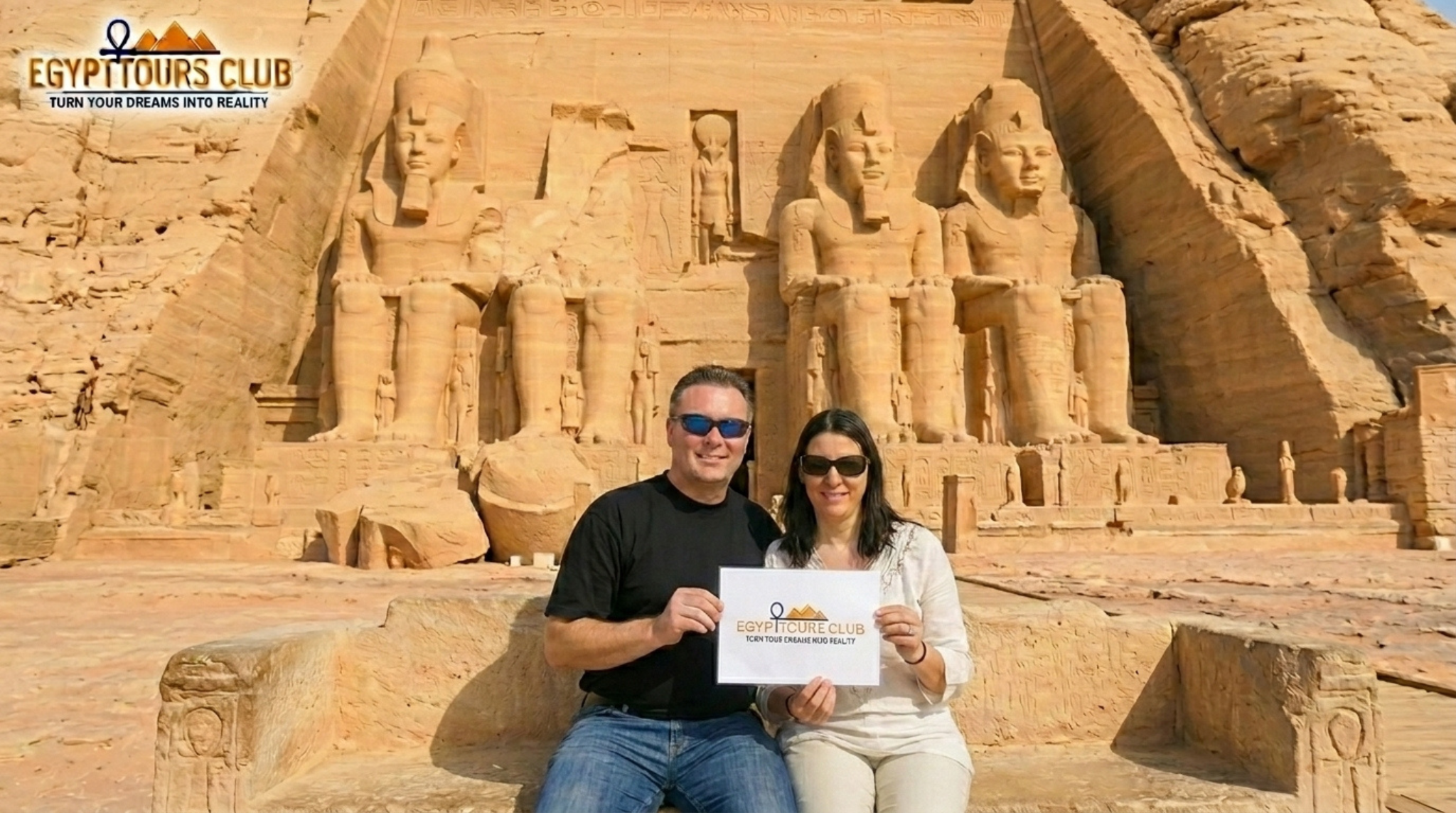
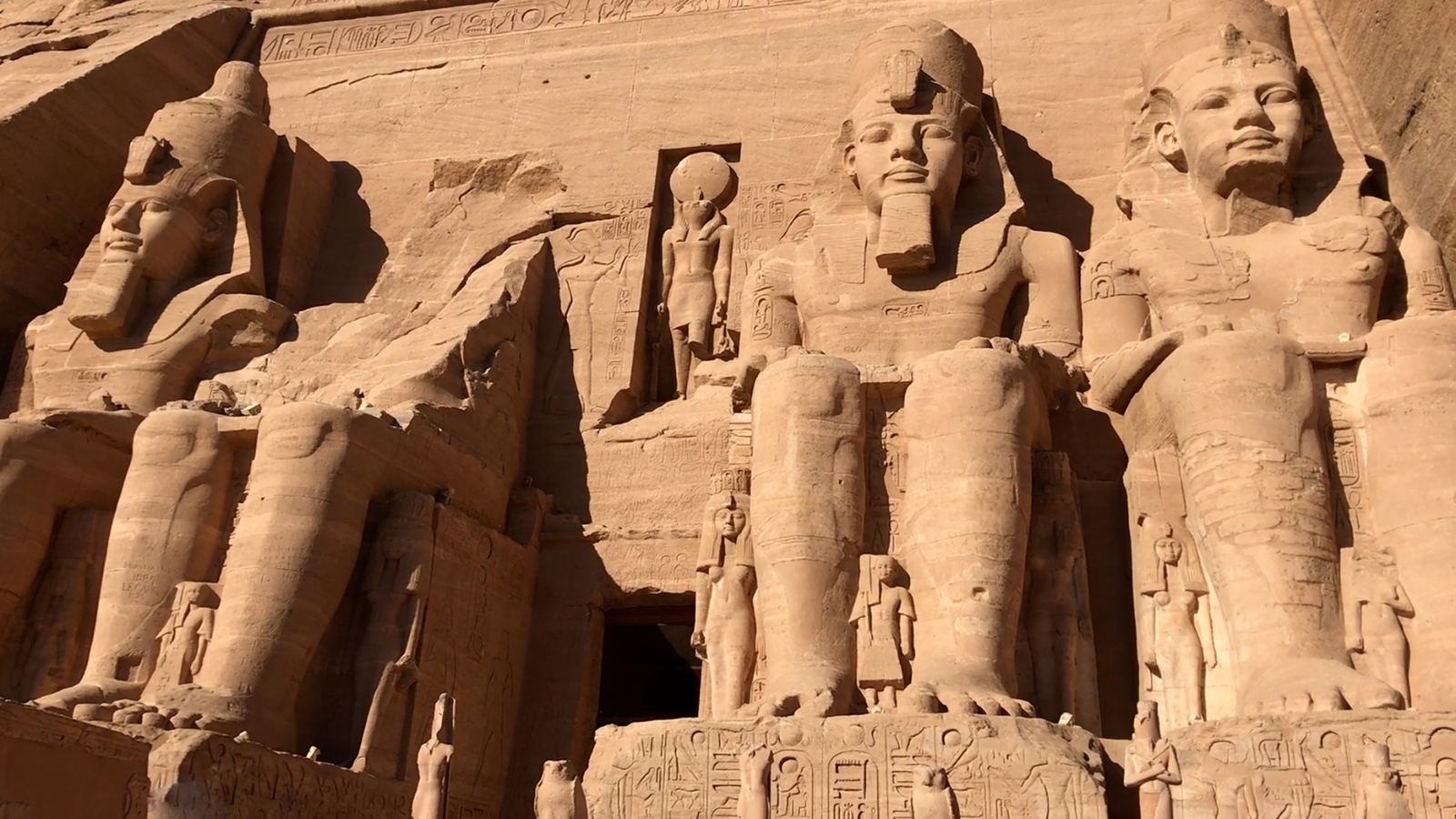
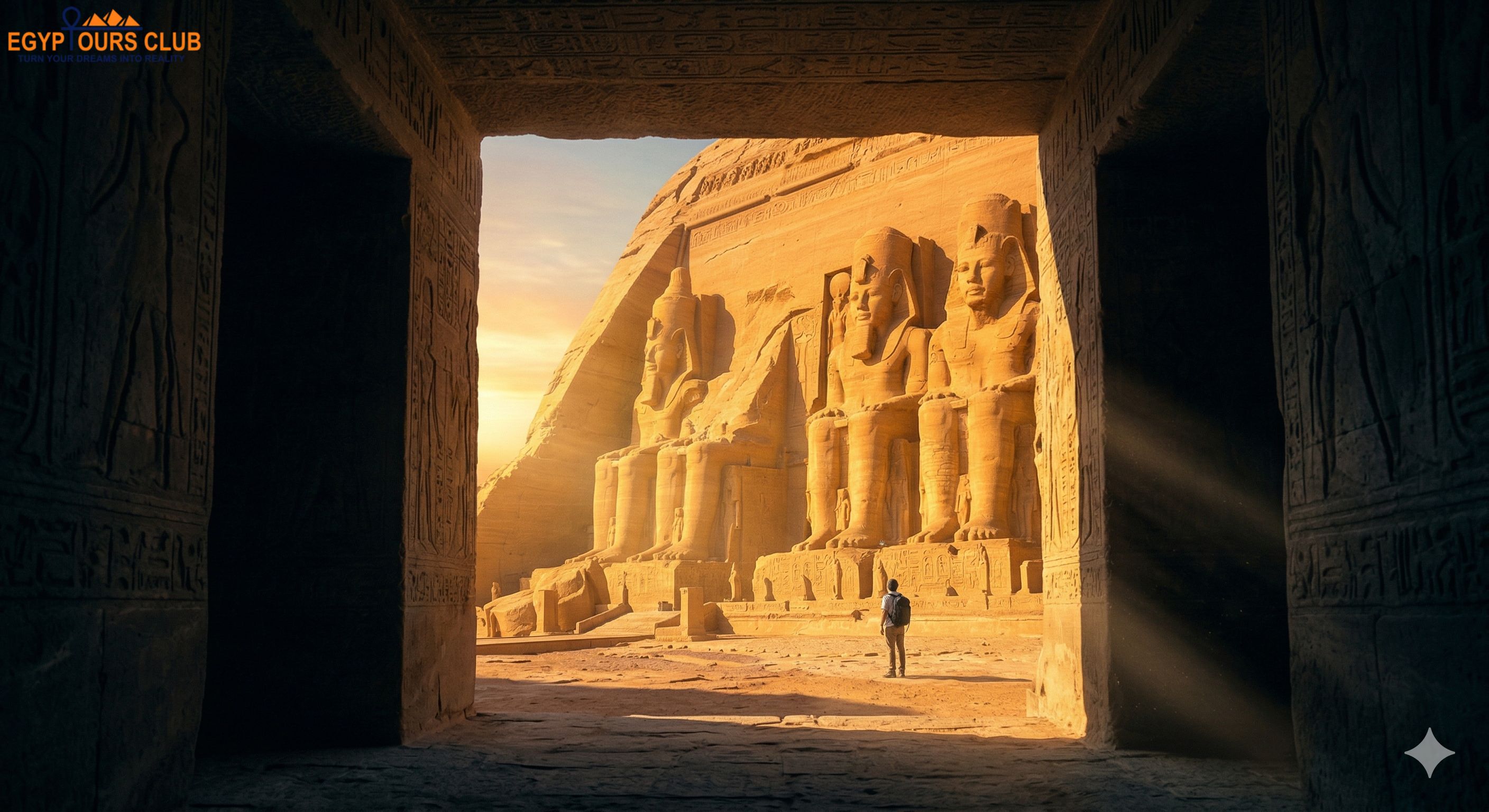
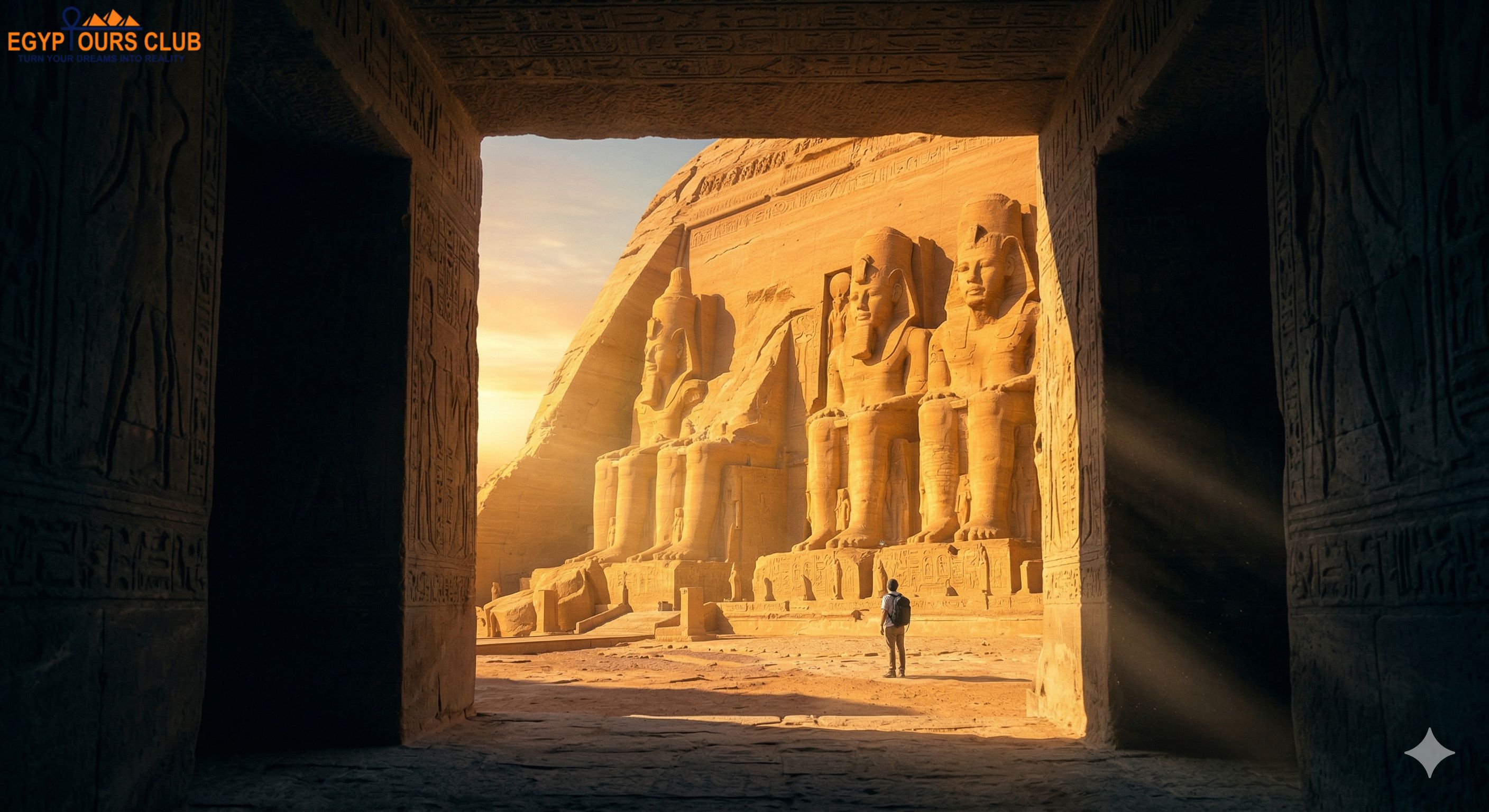
Abu Simbel is not simply a temple with impressive statues. It is a political message carved into a mountain at Egypt’s southern edge. Ramses II built the Great Temple to project divine kingship, military strength and control over the Nubian frontier. Before a visitor even understands the reliefs, the four seated statues on the facade communicate one idea clearly: the king is larger than life.
The smaller temple beside it adds a different emotional layer. Dedicated to Queen Nefertari and the goddess Hathor, it shows how royal image, devotion and sacred beauty worked together. Many travelers focus only on the larger facade, but the Nefertari temple is one of the most important reasons the site feels balanced rather than only monumental.
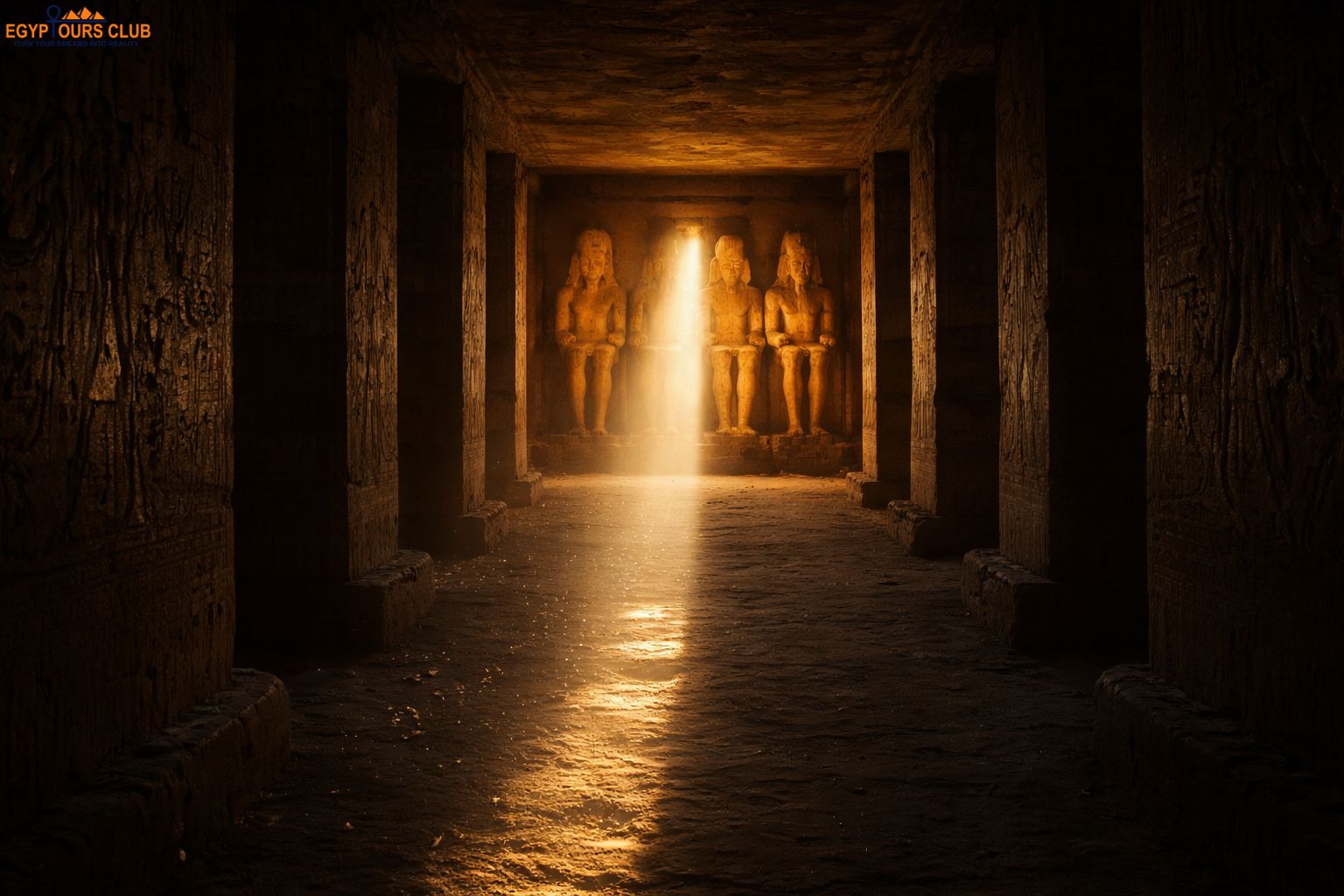
The sunlight alignment is another reason Abu Simbel stays in memory. The temple axis was designed so light could reach deep into the sanctuary on special days, tying architecture to time, divinity and royal celebration. Even when you do not visit on the exact event, understanding the alignment changes how you see the corridor, statues and temple depth.
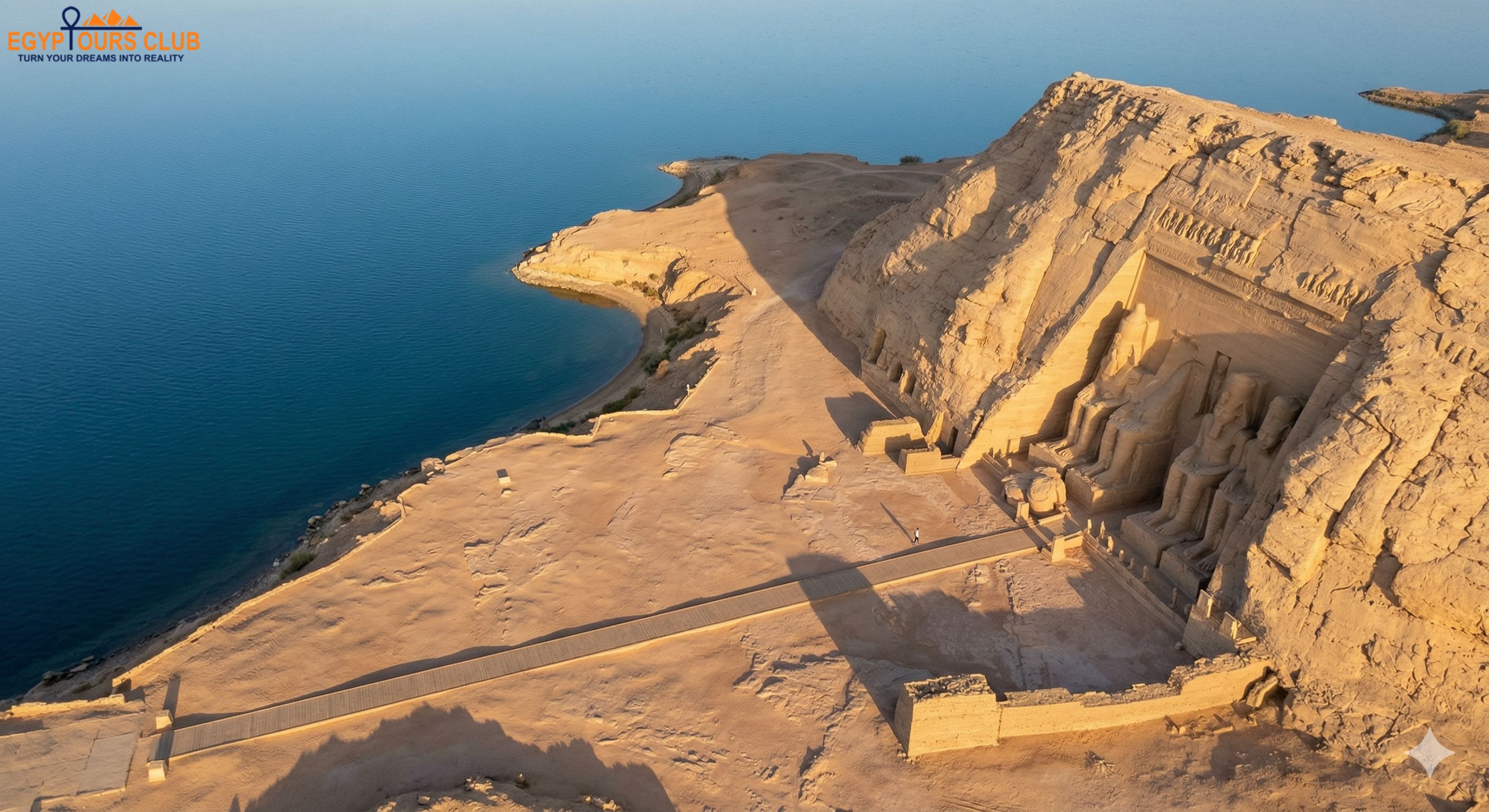
Then comes the modern story: Abu Simbel was moved in the 1960s to save it from the rising waters created by the High Dam project. That rescue makes the site both ancient and modern at the same time. You are not only seeing a monument from the New Kingdom; you are also seeing a global preservation achievement. This is why a guided Abu Simbel tour from Aswan should explain three stories together: Ramses II’s message, Nefertari’s sacred temple and the relocation that kept both temples alive beside Lake Nasser.
Great Temple · Ramses II
Best Things to Notice
Details Most Visitors Miss at Abu Simbel
These details make the temple visit deeper than a quick photo stop.
The scale before the doorway
Stand back before entering. The facade is meant to overwhelm you before the temple story begins.
The broken colossus
One damaged statue is part of the visual story. It reminds visitors that monuments age, collapse and survive.
The temple axis
Inside, look at how the passage leads the eye toward the sanctuary and makes the sunlight story possible.
Nefertari’s equal presence
At the smaller temple, notice how Nefertari appears with unusual prominence beside Ramses II.
The relocation cut lines
Ask your guide how the temples were dismantled and moved. The rescue story is part of the site’s value.
Lake Nasser behind the story
The water view is beautiful, but it also explains why the relocation became necessary.
Best Photo Spots
Where to Take the Best Abu Simbel Photos
Plan your photos before you arrive so the visit does not become rushed, especially if you are returning to Aswan the same morning.
Full facade viewStep back far enough to fit the Ramses II statues and the mountain-cut entrance in one frame.
Temple axisUse the central line of the interior approach to understand the light and symmetry story.Lake Nasser viewLeave a few minutes for desert-and-water scenery after visiting both temples.
Best light
Early morning usually gives softer light and cooler conditions around the facade.
Inside photography
Rules can change by area and ticket type. Confirm mobile, camera, flash and tripod rules before entering.
Respect the flow
Do not block narrow temple spaces for long photos, especially during busy arrival windows.
Tickets and Entry Notes
Abu Simbel Tickets, Entrance Fee and Online Checks
Do not rely on old prices copied from travel blogs. Ticket categories, rules and camera permissions can change, so confirm the latest details near your travel date.
What to confirm
Whether your tour includes the temple ticket or you pay separately.
Current Abu Simbel entrance fee and accepted payment method.
Any student, child or resident categories that apply.
Camera, flash and tripod rules before entering interior spaces.
Useful official checks
Use official monument information for visitor context and the ticket portal for current ticket details when available.
A guided early day trip with both temples, Lake Nasser views and a clear explanation of Ramses II, Nefertari, the relocation and the sunlight alignment.
Is Abu Simbel worth the long drive from Aswan?
Yes, if you enjoy major ancient sites. The long route is balanced by one of Egypt’s most powerful temple experiences.
How far is Abu Simbel from Aswan?
The road distance is about 280 km, depending on pickup point and route conditions.
Can I go to Abu Simbel by plane?
It can be possible when schedules fit your date. Compare the flight option with the road route before deciding.
Can I buy Abu Simbel tickets online?
Check the official ticket portal when available, and confirm the latest fee close to your visit date.
How long should I spend at Abu Simbel?
Most travelers need about 90–120 minutes on site for both temples, photos and guide explanation.
What should I wear for Abu Simbel?
Wear comfortable shoes, light clothing, sunglasses and sun protection. The temple area is exposed.
Can Abu Simbel fit into a Nile cruise plan?
Yes, but it should be arranged around Aswan arrival, checkout, sailing time and pickup point.
Plan Abu Simbel Without Guesswork
Send your Aswan hotel or cruise point, travel date, number of travelers and preferred route style. We will help you choose the cleanest Abu Simbel day trip timing.