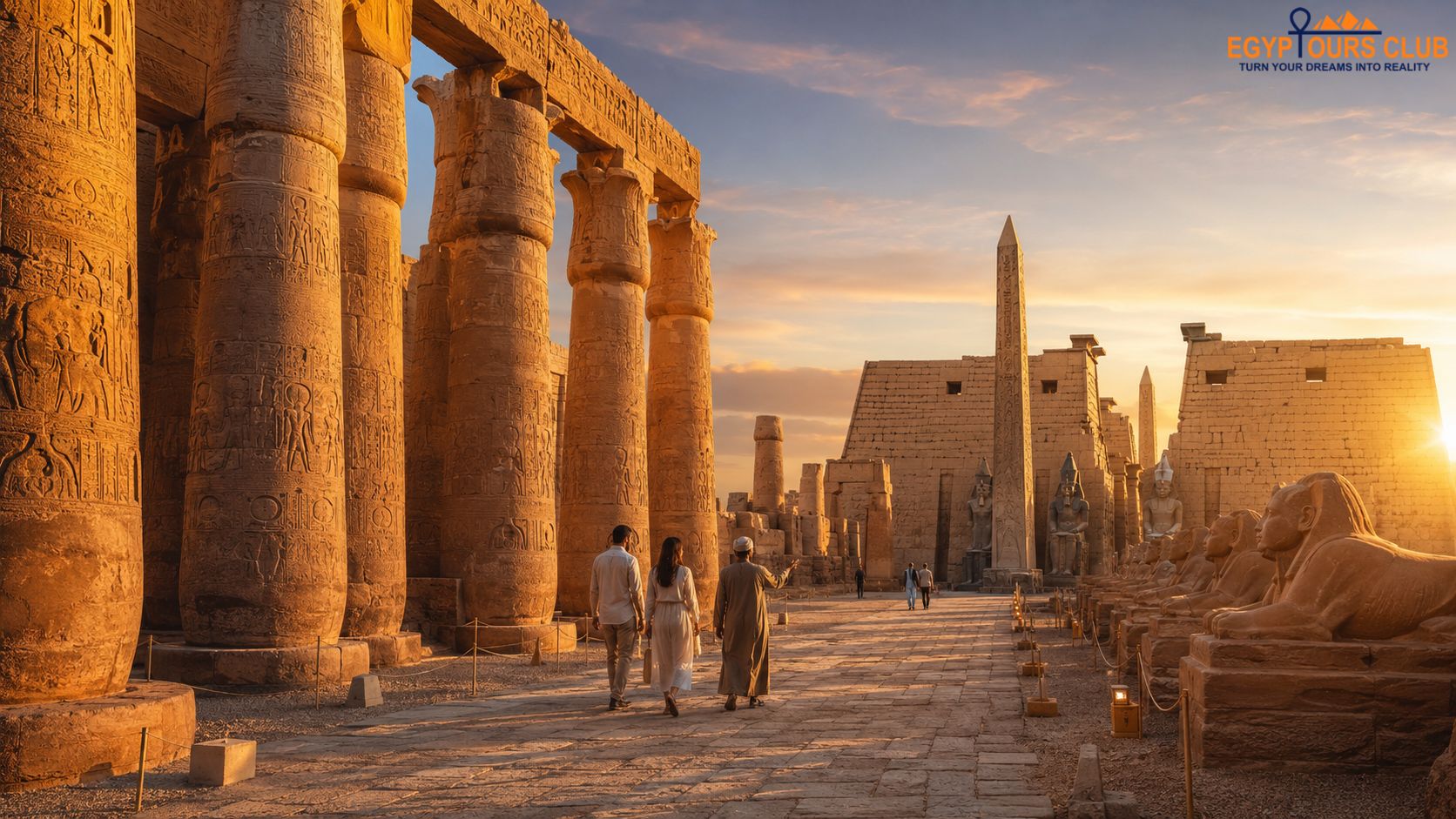


Viale delle Sfingi Luxor| Storia e guida alla visita
Viale delle Sfingi a Luxor . banner

Viale delle Sfingi a Luxor

Egypt Tours Club

Guida al Viale delle Sfingi realizzata da un team locale autorizzato e specializzato in viaggi in Egitto

Tempio di Karnak · Tempio di Luxor · Festa di Opet

Viale delle Sfingi Visitor Guide: History, Statues and the Best Luxor Itinerari

Walk the sacred processional road of ancient Thebes with direct answers, statue guides, practical route options and authoritative heritage references. Use this Viale delle Sfingi Luxor guide to connect Karnak Temple, the Temple of Mut and Luxor Temple without losing the history behind the journey.

Risposta veloce

Is the Viale delle Sfingi in Luxor worth visiting?

Yes. The Viale delle Sfingi—also called Sphinx Avenue, Al-Kebash Road or Rams Road—is the ceremonial link between Karnak Temple and Luxor Temple and one of the clearest places to understand ancient Theban urban planning.

Il percorso archeologico si estende per circa 2,7 chilometri. Per apprezzarlo al meglio, è consigliabile abbinare i principali tratti restaurati alla visita di Karnak e del Tempio di Luxor, preferibilmente al mattino presto o nel tardo pomeriggio. È inoltre consigliabile verificare sul posto quali accessi siano aperti il giorno della visita.

Confronta i tour privati di Luxor
Come comprendere il percorso sacro

I monumenti, le diverse tipologie di sfingi e la storia del Viale delle Sfingi

Each card connects the Viale delle Sfingi with a focused Egypt Tours Club guide, private Luxor route or authoritative source, helping visitors understand both the walk and its sacred meaning.

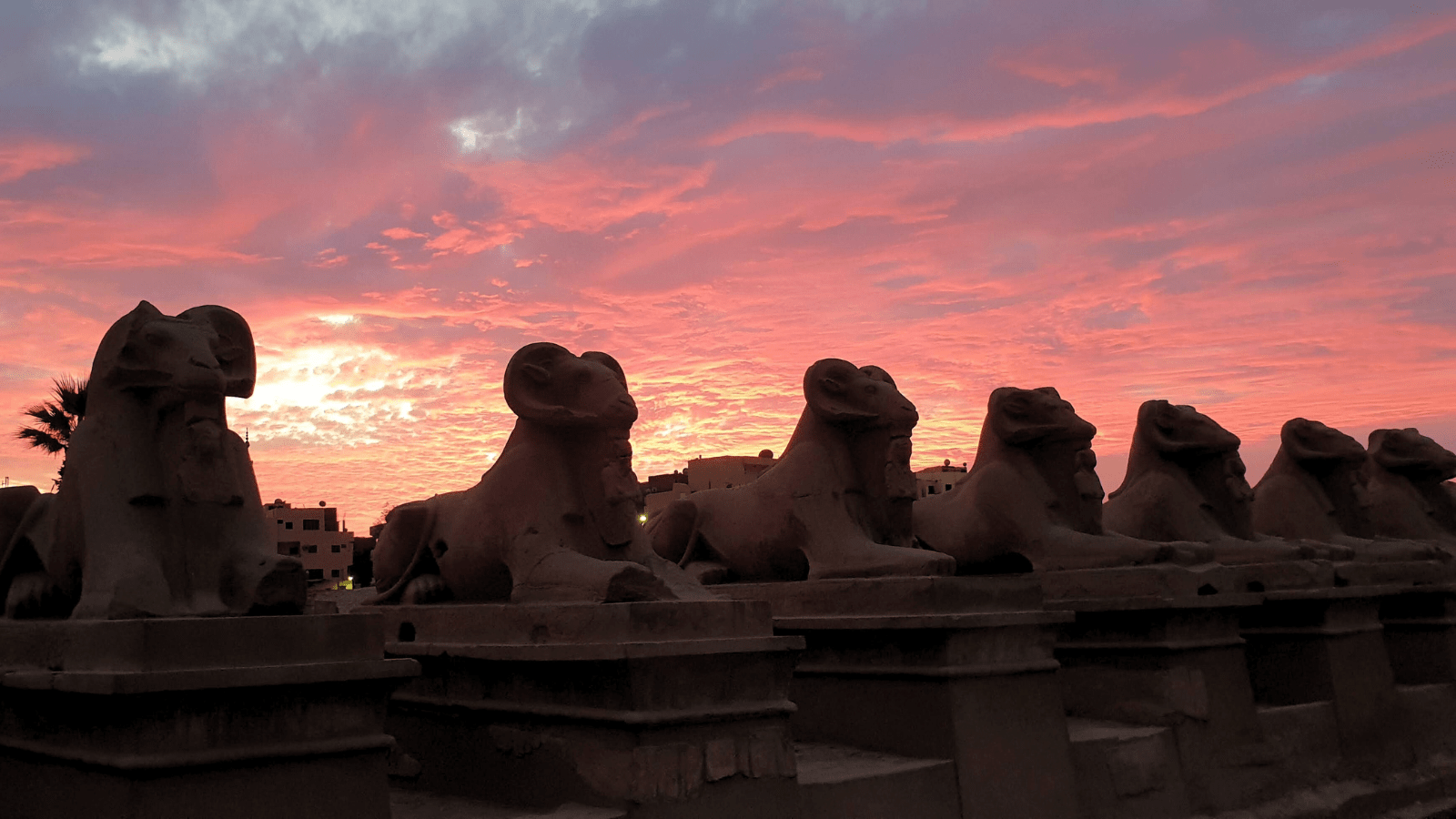
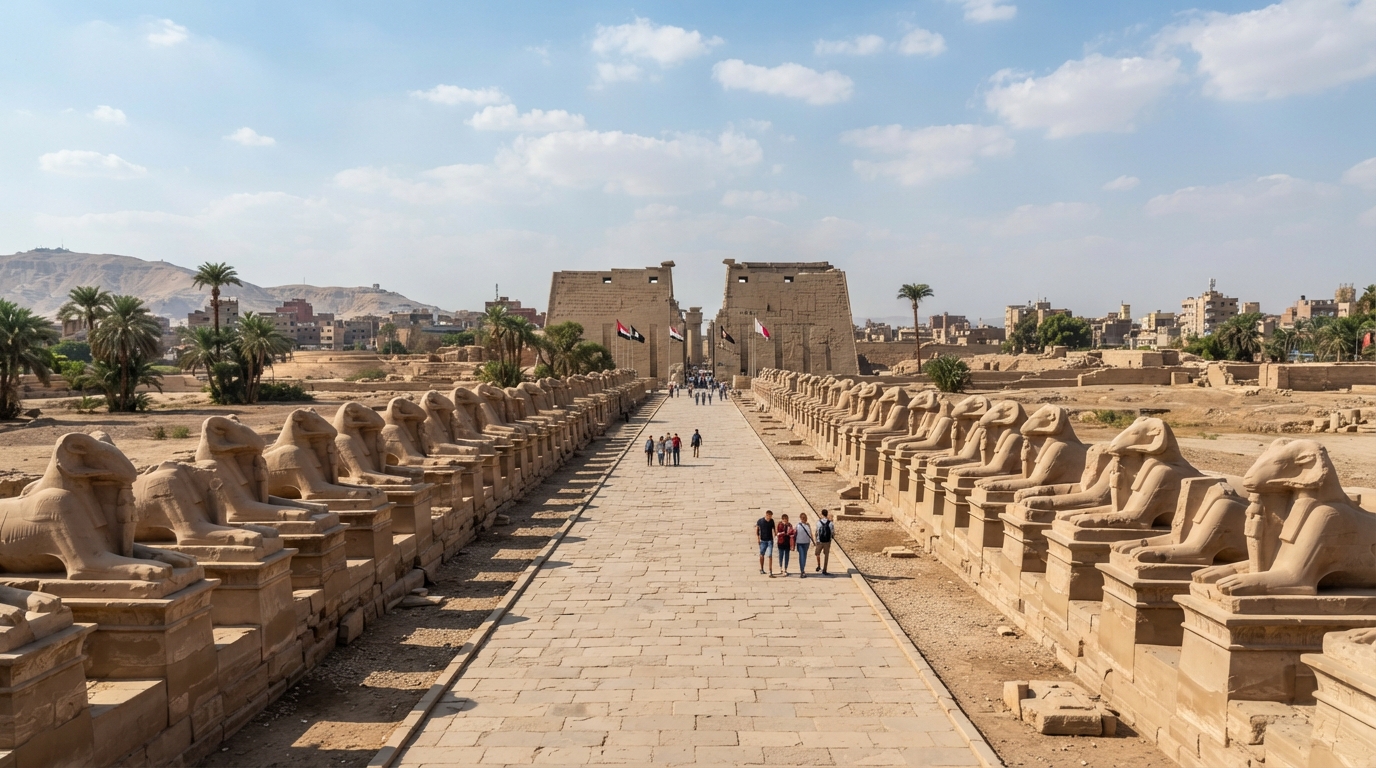
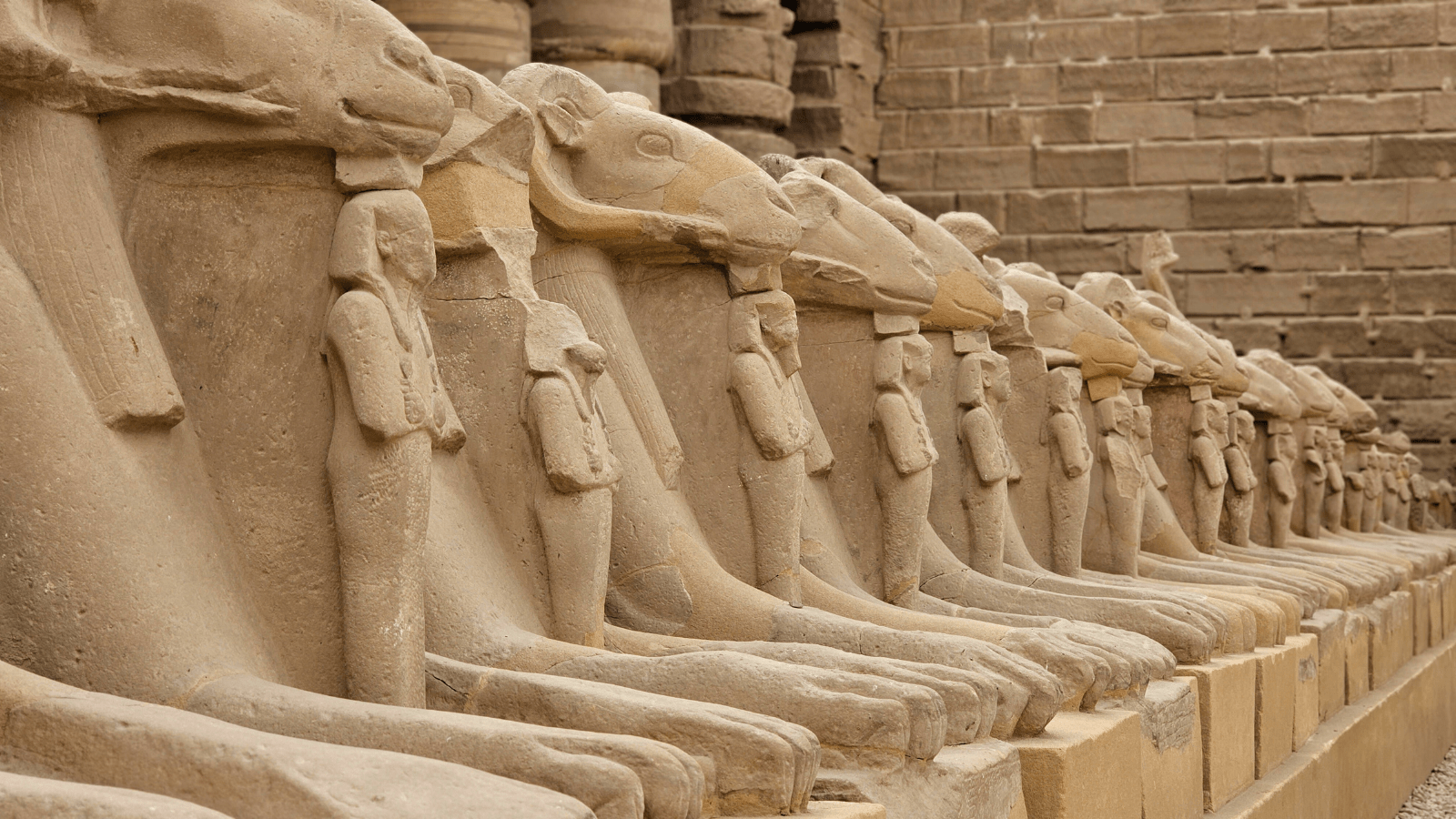
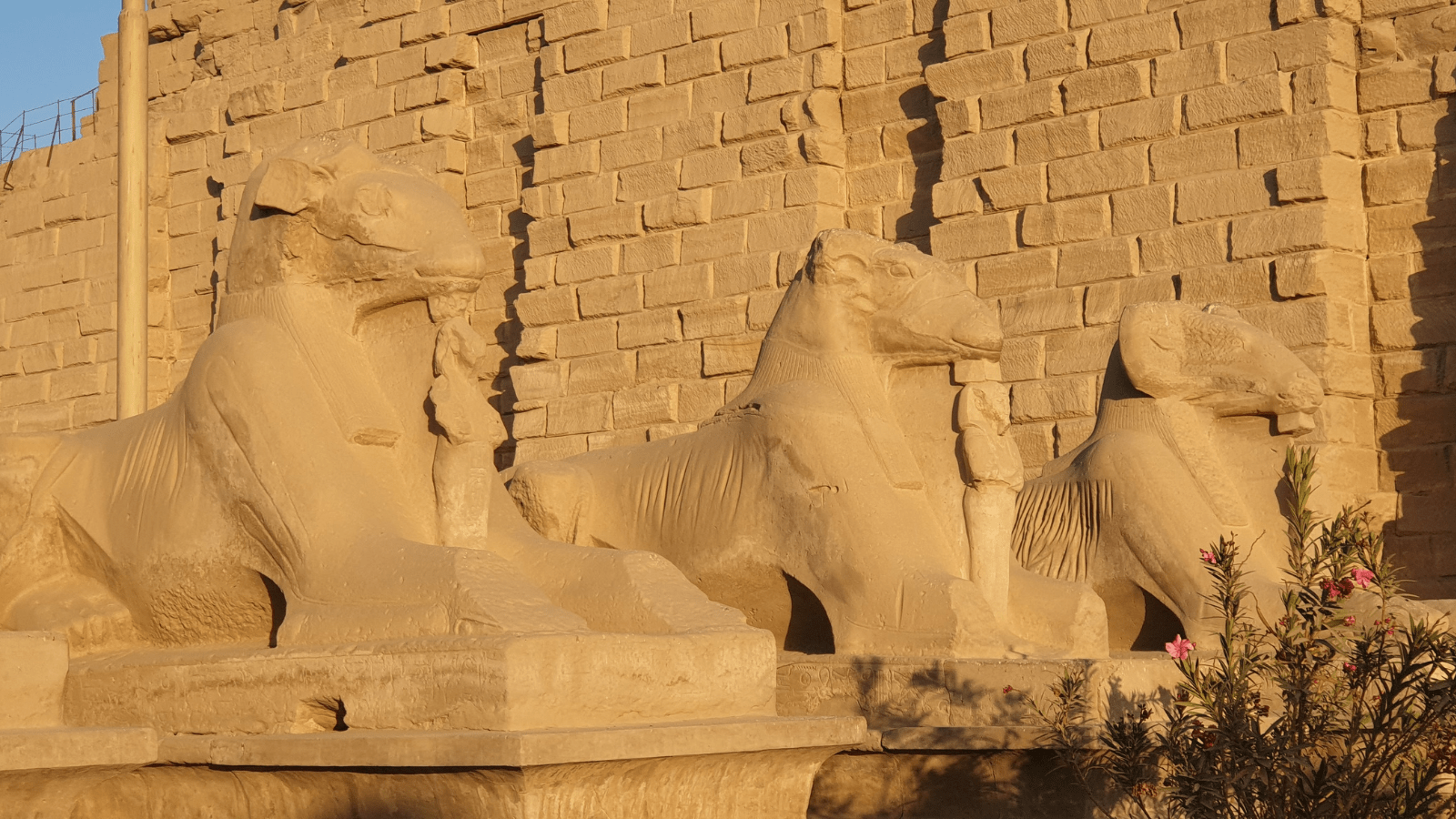
Ram-headed sphinx statues on the Viale delle Sfingi near Karnak Temple in Luxor Accesso sacro da nord

Sfingi a testa d’ariete vicino a Karnak

Simbolismo di AmonSettore di Karnak

Inizia nei pressi del settore meridionale di Karnak, dove le criosfingi presentano un corpo di leone e una testa d’ariete, animale sacro associato al dio Amon. Queste figure protettrici introducono il percorso processionale prima del lungo tratto fiancheggiato da sfingi con testa umana.

Human-headed sphinx statues lining the restored Viale delle Sfingi in Luxor Le sfingi reali protettrici

Sfingi a testa umana di Nectanebo I

XXX dinastiaAutorità regale

Il gruppo più numeroso è formato da sfingi con corpo di leone e testa umana raffigurante il sovrano. Durante il regno di Nectanebo I, il percorso assunse una forma più uniforme, sottolineando i temi della regalità, della protezione e delle processioni cerimoniali attraverso la città.

Sandstone-paved processional route and restored statues on Sphinx Avenue in Luxor Oltre le sfingi: l’archeologia del percorso

Pavimentazione in arenaria, aiuole e canali d’acqua

Percorso restauratoElementi rituali

Durante la visita non soffermarti soltanto sulle sfingi: osserva anche la pavimentazione in arenaria, le vasche circolari destinate alle piante, i piccoli canali d’acqua e le tracce delle strutture legate alle feste, alle offerte e alle cerimonie pubbliche.

Ram-headed sphinxes representing Amun along the Opet Festival route in Luxor Il percorso della Festa di Opet

La processione della Festa di Opet

Amon, Mut e KhonsuRinnovamento sacro

Durante la Festa di Opet, le immagini sacre delle divinità venivano trasportate in processione tra Karnak e il Tempio di Luxor a bordo di barche cerimoniali. La celebrazione simboleggiava il rinnovamento dell’ordine sacro e rafforzava il legame tra gli dèi, il faraone e la città di Tebe.

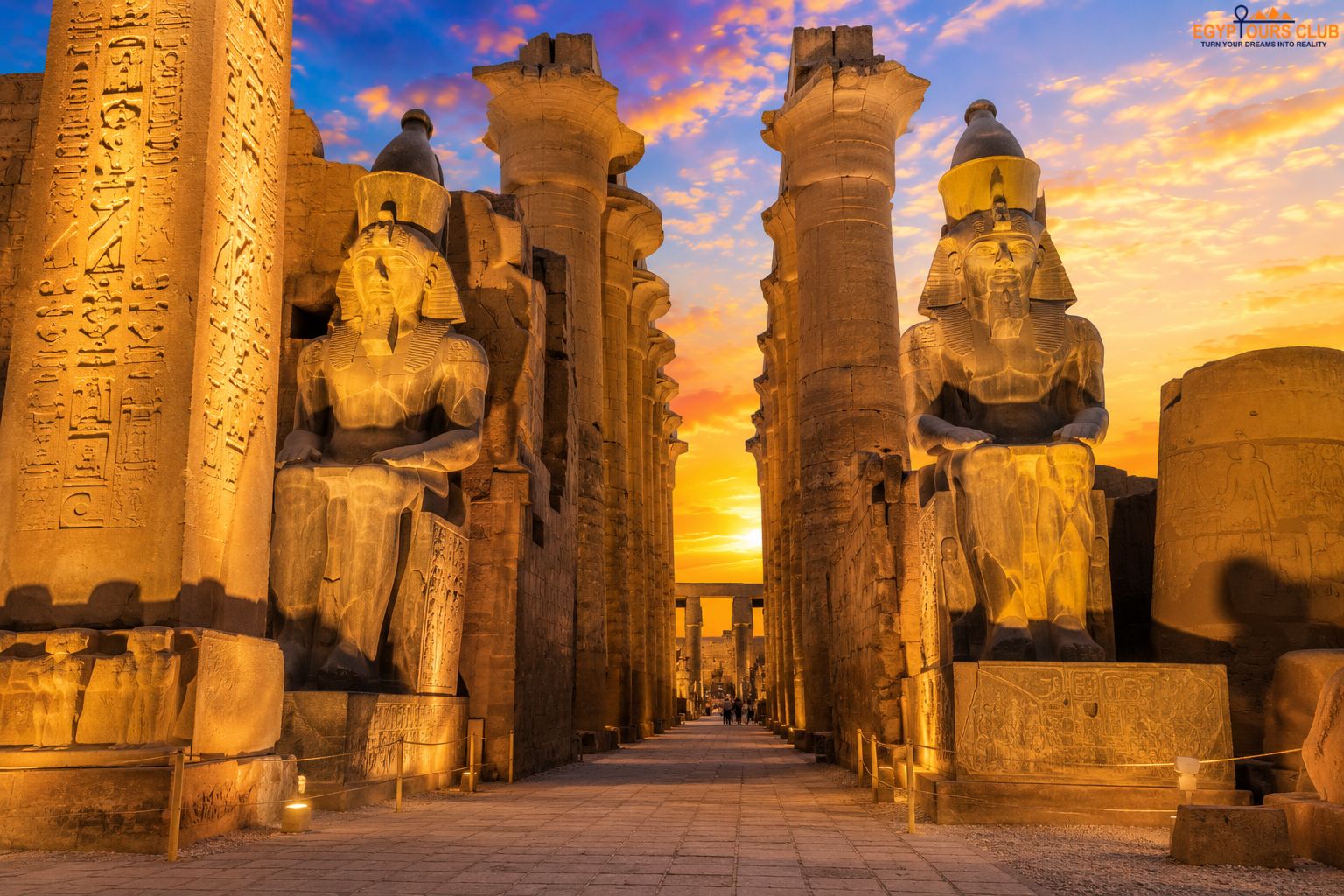
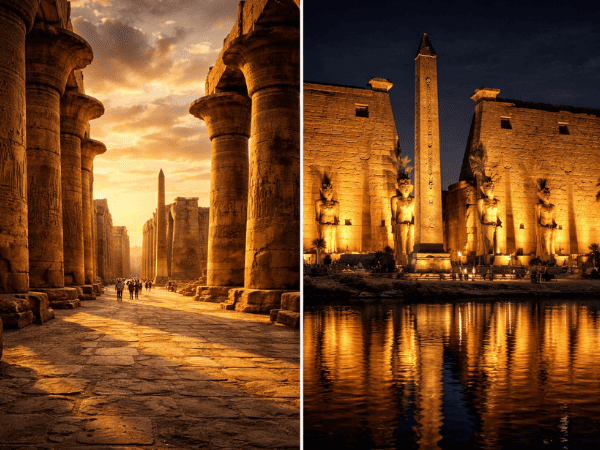
Illuminated Luxor Temple at the southern end of the Viale delle Sfingi Arrivo meridionale

Tempio di Luxor e tratto finale del Viale

Atmosfera seraleIngresso al tempio

Concludi la visita al Tempio di Luxor, dove l’antico asse processionale raggiunge il cuore della città. La luce del tardo pomeriggio e l’illuminazione serale rendono questo tratto finale particolarmente suggestivo e ideale per completare l’itinerario sulla riva orientale.

Scegli in base al tempo disponibile

The strongest Viale delle Sfingi routes in Luxor

Keep the route geographically clear. Sphinx Avenue works best as a focused open-air walk, the classic Karnak-to-Luxor Temple story or the East Bank conclusion to a full Luxor day.

45–90 minuti

Visita breve del Viale delle Sfingi

  • Choose a cool early or late time.
  • Start with the ram-headed Settore di Karnak.
  • Study the human-headed sphinx corridor.
  • Confirm the current exit and return plan.
Consulta la guida della città di Luxor
Mezza giornata sulla riva orientale

Karnak, Viale delle Sfingi e Tempio di Luxor

  • Give Karnak the largest share of time.
  • Continue through the processional landscape.
  • Use the avenue to connect the temple stories.
  • Reach Luxor Temple in softer light.
Scopri il tour privato della riva orientale
Intera giornata a Luxor

Tombe della riva occidentale e percorso processionale della riva orientale

  • Visit the Valle dei Re early.
  • Pause during the hottest part of the day.
  • Continue to Sphinx Avenue later.
  • Finish at illuminated Luxor Temple.
Confronta i tour completi di un giorno a Luxor

Nota di pianificazione: Active entrances, walkable sections, opening times, lighting schedules and ticket arrangements can change. Check the official temple portals and confirm current access locally before relying on a full end-to-end walk.

Ram-headed sphinx statues lining the sacred processional road between Karnak and Luxor Temple

Fonti ufficiali e riferimenti autorevoli

Consulta le fonti ufficiali sul Viale delle Sfingi e sull’antica Tebe

Egypt Tours Club links help visitors choose and organize the route. Official Egyptian and international sources provide additional archaeological, restoration, World Heritage and destination context.

External pages open in a new tab. Verify current access, opening hours and ticket procedures close to the visit because operational details can change.

Informazioni utili prima della visita

Viale delle Sfingi questions before you go

Direct answers help visitors compare walking time, statue types, history, access and East Bank route options.

Is the Viale delle Sfingi worth visiting?

Yes. It reconnects Karnak Temple, the Temple of Mut and Luxor Temple within the ceremonial landscape of ancient Thebes and gives visitors a rare view of an Egyptian sacred city beyond individual monuments.

How long is the Viale delle Sfingi?

Official Egyptian heritage sources describe the avenue as approximately 2,700 metres, or 2.7 kilometres, from Karnak in the north toward Luxor Temple in the south.

Can you walk the full Viale delle Sfingi?

The restored route is designed as a connected archaeological avenue, but active access points and walkable sections can change. Confirm the current arrangement locally before planning a complete end-to-end walk.

Quante statue di sfingi si trovano lungo il viale?

The Egyptian Presidency’s official project record reports 1,057 uncovered statues: 807 human-headed sphinxes and 250 ram-headed statues.

Who built the Viale delle Sfingi?

The avenue developed across several reigns from the Eighteenth to the Thirtieth Dynasty. Nectanebo I is especially associated with the long unified sphinx-lined road, while earlier rulers shaped processional routes and sacred stopping places.

Che cos’era la Festa di Opet?

Opet was a major Theban festival in which sacred images associated with Amon, Mut e Khonsu moved between Karnak and Luxor Temple, renewing divine order and royal legitimacy.

Serve un biglietto separato per il Viale delle Sfingi?

Do not assume one fixed ticket rule. Temple admissions, avenue access and active entrances can change, so check the official Karnak and Luxor Temple portals and confirm the current procedure on the day.

What is the best time to visit the Viale delle Sfingi?

Early morning is best for cooler walking and softer light. Late afternoon and evening are strong for shadows, temple atmosphere and illumination near Luxor Temple, subject to current access hours.

Pianifica una visita privata a Luxor

Scegli l’itinerario più adatto per il Viale delle Sfingi e la riva orientale prima di prenotare

Share your Luxor hotel or Nile cruise, date, available time, group size and preferred guide language. Egypt Tours Club can recommend a clear route through Karnak, the Viale delle Sfingi and Luxor Temple.