

Avenue of the Sphinxes Luxor | History & Visitor Guide | Egypt Tours Club
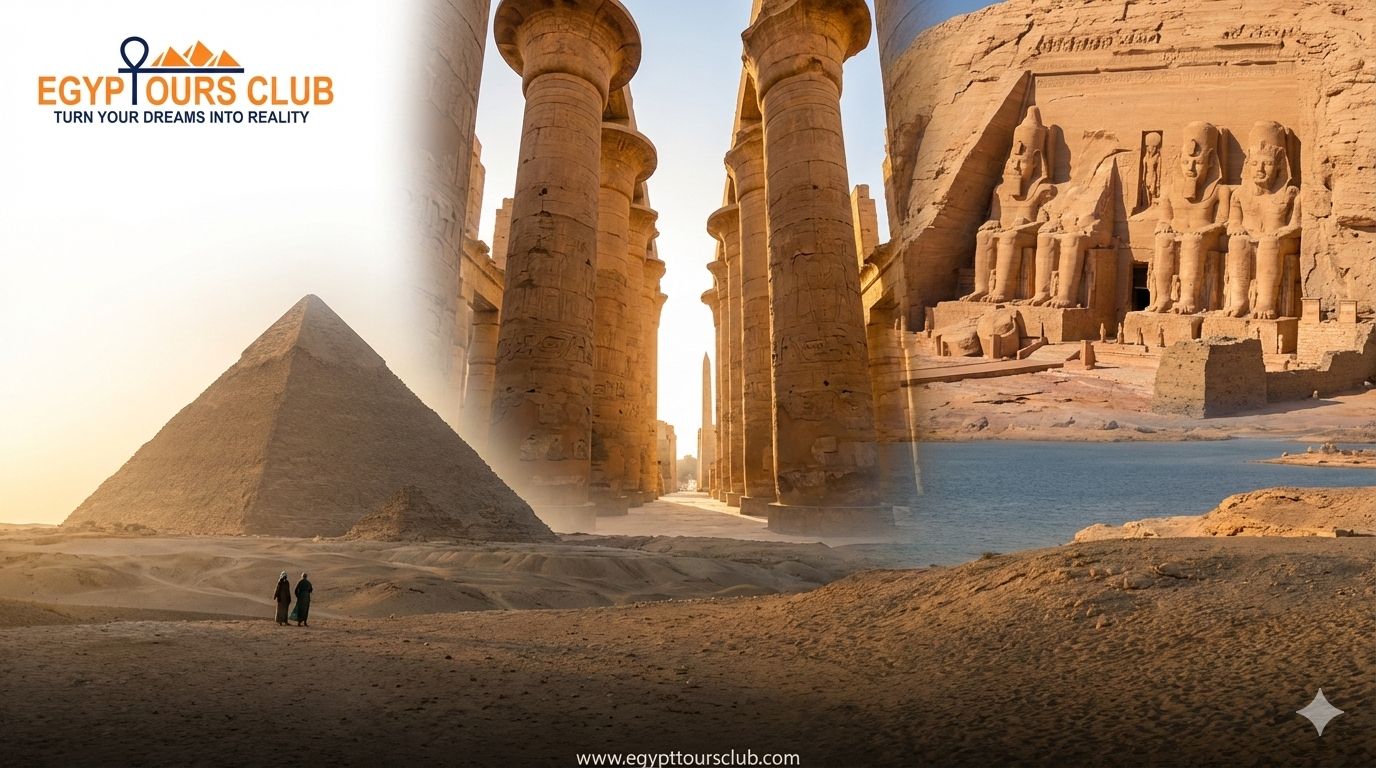
Avenue of the Sphinxes . banner

Avenue of the Sphinxes

Egypt Tours Club

Avenue of the Sphinxes planning by a licensed local Egypt travel team

Karnak Temple · Luxor Temple · Opet Festival

Avenue of the Sphinxes Visitor Guide: History, Statues and the Best Luxor Routes

Walk the sacred processional road of ancient Thebes with direct answers, statue guides, practical route options and authoritative heritage references. Use this Avenue of the Sphinxes Luxor guide to connect Karnak Temple, the Temple of Mut and Luxor Temple without losing the history behind the journey.

Quick Travel Answer

Is the Avenue of the Sphinxes in Luxor worth visiting?

Yes. The Avenue of the Sphinxes—also called Sphinx Avenue, Al-Kebash Road or Rams Road—is the ceremonial link between Karnak Temple and Luxor Temple and one of the clearest places to understand ancient Theban urban planning.

The full archaeological route is about 2.7 kilometres. Most visitors gain the strongest experience by combining key restored sections with Karnak and Luxor Temple, using early morning or late-afternoon light and confirming current access points locally.

Compare Private Luxor Tours
Read the Sacred Road Clearly

The essential monuments, statue types and stories along the avenue

Each card connects the Avenue of the Sphinxes with a focused Egypt Tours Club guide, private Luxor route or authoritative source, helping visitors understand both the walk and its sacred meaning.

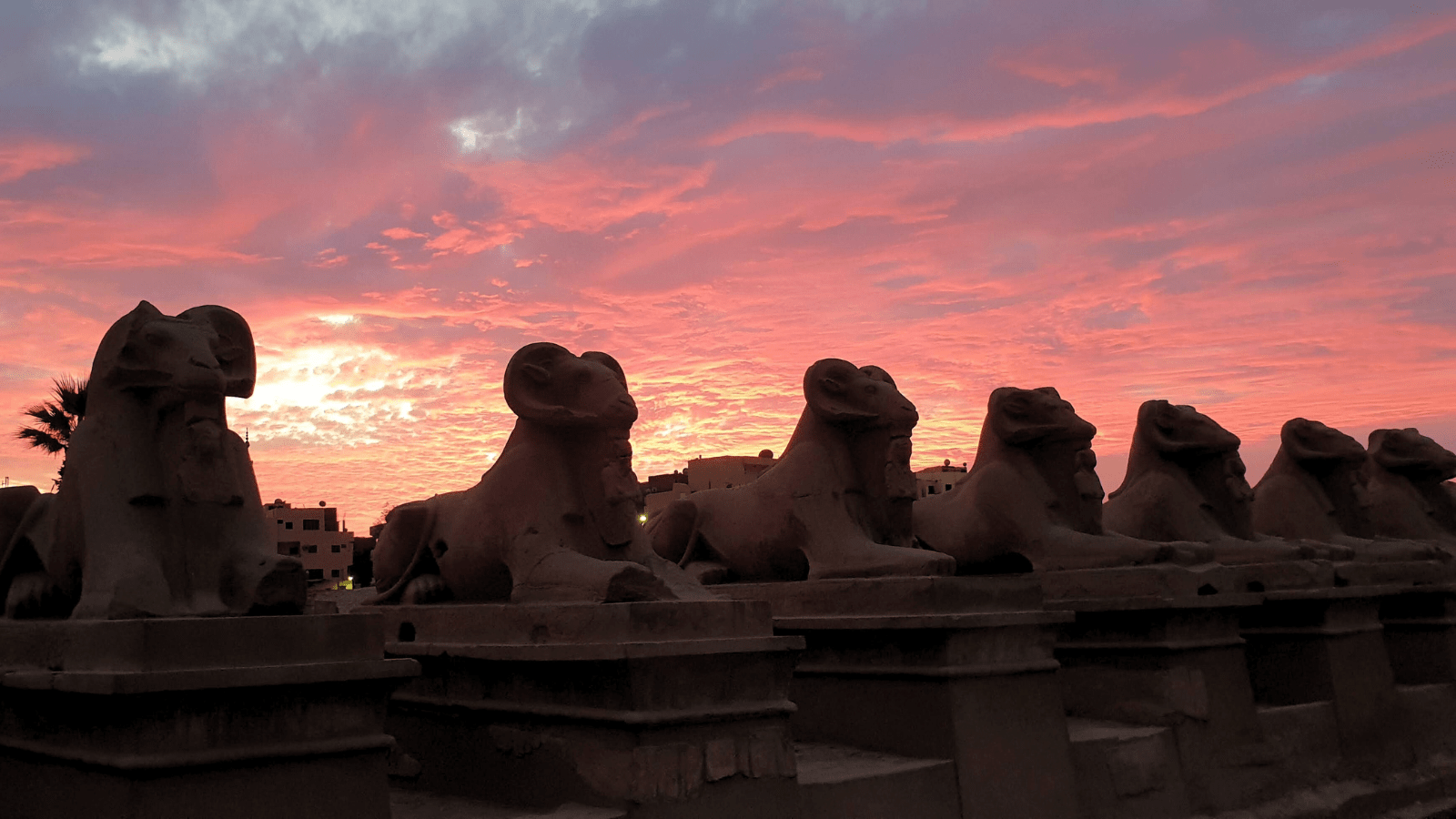
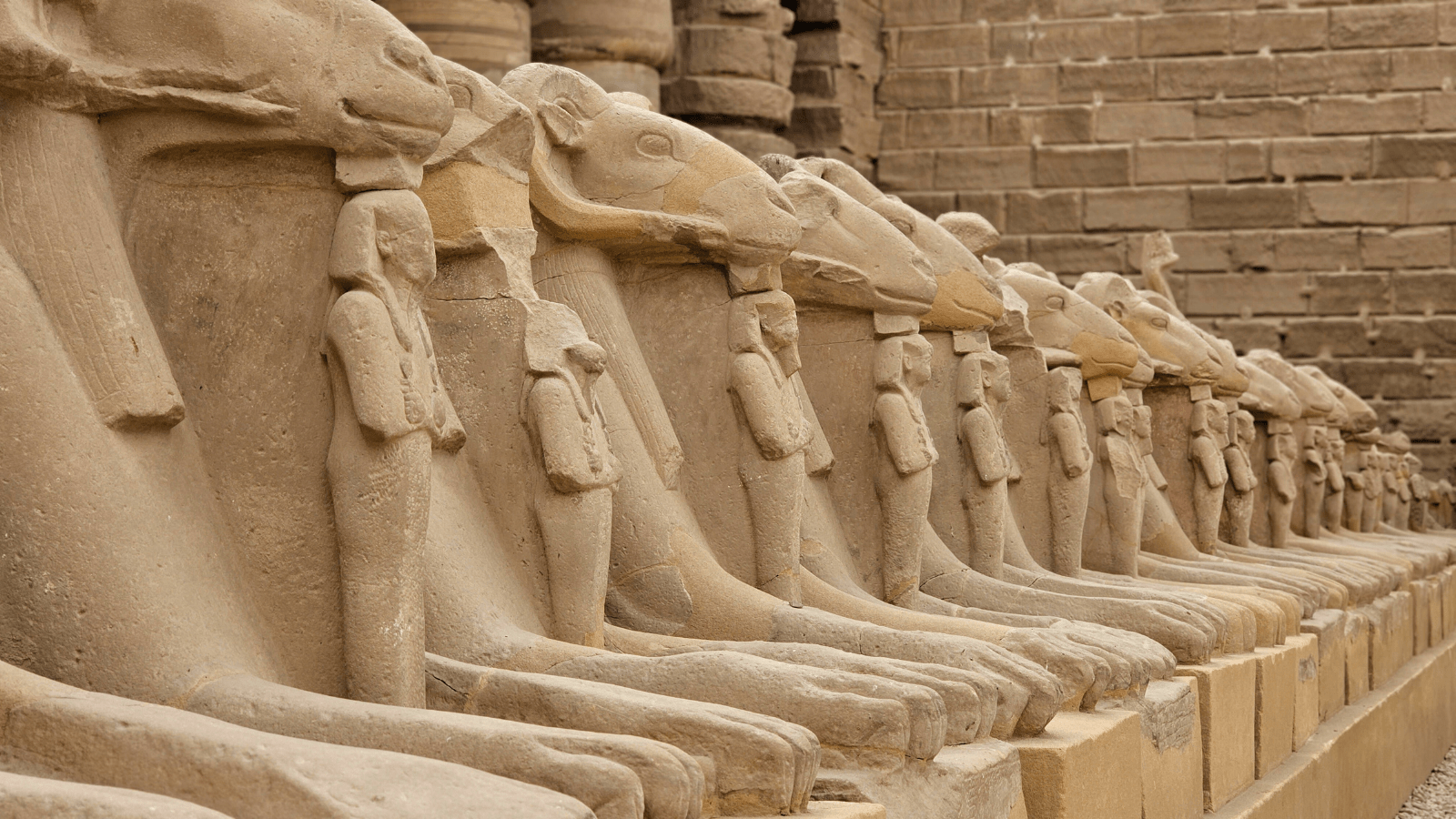
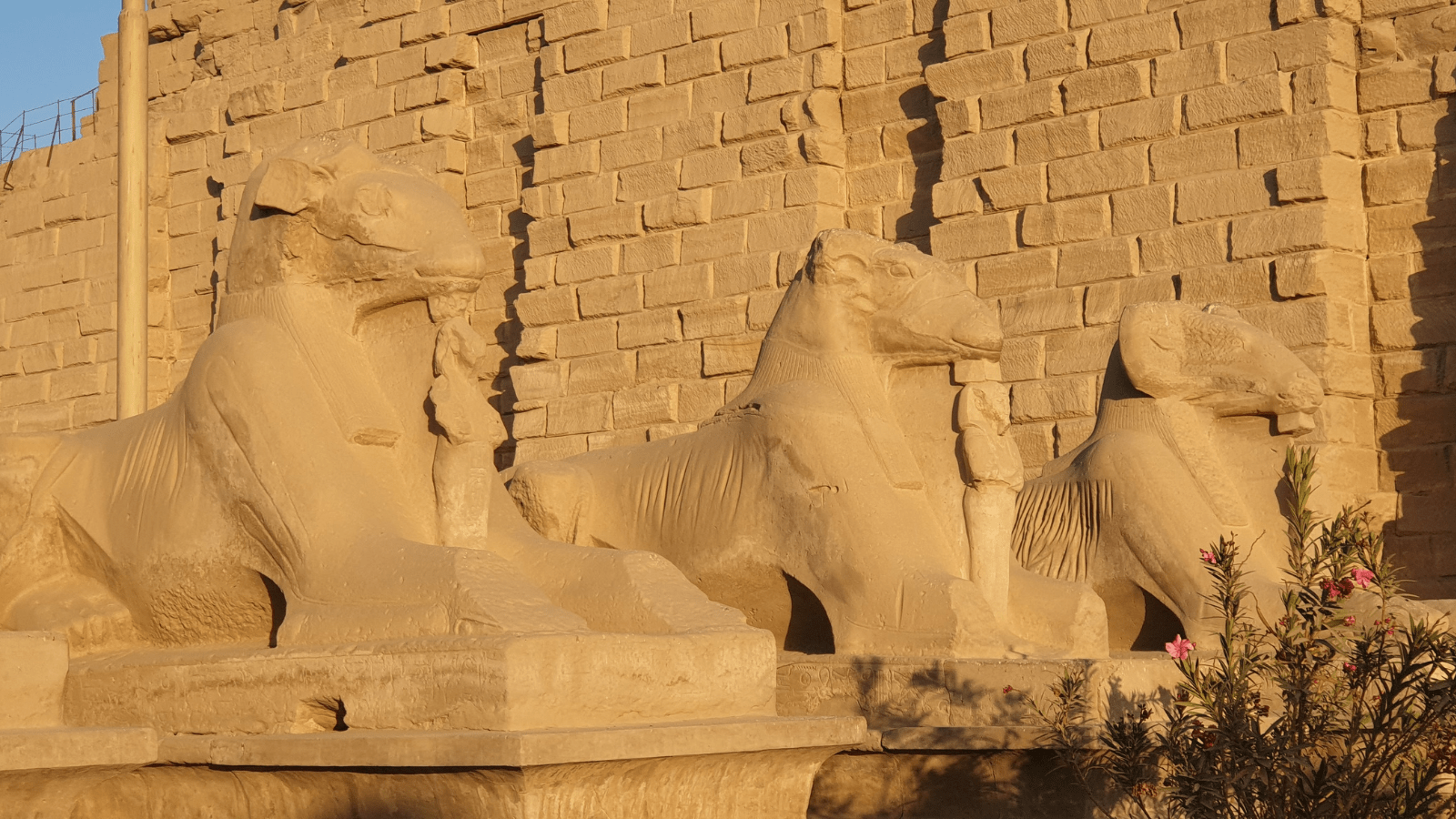
Ram-headed sphinx statues on the Avenue of the Sphinxes near Karnak Temple in Luxor Northern Sacred Approach

Ram-Headed Sphinxes near Karnak

Amun symbolismKarnak sector

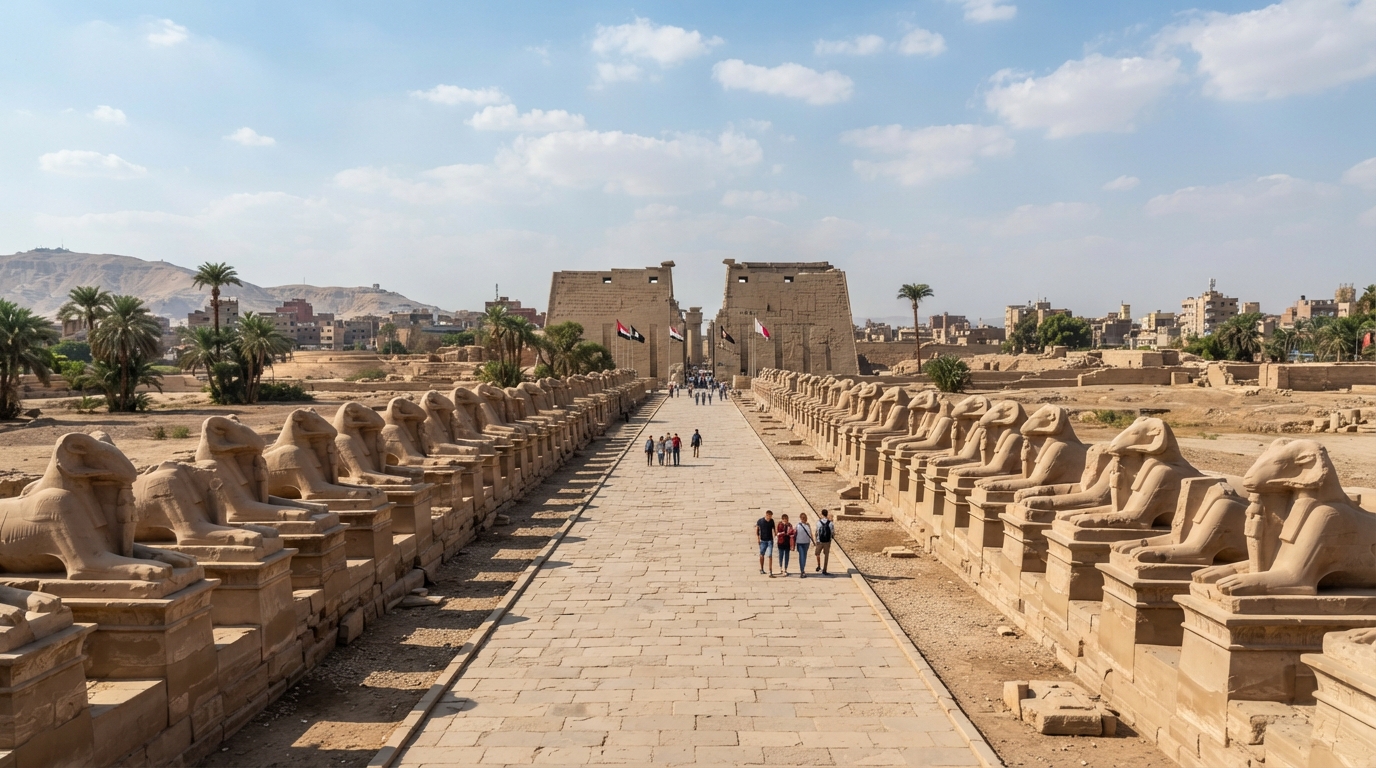
Begin near Karnak’s southern precinct, where criosphinxes combine a lion’s body with the ram head associated with Amun. Their protective symbolism introduces the processional landscape before the longer human-headed avenue.

Karnak Temple processional landscape beside the Avenue of the Sphinxes in Luxor Three Sacred Precincts

Karnak, the Temple of Mut and Luxor Temple

2.7-km sacred axisAncient Thebes

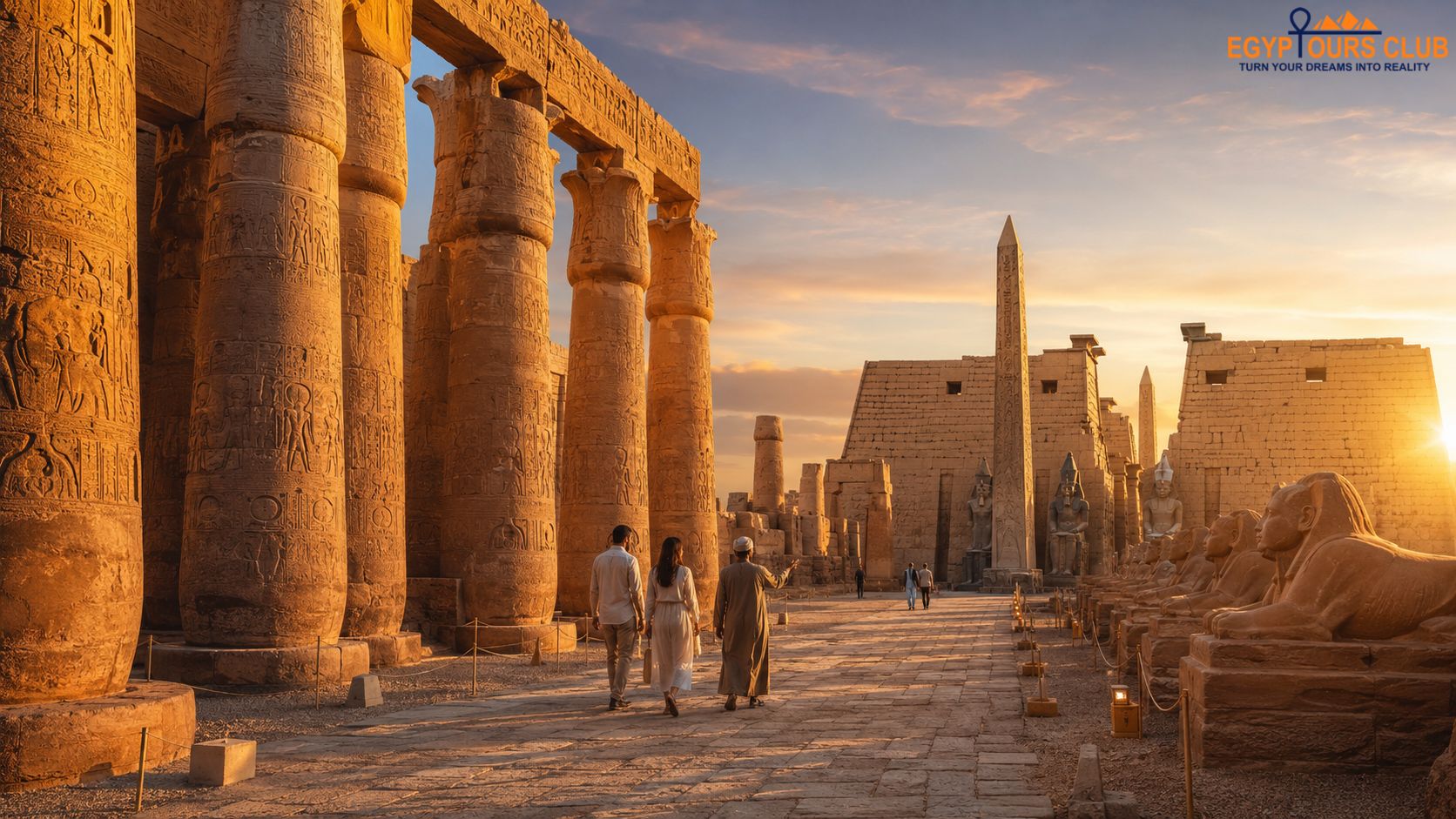
Read the avenue as a ceremonial connection between major sacred precincts rather than a decorative city street. The official project record links Karnak Temple, the Temple of Mut and Luxor Temple along the restored axis.

Human-headed sphinx statues lining the restored Avenue of the Sphinxes in Luxor Royal Guardian Statues

Human-Headed Sphinxes of Nectanebo I

30th DynastyRoyal authority

The largest group of guardians has a lion’s body and a human royal head. The long Nectanebo I phase unified the route and reinforced kingship, protection and ceremonial movement through the city.

Ram-headed sphinxes representing Amun along the Opet Festival route in Luxor Living Festival Landscape

The Opet Festival Procession

Amun, Mut and KhonsuSacred renewal

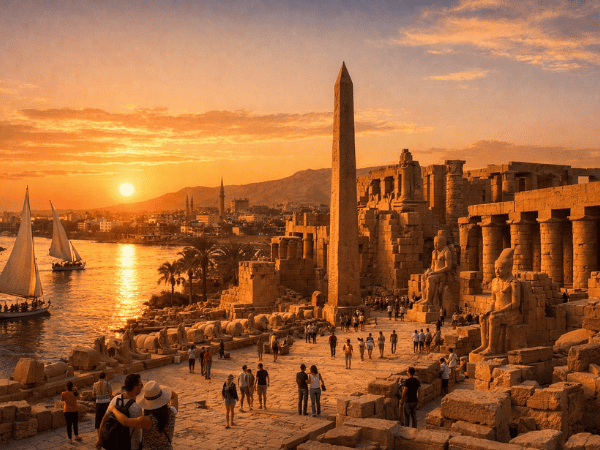
During the Opet Festival, divine images moved between Karnak and Luxor Temple in ceremonial barques. The journey renewed sacred order and strengthened the relationship between the gods, the king and Thebes.

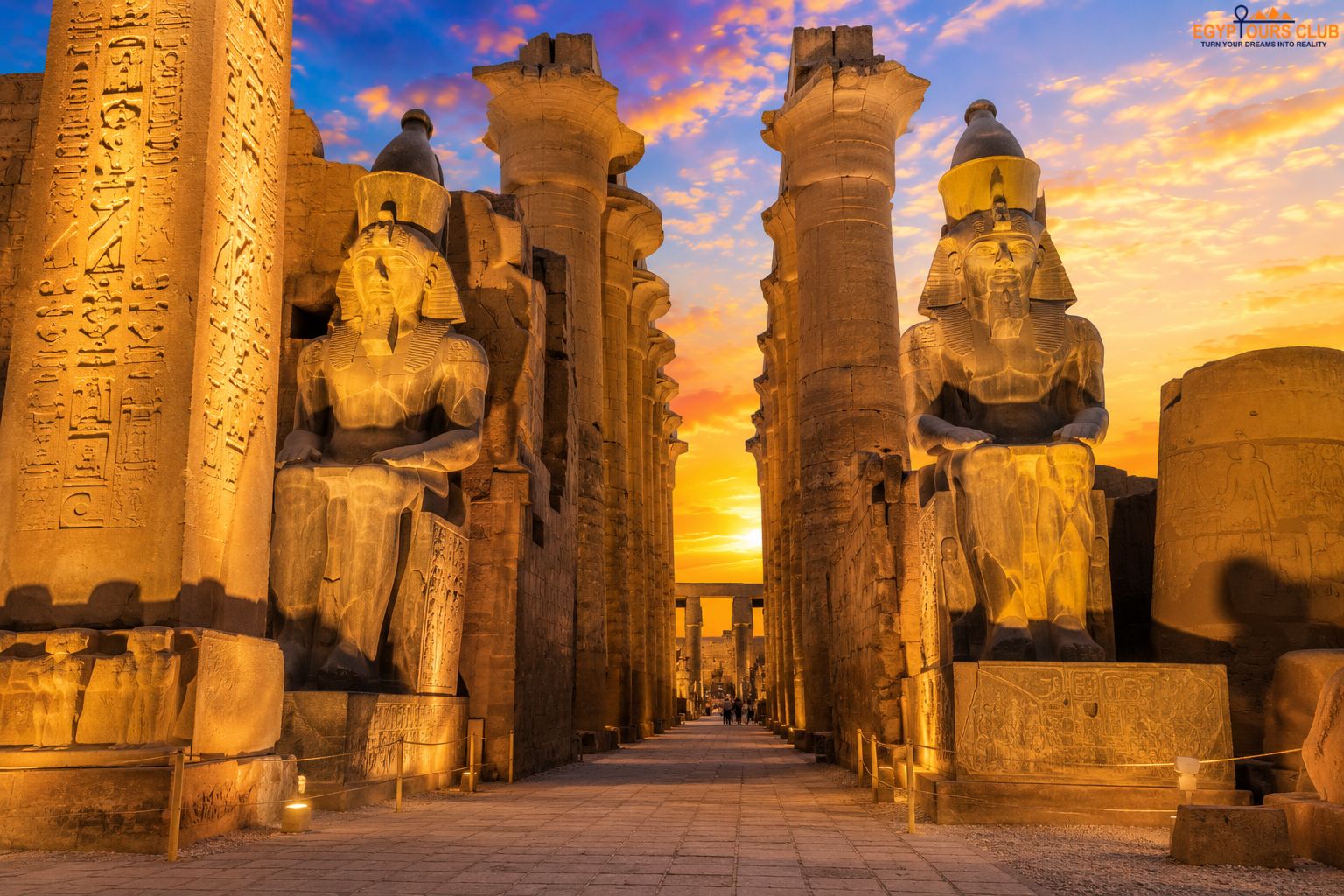
Illuminated Luxor Temple at the southern end of the Avenue of the Sphinxes Southern Arrival

Luxor Temple and the Avenue’s Final Approach

Evening atmosphereTemple arrival

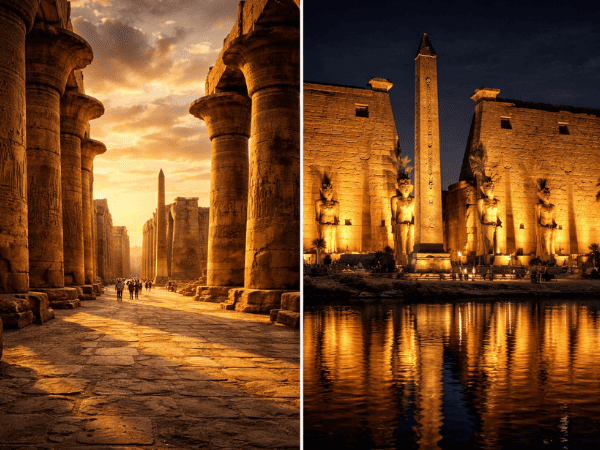
Finish at Luxor Temple, where the ancient processional axis meets the city centre. Late-afternoon shadows and evening illumination make this the strongest visual conclusion to the East Bank journey.

Choose by Available Time

The strongest Avenue of the Sphinxes routes in Luxor

Keep the route geographically clear. Sphinx Avenue works best as a focused open-air walk, the classic Karnak-to-Luxor Temple story or the East Bank conclusion to a full Luxor day.

45–90 minutes

Focused Sphinx Avenue walk

  • Choose a cool early or late time.
  • Start with the ram-headed Karnak sector.
  • Study the human-headed sphinx corridor.
  • Confirm the current exit and return plan.
Use the Luxor city guide
Half-day East Bank

Karnak, Sphinx Avenue and Luxor Temple

  • Give Karnak the largest share of time.
  • Continue through the processional landscape.
  • Use the avenue to connect the temple stories.
  • Reach Luxor Temple in softer light.
View the private East Bank tour
Full Luxor day

West Bank tombs and East Bank procession

  • Visit the Valley of the Kings early.
  • Pause during the hottest part of the day.
  • Continue to Sphinx Avenue later.
  • Finish at illuminated Luxor Temple.
Compare complete Luxor day tours

Planning note: Active entrances, walkable sections, opening times, lighting schedules and ticket arrangements can change. Check the official temple portals and confirm current access locally before relying on a full end-to-end walk.

Ram-headed sphinx statues lining the sacred processional road between Karnak and Luxor Temple

Trusted Heritage and Visitor References

Continue with official information about Sphinx Avenue and ancient Thebes

Egypt Tours Club links help visitors choose and organize the route. Official Egyptian and international sources provide additional archaeological, restoration, World Heritage and destination context.

External pages open in a new tab. Verify current access, opening hours and ticket procedures close to the visit because operational details can change.

Helpful Travel Answers

Avenue of the Sphinxes questions before you go

Direct answers help visitors compare walking time, statue types, history, access and East Bank route options.

Is the Avenue of the Sphinxes worth visiting?

Yes. It reconnects Karnak Temple, the Temple of Mut and Luxor Temple within the ceremonial landscape of ancient Thebes and gives visitors a rare view of an Egyptian sacred city beyond individual monuments.

How long is the Avenue of the Sphinxes?

Official Egyptian heritage sources describe the avenue as approximately 2,700 metres, or 2.7 kilometres, from Karnak in the north toward Luxor Temple in the south.

Can you walk the full Avenue of the Sphinxes?

The restored route is designed as a connected archaeological avenue, but active access points and walkable sections can change. Confirm the current arrangement locally before planning a complete end-to-end walk.

How many sphinx statues are on the avenue?

The Egyptian Presidency’s official project record reports 1,057 uncovered statues: 807 human-headed sphinxes and 250 ram-headed statues.

Who built the Avenue of the Sphinxes?

The avenue developed across several reigns from the Eighteenth to the Thirtieth Dynasty. Nectanebo I is especially associated with the long unified sphinx-lined road, while earlier rulers shaped processional routes and sacred stopping places.

What was the Opet Festival?

Opet was a major Theban festival in which sacred images associated with Amun, Mut and Khonsu moved between Karnak and Luxor Temple, renewing divine order and royal legitimacy.

Do I need a separate ticket for Sphinx Avenue?

Do not assume one fixed ticket rule. Temple admissions, avenue access and active entrances can change, so check the official Karnak and Luxor Temple portals and confirm the current procedure on the day.

What is the best time to visit the Avenue of the Sphinxes?

Early morning is best for cooler walking and softer light. Late afternoon and evening are strong for shadows, temple atmosphere and illumination near Luxor Temple, subject to current access hours.

Private Luxor Planning

Choose the right Sphinx Avenue and East Bank route before you book

Share your Luxor hotel or Nile cruise, date, available time, group size and preferred guide language. Egypt Tours Club can recommend a clear route through Karnak, the Avenue of the Sphinxes and Luxor Temple.