

Colossi of Memnon Tour Luxor West Bank Visit Guide
Stand before the giant Amenhotep III statues and understand how this short West Bank stop connects to Luxor’s royal tombs, temples and lost mortuary landscapes.
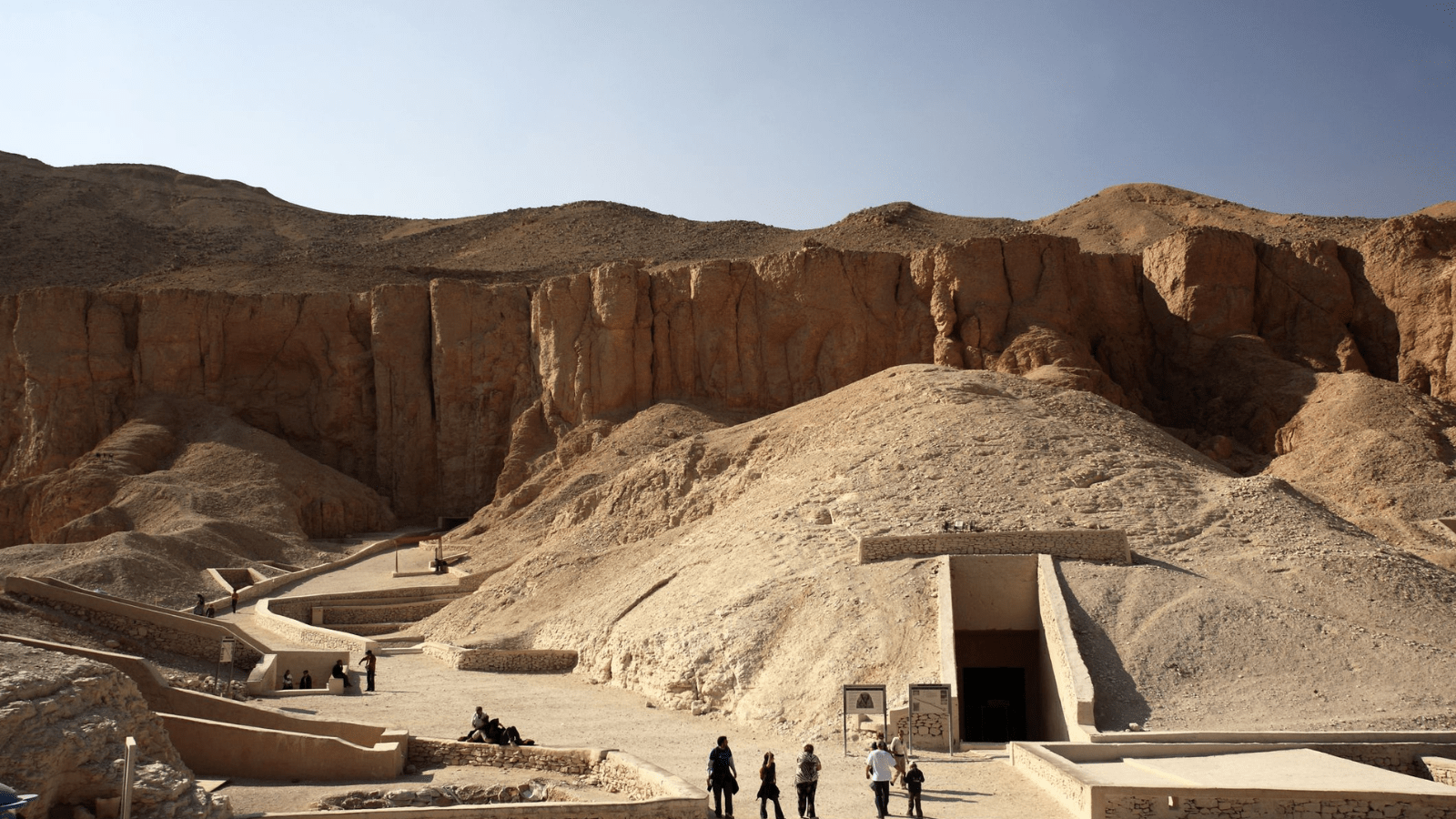
A Colossi of Memnon Luxor tour is more than a quick photo stop. The two giant Amenhotep III statues work best inside a Luxor West Bank tour that includes the Valley of the Kings, Hatshepsut Temple, Valley of the Queens and the wider Theban Necropolis.
Choose the Best Luxor Route Around the Colossi
Use these focused links to move naturally from the Colossi of Memnon to the most relevant Luxor tours and nearby West Bank monuments.
Compare Colossi of Memnon, Valley of the Kings & Luxor West Bank Tours
This is the main route comparison for Colossi of Memnon. It includes routes that naturally support the statues, Valley of the Kings, Valley of the Queens, Hatshepsut Temple, Medinet Habu, Colossi photo stops and full Luxor West Bank planning.
What is the best Colossi of Memnon tour?
The best Colossi of Memnon tour is a guided Luxor West Bank route that combines the statues with Valley of the Kings, Hatshepsut Temple, Valley of the Queens and other Theban Necropolis sites. The stop is short, but it becomes powerful when the guide connects the statues to Amenhotep III’s lost mortuary temple and the wider West Bank story.
How to Plan a Colossi of Memnon Visit Without Wasting Time
The statues are easy to reach, but the best experience depends on timing, photo light and how the stop fits into the rest of your Luxor West Bank tour.
| Planning Point | Best Answer | Why It Matters |
|---|---|---|
| Best time | Sunrise or early morning | Soft light makes the statues more atmospheric and keeps the West Bank route cooler. |
| Recommended length | 15–30 minutes | Enough for scale photos, a guide explanation and context before moving to the tombs. |
| Difficulty level | Easy | The stop is short and open-air, but heat and sun exposure still matter. |
| Best with a guide? | Useful for context | The statues need explanation because the original mortuary temple is mostly gone. |
| Best combination | Valley of the Kings, Hatshepsut Temple and Valley of the Queens | This turns a short photo stop into a complete Theban West Bank story. |
| Ticket note | Confirm locally before visiting | Access arrangements can change, so check with the selected Luxor tour or guide. |
Colossi of Memnon: The Gateway to Luxor’s Royal West Bank
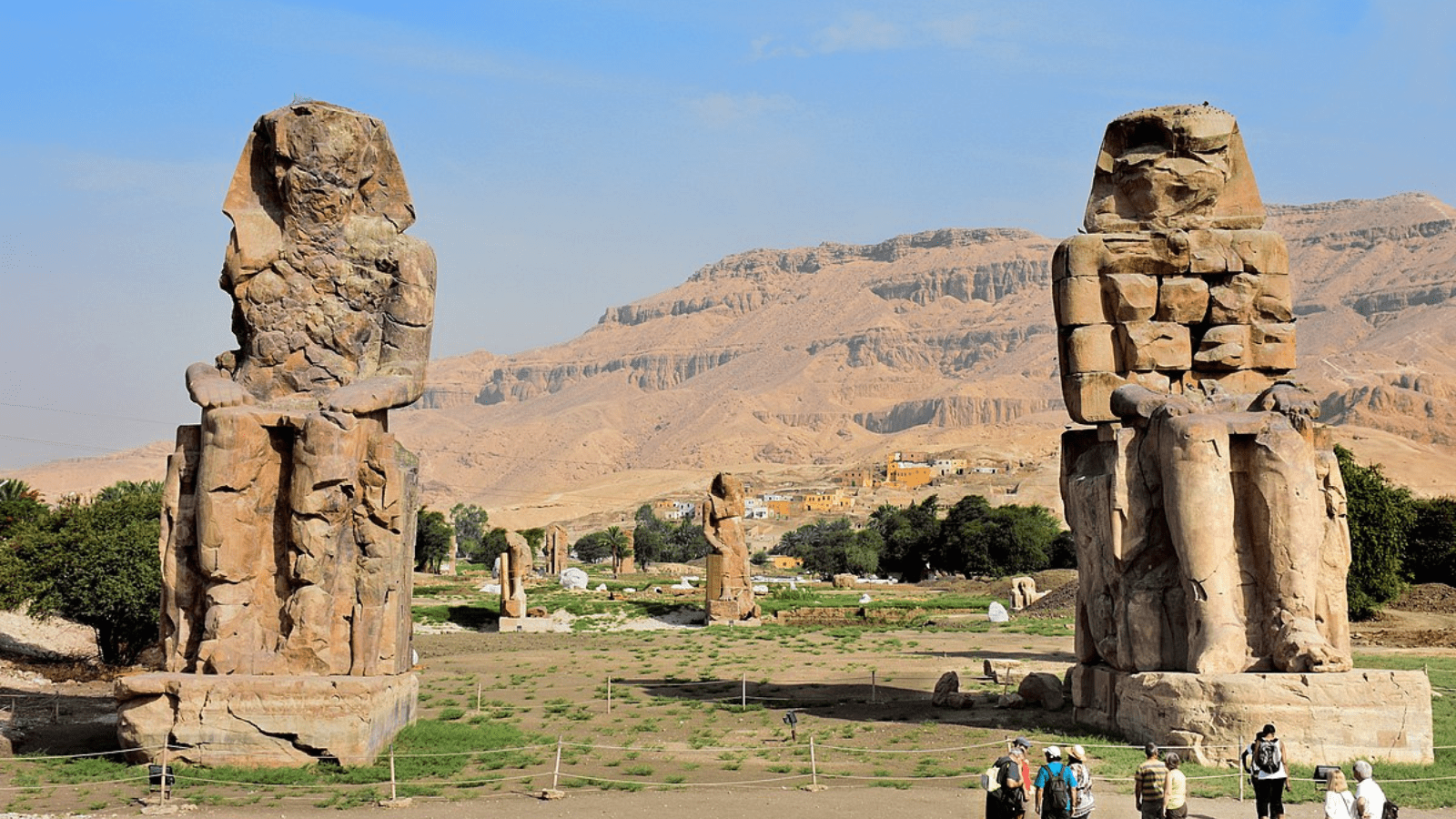
Colossi of Memnon Luxor is one of the easiest and most atmospheric stops on the West Bank. The two massive statues once stood at the entrance of Amenhotep III’s mortuary temple, a huge monument that has mostly disappeared.
A strong Colossi of Memnon guided tour should explain the statues, their scale, the lost temple, the singing statue legend and why this location matters before moving to the royal tombs and nearby temples.
For traveler planning needs, this page prioritizes Colossi of Memnon tour, Luxor West Bank tour, Colossi of Memnon and Valley of the Kings tour, Hatshepsut Temple and Colossi of Memnon tour, Luxor historical tour and Luxor sightseeing tour.
Colossi of Memnon · Luxor West BankWhy the Colossi of Memnon Matter Beyond a Photo Stop
The mistake many visitors make is treating the Colossi as two isolated statues. They were originally part of the enormous mortuary temple of Amenhotep III, one of Egypt’s most powerful New Kingdom pharaohs. Because much of that temple has disappeared, the remaining statues act like markers for a vanished royal landscape. A good guide uses this short stop to explain scale, kingship, temple loss, Nile floodplain history and why the West Bank was filled with mortuary monuments.
Amenhotep III’s royal image
The seated pose and giant scale were designed to project permanent royal presence before the mortuary temple.
The missing temple story
The most important part of the site is what is no longer standing, which is why explanation changes the visit.
West Bank gateway value
The stop introduces the royal West Bank before Valley of the Kings, Hatshepsut Temple and nearby Theban sites.
What You See on a Colossi of Memnon Tour
This section keeps the history depth while connecting every highlight to Luxor West Bank tour planning.

Giant Amenhotep III Statues
The two seated figures represent royal scale and create one of Luxor’s most iconic West Bank photo stops.

Lost Mortuary Temple
The statues once guarded Amenhotep III’s mortuary temple, giving the stop deeper meaning than a quick photo.

Sunrise Photography
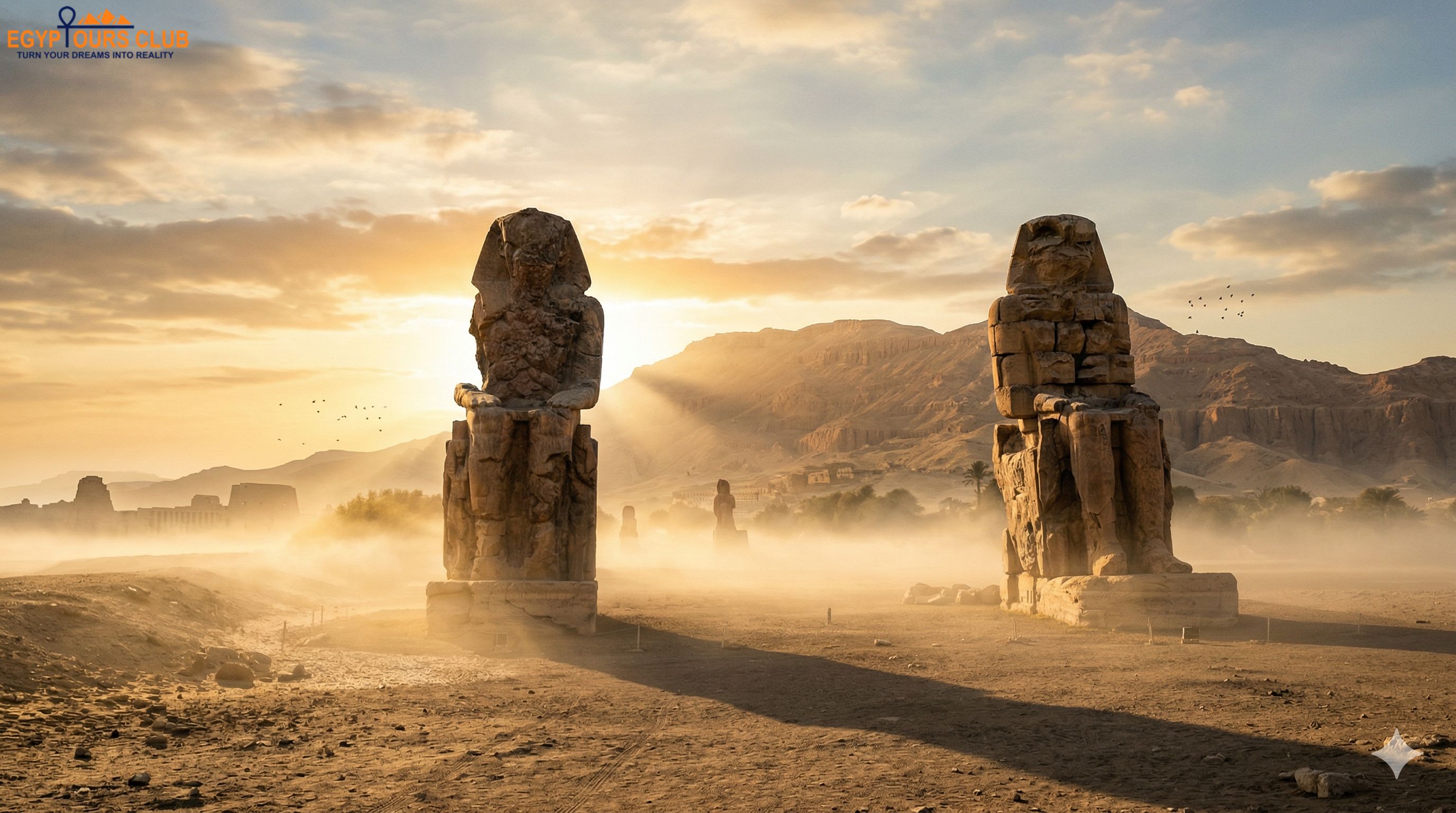
Early light makes the statues, fields and West Bank desert backdrop more atmospheric.

Valley of the Kings Pairing
The Colossi work as a natural gateway before or after the royal tombs route.

Hatshepsut Temple Route
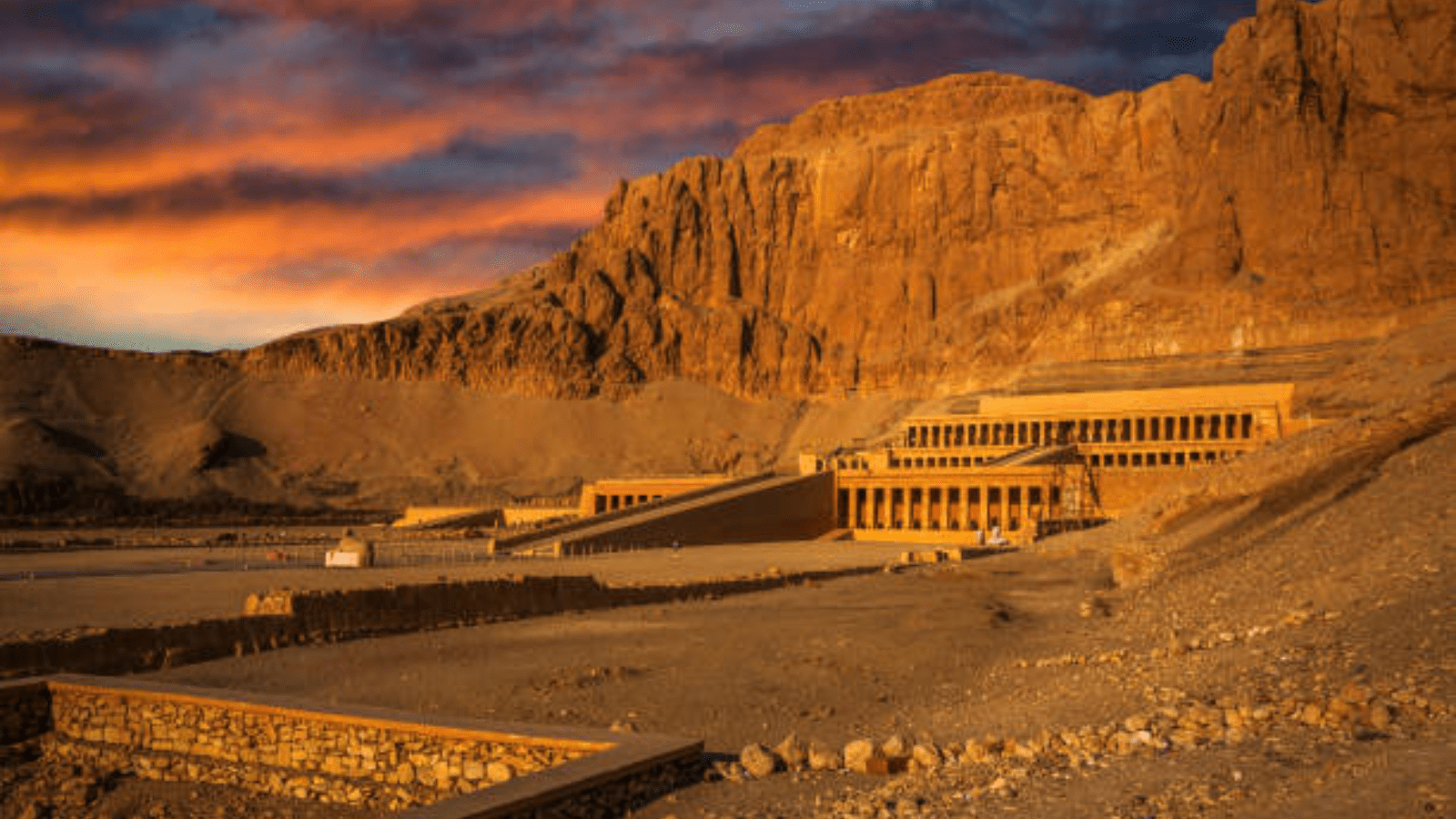
Deir el-Bahari and the Colossi together make a strong West Bank monuments tour.

Hot Air Balloon Add-On
A sunrise balloon can pair beautifully with a ground-level West Bank monument route.
Best Colossi of Memnon Photo Angles
Photography is one of the main reasons travelers stop here, but the best photos come from using scale, morning light and the open West Bank setting.
| Photo Spot | Best Time | How to Use It |
|---|---|---|
| Front view of both statues | Early morning | Step back enough to show both seated figures and their scale against the open landscape. |
| Side angle with fields | Sunrise or soft morning light | Use the West Bank fields and desert edge to give the statues a stronger sense of place. |
| Low-angle statue detail | Morning | Focus on the legs, throne sides and weathered stone to show age and scale. |
| Guide explanation moment | Any time | Capture the statues while the guide explains Amenhotep III and the missing mortuary temple. |
| Route memory shot | Before leaving | Use the Colossi as the opening or closing photo for a Luxor West Bank tour. |
Details to Notice at the Colossi of Memnon
The stop is short, so small details matter. These points make the visit feel meaningful instead of rushed.
The statues are only the entrance story
They once stood before a much larger mortuary temple, so the empty space around them is part of the site’s meaning.
The scale changes from far and near
View the statues from a distance first, then move closer to understand their height and weathered surfaces.
The West Bank landscape matters
The fields, desert edge and nearby tomb routes help explain why this side of Luxor became a royal burial zone.
The singing statue legend
Ancient travelers associated one statue with a dawn sound, giving the site a famous story beyond architecture.
Amenhotep III context
The statues connect to a king known for monumental building, royal image and large-scale temple projects.
Route order changes the value
Seeing the Colossi before the tombs makes them a gateway; seeing them after gives a closing view of royal West Bank power.
Colossi of Memnon Visit Planning, Sunrise and Route Tips
The Colossi are easy to include, but they become more valuable when connected to the larger West Bank story. Confirm any current access rules, route timing and monument order before travel.
| Item | Planning Detail | Best Use |
|---|---|---|
| Recommended duration | 15–30 minutes | Enough for photos, guide explanation and route context. |
| Best pairing | Valley of the Kings + Hatshepsut Temple + Valley of the Queens | Classic Luxor West Bank route. |
| Best time | Sunrise or early morning | Best light and smoother pacing before heat increases. |
| Main theme | Amenhotep III and lost mortuary temple | Gives the stop more historical depth. |
| Best route style | Guided Luxor West Bank tour | Best for context, logistics and combining tombs and temples smoothly. |
Giant Statues, Sunrise Light and West Bank Landscapes
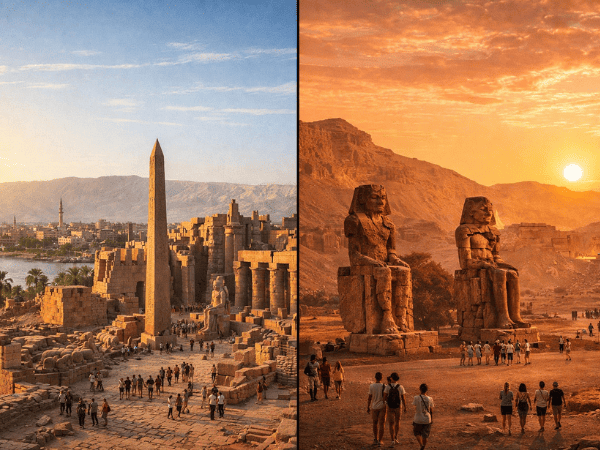
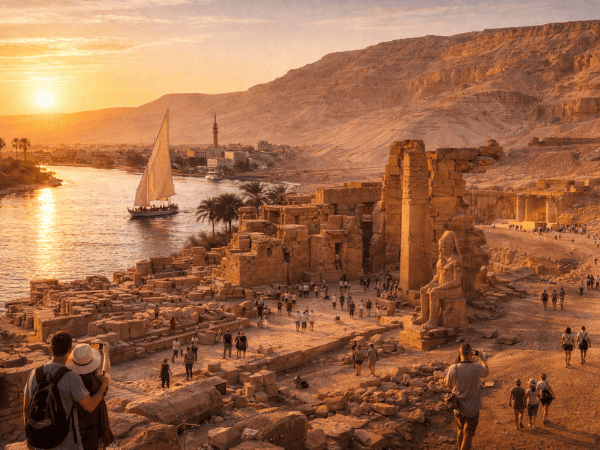
The visual identity of the Colossi comes from scale: two seated figures standing in open desert light, with Luxor’s West Bank route unfolding around them.


How to Fit Colossi of Memnon into Your Luxor Day
| Route | Best For | Suggested Flow | Useful Link |
|---|---|---|---|
| Classic West Bank Day | First-time visitors | Colossi of Memnon → Valley of the Kings → Hatshepsut Temple → Valley of the Queens | View |
| Sunrise Photo Route | Photography travelers | Colossi sunrise → West Bank tombs → Hatshepsut Temple | View |
| Balloon + Monuments | Experience seekers | Hot air balloon → Colossi → Valley of the Kings → temple route | View |
| Two-Day Luxor Route | Balanced travelers | Day 1 West Bank monuments → Day 2 Karnak and Luxor Temple | View |
How to Experience the Colossi of Memnon Properly
Do not treat it as only a photo stop
The statues make more sense when connected to Amenhotep III’s lost temple and West Bank history.
Visit early for better light
Sunrise and early morning give the best photography conditions and smoother pacing.
Pair it with Valley of the Kings
This turns a short statue stop into part of a complete royal tombs and monuments route.
Add Hatshepsut Temple
The temple cliffs and the Colossi together create one of the strongest Luxor West Bank visual routes.
Use it as a gateway stop
The Colossi work perfectly at the start or end of a Luxor tombs and temples tour.
Colossi of Memnon Visit Mistakes to Avoid
These mistakes are common because the Colossi are short and easy to underestimate.
Arriving only at harsh midday light
The statues are open-air and exposed. Early timing gives better photos and a smoother West Bank day.
Not asking about Amenhotep III
Without the king and lost temple story, the stop can feel like two statues beside the road.
Skipping the wider West Bank route
The Colossi are strongest when paired with Valley of the Kings, Hatshepsut Temple and other Theban sites.
Spending too long here
Use 15–30 minutes well, then keep enough time for tombs and temples that need deeper visits.
Ignoring family pace
Families should use the Colossi as an easy break between heavier tomb and temple stops.
Forgetting route direction
Start early and group nearby West Bank sites so the day does not become slow or overheated.
Explore More Luxor Routes Around the Colossi of Memnon
Use these relevant route links to connect the Colossi of Memnon with the right Luxor and Egypt travel pages.
Colossi of Memnon Tour Questions
What is the best Colossi of Memnon tour?
The best option is a guided Luxor West Bank tour that combines Colossi of Memnon with Valley of the Kings, Hatshepsut Temple, Valley of the Queens and other Theban Necropolis sites.
Can I visit Colossi of Memnon with Valley of the Kings?
Yes. The Colossi and Valley of the Kings are commonly combined in a Luxor West Bank day tour.
How long should I spend at Colossi of Memnon?
Plan around 15 to 30 minutes for photos, a short explanation and route context.
What is the best time to visit Colossi of Memnon?
Sunrise or early morning is usually best for softer light, cooler weather and smooth West Bank pacing.
Why are the Colossi of Memnon famous?
They are famous for their huge scale, Amenhotep III connection, lost mortuary temple setting and singing statue legend.
Is Colossi of Memnon suitable for families?
Yes. It is an easy short stop and works well inside a family-friendly Luxor West Bank route.
Ready to Stand Before Luxor’s Giant Statues?
Visit the Colossi of Memnon with a guided Luxor route, then connect the statues to Amenhotep III, the lost mortuary temple, Valley of the Kings, Hatshepsut Temple and the wider West Bank story.