

| Egypt Tours Club
Who Was Queen Hatshepsut? The Story of Egypt’s Most Powerful Female Pharaoh . banner

Who Was Queen Hatshepsut? The Story of Egypt’s Most Powerful Female Pharaoh

Introduction: A Queen Who Became King

When exploring the top things to do in Egypt, one name stands out among the remarkable rulers of ancient history: Hatshepsut. She was not only one of Egypt’s most successful pharaohs but also one of the very few women to rule as king in a deeply male-dominated society.

Her story is one of ambition, intelligence, and strategic brilliance. While many pharaohs are remembered for military conquests, Hatshepsut’s legacy is defined by peace, prosperity, and monumental achievements that reshaped Egypt’s economy and architecture.

For travelers on Egypt tours, understanding Hatshepsut’s story adds a powerful historical layer to visits across Luxor—especially when exploring her breathtaking temple on the West Bank. Whether you are on cultural journeys, Cairo tours, or combining your itinerary with pyramid tours, her legacy is an essential chapter in Egypt’s story.


Early Life and Royal Background

Hatshepsut was born into one of the most powerful royal families of the 18th Dynasty, the golden age of ancient Egypt. She was the daughter of Thutmose I, a successful warrior king who expanded Egypt’s empire.

From an early age, Hatshepsut immersed herself in royal traditions, religious ceremonies, and political life. Unlike most women of her time, she was educated in statecraft and held prestigious religious titles, including “God’s Wife of Amun,” a position that gave her significant influence.

She later married her half-brother, Thutmose II, as was customary in royal families to preserve the bloodline. Upon his death, the throne passed to his young son, Thutmose III, with Hatshepsut serving as regent.

At this point, her story could have followed the traditional path—but instead, she made one of the boldest moves in ancient history.


The Rise to Power: From Regent to Pharaoh

Initially, Hatshepsut ruled on behalf of the young Thutmose III. However, within a few years, she declared herself pharaoh, assuming full royal authority.

This was unprecedented. While women had held power before, none had taken on the full role and title of king in such a formal and visible way.

To legitimize her rule, Hatshepsut carefully crafted her public image:

  • She claimed divine birth, stating that the god Amun himself chose her as ruler
  • She aligned herself with traditional royal iconography
  • She ensured support from powerful priests and officials

Her rise to power was not a sudden takeover but a calculated transformation, blending political intelligence with religious symbolism.


A Woman Who Became King

To strengthen her position, Hatshepsut adopted the visual identity of a male pharaoh. This included:

  • Wearing the royal false beard
  • Dressing in traditional male pharaoh attire
  • Being depicted in statues and carvings with masculine features

However, she did not erase her identity as a woman entirely. In some inscriptions, she is referred to using feminine titles, reflecting a unique dual identity.

This combination of tradition and innovation allowed her to rule effectively while maintaining stability in Egyptian society.

Her reign stands as one of the earliest examples of a woman navigating—and mastering—a male-dominated political system.


Achievements and Golden Age of Prosperity

Unlike many rulers who focused on warfare, Hatshepsut’s reign was marked by peace and economic growth. She prioritized internal development and international trade, leading to one of the most prosperous periods in Egyptian history.

Trade Expeditions to Punt

One of her most famous achievements included the expedition to the Land of Punt, which historians believe was located in modern-day East Africa.

This mission brought back the following:

  • Gold and precious materials
  • Exotic animals
  • Incense trees and luxury goods

These expeditions strengthened Egypt’s economy and enhanced its global connections.

Economic Development

Hatshepsut invested heavily in infrastructure and trade networks, ensuring wealth flowed throughout the kingdom. Her policies created stability and prosperity, making her reign a golden age for Egypt.


Architectural Contributions: A Legacy in Stone

Hatshepsut’s most enduring legacy is her ambitious building program. She commissioned numerous temples, monuments, and statues across Egypt.

The Mortuary Temple of Hatshepsut

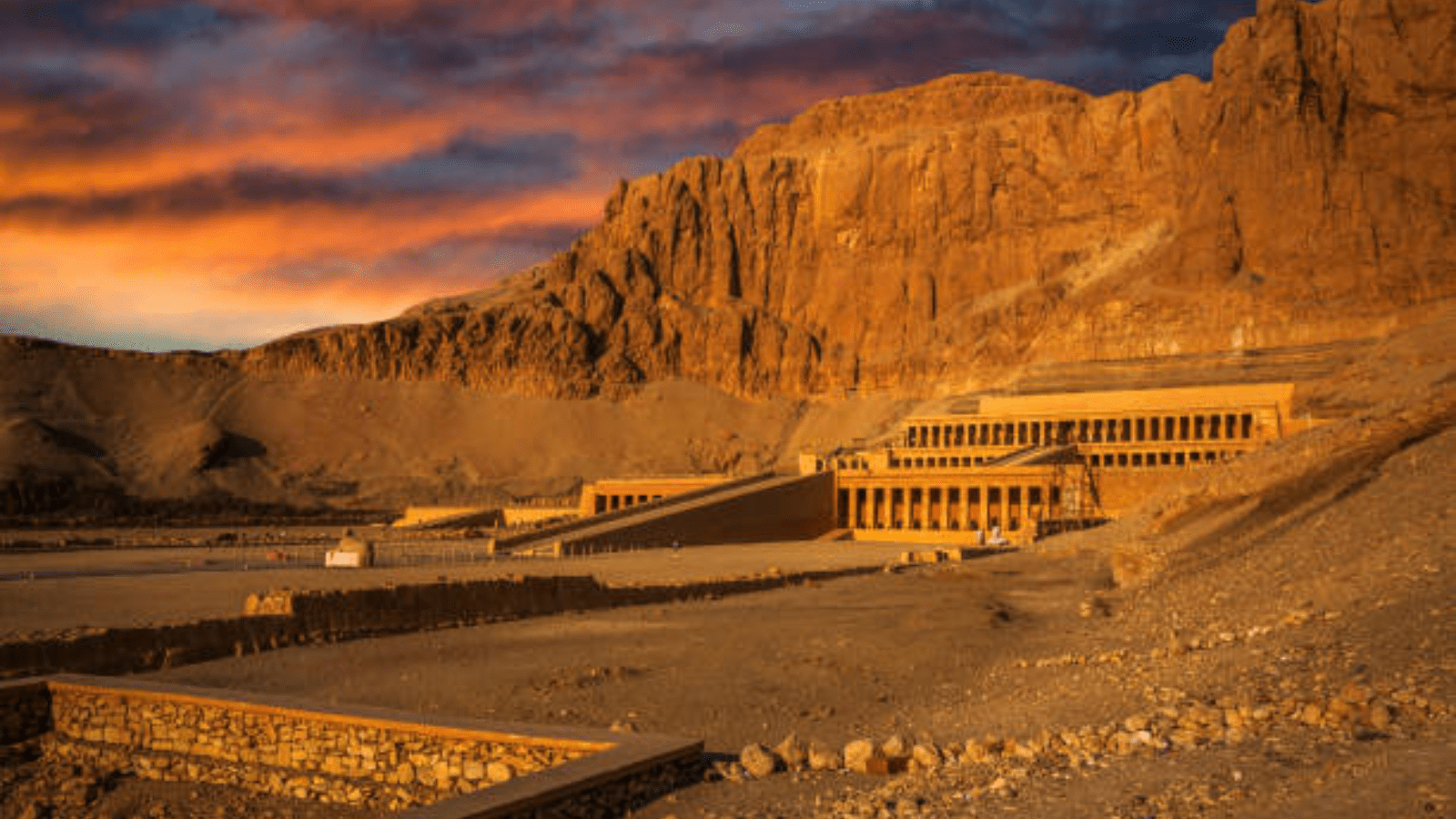
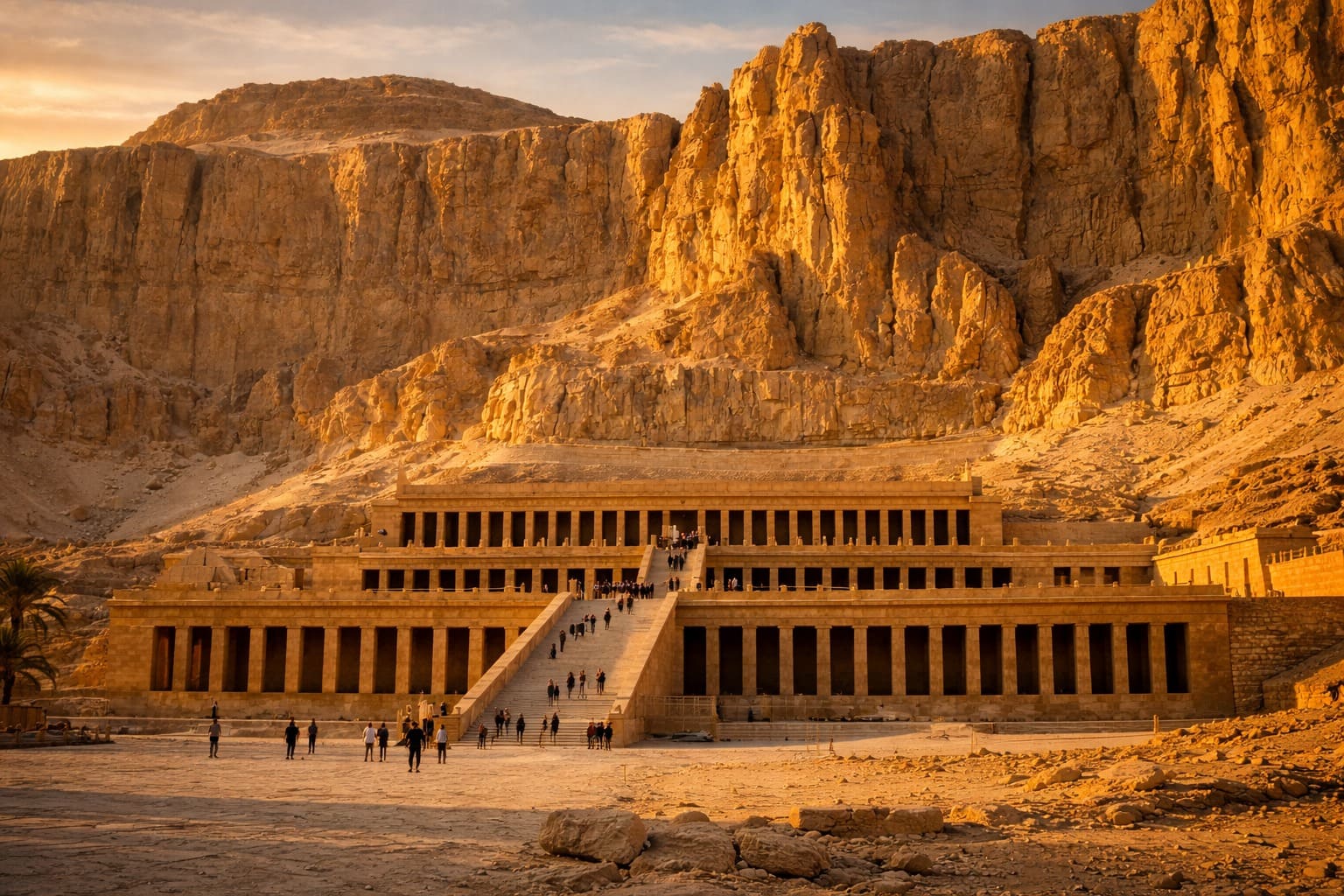
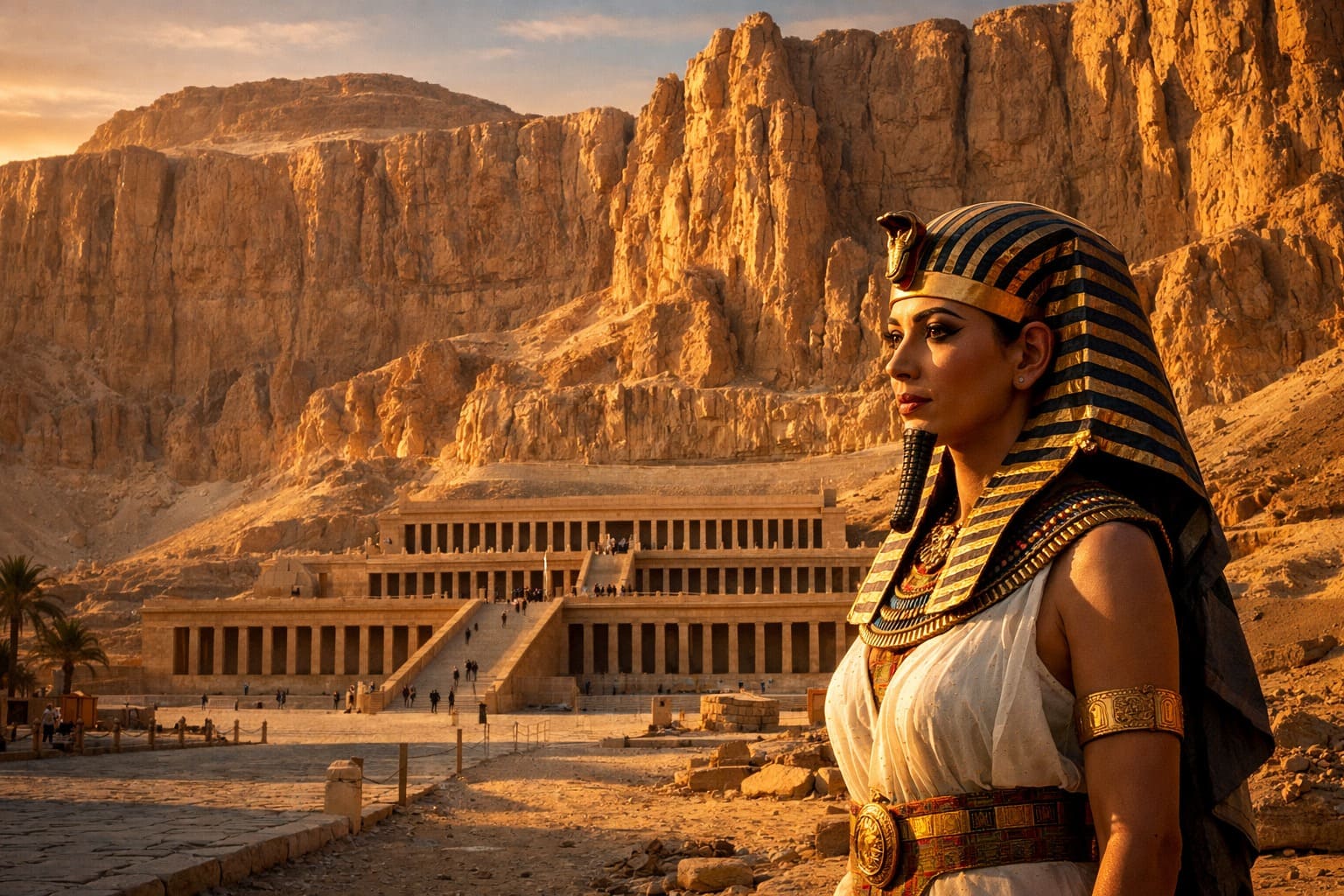
Her greatest achievement is the stunning Mortuary Temple of Hatshepsut, located near the famous Valley of the Kings.

This architectural masterpiece is unlike any other structure in Egypt:

  • Built into towering limestone cliffs
  • Features three terraces connected by ramps
  • Designed with perfect symmetry and harmony

The temple is considered one of the most impressive sites in Egypt and remains a highlight of things to do in the country.

Other Projects

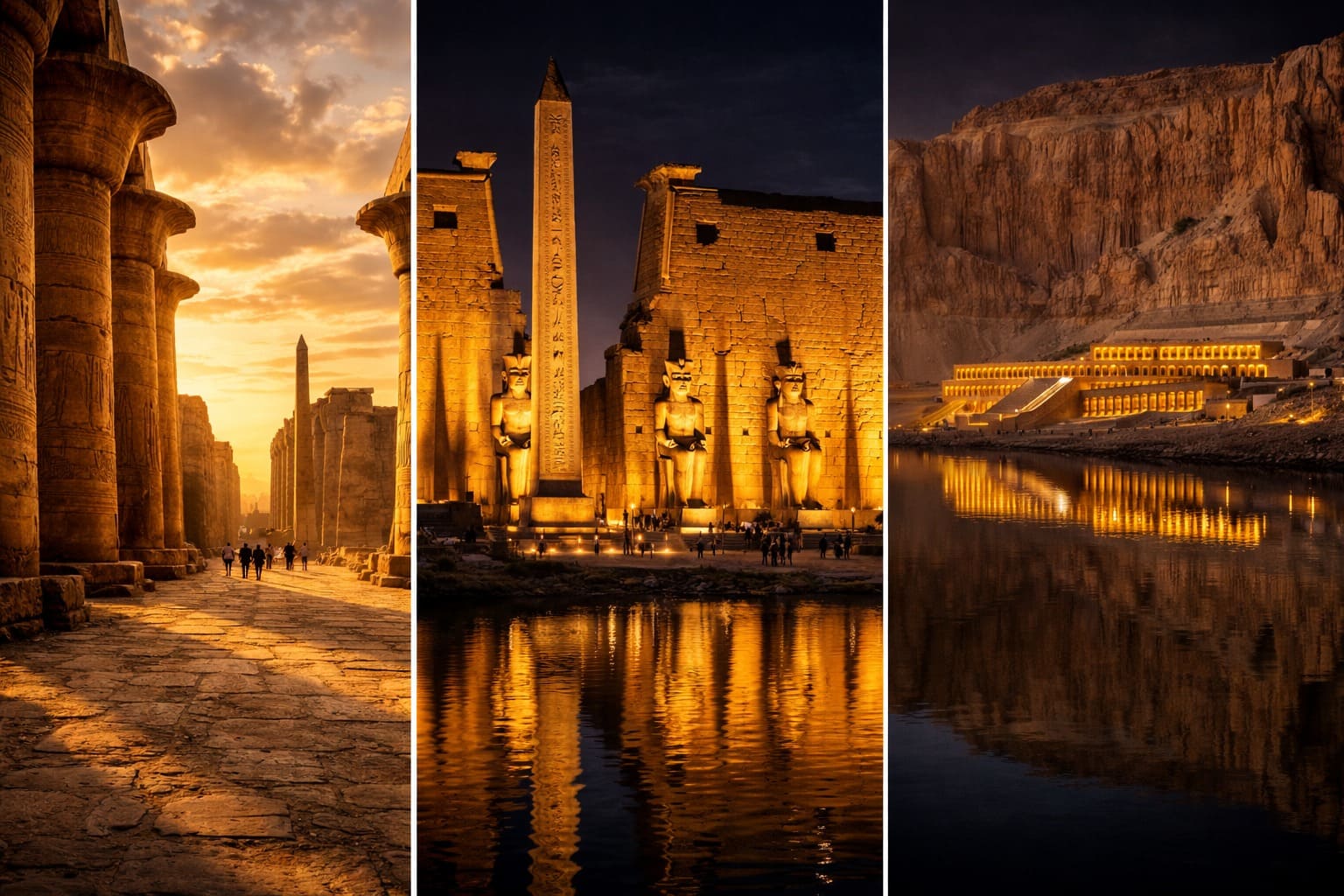
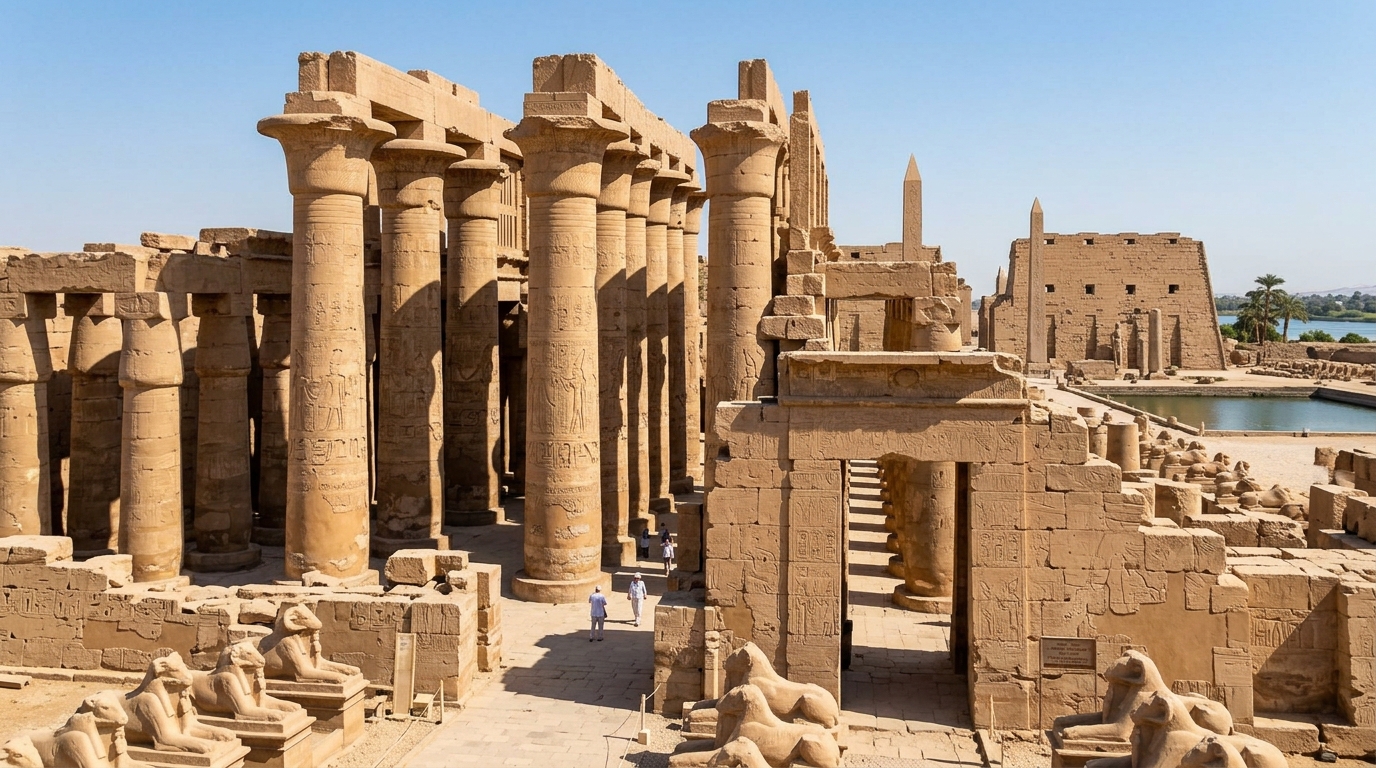
Hatshepsut also restored temples and commissioned obelisks at Karnak Temple, further cementing her legacy as a builder and innovator.


Religion and Divine Legitimacy

Religion played a central role in Hatshepsut’s rule. She aligned herself closely with Amun, the chief god of Egypt, and promoted the idea that her reign was divinely ordained.

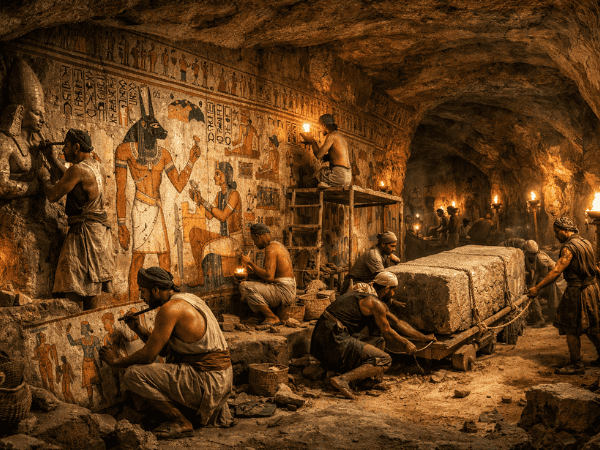
Her temple includes detailed carvings depicting her divine birth, showing the god Amun visiting her mother. These scenes reinforced her legitimacy and strengthened her authority.

This strategic use of religion helped her maintain stability and gain acceptance among both the elite and the population.


The Attempt to Erase Her History

After Hatshepsut’s death, her legacy faced an unusual fate. Many of her statues were destroyed, and her images were removed from monuments.

This effort is widely believed to have been ordered by Thutmose III, possibly to

  • Reinforce his own legitimacy
  • Restore traditional male succession
  • Minimize the precedent of a female ruler

Despite this attempt to erase her from history, her monuments were too significant to disappear completely.


Rediscovery and Modern Recognition

Centuries later, archaeologists began uncovering evidence of Hatshepsut’s reign. Through inscriptions, statues, and temple remains, her story was gradually reconstructed.

Today, she is recognized as one of the most successful and innovative rulers in Egyptian history.

Her temple in Luxor is now a major attraction for travelers on Egypt tours, drawing visitors from around the world who want to witness her legacy firsthand.


Why Hatshepsut Matters Today

Hatshepsut’s story continues to resonate in the modern world for several reasons:

1. Female Empowerment

She broke barriers in a male-dominated society, proving that leadership is not defined by gender.

2. Strategic Leadership

Her reign demonstrates the power of diplomacy, economic planning, and cultural investment.

3. Architectural Innovation

Her temple remains one of the most unique and visually stunning monuments in Egypt.

4. Cultural Significance

She represents a crucial chapter in Egypt’s history, enriching the experience of travelers exploring things to do in Egypt.


Travel Experience: Visiting Hatshepsut’s Legacy

For travelers visiting Luxor, exploring Hatshepsut’s temple is one of the most unforgettable experiences.

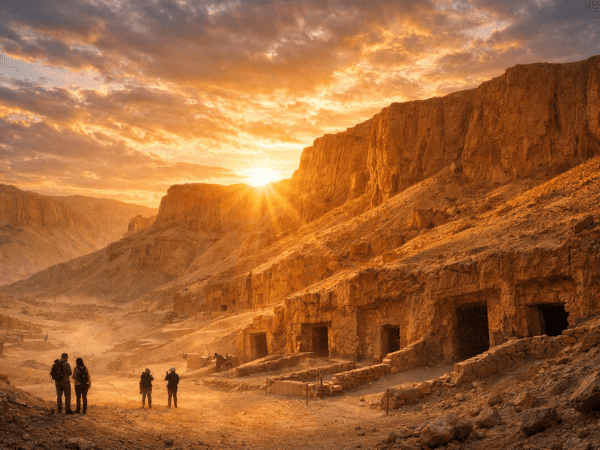
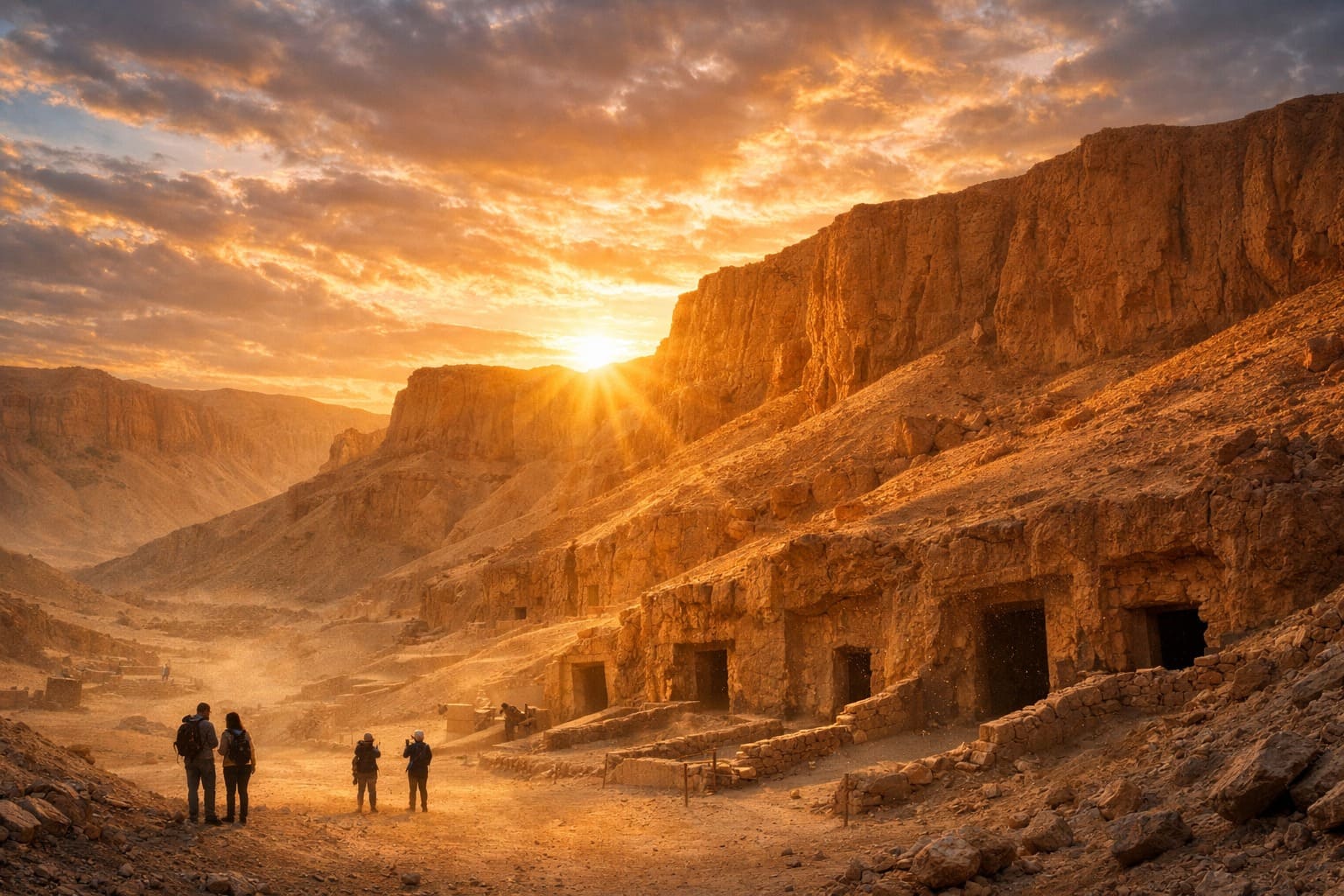
Many visitors combine the temple with nearby attractions like the Valley of the Kings, creating a full day of exploration on the West Bank.


Conclusion: A Legacy That Endures

The story of Hatshepsut is one of courage, intelligence, and transformation. She redefined what it meant to be a ruler in ancient Egypt, leaving behind a legacy that continues to motivate and captivate.

As one of the most fascinating figures in Egyptian history, her life adds depth and meaning to any journey through the country. Whether you are exploring things to do in Egypt, planning immersive Egypt tours, or combining historical sites with pyramid tours, understanding Hatshepsut’s story enriches the entire experience.

Her monuments still stand, her achievements are remembered, and her influence endures—making her not just a ruler of the past but a timeless icon of leadership and vision.