

Fortaleza de Babilonia en El Cairo | Guía Completa | Egypt Tours Club
Fortaleza de Babilonia en El Cairo . banner

Fortaleza de Babilonia en El Cairo

Egypt Tours Club

El Cairo Copto, Egipto romano and patrimonio cristiano planning by a licensed local Egypt travel team

Fortaleza de Babilonia · Egipto romano · El Cairo Copto

Fortaleza de Babilonia: Complete Guide to the Roman Heart of El Cairo Copto

Explore the Roman fortress that became the physical framework of El Cairo Copto. Surviving towers and walls, the Iglesia Colgante above the gatehouse, Abu Serga and its Holy Family tradition, the Museo Copto and nearby Christian monuments reveal how Roman, Coptic and later Cairo history overlap in one compact district.

Respuesta rápida sobre patrimonio

What is Fortaleza de Babilonia in Old Cairo?

Fortaleza de Babilonia, also called the Roman Fortress of Babylon, was a major fortified complex on the eastern side of the Nile in what is now Old Cairo. The best-known surviving Roman phase is associated with major rebuilding around AD 300, when the site guarded important river and canal routes.

Its importance continued after Roman rule. Christian communities developed within and around the fortifications, churches reused Roman structures, and the district became the nucleus of what is now called El Cairo Copto. After the Arab conquest, nearby al-Fustat grew into a new urban center, making Babylon a bridge between Roman, Christian and Islamic-era Cairo.

View the El Cairo Copto Half-Day Tour
Comprende la fortaleza

Highlights and essential experiences at Fortaleza de Babilonia

Fortaleza de Babilonia is best understood as a complete historical landscape. These six experiences connect its Roman engineering, reutilización cristiana, Holy Family context, Coptic institutions and surrounding religious monuments.

Roman tower remains at Fortaleza de Babilonia in Old CairoTorres romanas

See the Surviving Torres romanas and Walls

Late Roman fortDefensive engineering

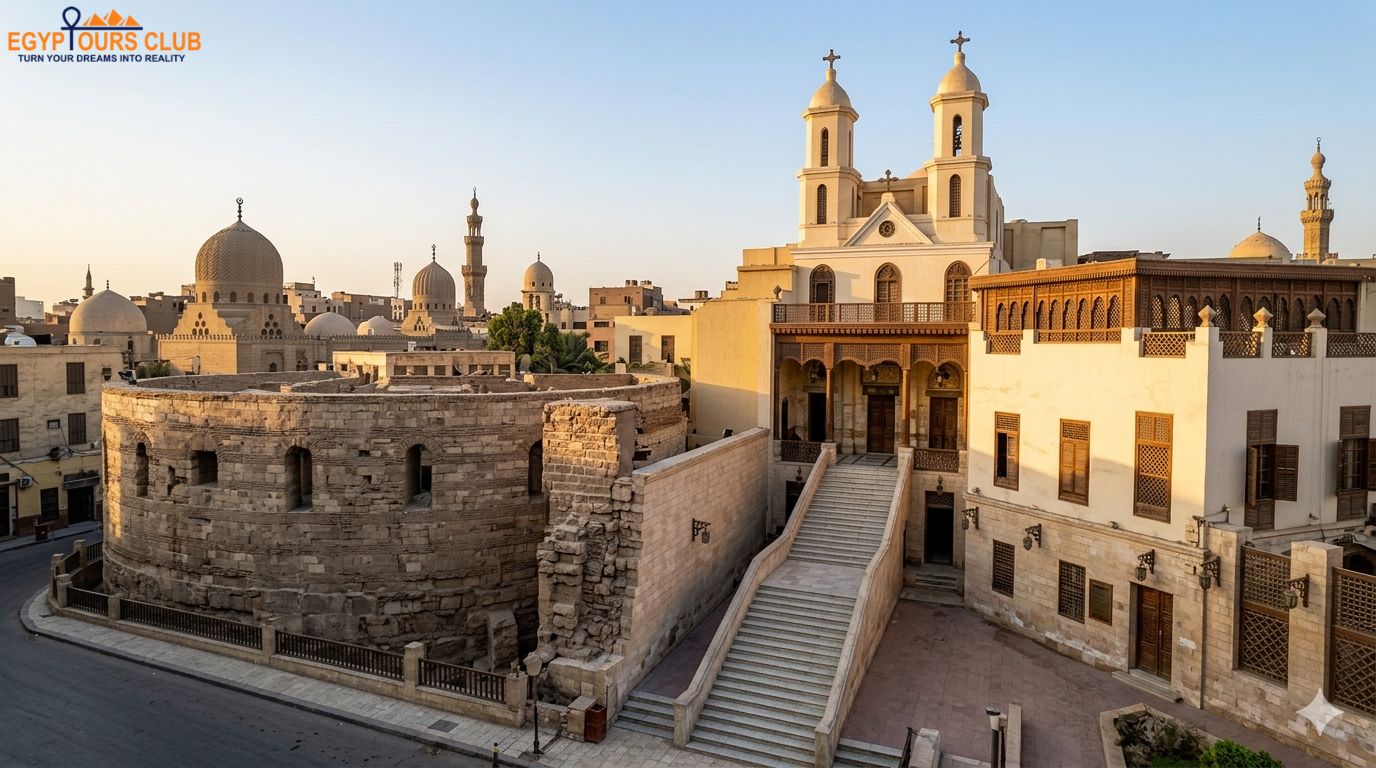
The massive rounded towers and heavy masonry reveal the scale of the Roman complex. Even where the defensive circuit is incomplete, the remains show how the fortress organized the landscape later occupied by Christian communities.

Historic Old Cairo heritage district around Fortaleza de BabiloniaIglesia Colgante

Understand Why the Iglesia Colgante Is “Hanging”

puerta fortificada romanareutilización cristiana

The Iglesia Colgante was built above the ruins of the Roman fort, giving it its famous elevated position. Seeing the church with the fortress remains demonstrates how Christian architecture transformed an earlier imperial military structure.

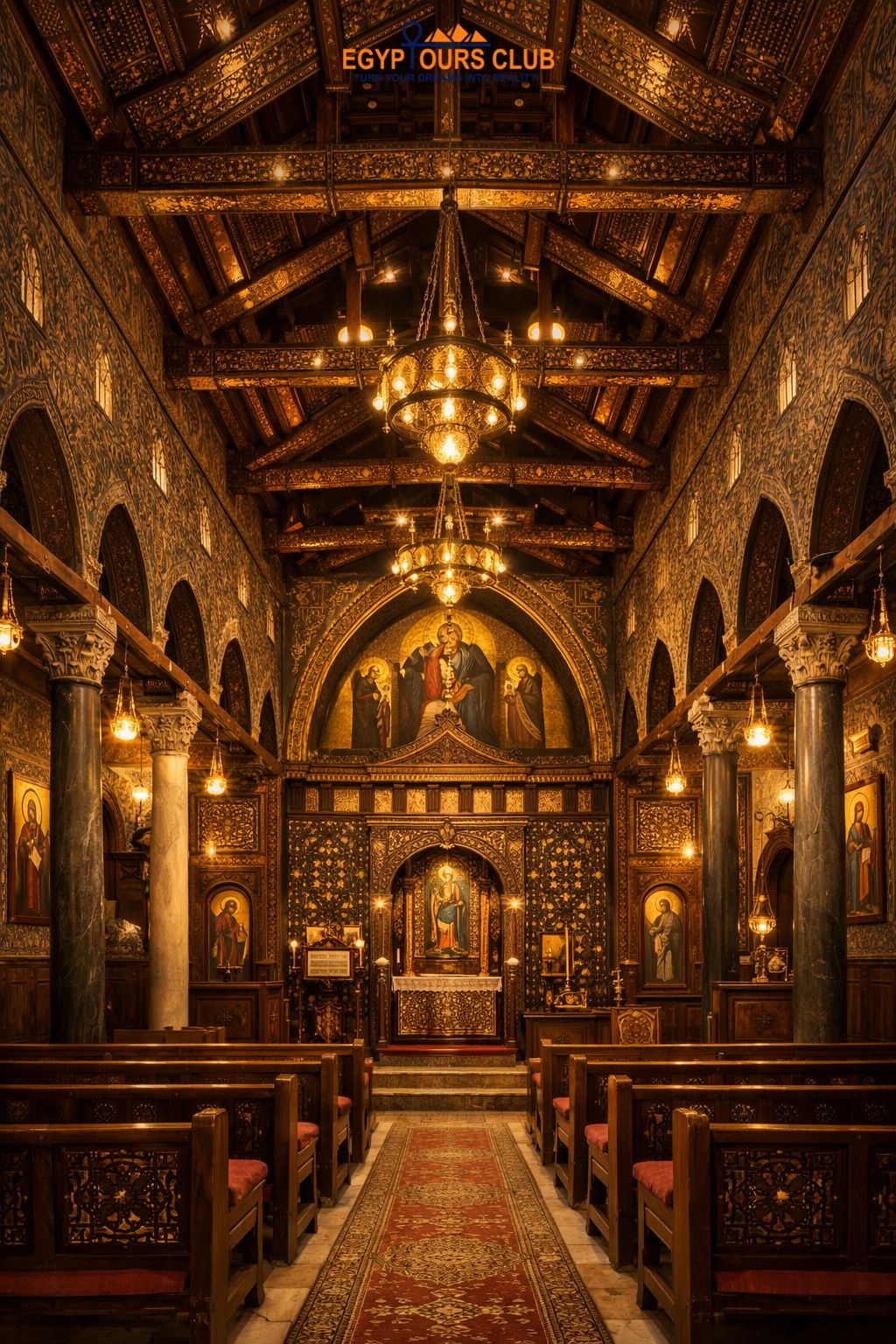
patrimonio cristiano churches inside the Fortaleza de Babilonia landscapeContexto de la Sagrada Familia

Connect the Fortress with Abu Serga and the Holy Family Tradition

Abu Sergatradición de la Huida a Egipto

Abu Serga lies within the historic fortress area and preserves the crypt traditionally associated with Mary, Joseph and the infant Jesus. The fortress itself is later than the first century, so it forms the later historical setting in which this Coptic tradition was preserved.

Historic El Cairo Copto lanes and religious heritage near Fortaleza de BabiloniaEl Cairo Copto

Explore the Birthplace of El Cairo Copto

barrio de iglesiaspatrimonio vivo

Over time, churches, monasteries, residences and institutions developed within the fortress zone. This dense concentration of Christian monuments is why the area is known today as El Cairo Copto.

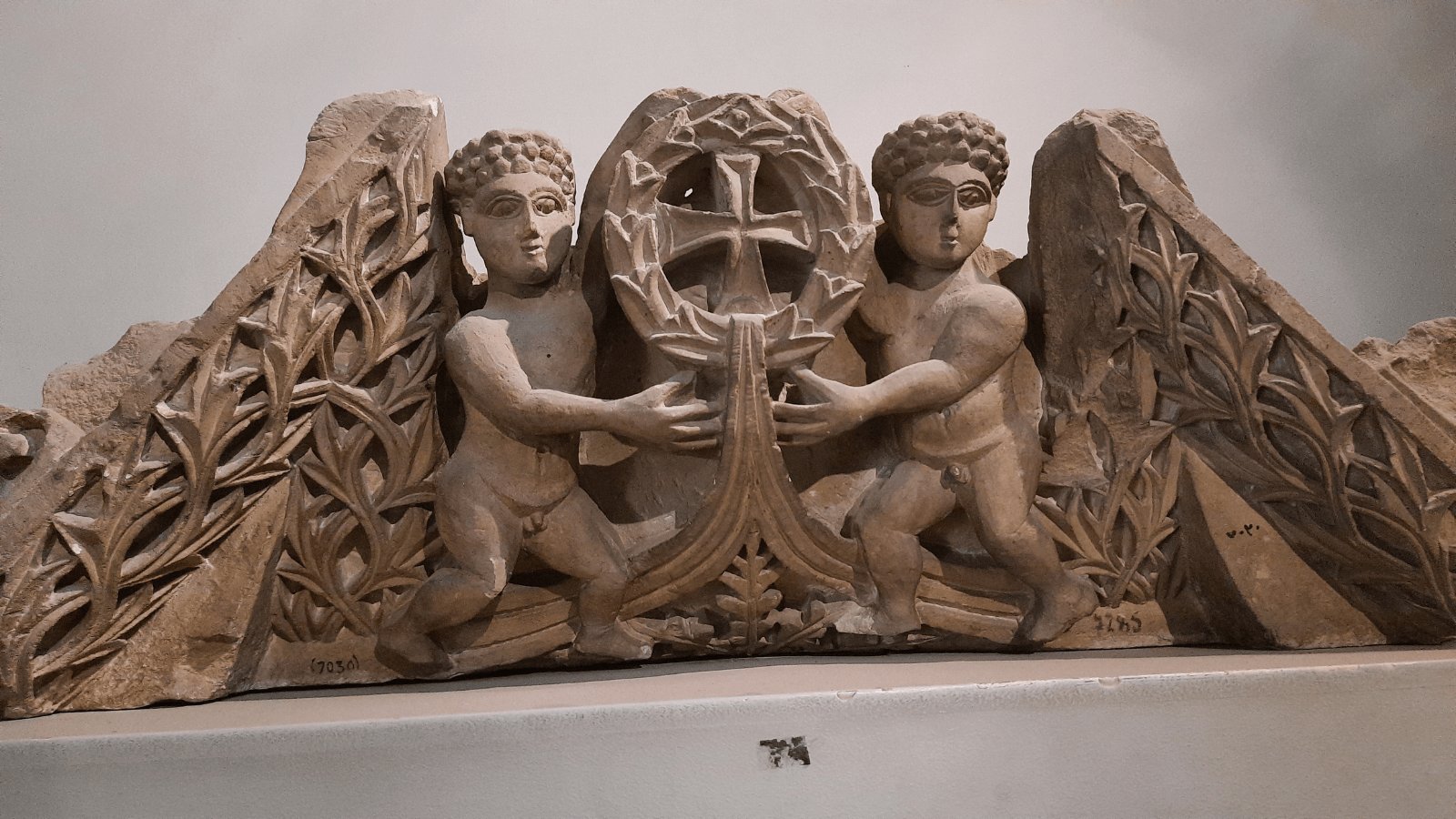
Coptic heritage art setting connected with the Museo Copto in Old CairoMuseo Copto

Visit the Museo Copto Inside the Fortress Landscape

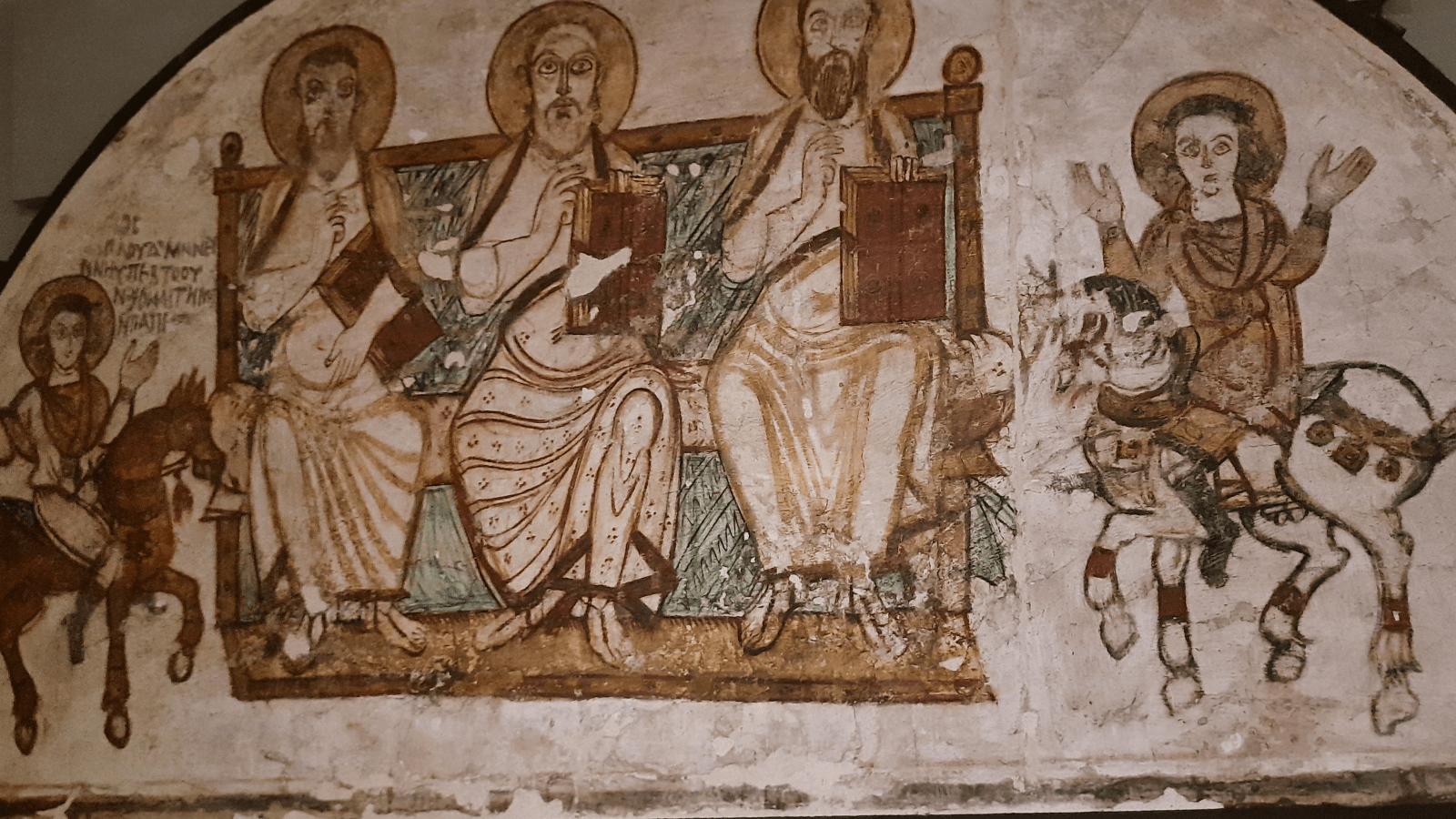
arte coptocultura material cristiana

The Museo Copto stands within the Roman fortress boundaries and holds an exceptional collection of sculpture, icons, textiles, manuscripts, metalwork, woodwork and architectural fragments from Christian Egypt.

Layered Roman and patrimonio cristiano in Old CairoEl Cairo en capas históricas

Read Roman, Christian and Islamic Cairo in One Landscape

Babilonia romanacontinuidad de Fustat

Fortaleza de Babilonia helps explain how Roman imperial infrastructure became a Christian center and then stood beside the growth of al-Fustat after the Arab conquest. Few places in Cairo make these long historical transitions so visible.

Elige según el tiempo disponible

How to visit Fortaleza de Babilonia and El Cairo Copto

The fortress works best as part of an Old Cairo walking route. Choose a focused Roman-remains visit, a core El Cairo Copto circuit or a wider heritage day.

45–75 minutes

Focused fortress visit

  • Study the surviving Roman towers and wall remains.
  • Observe masonry, ground levels and defensive scale.
  • See how later buildings reuse the fortress structures.
  • Connect the ruins visually with the Iglesia Colgante above.
Explore El Cairo Copto Churches
1.5–3 hours

Core El Cairo Copto walking route

  • Start with the Museo Copto and Roman towers.
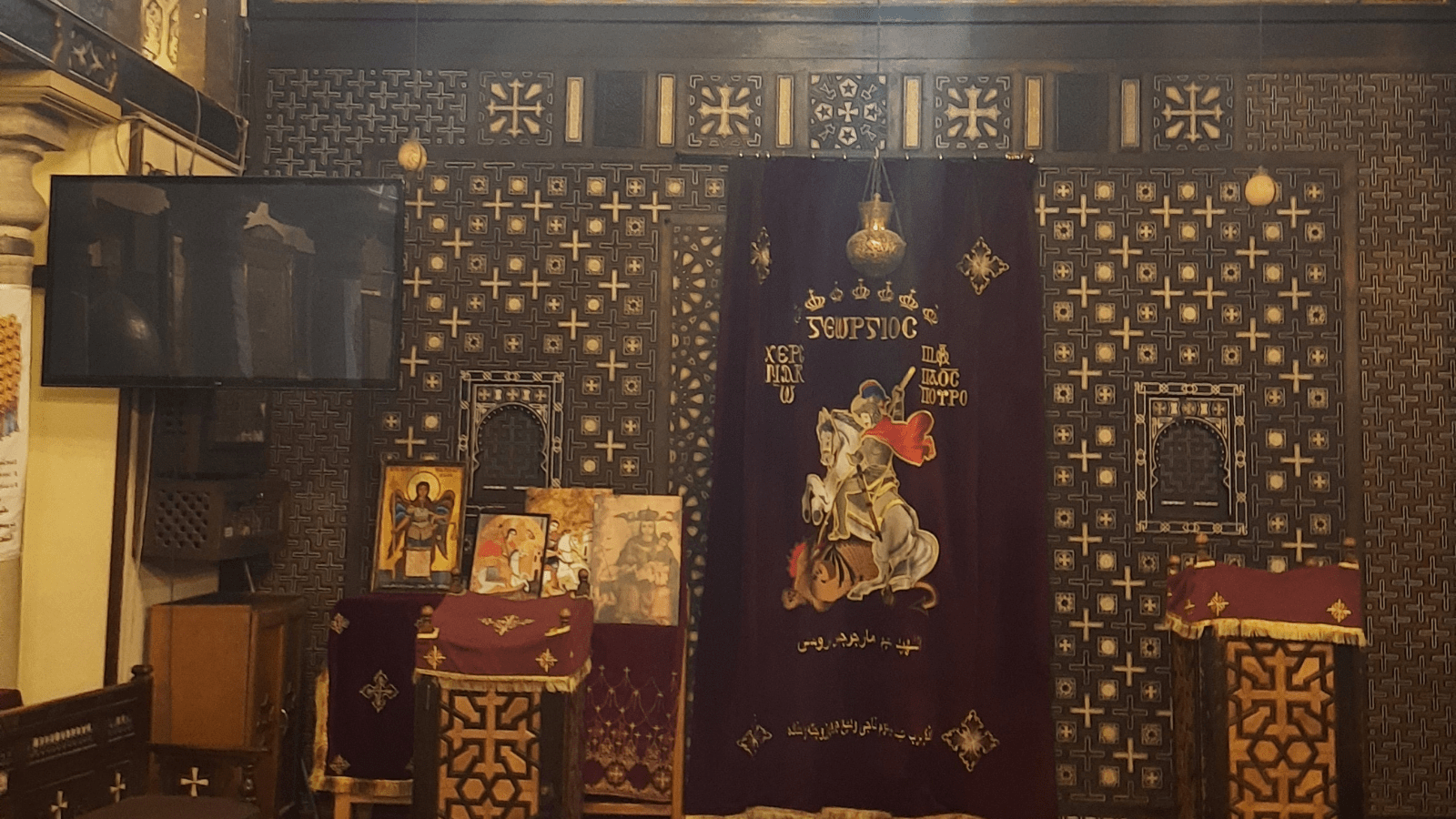
  • Continue to the Iglesia Colgante and Saint Barbara.
  • Visit Abu Serga and its Holy Family crypt tradition.
  • Add Ben Ezra and Saint George as access allows.
View the El Cairo Copto Half-Day Tour
Full heritage day

Roman, Christian and historic Cairo route

  • Explore Fortaleza de Babilonia and El Cairo Copto in depth.
  • Study Christian art at the Museo Copto.
  • Continue toward Fustat or another historic Cairo district.
  • Use a specialist guide for chronology, archaeology and sacred traditions.
View the Old El Cairo Copto Day Tour

Planning note: Old Cairo combines archaeological remains with active churches and religious institutions. Dress modestly, follow local photography rules, and check current access or service schedules shortly before visiting.

Fortaleza de Babilonia and El Cairo Copto heritage area in Old Cairo

Referencias patrimoniales fiables

Continue with authoritative sources about Fortaleza de Babilonia and Old Cairo

Use official Egyptian heritage information and UNESCO context alongside Egypt Tours Club route planning. For Holy Family interpretation, distinguish the later Roman fortress chronology from the first-century sacred tradition preserved at nearby Abu Serga.

External pages open in a new tab. Church access, museum hours, conservation work and photography rules can change; confirm current conditions close to your visit.

Respuestas útiles sobre patrimonio

Fortaleza de Babilonia questions before you go

Direct answers cover location, dating, Roman history, Coptic Christianity, the Iglesia Colgante, Holy Family context, visit length and transport.

Is Fortaleza de Babilonia the same as ancient Babylon in Iraq?

No. Fortaleza de Babilonia is in Old Cairo, Egypt. Its ancient name should not be confused with the famous Mesopotamian city of Babylon in present-day Iraq.

When was Fortaleza de Babilonia built?

The best-known surviving Roman phase is generally associated with major rebuilding around AD 300 under Emperor Diocletian. The strategic site and canal system had earlier phases, so the location’s history is older than the surviving late Roman fortifications.

Why is Fortaleza de Babilonia important to Coptic Christianity?

Because many of Cairo’s most important historic churches and the Museo Copto stand within or directly above the fortress area. The fortifications became the physical framework of what is now called El Cairo Copto.

Is Fortaleza de Babilonia connected to the Holy Family?

Indirectly. Coptic tradition associates nearby Abu Serga and its crypt with the Holy Family’s stay in Egypt. The visible Roman fortress belongs mainly to a later period and should not be described as a first-century Holy Family structure.

Why is the Iglesia Colgante connected to Fortaleza de Babilonia?

The Iglesia Colgante was built above the remains of the Roman fortress gatehouse. Its elevated construction over the older defensive structure explains the name “Iglesia Colgante.”

How long should I spend at Fortaleza de Babilonia?

Allow about 1.5 to 3 hours for the fortress area and nearby churches. Add more time for a detailed visit to the Museo Copto or individual Christian monuments.

Can I visit Fortaleza de Babilonia and the Museo Copto together?

Yes. The museum is within the fortress boundaries and is one of the strongest additions to a Fortaleza de Babilonia visit because it explains the artistic and cultural history of Egyptian Christianity.

What is the easiest way to reach Fortaleza de Babilonia?

For most independent visitors, Cairo Metro’s Estación Mar Girgis is the simplest option. It places you directly beside the main El Cairo Copto monuments and the Museo Copto.

Private El Cairo Copto Heritage Planning

Build the right Fortaleza de Babilonia and Old Cairo route

Share your date, Cairo or Giza hotel area, available time, group size and whether your priority is Roman archaeology, Coptic Christianity, Holy Family heritage or a complete Old Cairo overview. Egypt Tours Club can recommend the clearest private route.