


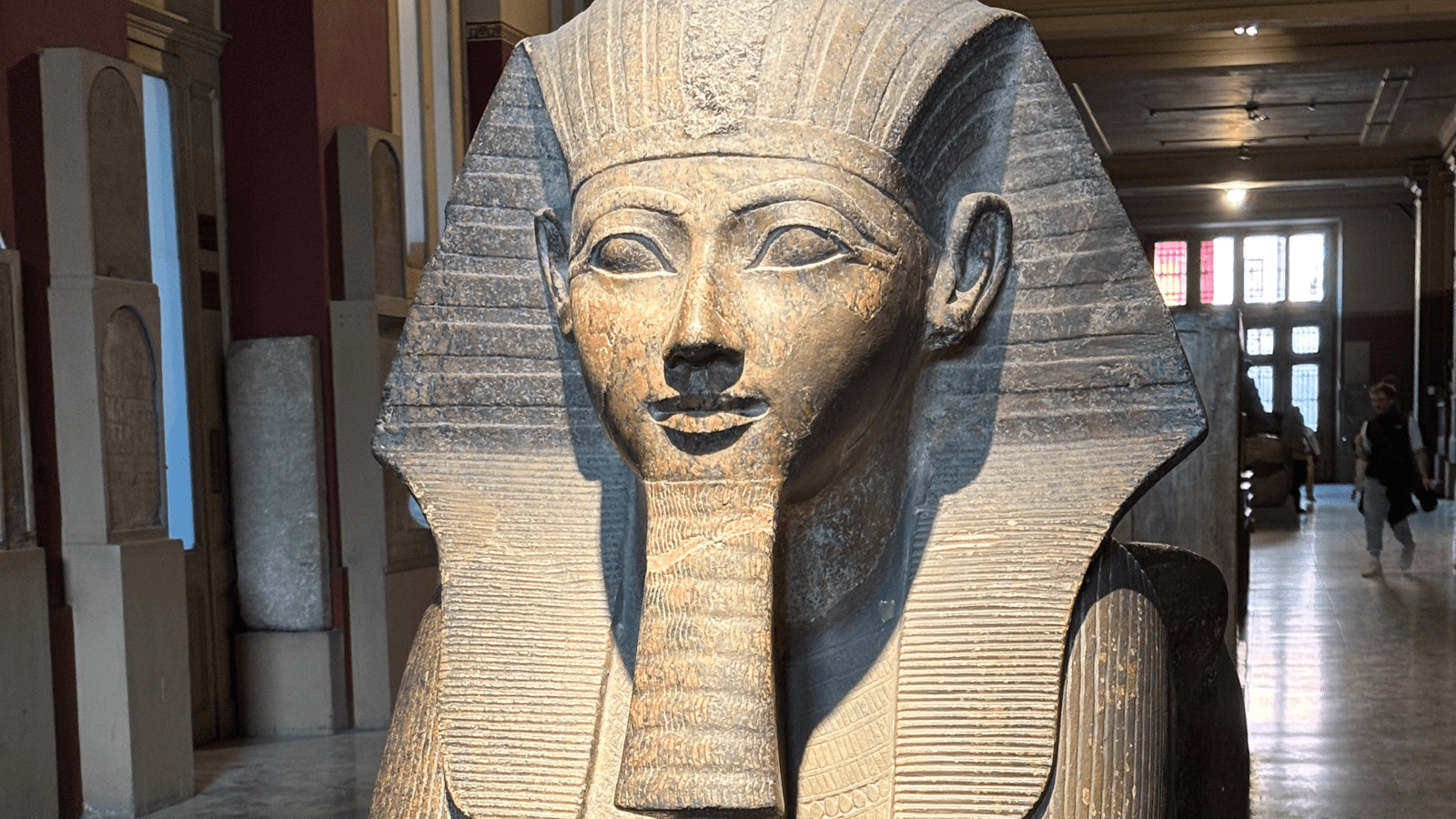
Exploring the Egyptian Museum in Cairo: A Journey Through Ancient Egypt’s Greatest Treasures
A journey through one of Cairo’s most important cultural landmarks, from royal treasures and funerary objects to religion, daily life and the stories behind ancient Egyptian civilization.
Opened in 1902120,000+ artifactsTutankhamunTahrir SquareLocated in Tahrir Square, the Egyptian Museum remains one of Cairo’s most important cultural institutions. The article presents it as an essential stop for travelers who want to understand Egypt’s pharaohs, gods, daily life and funerary beliefs.
Why the Egyptian Museum still matters
A Historic Museum in Central Cairo
Opened in 1902, the museum was created as a permanent home for Egypt’s archaeological heritage and remains a major cultural landmark in Tahrir Square.
More Than 120,000 Artifacts
The article says the museum preserves more than 120,000 artifacts spanning thousands of years, from the early dynastic period to the Greco-Roman era.
A Broad View of Ancient Egyptian Life
The collections cover kingship, religion, burial, craftsmanship, governance and the everyday lives of craftsmen, scribes, farmers and priests.
The Birth of the Egyptian Museum
The idea of a national museum developed as antiquities faced looting and uncontrolled excavation.
The Egyptian Museum officially opened as a permanent home for archaeological heritage.
Over time, it became one of Egypt’s best-known museums.
The article describes many pieces as unique works of human history.
The Treasures of the Pharaohs
Kings and gods are represented throughout the collections.
Funerary craftsmanship is a major part of the museum experience.
These objects reveal ancient Egyptian funerary traditions.
Tools and personal items show how people lived, worked and worshipped.
Tutankhamun’s Legendary Collection
The article identifies the iconic mask among the collection’s highlights.
Royal ornaments offer insight into status and craftsmanship.
Objects connected to royal ceremony and life are included.
These pieces offer a more intimate view of the young king.
The collection helps explain royal burial rituals and immortality.
Religion and Daily Life in Ancient Egypt
These sources reveal how religion and administration worked together.
Everyday items show routines beyond royal life.
Statues of major gods reflect the spiritual foundations of Egyptian society.
The museum shows several layers of ancient Egyptian society.
Why a Guided Museum Tour Matters
The scale of the museum can be difficult to absorb alone.
A professional guide helps prioritize the most significant objects.
Guided explanations connect objects with periods, beliefs and people.
The article says expert guidance turns a walk-through into a deeper experience.
A Timeless Cultural Experience in Cairo
The museum offers depth for travelers already interested in ancient Egypt.
It provides a powerful introduction to the civilization.
The article also recommends it for deeper insight.
A guided half-day experience is presented as an efficient way to visit.
Frequently asked questions
Where is the Egyptian Museum located?
In the heart of Cairo’s Tahrir Square.
When did the Egyptian Museum open?
The article states that it officially opened in 1902.
How large is the collection?
The article says the museum preserves more than 120,000 artifacts.
What types of objects can visitors see?
Royal statues, reliefs, jewelry, sarcophagi, royal mummies, burial equipment, religious objects and daily-life artifacts.
Why is Tutankhamun important to the museum experience?
His collection gives visitors insight into royal burial rituals, personal belongings and beliefs surrounding the afterlife.
Why should I consider a guided tour?
A guide helps prioritize important artifacts and gives historical context, making the large collection easier to understand.
Explore the Egyptian Museum with Expert Context
Turn a museum visit into a clearer cultural journey with professional historical interpretation.
View the Egyptian Museum Half-Day Tour