


How Ancient Egyptians Built Royal Tombs: Engineering the Afterlife
Follow the specialists who transformed desert rock into protected, decorated pathways for a king’s eternal rebirth.
Royal tomb building required surveyors, quarrymen, plasterers, draftsmen, painters, scribes and administrators. In the New Kingdom, many of these specialists lived at Deir el-Medina and worked in organized crews under close supervision.
How a royal tomb was created
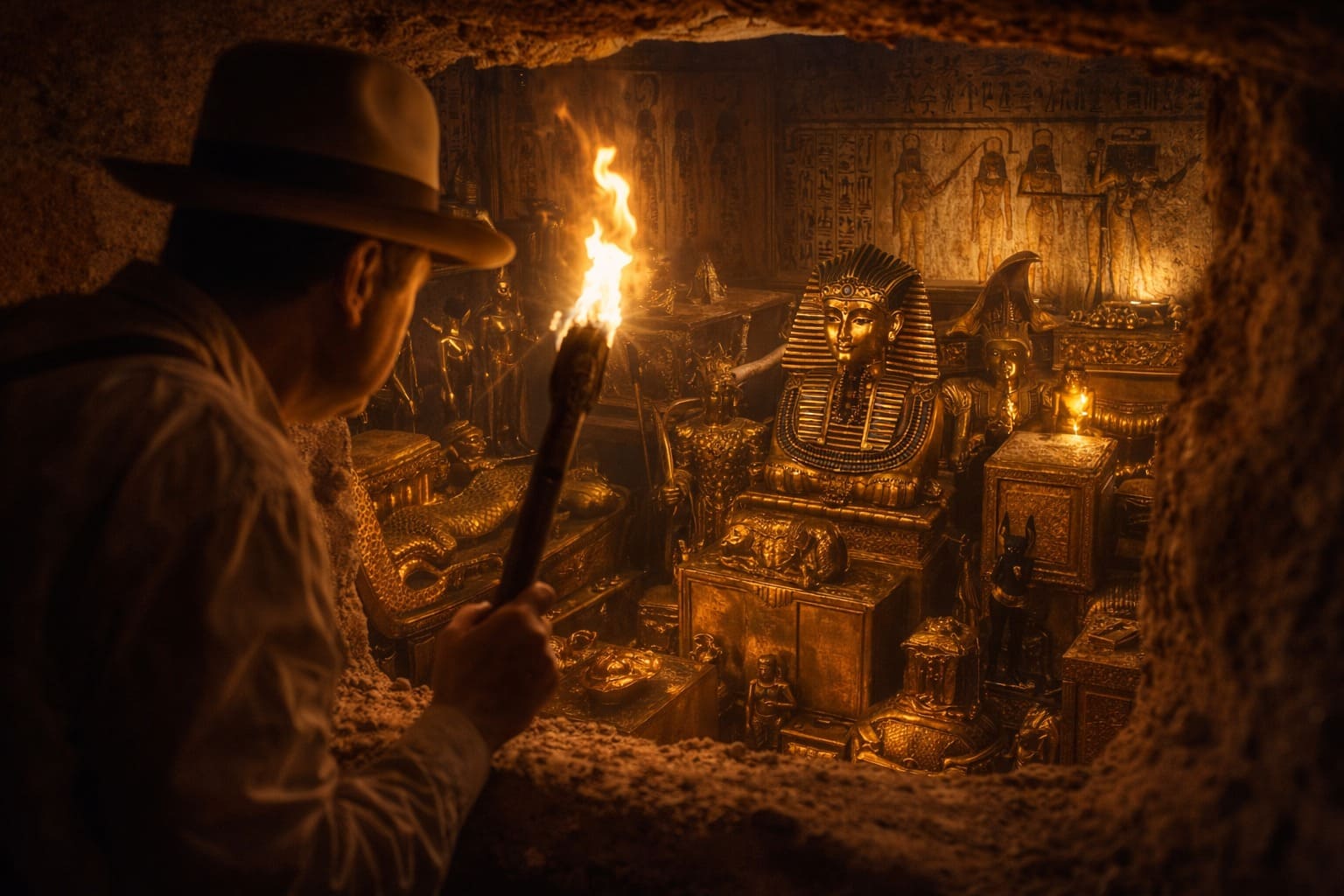
Surveying and choosing the site
Builders assessed rock quality, slope and hidden placement, then aligned corridors using practical measuring tools.
Excavating corridors and chambers
Teams cut limestone with metal tools and stone implements while removing debris through confined passages.
Plastering and drafting
Uneven rock was repaired with plaster; artists laid out scenes with grids, guidelines and corrections.
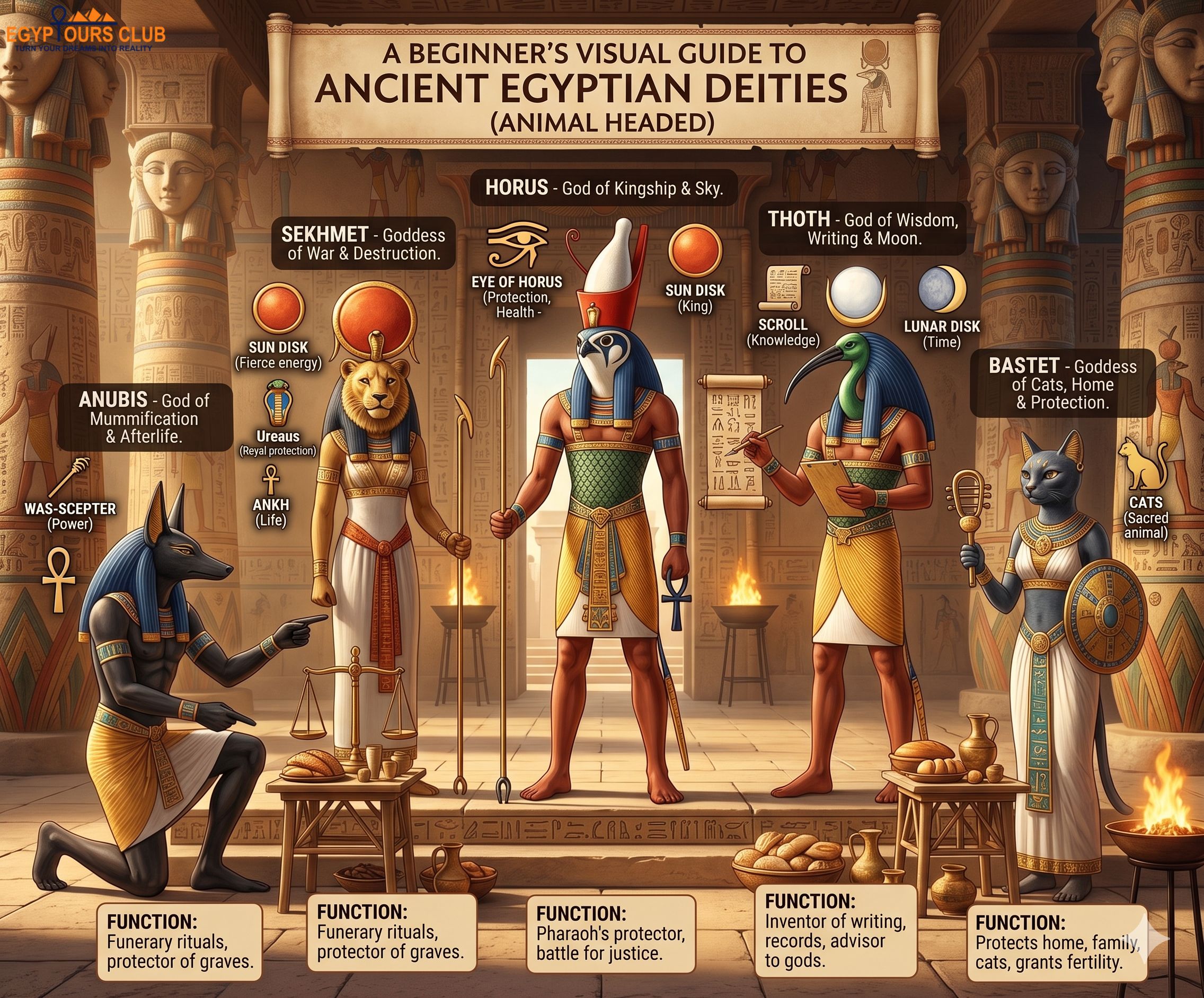
Painting and carving
Specialists carved reliefs or painted prepared walls with texts and images selected for ritual purpose.
Engineering for protection and eternity
Organize labor and supplies
Crews, tools, lamps, food, water, pigments and plaster required a managed delivery system.
Control light and ventilation
Oil lamps illuminated deep chambers while workers coped with dust, heat and limited air movement.
Support unstable rock
Builders adjusted plans, filled cracks or added structural elements when geology created danger.
Seal the burial
Doors, blocking stones and concealed entrances aimed to protect the burial, though ancient robbery remained common.
Where the engineering survives
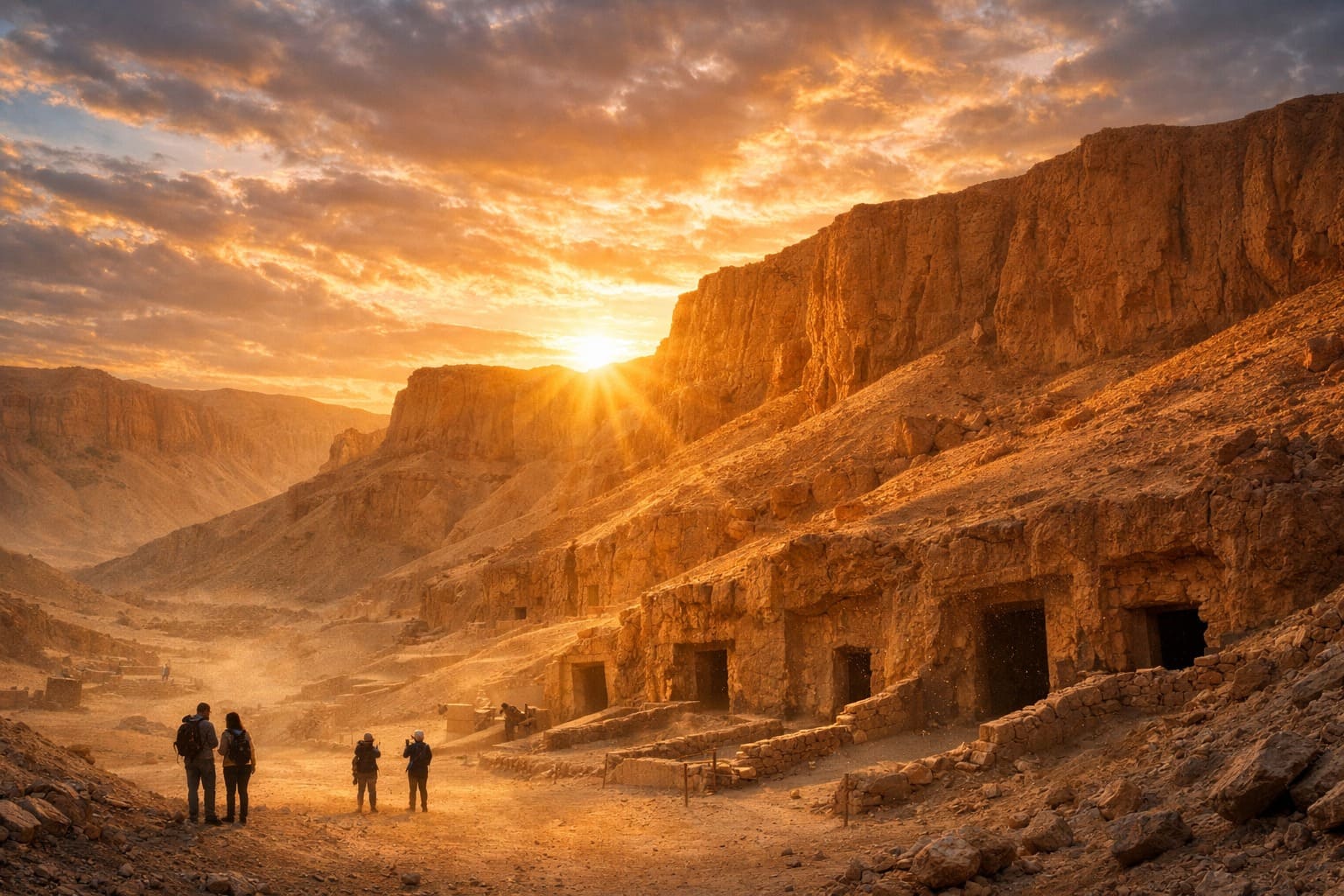
Valley of the Kings
Royal corridors and burial chambers show changing New Kingdom plans, texts and decorative programs.
Deir el-Medina
The workers’ settlement preserves houses, records and tombs of the artisans behind royal monuments.
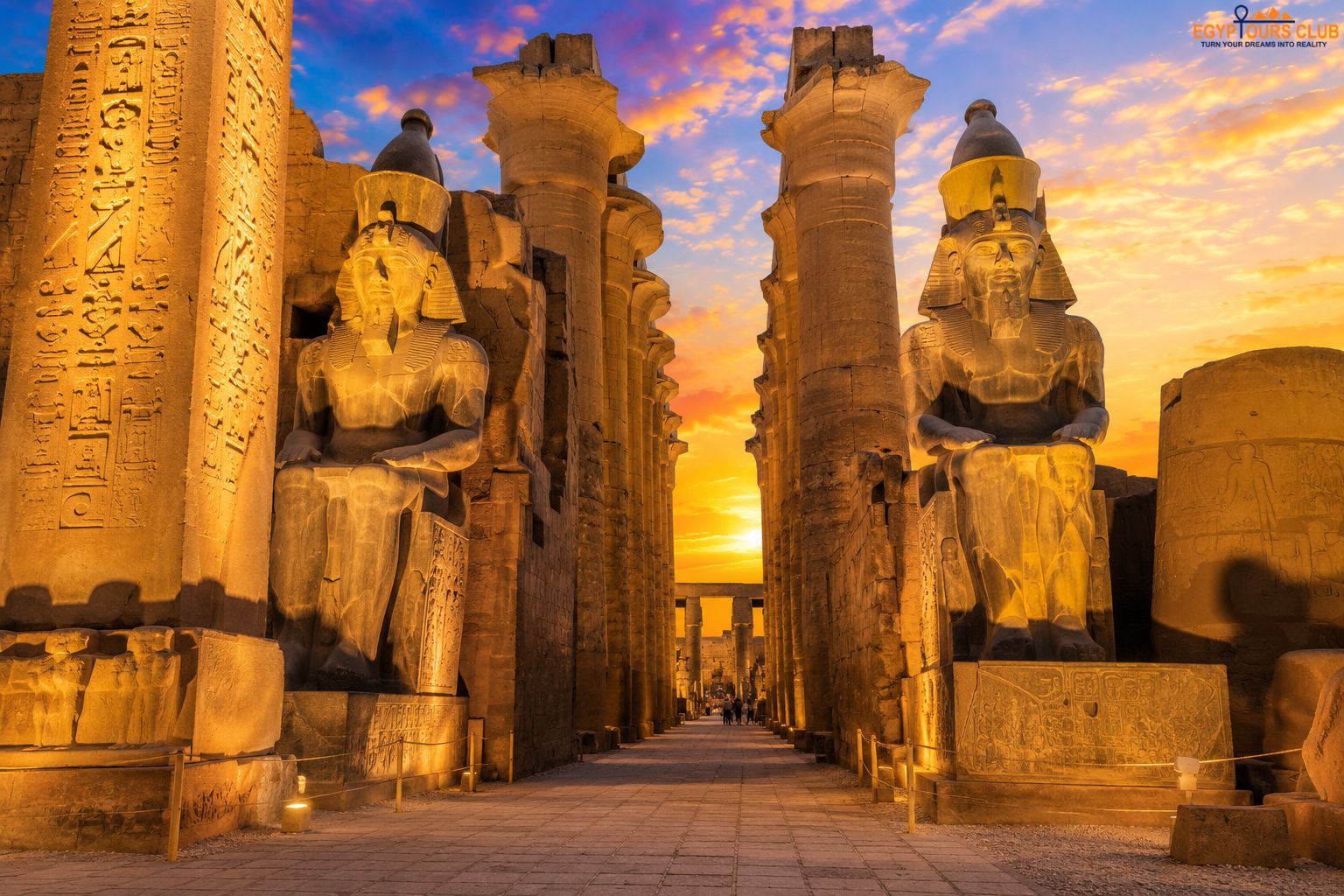
Valley of the Queens
Tombs of royal women and princes include refined painting and different spatial solutions.
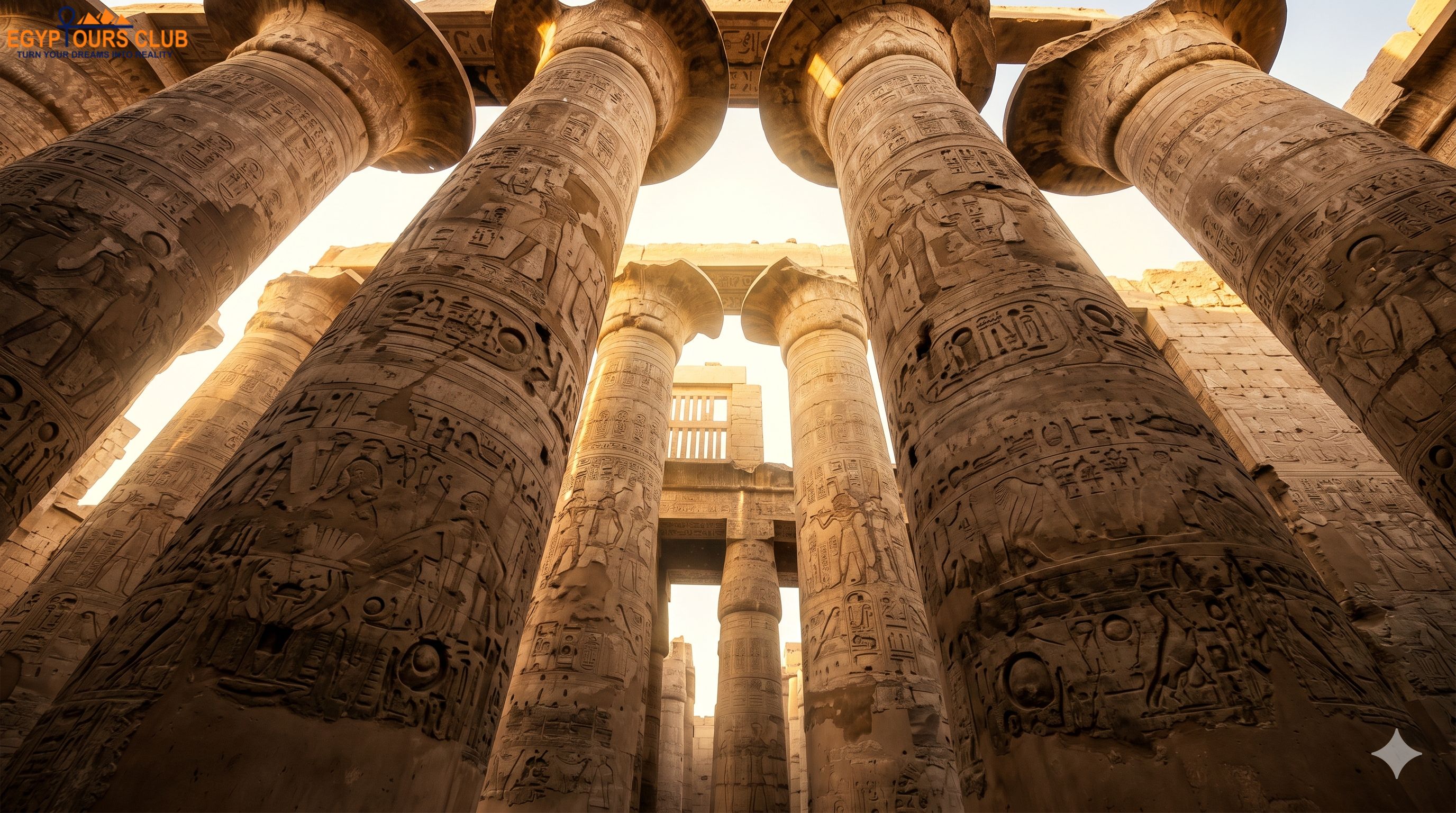
Pyramid complexes
Old Kingdom pyramids combined internal chambers with temples, causeways and ritual landscapes.
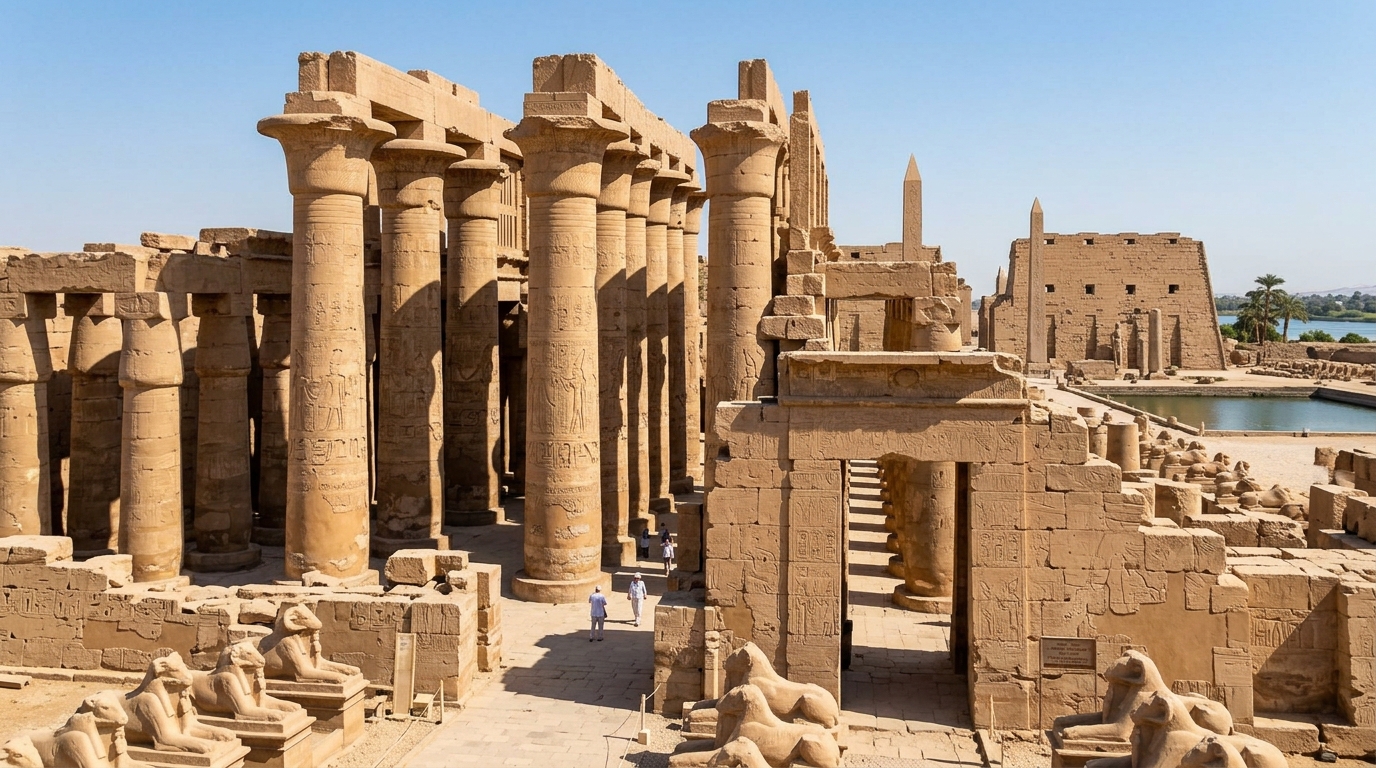
Mortuary temples
Sites such as Hatshepsut’s temple sustained royal cult and memory outside the hidden burial place.
Frequently asked questions
Who built the royal tombs?
Skilled, organized Egyptian workers including quarrymen, artists, scribes and administrators—not a single anonymous labor force.
How long did a royal tomb take to build?
Work could continue through a king’s reign; available time, geology, plan changes and royal death affected completion.
What tools did tomb builders use?
Copper or bronze tools, stone pounders, wooden implements, measuring cords, lamps, plaster and pigments were among their resources.
Why were tomb walls decorated?
Images and funerary texts protected the king, mapped the afterlife and supported transformation and rebirth.
Did traps protect Egyptian tombs?
Popular mechanical-trap stories are exaggerated. Concealment, seals, blocking and guarded necropolises were more important.
Explore royal tomb engineering in Luxor
Visit the Valley of the Kings and Deir el-Medina with an Egyptologist who can decode construction marks, texts and unfinished work.
Plan My Royal Tomb Tour