

How Ancient Egyptians Built Royal Tombs: Secrets of Engineering & the Afterlife | Egypt Tours Club
How Ancient Egyptians Built Royal Tombs: Secrets of Engineering & the Afterlife . banner

How Ancient Egyptians Built Royal Tombs: Secrets of Engineering & the Afterlife

How Ancient Egyptians Built Royal Tombs: Valley of the Kings Engineering Guide | Egypt Tours Club
𓉐 Valley of the Kings Engineering

How Ancient Egyptians Built Royal Tombs: The Hidden Genius Behind the Valley of the Kings

Discover how ancient Egyptians planned, carved, decorated, protected, and sealed royal tombs — from skilled Deir el-Medina workers to the sacred afterlife scenes inside the Valley of the Kings.

Egypt Tours Club Updated May 2026 10 min read Royal Tombs · Valley of the Kings · Luxor · Engineering

Ancient Egyptian royal tombs were not simple burial rooms. They were underground masterpieces of engineering, religion, art, protection, and afterlife belief — designed to carry a pharaoh from death into eternity.

The Hidden Genius Behind Egypt’s Royal Tombs

When travelers think of Egypt, they often begin with the Pyramids of Giza and the Great Sphinx. But beyond those monumental structures lies another achievement just as fascinating: the construction of royal tombs deep inside the cliffs and valleys of ancient Thebes.

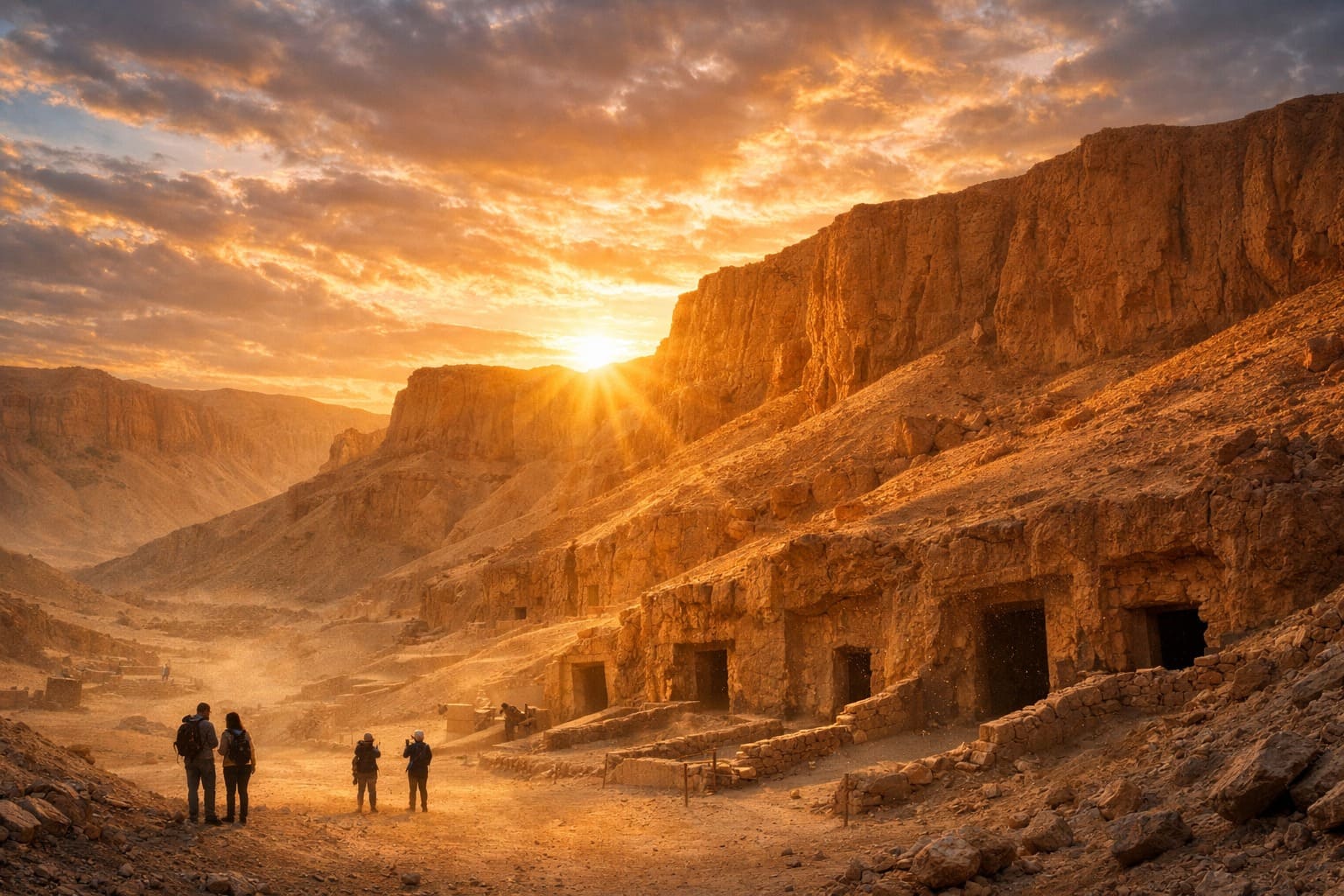
The Valley of the Kings is the greatest surviving example. Here, royal tombs were cut into the desert rock, decorated with sacred texts, filled with symbolic scenes, and sealed after burial rituals.

This guide explains how ancient Egyptians built royal tombs, from choosing the location and carving the rock to painting the afterlife journey and sealing the entrance.

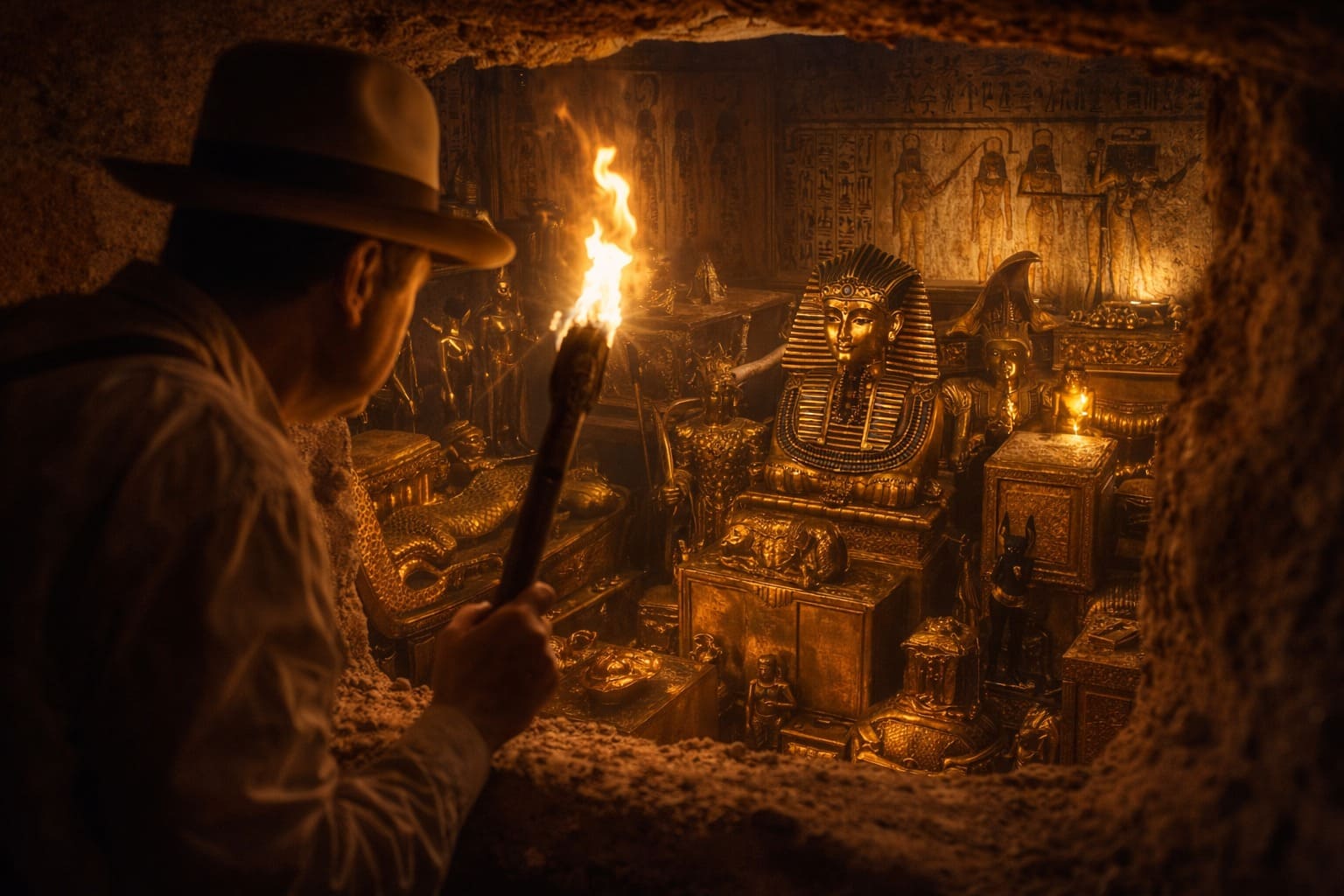
Ancient Egyptian royal tomb corridor in the Valley of the Kings with painted walls and sacred afterlife scenes
Royal tombs in the Valley of the Kings combined engineering, sacred art, and afterlife theology in one underground monument.

Why Did Ancient Egyptians Build Tombs Underground?

Early pharaohs built pyramids as royal tombs, but over time exposed monuments became vulnerable to tomb robbery. The shift toward hidden underground tombs offered a more secure and controlled burial environment.

Underground tombs also matched religious ideas. The west bank of the Nile, where the sun sets, was strongly connected with death, transition, and the journey into the afterlife. That made Luxor’s West Bank a powerful sacred landscape for royal burial.

🛡️

Protection

Hidden tombs were harder to locate and easier to guard than exposed monuments.

🏜️

Secrecy

Remote desert valleys helped keep royal burials away from public view.

🌅

Symbolism

The west bank and setting sun reflected death, transition, and rebirth.

🚪

Controlled Access

Narrow entrances and guarded routes made tomb management easier.

⚰️

Afterlife Design

The tomb acted as a sacred route into eternity, not just a storage chamber.

🧱

Rock Stability

Cliffs and mountain rock allowed long corridors and protected chambers.

Choosing the Perfect Location: Why the Valley of the Kings?

The Valley of the Kings became the ideal royal burial landscape because it combined security, sacred geography, and natural monumentality. The surrounding cliffs helped conceal tombs, while the natural pyramid-shaped peak known as Al-Qurn gave the valley a symbolic connection to pyramid tradition.

For a pharaoh, the location was not chosen only for practicality. It had to support royal identity, afterlife belief, ritual movement, and protection from disturbance.

Location factor Why it mattered Visitor meaning today
Remote desert valley Helped conceal royal tombs and control access. Explains why the site feels hidden and dramatic.
West bank location Connected with the setting sun, death, and transition. Adds spiritual meaning to Luxor West Bank tours.
Al-Qurn peak Natural pyramid-like mountain above the valley. Links underground tombs to earlier pyramid symbolism.
Guarded approaches Made tomb access easier to monitor. Shows how security shaped royal burial planning.

Step-by-Step: How Royal Tombs Were Built

The construction of royal tombs followed a careful sequence. Each tomb had practical engineering needs and sacred religious goals.

Stage What happened Why it mattered
1. Planning and design Architects and officials planned corridors, chambers, burial rooms, and axes. The tomb needed a functional route and a sacred afterlife structure.
2. Excavation Workers cut directly into the limestone rock using hand tools. This created the tomb’s corridors, halls, and burial chamber.
3. Carving and smoothing Walls were leveled, shaped, plastered, and prepared for decoration. Smooth surfaces were necessary for sacred texts and paintings.
4. Decoration and painting Artists added gods, funerary texts, solar journeys, and protective scenes. Decoration helped guide and protect the king in the afterlife.
5. Burial preparation The sarcophagus, ritual objects, and funerary goods were installed. The tomb became a complete afterlife environment.
6. Sealing Entrances and chambers were sealed after funerary rituals. Sealing protected the body, goods, and sacred journey.

The Key Idea

Royal tomb construction was not only engineering. Every corridor, chamber, text, color, and sealed doorway had a practical and spiritual purpose.

Who Built the Tombs and What Tools Did They Use?

The royal tombs were built by skilled workers, craftsmen, artists, draftsmen, scribes, and supervisors. Many were connected with Deir el-Medina, the famous village of tomb workers near the Theban necropolis.

These were trained specialists, not the Hollywood-style image of enslaved workers. Their work required technical skill, religious knowledge, artistic precision, and coordination across many stages of construction.

🔨

Stone hammers

Used for heavy work and shaping rock during excavation.

🪚

Chisels

Used for cutting, detail work, and refining tomb surfaces.

📏

Measuring lines

Helped keep corridors, chambers, and layouts aligned.

🎨

Natural pigments

Used to create vivid blue, red, yellow, black, and white decoration.

🧱

Plaster

Prepared wall surfaces for painting and sacred texts.

📝

Scribes and artists

Transferred religious texts and scenes onto tomb walls.

For travelers interested in worker life and tomb craftsmanship, the village of Deir el-Medina is one of the most important Luxor sites to understand the human side behind royal tombs.

The Role of Art, Texts, and Symbolism

Tomb decoration was not simply beautiful. It was functional, magical, and theological. The painted walls helped the pharaoh pass safely through the afterlife and join the eternal cycles of rebirth.

Scenes could include gods and goddesses, the journey of the sun god Ra, offerings, protective beings, underworld books, and rituals connected to resurrection and royal transformation.

Decoration type Purpose Example meaning
Afterlife scenes Guided the king through the next world. Maps of sacred journeys and underworld passages.
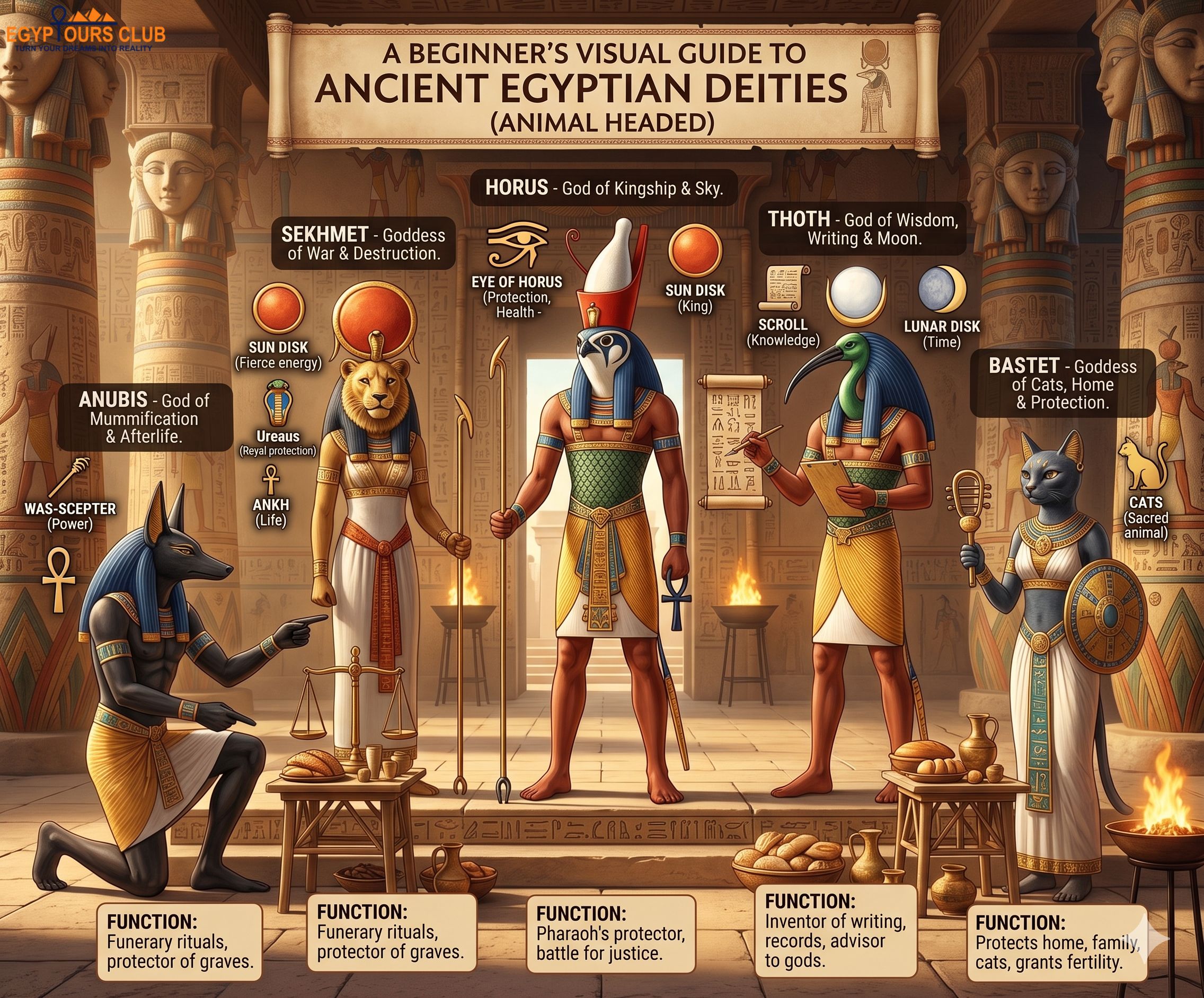
Gods and goddesses Protected, received, and transformed the king. Osiris, Ra, Isis, Anubis, Hathor, and others.
Funerary texts Provided sacred knowledge and protection. Spells, prayers, and ritual instructions.
Solar imagery Connected the king to rebirth through the sun’s journey. Nightly underworld journey and sunrise renewal.
Ancient Egyptian tomb art with gods, symbols, and painted afterlife scenes
Royal tomb art was a sacred technology: it protected, guided, and transformed the king in the afterlife.

Engineering Secrets of Royal Tombs

Royal tombs still amaze historians, engineers, and travelers because they were created with limited tools but impressive precision. Tomb builders had to deal with rock quality, slope, airflow, lighting, chamber stability, and long construction timelines.

🌬️

Ventilation

Workers needed breathable air during deep excavation and decoration.

🪨

Rock quality

Architects had to avoid weak layers and unstable stone.

📐

Alignment

Corridors and chambers required careful planning and measurement.

🧱

Structural stability

Ceilings, corridors, and burial chambers needed to survive long-term pressure.

🕯️

Lighting

Decoration work required careful use of lamps and controlled working conditions.

🚧

Security

Entrances and access routes were designed with concealment and protection in mind.

How Royal Tombs Changed Over Time

Royal tombs did not remain identical across Egyptian history. Earlier tombs were often simpler, while later royal tombs could become more complex, deeply symbolic, and heavily decorated.

Feature Earlier tombs Later royal tombs
Layout More direct and simpler. Long corridors, multiple chambers, deeper symbolic routes.
Decoration More limited in some periods. Highly detailed religious texts and painted scenes.
Security Often less complex. Greater emphasis on hidden locations and sealed access.
Religious program Developing funerary traditions. More elaborate afterlife books, solar journeys, and divine scenes.

Visiting Royal Tombs Today

Exploring royal tombs is one of the most powerful things to do in Egypt. Unlike the monumental exterior drama of the pyramids, the Valley of the Kings reveals the intimate, symbolic, and artistic side of royal belief.

Inside the tombs, travelers walk through corridors carved for kings, surrounded by vivid scenes of gods, afterlife journeys, and sacred texts. A strong Luxor West Bank route often combines the Valley of the Kings with Hatshepsut Temple, Colossi of Memnon, and the Valley of the Queens.

Valley of the Kings

The essential royal tomb destination, with famous tombs such as Tutankhamun, Ramses V and VI, and Seti I.

Read Valley of the Kings Guide →

Deir el-Medina

The workers’ village that reveals the human side behind tomb construction and decoration.

Read Deir el-Medina Guide →

Temple of Hatshepsut

A dramatic West Bank temple that pairs beautifully with royal tomb visits.

Read Hatshepsut Temple Guide →

Valley of the Queens

A meaningful add-on for travelers interested in royal women, Nefertari, and tomb art.

Read Valley of the Queens Guide →

Practical Tips for Visiting Royal Tombs

Tip Why it matters
Visit early Cooler temperatures and fewer crowds make tomb visits more enjoyable.
Bring water The West Bank can be hot and dry, especially outside tomb interiors.
Wear comfortable shoes Tomb entrances may include slopes, steps, and uneven walking surfaces.
Respect photography rules Rules can vary by tomb and may change over time.
Hire a guide A guide helps decode symbols, gods, afterlife texts, and tomb layout.

Explore More on Egypt Tours Club

Continue your journey through Luxor, royal tombs, ancient Egyptian symbols, and the afterlife world.

FAQs About Ancient Egyptian Royal Tombs

How did ancient Egyptians build royal tombs?
They selected a secure sacred location, planned corridors and chambers, carved into the rock, smoothed and plastered surfaces, decorated walls with religious scenes, prepared the burial chamber, and sealed the tomb after rituals.
Why did ancient Egyptians build tombs underground?
Underground tombs offered secrecy, protection, and controlled access. They also suited religious ideas connected to the west bank, the setting sun, death, and rebirth.
Who built the tombs in the Valley of the Kings?
Skilled workers, craftsmen, artists, scribes, and supervisors built the royal tombs. Many were connected with Deir el-Medina, the famous village of tomb workers near the Theban necropolis.
What tools did ancient Egyptians use to carve tombs?
Workers used tools such as chisels, stone hammers, wooden mallets, measuring lines, smoothing tools, plaster, and natural pigments for decoration.
Why were royal tomb walls decorated?
The decoration was meant to guide and protect the king in the afterlife. It showed gods, sacred texts, solar journeys, offerings, and protective scenes.
Can travelers visit ancient Egyptian royal tombs today?
Yes. Travelers can visit royal tombs in the Valley of the Kings and nearby Luxor West Bank sites, often combining them with Hatshepsut Temple, Colossi of Memnon, Deir el-Medina, and the Valley of the Queens.

Final Thoughts: A Legacy Carved in Stone

The construction of royal tombs is one of ancient Egypt’s greatest achievements. These underground monuments reveal advanced engineering, disciplined craftsmanship, sacred art, and a deep belief in life after death.

From the workers of Deir el-Medina to the painted corridors of the Valley of the Kings, every detail tells a story of planning, skill, faith, and royal power carved directly into the desert rock.

Book a Private Luxor Tombs Tour →