


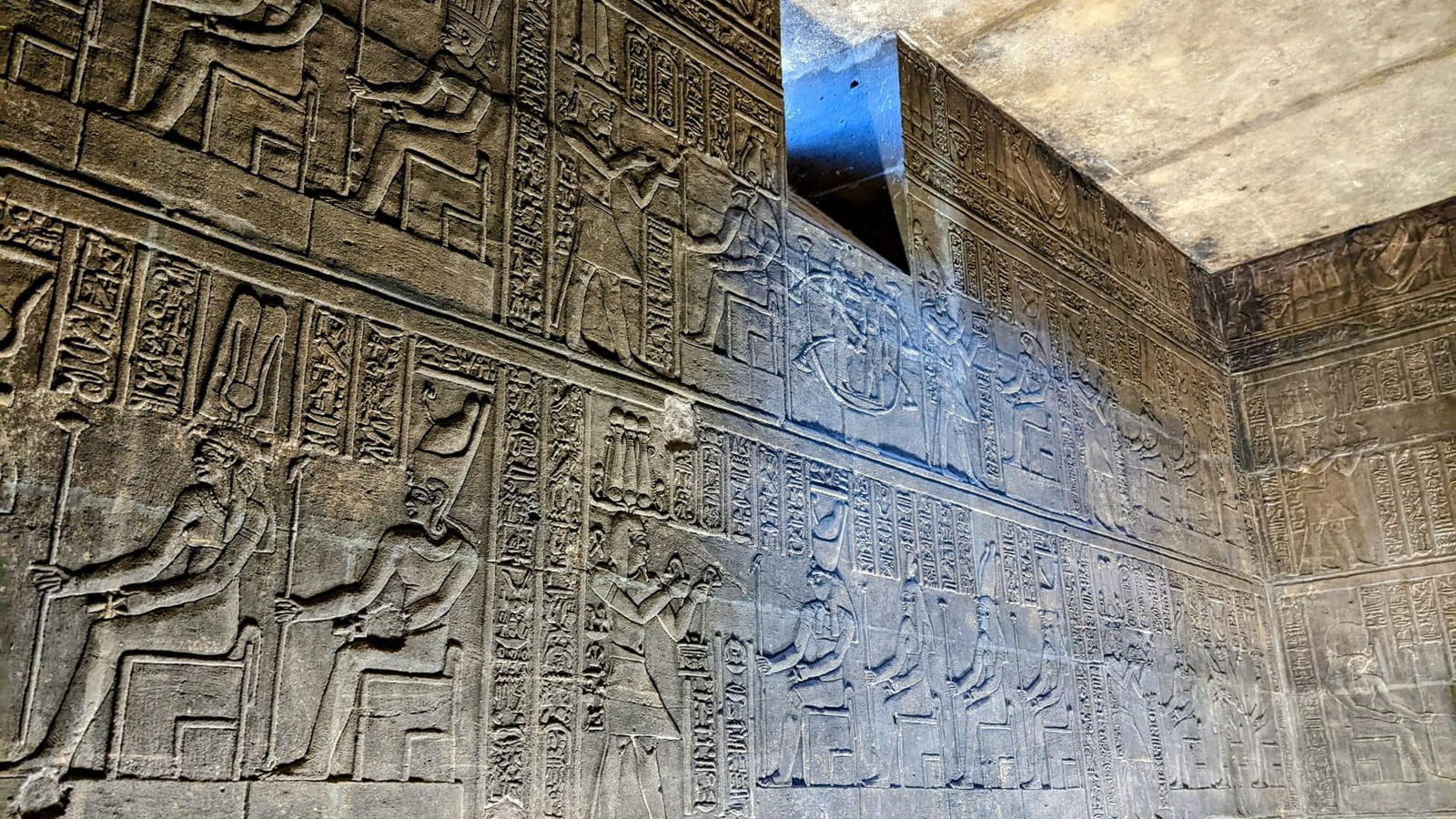
The Curse of the Pharaohs is not just a ghost story. It is a powerful blend of ancient Egyptian sacred beliefs, tomb protection traditions, early twentieth-century media drama and the world’s fascination with Tutankhamun’s treasures.
A Dark Legend Behind Egypt’s Royal Tombs
Ancient Egypt has always fascinated travelers with its pyramids, temples, tombs, mummies and golden treasures. Yet among all its mysteries, few stories have captured public imagination like the Pharaohs’ Curse.
The legend claims that anyone who disturbs the tomb of a pharaoh may suffer misfortune, illness or death. It became especially famous after the discovery of Tutankhamun’s tomb in the Valley of the Kings in 1922, when several deaths connected — directly or loosely — with the excavation were interpreted as supernatural punishment.
The original text you provided focused on the dark legacy of ancient Egypt’s rulers, the death of Lord Carnarvon, priestly warnings, media fascination and the collapse of the curse under rational explanation. I rebuilt those ideas into a clear travel-history guide with stronger structure and safer factual framing.
Quick Answer
The Curse of the Pharaohs is a famous legend, not a proven supernatural fact. It grew from ancient tomb warnings, the discovery of Tutankhamun’s tomb, sensational media coverage and the dramatic death of Lord Carnarvon.
What Is the Curse of the Pharaohs?
The Curse of the Pharaohs is the belief that anyone who enters, opens or disturbs an ancient Egyptian royal tomb may be punished by unseen forces. In popular culture, the curse is usually linked to illness, accidents, sudden death or strange misfortune.
Ancient Egyptians did believe tombs were sacred spaces. Tombs protected the body, name, spirit and eternal existence of the deceased. Disturbing a tomb was not merely theft; it was an attack on the dead person’s afterlife.
However, the modern idea of a dramatic “pharaoh’s curse” became far more famous in the twentieth century, especially through newspapers and books after Tutankhamun’s tomb was opened.
| Element | Ancient Egyptian context | Modern legend |
|---|---|---|
| Tomb protection | Sacred texts, warnings and religious beliefs protected burial spaces. | Turned into the idea of supernatural revenge. |
| Mummies | Preserved bodies were central to afterlife beliefs. | Popular culture linked mummies with danger and curses. |
| Royal tombs | Burial places of pharaohs and elites were sacred and symbolic. | Explorers, tomb openings and deaths became dramatic stories. |
| Misfortune | Ancient texts warned against violating sacred space. | Deaths and illness were interpreted as curse evidence. |
Tutankhamun’s Tomb and the Birth of the Modern Curse Legend
The most famous version of the curse began with the discovery of the tomb of King Tutankhamun by Howard Carter in 1922. The tomb was extraordinary because it preserved an astonishing collection of royal treasures, burial objects and symbolic artifacts.
Shortly after the tomb was opened, Lord Carnarvon — the wealthy patron who financed the excavation — died after an infected mosquito bite. His death became the spark that turned ordinary tragedy into global legend.
Newspapers quickly linked Carnarvon’s death to the tomb opening. The story was too dramatic to ignore: a hidden royal tomb, golden treasures, ancient warnings and a sudden death. The world embraced the idea that the pharaoh had taken revenge.
1922 — Tutankhamun’s Tomb Is Discovered
Howard Carter and his team uncover one of the most famous archaeological discoveries in history in the Valley of the Kings.
1923 — Lord Carnarvon Dies
Carnarvon’s death after infection fuels speculation that the tomb was protected by a curse.
Media Sensation Begins
Newspapers, writers and the public transform scattered incidents into a dramatic curse narrative.
The Legend Becomes Global
The Curse of the Pharaohs enters popular culture through books, films, documentaries and travel imagination.
To understand the real setting behind the legend, explore our guide to the Valley of the Kings, where many royal tombs are located.
Priestly Warnings and Ancient Tomb Protection
Long before modern newspapers invented dramatic curse headlines, ancient Egyptians used warnings, sacred texts and symbolic protection to defend tombs from violation. These warnings were not always “curses” in the Hollywood sense. They were part of a religious system that treated burial spaces as sacred.
Tomb robbing was a serious problem in ancient Egypt. Precious objects, gold, jewelry and funerary goods made tombs tempting targets. Protective texts and threatening formulas helped discourage robbers and protect the deceased in the afterlife.
Sacred Burial Space
Tombs were built to preserve the body, name and spiritual journey of the deceased.
Protection Texts
Warnings and magical formulas were used to protect tombs from violation.
Symbolic Threats
Images of snakes, gods and guardians expressed danger to anyone who disturbed sacred space.
Anti-Robbery Purpose
Curses and warnings helped discourage theft from royal and elite tombs.
Religious Meaning
Texts were connected with afterlife beliefs, divine judgment and cosmic order.
Divine Guardianship
Gods, symbols and protective imagery were believed to defend the dead.
For more context on Egyptian afterlife beliefs, read The Book of the Dead explained simply and Who Is Osiris?.
Why Did People Believe the Pharaohs’ Curse?
The curse became believable because it combined fear, coincidence, ancient mystery and media storytelling. The death of Lord Carnarvon happened at exactly the right moment for newspapers to create a dramatic narrative.
To many readers, the idea of a hidden tomb punishing intruders felt more exciting than a medical explanation. Egypt already had a reputation for ancient magic, mummies and gods. The public was ready to believe that a pharaoh’s tomb might hold supernatural power.
| Reason people believed it | How it strengthened the legend |
|---|---|
| Sudden deaths | Deaths connected with the excavation were grouped together as curse evidence. |
| Media headlines | Newspapers made the story dramatic, mysterious and emotionally powerful. |
| Ancient Egyptian mystery | Mummies, tombs and hieroglyphs already felt magical to the public. |
| Fear of disturbing the dead | Many cultures share the idea that burial places should not be violated. |
| Coincidence | Unrelated deaths and misfortunes were interpreted as part of one pattern. |
| Popular entertainment | Books and films turned the curse into a lasting cultural myth. |
Myth or Science? The Rational Side of the Curse
Modern historians and scientists generally do not treat the curse as a proven supernatural force. Instead, they explain it through coincidence, infection, environmental conditions, selective reporting and public imagination.
Some tombs are sealed for long periods and may contain dust, mold, bacteria or poor air quality. These conditions can be uncomfortable or unhealthy, but they do not prove a magical curse. Many people involved in the Tutankhamun excavation lived for years after the discovery, including Howard Carter himself.
| Curse claim | Possible rational explanation |
|---|---|
| Lord Carnarvon died because of the curse. | His death is commonly linked to infection after a mosquito bite. |
| Many people connected to the tomb died mysteriously. | Some deaths were exaggerated, unrelated or occurred years later. |
| The tomb contained deadly supernatural power. | Ancient tombs may contain dust, stale air or microorganisms, but that is not supernatural proof. |
| Every tomb opening leads to disaster. | Many excavators and visitors lived normal lives after entering tombs. |
Balanced View
The curse is best understood as a powerful legend built from ancient beliefs, media drama, coincidence and the real danger of violating sacred burial spaces — not as a proven supernatural law.
Why the Curse of the Pharaohs Still Lives On
The Curse of the Pharaohs survives because it gives ancient Egypt an emotional edge. The pyramids inspire awe. Temples inspire wonder. But tombs inspire suspense because they connect us with death, eternity, hidden treasures and forbidden spaces.
Even travelers who do not believe in the curse still feel the atmosphere when entering a royal tomb. The painted walls, narrow corridors, burial chambers and sacred texts make the experience unforgettable.
Films and Fiction
Movies and novels keep the mummy curse alive in popular imagination.
Documentaries
Television retells the Tutankhamun story as mystery, history and investigation.
Media Power
The original headlines gave the curse a dramatic identity that never fully disappeared.
Tomb Atmosphere
Royal tombs naturally feel mysterious because they were built for eternity.
Ancient Symbols
Protective signs, gods and sacred texts make tombs feel spiritually charged.
Global Fascination
Few archaeological stories are as famous as Tutankhamun and the pharaoh’s curse.
Where Can You Explore the Story of Pharaohs’ Tombs in Egypt?
The best way to understand the Curse of the Pharaohs is not through fear, but through real places. Egypt’s tombs, museums and temples reveal the beliefs that made burial sacred.
Valley of the Kings
The most important royal burial landscape in Egypt and the setting of Tutankhamun’s tomb discovery.
Read Valley of the Kings Guide →Grand Egyptian Museum
A key place to understand royal treasures, burial objects and the world of Tutankhamun.
Read Grand Egyptian Museum Guide →Egyptian Museum in Cairo
A classic museum stop for understanding ancient objects, mummies, funerary traditions and royal history.
Read Egyptian Museum Visit Guide →Luxor West Bank
Explore tombs, mortuary temples and afterlife landscapes across one of Egypt’s most powerful regions.
Explore Luxor Day Tours →Saqqara
Ancient tombs, pyramids and burial traditions show how Egyptian funerary beliefs evolved.
Explore Saqqara, Dahshur & Giza Tour →Karnak and Luxor Temples
Temple scenes help explain the gods, symbols and rituals connected with kingship and eternity.
Read Karnak Temple Guide →Why This Story Matters for Travelers
The Curse of the Pharaohs may not be scientifically proven, but it opens an important door into ancient Egyptian culture. It shows how seriously Egyptians treated burial, memory, sacred space and the afterlife.
When you visit a tomb with an Egyptologist guide, the experience becomes far deeper than a mysterious story. You learn why tombs were built, what the symbols meant, why the body was preserved, and how the pharaoh hoped to live forever among the gods.
Travel Insight
The real power of the Pharaohs’ Curse is not fear. It is the way it reminds modern travelers that ancient Egyptian tombs were sacred spaces built for eternity.
Explore More Ancient Egypt Mystery and Tomb Guides
Use these related Egypt Tours Club pages to continue exploring royal tombs, afterlife beliefs and sacred ancient sites.