


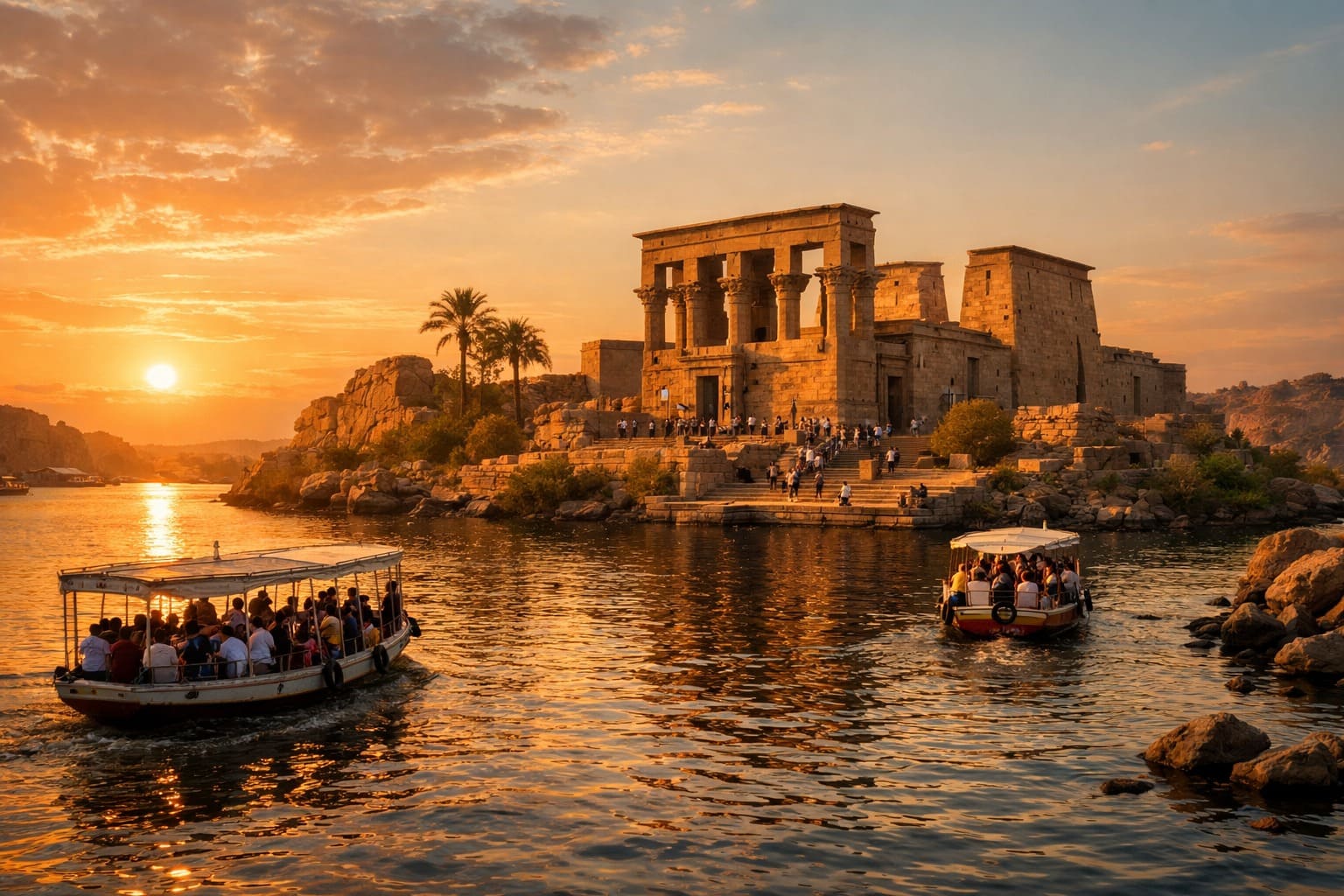
Temple of Isis at Philae: Mythology, History & Secrets
Enter a sacred island world shaped by magic, motherhood, resurrection and centuries of Egyptian worship.
The Temple of Isis at Philae brings mythology, monumental architecture and a dramatic Nile island setting together near Aswan.
The mythology of Isis
.jpeg)
Goddess of magic and protection
Isis was associated with healing, motherhood, royal power and protective magic.
The murder of Osiris
Seth killed and dismembered Osiris, beginning one of Egypt’s most influential sacred narratives.
.png)
Isis restores Osiris
Through devotion and magical knowledge, Isis reassembled and revived her husband.
Mother of Horus
Isis protected and raised Horus, whose struggle for kingship symbolized restored order.
History and sacred architecture
Ptolemaic foundations
Greek-origin rulers embraced Egyptian traditions and developed Philae as a major Isis sanctuary.
Roman additions
Emperors continued building and honoring the cult after Egypt became a Roman province.
Temple sequence
Pylons, courtyards, colonnades and the inner sanctuary guided movement toward increasingly sacred space.
A final religious stronghold
Traditional worship continued at Philae into the sixth century before Christian conversion.
Secrets to notice during your visit
First Pylon reliefs
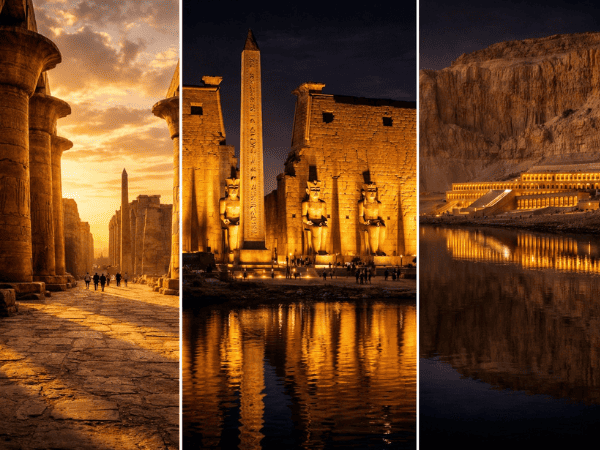
Look for rulers presenting offerings and defeating enemies before the gods.
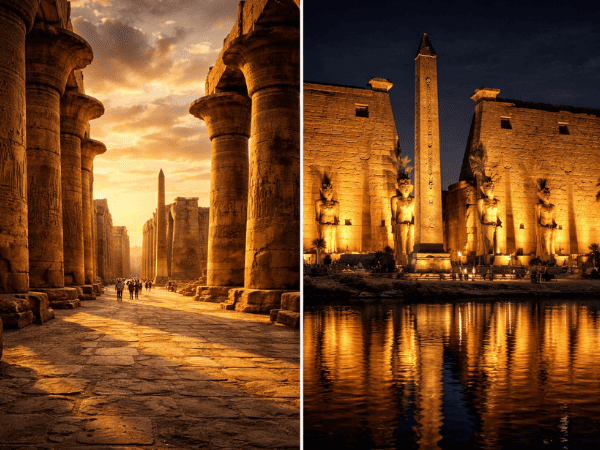
Sanctuary of Isis
The most sacred chamber once held the cult image and was restricted to priests.
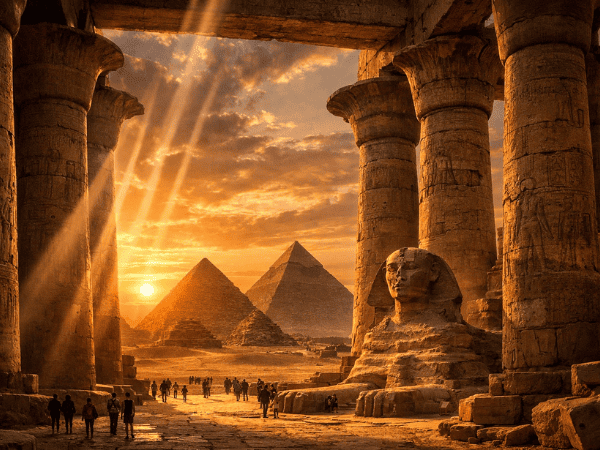
Birth House
The mammisi connects divine motherhood, Horus and the legitimacy of kingship.
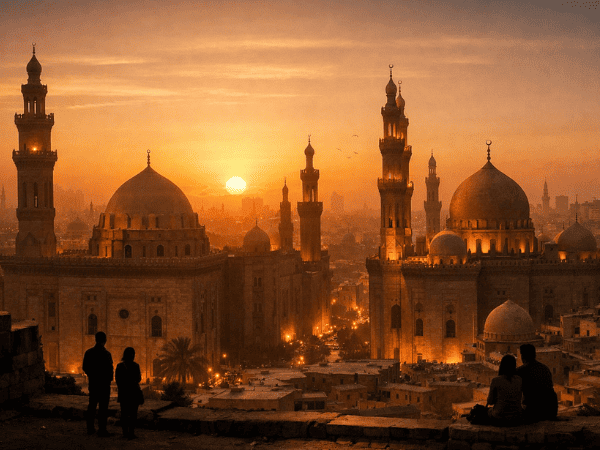
Trajan’s Kiosk
The elegant riverside structure is one of Philae’s most photographed monuments.
Plan 60–90 minutes
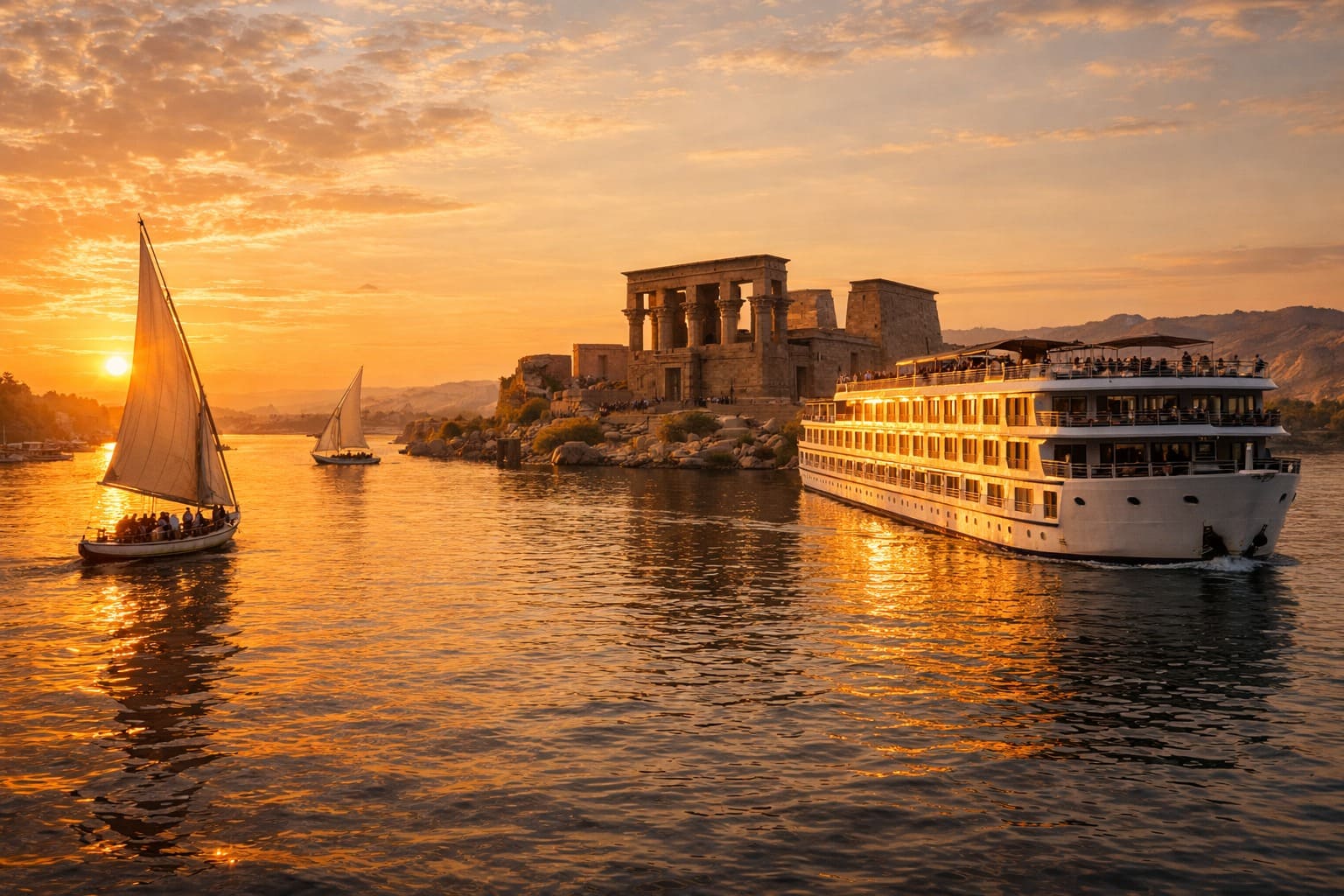
Allow time for reliefs, courtyards and island views in addition to road and boat transfers.
Frequently asked questions
Who was Isis?
Isis was a major Egyptian goddess of magic, motherhood, healing, protection and royal legitimacy.
When was the Temple of Isis built?
Most surviving structures are Ptolemaic, with important additions under Roman rulers.
Why is the Osiris myth important at Philae?
The sanctuary celebrated Isis’s role in restoring Osiris and protecting Horus, central themes of death, rebirth and kingship.
Is Philae on its original island?
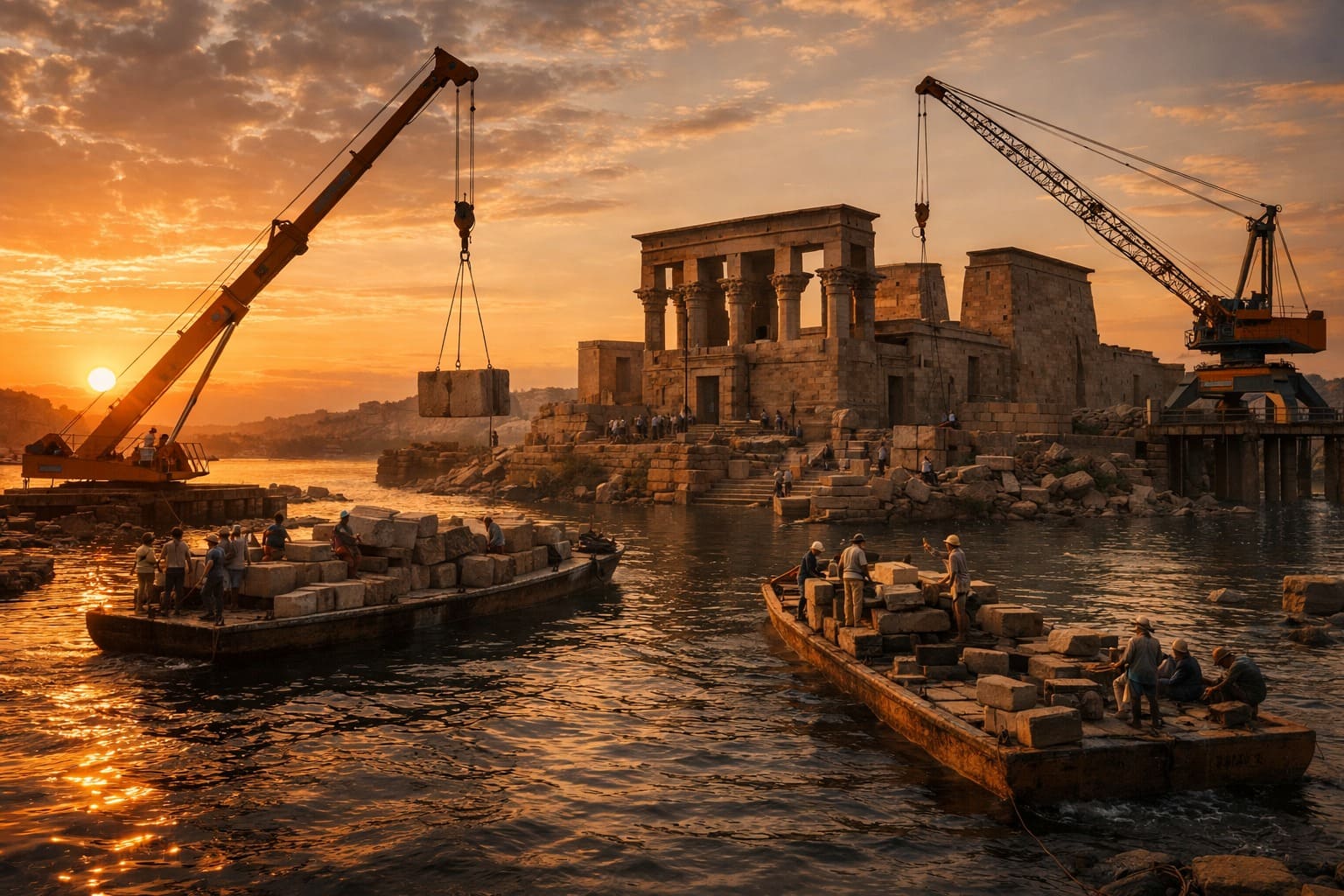
No. The complex was relocated from Philae Island to Agilkia Island during the UNESCO rescue campaign.
How long should a visit take?
Allow about 60–90 minutes inside the complex, plus transport and boat time.
Experience the mythology of Philae
Visit with an expert guide who can connect the reliefs, architecture and Isis myth in a clear Aswan route.
Plan My Philae Tour