


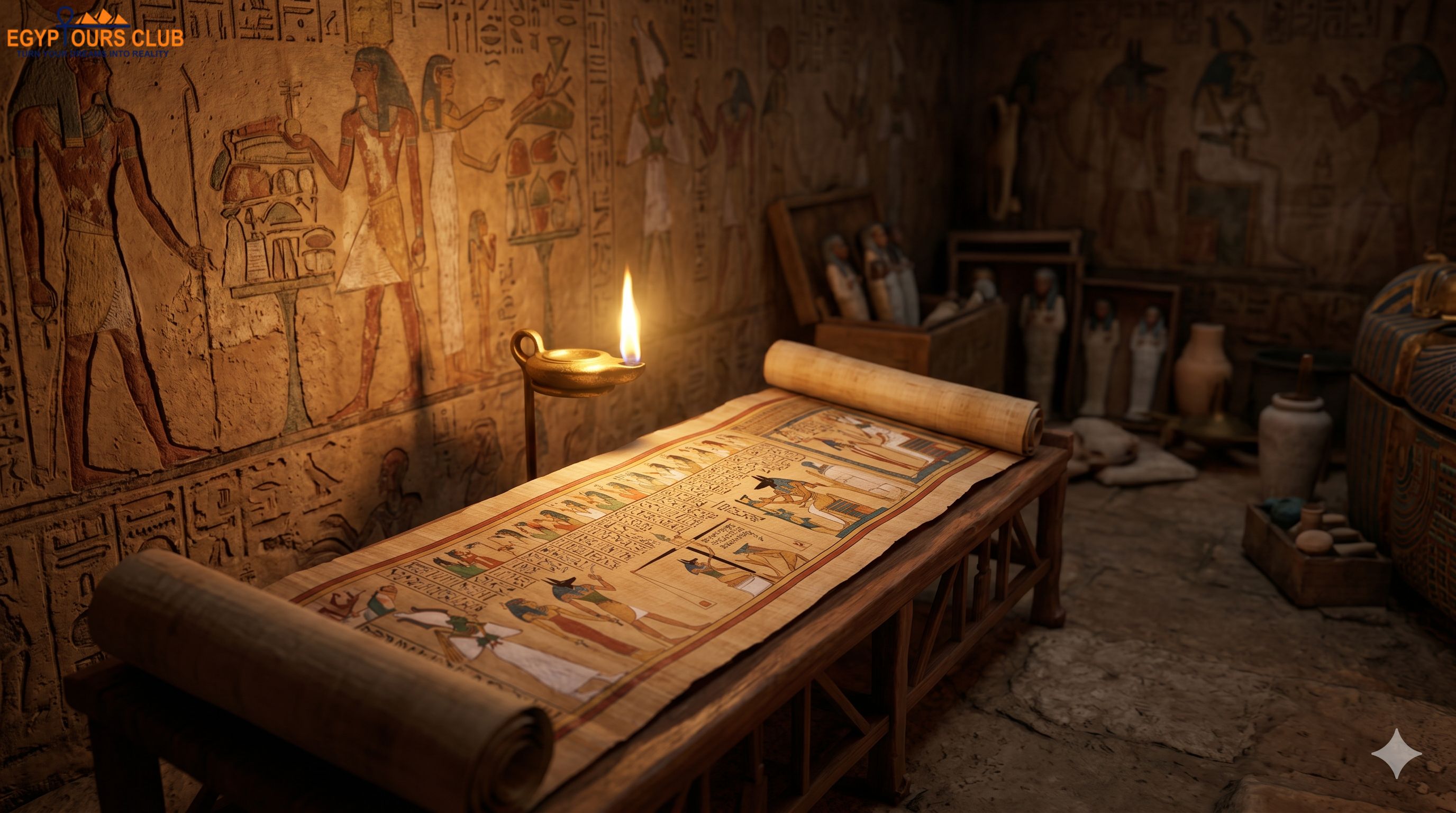
The Book of the Dead Explained: Meaning, Spells & Afterlife
Understand the collection of texts and images that helped the deceased navigate danger, judgment and rebirth.
Ancient Egyptians called this tradition the “Spells for Going Forth by Day.” Its purpose was practical and ritual: to preserve identity, provide knowledge, overcome obstacles and support transformation into an effective spirit.
What the Book of the Dead contains
Protective spells
Words of power guarded the deceased from dangerous beings, loss of breath, decay and other threats.
Transformation spells
The dead could symbolically take forms such as a falcon, lotus or divine being to gain freedom and power.
Maps and gate knowledge
Names of guardians, gates and regions provided the knowledge needed to move through the afterlife.
Judgment scenes
The famous weighing of the heart tested whether the deceased had lived in accordance with maat—truth and order.
The afterlife journey explained
Preserve body and identity
Mummification, names, images and ritual protected the person’s physical and social existence.
Enter the divine realm
Spells helped the deceased pass gates, recognize gods and avoid hostile forces.
Face the weighing of the heart
The heart was balanced against the feather of Maat before Osiris and a divine tribunal.
Achieve renewed life
A successful deceased joined the gods, traveled with the sun and enjoyed an idealized Field of Reeds.
Key ideas and where to see them
Spell 125 — negative confessions
The deceased declared they had avoided wrongdoing before divine assessors during judgment.
The heart scarab
An amulet could ask the heart not to testify against its owner during the trial.
Papyrus of Ani
One of the best-known illustrated copies preserves a detailed sequence of texts and vignettes.
.jpeg)
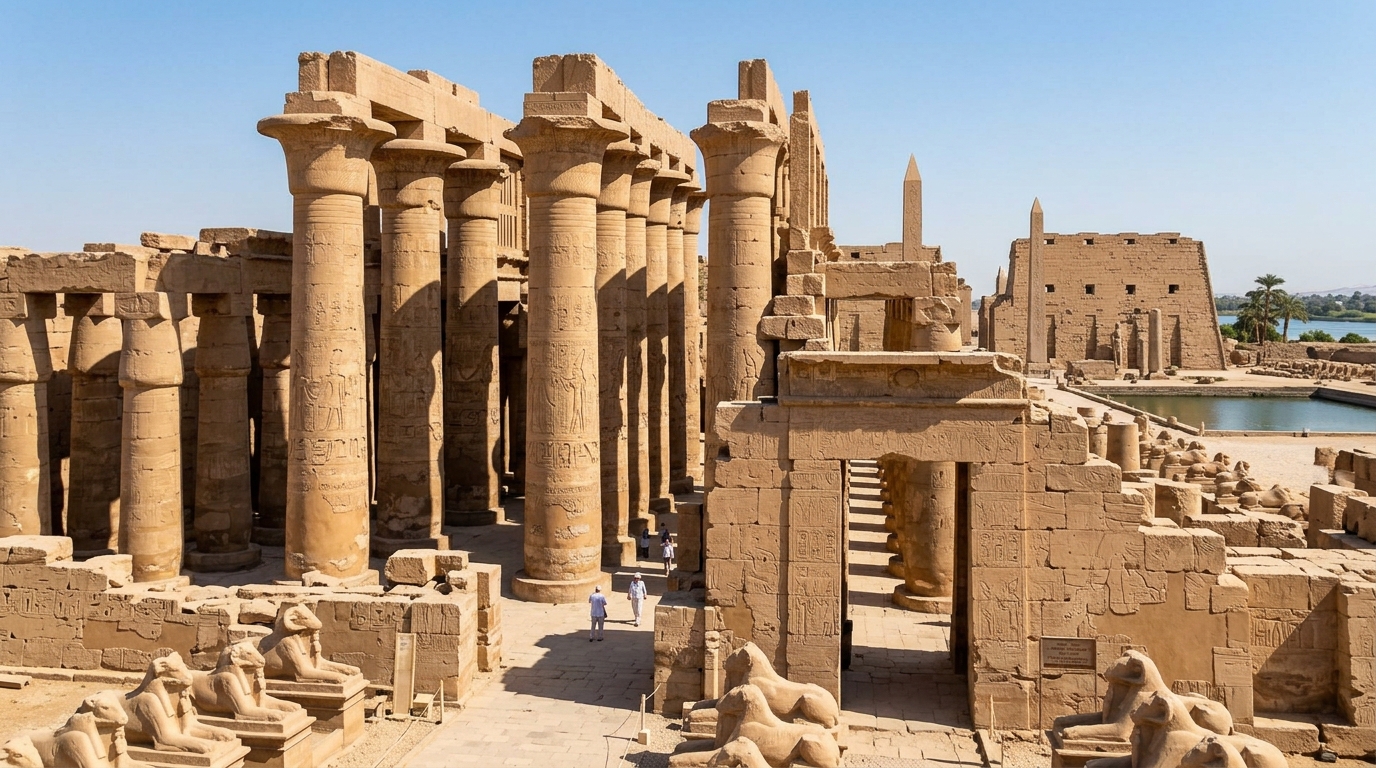
Royal tombs in Luxor
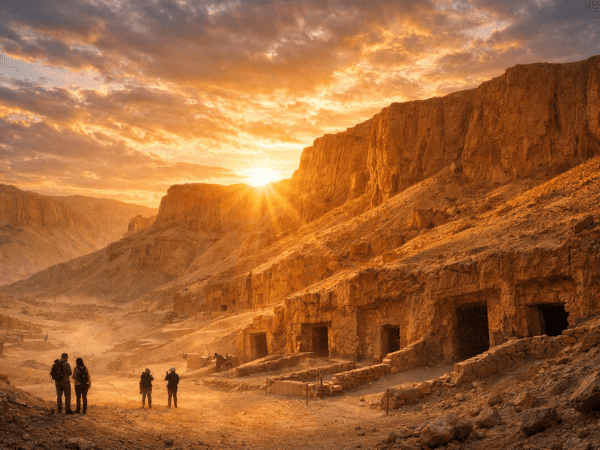
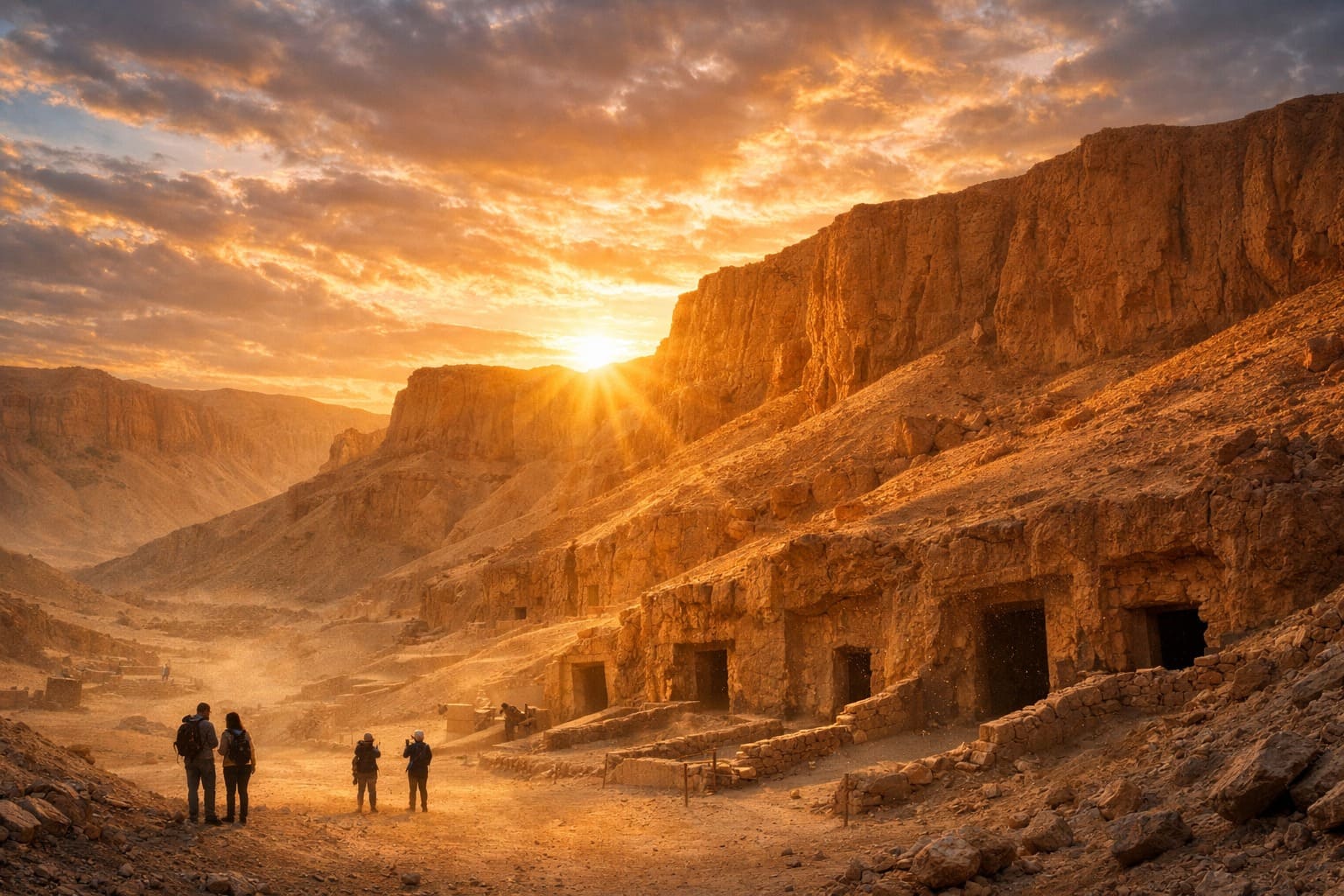
Earlier and parallel royal funerary books appear on tomb walls with journeys of the sun god through night.
Egyptian museums
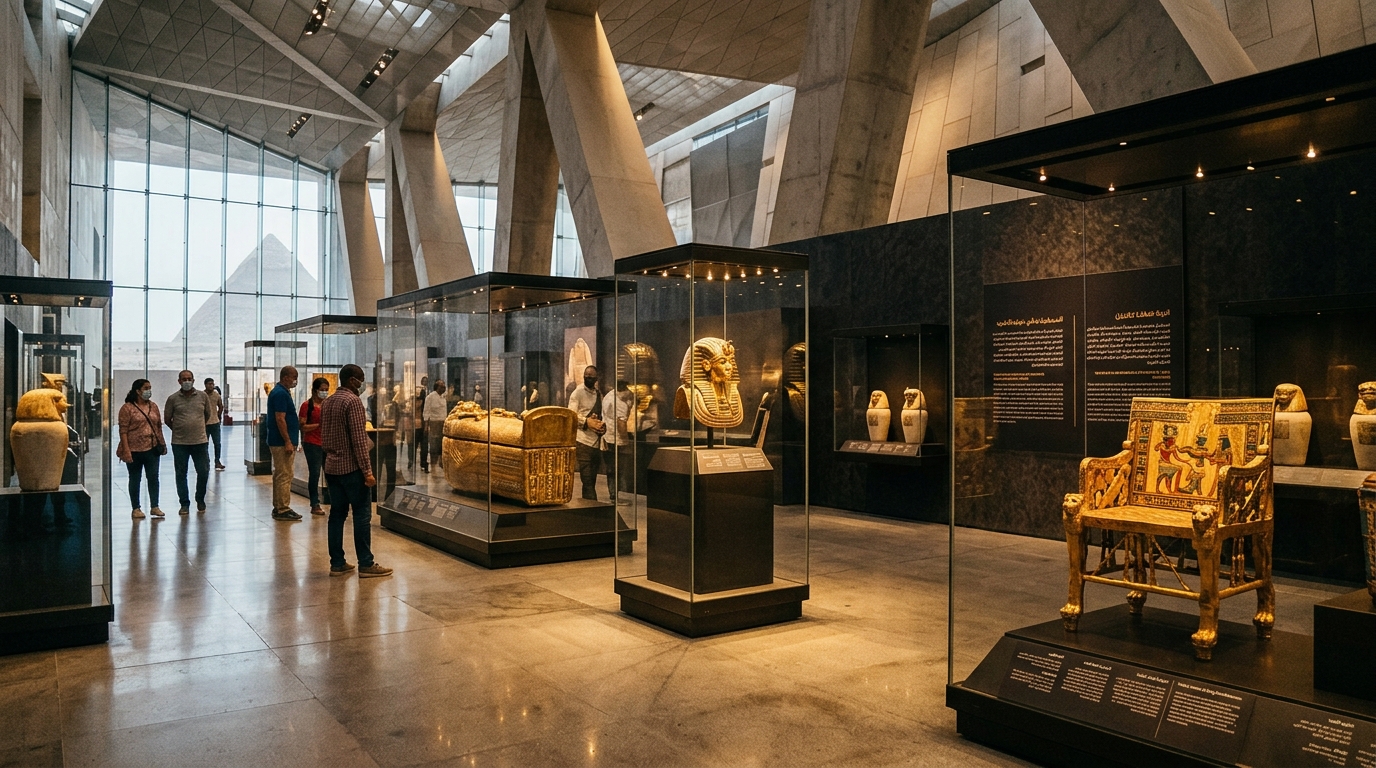
Papyrus fragments, coffins, shabtis and amulets show how text and ritual objects worked together.
Frequently asked questions
Who wrote the Book of the Dead?
It developed from generations of priests, scribes and earlier funerary traditions rather than one author.
Was there one standard version?
No. Copies contain different spell selections, sequences and illustrations.
What happened if the heart failed the test?
In the symbolic judgment scene, the devourer Ammit threatened the failed heart, denying continued blessed existence.
Could everyone own a copy?
Access broadened over time, but elaborate papyri were costly and varied according to resources.
Where can I see an original?
Major Egyptian and international museums display papyri and related funerary objects; tombs preserve connected texts and images.
Decode Egypt’s afterlife beliefs with an expert
Explore tombs, papyri and ritual objects with an Egyptologist who connects each spell to its original context.
Plan My Ancient Egypt Tour