

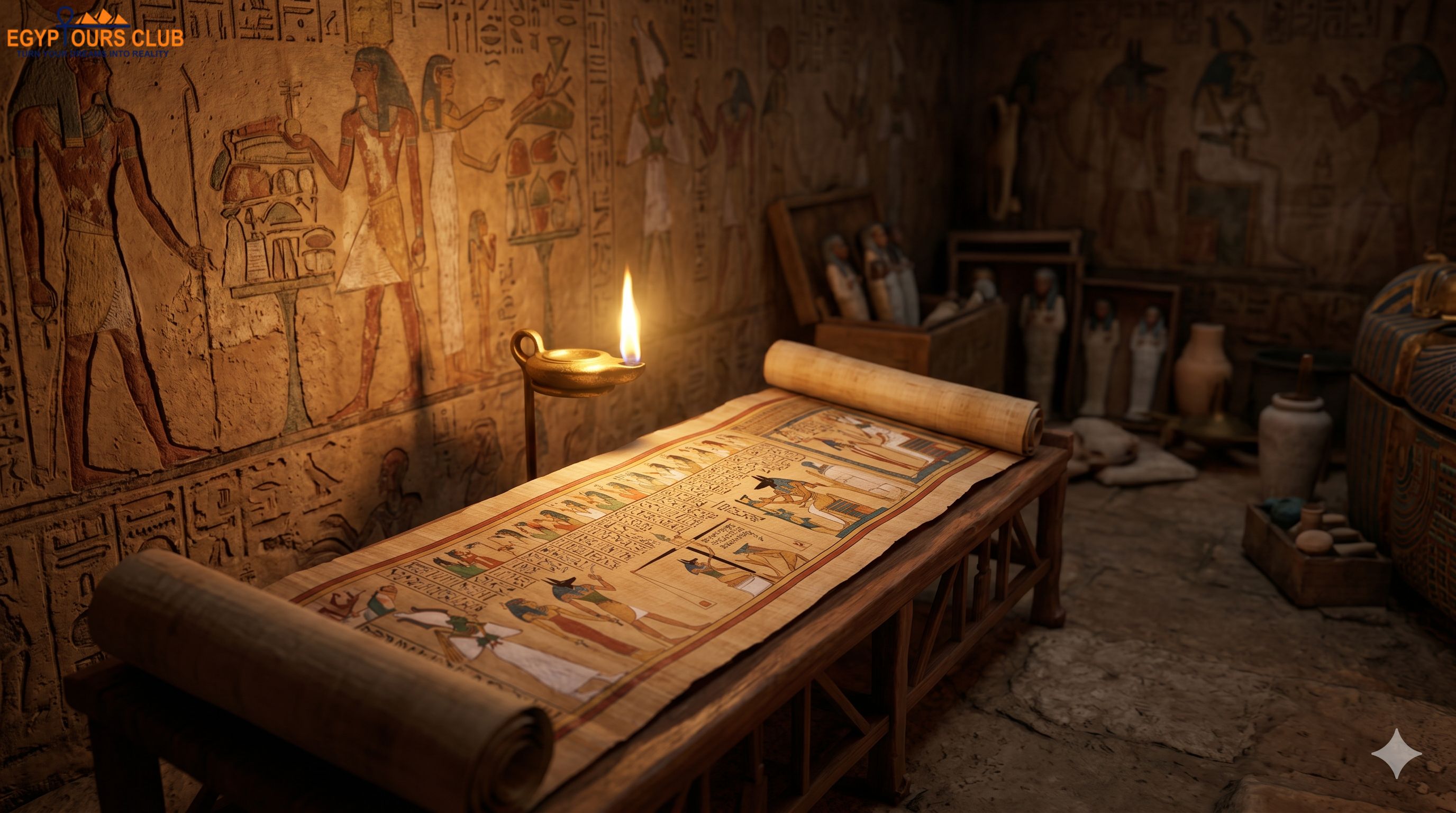
The Book of the Dead was not a single “book” in the modern sense. It was a powerful collection of ancient Egyptian funerary spells, prayers, images, and sacred instructions created to help the dead survive the afterlife and reach eternal life.
Introduction: What Makes the Book of the Dead So Famous?
The Egyptian Book of the Dead is one of the most famous texts from ancient Egypt, yet it is also one of the most misunderstood. Many readers imagine it as one fixed book, written by one author, with one official version. The reality is more interesting.
The Book of the Dead was a flexible tradition of Egyptian funerary texts. Different copies could include different spells and illustrations, depending on the period, the owner, and the resources available. Its purpose was practical and spiritual: to guide, protect, and empower the deceased in the dangerous journey through the ancient Egyptian afterlife.
This guide gives you the Book of the Dead explained simply, including its meaning, purpose, spells, papyrus scrolls, famous weighing of the heart scene, and relationship to earlier Coffin Texts.
Quick Answer: What Is the Book of the Dead?
If you want the simplest answer, here it is:
Simple Definition
The Book of the Dead was an ancient Egyptian funerary text made up of spells and illustrations that helped the dead navigate the afterlife.
It was not entertainment, philosophy, or one fixed holy book. It was a sacred afterlife guide — a toolkit of words, images, and ritual knowledge designed to help the deceased pass gates, avoid dangers, speak before gods, and reach a blessed eternal existence.
| Topic | Simple answer | Why it matters |
|---|---|---|
| What is it? | A collection of afterlife spells. | It explains how Egyptians prepared the dead for eternity. |
| Was it one single book? | No, it existed in many versions. | Different copies could include different selections of spells. |
| Main material | Papyrus scrolls, tomb walls, and funerary objects. | It was both text and visual sacred art. |
| Main purpose | To guide and protect the dead. | It was a spiritual survival guide for the afterlife. |
| Famous scene | The weighing of the heart. | It shows judgment, truth, justice, and moral purity. |
What Was the Book of the Dead Used For?
The most important question after “what is it?” is: what was the Book of the Dead used for? The answer is that it helped the deceased survive the afterlife.
Protection
Spells protected the deceased from supernatural dangers and hostile beings.
Access
The dead needed the right words and names to pass gates and guardians.
Judgment
The text helped the deceased face judgment in the Hall of Truth.
Eternal Life
The goal was a blessed afterlife among the justified dead.
Sacred Knowledge
The spells gave the soul religious knowledge needed in the next world.
Transformation
Some spells helped the deceased transform, move freely, and join divine cycles.
In that sense, the Book of the Dead meaning in ancient Egypt was deeply practical. It was not only about belief; it was about preparation.
History of the Book of the Dead
The history of the Book of the Dead begins with older Egyptian funerary traditions. It did not appear suddenly. It developed from earlier texts used in royal and elite burials.
| Tradition | Where it appeared | How it connects |
|---|---|---|
| Pyramid Texts | Carved inside royal pyramids. | Early royal funerary spells and afterlife guidance. |
| Coffin Texts | Written on coffins and burial objects. | Expanded funerary knowledge beyond royal use. |
| Book of the Dead | Often written on papyrus scrolls and used in burials. | More flexible, illustrated, and personalized afterlife guidance. |
This is why the comparison Book of the Dead vs Coffin Texts is important. The Book of the Dead inherited older ideas but became more portable, visual, and adaptable.
Why Is the Book of the Dead Important?
The Book of the Dead is important because it opens a direct window into ancient Egyptian religion, burial beliefs, morality, divine judgment, and the visual culture of tombs and papyri.
It shows that the afterlife was not automatic. The dead needed knowledge, protection, purity, and the right sacred words. The journey after death had gates, guardians, trials, gods, dangers, and final judgment.
Why It Matters
The Book of the Dead is one of the strongest surviving sources for understanding how ancient Egyptians imagined death, judgment, immortality, and the soul’s journey into eternity.
What Does the Book of the Dead Say?
The question what does the Book of the Dead say is common, but the answer cannot be reduced to one line. The text includes many different types of sacred material:
- Prayers and invocations to gods.
- Magical protections against afterlife dangers.
- Instructions for passing gates and guardians.
- Declarations of innocence before divine judgment.
- Spells for protection, transformation, movement, and rebirth.
So Book of the Dead explained should always include both text and function. It was not only a document to read. It was a sacred instrument to use.
The Weighing of the Heart
One of the most famous parts of the Egyptian Book of the Dead is the weighing of the heart. In this scene, the heart of the deceased is weighed against the feather of Ma’at, the principle of truth, justice, and cosmic order.
If the heart is pure, the person may proceed to a blessed afterlife. If not, the soul faces destruction. This scene is often connected with Osiris judgment afterlife, because Osiris presides over the realm of the dead.
This one image explains why the Book of the Dead is central to ancient Egyptian burial beliefs: the afterlife was not only a destination; it was a test.
Book of the Dead Spells
The Book of the Dead spells had different purposes. Some protected the deceased, some gave sacred names, some helped the dead speak before gods, and others allowed transformation or safe passage.
| Spell purpose | Simple meaning |
|---|---|
| Protection | Guarding the body and soul from supernatural dangers. |
| Safe passage | Helping the deceased pass gates, regions, and guardians. |
| Judgment | Supporting the deceased during moral judgment before the gods. |
| Transformation | Allowing the deceased to move, change form, and join divine cycles. |
| Speech and knowledge | Giving the dead the right sacred words and names to use. |
Book of the Dead Papyrus
Many people picture the text as a scroll, and that is often accurate. A Book of the Dead papyrus was a physical funerary object placed with the dead, containing spells and images selected for the owner’s afterlife journey.
These papyri could be copied by scribes, illustrated with divine scenes, and placed in tombs or coffins. Their beauty is part of their importance: they are religious texts, ritual objects, and works of art at the same time.
Book of the Dead vs Coffin Texts
The comparison Book of the Dead vs Coffin Texts helps explain Egyptian funerary literature more clearly.
| Book of the Dead | Coffin Texts |
|---|---|
| Later funerary tradition. | Earlier funerary tradition. |
| Often written on papyrus scrolls. | Often written on coffins. |
| More flexible and personalized. | More tied to coffin and burial object surfaces. |
| Famous for illustrated papyri. | Famous for inscribed funerary texts. |
| Used widely in later periods. | Important in earlier Middle Kingdom contexts. |
Book of the Dead Facts
| Fact | Simple explanation |
|---|---|
| Not one fixed book | Different copies could include different spells and images. |
| Funerary purpose | It was made to help the dead survive the afterlife. |
| Often on papyrus | Many copies were written and illustrated on scrolls. |
| Famous judgment scene | The weighing of the heart is one of its best-known images. |
| Key religious source | It reveals Egyptian beliefs about death, morality, gods, and eternity. |
Is the Book of the Dead a Real Book?
The best answer is: yes and no.
Yes, because real papyrus copies survive and can be studied in museums and collections. No, because it was not one standard book written by one author with one official fixed edition.
Instead, the Egyptian Book of the Dead was a flexible collection of sacred texts that could vary from one copy to another. That is why the modern title can be misleading if readers imagine a single bound volume.
Where Travelers Can Understand the Book of the Dead in Egypt
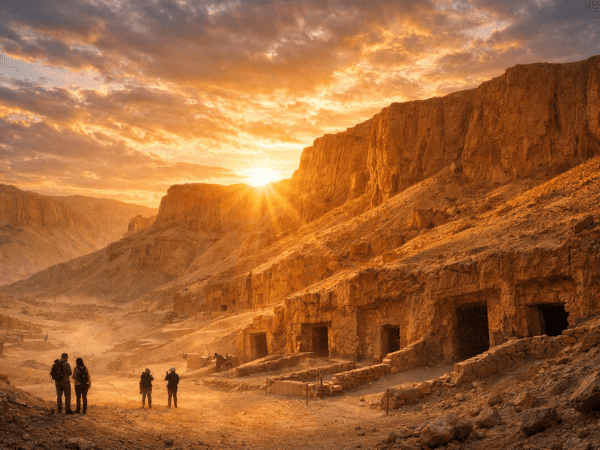
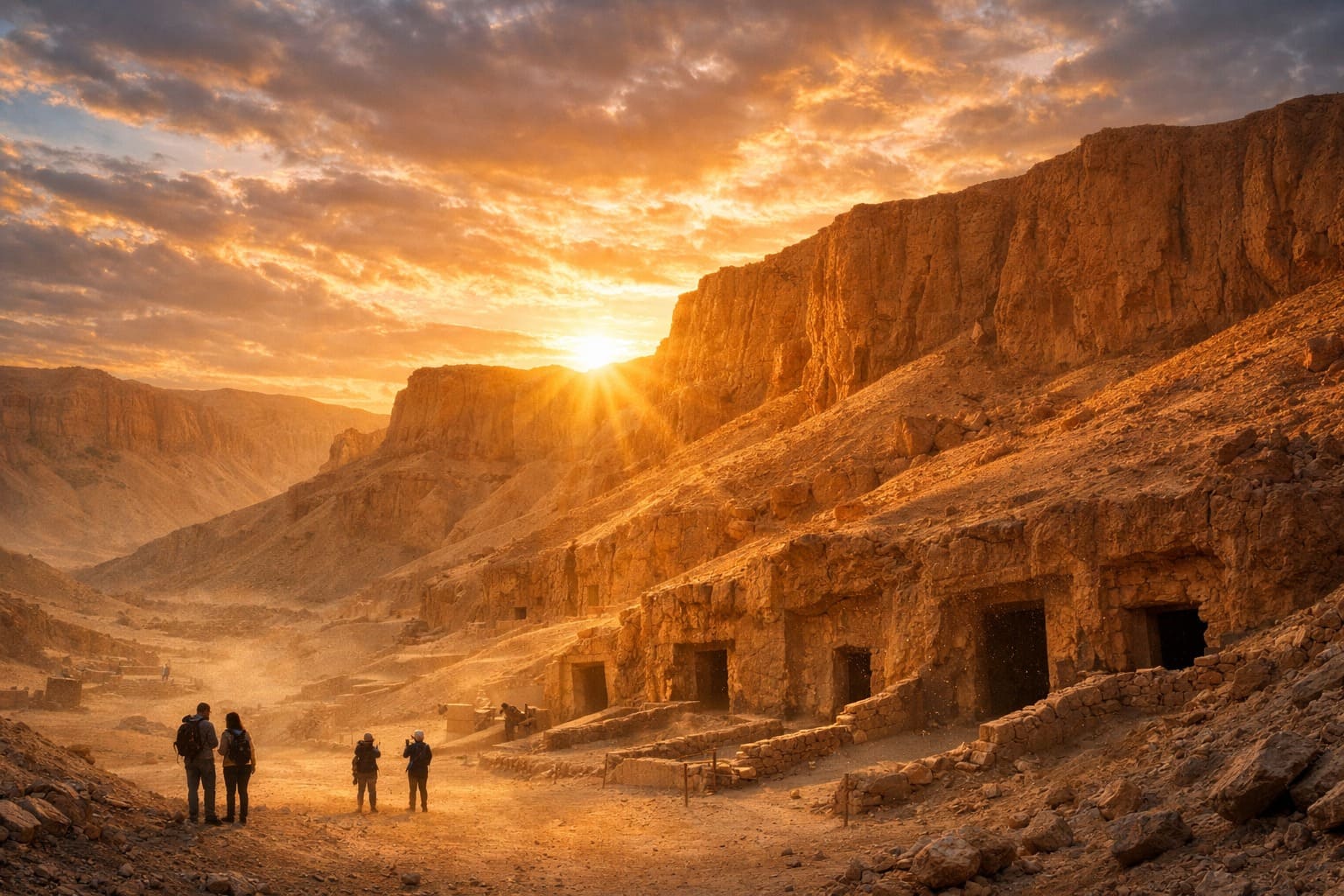
Travelers can connect the Book of the Dead to real places and objects in Egypt. The strongest experiences are tombs, museum collections, and sites connected to afterlife belief.
Valley of the Kings
Best for royal tomb decoration, afterlife books, solar journeys, and painted corridors.
Read Valley of the Kings Guide →Grand Egyptian Museum
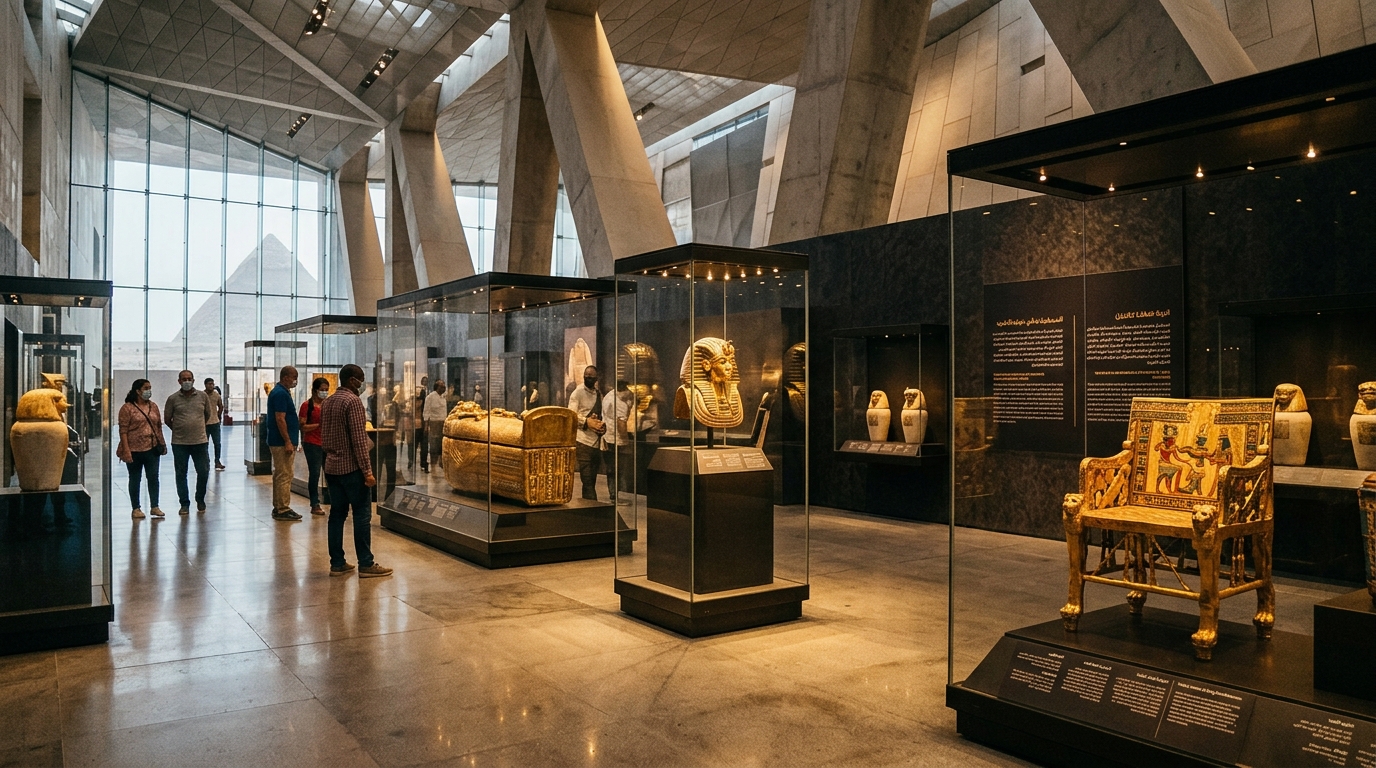
Best for understanding funerary objects, royal burial culture, and ancient Egyptian religion.
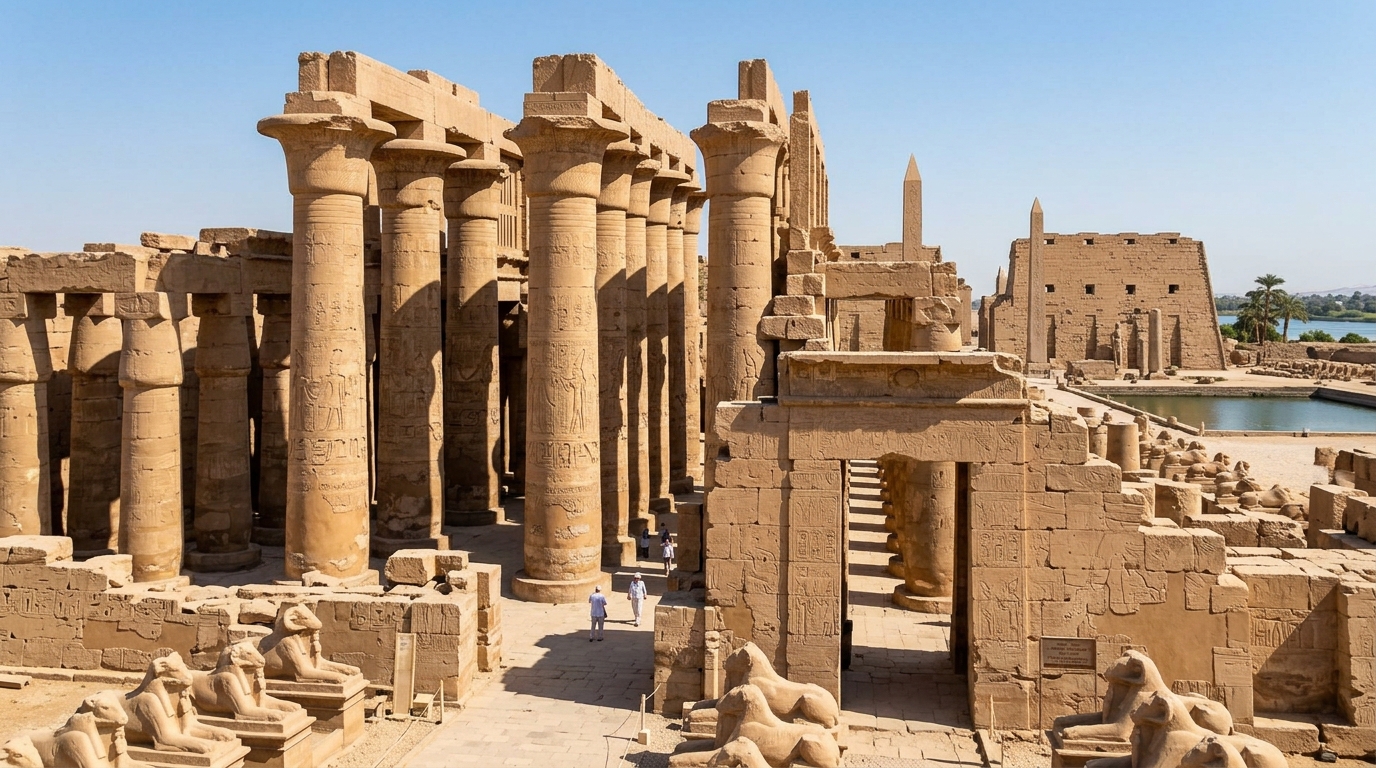
Read GEM Guide →Luxor West Bank
Best for tombs, funerary temples, afterlife symbolism, and royal burial landscapes.
Explore Luxor Day Tours →Valley of the Queens
Best for vivid tomb art and a deeper look at royal afterlife imagery.
Read Valley of the Queens Guide →Explore More on Egypt Tours Club
Continue your journey through ancient Egyptian religion, tombs, symbols, and afterlife beliefs.