


The History and Cultural Significance of the Light and Sound Show at the Pyramids of Giza
A nighttime cultural experience that combines ancient monuments, storytelling, music and modern lighting to present the history of the Giza Plateau in a different way.
Mid-20th centuryGreat Sphinx narrator4,500+ yearsNighttime experienceThe Light and Sound Show at the Pyramids of Giza is more than an evening performance. The article presents it as a cultural experience designed to make ancient Egyptian history accessible through narration, music and carefully choreographed lighting.
Why the show has cultural value
A Cultural Attraction Since the Mid-20th Century
The concept was created to make ancient Egyptian history engaging and accessible through narration, music and lighting rather than static observation.
The Great Sphinx Tells the Story
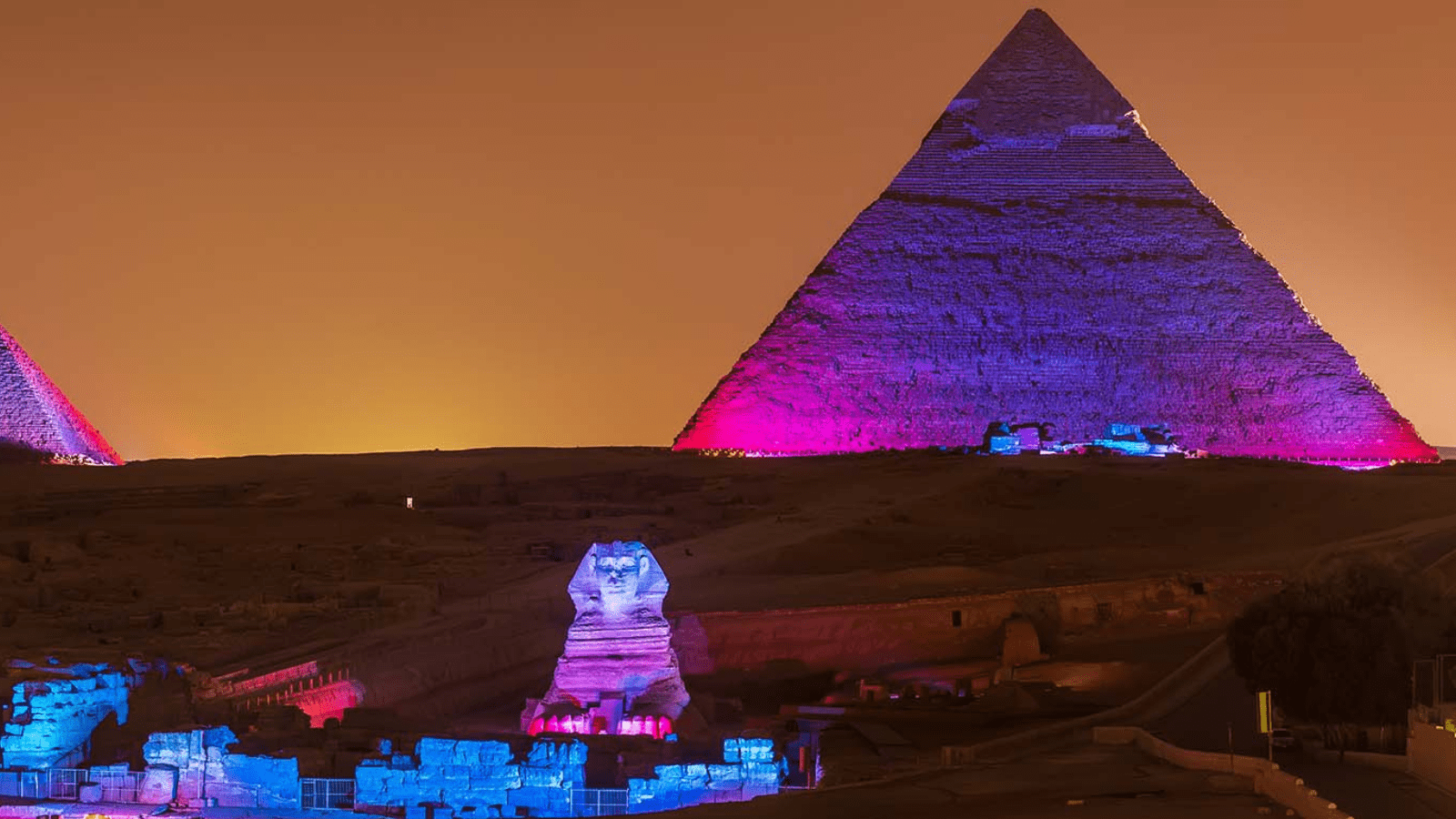
The Sphinx acts as the narrator, recounting the stories of Khufu, Khafre and Menkaure and connecting visitors emotionally to the pyramid builders.
Ancient Monuments, Modern Presentation
Lighting projections, synchronized sound and music transform monuments more than 4,500 years old into a nighttime cultural stage.
From Monument Viewing to Historical Storytelling
The show developed into one of Cairo’s recognized cultural attractions.
Its purpose was to make ancient history easier to engage with.
Storytelling is central to the experience.
Visual effects help shape the narrative.
The Great Sphinx as the Voice from the Past
One of the show’s most distinctive ideas.
The story includes the builder associated with the Great Pyramid.
Another major royal figure in the Giza narrative.
The third major pyramid king featured.
The storytelling connects visitors with the builders and beliefs behind the monuments.
Kingship, Immortality and Divine Order
The show explains the central role of the pharaoh.
The pyramids are presented within beliefs about eternal life.
Ancient Egyptian religious ideas shape the narrative.
The storytelling adds meaning beyond architecture alone.
Blending Ancient History with Modern Technology
Designed to emphasize architectural details.
Night lighting reveals features that may be overlooked by day.
Sound effects strengthen the atmosphere.
The score adds emotional weight.
The Giza Plateau becomes part monument, part performance space.
Why the Evening Show Complements a Daytime Visit
Day tours focus on archaeology, walking and photography.
The show focuses more on storytelling and historical context.
Visitors see familiar monuments in a new visual setting.
The article says the evening narrative can deepen understanding after a daytime visit.
Who Will Appreciate the Experience Most
Useful for travelers wanting an introduction to Giza’s historical meaning.
The evening atmosphere is presented as a romantic option.
The storytelling adds cultural depth.
The show combines heritage, performance and atmosphere.
It offers another way to engage emotionally with ancient Egypt.
Why the Experience Remains Timeless
Storytelling, light and sound remain the core ingredients.
The pyramids and Sphinx give the show unmatched context.
The article emphasizes the stillness and atmosphere of the evening.
The experience continues to attract visitors from around the world.
Frequently asked questions
When was the Light and Sound Show introduced?
The article says it was launched in the mid-20th century.
Who narrates the show?
The Great Sphinx is presented as the storyteller.
Which pharaohs are featured?
Khufu, Khafre and Menkaure.
What themes does the show explain?
Kingship, immortality, divine order and the beliefs connected with the pyramids.
How does technology contribute to the experience?
Lighting projections, synchronized sound and music highlight the monuments and create a stronger emotional atmosphere.
Does the show replace a daytime pyramids tour?
No. The article presents it as a complementary evening experience that adds reflection and storytelling after daytime exploration.
Experience the Giza Story After Dark
Add the Light and Sound Show to a Cairo itinerary for a different cultural perspective on the pyramids.
View the Light and Sound Show Tour