


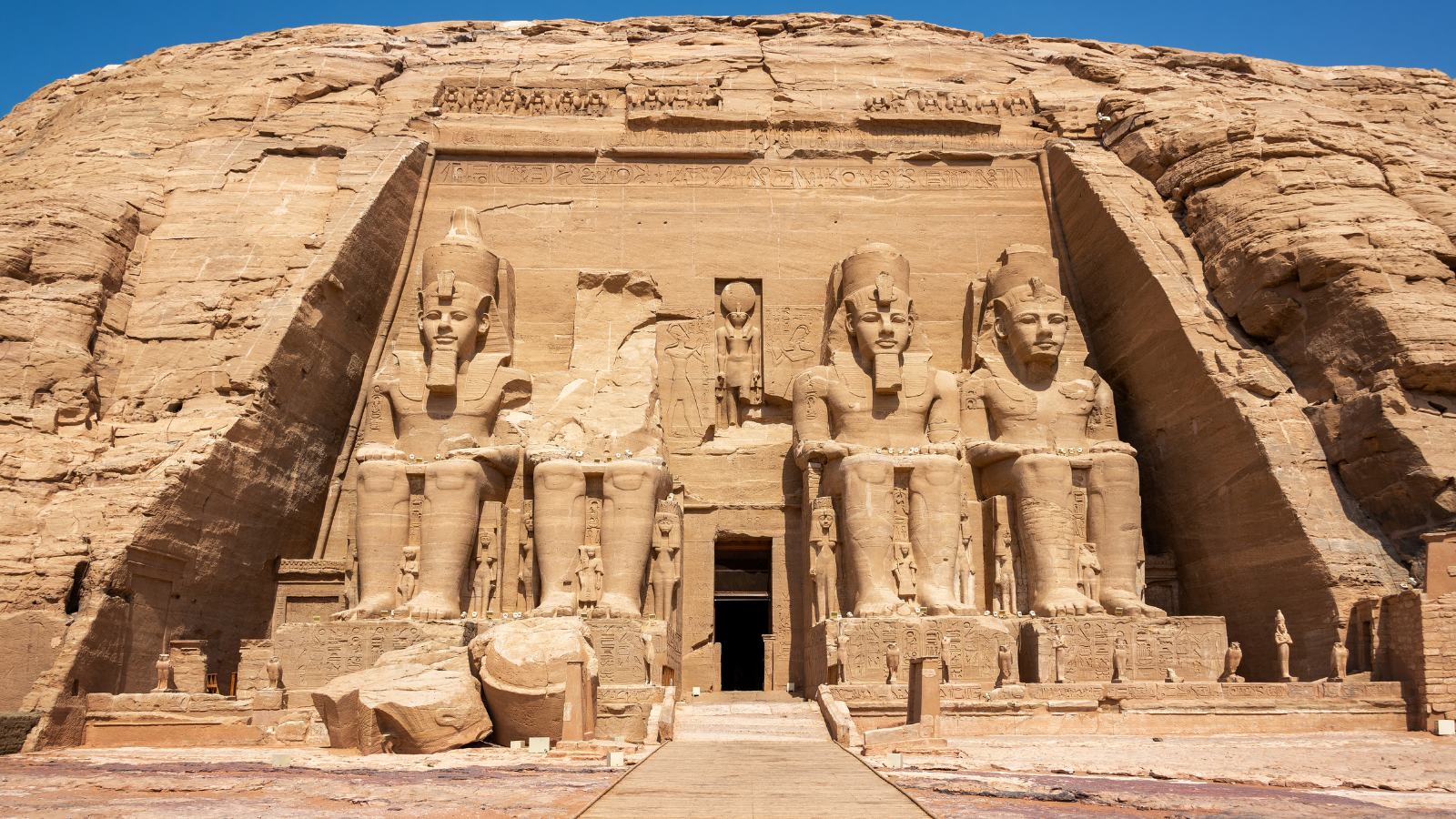
The Timeless History Behind an 8-Day Nile Cruise from Aswan
A slower journey through Upper Egypt that follows the Nile from Aswan toward Luxor while connecting temples, royal history and river life into one continuous story.
8-day cruiseAswan to LuxorPhilae-Kom Ombo-EdfuKarnak-Valley of the KingsThe article presents the Nile as more than a transport route. It is the thread that links southern Egypt, temple culture and royal history, while the longer cruise format gives travelers time to absorb both the monuments and the river landscape.
Why the 8-day journey feels different
Aswan Sets the Historical Foundation
The journey begins in a city that served as Egypt’s southern gateway to Nubia and supplied granite for major temples and monuments.
The Nile Becomes a Living Museum
Longer sailing time creates space to observe riverbanks, villages and landscapes instead of treating the river only as transport.
Luxor Completes the Story
Karnak and the Valley of the Kings bring the journey to its historical peak, with enough time to appreciate scale and significance.
Aswan: Gateway to Nubia and Southern Egypt
The article highlights Aswan’s importance on Egypt’s southern frontier.
Its position connected Egypt with lands farther south.
Stone from Aswan was used in temples and monuments across Egypt.
The temple of Isis links religion, mythology and architecture.
Aswan establishes the context for the rest of the cruise.
The Nile as a Living Museum
The longer itinerary gives the river time to become part of the experience.
Green landscapes contrast with the desert beyond.
The article highlights scenes that preserve a sense of continuity.
Sailing time balances the historical excursions.
The journey feels connected rather than fragmented.
Kom Ombo and Edfu: Temples Along the River
The temple is uniquely dedicated to Sobek and Horus.
The double dedication reflects ancient Egyptian ideas of balance.
The article describes it as remarkably preserved.
Edfu offers insight into ritual and ceremonial life.
Carvings and inscriptions become part of a historical narrative.
Luxor: The Historical Culmination
Represents centuries of pharaonic ambition.
Reveals royal burial traditions.
Luxor is presented as a city where history dominates the landscape.
The 8-day format reduces pressure on major site visits.
The article emphasizes appreciating these places without rushing.
History and Comfort Together
The article links the 8-day cruise with a refined travel style.
Part of the longer cruise experience.
Historical interpretation is built into the itinerary.
Travelers wake up surrounded by the same river that shaped Egypt’s history.
Comfort supports, rather than replaces, the historical focus.
Why the Longer Cruise Is More Meaningful
The article argues that the goal is understanding Egypt.
Extra days give the route a stronger narrative flow.
The journey connects regions into one story.
Key reasons the article recommends the longer format.
The route is designed around time, context and reflection.
Frequently asked questions
Why start the cruise in Aswan?
Because Aswan was Egypt’s southern gateway to Nubia and an important source of granite for temples and monuments.
Which major temples are highlighted along the route?
Philae, Kom Ombo, Edfu and Karnak.
What makes Kom Ombo unusual?
It is dedicated to two gods, Sobek and Horus, reflecting ideas of balance and duality.
Why is Edfu important?
The article describes it as remarkably preserved and valuable for understanding Ptolemaic worship and ceremonial life.
What are the major Luxor highlights?
Karnak Temple Complex and the Valley of the Kings.
Why choose an 8-day cruise instead of a shorter one?
The extra days allow a slower pace, more sailing time and deeper historical understanding.
Experience the Nile as a Historical Journey
Follow Aswan, Philae, Kom Ombo, Edfu and Luxor in one relaxed 8-day cruise through Upper Egypt.
View the 8 Days Nile Cruise from Aswan