


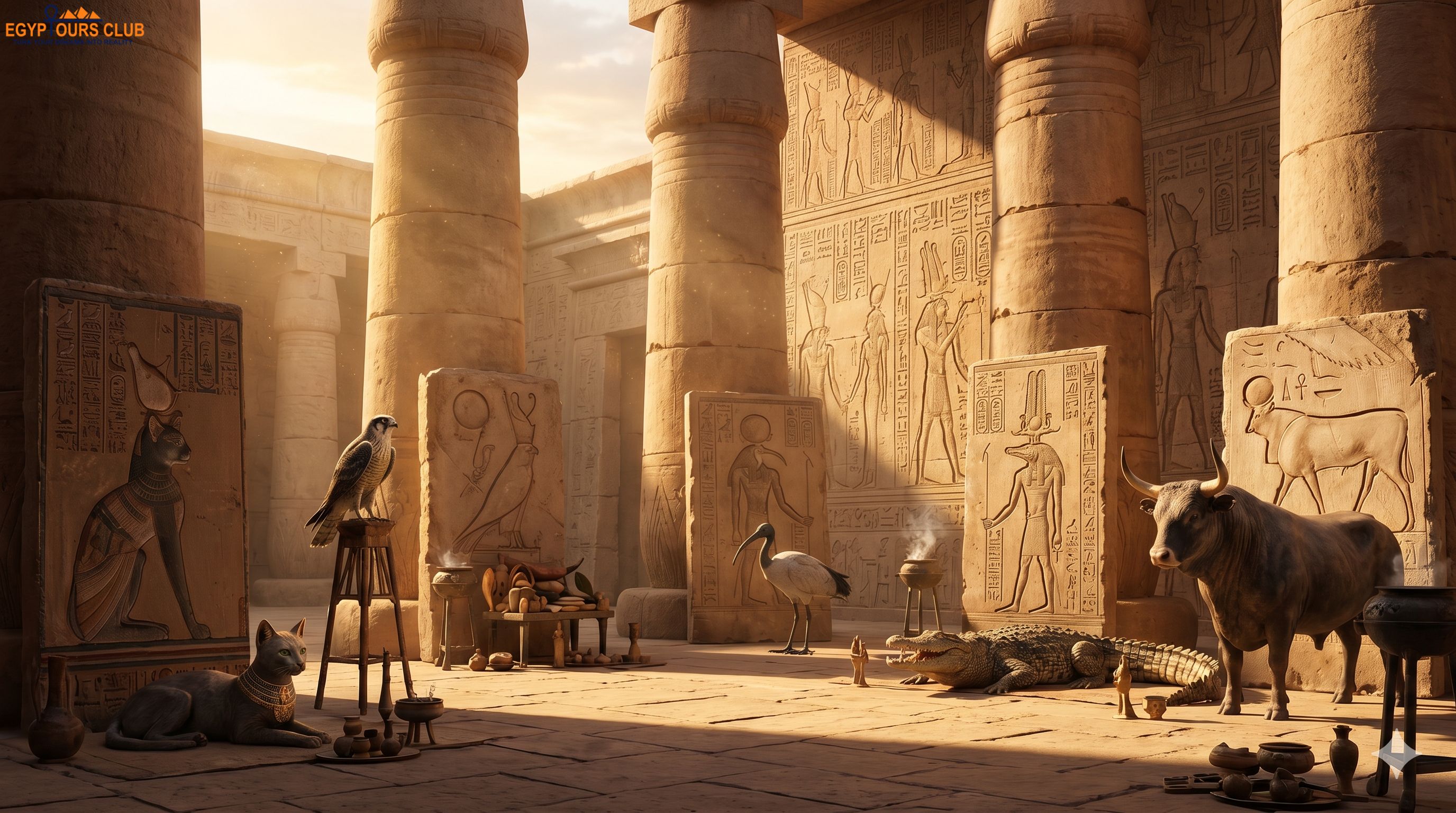
Why Ancient Egyptians Worshipped Animals: Gods & Symbolism
Understand why animal forms expressed divine powers rather than simple worship of ordinary creatures.
Ancient Egyptian religion used animal imagery to make invisible divine forces understandable. A falcon could express sky and vision, a lioness destructive power and protection, and a jackal the dangerous boundary of the cemetery.
Famous sacred creatures and gods
.jpeg)
Cats and Bastet
Cats became associated with protection, fertility and domestic well-being, while Bastet developed from a lioness deity into a gentler feline form.
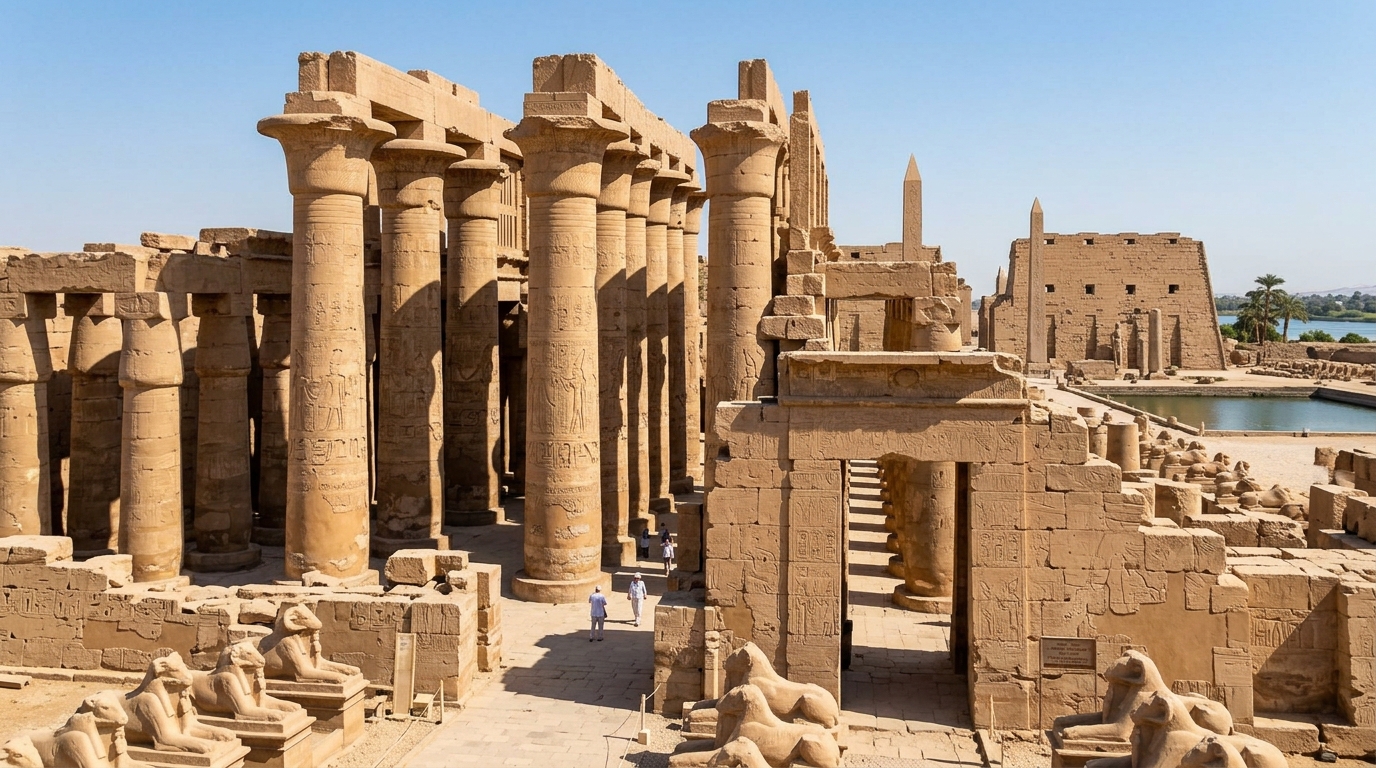
Falcons and Horus
The falcon expressed the sky, royal vision and kingship; Horus was closely connected with the living pharaoh.
Jackals and Anubis
Desert canids near cemeteries inspired a guardian who protected burial, embalming and the passage of the dead.
Crocodiles and Sobek
The Nile crocodile embodied danger, strength, fertility and protective power in centers such as the Faiyum and Kom Ombo.
How animal symbolism worked
Animal heads communicate qualities
Hybrid divine images combine a human body with an animal feature to express identity and power.
Some living animals were sacred
Selected animals could be recognized as manifestations of a deity and cared for within a temple institution.
Mummified animals had several roles
They could be votive offerings, sacred individuals, food offerings or companions—not one single practice.
Regional cults mattered
A species important in one city might have a different status elsewhere, and divine roles changed over time.
More animals and where to see them
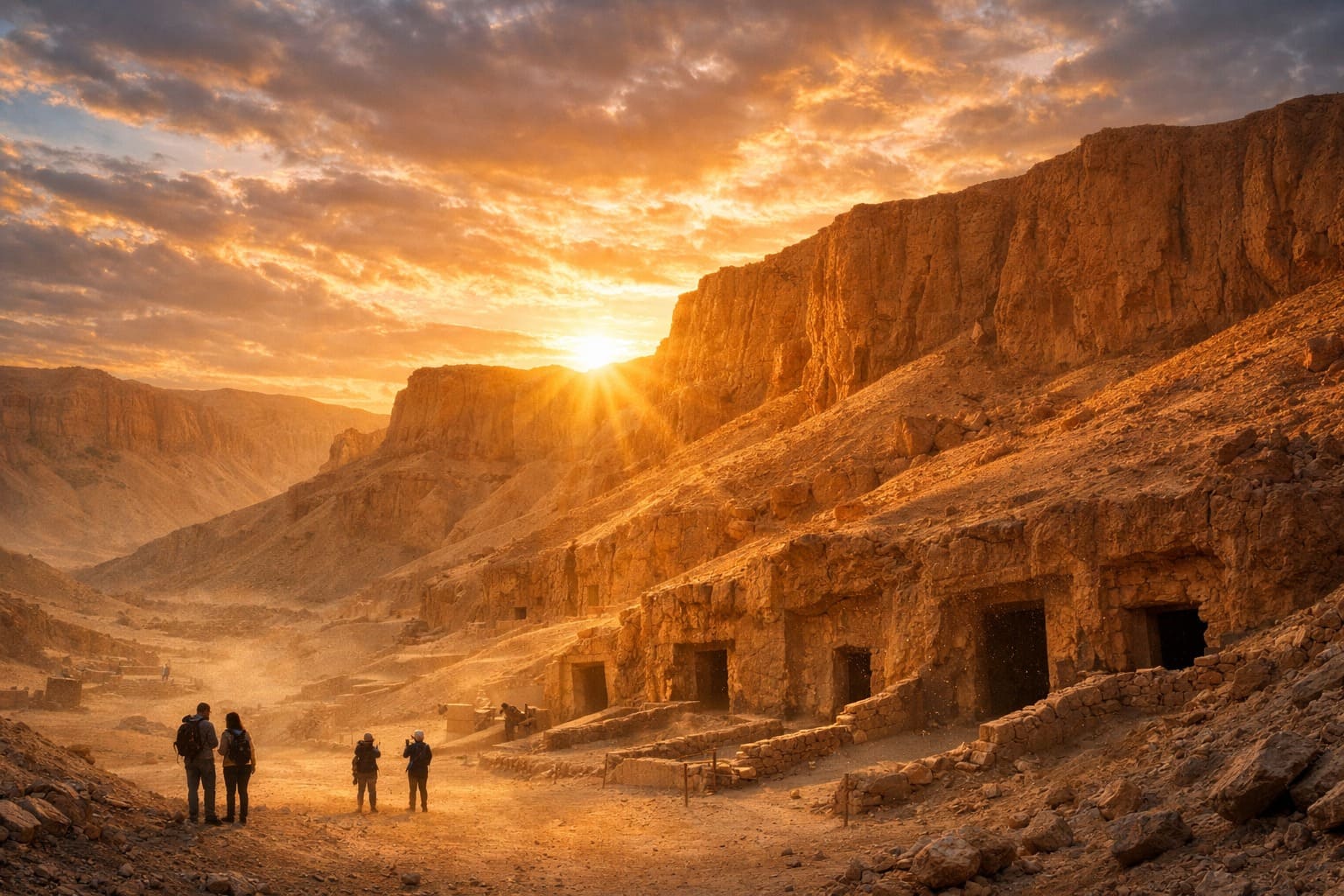
Apis bull — Memphis and Saqqara
A selected bull embodied Ptah and later had connections with Osiris-Apis; the Serapeum preserved monumental burials.
Ibis and baboon — Thoth
Both represented aspects of Thoth, god of writing, wisdom, measurement and the moon.
Lioness — Sekhmet
Sekhmet expressed fierce solar power, protection, disease and healing; many statues survive in Luxor collections.
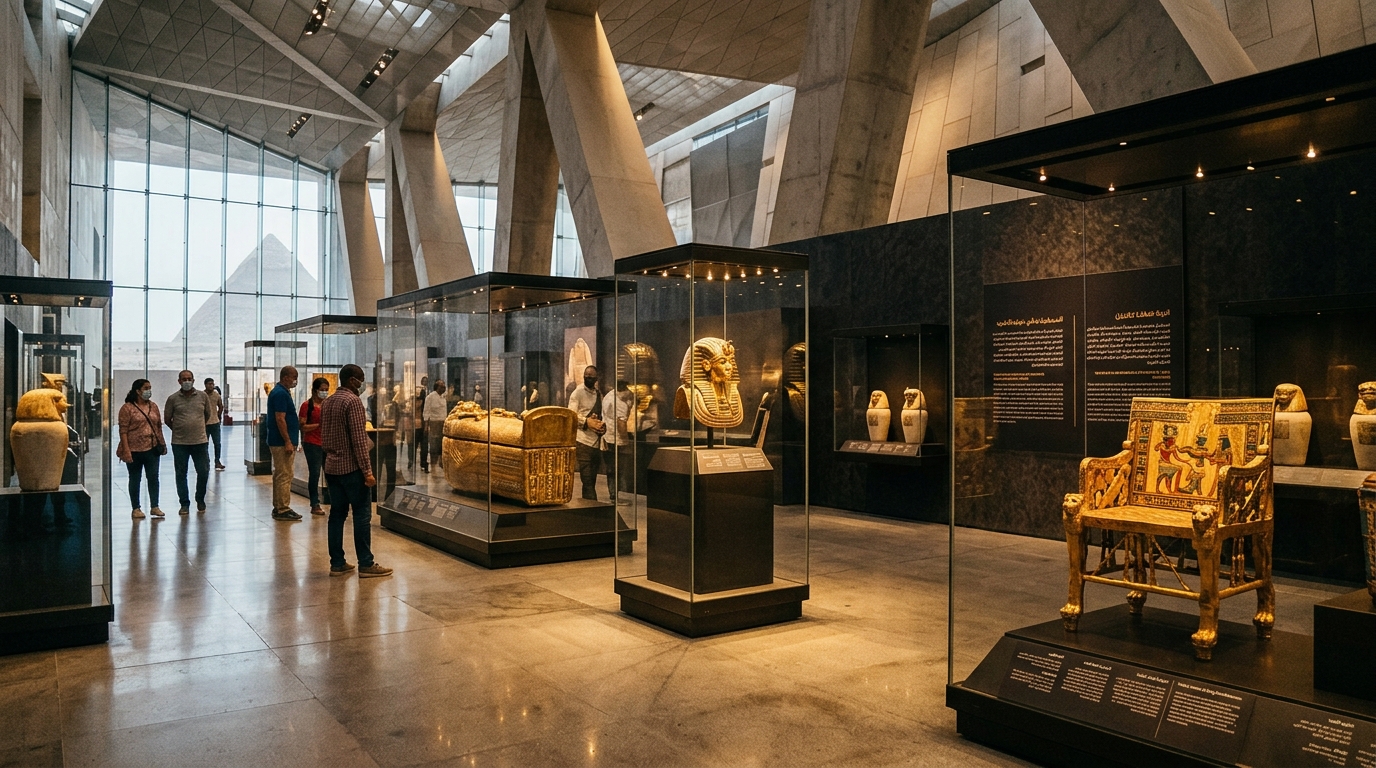
Cow — Hathor
The cow and horned solar imagery represented maternal care, love, music and the sky goddess Hathor.
Ram — Amun and Khnum
Ram imagery could represent creative force and particular gods, with meaning depending on horn shape and context.
Frequently asked questions
Did Egyptians worship all cats?
No. Cats were valued and associated with divine protection, but the cult of Bastet was more complex than worshipping every household cat.
Why did gods have animal heads?
Animal features visually communicated divine powers, environments and behaviors while the human body allowed ritual action.
Why were animals mummified?
Reasons included votive offerings, sacred individuals, food for the dead and beloved companions.
Were crocodiles feared or worshipped?
Both fear and reverence could coexist; Sobek’s cult transformed dangerous power into divine protection and fertility.
Where can I see sacred animal evidence?
Museums, Saqqara’s animal catacombs, Kom Ombo, Dendera, Philae and temple reliefs across Egypt provide evidence.
Explore Egyptian gods through their symbols
Visit temples, museums and sacred-animal sites with an Egyptologist who explains each image in context.
Plan My Mythology Tour