

Hawara Pyramid, Egypt | Amenemhat III Guide | Egypt Tours Club
Hawara Pyramid, Egypt . banner

Hawara Pyramid, Egypt

ETC Egypt Tours ClubLicensed local planning · Egyptologist-guided routes
Hawara Pyramid of Amenemhat III in Fayoum

Amenemhat III · Fayoum

Complete Travel Guide to the Hawara Pyramid

Explore Amenemhat III’s mud-brick pyramid, the legendary Labyrinth, a monolithic quartzite burial chamber, ingenious security passages and Hawara’s wider archaeological landscape.

Quick Travel Answer

What is the Hawara Pyramid?

The Hawara Pyramid is the royal tomb of Amenemhat III, built during the 12th Dynasty at the entrance to Fayoum. Its mud-brick core, complex anti-robbery passages, massive quartzite burial vault and adjoining mortuary temple made it one of the Middle Kingdom’s boldest funerary complexes.

Hawara at a glance

Location
El Hawara, Fayoum
Builder
Amenemhat III
Period
12th Dynasty
Suggested visit
1.5–2 hours

Why it matters

The complex connects 12th-Dynasty engineering with the famous temple traditionally identified as the Labyrinth, later cemeteries and the long archaeological history of Fayoum.

Explore the UCL Hawara resource →

Labyrinth and Archaeology

Top things to see at the Hawara Pyramid

Follow the site from its eroded mud-brick core and legendary mortuary temple to the sealed burial system, royal family burials and later Hawara cemetery.

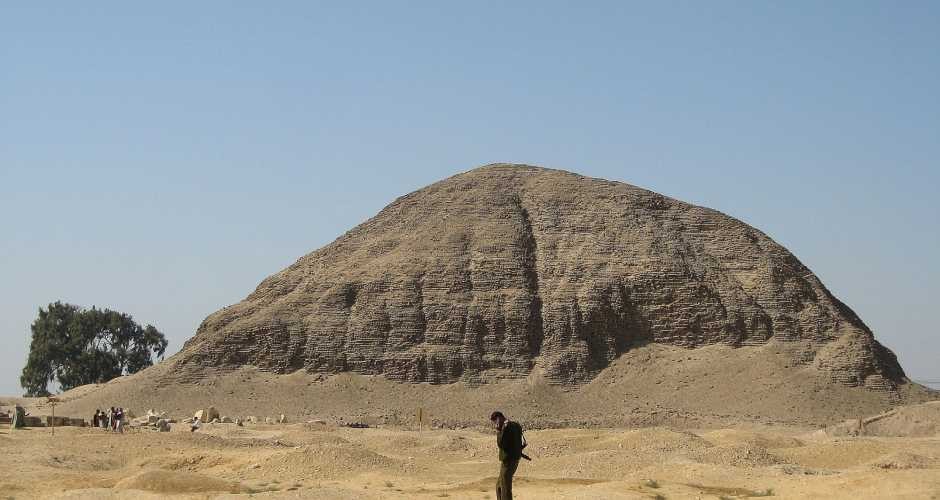
Mud-brick core of Amenemhat III’s Hawara Pyramid
Mud-Brick Engineering

Amenemhat III’s Mud-Brick Pyramid

Period
12th Dynasty
Focus
Mud brick and limestone casing

Amenemhat III’s builders created a dense mud-brick core originally faced with fine limestone. Stripped casing and centuries of erosion produced the rounded, mountain-like profile visible today.

Study the Hawara complex →
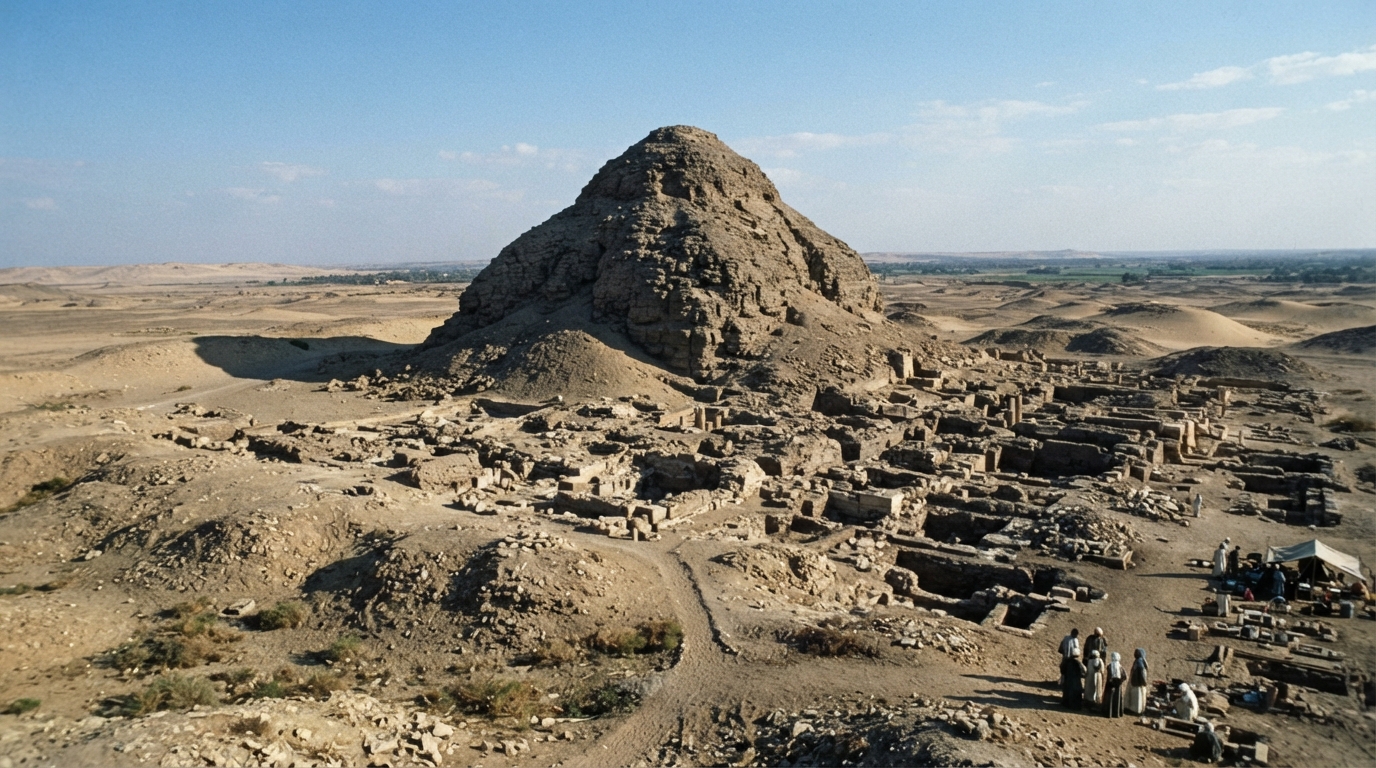
Ruins and foundations of the Hawara Labyrinth
Classical Wonder

The Legendary Labyrinth

Period
Mortuary temple complex
Focus
Courts and chambers

South of the pyramid stood an enormous mortuary temple praised by Herodotus and Strabo. Its foundations and scattered fragments are associated with the complex later known as Egypt’s Labyrinth.

Explore the Labyrinth record →
Archaeological plan of the Hawara Pyramid and Labyrinth
Subterranean Engineering

Quartzite Burial Chamber

Period
Monolithic stone vault
Focus
Groundwater-limited access

Deep beneath the pyramid, architects installed a huge quartzite burial chamber and heavy roof slabs. Groundwater now limits access, so the interior is normally understood through archaeological plans and reports.

Review pyramid-access advice →
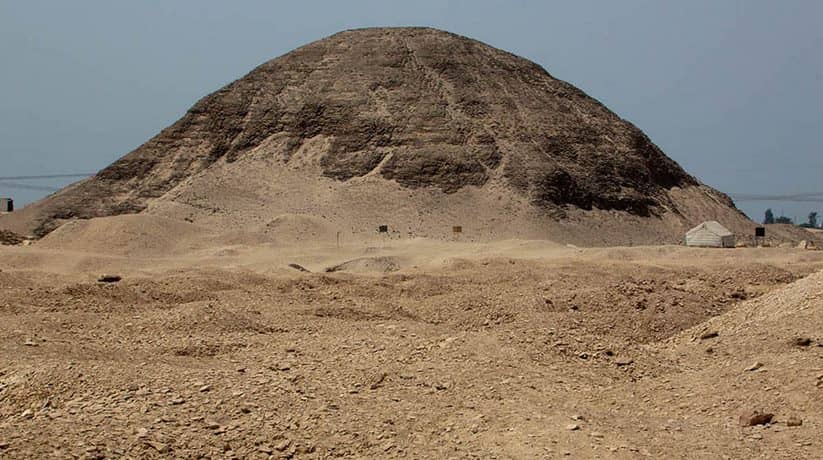
Hawara Pyramid mud-brick core and archaeological field
Security Design

False Passages and Portcullises

Period
Amenemhat III
Focus
Anti-robbery architecture

Blind turns, false routes, blocking devices and concealed architectural transitions were intended to mislead robbers and protect the king’s burial apartment beneath the unstable mud-brick mass.

See the archaeological reference →
Cartonnage and burial finds from Petrie’s Hawara excavations
Royal Family Burials

Princess Neferuptah and Hawara Tombs

Period
Late 12th Dynasty
Focus
Royal funerary landscape

The Hawara landscape includes royal-family burials associated with Amenemhat III’s court, including Princess Neferuptah’s nearby pyramid and tomb complex, alongside later Middle Kingdom cemeteries.

Explore the Hawara excavation archive →
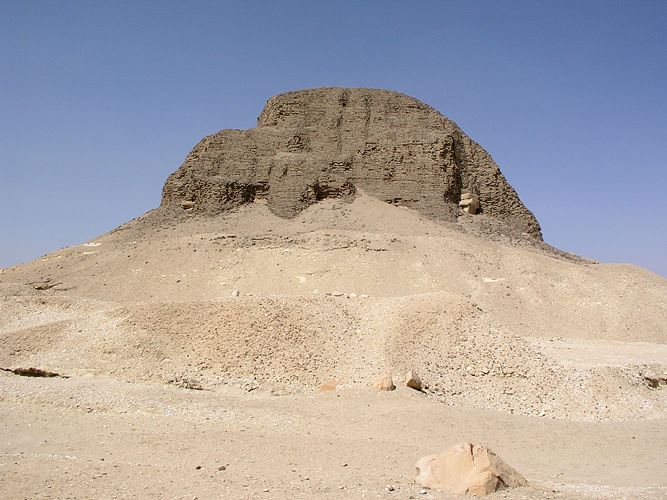
Lahun Pyramid near Hawara in the Fayoum region
Long-Lived Cemetery

Petrie, Hawara and Fayoum Portraits

Period
Roman-period Hawara
Focus
Excavations and portraits

Flinders Petrie’s excavations documented the pyramid and temple and revealed a major later cemetery. Hawara became famous for Roman-period mummy portraits and richly furnished burials.

Explore Petrie’s Hawara record →

Routes and Access

How to reach Hawara from Fayoum and Cairo

Hawara lies about 9 kilometres southeast of Medinet El-Fayoum. Private transport is the simplest way to link it with Lahun, Meidum and other dispersed sites.

From Fayoum

  1. Depart early with a private driver.
  2. Travel southeast toward Hawara El-Maqta.
  3. Allow time for the pyramid and Labyrinth foundations.
  4. Continue to Lahun on a combined route.

From Cairo

  1. Use the Cairo–Fayoum road or Western Desert route.
  2. Allow roughly 1.5–2 hours each way, traffic dependent.
  3. Prearrange guiding and local access.
  4. Use a full day for several monuments.

Best pyramid circuit

  1. Start with Hawara’s pyramid and Labyrinth.
  2. Add Lahun and Senusret II’s pyramid.
  3. Include Meidum for earlier pyramid evolution.
  4. Confirm every site’s current access.

AEO Travel Answers

Hawara Pyramid questions before you go

Direct answers for travelers planning access, timing, groundwater-aware expectations and a wider Fayoum pyramid route.

Who built the Hawara Pyramid?

Pharaoh Amenemhat III built the pyramid during Egypt’s 12th Dynasty, around the late 19th century BCE, as the center of his royal funerary complex at the entrance to Fayoum.

What makes the Hawara Pyramid unusual?

Hawara combines a mud-brick pyramid, complex deceptive passages, an enormous quartzite burial vault and the adjoining mortuary temple celebrated by classical authors as the Labyrinth.

Can visitors enter the Hawara Pyramid?

The lower passages are affected by groundwater and interior entry is not normally the focus of a public visit. Confirm current official access and obey all barriers.

How long should I spend at Hawara?

Allow about 1 to 1.5 hours for the pyramid exterior, Labyrinth foundations and surrounding archaeology. Add more time for Hawara, Meidum or other Fayoum sites.

Where is the Hawara Pyramid?

The pyramid stands at Hawara El-Maqta in Fayoum Governorate, about 9 kilometres southeast of Medinet El-Fayoum and roughly 100 kilometres southwest of Cairo.

What should I bring to Hawara?

Bring sturdy walking shoes, water, sun protection and Egyptian-pound cash. The archaeological area is exposed, uneven and has limited shade.

What was the Hawara Labyrinth?

The “Labyrinth” was the enormous mortuary temple south of Amenemhat III’s pyramid, described by classical writers as a complex of courts and chambers. Only foundations and fragments survive.

Can Hawara be combined with Lahun and Meidum?

Yes. Hawara and Lahun form a strong Middle Kingdom route, while Meidum adds an earlier stage of pyramid development. A private vehicle makes the dispersed circuit practical.

Private Planning

Plan your Hawara and Fayoum route

Share your date, Cairo or Fayoum hotel, group size and preferred sites. Egypt Tours Club can combine Hawara, Hawara, Meidum and Fayoum with private transport and Egyptologist guiding.