

Monastery of Saint Samuel the Confessor | Deir El-Qalamun Guide | Egypt Tours Club
Monastery of Saint Samuel the Confessor . banner

Monastery of Saint Samuel the Confessor

Egypt Tours Club

Coptic heritage and Middle Egypt planning by a licensed local Egypt travel team

Deir El-Qalamun · Mount Qalamun · Coptic Monasteries Egypt

Monastery of Saint Samuel the Confessor: Visitor Guide to Deir El-Qalamun, Desert History & Coptic Heritage

Discover one of Egypt’s most secluded Coptic desert monasteries, set beneath the cliffs of Mount Qalamun in the Western Desert. This guide connects Saint Samuel’s history, the ancient church, fortified keep, hermit cave, pilgrimage etiquette and practical routes from Cairo, Fayoum and Minya.

Quick Travel Answer

Why visit the Monastery of Saint Samuel the Confessor?

The Monastery of Saint Samuel the Confessor, also known as Deir El-Qalamun or Deir Anba Samwil, is a remote Coptic Orthodox monastery associated with Saint Samuel’s 7th-century monastic community. Its strongest visitor experiences are the historic church, the fortified monastic keep, the desert setting and the mountain cave linked with the saint’s ascetic life.

Plan it as a deliberate pilgrimage or heritage journey rather than a casual roadside stop. The deep-desert approach, religious setting and distance from the Nile Valley make private transport, confirmed access and a realistic timetable essential.

Build a Private Coptic Heritage Route
Sacred Architecture & Desert History

The essential landmarks inside and around Deir El-Qalamun

Read the Saint Samuel Monastery as a living Coptic monastic landscape: worship spaces, defensive architecture, hermit traditions, desert water sources and later revival all contribute to the visitor experience.

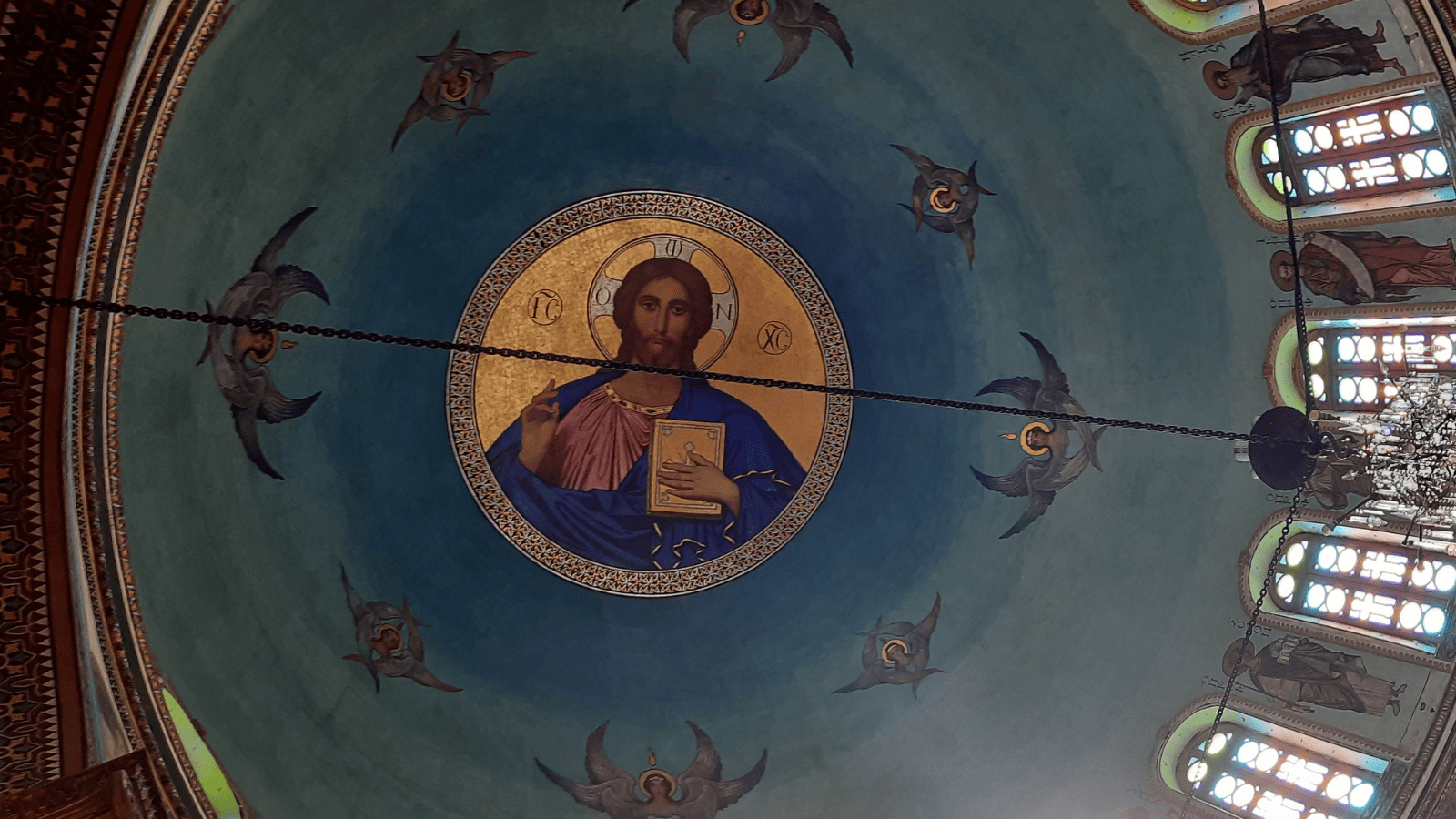
Coptic Christian ceiling artwork illustrating Egypt's historic church heritage Sacred Heart

Ancient Church of Saint Samuel

Coptic worshipRelics & iconostasis

The historic church is the spiritual center of the monastery. The source text highlights the venerated relics of Saint Samuel and Saint Apollo, an inlaid iconostasis and surviving wall-painting traditions within the old sacred complex.

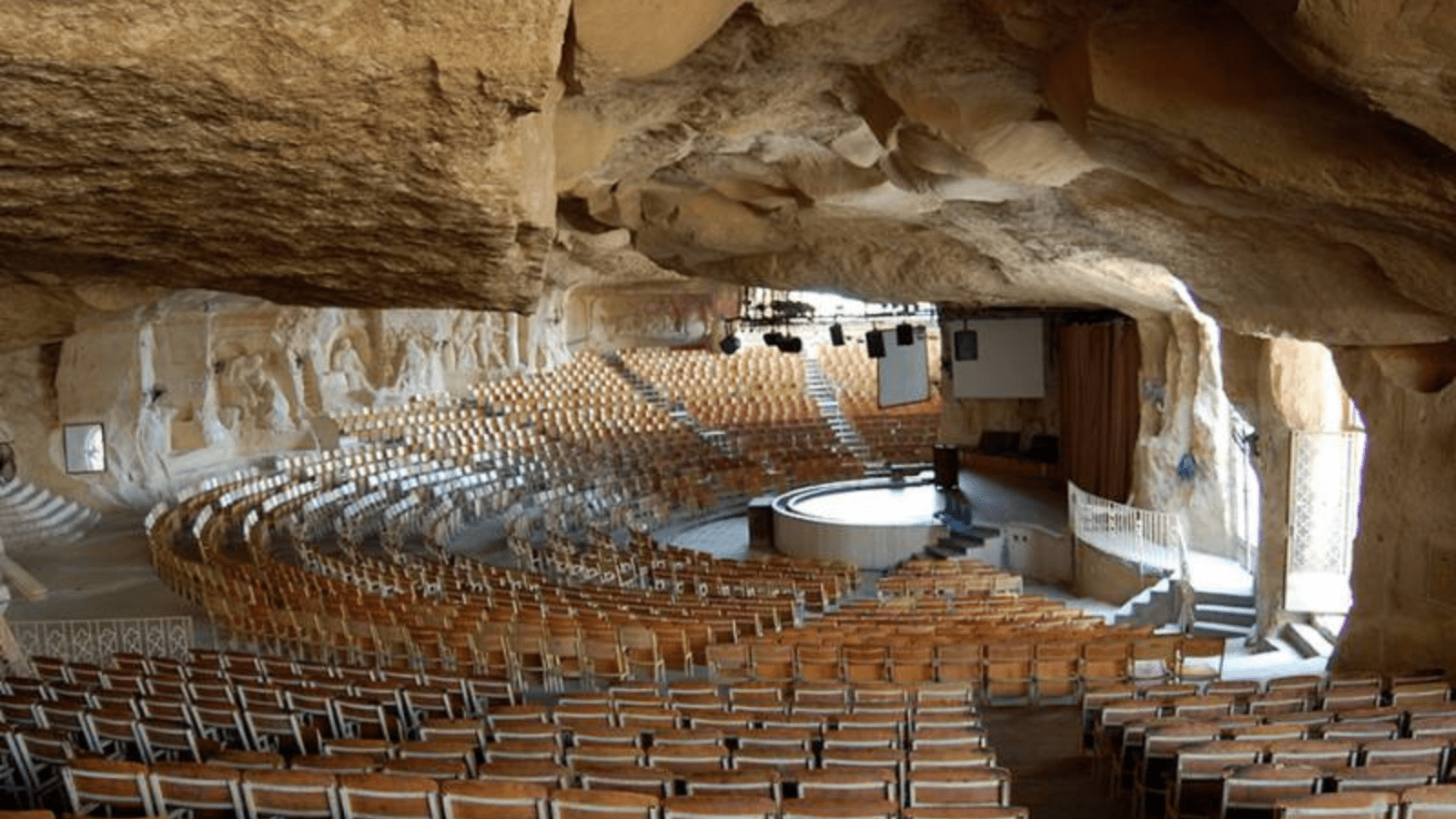
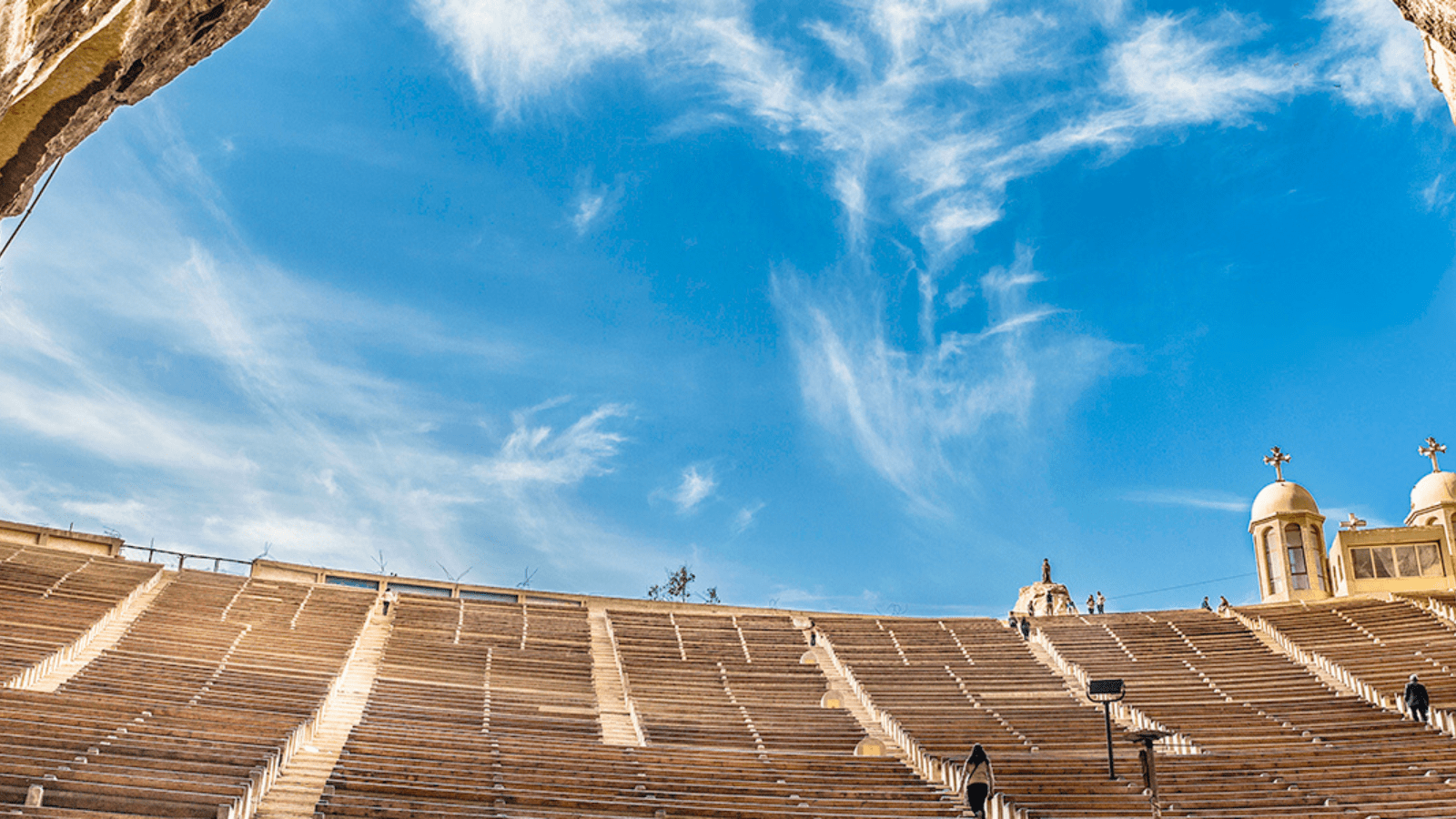
Monastic amphitheater and church towers in a mountain setting in Egypt Fortified Monastery

The Historic Monastic Keep (Al-Qasr)

Defensive architectureMonastic refuge

The multi-story keep reflects the defensive side of desert monastic life. It traditionally offered refuge during raids and included a chapel, food storage, water provisions and protected spaces for essential monastery possessions.

Rock-carved Christian worship space representing Egypt's mountain monastery tradition Hermit Tradition

Cave of Saint Samuel on Mount Qalamun

Mountain ascentPrayer & meditation

Several kilometers from the main walls, Saint Samuel’s cave is associated with his solitary prayer and ascetic life. The climb adds a physical pilgrimage element and opens wide views across the Western Desert.

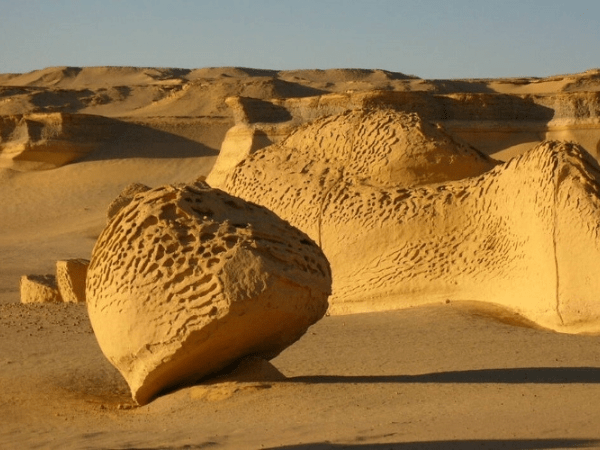
Golden Western Desert rock formations illustrating the remote landscape around Egypt's desert heritage routes Western Desert Setting

Mount Qalamun & the Desert Monastic Landscape

Gabal El-QalamunDesert isolation

The monastery’s identity is inseparable from the surrounding desert. Rocky ridges, dunes, springs, wells and cultivated pockets created the conditions for a self-sustaining monastic community far from the Nile Valley.

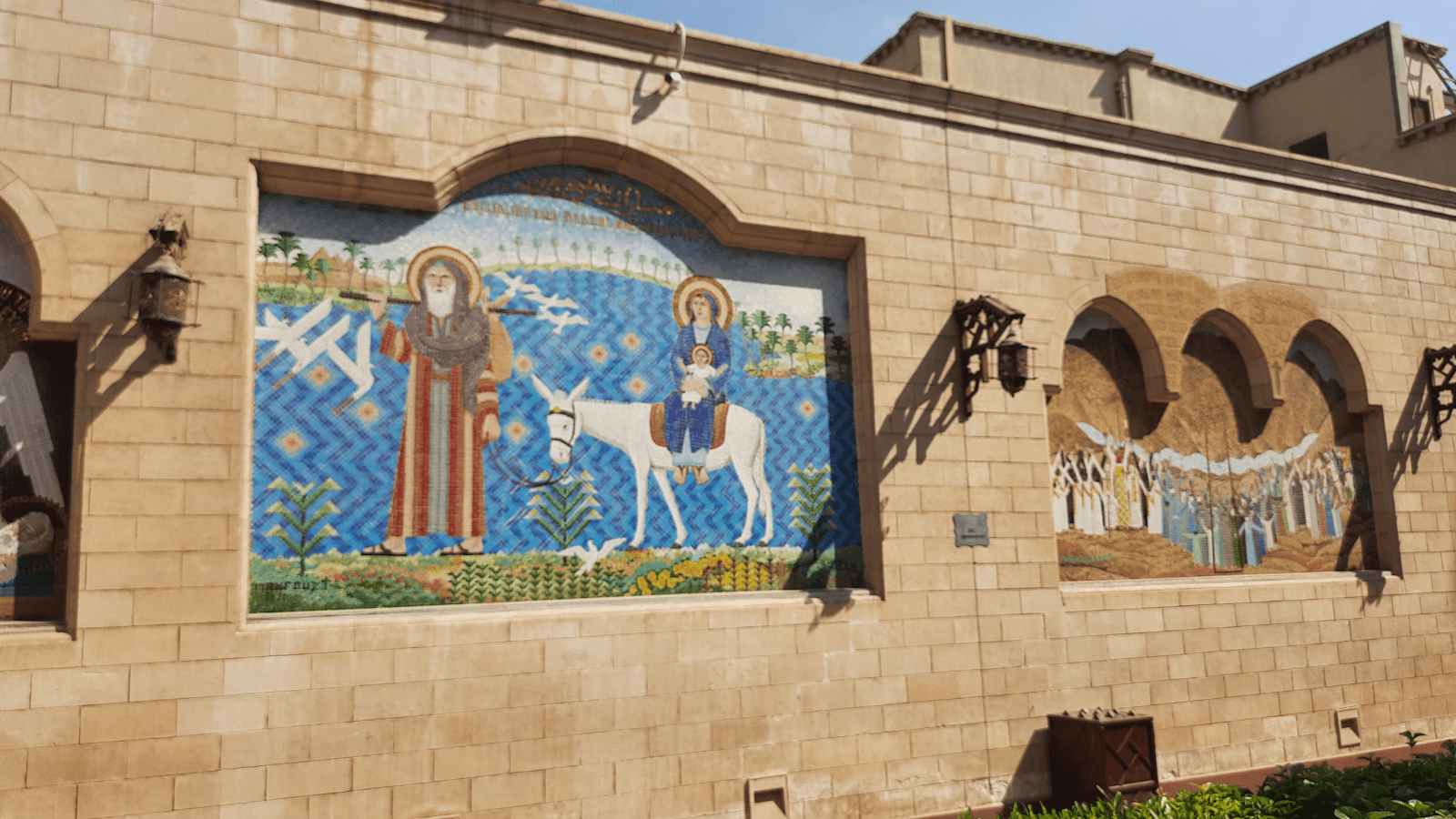
Holy Family themed Coptic artwork in Cairo representing Egypt's Christian pilgrimage heritage Coptic Heritage Context

Saint Samuel the Confessor & the 7th-Century Foundation

The ConfessorEarly monasticism

According to the supplied article, Saint Samuel was born around 597, entered monastic life at Scetis, endured persecution during the Byzantine theological conflicts and later established a monastic center at Mount Qalamun around the mid-7th century.

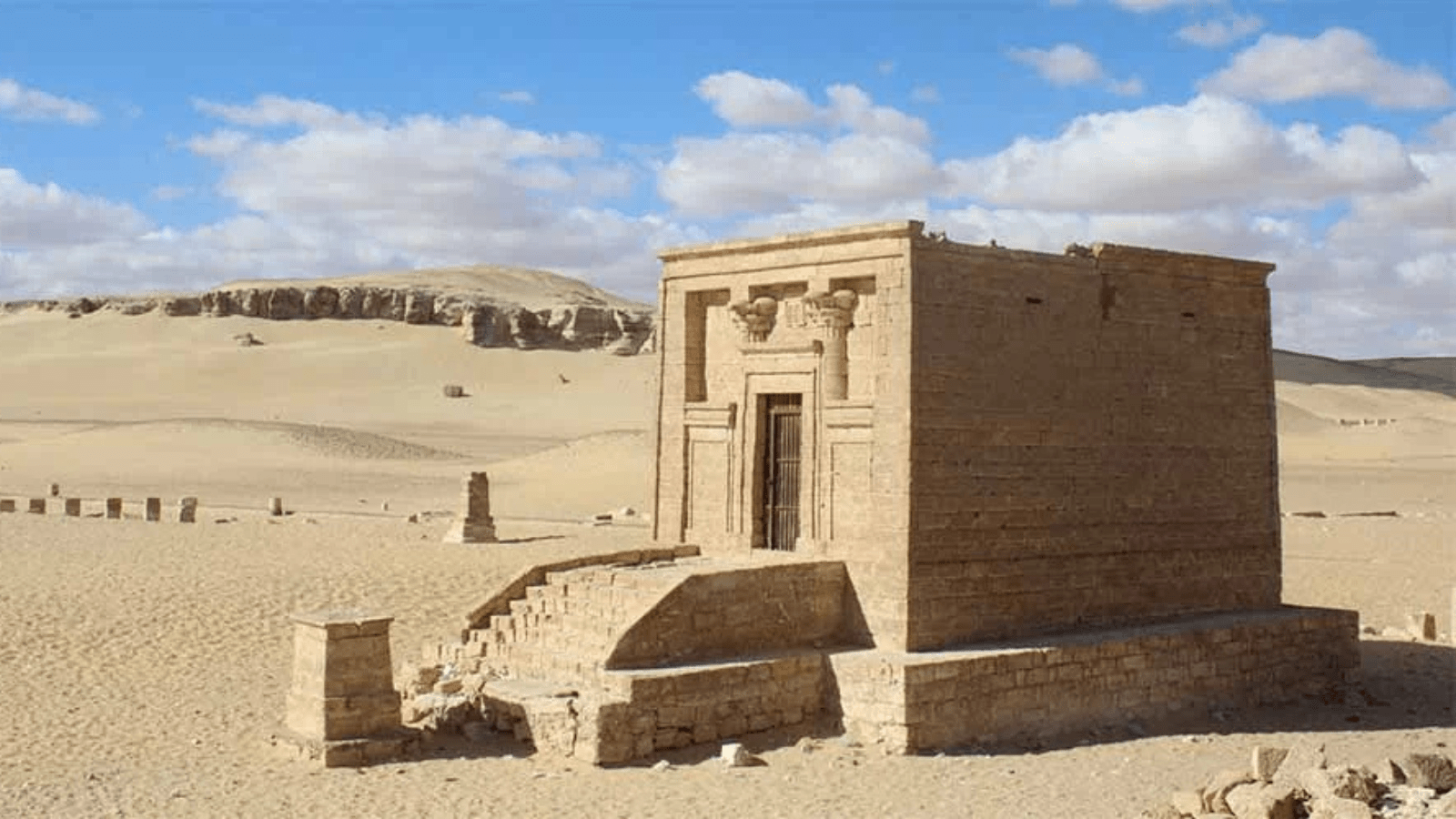
Desert archaeological monument in Middle Egypt representing the wider heritage route toward Minya Middle Egypt Extension

Minya, Gabal El-Teir, Beni Hasan & Tel El-Amarna

Holy Family TrailArchaeology

Extend the pilgrimage into Minya with Gabal El-Teir, then add Beni Hasan’s Middle Kingdom tombs and Tel El-Amarna, the city founded by Akhenaten. This creates a strong two-day blend of Coptic heritage and archaeology.

Choose by Available Time

The strongest routes for Saint Samuel Monastery and Middle Egypt

Keep the geography realistic. Deir El-Qalamun works best as a focused monastery journey, a Cairo–Fayoum–Qalamun route, or a two-day expedition continuing into Minya.

2–3.5 hours on site

Focused Saint Samuel Monastery visit

  • Enter the main monastic complex and historic church.
  • Visit the old keep and central courtyards.
  • Allow time for wells, gardens and monastic heritage.
  • Add Saint Samuel’s cave only when access, weather and timing permit.
Request a private monastery route
Long day / overnight

Cairo, Fayoum & Mount Qalamun

  • Depart Cairo early with private transport.
  • Use Fayoum or Wadi El Rayan as the natural western-desert context.
  • Continue south toward Mount Qalamun and Deir El-Qalamun.
  • Overnight in Minya rather than forcing a late return.
Explore the Fayoum route
2-day heritage journey

Saint Samuel, Gabal El-Teir, Beni Hasan & Amarna

  • Day 1: Cairo or Fayoum to Saint Samuel Monastery, then Minya overnight.
  • Day 2: Gabal El-Teir on the Holy Family tradition route.
  • Continue to Beni Hasan’s rock-cut Middle Kingdom tombs.
  • Finish with Tel El-Amarna before returning north or continuing toward Luxor.
View the Tel El-Amarna route

Planning note: The article you supplied gives approximate driving times, monastery visiting hours and seasonal guidance. Because access, religious services, desert-road conditions and security arrangements can change, confirm current conditions before departure.

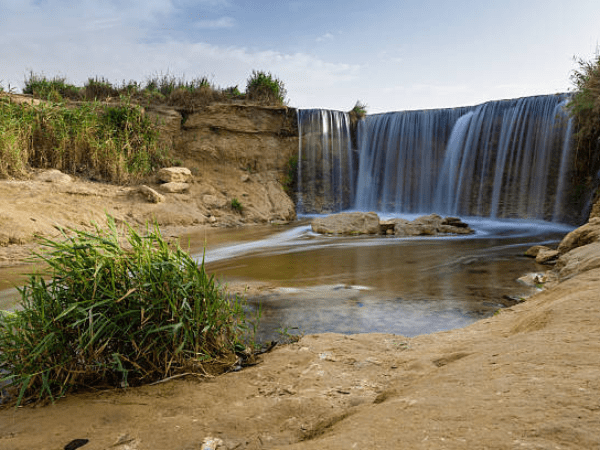
Wadi El Rayan waterfall in Fayoum, part of the wider Western Desert travel corridor

Trusted Coptic & Heritage References

Continue with official information about Saint Samuel and Middle Egypt

Egypt Tours Club links help organize the route. Official church, tourism and antiquities sources provide additional context for the monastery, Coptic heritage, Minya and Beni Hasan.

External pages open in a new tab. Religious-site access, local permissions, opening arrangements and desert-road conditions can change, so reconfirm practical details close to the visit.

Helpful Travel Answers

Monastery of Saint Samuel the Confessor questions before you go

Direct answers cover location, name, access, timing, dress, photography and the best wider Middle Egypt combinations.

Where is the Monastery of Saint Samuel the Confessor located?

It stands in Egypt’s Western Desert near Mount Qalamun, northwest of Maghagha and within the wider Fayoum–Minya desert corridor. The Coptic Orthodox Church gives access from the western Cairo–Asyut Desert Road followed by a westward approach to the monastery.

Why is Saint Samuel called “the Confessor”?

In Christian tradition, a confessor is a saint who endured persecution for the faith without dying directly as a martyr. The supplied article connects Saint Samuel’s title with his suffering during the Byzantine Christological conflicts.

Can international non-Coptic travelers visit Deir El-Qalamun?

The supplied article states that respectful cultural travelers, historians and pilgrims can visit while following monastery rules and security procedures. Confirm current access before departure because religious and operational conditions can change.

How long should I allow for Saint Samuel Monastery?

Allow roughly two to three and a half hours for the main grounds, churches and historic keep, with additional time if the mountain cave is included.

What should I wear to the monastery?

Wear modest clothing that covers shoulders and knees. Follow local church etiquette, and ask permission before photographing resident monks or private monastic areas.

What is the best time of year to visit?

The supplied guide recommends the cooler months from October to April for more comfortable Western Desert temperatures. Summer travel requires stronger heat preparation and careful timing.

Can I combine Saint Samuel Monastery with Fayoum?

Yes. Fayoum and Wadi El Rayan create a logical landscape combination when the journey is planned as a long day or, preferably, with an overnight before continuing into Minya.

What should I combine with the monastery in Minya?

For a deeper Middle Egypt route, combine Deir El-Qalamun with Gabal El-Teir, Beni Hasan and Tel El-Amarna, then return to Cairo or continue south toward Luxor.

Private Coptic Heritage Planning

Plan Saint Samuel Monastery with the right desert route

Share your date, Cairo or Minya starting point, group size, pilgrimage interests and whether you want Fayoum, Gabal El-Teir, Beni Hasan or Tel El-Amarna included. Egypt Tours Club can build a realistic private route.