Understanding the Valley of the Kings
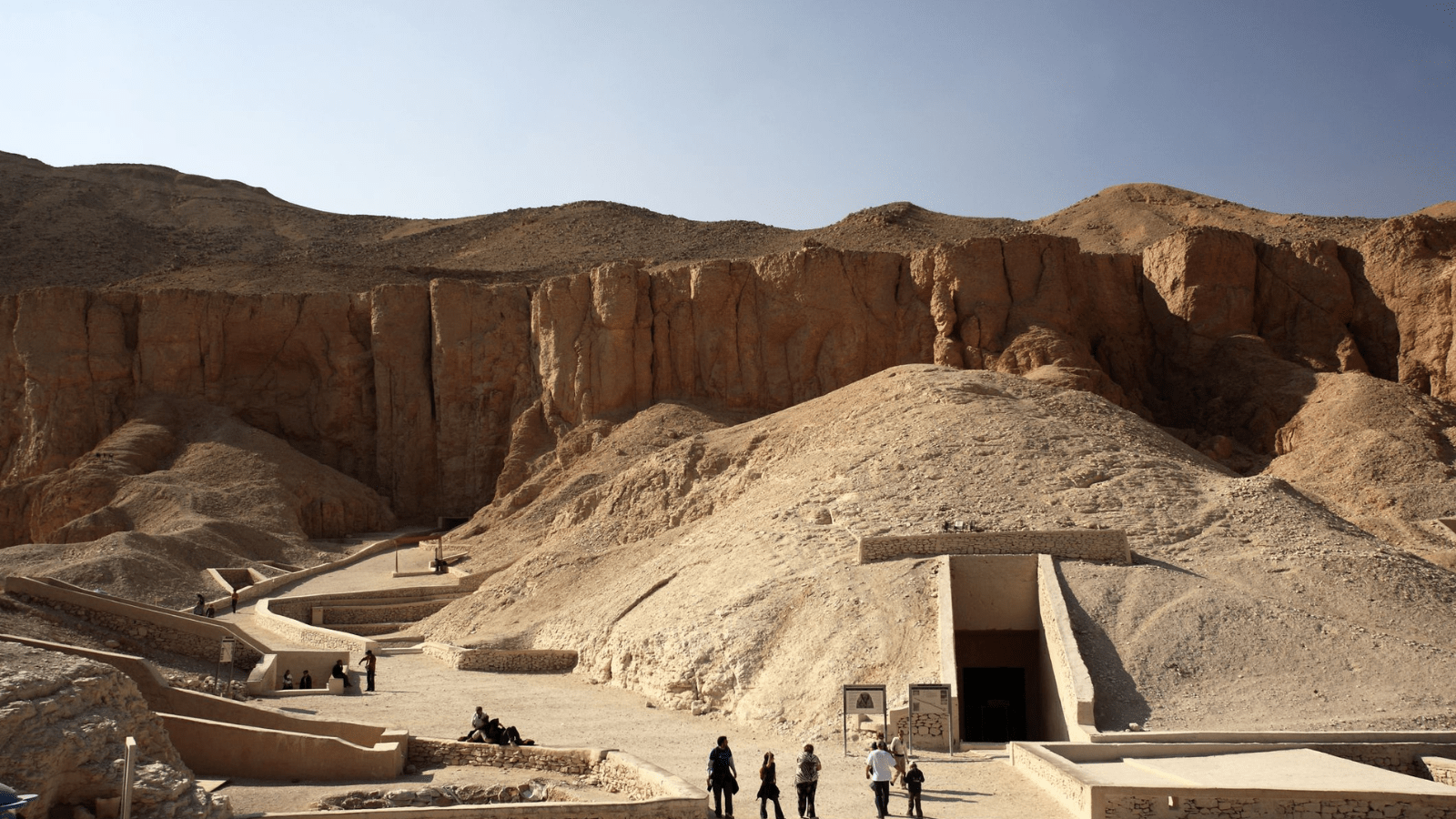
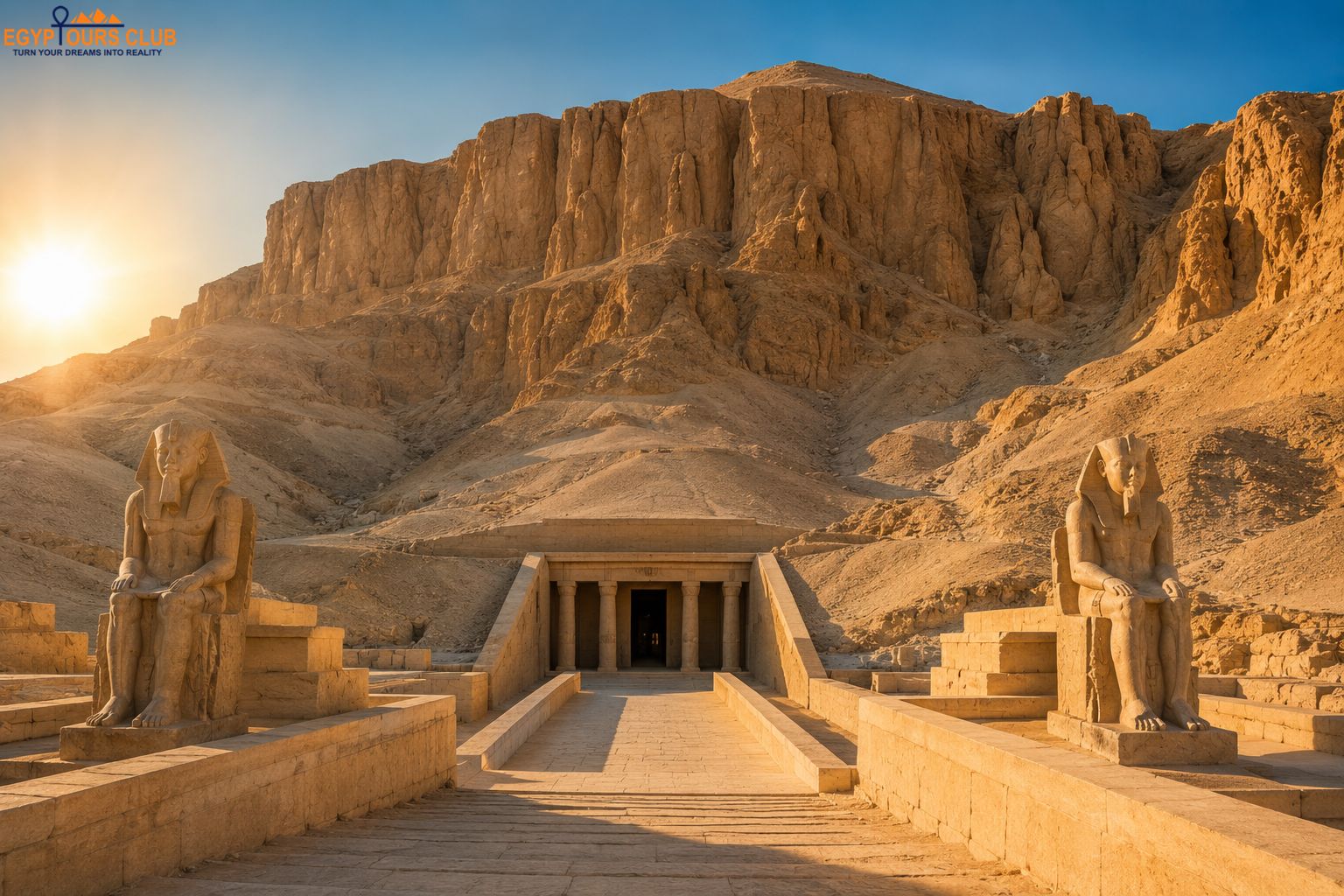
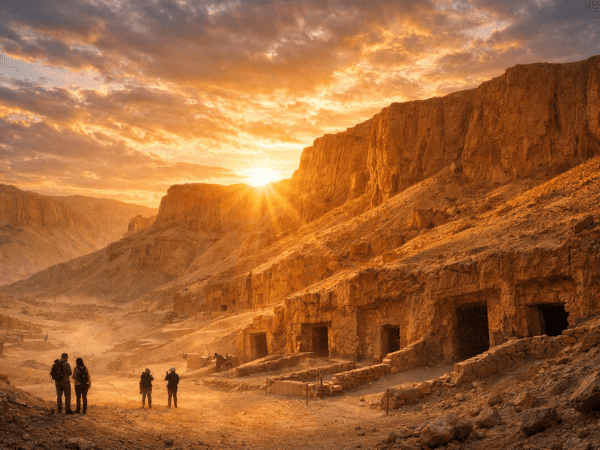
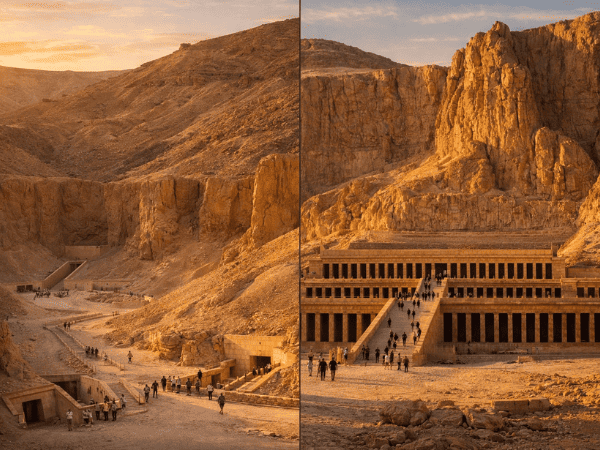
The valley is a New Kingdom royal necropolis within the Theban Necropolis on Luxor’s West Bank. Rock-cut tombs replaced the highly visible pyramid tradition for many rulers, combining religious geography, royal funerary beliefs and attempts at greater burial security.
How the tombs work
Tombs are identified by KV numbers, and the set open to visitors can change. General admission may cover a selection of standard tombs, while some high-demand or special tombs can use supplementary entry. Check current official information rather than relying on an old list.
Which tombs should you prioritize?
Choose by preservation, decoration, historical importance, physical effort and current access. A balanced first visit usually works better than chasing the maximum number of tombs in the shortest time.
Tutankhamun — KV62
Tutankhamun’s tomb is historically famous because of the discovery of his burial assemblage and the survival of the royal burial. Access arrangements can differ from standard tomb entry, so verify current conditions before planning around KV62.
Ramesses VI — KV9
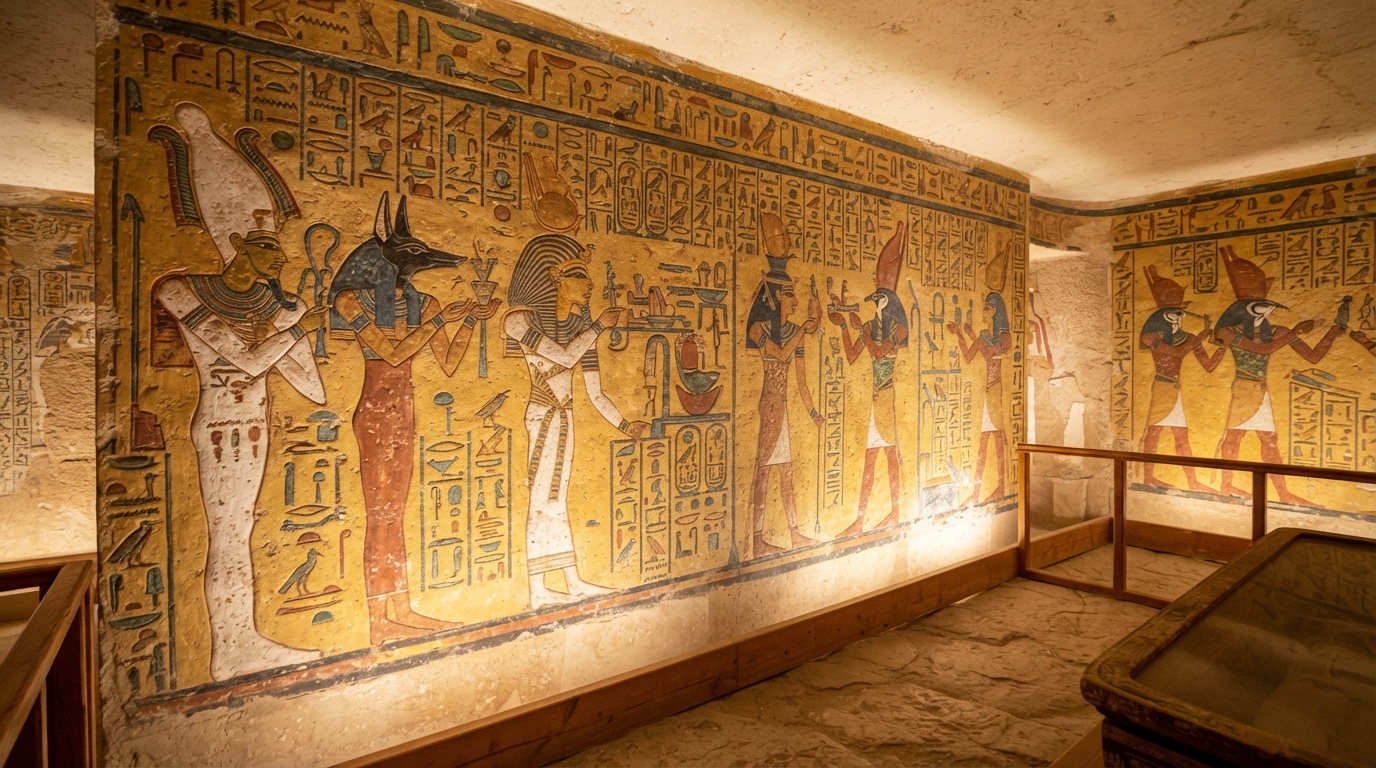
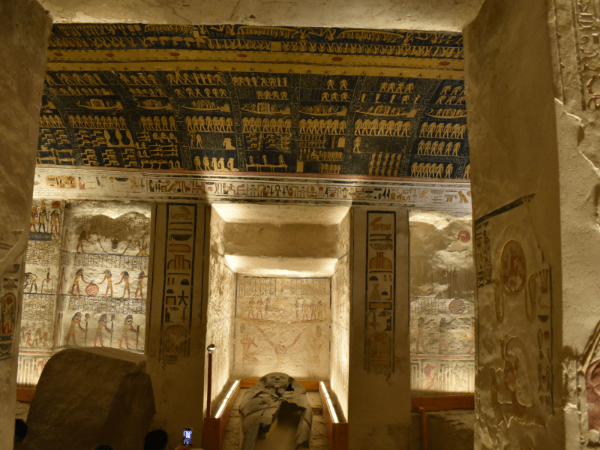
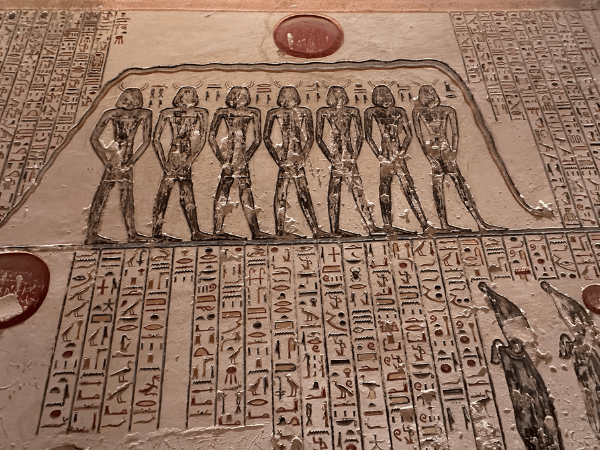
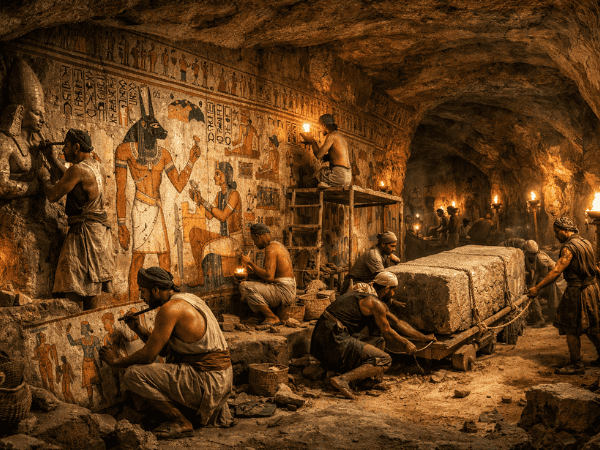
KV9 is often prioritized for its richly decorated corridors, funerary texts and astronomical ceiling imagery. Its visitor value is visual and interpretive, but current access and ticket arrangements should still be checked close to the visit.
Seti I — KV17
KV17 is one of the most celebrated royal tombs for scale and decoration. Do not assume it will always be available or included in standard entry; check current access before making it essential to your day.
Other notable tombs
Open tombs can include different Ramesside royal burials and other important examples. Use the day’s available list to choose contrasting layouts and decoration rather than treating one fixed online ranking as permanent.
Suggested first-visit route
Arrive, confirm the open-tomb list and any supplementary entry, visit your highest-priority tomb first, add one or two contrasting tombs, pause for shade and water, then leave enough energy for Hatshepsut Temple or other West Bank stops.
Tickets & tomb access
Ticket prices, tomb rotations, special-entry rules and photography policies are operational details that can change. Check current official information close to the travel date and confirm exactly what a guided tour includes.
Check official Valley information
Best time to visit
Earlier parts of the day are often more comfortable because the valley is exposed and can become very hot. Seasonal conditions, crowds and site operations vary, so treat early arrival as practical advice rather than a guarantee of low visitor numbers.
Photography tips
Use exterior views for the desert cliffs and tomb entrances, and follow current on-site rules inside tombs. Never assume older reports about cameras, phones, tripods or flashes still apply.
What to wear & bring
Use supportive shoes, light practical clothing, sun protection and water according to current site rules. Tomb corridors can include steep slopes and steps, so footwear matters more than formal dress.
Visiting with children
Keep the tomb count selective, build in shade and rest, and avoid pushing through too many interiors when heat or attention drops. Narrow passages and steps can make some tombs less comfortable for younger children.
Accessibility & mobility
The site involves outdoor walking, slopes and tomb interiors that may include steep or confined passages. Accessibility differs by tomb and current arrangements, so verify support options and choose the route around the traveler’s actual mobility.
Local expert advice
For a first West Bank visit, protect your energy for the tombs first, then add Hatshepsut Temple and the Colossi of Memnon. Extra tomb areas such as Valley of the Queens or Deir el-Medina are better when you have enough time for a deeper West Bank day.



.png)
.png)
.png)


.png)