

| Egypt Tours Club
Hatshepsut Temple Architecture Explained: Egypt’s Most Unique Monument . banner

Hatshepsut Temple Architecture Explained: Egypt’s Most Unique Monument

Introduction: A Masterpiece of Ancient Design

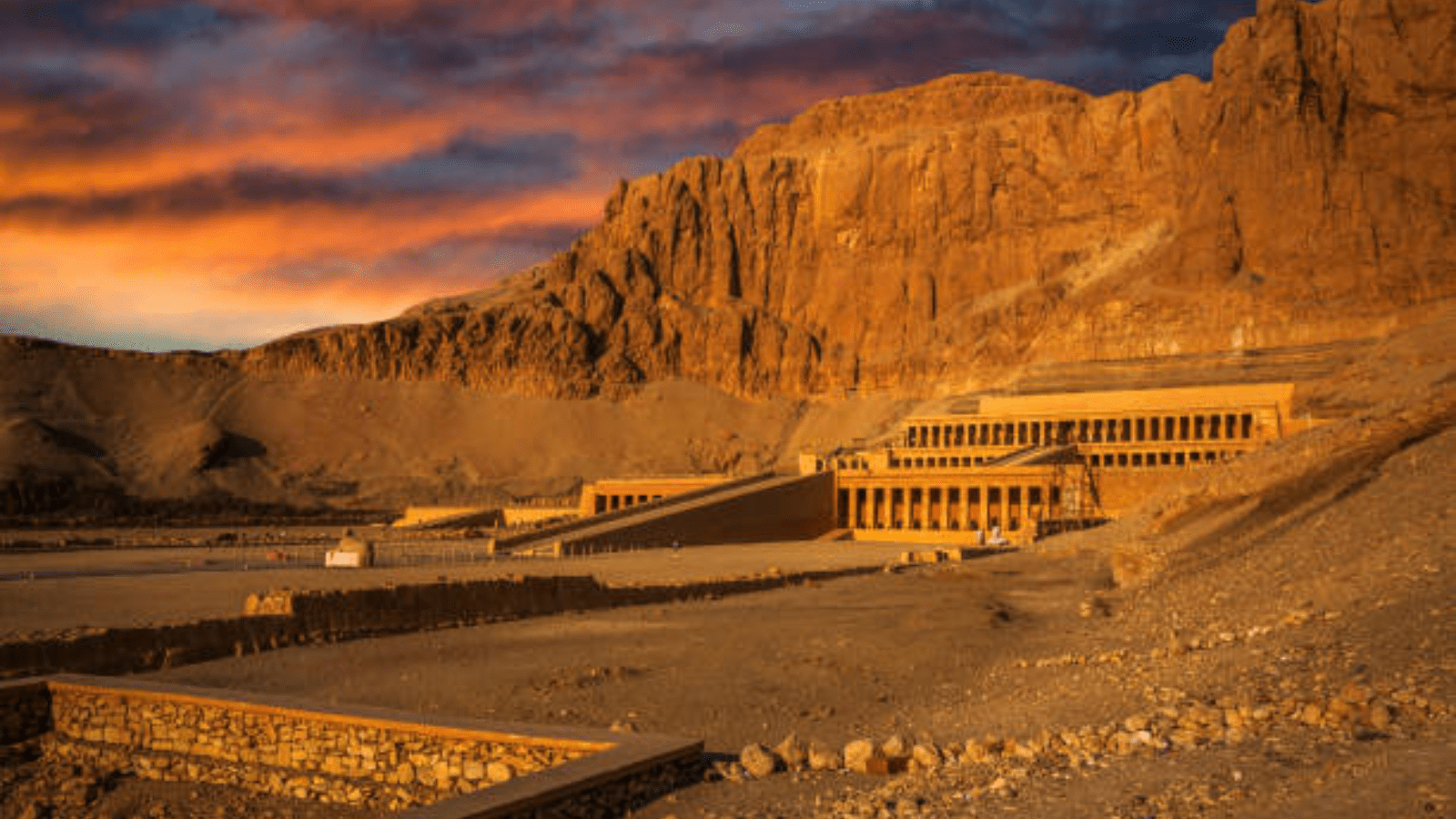
Among all ancient Egyptian structures, the Mortuary Temple of Hatshepsut stands out as one of the most innovative and visually striking monuments ever built. Located on the West Bank of Luxor, this architectural masterpiece is a highlight of the best things to do in Egypt and a must-see for travelers on Egypt tours.

Unlike the towering pyramids or enclosed temples of other pharaohs, Hatshepsut’s temple breaks convention. It blends seamlessly into the natural cliffs of Deir el-Bahari, creating a harmonious balance between human engineering and the surrounding landscape.

For visitors exploring Cairo tours extended into Upper Egypt or combining cultural travel with pyramid tours, this temple offers a completely different perspective on ancient Egyptian architecture—one that emphasizes elegance, symmetry, and symbolic storytelling.


Unique Design Concept: A Temple Built into Nature

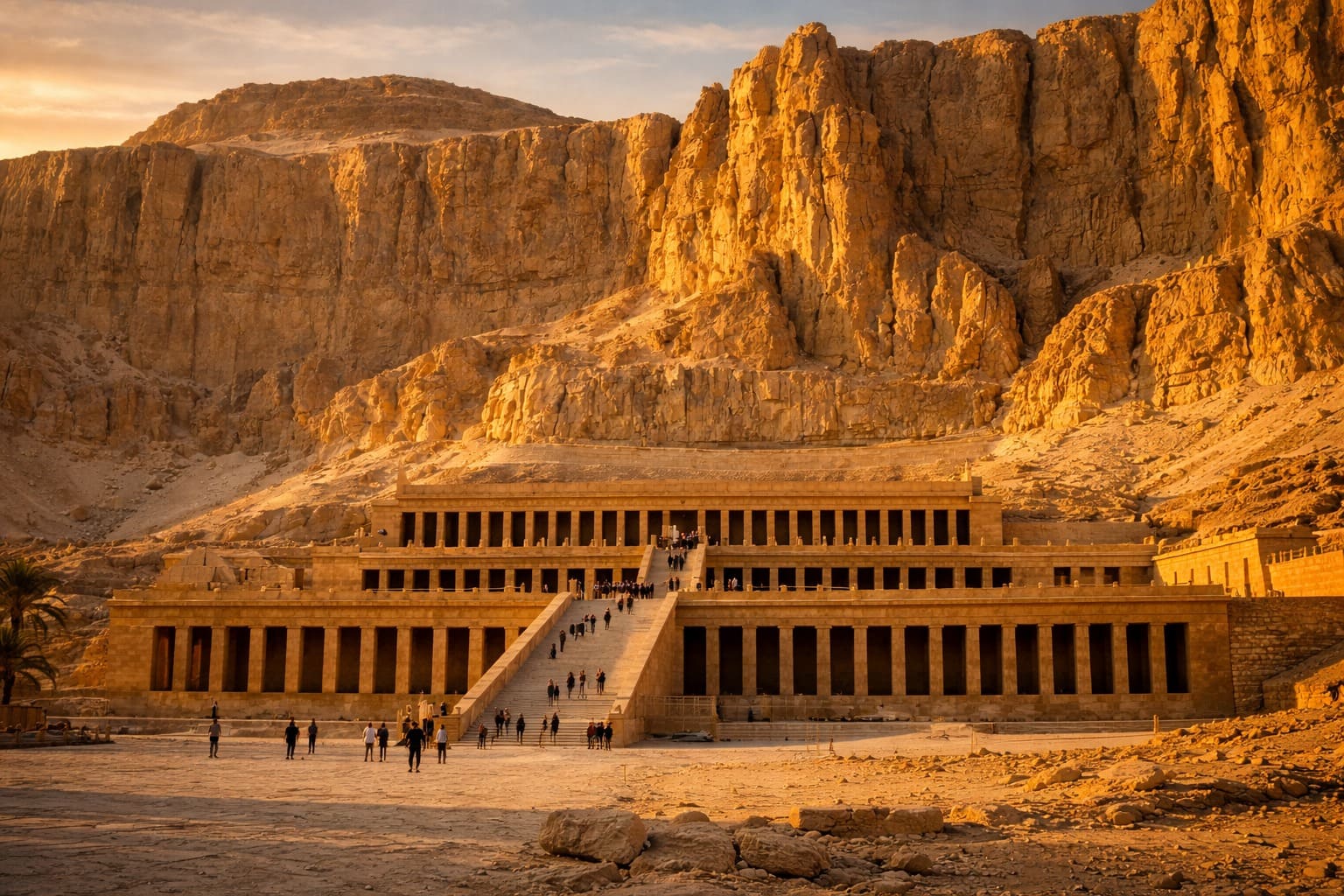
The design of Hatshepsut’s temple is unlike any other monument in Egypt. Instead of standing independently on flat ground, it is built directly into towering limestone cliffs, creating a dramatic and unforgettable visual effect.

Three Massive Terraces

The temple is structured across three terraces, each rising above the other:

  • The lower terrace serves as the grand entrance
  • The middle terrace features open courtyards and colonnades
  • The upper terrace houses the most sacred spaces

Each level is connected by central ramps, guiding visitors upward in a processional path that symbolizes spiritual ascent.

Symmetrical Colonnades

One of the defining features of the temple is its symmetrical design. Long rows of columns line each terrace, creating a sense of order, balance, and harmony.

These colonnades not only provide structural support but also frame the views of the surrounding cliffs, enhancing the temple’s visual impact.

Processional Ramps

The ramps connecting the terraces are wide and gently sloping, designed for ceremonial processions. They create a natural flow through the temple, leading visitors from the earthly realm toward the divine.

This layout reflects the ancient Egyptian belief in a journey from life to the afterlife.


Symbolism in Architecture: More Than Just a Structure

Every aspect of the temple’s design carries symbolic meaning, reflecting Hatshepsut’s vision as both a ruler and a spiritual leader.

Harmony with Nature

By integrating the temple into the cliffs, the design emphasizes unity between human creation and the natural world. This harmony reflects the Egyptian belief in balance (Ma’at), a fundamental principle of order and stability.

Divine Connection

The temple was dedicated to the god Amun-Ra, and its ascending terraces symbolize a path toward the divine. The layout mirrors the journey of the sun across the sky, reinforcing the connection between the pharaoh and the gods.

Power and Legitimacy

Hatshepsut used architecture as a tool to legitimize her rule. The grandeur and uniqueness of the temple demonstrated her authority and divine approval, especially important as a female pharaoh in a male-dominated society.


Key Architectural Features

Colonnaded Halls

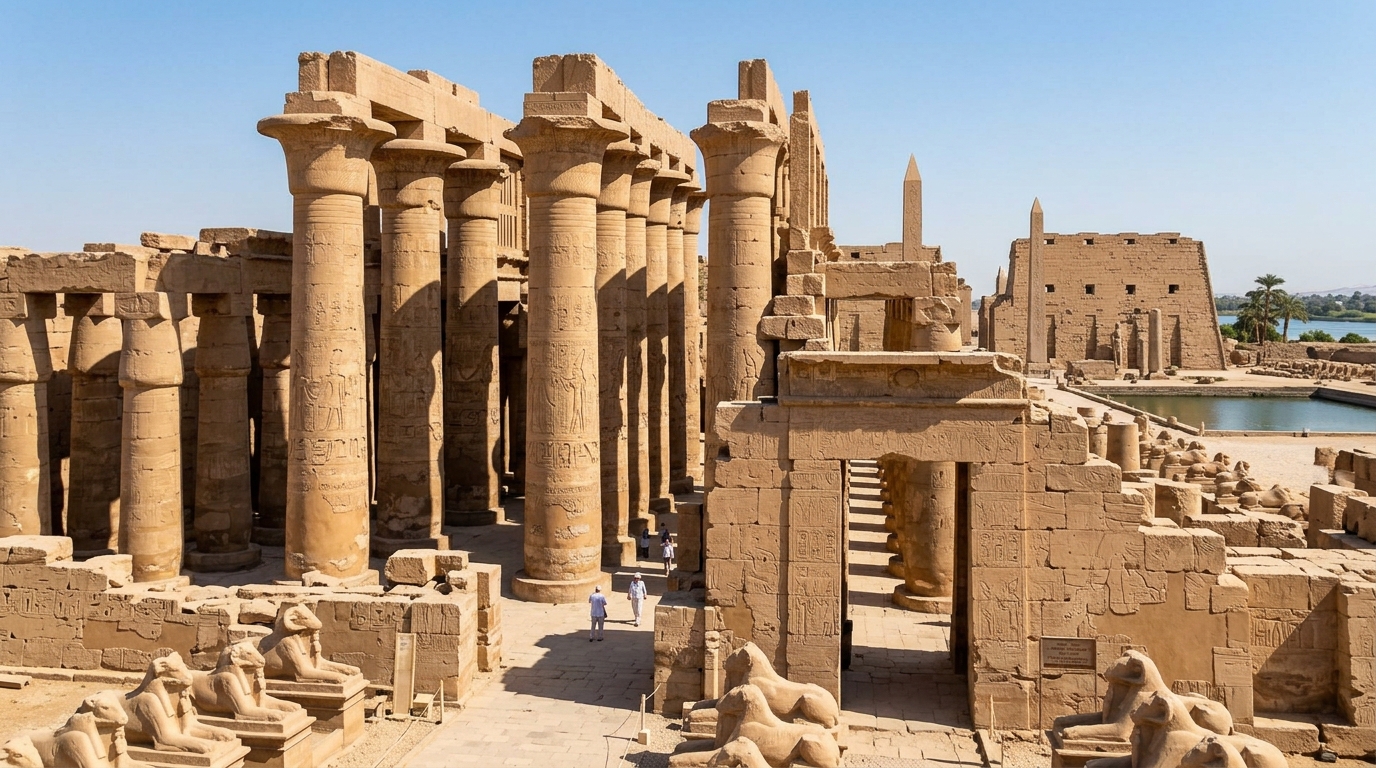
The temple’s colonnades are among its most striking features. These long, open corridors create a rhythmic pattern of light and shadow, enhancing the visual experience.

Walking through these halls, visitors can feel the scale and precision of ancient Egyptian engineering.


Relief Carvings: Stories in Stone

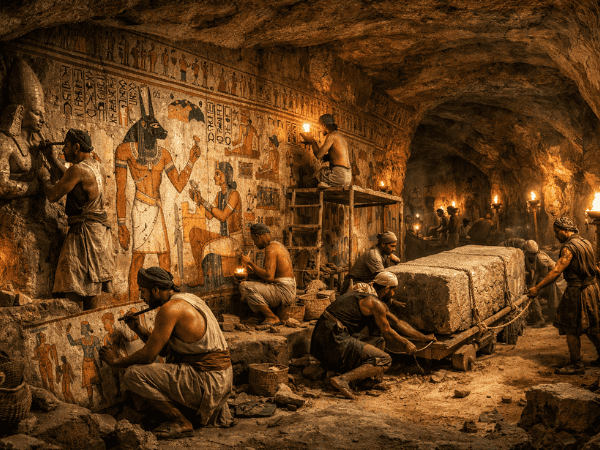
The walls of the temple are covered with detailed relief carvings that tell the story of Hatshepsut’s reign.

One of the most famous scenes depicts her expedition to the Land of Punt, showing:

  • Exotic animals
  • Trading ships
  • Foreign landscapes

These carvings are not only artistic masterpieces but also valuable historical records.


Statues of Hatshepsut

Throughout the temple, statues of Hatshepsut depict her in traditional pharaoh form, often wearing the false beard and royal attire.

These statues reinforce her identity as king and highlight her authority.


Sanctuary of Amun

At the heart of the temple lies the sanctuary dedicated to Amun-Ra. This sacred space was used for religious rituals and ceremonies, emphasizing the temple’s spiritual significance.


Religious Significance: A Sacred Space

The Mortuary Temple of Hatshepsut was not just a monument—it was a functioning religious center.

Dedication to Amun-Ra

The temple was primarily dedicated to Amun-Ra, the chief god of ancient Egypt. Rituals performed here were believed to ensure the pharaoh’s eternal life and divine connection.

Mortuary Functions

As a mortuary temple, it was also used for funerary rituals honoring Hatshepsut after her death. Priests conducted ceremonies to sustain her spirit in the afterlife.


Why It’s Unique: A Monument Like No Other

Blending Architecture with Landscape

Unlike the pyramids of the Pyramids of Giza, which dominate the horizon, Hatshepsut’s temple blends into its surroundings. This integration creates a more subtle yet equally powerful visual effect.

Departure from Traditional Designs

Most Egyptian temples follow a linear, enclosed layout. In contrast, Hatshepsut’s temple is open, terraced, and expansive, offering panoramic views of the desert and cliffs.

Influence on Later Architecture

The innovative design influenced later structures and remains a subject of study for architects and historians worldwide.


Visitor Experience: Exploring the Temple Today

Visiting the Mortuary Temple of Hatshepsut is one of the most memorable experiences in Luxor.

What to Expect

  • A gradual ascent through terraces
  • Stunning views of the surrounding landscape
  • Detailed carvings and statues at every level

Best Time to Visit

  • Early morning for cooler temperatures
  • Late afternoon for softer lighting

Travel Tips

  • Wear comfortable shoes for walking
  • Bring water and sun protection
  • Hire a guide to fully understand the symbolism

This site is often included in


Comparing with Other Egyptian Monuments

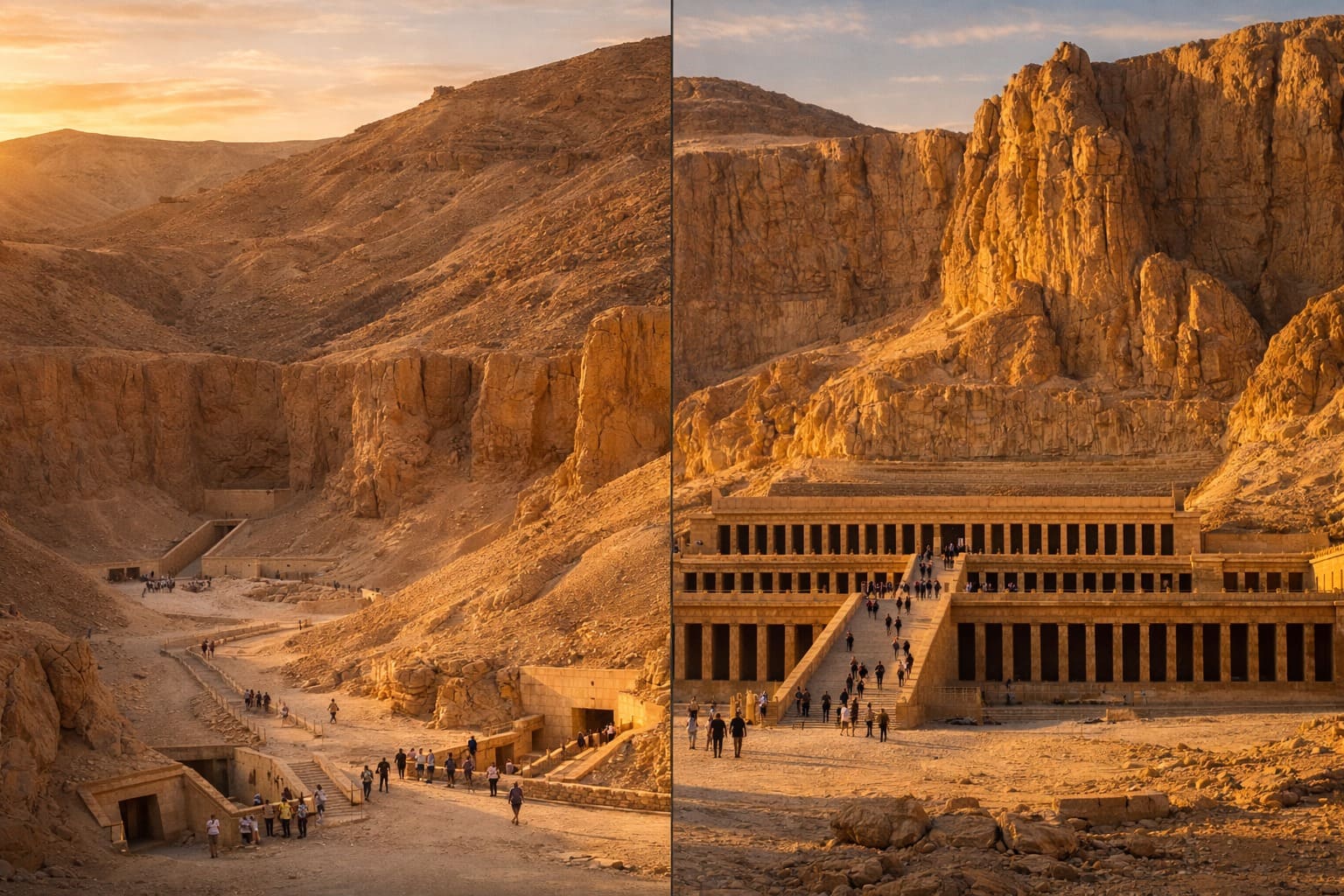
While the Valley of the Kings focuses on underground tombs and the pyramids emphasize monumental scale, Hatshepsut’s temple stands out for its elegance and integration with nature.

Each site offers a different perspective on ancient Egypt, making them complementary experiences for travelers.


Conclusion: A Timeless Architectural Wonder

The Mortuary Temple of Hatshepsut is more than just a historical site—it is a masterpiece of design, symbolism, and innovation. Its unique architecture reflects a visionary ruler who redefined what was possible in ancient Egypt.

As a top attraction in Egypt, the temple inspires visitors worldwide. Whether you are exploring Egypt tours club, planning immersive Cairo tours, or combining cultural landmarks with pyramid tours, this monument offers an unforgettable experience.

In the end, Hatshepsut’s temple is not just a place to visit—it is a story carved in stone, a testament to creativity, power, and the lasting impact of ancient Egypt.