


Protection of the burial
Images placed in burial settings expressed a wish for divine protection. Anubis guarded the deceased and the sacred space around the tomb.
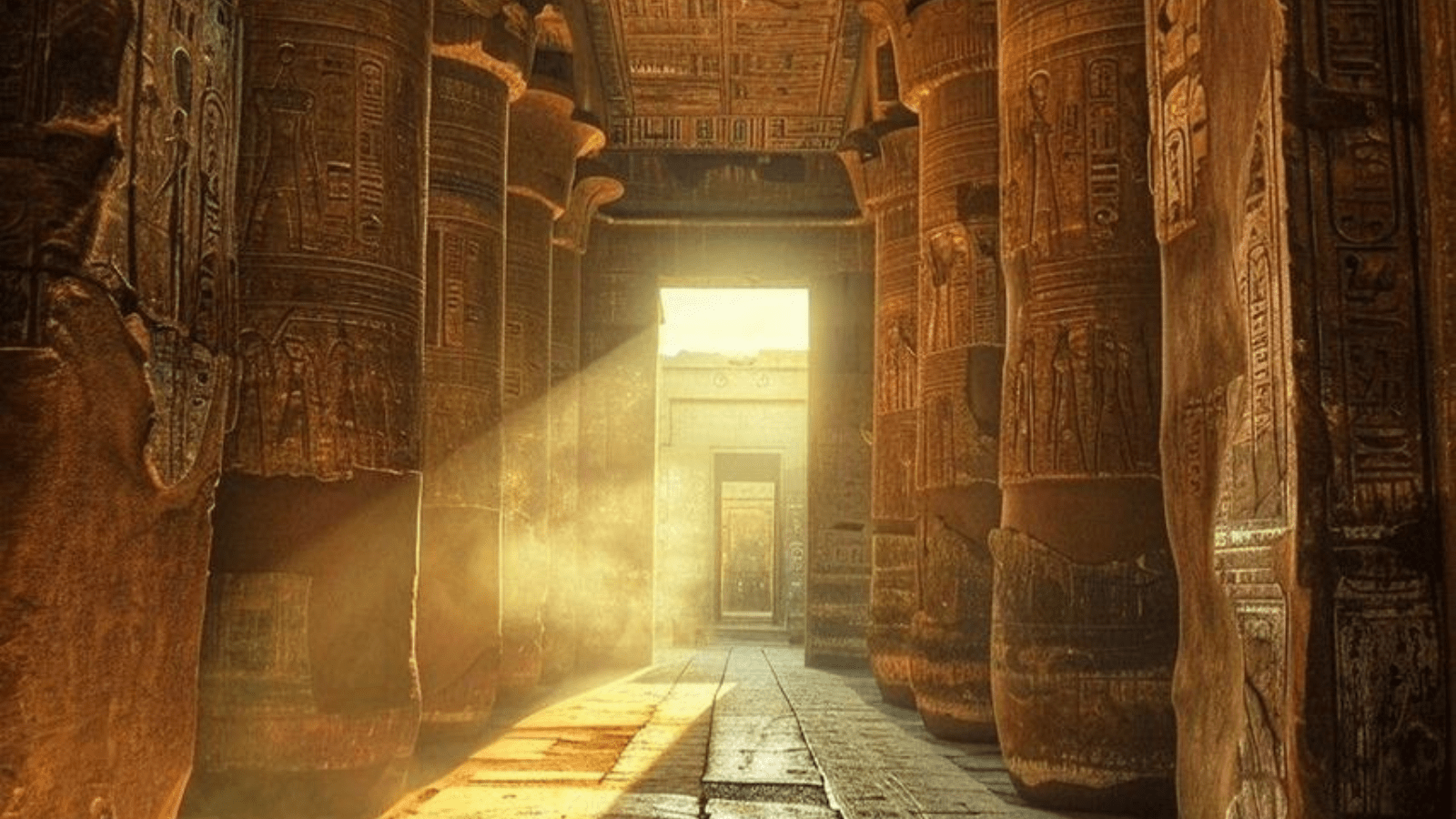
Why did the ancient Egyptians depict a god with a jackal's head? Discover the meaning of Anubis, his place in burial rituals and the judgment of the dead, and where to explore these beliefs in Egypt today.
Anubis, also known as Inpu or Anpu, was the ancient Egyptian deity associated with embalming, cemeteries and the protection of the dead. Usually shown as a black canine or a jackal-headed man, he watched over burial rites and supervised the weighing of the heart. His legacy is best understood through funerary objects at the Grand Egyptian Museum, the early burial landscape of Saqqara, Luxor's royal tombs and the sacred complex of Abydos.
Anubis belonged to a religious system that changed over thousands of years. Rather than a frightening god who caused death, he was a protective presence associated with the transition beyond it. His roles overlap with those of other funerary gods but remain distinct.
Images placed in burial settings expressed a wish for divine protection. Anubis guarded the deceased and the sacred space around the tomb.
Preservation of the body formed part of a larger religious process intended to help the deceased continue into a new existence.
In the myth of Osiris, Anubis assists with the restoration of the murdered god. This offers a religious model for burial and renewal.
For historical background, read the Kelsey Museum of Archaeology introduction.
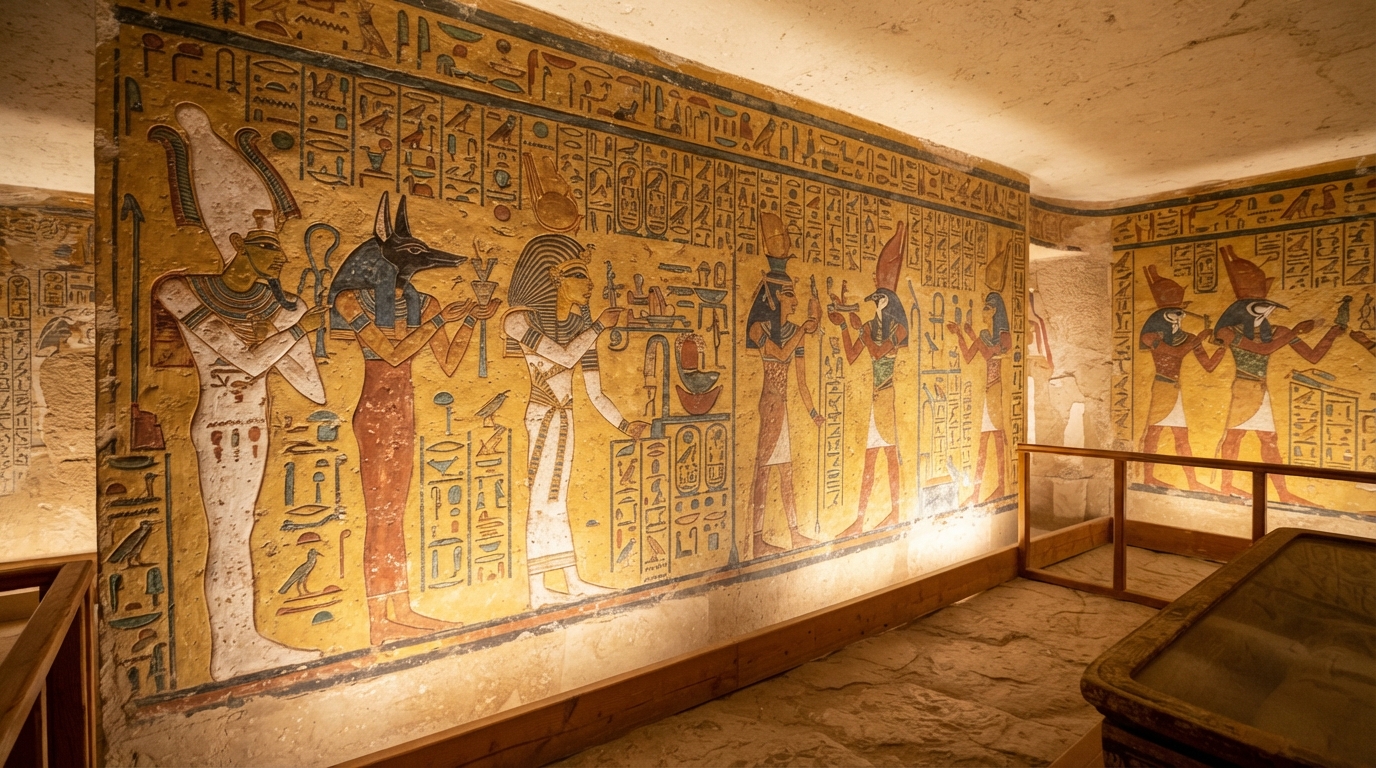
Wild canines were familiar in desert burial areas. Their association with cemeteries may help explain why the Egyptians gave a protective funerary deity a canine form. Anubis appears both as an animal and as a human figure with a canine head.
Identification depends on the surrounding text and scene: other gods, including Wepwawet and Duamutef, can also have canine heads.
Black is often interpreted through the ideas of rebirth, the fertile land renewed by the Nile and the dark appearance of preserved bodies. It was not simply a symbol of evil.
A resting canine on a shrine or funerary chest can signify protection. Tutankhamun's burial equipment provides a famous example.
The ankh signifies life, while the was-scepter is associated with power and authority. These attributes appear across the Egyptian pantheon, not just with Anubis.
Further reading: Western Australian Museum: Anubis. The image above illustrates funerary iconography; individual figures should be identified from inscriptions and context.
Ancient Egyptians imagined judgment after death as a test of moral order. The best-known visual version appears in funerary manuscripts associated with the Book of the Dead. The scene brings together several figures, each with a different responsibility.
The heart represented the person’s inner life and was weighed against the emblem of Ma’at, the principle of truth, justice and cosmic order.
Anubis attends the balance. His task is to oversee the weighing and ensure that the test is correctly performed.
Thoth, associated with writing and knowledge, records the result. Osiris presides over the wider judgment of the dead.
If the heart passes the test, the deceased can proceed toward the blessed afterlife. If it fails, Ammit may consume it, denying the deceased that future.
There is no single attraction that explains every aspect of Anubis. Connect these four places to see how royal burial, funerary equipment and religious ritual developed over different periods.

Begin in the necropolis of ancient Memphis. The Step Pyramid shows the development of monumental royal burial, while inscribed pyramids such as those of Unas and Teti provide a separate window into early funerary spells. Anubis appears in this wider textual tradition. Ask which inscribed interiors are open rather than expecting the texts inside Djoser’s pyramid.
Saqqara visitor guide See the Saqqara, Memphis and Giza tour
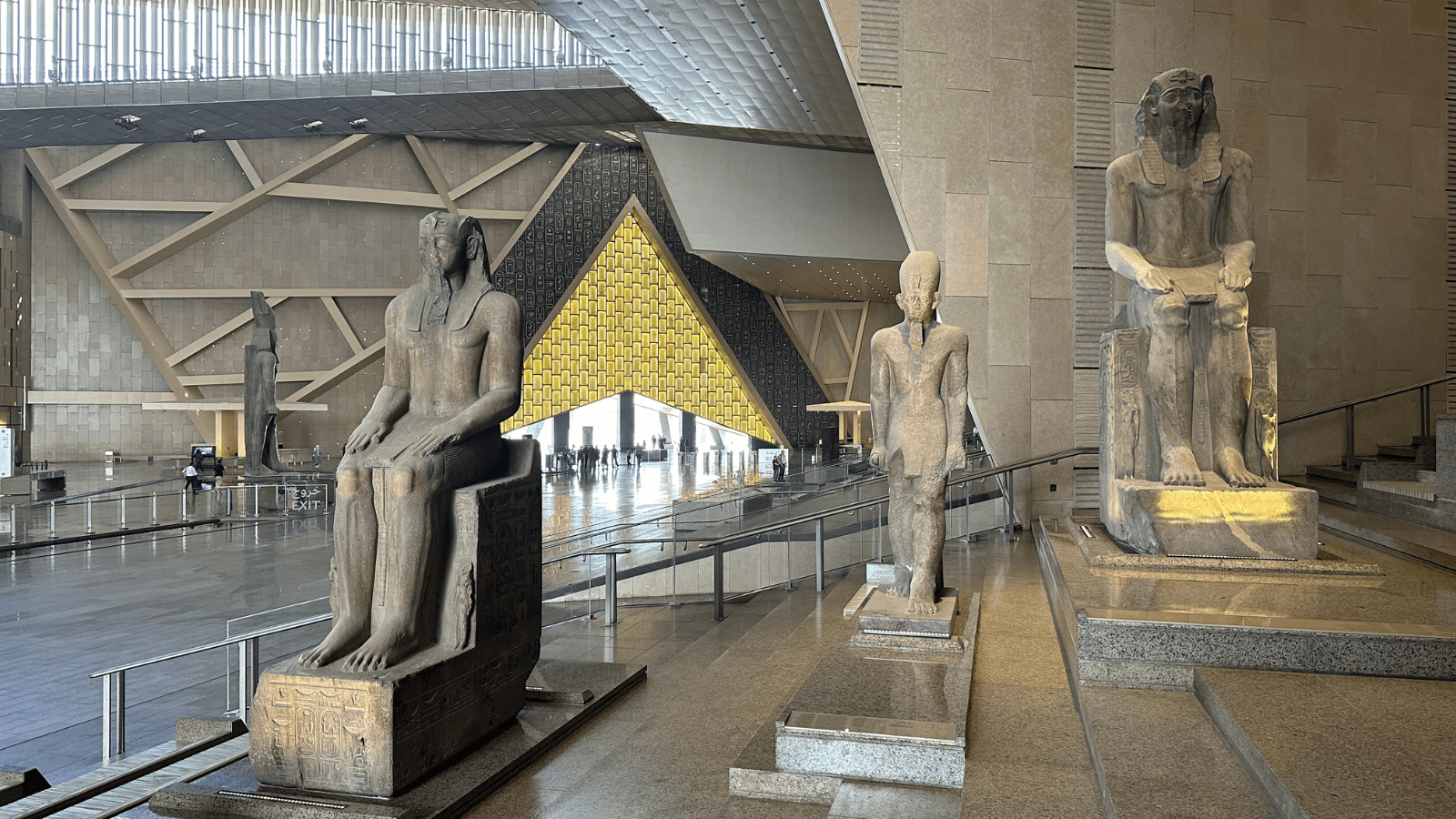
The museum lists Anubis on a Chest, GEM object number 6, among its Tutankhamun Galleries. The black-and-gold canine figure on the chest was found near the entrance to the treasury of Tutankhamun’s tomb. Compare the object’s protective purpose with other burial equipment; confirm current display access before visiting.
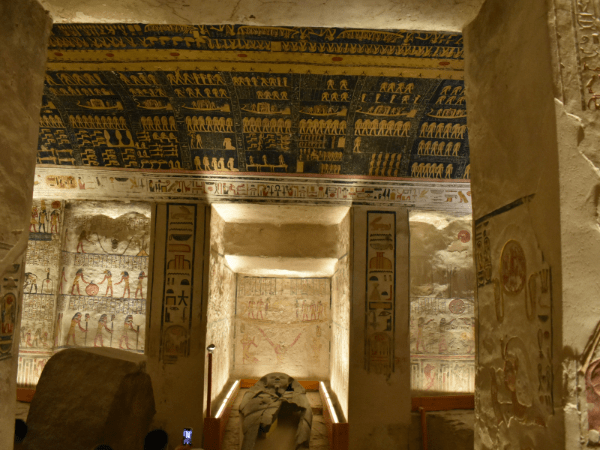
Royal tombs preserve complex images and texts about protection, divine encounters and regeneration. Seti I’s tomb is especially rewarding for funerary art if it is accessible. Ask your Egyptologist which open tombs contain the scenes you want to understand; supplementary tickets can apply.
Valley of the Kings guide Explore the private West Bank tour
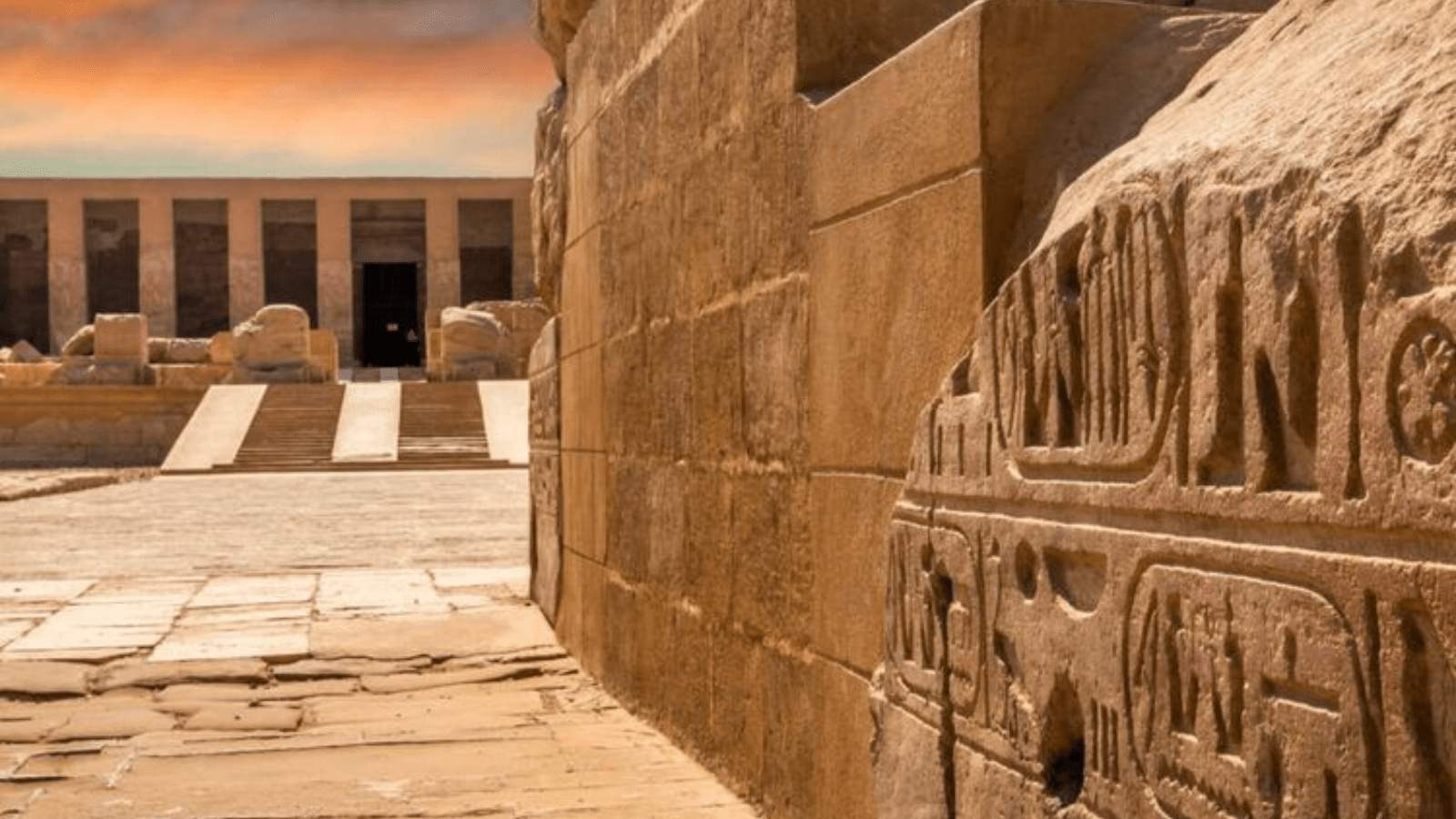
Abydos was a major center of devotion to Osiris, and other funerary deities were important in its religious landscape. At Seti I’s temple, study the offerings, sacred chapels and reliefs within this wider tradition. Anubis and Wepwawet both belong to the story of jackal gods at Abydos; distinguish their roles with your guide.
Start with the period or theme that interests you most, then connect sites by geography instead of treating them as four stops in a single day.
On smaller screens, swipe the table horizontally to view every column.
| Photo | Destination | Best for | Suggested time | Next step |
|---|---|---|---|---|
| Saqqara | Early funerary architecture and texts | 3–4 hours | Saqqara visitor guide |
| Grand Egyptian Museum | Funerary objects and royal collections | 3–4 hours | Grand Egyptian Museum guide |
| Valley of the Kings | Royal tomb decoration and funerary books | 2–3 hours | Valley of the Kings guide |
| Abydos Temple | Osiris worship and temple ritual | Full road day from Luxor | Abydos Temple guide |
Make each stop meaningful without relying on fixed opening hours, exact exhibit locations or unconfirmed special-access arrangements.
Tell your guide that your interests are Anubis, funerary texts and afterlife beliefs. They can explain scenes in their historical context.
Ask about accessible tombs, supplementary tickets and current museum displays before setting your priorities.
Read labels, captions and surrounding figures. A canine-headed deity is not automatically Anubis.
Do not touch painted or carved surfaces. Follow the photography and equipment rules in every tomb and museum.
Choose supportive shoes, carry water where permitted and allow recovery time between demanding visits.
Anubis remains popular in modern art, games and films. Enjoy these interpretations while distinguishing them from documented ancient religious traditions.
Use these sources for historical interpretation and object identification, and the attraction guides above for practical travel planning.
Anubis was associated with embalming, burial, cemeteries, protection of the deceased and the judgment of the dead.
Canines were associated with desert cemeteries. Anubis took a canine or jackal-headed human form as a protective funerary deity.
No. In ancient Egyptian belief he was primarily a protective deity who cared for the deceased and assisted in the transition to the afterlife.
Anubis oversees embalming and the weighing of the heart, while Osiris presides over judgment and is associated with rule over the dead and rebirth.
In the familiar judgment scene, Ammit could devour an unworthy heart, preventing the deceased from reaching the blessed afterlife.
Visit the Grand Egyptian Museum for funerary objects, Saqqara for early burial traditions, and Luxor and Abydos for tomb and temple religion. Ask about specific objects and scenes before your visit.
The official museum collection identifies Anubis on a Chest as GEM object number 6 in the Tutankhamun Galleries. Confirm current display arrangements before your visit.
No. Saqqara and GEM belong to the Cairo and Giza area, while the Valley of the Kings and Abydos are in Upper Egypt. Allow separate sightseeing days and travel between the regions.
Egypt Tours Club can design a private itinerary around Egyptian mythology, archaeology and your preferred pace. Combine Giza's museums, Saqqara, Luxor's royal tombs and the sacred landscape of Abydos with a qualified guide and private transport.