


Hidden Chambers Under Pyramids: Voids & New Discoveries
Separate measured anomalies and confirmed corridors from sensational claims about vast secret cities beneath Giza.
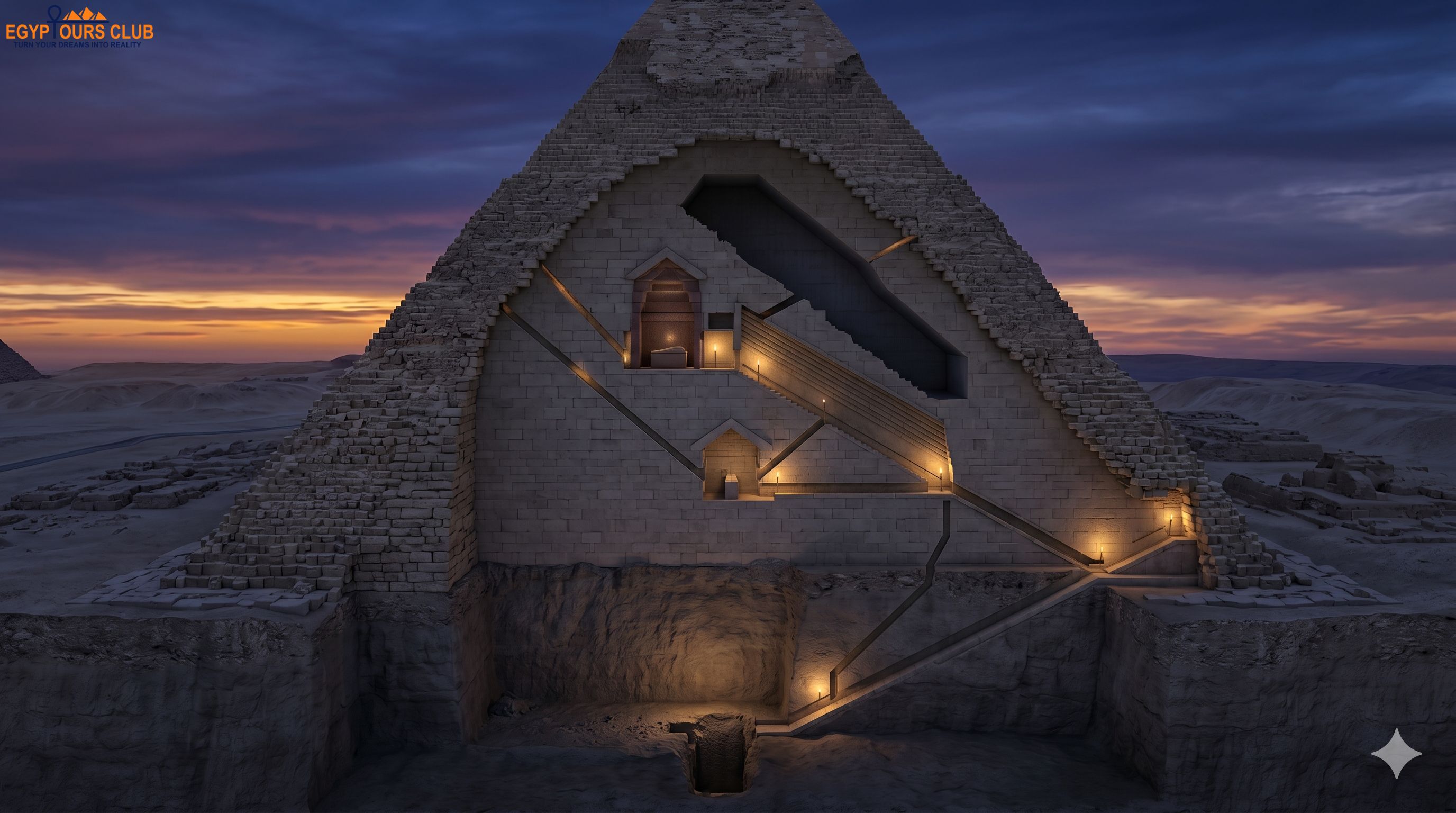
The Great Pyramid already contains known corridors and chambers, while modern non-invasive research has detected additional spaces. These findings are important, but terms such as “void,” “corridor” and “chamber” should not be treated as interchangeable.
Confirmed spaces and major findings
.jpeg)
The ScanPyramids Big Void
Muon measurements published in 2017 identified a large low-density area above the Grand Gallery; its exact structure and purpose remain uncertain.
North-face corridor
Researchers confirmed a corridor behind the chevron stones on the north face, offering new evidence about internal load management or construction.
Known royal chambers
The King’s Chamber, Queen’s Chamber and Grand Gallery form part of the documented internal system of Khufu’s pyramid.
Subterranean Chamber
An unfinished rock-cut chamber below the pyramid has long been known and is not a newly discovered secret room.
How hidden spaces are investigated
Muon imaging
Cosmic-ray particles pass through stone at different rates, allowing researchers to map density differences.
Ground and structural surveys
Radar, thermal imaging, photogrammetry and precise architectural study can test anomalies from different angles.
Minimal physical access
Tiny cameras or probes may be considered only after safety, conservation and archaeological approval.
Peer review and continued testing
Interpretations strengthen when methods, data and alternative explanations are examined by specialists.
Evidence vs popular claims
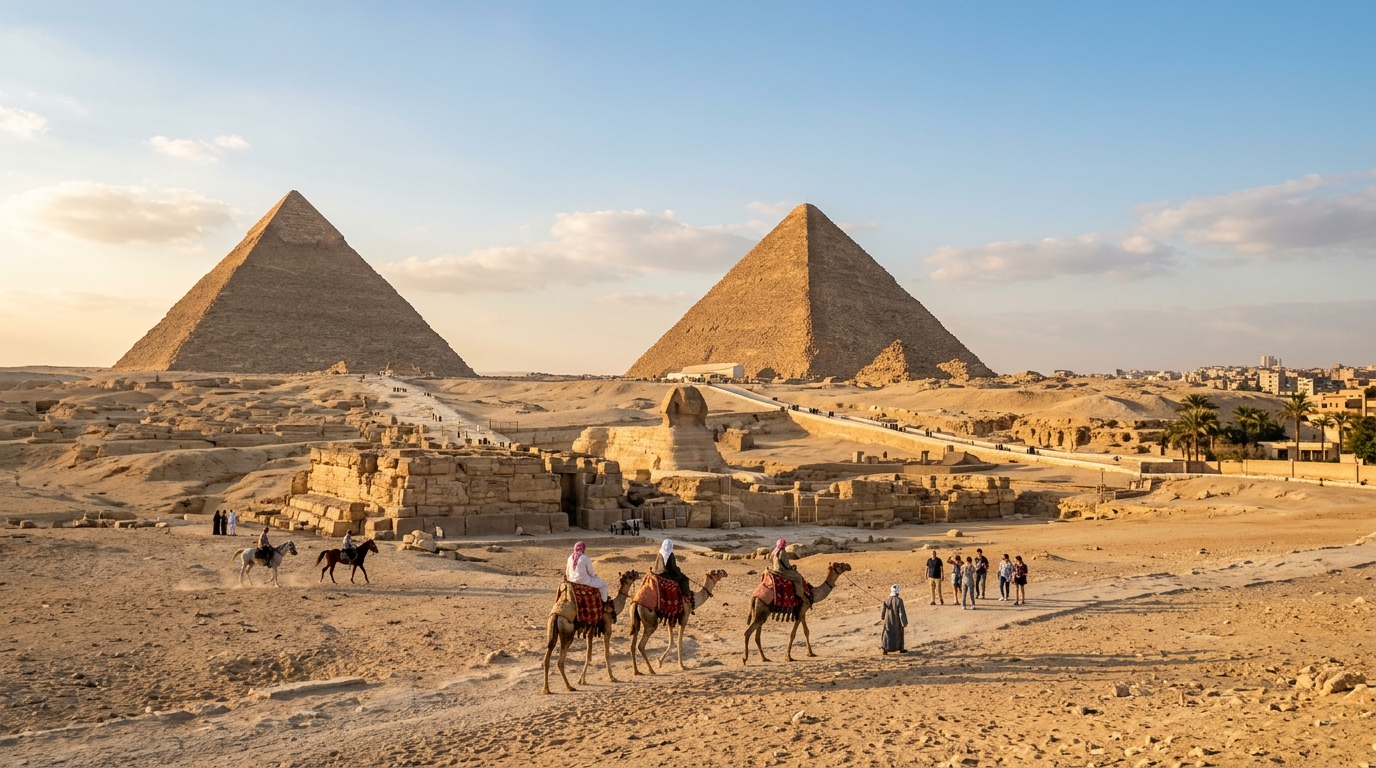
Claim: a vast city under Giza
No accepted archaeological evidence currently demonstrates a giant technological city beneath the pyramid plateau.
Reality: tunnels and shafts exist
Giza contains tomb shafts, quarries, natural features and constructed spaces, each requiring contextual study.
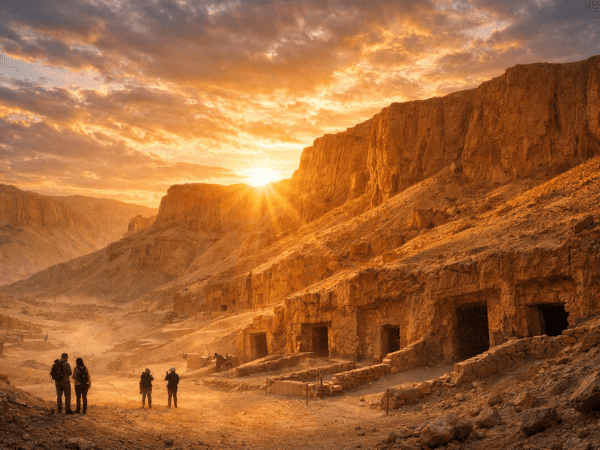
Claim: every void holds treasure
Construction gaps, relieving spaces or unfinished work may create voids without serving as burial chambers.
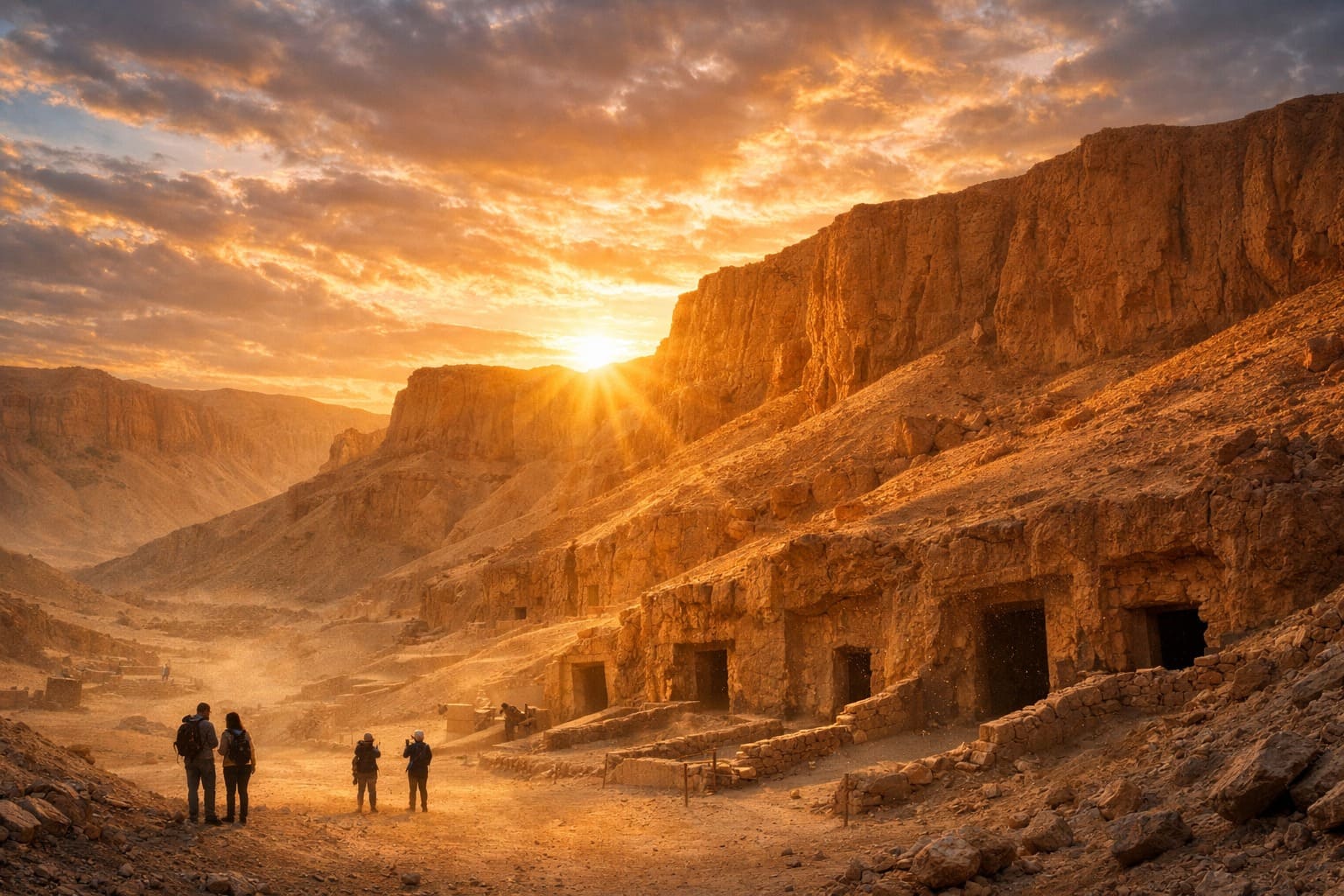
Reality: preservation comes first
Opening a space can destabilize masonry or damage sealed environments, so non-invasive research is valuable.
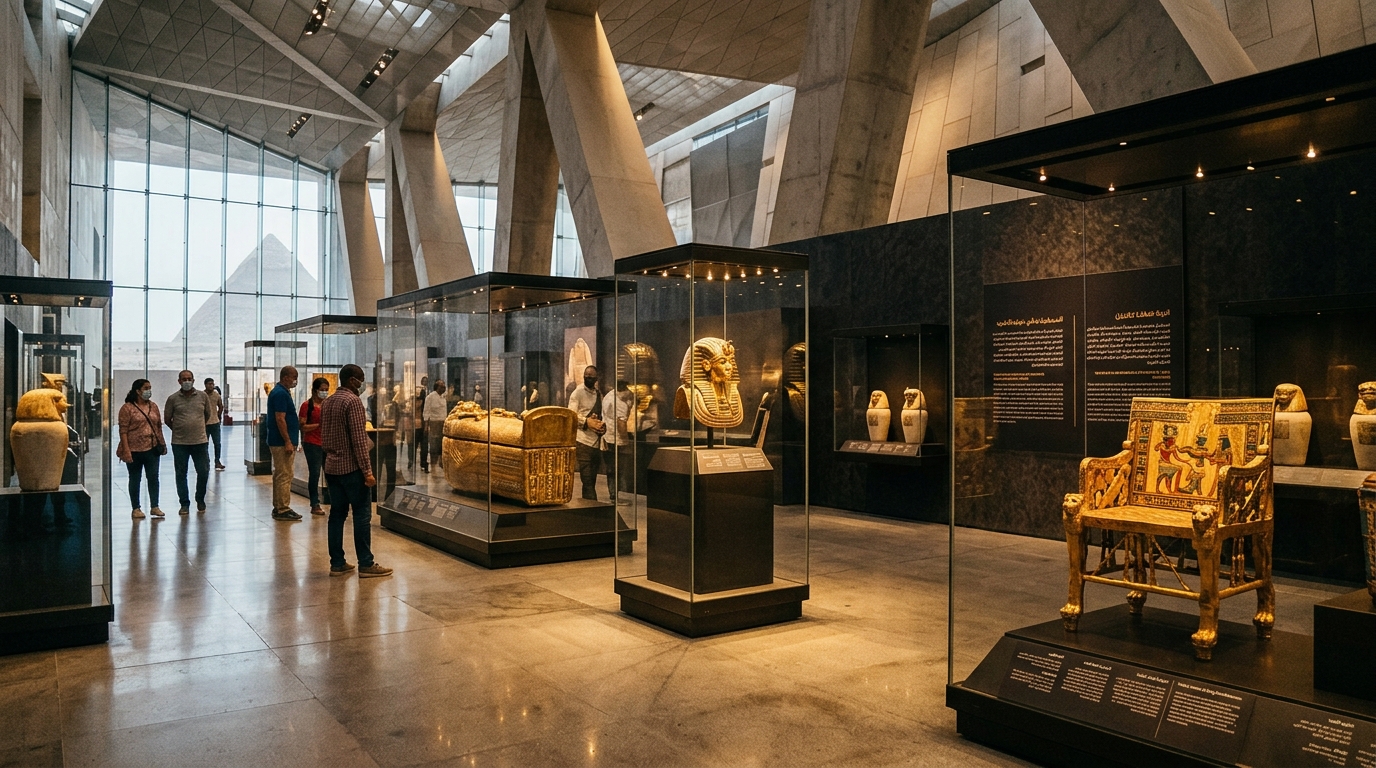
What visitors can see
Ticketed pyramid interiors show confirmed passages and chambers; research voids are not ordinary tourist-access spaces.
Frequently asked questions
Are there secret chambers inside the Great Pyramid?
Additional voids and a corridor have been detected or confirmed, but their precise function and full accessibility remain under study.
What is the Big Void?
It is a large low-density zone detected above the Grand Gallery using muon imaging.
Was treasure found in the new corridor?
No treasure discovery has been established; the corridor’s architectural purpose is still being researched.
Are there chambers under every pyramid?
Pyramids use different internal and subterranean designs, so evidence must be considered monument by monument.
Can tourists enter newly found spaces?
No. Research spaces are restricted for safety, conservation and scientific investigation.
Explore Giza with evidence, not sensationalism
Visit the pyramids with an Egyptologist who explains known interiors, modern scanning and what discoveries truly prove.
Plan My Giza Archaeology Tour