


How Philae Temple Was Saved: The UNESCO Relocation Story
Discover how an island sanctuary threatened by flooding was documented, dismantled and reconstructed on higher ground.
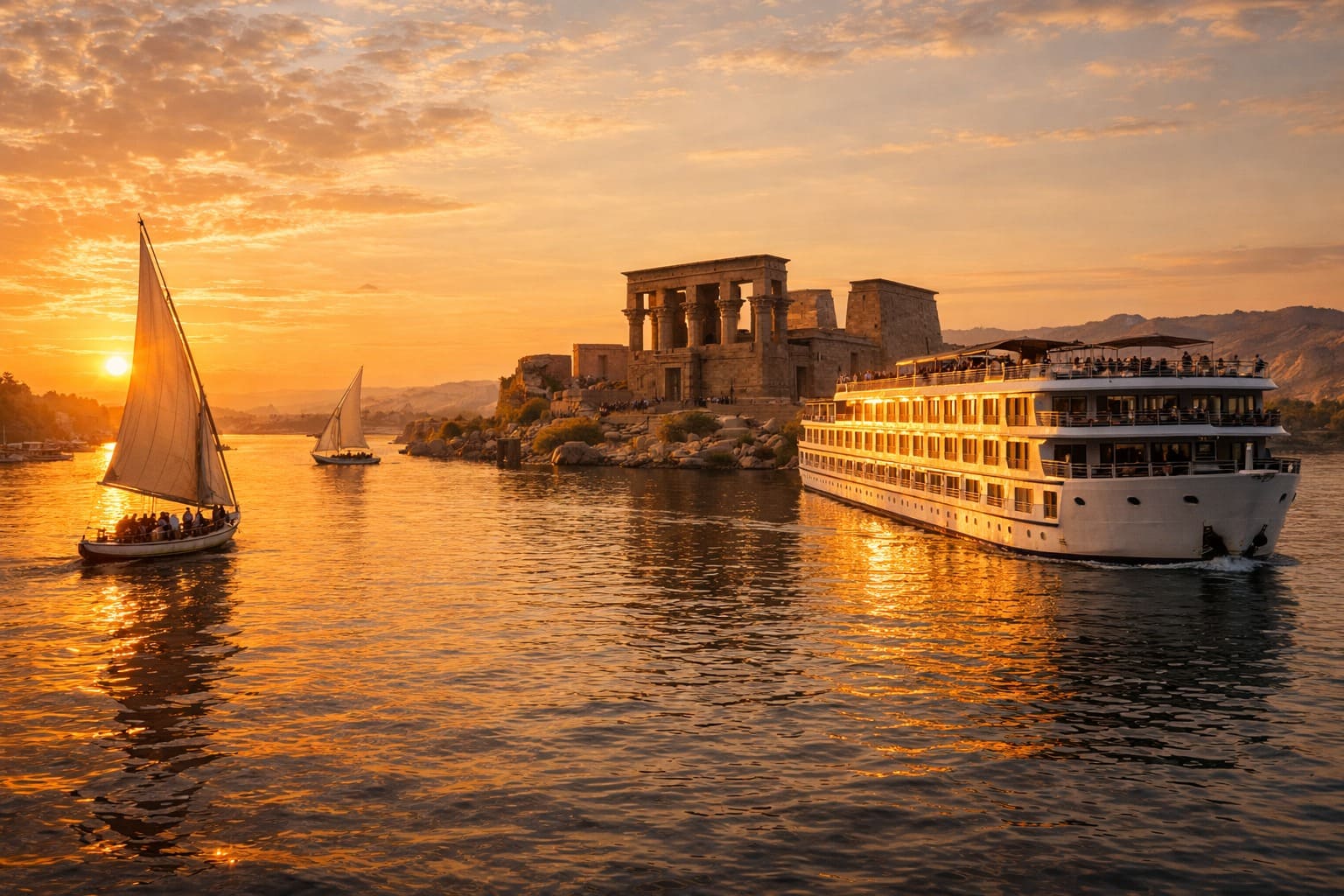
Philae’s present setting looks ancient and natural, yet it is the result of one of the twentieth century’s greatest archaeological rescue projects.
Why Philae had to be saved
.jpeg)
Decades of flooding
The first Aswan Dam and later raisings left the original island submerged for long periods.
.png)
Damage to ancient stone
Water, salts, sediment and repeated wet-dry cycles threatened reliefs, masonry and foundations.
A complex sacred landscape
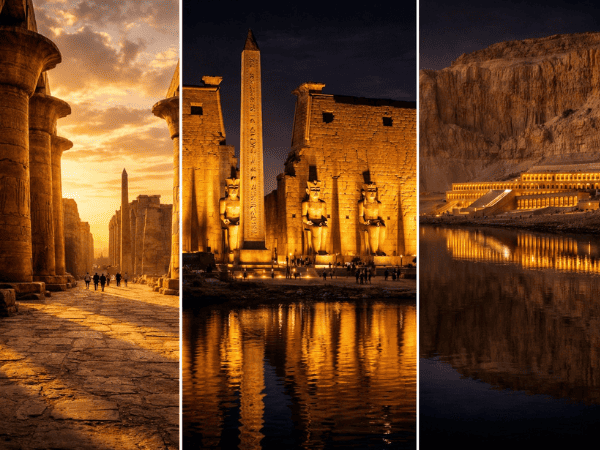
Philae was a layered sanctuary, not a single façade, so the entire architectural sequence mattered.
An international response
UNESCO’s Nubian campaign brought countries and specialists together to protect threatened heritage.
How the temple was relocated
Enclose and drain
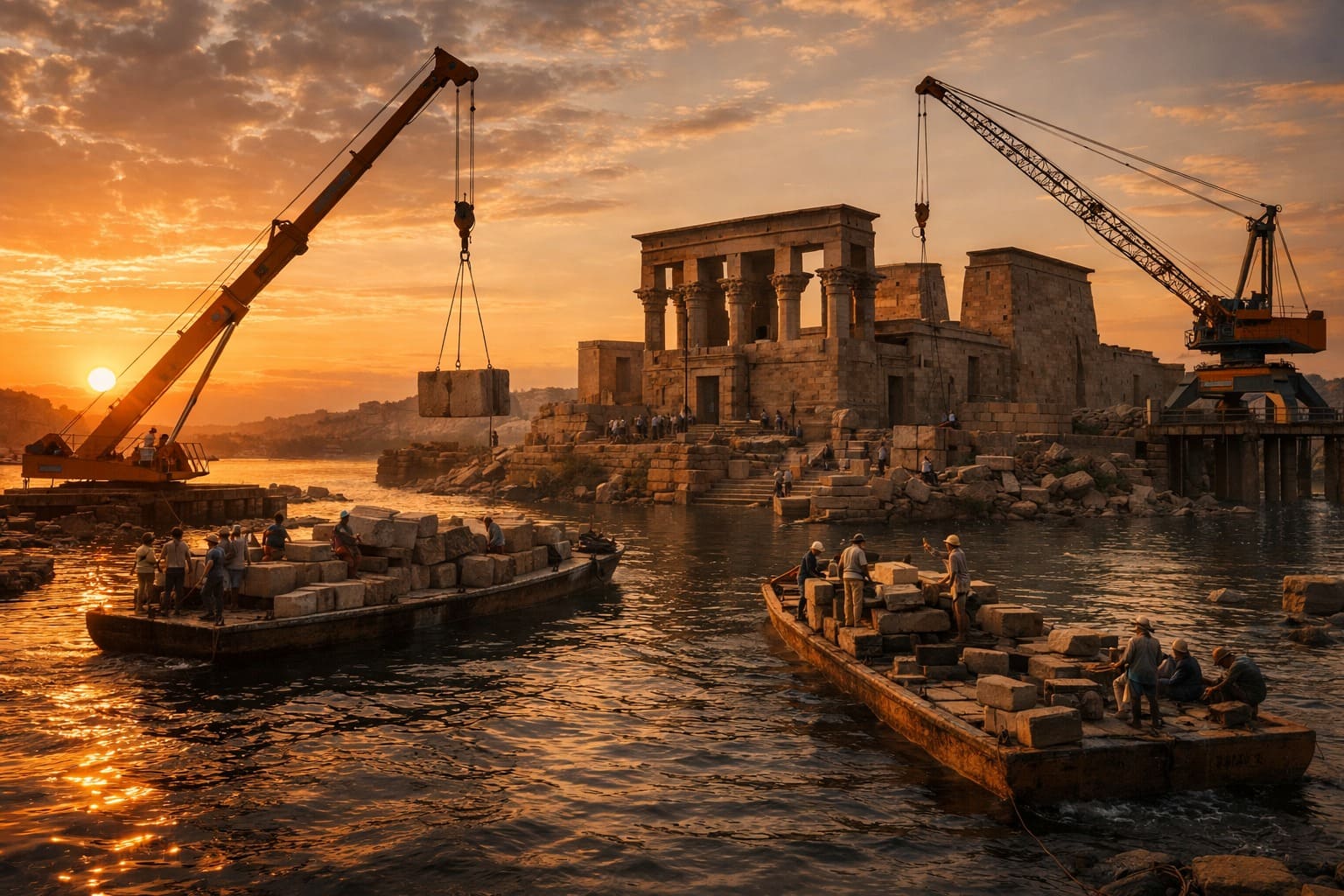
An impervious cofferdam surrounded the monuments so water could be pumped away.
Document every detail
Surveys, photography and photogrammetry recorded surfaces, inscriptions and precise positions.
Cut and number the blocks
The complex was divided into about 40,000 catalogued pieces, some weighing up to 25 tonnes.
Rebuild on Agilkia
The island was reshaped and the numbered blocks reassembled in their original relationships.
Timeline, legacy and visiting today
1960 international campaign
UNESCO launched the campaign to save Nubian monuments after appeals from Egypt and Sudan.
1972–1979 rescue work
Cofferdams, documentation, dismantling, transport and reconstruction transformed the project into reality.
1980 completion
The twenty-year international campaign officially concluded on 10 March 1980.
World Heritage legacy
Philae belongs to the Nubian Monuments property inscribed on the World Heritage List in 1979.
Visit on Agilkia Island
Allow 60–90 minutes inside, plus road and boat transfers, to understand the ancient sanctuary and modern rescue.
Frequently asked questions
Was Philae Temple really moved?
Yes. Its principal monuments were dismantled into about 40,000 numbered blocks and rebuilt on Agilkia Island.
Why was relocation necessary?
Changing water levels repeatedly flooded the original island and threatened stone, reliefs and stability.
Where did Philae originally stand?
The complex stood on Philae Island; it now occupies nearby Agilkia Island.
When was the rescue completed?
Reconstruction was largely finished by the end of 1979, and the campaign concluded in March 1980.
Is Philae a UNESCO World Heritage Site?
It forms part of the Nubian Monuments from Abu Simbel to Philae World Heritage property.
Experience Philae with its full story
Arrange the boat, expert guide and nearby Aswan attractions in one comfortable private route.
Plan My Philae Visit