
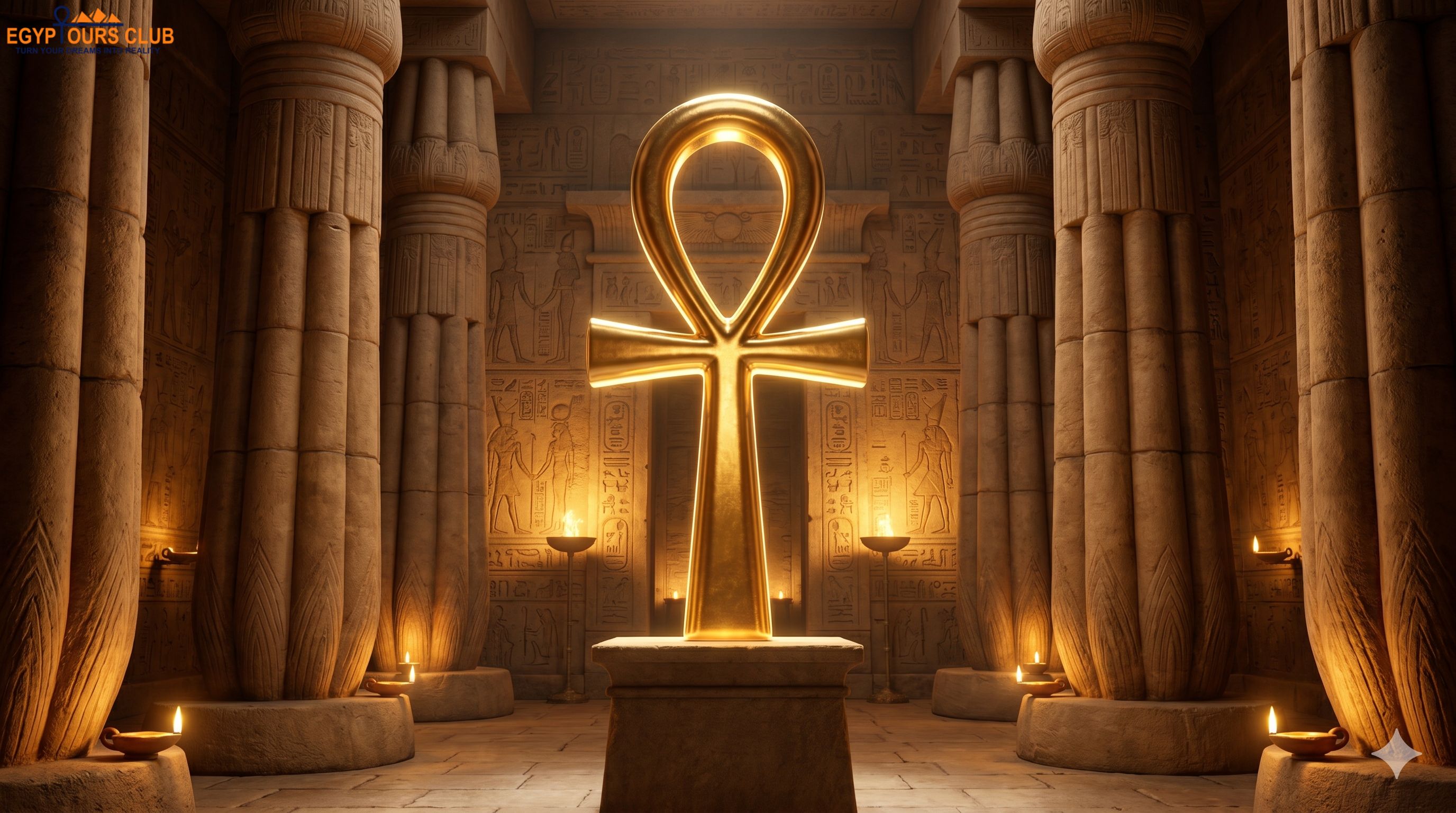
The Ankh Symbol: Meaning, Significance in Ancient Egypt & Where to See It in Egypt | Egypt Tours Club
The Ankh Symbol: Meaning, Significance in Ancient Egypt & Where to See It in Egypt . banner

The Ankh Symbol: Meaning, Significance in Ancient Egypt & Where to See It in Egypt

```html Ankh Symbol Meaning in Ancient Egypt | Life, Gods & Temple Art
☥ Ancient Egyptian Symbols

Ankh Symbol Meaning: The Ancient Egyptian Sign of Life

Explore the ankh as the ancient Egyptian symbol of life, divine breath and eternal existence, then discover where to see it in temples, tombs and museums across Egypt.

Egypt Tours Club Updated June 2026 10 min read Ankh Symbol · Life · Gods · Temples · Ancient Egypt

The ankh symbol meaning is life. In ancient Egypt, this simple looped sign moved beyond writing to become a sacred image of divine breath, rebirth, royal power and eternal existence.

Ankh Symbol Meaning: Quick Answer

The ankh is the ancient Egyptian symbol for life. It appears in hieroglyphic writing, temple reliefs, royal scenes, tomb paintings, amulets and museum objects. When gods hold or offer the ankh, the scene usually expresses life, divine power, protection or eternal existence.

For travelers, learning the ankh makes Egypt easier to read. A temple wall becomes more than decoration, a museum object gains meaning, and a scene of a god offering the ankh becomes a message about life granted by divine power.

The simple meaning

The ankh means life. In sacred Egyptian scenes, it often represents divine breath, renewal and the promise of life beyond death.

What Does the Ankh Symbol Mean?

The clearest answer is simple: the ankh symbol means life. In ancient Egyptian writing, the sign represented life, living and being alive. Over time, it became one of the strongest images of vitality, divine blessing and eternal existence in Egyptian visual culture.

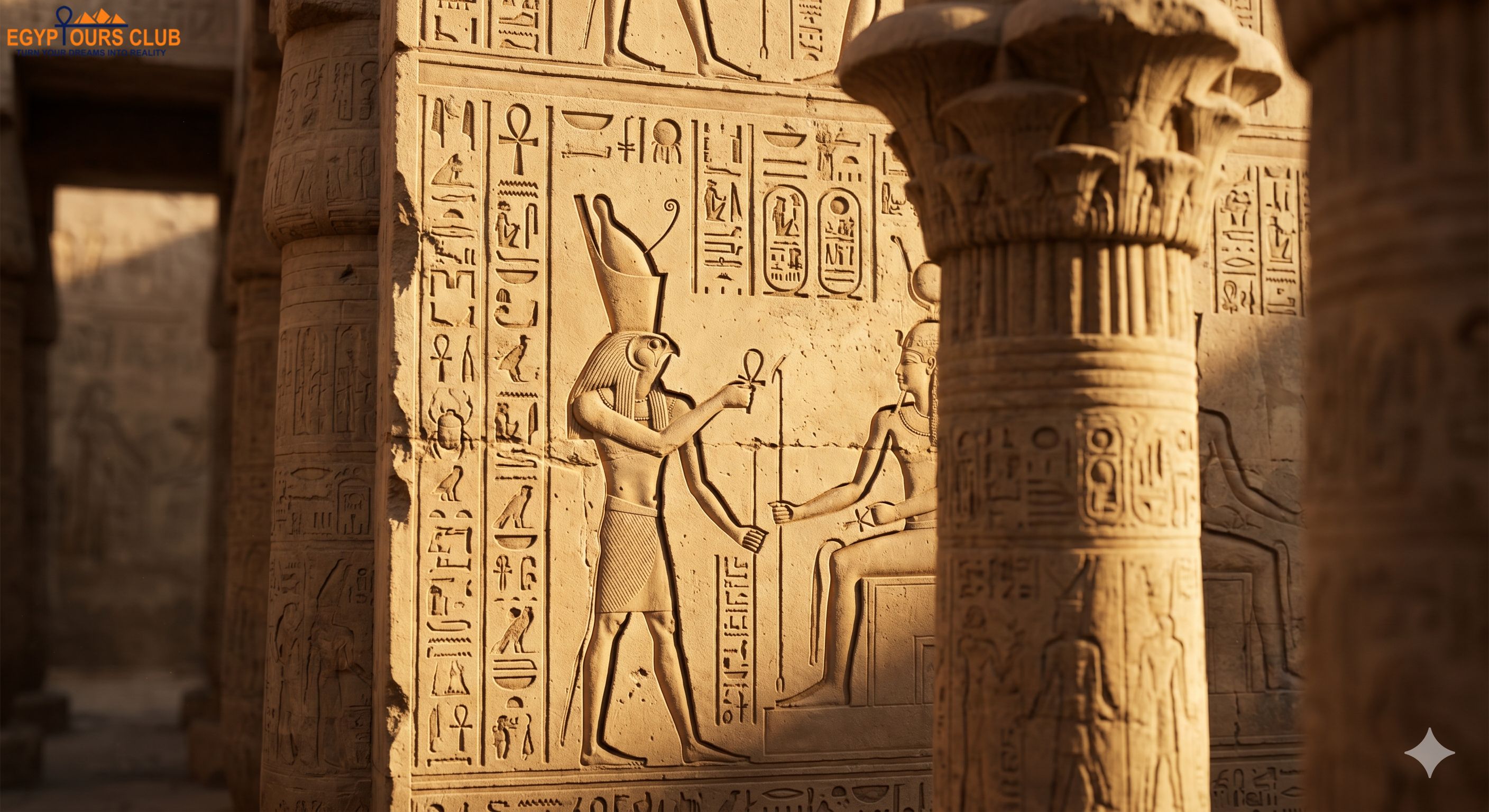
In temple art, Egyptian gods often hold the ankh or extend it toward a king. When the sign appears near the face of a pharaoh, it can suggest divine breath or life being given by the gods. This is why the ankh is often called the key of life.

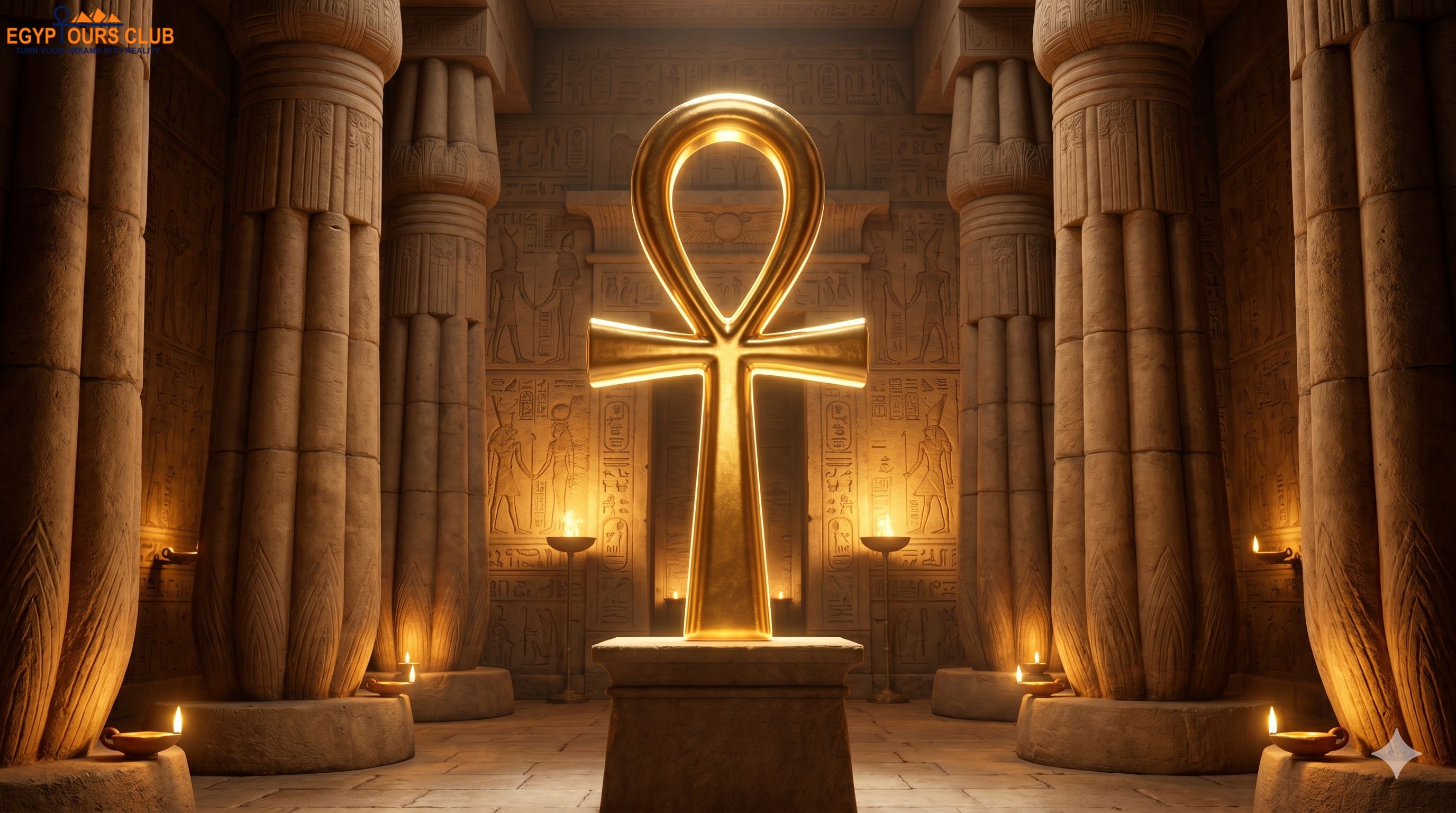
The ankh symbol in ancient Egyptian art representing life and divine power
The ankh symbol represented life in ancient Egyptian writing and became a sacred image of divine power and eternal existence.

History of the Ankh Symbol in Ancient Egypt

The history of the ankh reaches deep into ancient Egyptian civilization. It appears in inscriptions, temple reliefs, funerary decoration, royal scenes, amulets, ritual objects and later cultural traditions.

The exact origin of the ankh’s shape is still debated, but its central meaning is clear. It was a sign of life and became one of Egypt’s most recognizable sacred symbols because it could work as writing, religious image and visual message at the same time.

Historical aspect What it means Why travelers should notice it
Writing The ankh directly represented life in ancient Egyptian script. It helps travelers see symbols as readable language.
Temple scenes Gods often hold or offer the ankh to express life and divine favor. It makes temple walls easier to understand.
Royal imagery Kings are shown receiving life from divine figures. It explains the link between kingship and sacred power.
Funerary art The ankh appears in scenes connected with rebirth and eternal life. It adds meaning to tomb visits in Luxor and beyond.
Museum objects Amulets and reliefs often use the ankh as a life-giving sign. It gives museum collections a clearer story.

Why the Ankh Was Significant in Ancient Egypt

The ankh was significant because it connected life, religion, kingship and the afterlife in one sign. It was not only a beautiful shape. It was a compact message about existence, divine protection and continuity.

In temples, the ankh can appear in the hands of gods. In tombs, it supports ideas of renewal and eternal life. In royal scenes, it shows the king receiving life from divine powers. This combination made the ankh one of the most meaningful symbols in ancient Egypt.

Life

The ankh is the best-known ancient Egyptian sign for life and vitality.

👑

Kingship

Pharaohs are shown receiving life from gods through the ankh in sacred scenes.

🏛️

Temple Art

The symbol helps visitors understand the visual language of Egyptian temples.

⚰️

Afterlife

In funerary contexts, the ankh supports ideas of rebirth and eternal existence.

🧿

Protection

Its sacred use connects it with divine power, blessing and spiritual continuity.

🌿

Renewal

The ankh often appears in scenes where life is restored, protected or continued.

The Ankh in Egyptian Gods, Temples and Art

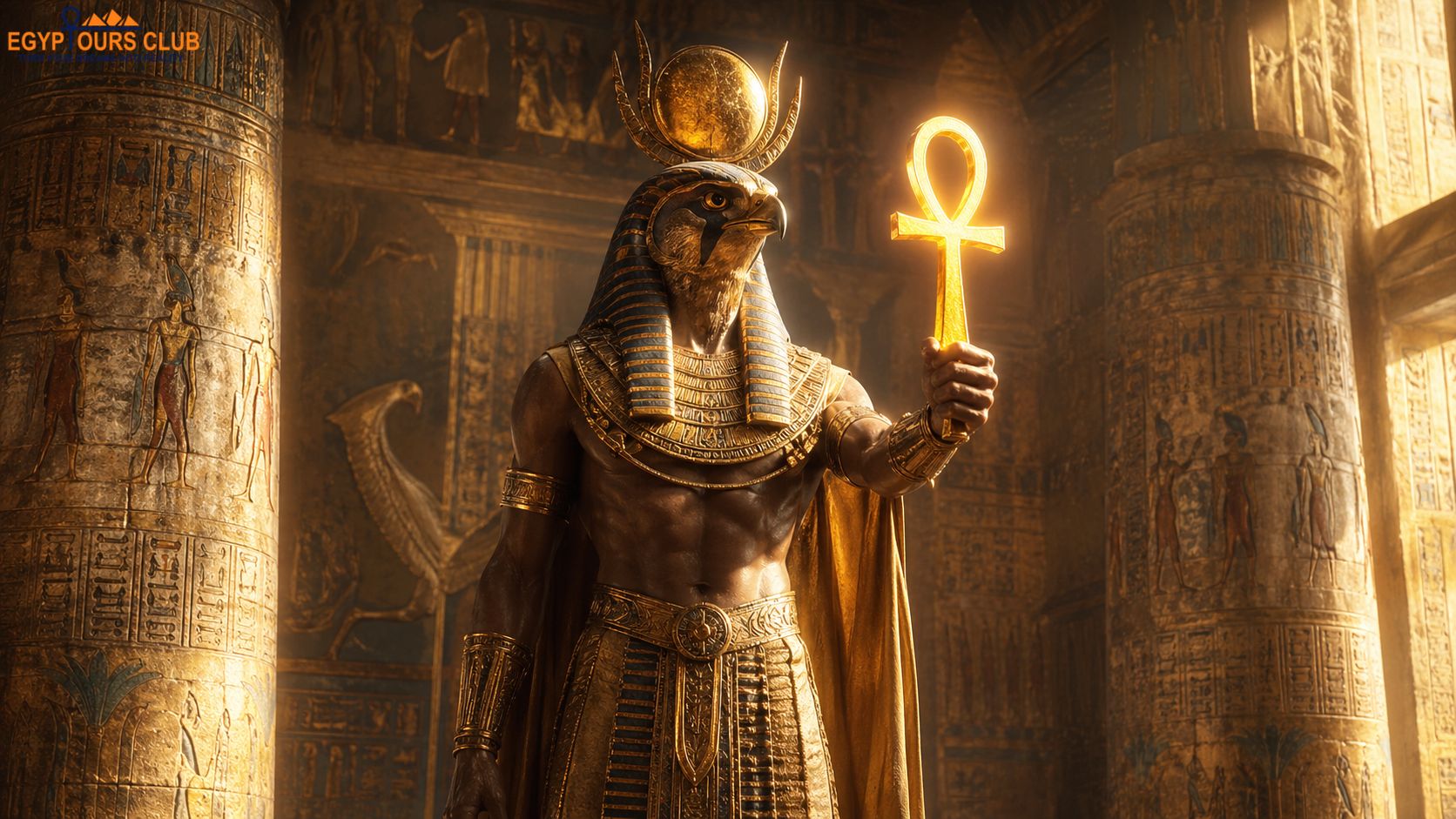
A major reason the ankh remains so famous is its constant appearance in sacred art. Egyptian gods such as Osiris, Isis, Ra, Hathor, Ptah, Amun and Anubis are often shown holding or offering the ankh in temple reliefs and tomb scenes.

This makes the ankh one of the most useful symbols for travelers to recognize. Once you understand it, scenes inside Karnak Temple Tours, Philae Temple Tours, Valley of the Kings Tours and the Grand Egyptian Museum Tours become easier to read.

Setting What the ankh shows Best travel context
Temple carvings Divine life offered to kings and sacred figures. Karnak Temple Tours and Philae Temple Tours.
Tomb paintings Afterlife, renewal and divine protection. Valley of the Kings Tours.
Museum objects Ankh amulets, ritual items, relief fragments and royal objects. Grand Egyptian Museum Tours and Egyptian Museum Cairo Tours.
Old Cairo heritage Later visual continuity and Egyptian religious heritage. Islamic and Coptic Cairo Tours.
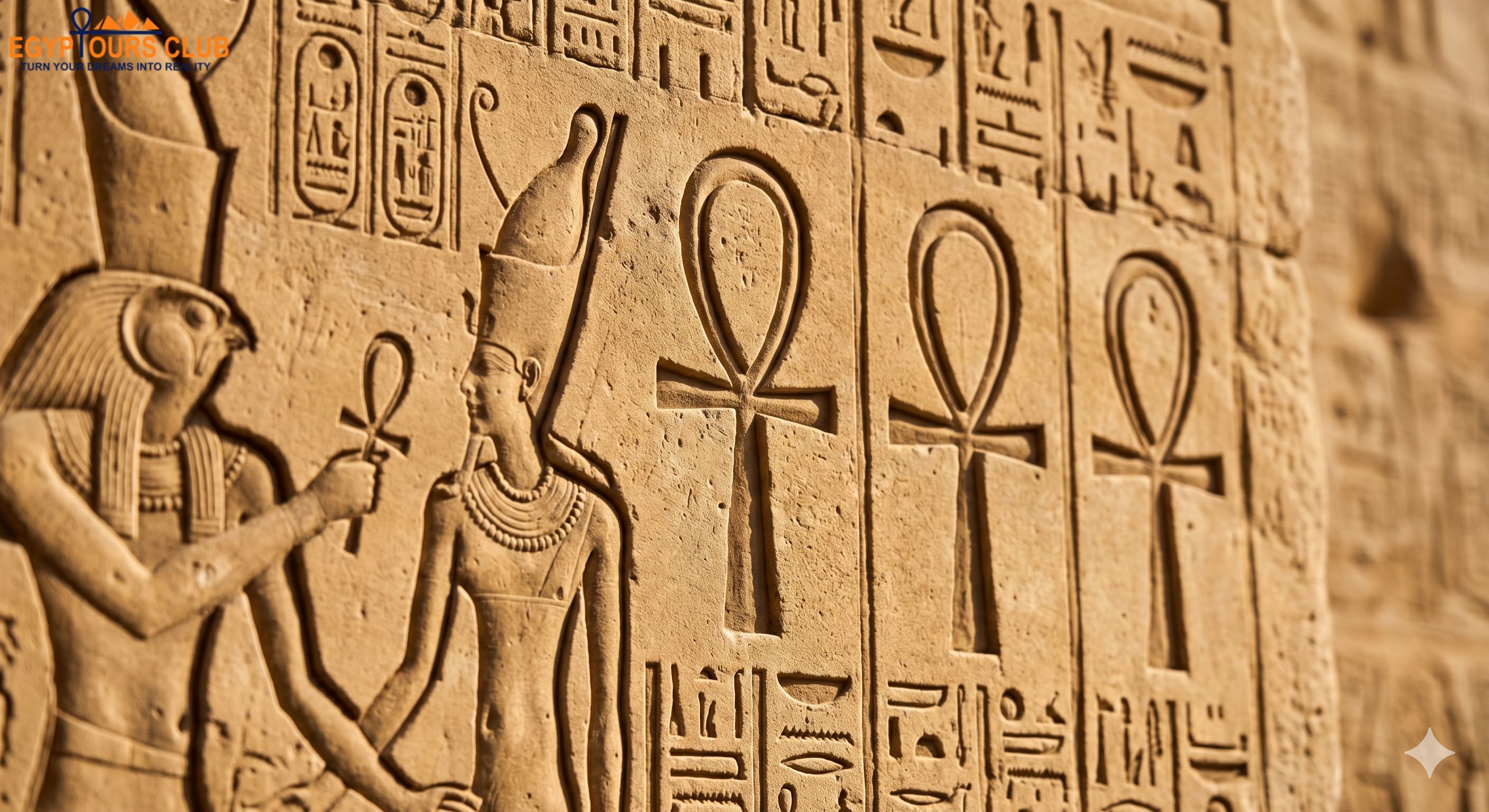
Ankh in Egyptian temples and wall carvings alongside gods and royal figures
In Egyptian temple art, the ankh often appears in the hands of gods or near the face of a king as a symbol of life and divine breath.

Ankh Symbol Facts for Fast Understanding

These quick facts help you recognize the ankh during a temple, tomb or museum visit.

Fact Detail Why it matters
Basic meaning Life. This is the core meaning of the ankh in ancient Egyptian writing.
Common nickname Key of life. It reflects the symbol’s association with life and eternal existence.
Main context Writing, religion, art, kingship and funerary symbolism. It explains why the ankh appears across many types of Egyptian heritage.
Common visual use Held by gods and pharaohs. It helps visitors recognize life-giving scenes.
Travel value Visible in temples, tombs and museums. It becomes easier to notice during guided cultural visits.

Where to See the Ankh Symbol in Egypt

The ankh appears across Egypt’s sacred visual world: temples, tombs, museums and later heritage settings. The strongest places to notice it are Luxor, Aswan and Cairo because these destinations combine ancient monuments with major collections.

Karnak and Luxor Temples

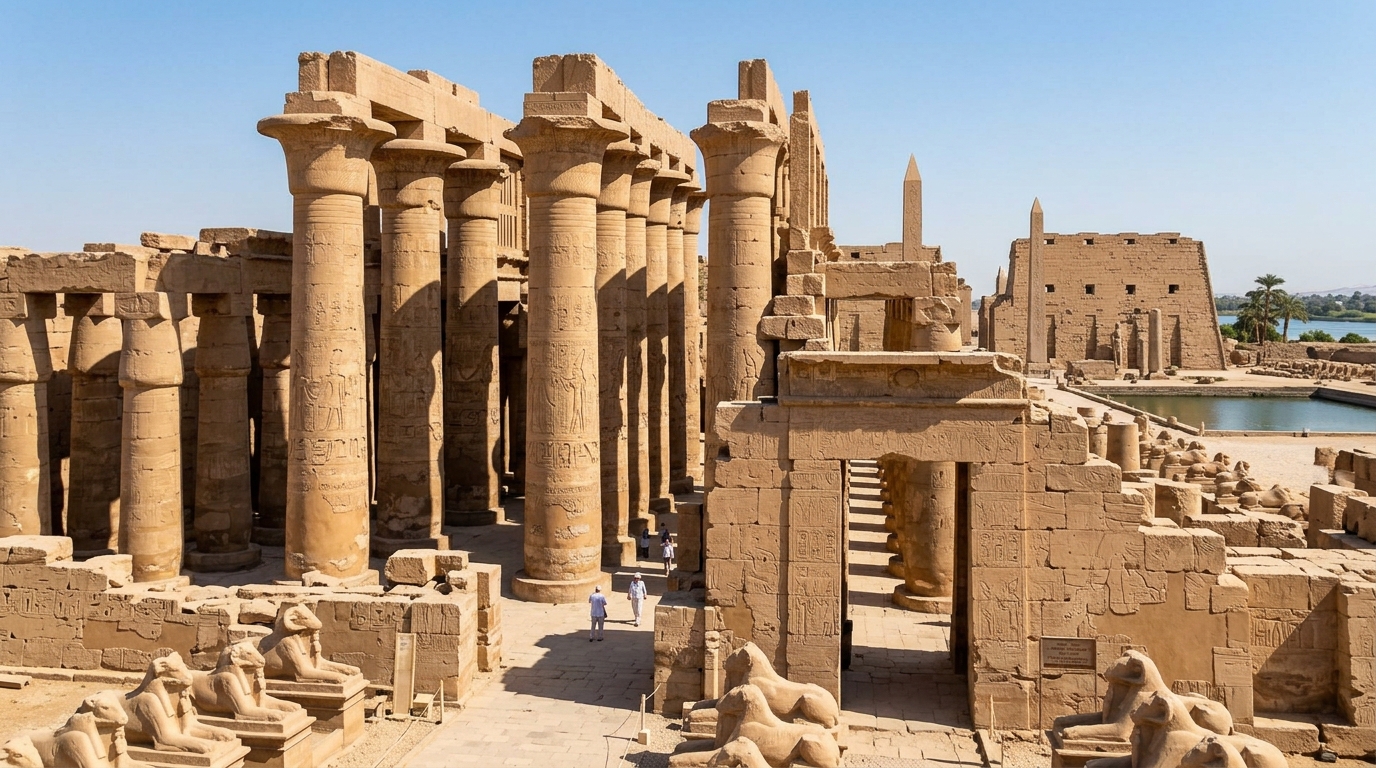
Luxor is one of the richest regions for ankh imagery, with temple walls showing divine offerings, kingship scenes and sacred ritual language.

Explore Luxor Day Tours →

Valley of the Kings

Royal tomb paintings use the ankh to express afterlife, divine protection, renewal and eternal life in vivid funerary art.

Explore Valley of the Kings Tours →

Grand Egyptian Museum

Museum collections help travelers understand the ankh through objects, reliefs, amulets, jewelry and royal treasures.

Explore Grand Egyptian Museum Tours →

Philae Temple and Aswan

Philae preserves rich symbolic reliefs where the ankh appears within divine, ritual and royal scenes connected with Isis worship.

Explore Aswan Day Tours →
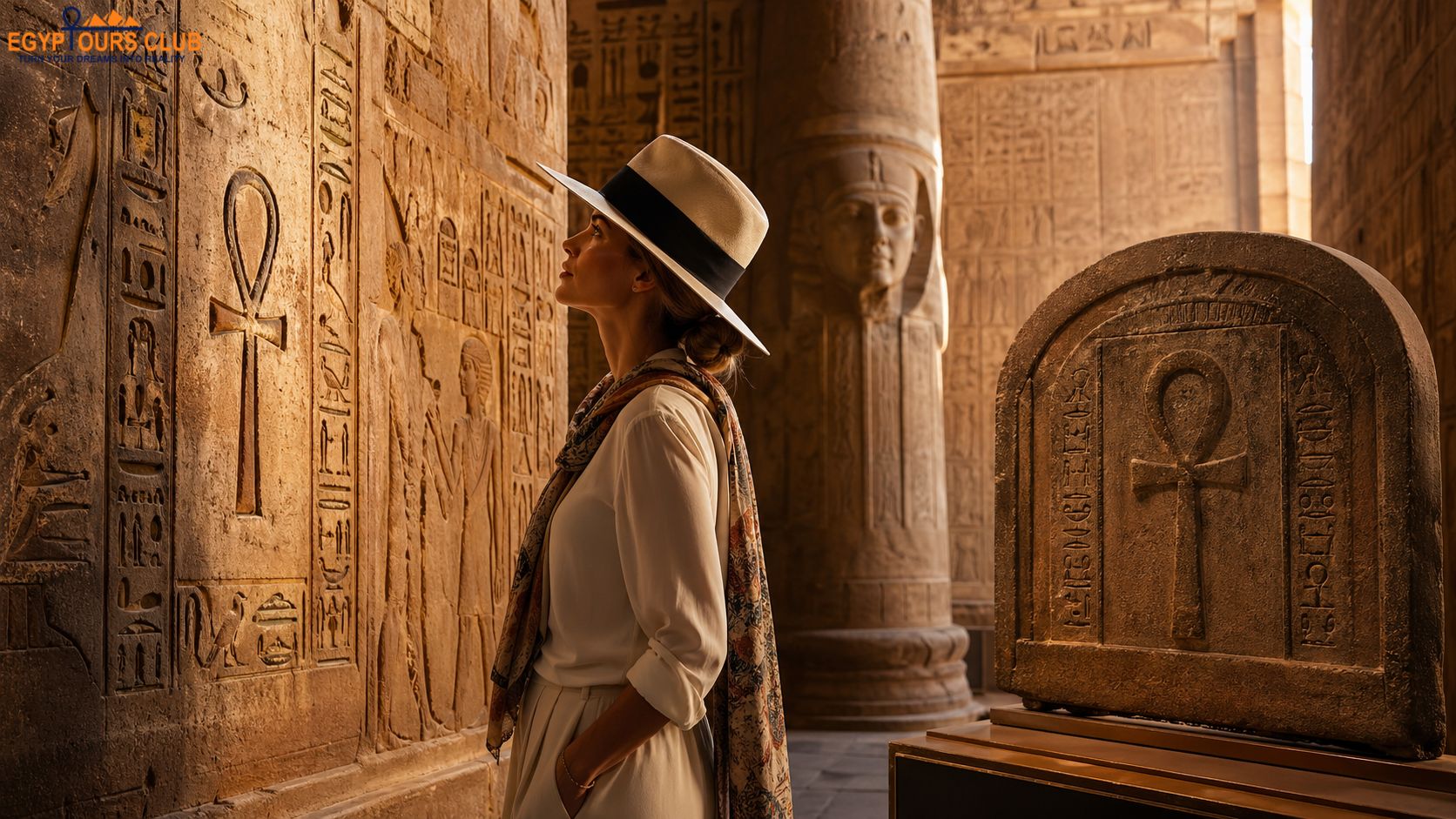
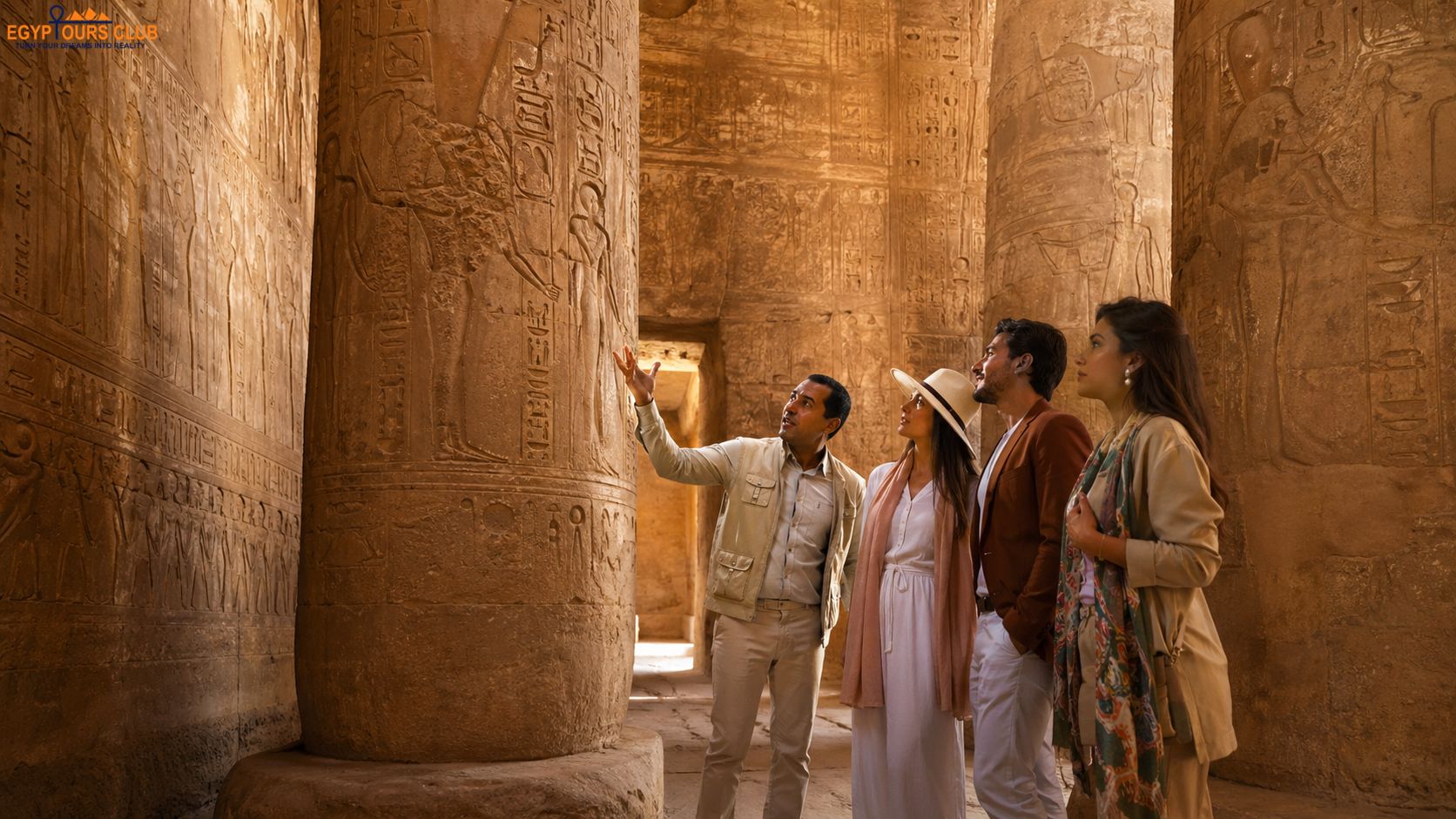
Travelers discovering the ankh symbol in Egyptian temples and museums during a cultural heritage tour
A guided cultural route helps travelers recognize the ankh in temples, tombs and museum collections, turning symbols into stories.

Choose the Best Route to See the Ankh in Context

The best route depends on whether you want temples, tombs, museums or a wider Egypt journey. Use this table to match your interest with the strongest path.

Traveler goal Best route Recommended page
Museums and pyramids Cairo museums, Giza and ancient symbol collections. Cairo Day Tours
Temple walls and sacred scenes Karnak Temple, Luxor Temple and East Bank temple reliefs. Luxor Day Tours
Tombs and afterlife imagery Valley of the Kings and Luxor West Bank routes. Valley of the Kings Tours
Isis worship and southern temples Aswan, Philae Temple and Nile island landscapes. Philae Temple Tours
Luxor to Aswan temple route Sail between Luxor and Aswan with temple visits along the Nile. Nile Cruise Packages
Full Egypt journey Cairo, Luxor, Aswan, museums, temples and tombs. Egypt Tour Packages
Flexible cultural plan Build a tailored route around symbols, gods, temples and museums. Tailor-Made Egypt Tours

Best choice for symbol lovers

Choose a route that combines Cairo museums with Luxor temples and Aswan’s Philae Temple. This gives you the ankh in objects, temple walls, royal scenes and sacred landscapes.

Create a Tailored Egypt Route →

FAQs About the Ankh Symbol Meaning

What does the ankh symbol mean?
The ankh symbol means life. In ancient Egyptian writing, it represented life, living and being alive, and in sacred art it became a sign of divine breath, renewal and eternal existence.
Why was the ankh symbol important in ancient Egypt?
The ankh was important because it connected language, religion, kingship, temple ritual, funerary belief and eternal life in one recognizable ancient Egyptian sign.
Is the ankh the Egyptian symbol for life?
Yes. The ankh is the best-known ancient Egyptian symbol for life and one of the most recognizable signs from Egyptian temples, tombs and museum collections.
Which Egyptian gods are shown with the ankh?
Egyptian gods such as Osiris, Isis, Ra, Hathor, Ptah, Amun and Anubis are often shown holding or offering the ankh in temple reliefs, tomb scenes and sacred art.
Where can travelers see the ankh symbol in Egypt?
Travelers can see the ankh symbol in temples, tombs and museums, especially at Karnak Temple, Luxor Temple, the Valley of the Kings, Philae Temple, the Egyptian Museum in Cairo and the Grand Egyptian Museum.
Is the ankh connected with the afterlife?
Yes. The ankh is strongly connected with ideas of life, rebirth and eternal existence, which is why it appears in funerary scenes, tomb decoration and images of gods granting life.
What is the best Egypt route for seeing the ankh in context?
A strong route includes Cairo museums, Karnak Temple, Luxor Temple, the Valley of the Kings, Philae Temple and a Nile cruise between Luxor and Aswan.

Final Thoughts: The Ankh Is a Symbol You Can Read

The ankh symbol is one of the clearest examples of how ancient Egypt turned writing into sacred imagery. It meant life in language, represented life in art and carried that meaning through temples, tombs, gods and kings.

For travelers, understanding the ankh transforms Egypt from a series of monuments into a readable world of signs. Once you know what the symbol means, you begin to see life, divine power and eternal continuity carved across Egypt’s sacred landscape.

Create Your Tailored Symbols Route →
```