The Ankh Symbol: Meaning, Significance in Ancient Egypt & Where to See It in Egypt | Egypt Tours Club
The Ankh Symbol: Meaning, Significance in Ancient Egypt & Where to See It in Egypt . banner

The Ankh Symbol: Meaning, Significance in Ancient Egypt & Where to See It in Egypt

The Ankh Symbol: Meaning, Significance & Where to See It in Egypt | Egypt Tours Club
☥ Ancient Egyptian Symbols

The Ankh Symbol: Meaning and Significance in Ancient Egypt

Explore the ankh symbol as the ancient Egyptian sign of life — from hieroglyphic writing and sacred temple art to gods, pharaohs, tombs, museum objects, and cultural tours across Egypt.

Egypt Tours Club Updated May 2026 9 min read Ancient Symbols · Egyptology · Cultural Travel

The ankh symbol is one of the clearest bridges between ancient Egyptian writing and sacred belief. It meant life, but in temple scenes, tomb art, royal imagery, and museum objects, it became much more: a visual language of divine breath, protection, rebirth, and eternal existence.

Why the Ankh Symbol Still Matters

The ancient Egyptian ankh is one of the most famous images from the Nile Valley because its form is simple, memorable, and deeply meaningful. Known today as the Egyptian symbol for life, the ankh was not only a decorative motif. It was a hieroglyph, a sacred sign, a ritual image, and one of the strongest visual shortcuts into ancient Egyptian religion.

This is why searches such as ankh symbol meaning, what does the ankh symbol mean, ancient Egyptian ankh meaning, and ankh hieroglyph meaning continue to attract strong interest. The symbol is easy to recognize, but its significance is layered: it belongs to language, art, kingship, gods, tombs, and the afterlife.

For travelers, understanding the ankh changes the way Egypt feels. A temple wall becomes readable. A museum object gains meaning. A scene of a god holding the ankh becomes a message about life and divine power, not just beautiful ancient art.

What Does the Ankh Symbol Mean?

The clearest answer is simple: the ankh symbol meaning is life. In ancient Egyptian hieroglyphic writing, the sign represented the concept of life and was used in words connected to living, being alive, and vitality.

But the ankh’s meaning expanded beyond writing. In sacred scenes, Egyptian gods often hold the ankh or extend it toward a king. When the sign appears near the face of a pharaoh, it can visually suggest divine breath or life being granted by the gods. That is why the ankh became known in modern language as the key of life Egypt and the symbol of life Egypt.

Quick Answer

The ankh is the ancient Egyptian symbol for life. It functioned as a hieroglyph and as a sacred emblem used in temple art, royal scenes, and funerary imagery to express life, renewal, and eternal existence.

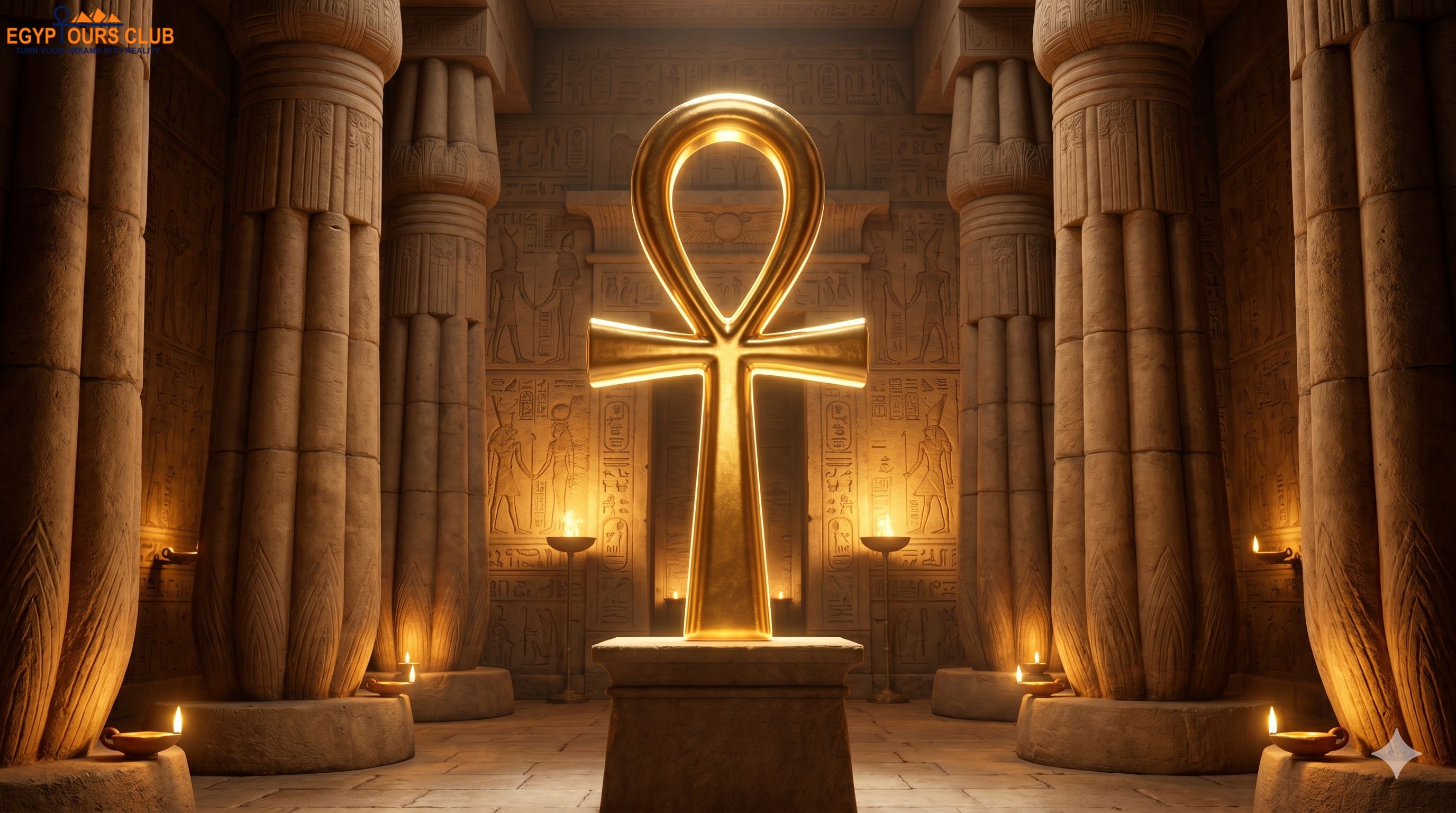
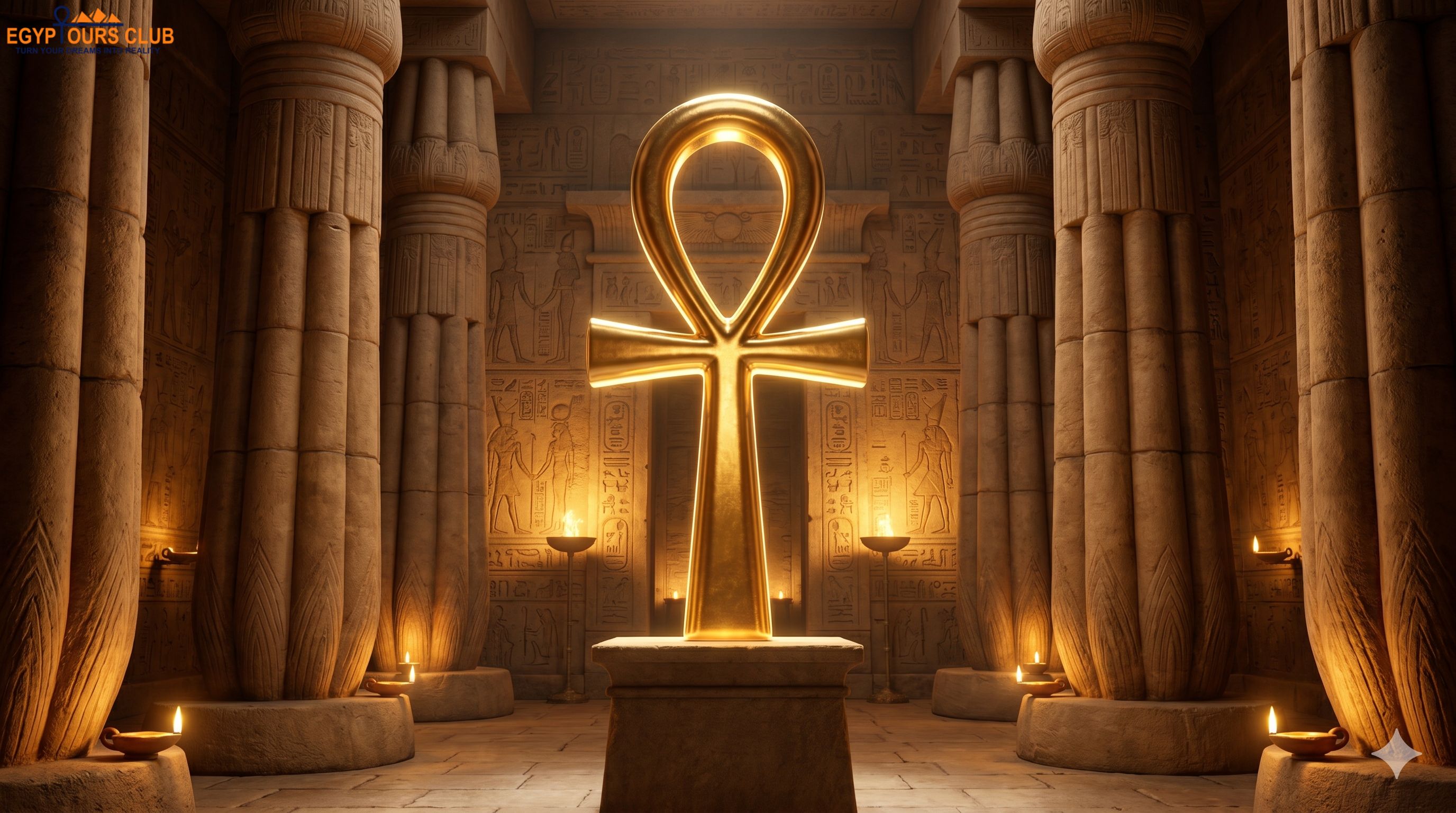
The ankh symbol in ancient Egyptian art representing life and divine power
The ankh symbol represented life in ancient Egyptian writing and became a sacred image of divine power and eternal existence.

History of the Ankh Symbol

The history of the ankh symbol reaches deep into ancient Egyptian civilization. It appears in inscriptions, temple reliefs, funerary decoration, ritual objects, amulets, royal scenes, and later cultural traditions. Its long life across Egyptian history is one reason it remains such a powerful symbol today.

The exact origin of the ankh’s shape is debated, but its meaning is not. For a serious article, this distinction is important. The visual form may have several possible explanations, yet the linguistic and religious function is clear: the ankh ancient Egyptian symbol meant life and became one of Egypt’s most recognizable sacred signs.

This is also where the topic connects naturally with other Egyptian symbols. Readers interested in the ankh often continue to explore the meaning of ancient Egyptian symbols, the ancient Egyptian gods, and the temple scenes where symbols appear together.

Historical aspect Why it matters Travel relevance
Hieroglyphic meaning The sign directly meant life. Helps travelers read the symbol as language, not just decoration.
Religious symbolism It became a sacred emblem of vitality and eternal existence. Adds depth to temple and tomb visits.
Temple art Gods and pharaohs are often shown holding or offering the ankh. Makes guided temple interpretation more valuable.
Later continuity The form influenced later Egyptian Christian visual traditions. Connects pharaonic Egypt with Coptic heritage routes.

Significance in Ancient Egypt and Why It Still Matters to Travelers

The significance in ancient Egypt of the ankh was immense because it connected writing, divine power, kingship, and eternal life in a single image. It was both a word and a sacred visual statement. That dual role is why the ankh remained so stable across religious art, temple walls, tomb decoration, and museum objects.

The religious significance in ancient Egypt is especially important. The ankh appears in scenes where gods grant life, protect the king, or express the promise of continued existence. In tombs, it supports ideas of renewal and afterlife. In temples, it appears as part of divine communication between gods and kings.

For travel content, this is where education becomes conversion. Once a reader understands the sacred meaning in ancient Egypt and the ancient Egyptian symbolic importance of the ankh, they begin to want more than a definition. They want to see it in real temples, tombs, and museums — with someone explaining what it means in context.

Life

The ankh is the best-known ancient Egyptian sign for life and vitality.

👑

Kingship

Pharaohs are shown receiving life from gods through the ankh in sacred scenes.

🏛️

Temple Art

The symbol helps visitors understand the visual language of Egyptian temples.

⚰️

Afterlife

In funerary contexts, the ankh supports ideas of rebirth and eternal existence.

🧿

Protection

Its sacred use connects it with divine power, blessing, and spiritual continuity.

✝️

Continuity

The looped-cross form continued to influence later Egyptian symbolic traditions.

The Ankh in Egyptian Gods, Temples, and Art

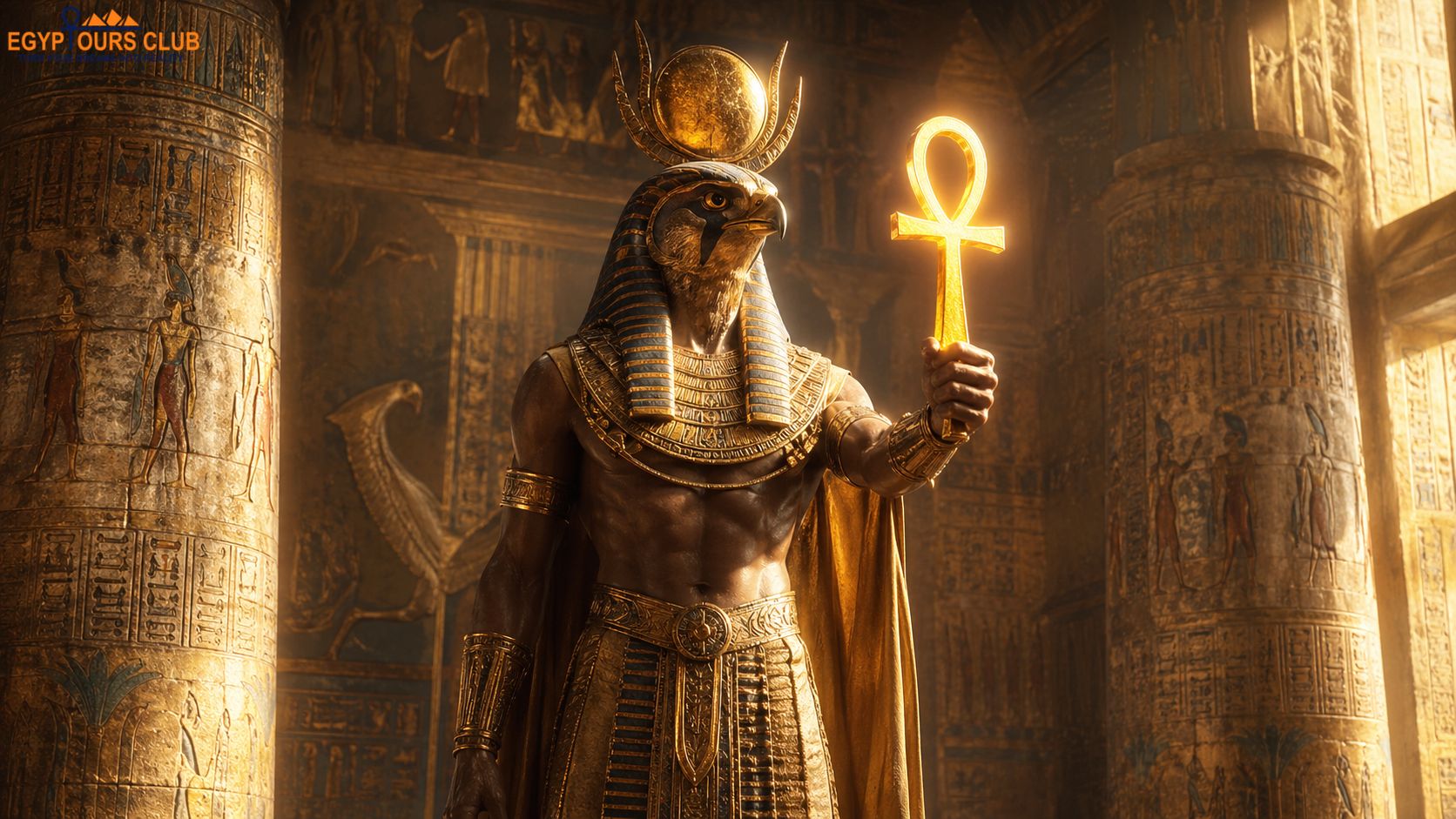
A major reason the ankh symbol remains so famous is its constant appearance in sacred art. It is closely associated with gods such as Osiris, Isis, Ra, Hathor, Ptah, and Anubis. These divine figures may hold the ankh or offer it toward a king as a sign of life and divine favor.

This makes the ankh one of the most useful symbols for travelers to recognize. Once you understand it, scenes inside Karnak Temple, Philae Temple, the Valley of the Kings, and the Grand Egyptian Museum become easier to read.

Setting What the ankh shows Best travel context
Temple carvings Divine life offered to kings and sacred figures. Karnak, Luxor Temple, Abydos, Edfu, Philae.
Tomb paintings Afterlife, renewal, and divine protection. Valley of the Kings and Valley of the Queens.
Museum objects Ankh amulets, ritual items, relief fragments, and symbolic objects. Grand Egyptian Museum and Egyptian Museum collections.
Coptic heritage Continuation and transformation of the looped-cross form. Old Cairo and the Coptic Museum.
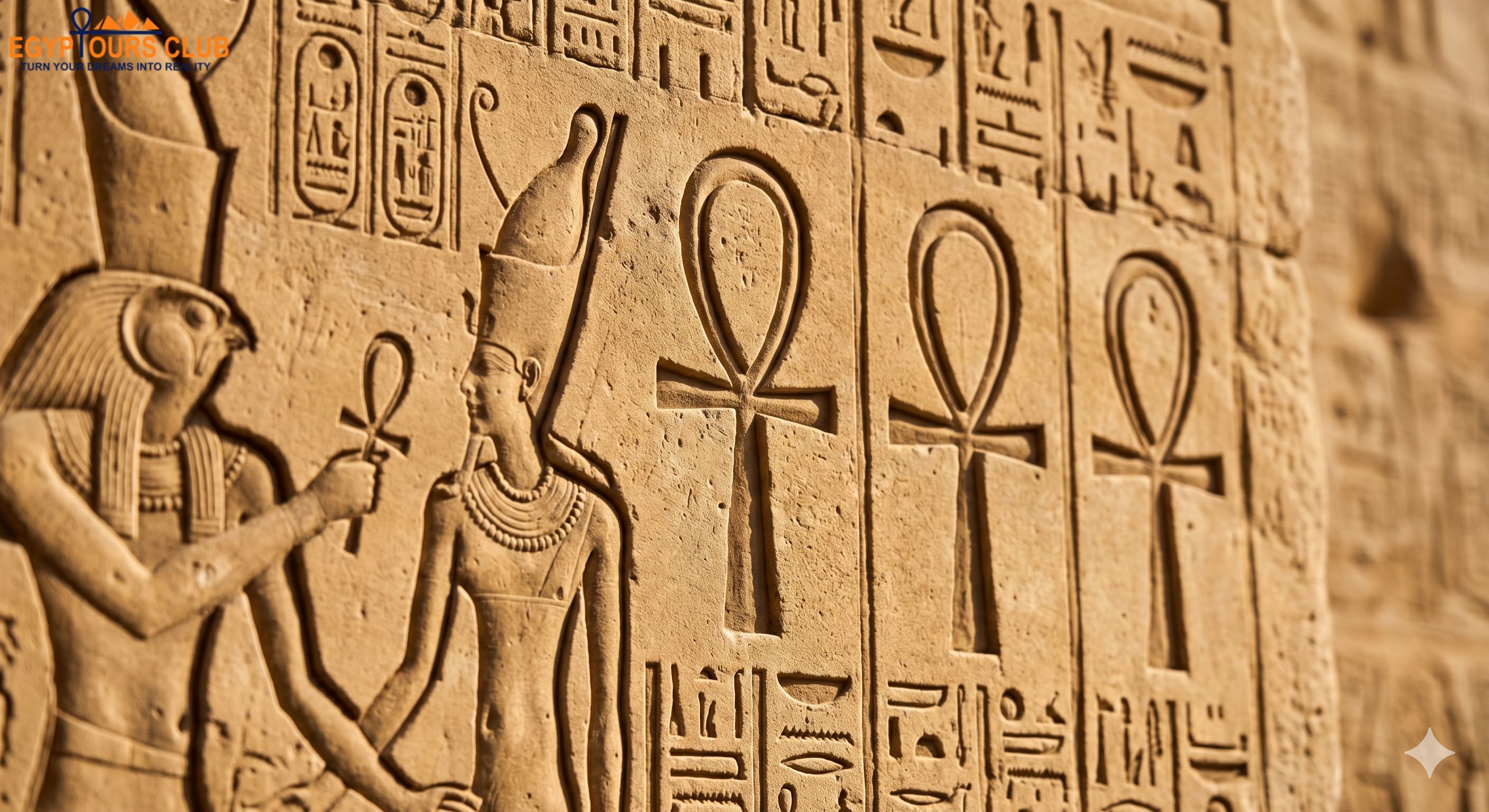
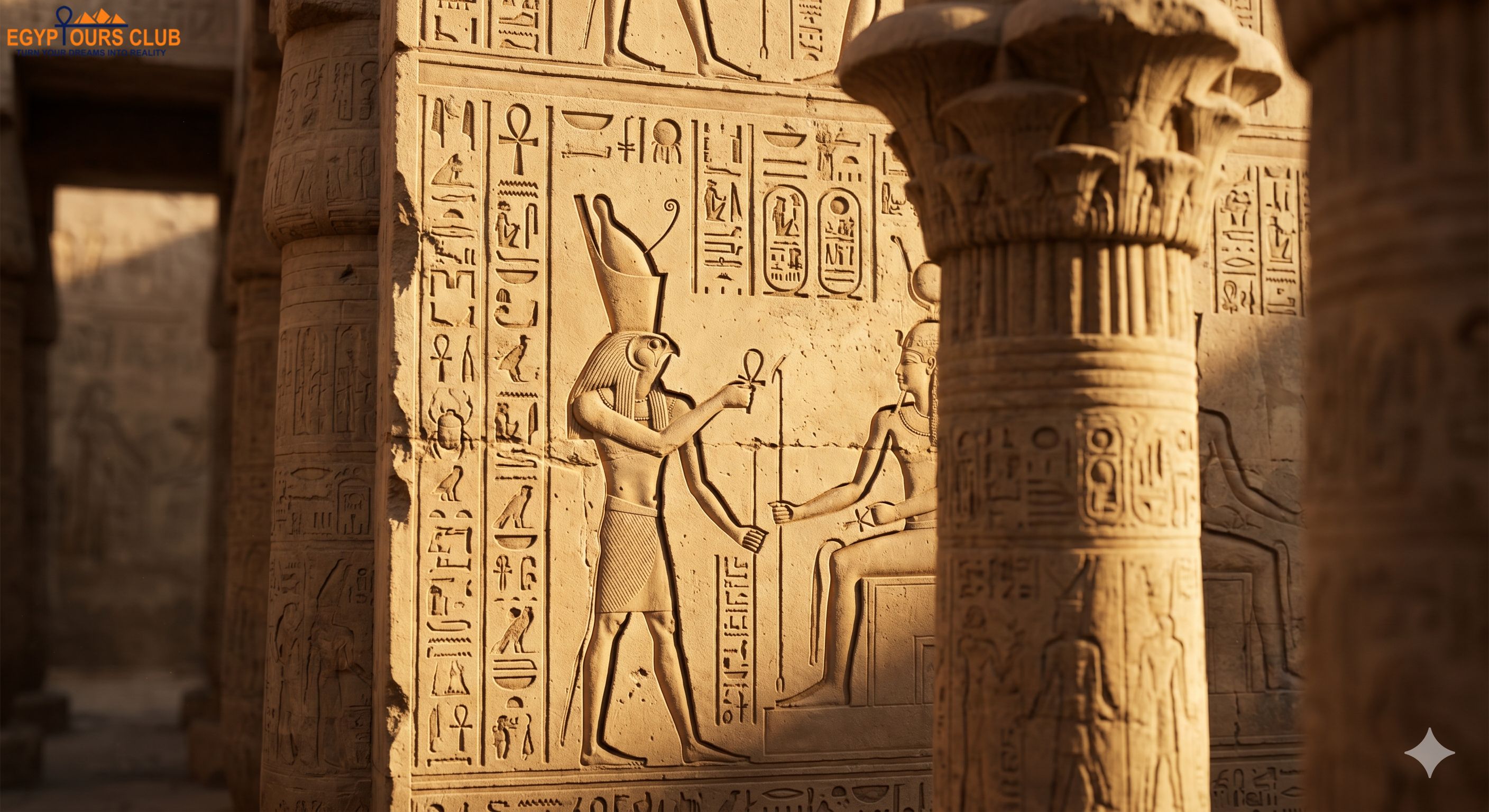
Ankh in Egyptian temples and wall carvings alongside gods and royal figures
In Egyptian temple art, the ankh often appears in the hands of gods or near the face of a king as a symbol of life and divine breath.

Ankh Symbol Facts for Fast Understanding

These ankh symbol facts help readers, search engines, and AI summaries understand the topic quickly:

Fact Detail Why it matters
Basic meaning Life. This is the core meaning of the ankh in ancient Egyptian writing.
Modern nickname Key of life. Reflects the symbol’s association with life and eternal existence.
Main context Writing, religion, art, kingship, and funerary symbolism. Shows why the ankh appears across many types of Egyptian heritage.
Common visual use Held by gods and pharaohs. Helps visitors recognize divine life-giving scenes.
Travel value Visible in temples, tombs, and museums. Makes the symbol ideal for cultural tours and guided interpretation.

Ankh Symbol Images, Artwork, and Visual Identity

The ankh symbol images cluster is strong because the symbol is one of the most visually memorable forms in Egyptian art. It appears in ancient Egyptian ankh art, temple carvings, tomb paintings, statues, reliefs, jewelry, and modern Egypt-inspired design.

For travelers, the visual identity of the ankh is especially useful. Once they know the symbol, they start spotting it everywhere — in museum cases, on carved temple walls, beside gods, near royal figures, and within afterlife scenes. That recognition makes the travel experience more interactive and meaningful.

Where to See the Ankh Symbol in Egypt

This is the most important booking bridge in the article. If someone searches where to see the ankh symbol in Egypt, they are already moving from curiosity to experience. The best answer is that the ankh appears across Egypt’s sacred visual world: temples, tombs, museums, and Coptic heritage sites.

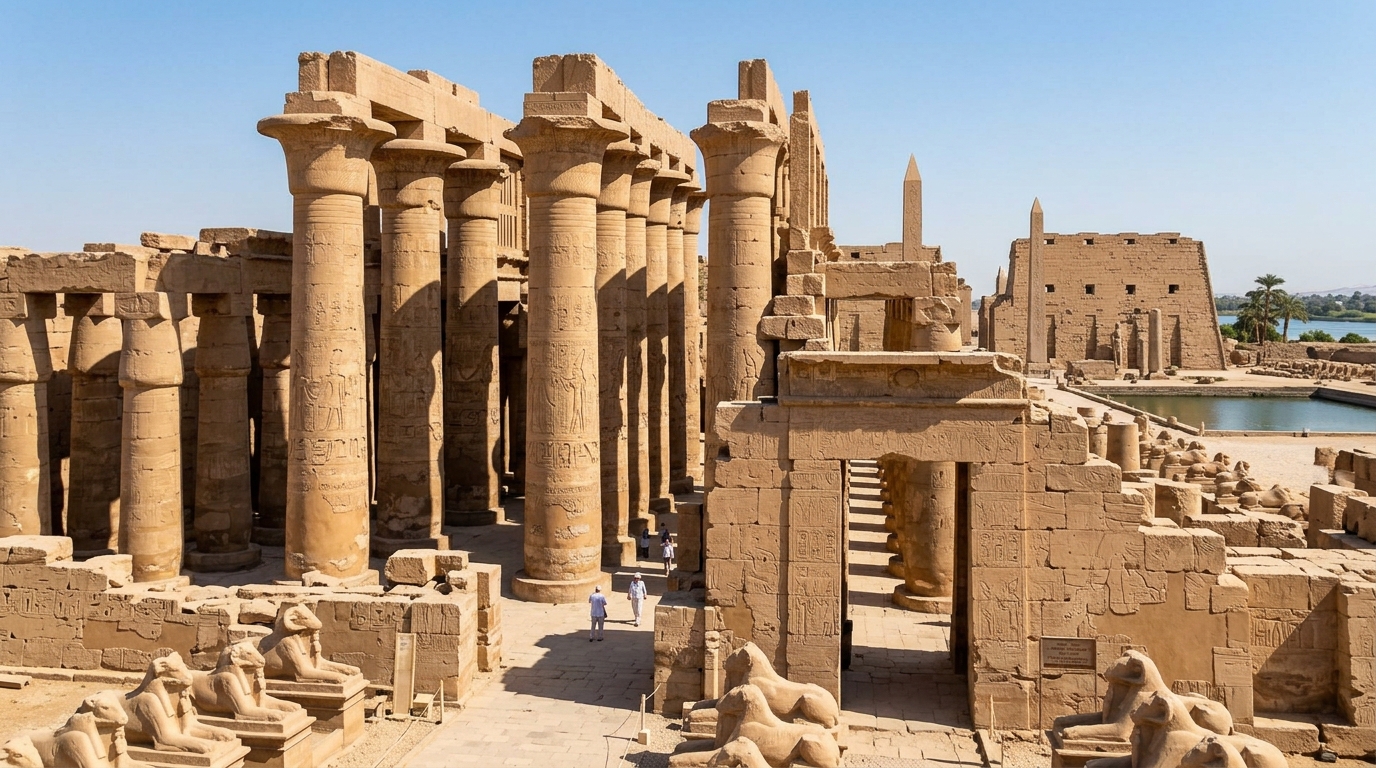
Karnak and Luxor Temples

Luxor is one of the richest regions for ankh imagery, with temple walls showing divine offerings, kingship scenes, and sacred ritual language.

Explore Luxor Day Tours →

Valley of the Kings

Royal tomb paintings use the ankh to express afterlife, divine protection, renewal, and eternal life in vivid funerary art.

Read the Valley of the Kings Guide →

Grand Egyptian Museum

Museum collections help travelers understand the ankh through objects, reliefs, amulets, jewelry, and royal treasures.

Grand Egyptian Museum Guide →

Philae, Edfu, and Abydos

These temples preserve rich symbolic reliefs where the ankh appears within divine, ritual, and royal scenes.

Plan a Custom Temple Route →
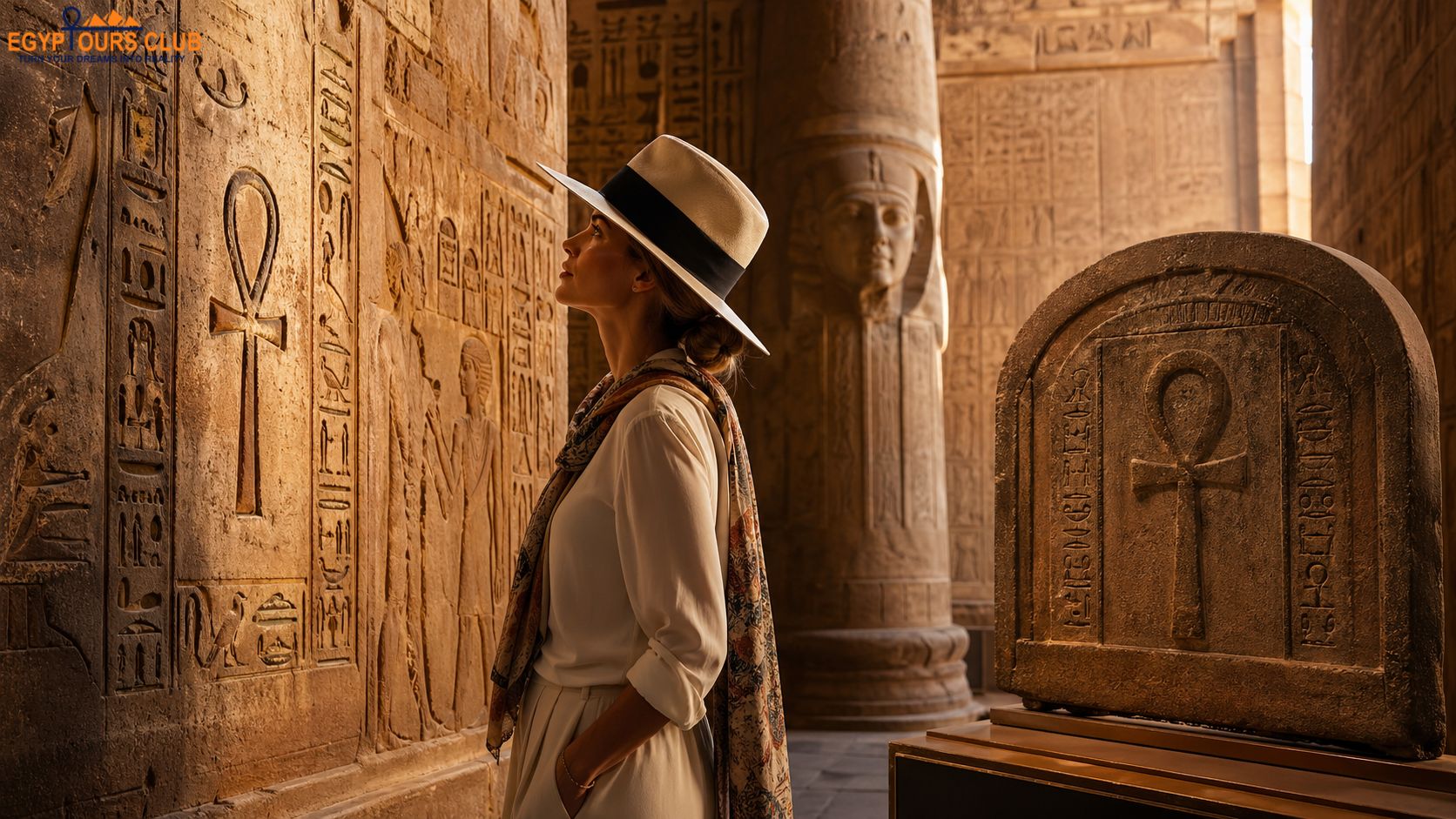
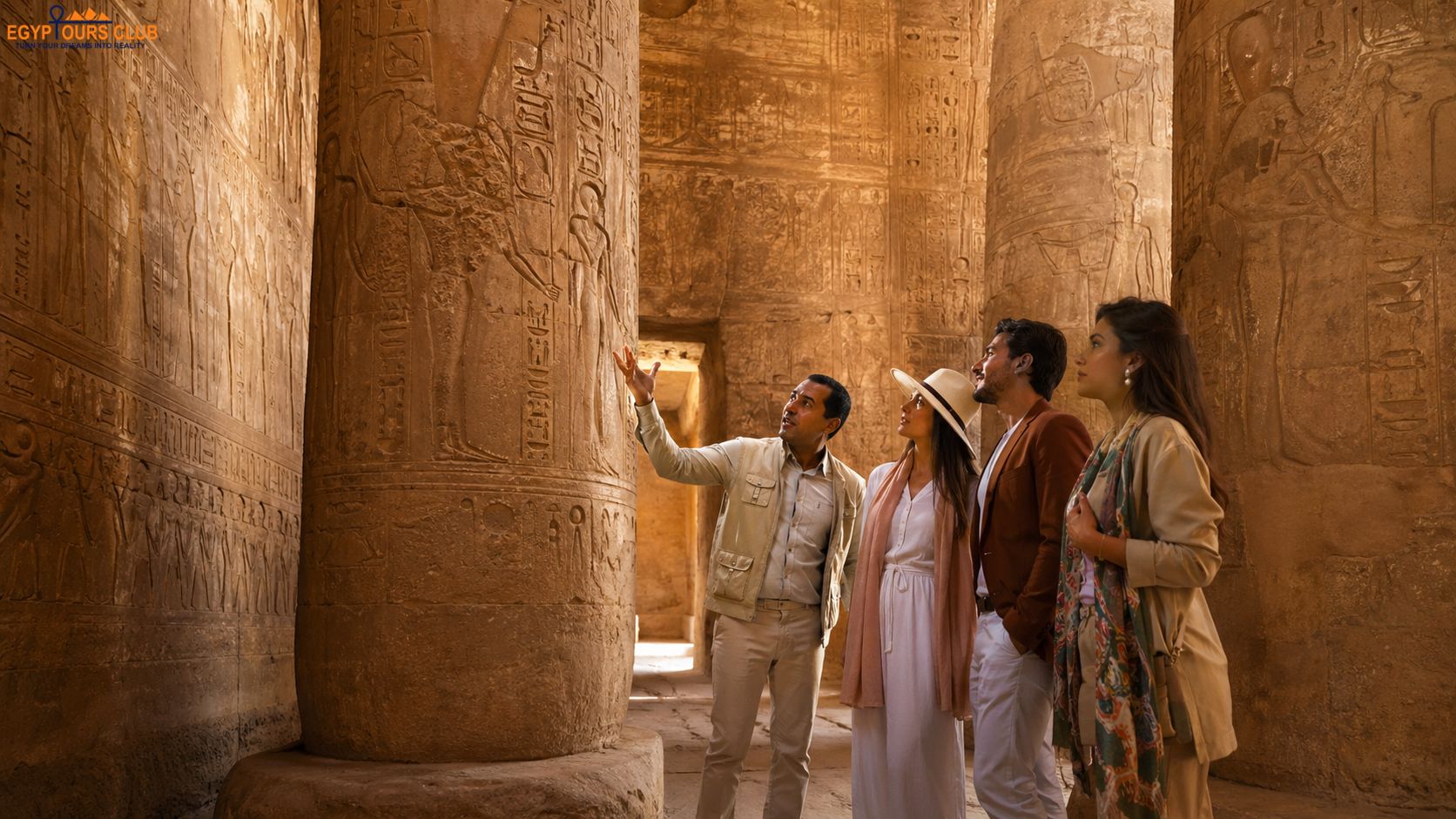
Travelers discovering the ankh symbol in Egyptian temples and museums during a cultural heritage tour
A guided cultural tour helps travelers recognize the ankh in temples, tombs, and museum collections — turning symbols into stories.

Why the Ankh Still Sells Cultural Travel Experiences Today

The reason the ankh symbol still performs so strongly in search is that it combines clarity, mystery, emotion, and visual power. Travelers do not only want monuments. They want interpretation that helps them understand what they are seeing.

The ankh gives them exactly that. It turns a wall relief into a readable sacred scene. It connects gods, kings, afterlife, and temple ritual in one sign. It also creates a natural bridge from informational intent to commercial intent: ancient Egyptian symbols tour, private Egypt symbols tour, guided ancient Egypt culture tour, and book Egypt cultural heritage tour.

The Best Travel Angle

Do not present the ankh only as a definition. Present it as a symbol travelers can learn, recognize, and experience in real Egyptian temples, tombs, and museums with an expert guide.

Explore More on Egypt Tours Club

Continue your journey into ancient Egyptian symbols, gods, temples, and cultural routes.

FAQs About the Ankh Symbol

What does the ankh symbol mean?
The ankh symbol means life. In ancient Egyptian hieroglyphic writing, it represented the concept of life and later became a broader sacred emblem of vitality, renewal, divine breath, and eternal existence.
Why is the ankh symbol important?
The ankh is important because it connects writing, religion, kingship, temple art, funerary belief, and eternal life in one recognizable ancient Egyptian symbol.
Is the ankh the Egyptian symbol for life?
Yes. The ankh is the best-known Egyptian symbol for life and was used as a hieroglyph meaning life, live, and alive.
Did Egyptian gods hold the ankh?
Yes. Egyptian gods such as Osiris, Isis, Ra, Hathor, Ptah, and Anubis are often shown holding or offering the ankh in temple reliefs, tomb scenes, and sacred art.
Where can I see the ankh symbol in Egypt?
You can see the ankh in Egyptian temples, tomb decoration, museum collections, and Coptic heritage contexts. Strong locations include Karnak Temple, Luxor Temple, the Valley of the Kings, Philae Temple, Edfu Temple, Abydos, and the Grand Egyptian Museum.

Final Thoughts: The Ankh Is a Symbol You Can Read

The ankh symbol is one of the clearest examples of how ancient Egypt turned writing into sacred imagery. It meant life in language, represented life in art, and carried that meaning through temples, tombs, gods, kings, and later cultural traditions.

For travelers, understanding the ankh transforms Egypt from a series of monuments into a readable world of signs. Once you know what the symbol means, you begin to see life, divine power, and eternal continuity carved across Egypt’s sacred landscape.

Create Your Ancient Symbols Tour →