Read the whole landscapeGiza was more than three gigantic tombs
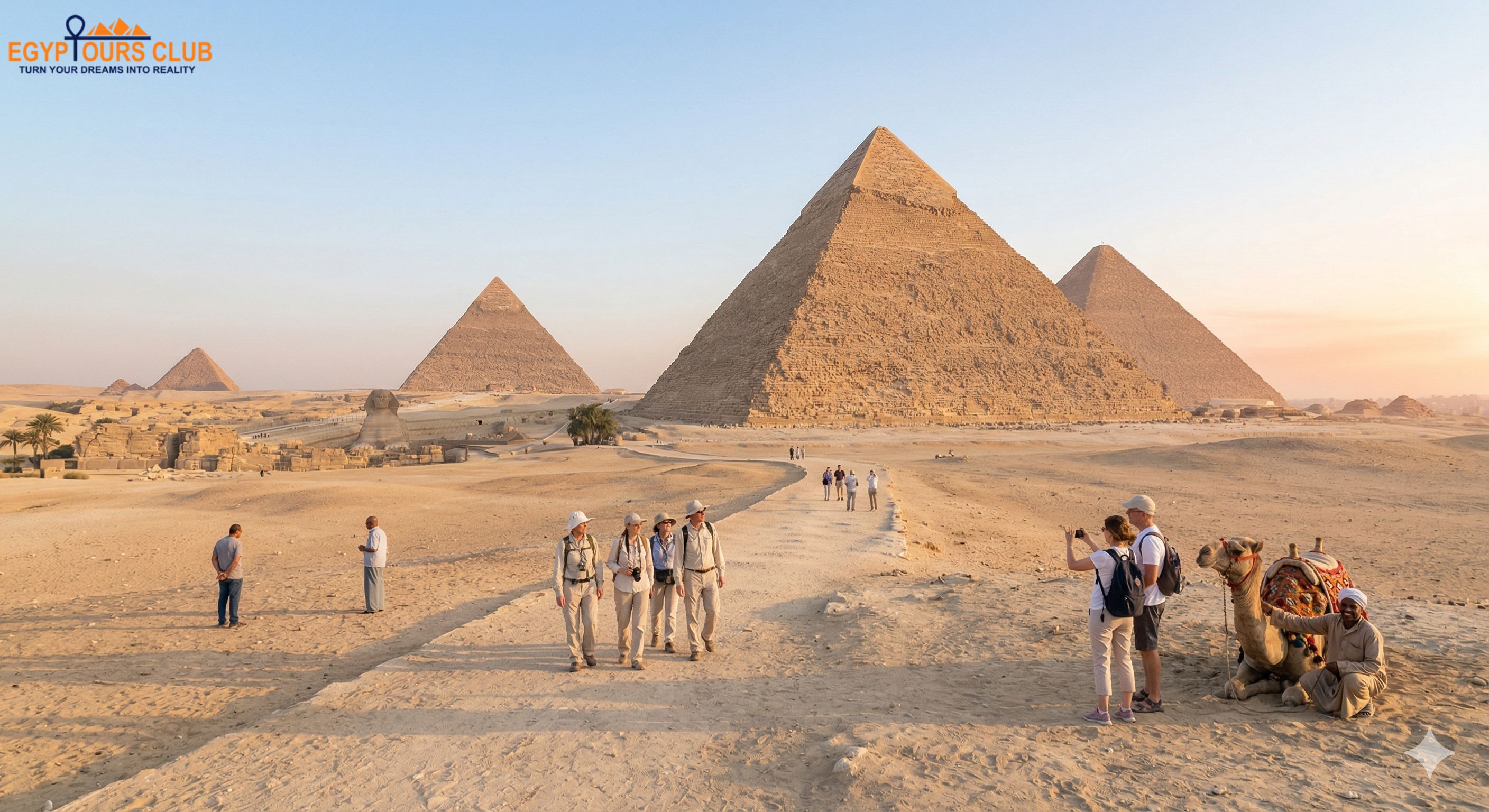
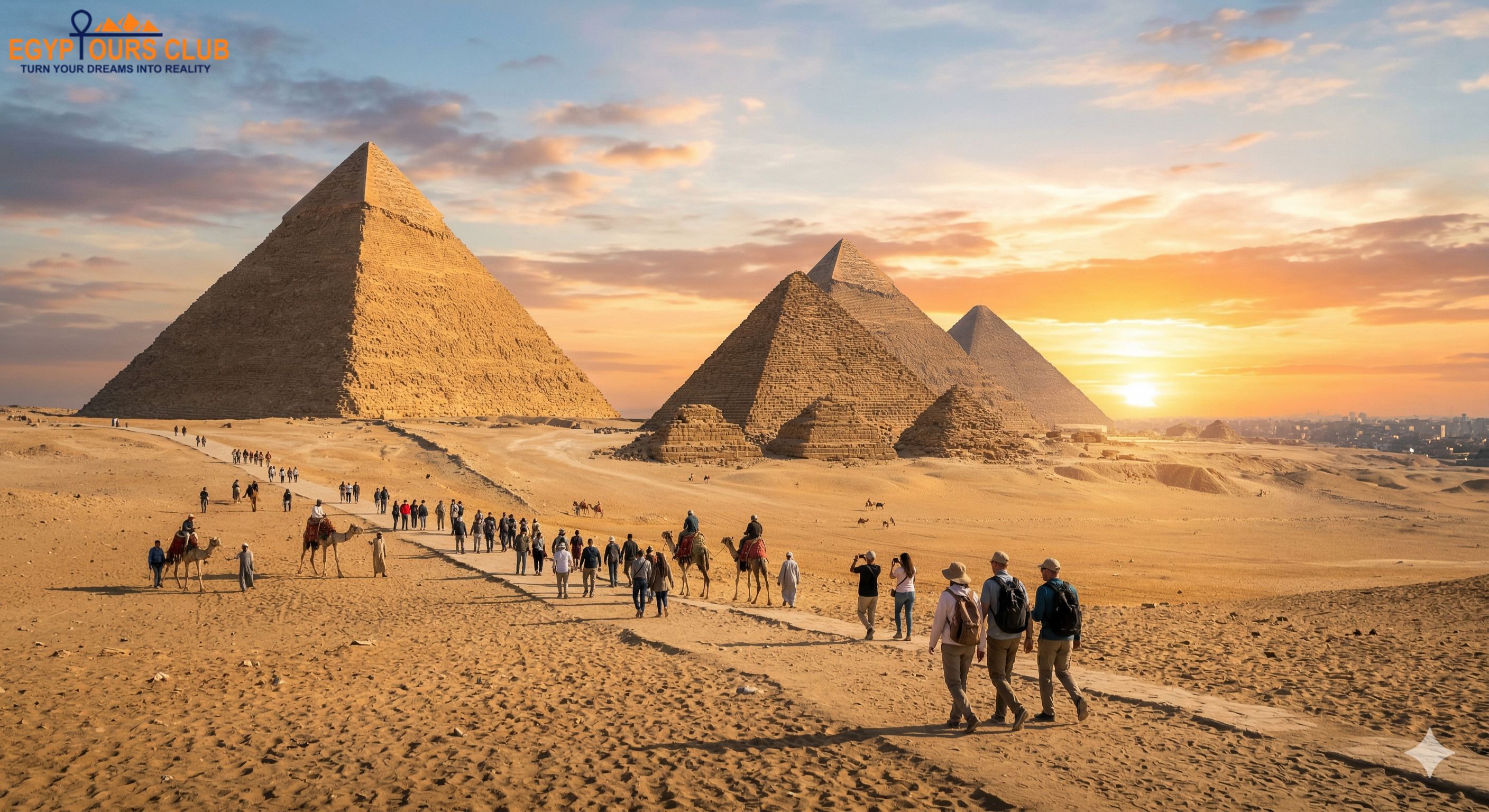
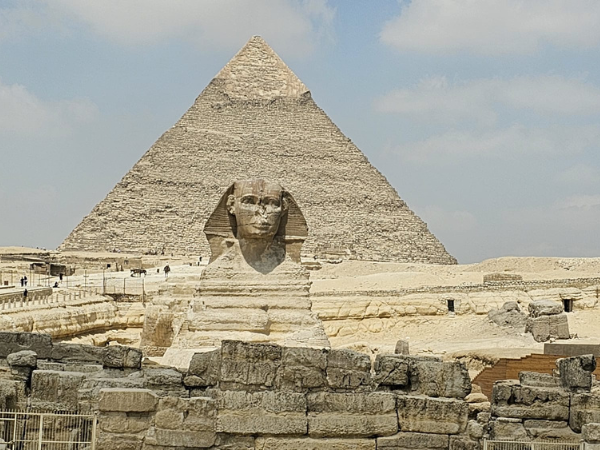
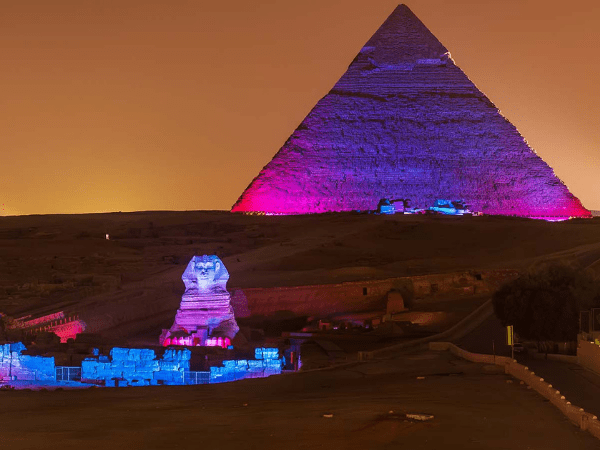
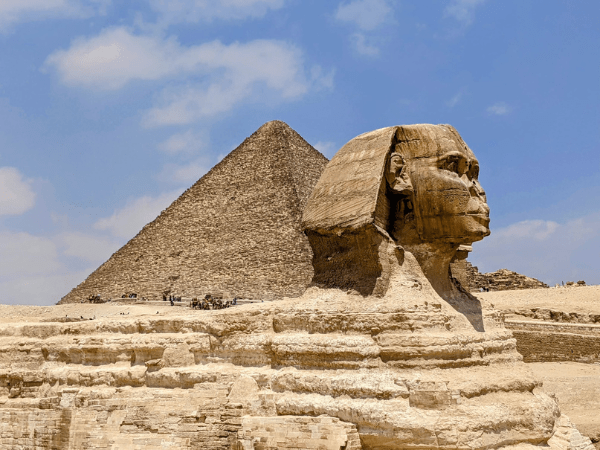
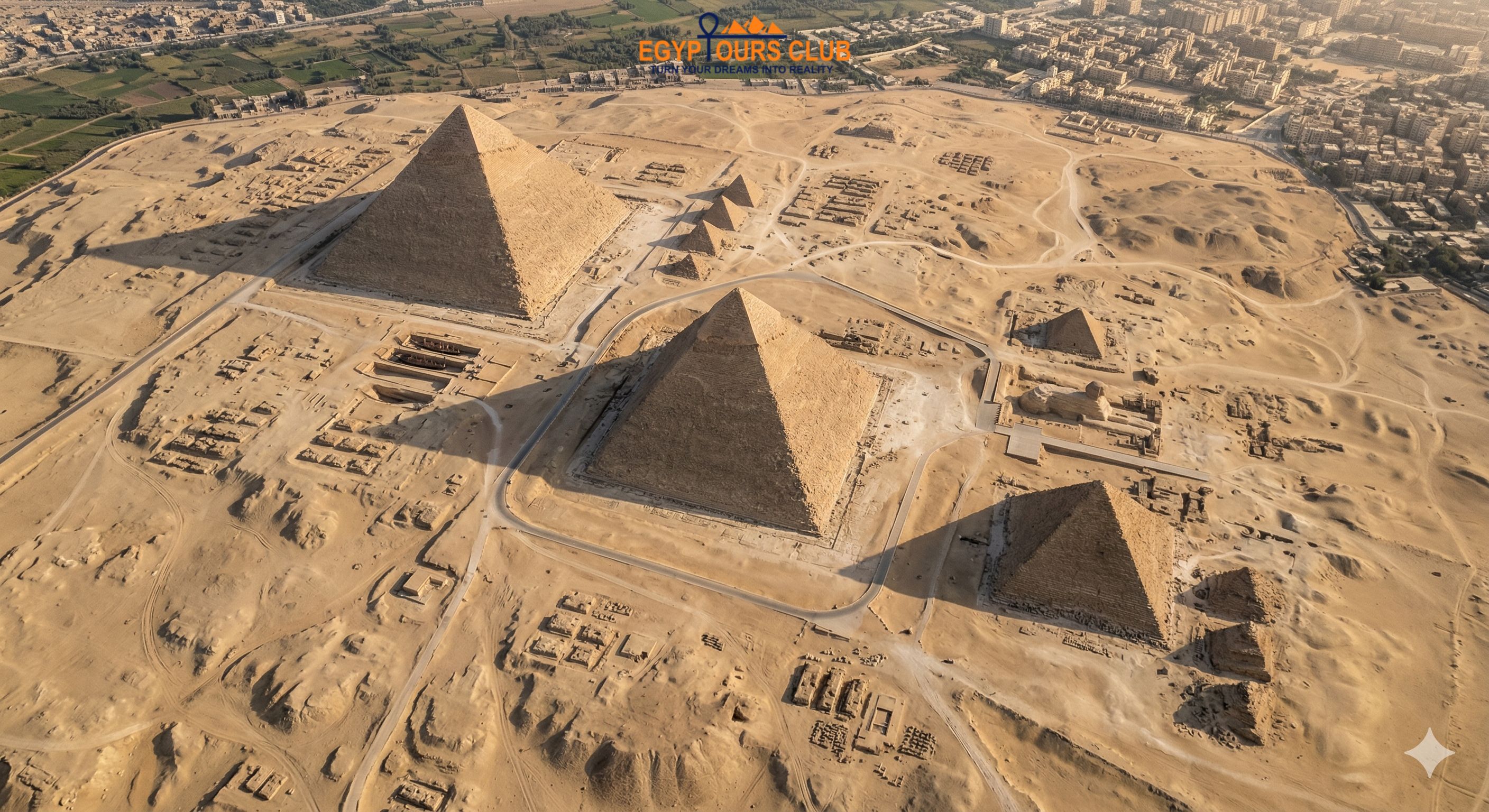
On the western edge of modern Greater Cairo, the Giza Plateau preserves the royal funerary landscape of Egypt's Fourth Dynasty. The three principal pyramids are its most famous landmarks, but each king's complex extended far beyond a single stone monument.
The architecture of kingship
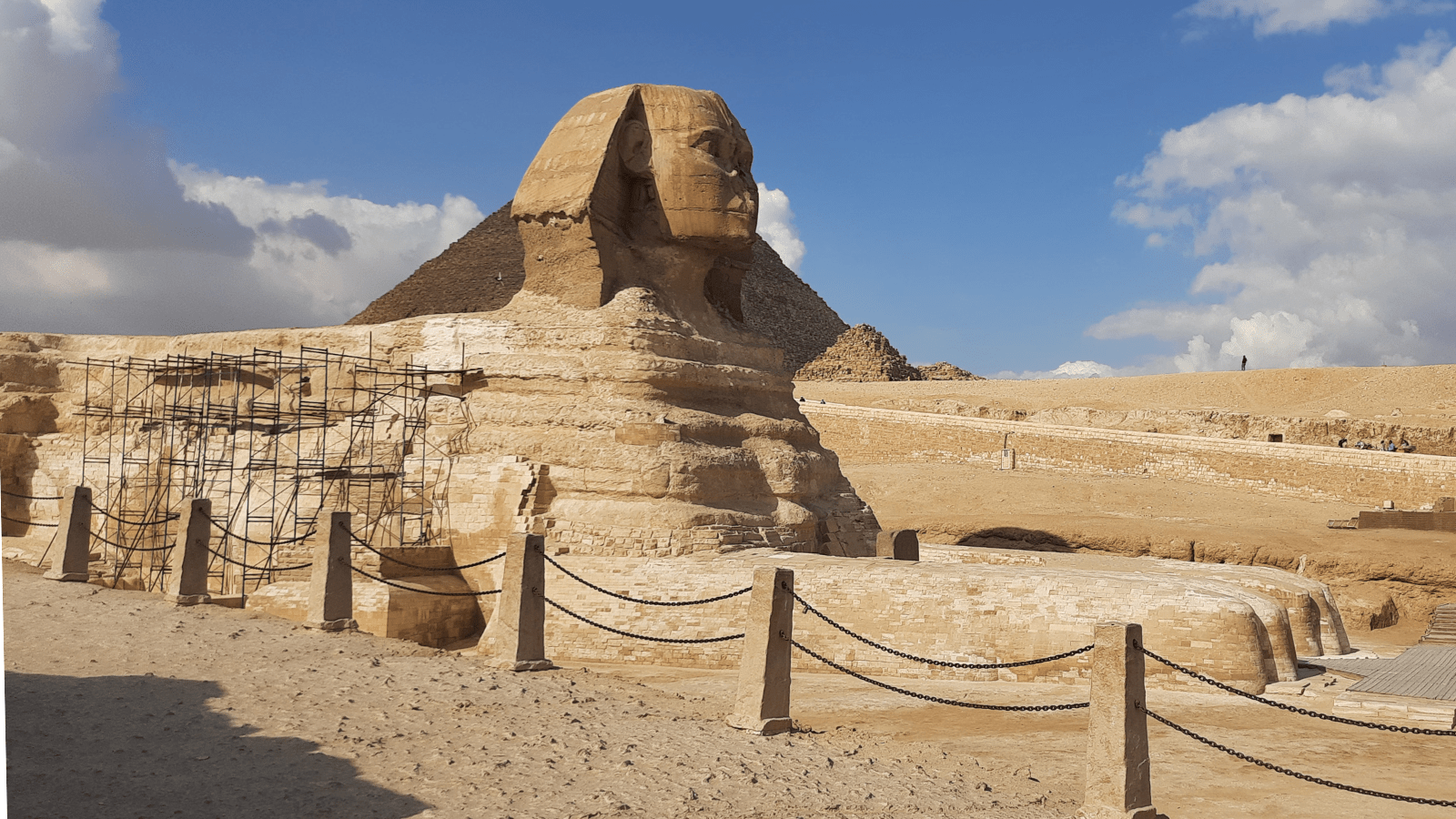
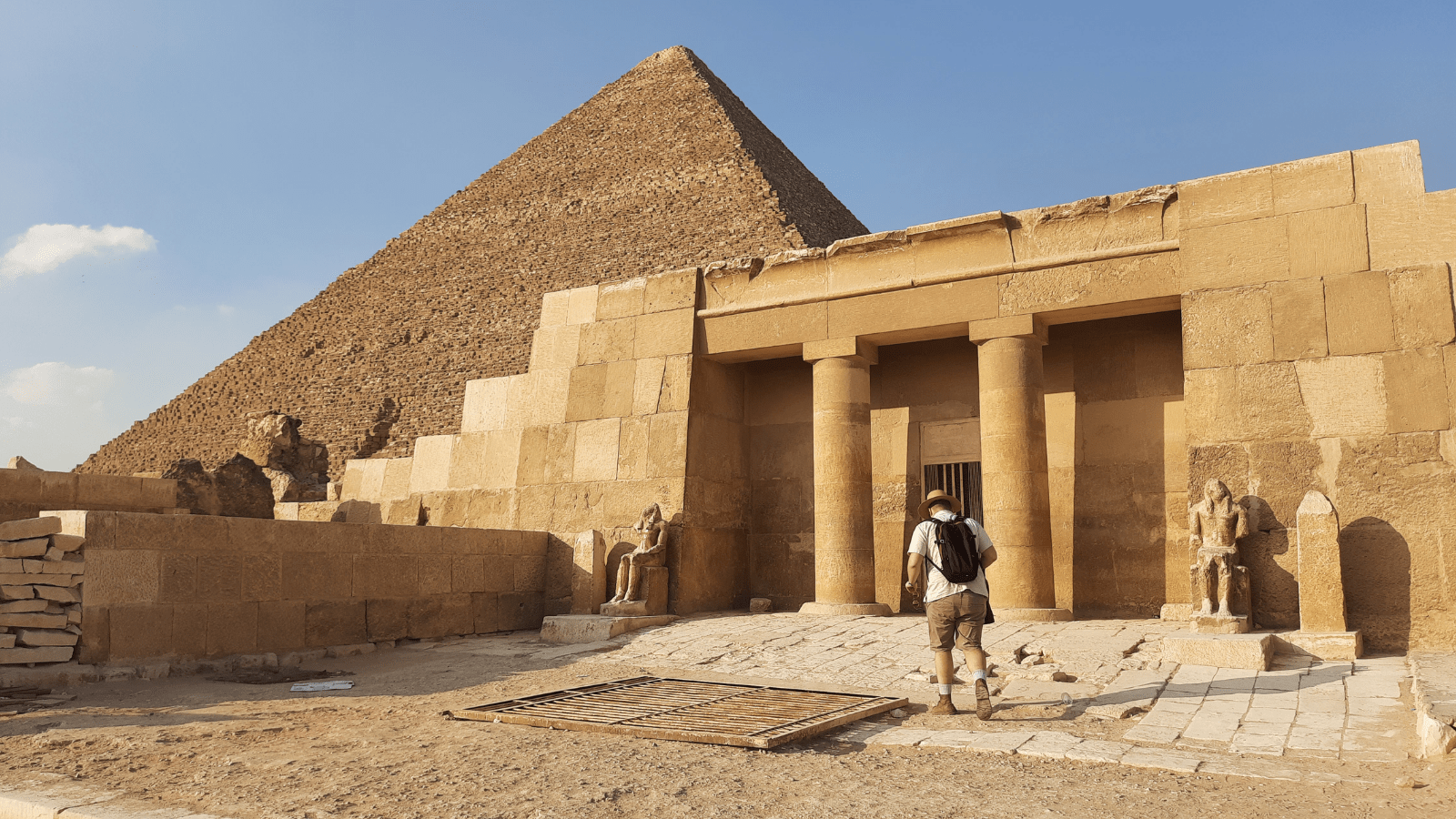
Royal pyramids belonged to larger complexes with temples, causeways, subsidiary pyramids and surrounding tombs. Reading these features together reveals how burial, royal identity and ritual were woven into one monumental setting.
What survives today
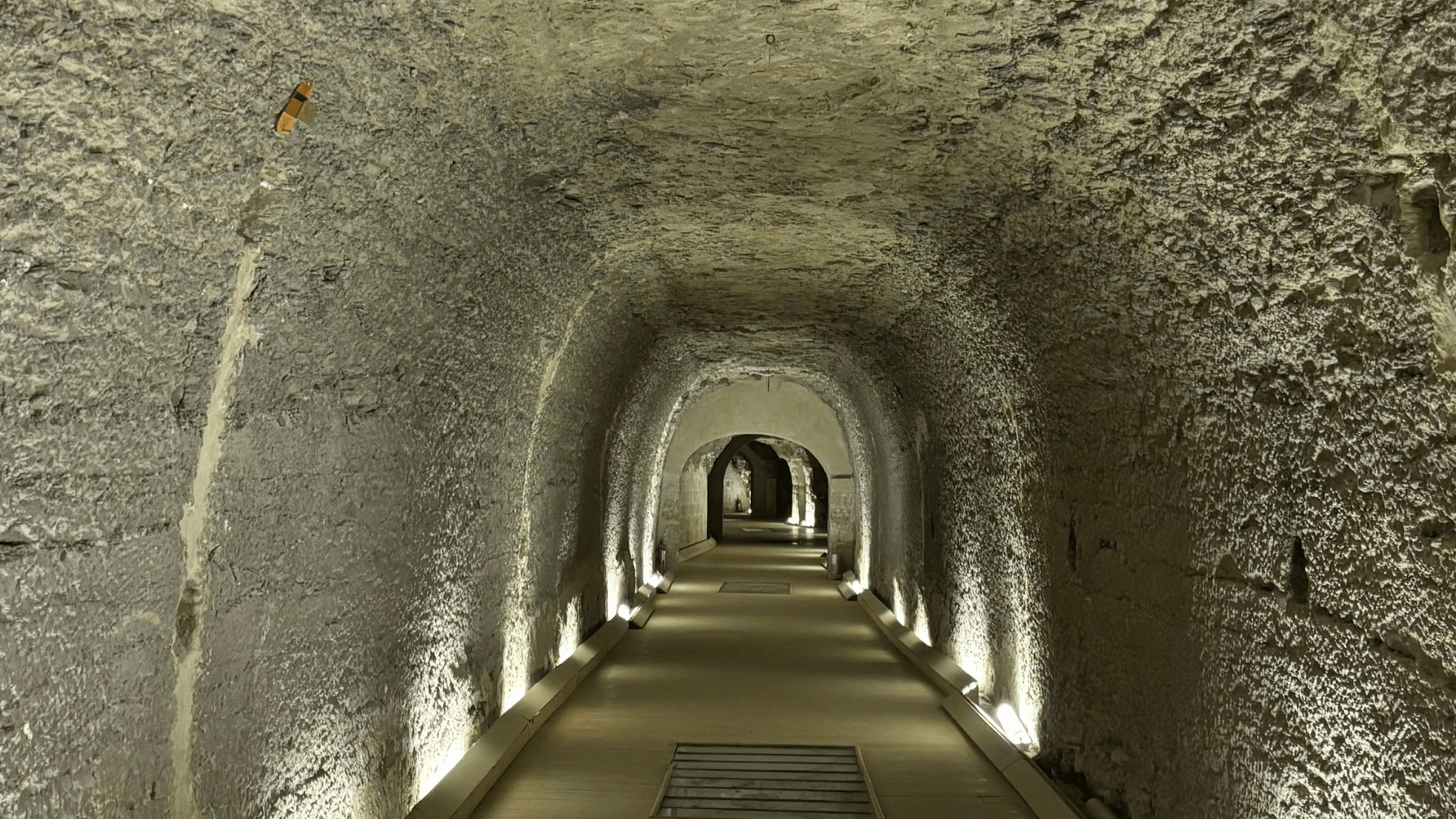
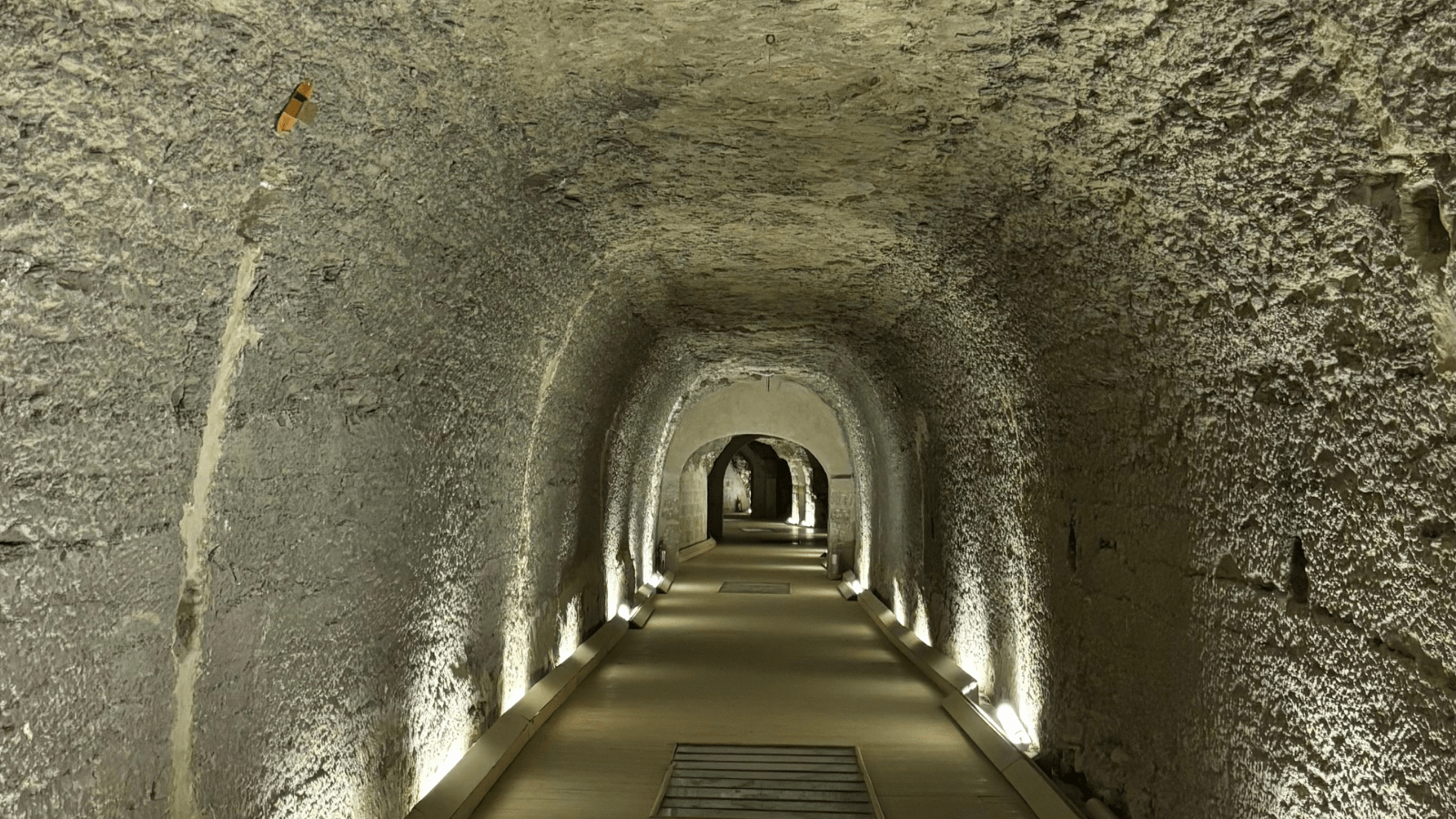
The ancient outer casing is largely missing, yet Giza still preserves extraordinary evidence of surveying, quarrying, transport, stone construction and funerary ceremony. The Great Pyramid stands as an achievement of Egyptian engineering, not as proof of a mysterious lost technology.
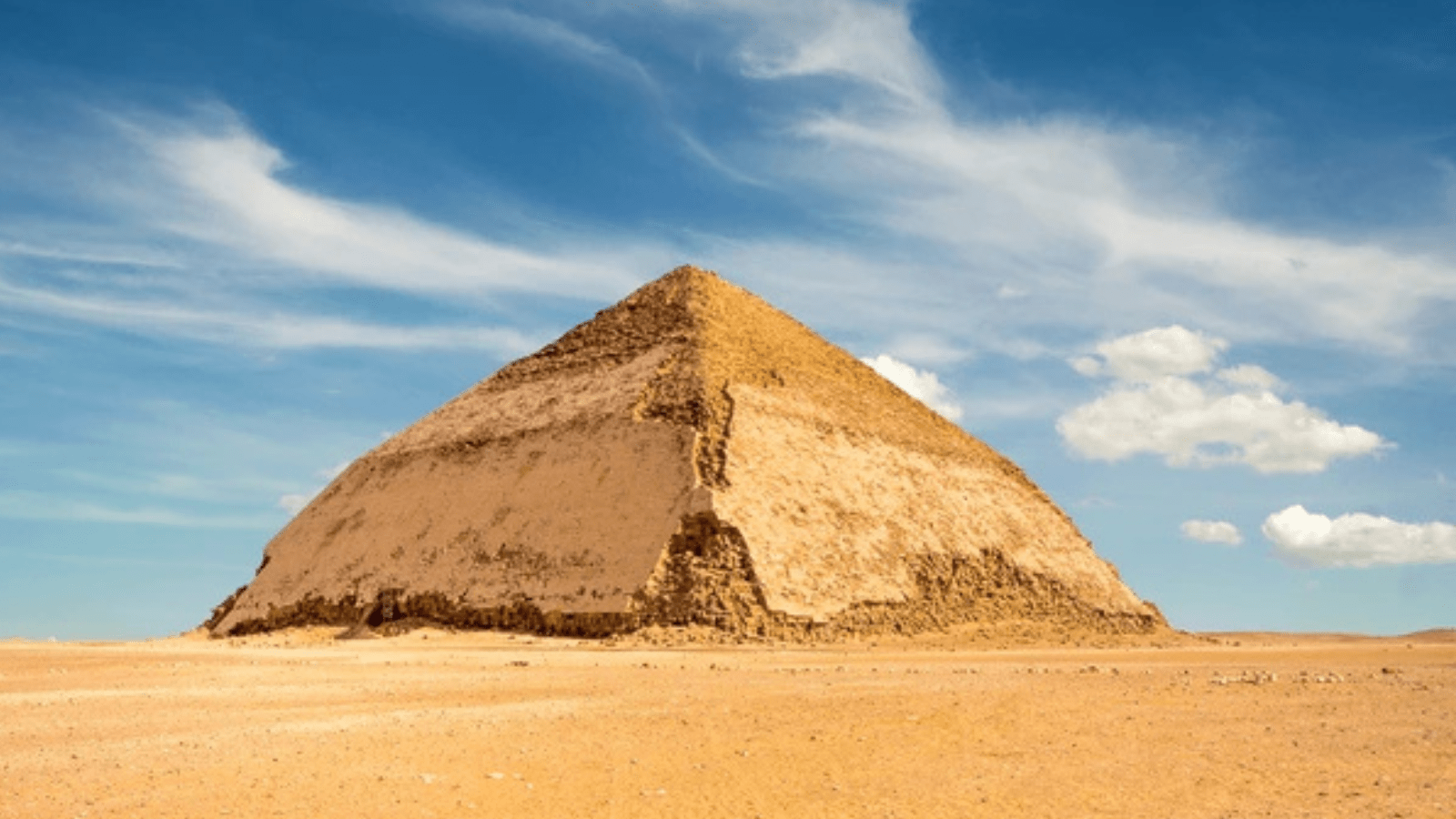
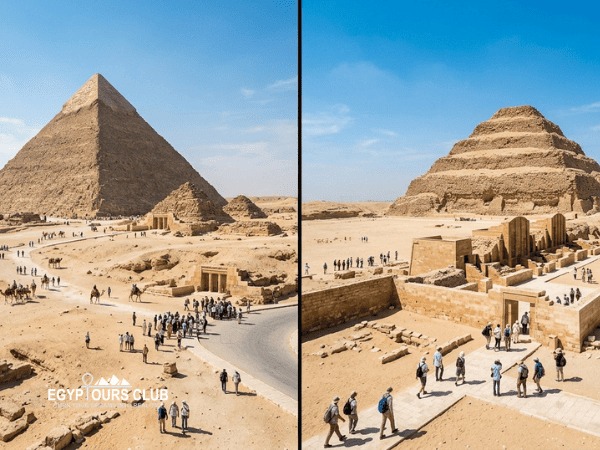
Historical context: UNESCO lists Giza within the World Heritage property Memphis and its Necropolis, the Pyramid Fields from Giza to Dahshur. The wider landscape includes earlier and later pyramids as well as tombs and temples.