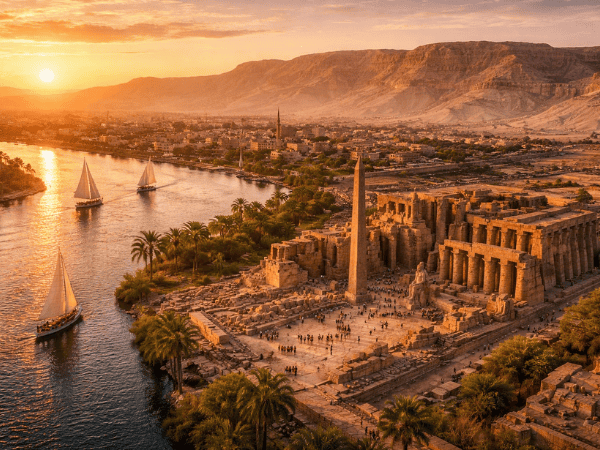
Luxor East Bank · West Bank · royal tombs · temples · Nile · balloon · museums
East Bank · West Bank · royal tombs · Nile · museums · day trips
What to Do in Luxor: The Best Things to See and How to Plan Them
Luxor works best when you plan it by geography rather than by a random checklist. Use the West Bank for royal tombs and mortuary temples, the East Bank for Karnak and Luxor Temple, and keep sunrise, museum and Nile experiences around those core archaeological blocks.
Quick Answer
What should a first-time visitor do in Luxor?
Start with the Valley of the Kings, Hatshepsut Temple and the Colossi of Memnon on the West Bank. On the East Bank, give Karnak Temple enough time, then visit Luxor Temple in late afternoon or evening. If you have extra time, add the Luxor Museum, a sunrise balloon flight, Medinet Habu, the Valley of the Queens, Deir el-Medina or a dedicated Dendera and Abydos day.
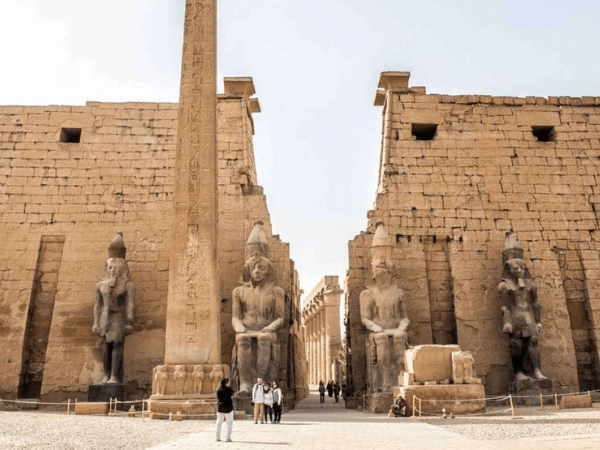
For most first-time visitors, two full days provide the best balance. Trying to squeeze every temple and tomb into one day usually turns Luxor into a transfer schedule instead of an archaeological experience. UNESCO recognizes Karnak, Luxor Temple and the wider Theban Necropolis together as Ancient Thebes with its Necropolis.
Luxor in Pictures
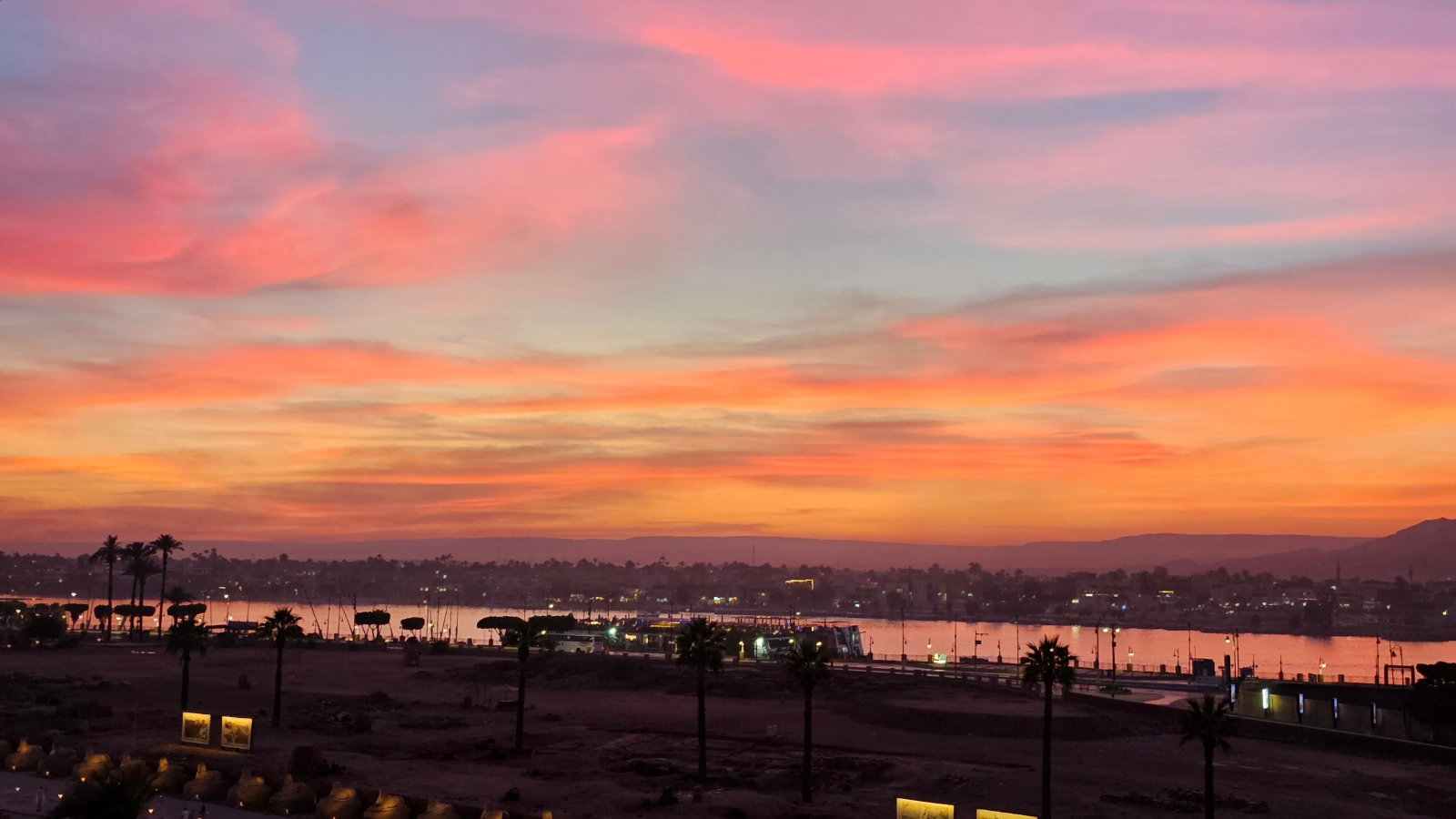
See the city as two banks connected by one ancient story
A balanced Luxor visit combines royal tombs, mortuary temples, living temple complexes, the Nile and a few slower experiences rather than treating every monument as an isolated stop.
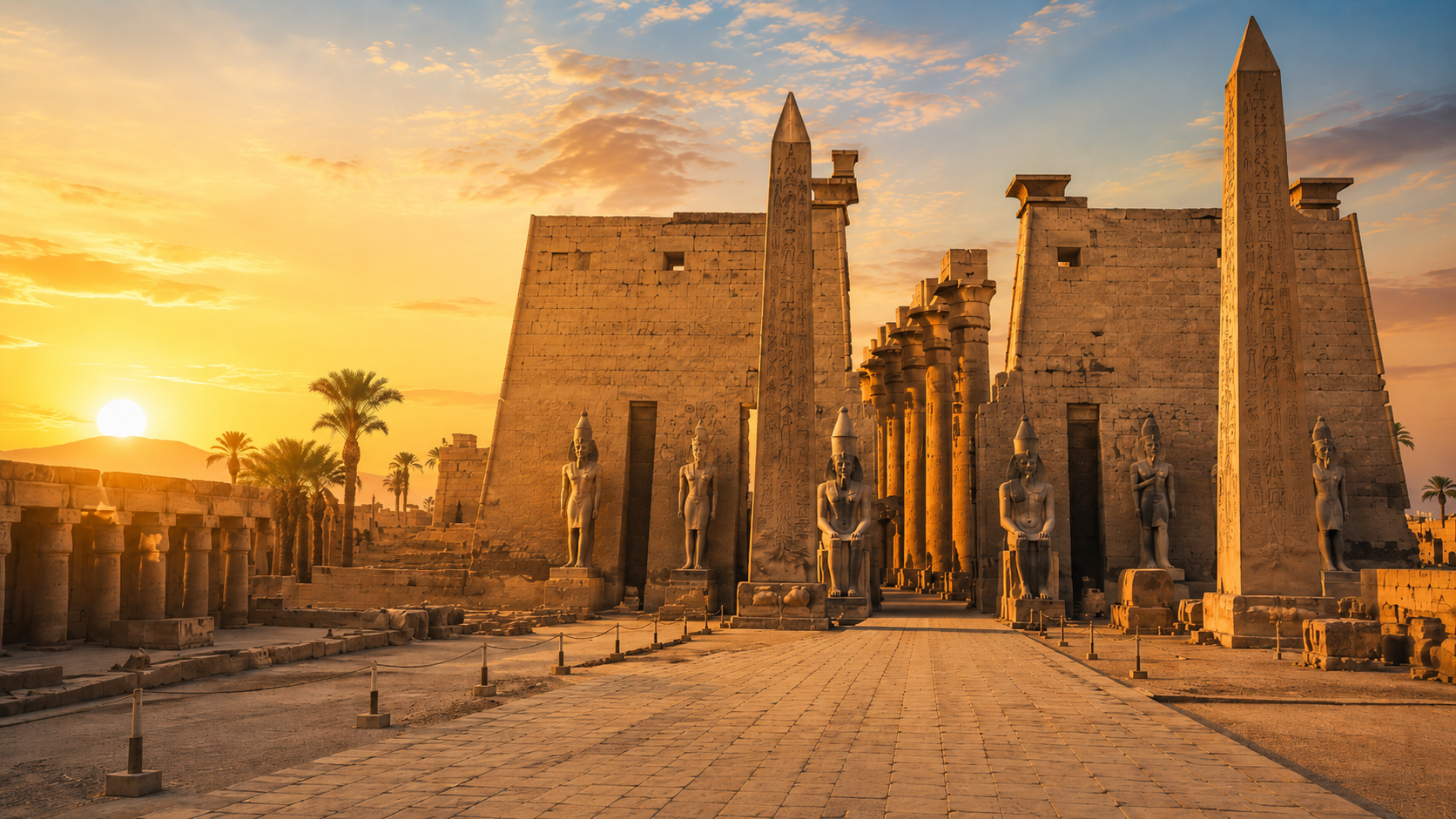
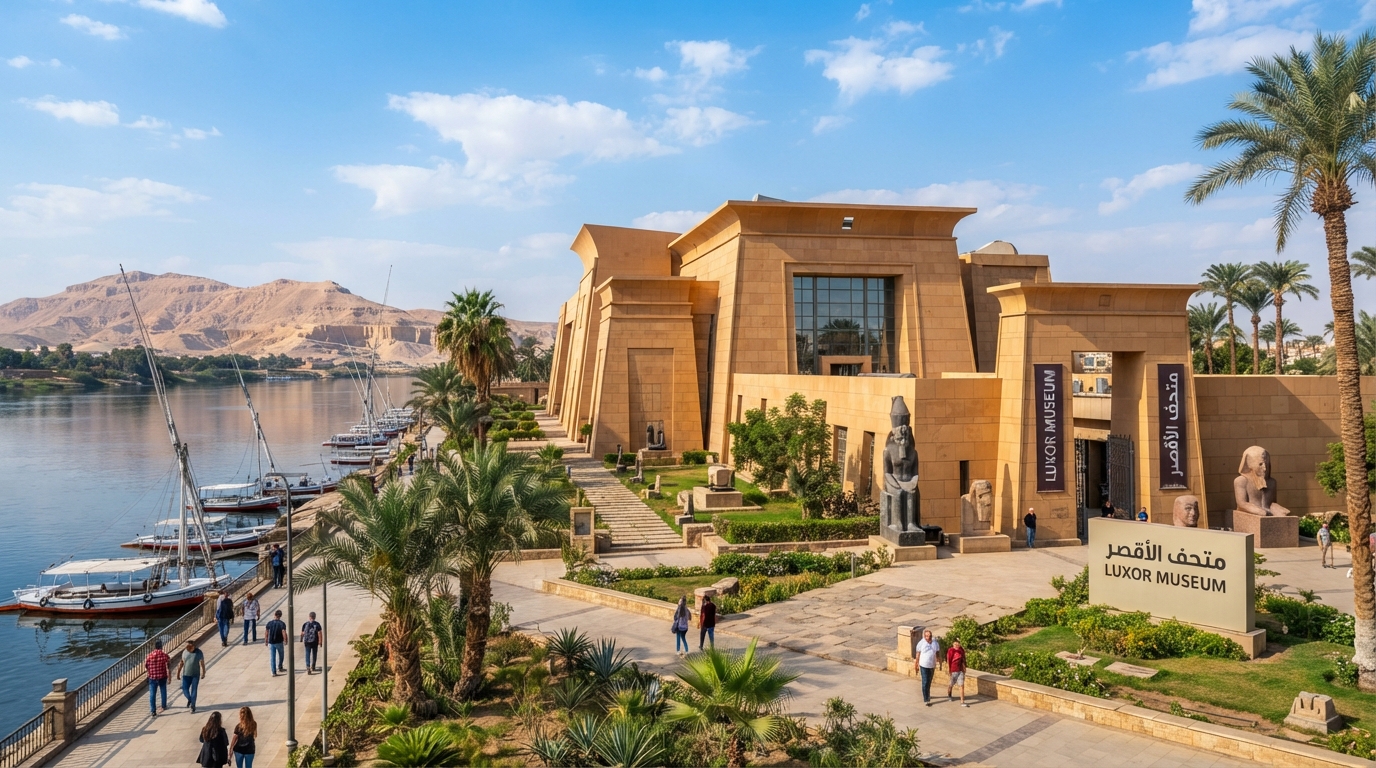
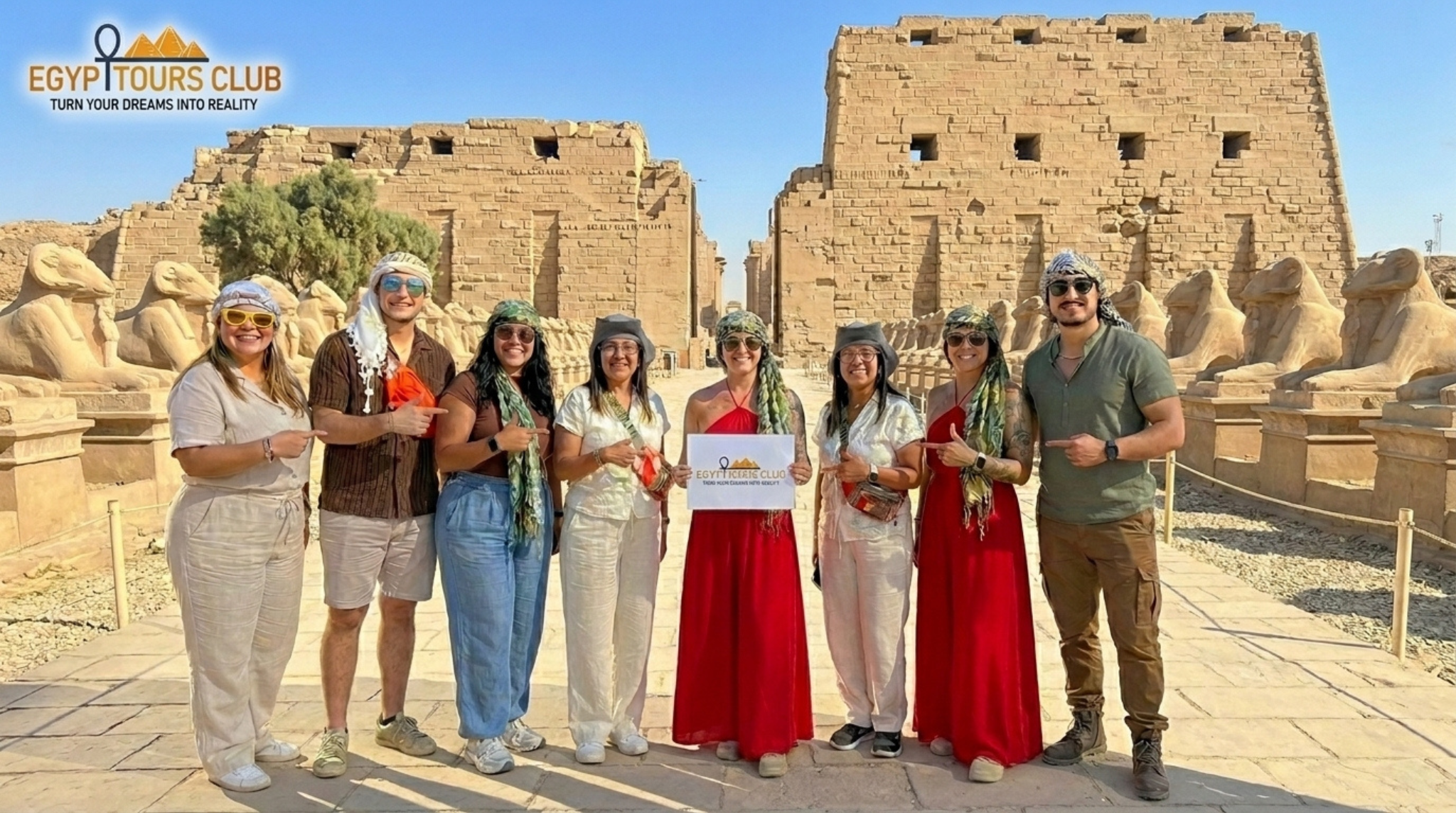

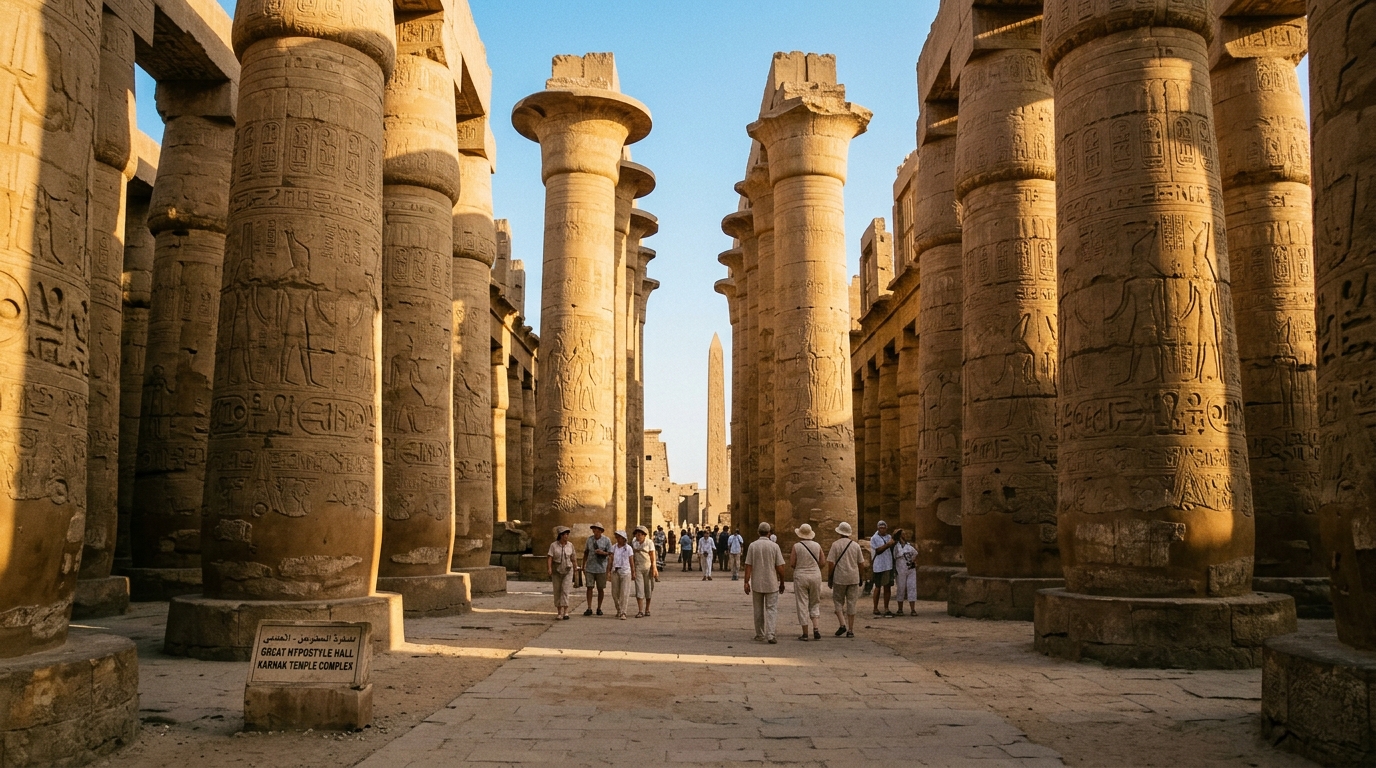
What to Do in Luxor
The essential experiences, in a practical order
Each card uses the same structure: image first, details underneath, and planning links at the bottom.
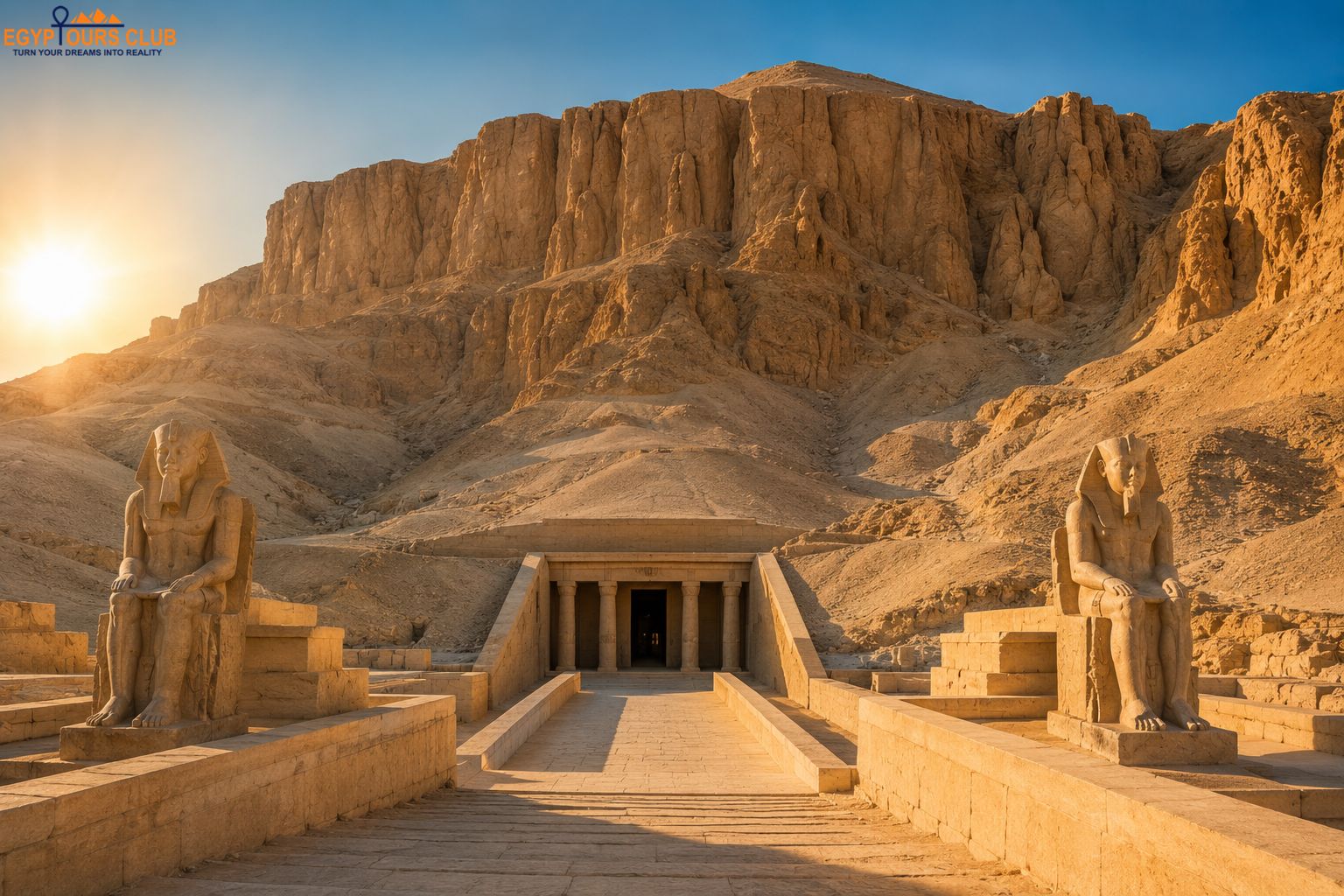
Explore the Valley of the Kings
Choose several open royal tombs and give yourself time to look at painted chambers, astronomical ceilings and afterlife texts rather than racing through every available entrance. Tutankhamun's tomb may require separate access, and the famous burial collection is now associated with the Grand Egyptian Museum experience rather than remaining intact inside the tomb.
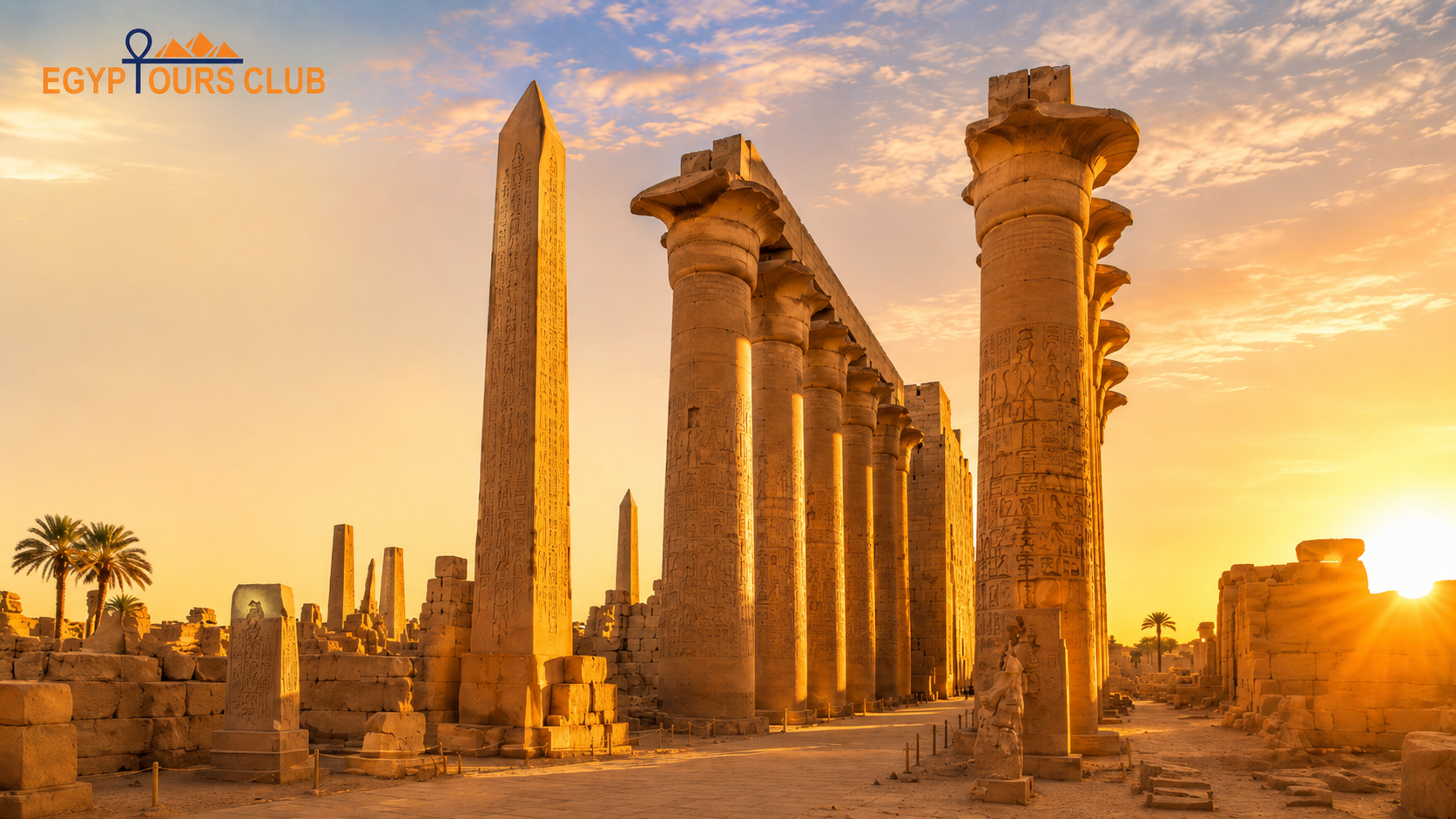
Give Karnak Temple Proper Time
Karnak is a vast sacred complex developed across many reigns, not a single temple building. Prioritize the main Amun-Ra precinct, Great Hypostyle Hall, major obelisks, pylons and Sacred Lake, and use the sequence of construction to understand how Thebes became Egypt's great religious centre.
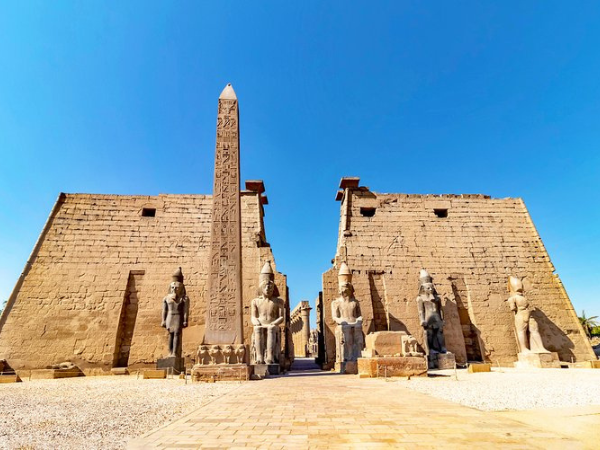
Visit Luxor Temple Toward Evening
Luxor Temple is smaller than Karnak but exceptionally atmospheric. Its courts, colonnades, statues, obelisk and connection to royal kingship work especially well in late-afternoon or evening light, making it a natural second East Bank stop after Karnak.
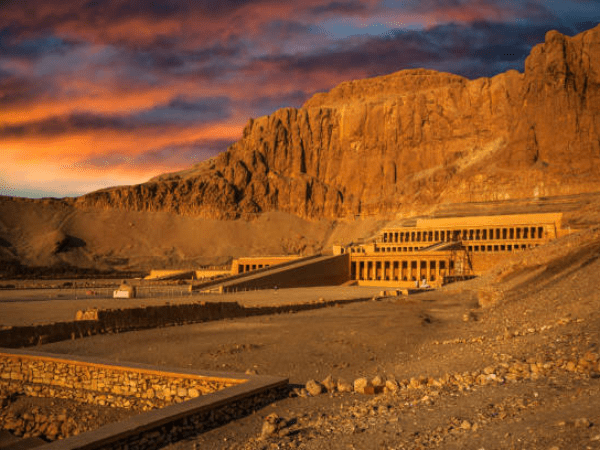
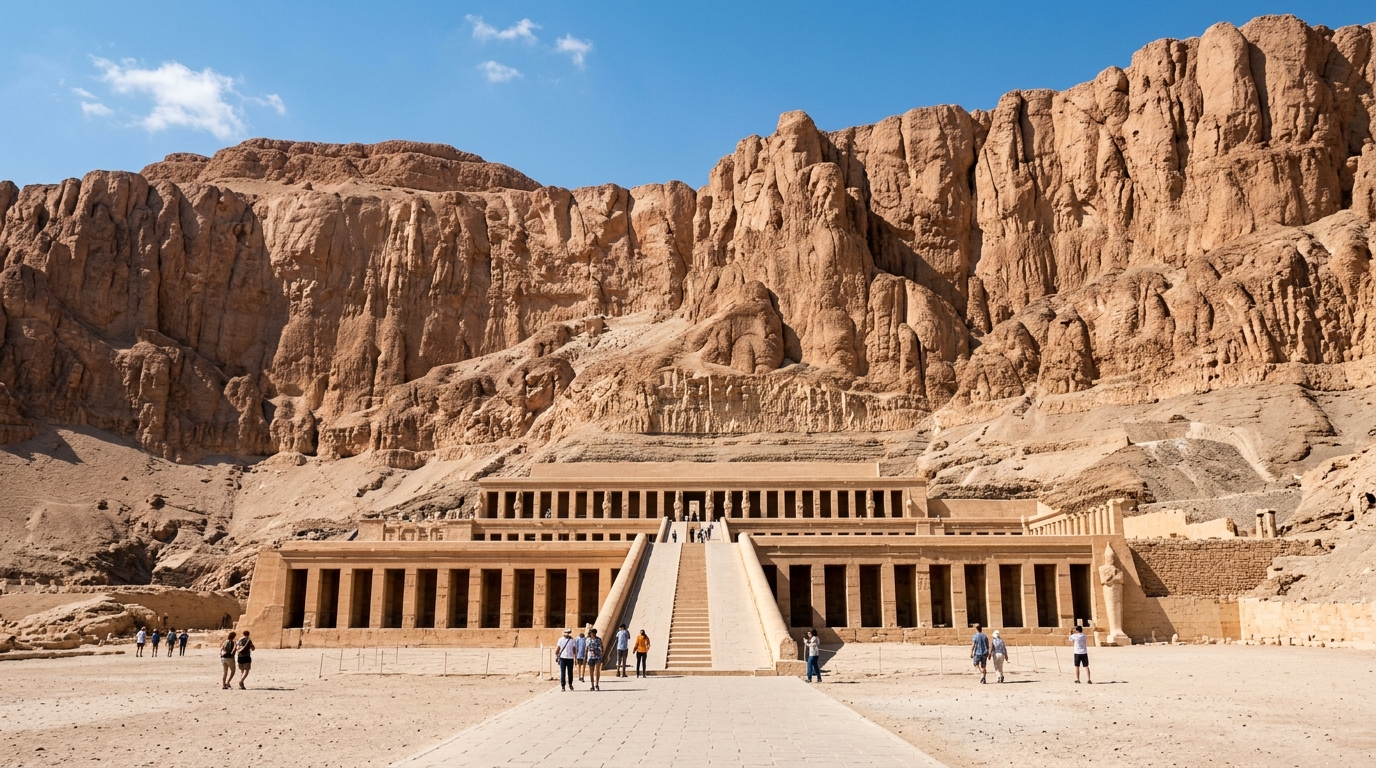
Read Hatshepsut Temple Beyond the Façade
The three-level terraces are dramatic, but the strongest visit also looks at the Punt expedition scenes, Hatshepsut's royal legitimacy, cult spaces and the relationship between the temple and the cliffs. Hatshepsut was one of Egypt's most important female rulers, not the first woman ever to rule Egypt.
Use the Colossi of Memnon for Context
The two giant seated statues are surviving entrance monuments from Amenhotep III's once-enormous mortuary temple. The stop is short, but it becomes more meaningful when you understand the vanished complex they once fronted and the later “singing colossus” tradition.
Take a Hot-Air Balloon Flight
A sunrise balloon can reveal the Nile, farmland, desert edge and Theban hills from above. Treat it as a separate early-morning activity and schedule it early in your Luxor stay when possible, because operations depend on weather, aviation and local conditions.
Add the Luxor Museum for Object Context
Luxor Museum is a useful counterpoint to monument-heavy days because it lets you slow down with sculpture, relief fragments and objects connected to the Theban region. It works especially well after you have already seen Karnak, Luxor Temple or the West Bank.
Spend Time on the Nile
Use the river as more than transport. A short felucca ride can create breathing space between temple days, while a multi-night Nile cruise connects Luxor with Edfu, Kom Ombo and Aswan. Match cruise direction to your wider itinerary before fixing domestic flights.
Add Medinet Habu, the Queens or Deir el-Medina
When you have more than the classic two days, go deeper instead of repeating the same highlights. Medinet Habu, the Valley of the Queens, Deir el-Medina and private tomb areas reveal royal women, artisans, domestic life and highly detailed funerary art.
Take a Dedicated Dendera & Abydos Day
Dendera and Abydos deserve a dedicated day when your priority is temple art, sacred history and reliefs beyond central Luxor. Do not squeeze them into an already crowded West Bank day; the road time and the sites themselves reward a slower plan.
1–3 Day Luxor Plans
How to organize Luxor without rushing
Essential East + West Bank
- Start early in the Valley of the Kings.
- Continue to Hatshepsut Temple.
- Short Colossi of Memnon stop.
- Cross to Karnak later in the day.
- Add Luxor Temple only if energy and timing allow.
Best First-Time Balance
- Day 1: Valley of the Kings, Hatshepsut and Memnon.
- Day 2: Karnak and Luxor Temple.
- Add a museum, felucca or city-centre evening.
- Optional balloon at sunrise.
Deeper Thebes
- Add Valley of the Queens or Deir el-Medina.
- Visit Medinet Habu or nobles' tombs.
- Use a dedicated day for Dendera and Abydos.
- Or continue south by Nile cruise.
Compare by Interest
Which Luxor experience fits your trip?
| Experience | Best For | Allow | Best Timing | Planning Links |
|---|---|---|---|---|
Valley of the KingsRoyal tombs · West Bank | First-time visitors, tomb art | 1.5–2.5 hours | Early morning | Open Guide |
Karnak TempleEast Bank · Amun-Ra | Architecture, religion, inscriptions | 2–3 hours | Morning or later afternoon | Karnak Guide |
Hatshepsut TempleWest Bank · Deir el-Bahari | Architecture, Hatshepsut, reliefs | 75–90 min | Morning | Hatshepsut Guide |
Luxor TempleCity centre · East Bank | Atmosphere, easy evening visit | 1–1.5 hours | Late afternoon / evening | Luxor Temple Guide |
Luxor MuseumIndoor · object context | Museum lovers, hot afternoons | 1–2 hours | Midday / afternoon | Luxor Guide |
Dendera & AbydosLong day trip | Temple art, deeper history | Full day | Early departure | Tours from Luxor |
Planning Tips
Small decisions make a big difference in Luxor
Group Sites by Bank
Keep West Bank tombs and temples together, and pair Karnak with Luxor Temple on the East Bank. Repeated crossings waste useful sightseeing time.
Protect the Early Morning
Royal tomb valleys and exposed West Bank monuments become harder as heat builds. Use early hours for the most exposed sites.
Keep Tomb Tickets Flexible
Open tombs, special-ticket tombs, photography policies and operating arrangements can change. Confirm close to your visit.
Do Not Overpack One Day
Luxor looks compact on a map, but each major site deserves time. A two-day structure is usually stronger than a rushed one-day checklist.
Match Cruise Timing
If you arrive by Nile cruise, send the cruise name, docking side, arrival time and sailing deadline before fixing sightseeing.
Use a Guide Where Context Matters
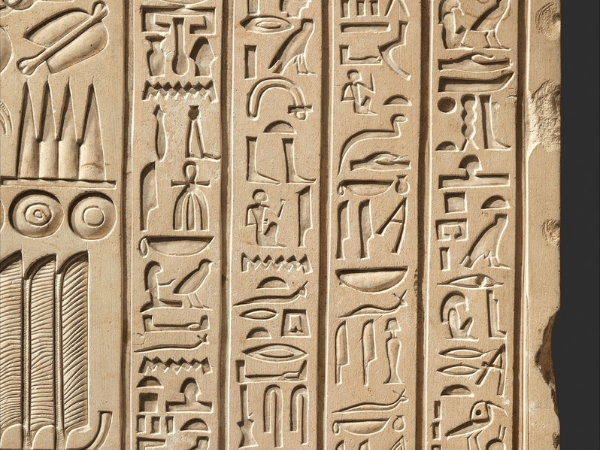
Luxor's reliefs, cartouches, tomb texts and temple sequences become much clearer with a qualified Egyptologist, especially on a first visit.
Trusted Sources & Planning Links
Use ETC pages for route planning and authoritative sources for heritage context
Frequently Asked Questions
What to do in Luxor FAQ
How many days do I need in Luxor?
Two full days give most first-time visitors the best balance: one day focused on the West Bank and one for Karnak and Luxor Temple on the East Bank. A third day allows deeper tombs, museums, Medinet Habu or a dedicated excursion such as Dendera and Abydos.
What are the must-see attractions in Luxor?
Prioritize the Valley of the Kings, Karnak Temple, Hatshepsut Temple, Luxor Temple and the Colossi of Memnon. These five create the strongest first-trip foundation across both banks.
Can I see East Bank and West Bank in one day?
Yes, but it is a full sightseeing day. Start early on the West Bank, then move to Karnak later. Add Luxor Temple only if your timing and energy remain comfortable.
Is the Valley of the Kings worth it?
Yes. It is the core royal-tomb experience of Luxor. The value comes from choosing several open tombs and understanding their decoration, rather than trying to enter every tomb available.
Is a hot-air balloon ride in Luxor worth doing?
It can be one of Luxor's strongest landscape experiences, especially for the Nile, farmland and Theban hills. Treat it as weather dependent and schedule it early in your stay when possible.
What is the best time of day for Luxor Temple?
Late afternoon and evening are especially atmospheric. Luxor Temple is compact enough to work well after Karnak or as a lighter city-centre visit after a more demanding morning.
Should I visit the Luxor Museum?
Yes if you want a slower indoor experience and stronger object-based context for the temples and tombs. It fits especially well on a hot afternoon or after a heavy archaeology morning.
What should I do in Luxor if I have three days?
Use two days for the classic East and West Bank highlights, then use the third for deeper West Bank archaeology, a museum and Nile time, or a dedicated Dendera and Abydos excursion.
Build Luxor Around the Banks, Not Around a Checklist
Choose the right route for your time, heat tolerance and historical interests
Start with the Valley of the Kings and West Bank early, keep Karnak and Luxor Temple together on the East Bank, then add a balloon, museum, Nile experience or deeper temple day only when your schedule has room.