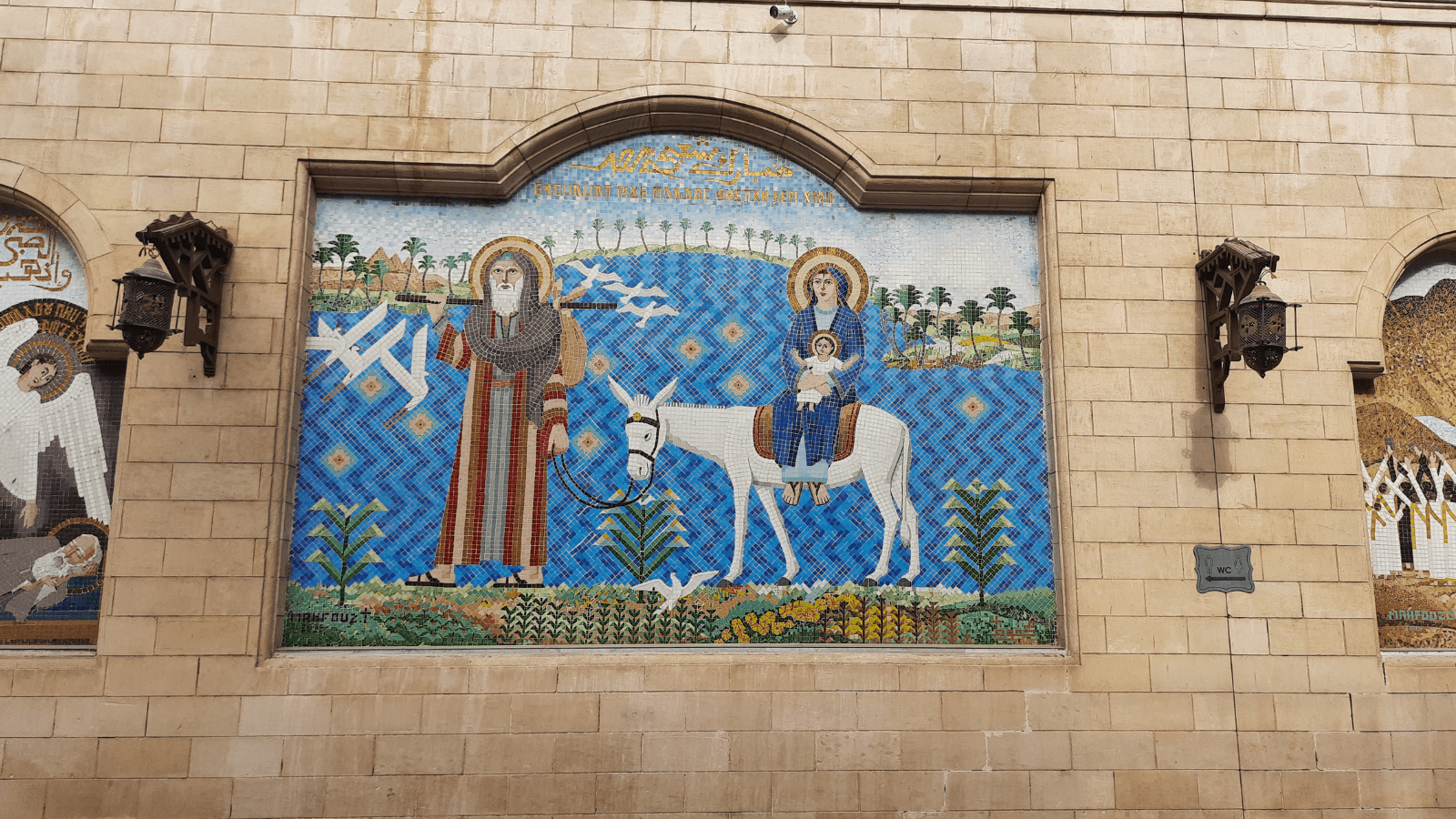
December - February
Winter: Best for Ancient Sites
Mild sightseeing days, cooler early mornings and high demand around Christmas and New Year.

Choose the right travel dates for the Pyramids of Giza, Luxor and Aswan, Nile cruises, desert landscapes and the Red Sea. Compare the real trade-offs: weather, visitor demand, what to do and what to avoid.
October through April is generally the best broad window for history-focused Egypt tours. November through March is especially comfortable for long outdoor visits in Luxor and Aswan. March, April and October are useful for travelers balancing warm weather and sightseeing. June through August works best for heat-aware plans, often centered on the Red Sea, with early starts at inland monuments.
Egypt does not have one uniform travel season. Cairo can be manageable when Upper Egypt is intensely hot, while Red Sea conditions and Mediterranean weather have their own patterns. Use these seasonal guideposts instead of assuming the same temperature or visitor levels throughout the country.
Mild sightseeing days, cooler early mornings and high demand around Christmas and New Year.
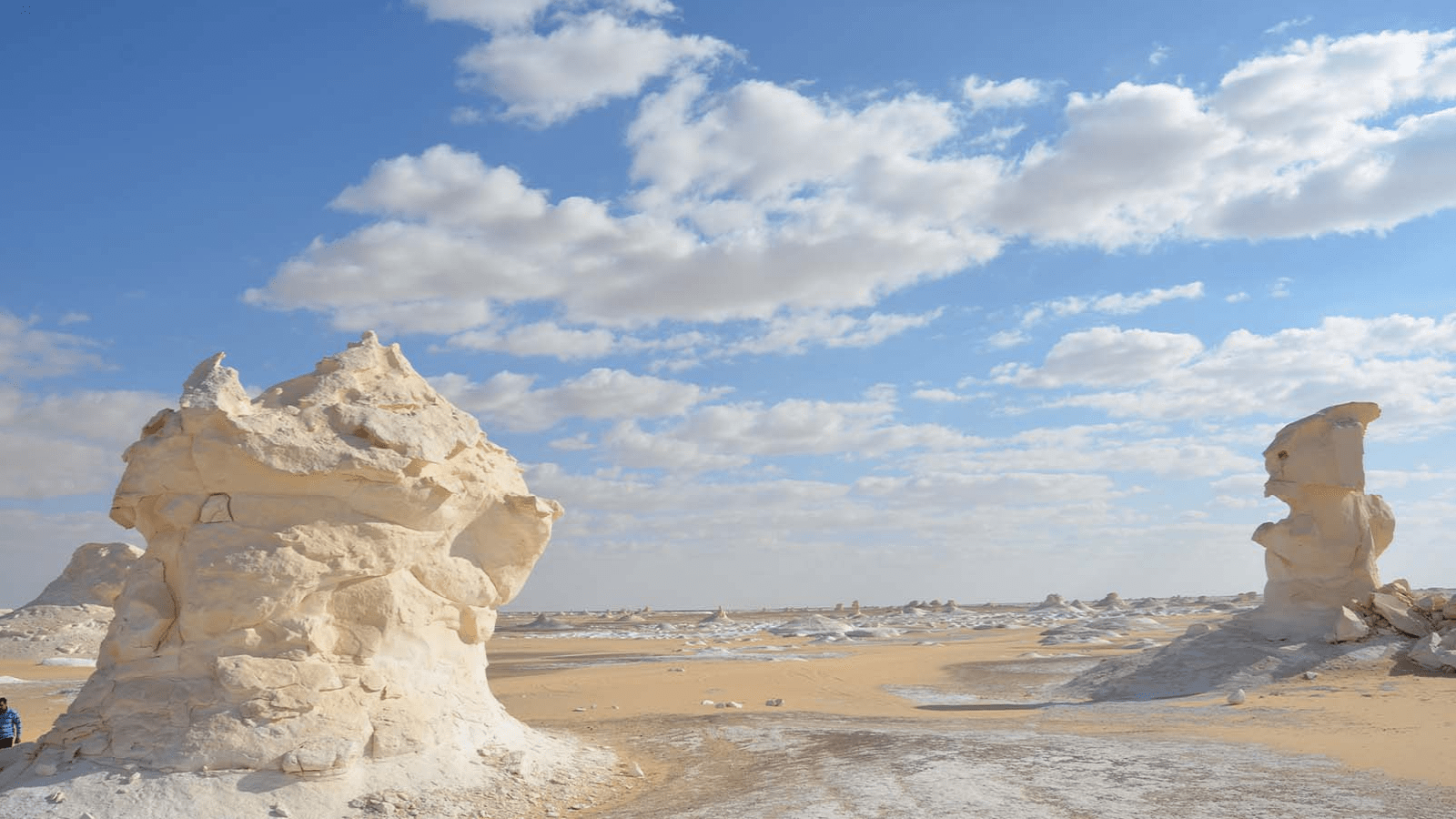
Good for deserts early in the season. Temperatures rise quickly, and dusty winds are possible.

Very hot inland. Plan Red Sea time and short early-morning cultural visits rather than full midday temple days.
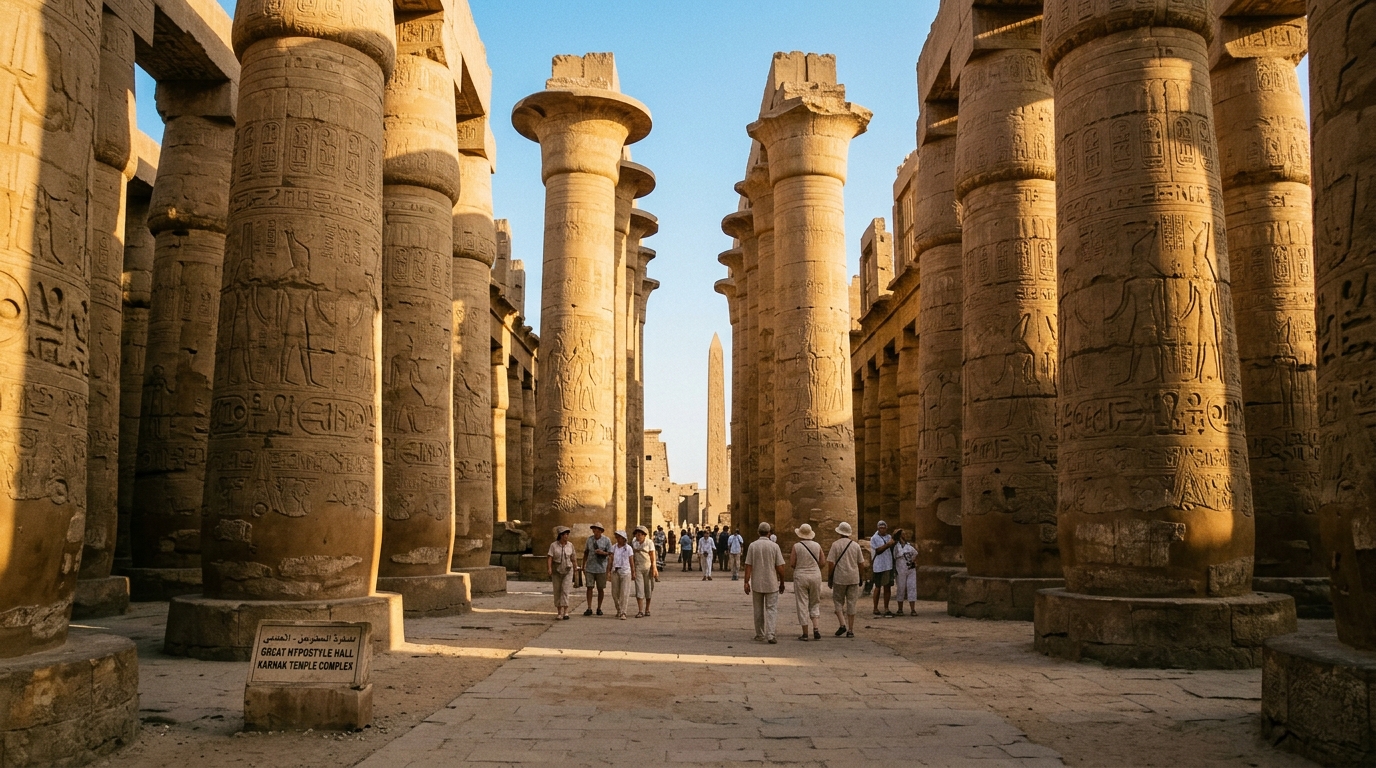
September can still be hot. October and November increasingly favor temple days, cruises and desert trips.
For a first visit focused on Giza, Luxor and Aswan, favor the milder months. For beach-first travel, choose around sea temperature, wind, available boats and your tolerance for summer heat, not just a generic “best month” ranking.
This comparison describes typical travel conditions, not a forecast or guaranteed crowd level. Heat, wind, holidays, local events and hotel demand change from one year to the next. The comfort labels refer mainly to outdoor cultural sightseeing, not to swimming and beach holidays.
| Month | Typical conditions | Strongest experiences | What to watch | Cultural comfort |
|---|---|---|---|---|
| January | Mild days; cold early mornings and evenings | Pyramids, Luxor, Aswan, cruises | Holiday demand; bring a jacket | High |
| February | Comfortable touring days; cooler nights | Upper Egypt, Abu Simbel, desert trips | Popular dates around Abu Simbel alignment | High |
| March | Warmer days; pleasant early season | Cultural circuits, Western Desert, Nile cruises | Occasional spring dust and strong winds | High |
| April | Warm to hot, especially in Upper Egypt | Cairo, Nile Valley with early starts, Red Sea | Easter travel demand and rising daytime heat | Good |
| May | Hotter inland; long sunny days | Red Sea plus selective early archaeology | Midday heat in Luxor and Aswan | Mixed |
| June | Hot inland; very hot south | Red Sea resorts, museums, short morning tours | Avoid prolonged midday outdoor visits | Limited |
| July | Peak summer heat in Upper Egypt | Red Sea-focused trips, indoor Cairo visits | High heat exposure; some resort demand | Limited |
| August | Very hot inland; warm sea | Beach stays and carefully managed special trips | Luxor heat, especially during 2027 eclipse | Limited |
| September | Heat gradually eases; south still hot | Red Sea, early-start cultural trips | Do not assume early September is cool | Mixed |
| October | Increasingly comfortable; warm south | Classic touring, cruises, desert exploration | Demand rises during popular weeks | High |
| November | Mild for extensive sightseeing | Pyramids, Luxor, Aswan, White Desert | Popular month; book cruises early | High |
| December | Mild afternoons; cooler evenings | Cairo, Nile cruising, cultural routes | Christmas and New Year demand | High |
For a simpler seasonal overview, read our Egypt seasonal guide. To decide how many days to book, compare our realistic Egypt trip durations.
The most useful question is not simply “When is Egypt cool?” but “What will the weather feel like during the activities on my route?” A museum, a desert camp and a full morning at Karnak need different seasonal planning.
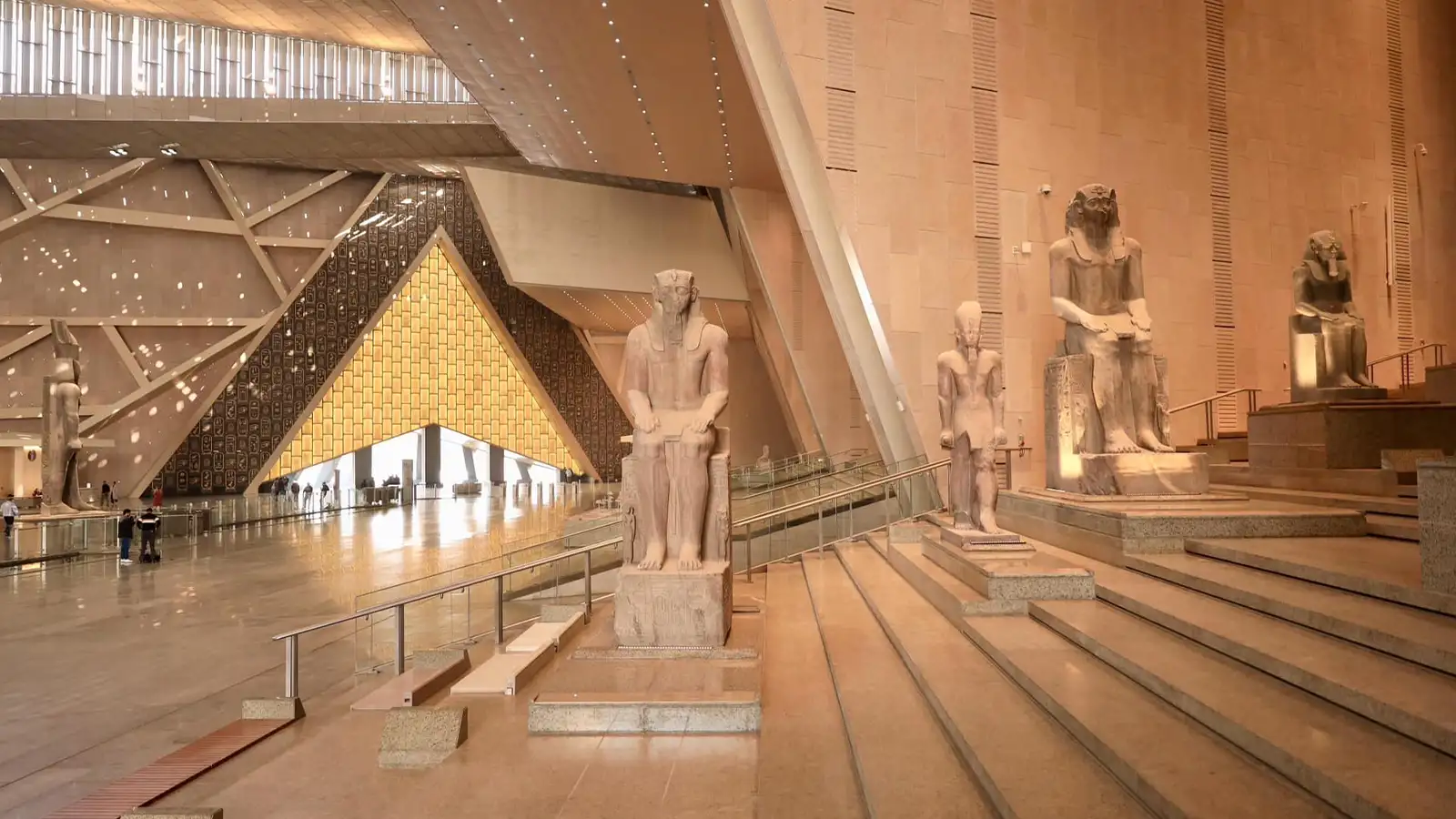
Best for long Pyramid and Saqqara days. The Grand Egyptian Museum is a strong indoor option when the weather is hot.
Best for longer temple, tomb and Abu Simbel visits. October and April are warm alternatives with earlier starts.
Summer suits sea-focused plans; winter brings milder air but potentially cooler water and wind after boat trips.
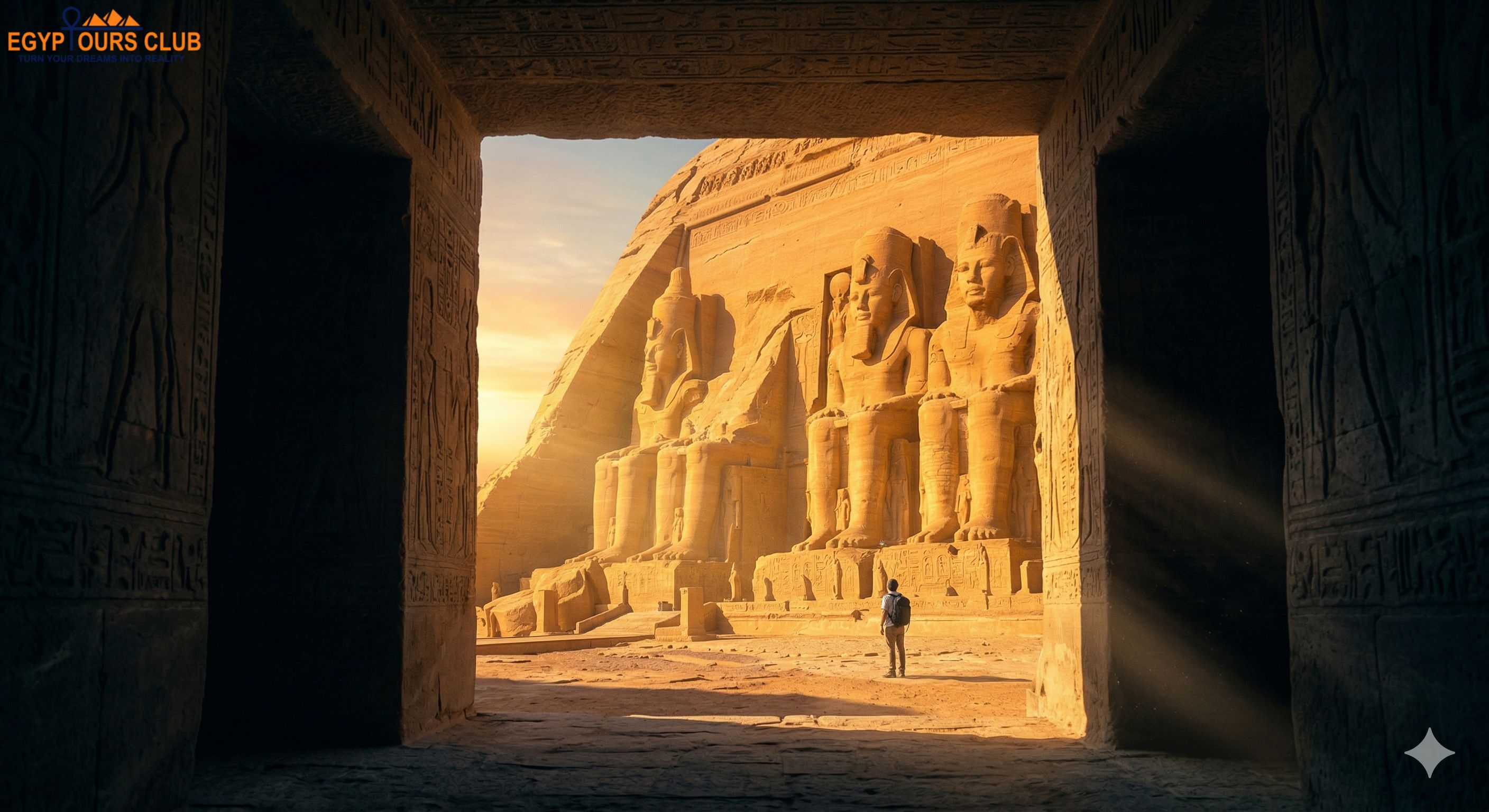
Choose a cool-season morning for this long excursion from Aswan. February and October draw extra interest for the temple alignment.
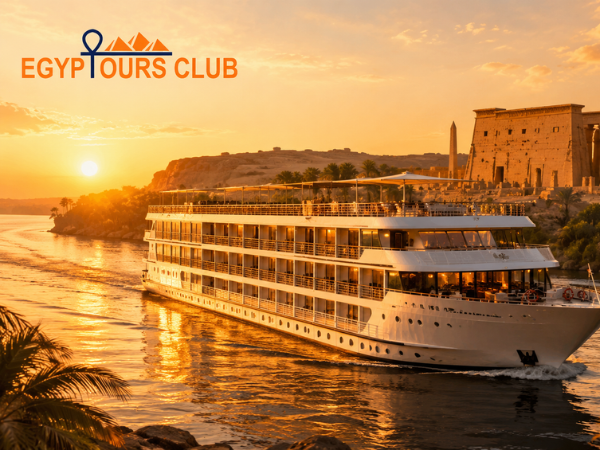
Cruise ships operate on confirmed schedules. Choose milder temple days and check your actual sailing date before booking flights.
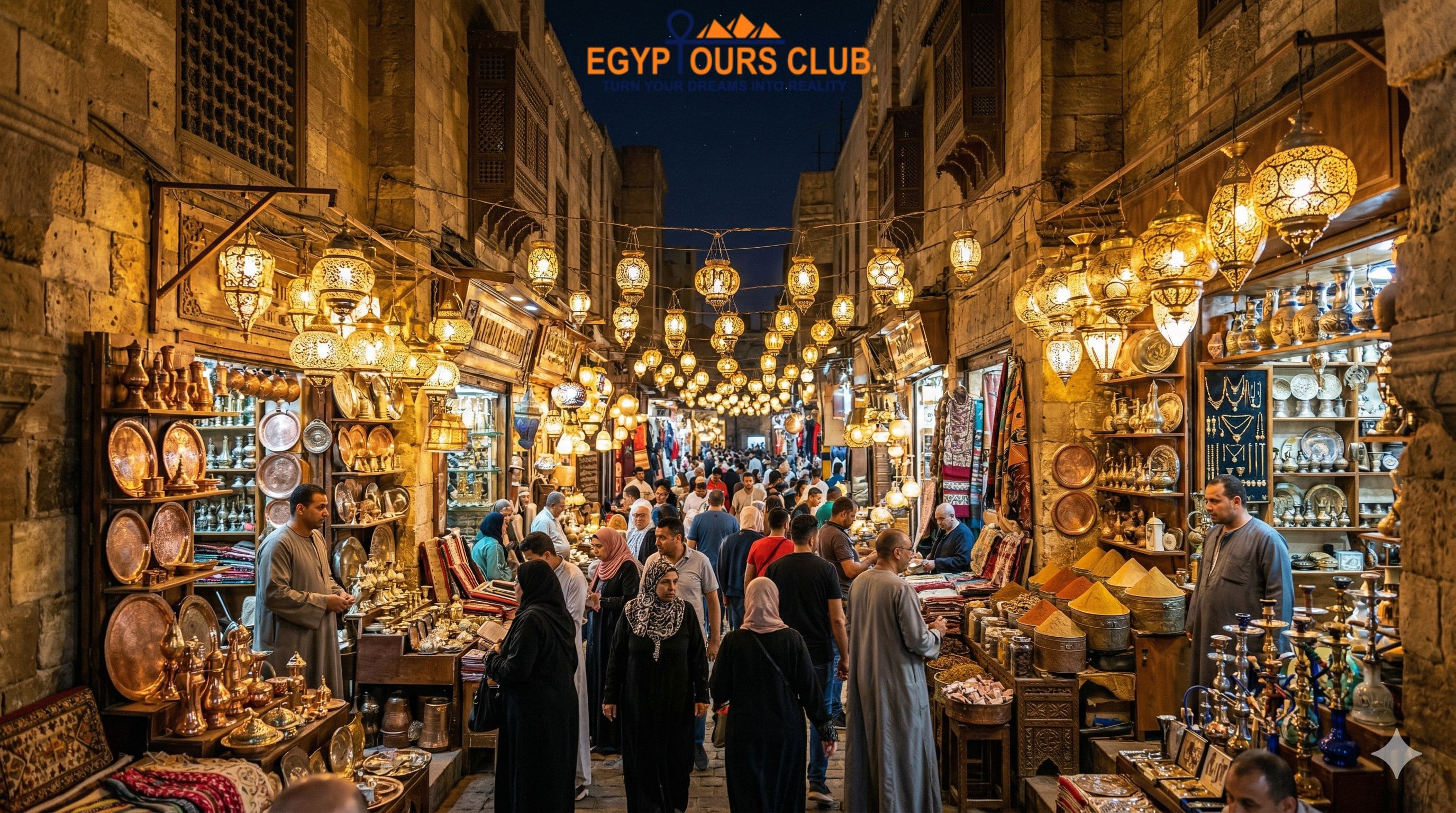
Cooler evenings make long heritage walks comfortable. Summer visits work better after sunset than at the hottest midday hour.
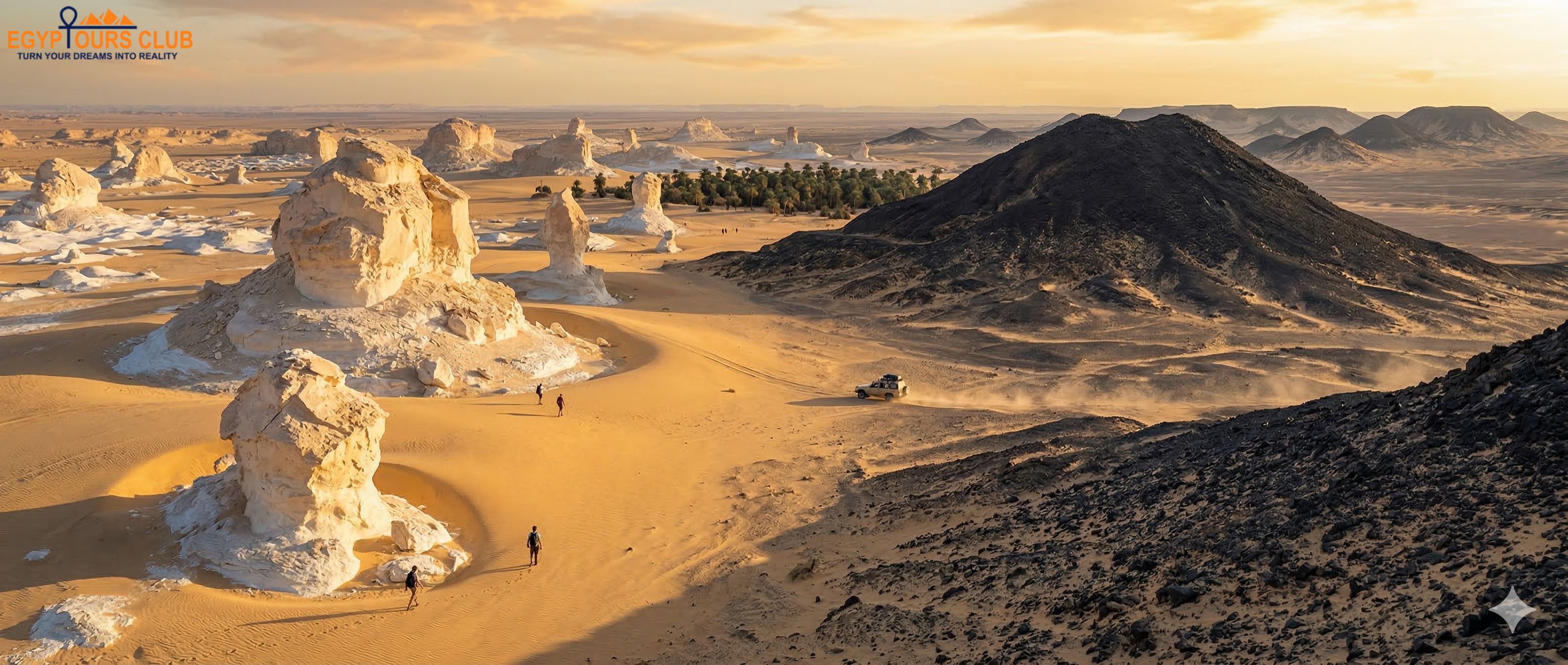
Choose autumn through early spring for remote desert journeys. Expect cooler nights, changing wind conditions and the need for an experienced local operator. White Desert visitor guide.
Spring and autumn are comfortable for city walks, while summer suits beach holidays on the Mediterranean. Winter can be cooler, windier and rainier than the southern Nile Valley.
October to April supports longer open-air touring. In summer, visit exposed sites early and use the afternoon for indoor activities. Giza Pyramids visitor guide.
October to April is ideal for comfortable excursion days. Cruises can operate in warmer periods, but departure dates and ship conditions matter. Compare Nile cruise packages.
| Experience | Generally strongest months | Why | What can change | Planning guide |
|---|---|---|---|---|
| Pyramids and Cairo museums | October to April | More comfortable long outdoor days | School holidays, heat spikes and site entry arrangements | Giza guide |
| Luxor, Aswan and Abu Simbel | November to March | Milder days for exposed archaeological sites | April and October get warmer; winter holiday demand | Karnak guide |
| Nile cruises | October to April, often pleasant into May | Comfortable temple excursions | Sailing dates, boat class and guide arrangements | Cruise options |
| Red Sea snorkeling and diving | Year-round; choose by heat and water preference | Reefs and resorts operate across seasons | Winter wind, sea temperature and boat conditions | Hurghada guide |
| White Desert camping | October to early April | Avoids the harshest summer daytime heat | Cold nights, wind and permits or protected-area rules | White Desert guide |
| Seasonal festivals and events | Event-specific dates | Special cultural and astronomical experiences | Demand, access restrictions and climate | Abu Simbel guide |
No month is guaranteed to be cheaper or less crowded. The useful comparison is a real itinerary and availability check for your travel dates.
These are planning frameworks, not fixed sailing schedules. Always leave time for flights, hotel changes and the confirmed cruise departure. The purpose is to make each season work with the activities you actually want.
Allow 2-3 sightseeing days in Cairo and Giza, then combine Luxor, a confirmed Nile cruise and Aswan. The mild season is well suited to outdoor temples, but cabins and holidays can book up early.
Pair Cairo and Luxor with the White Desert or an oasis experience if your travel time permits. Plan the desert section with authorized local providers and allow for spring winds.
Spend most of the trip in Hurghada or Sharm El Sheikh. Add Cairo museums and early Pyramid visits if desired. Avoid a packed midday program in Luxor or Aswan during extreme heat.
Build a Cairo, Luxor and Aswan route with a Nile cruise and, if time allows, a Red Sea extension. Early autumn is still warm, so protect shade and rest periods in the south.
These are the widely observed annual solar-alignment dates at the Great Temple of Ramses II. The event can draw added interest, so confirm access, transport and accommodation before committing to non-refundable bookings. See the Egyptian Ministry of Tourism and Antiquities.
Ramadan follows the Islamic lunar calendar and can fall in different seasons. Many tourist services still operate, but opening times, meals and urban evenings may follow a different rhythm. Confirm your exact travel year and destination arrangements.
Egypt's Coptic Christmas period brings religious celebrations and can affect access around active churches. Travelers should respect services and verify monument or worship-site arrangements.
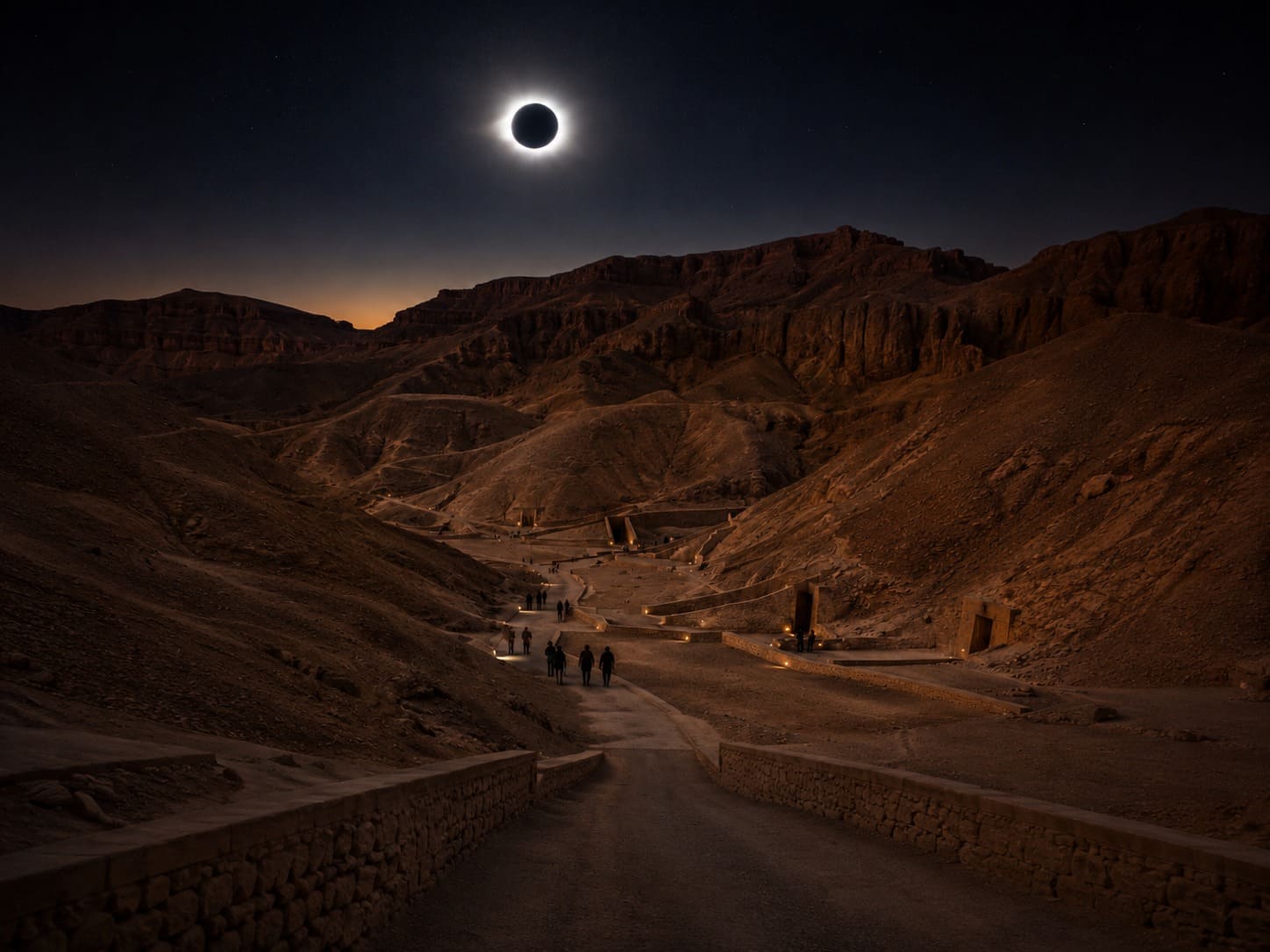
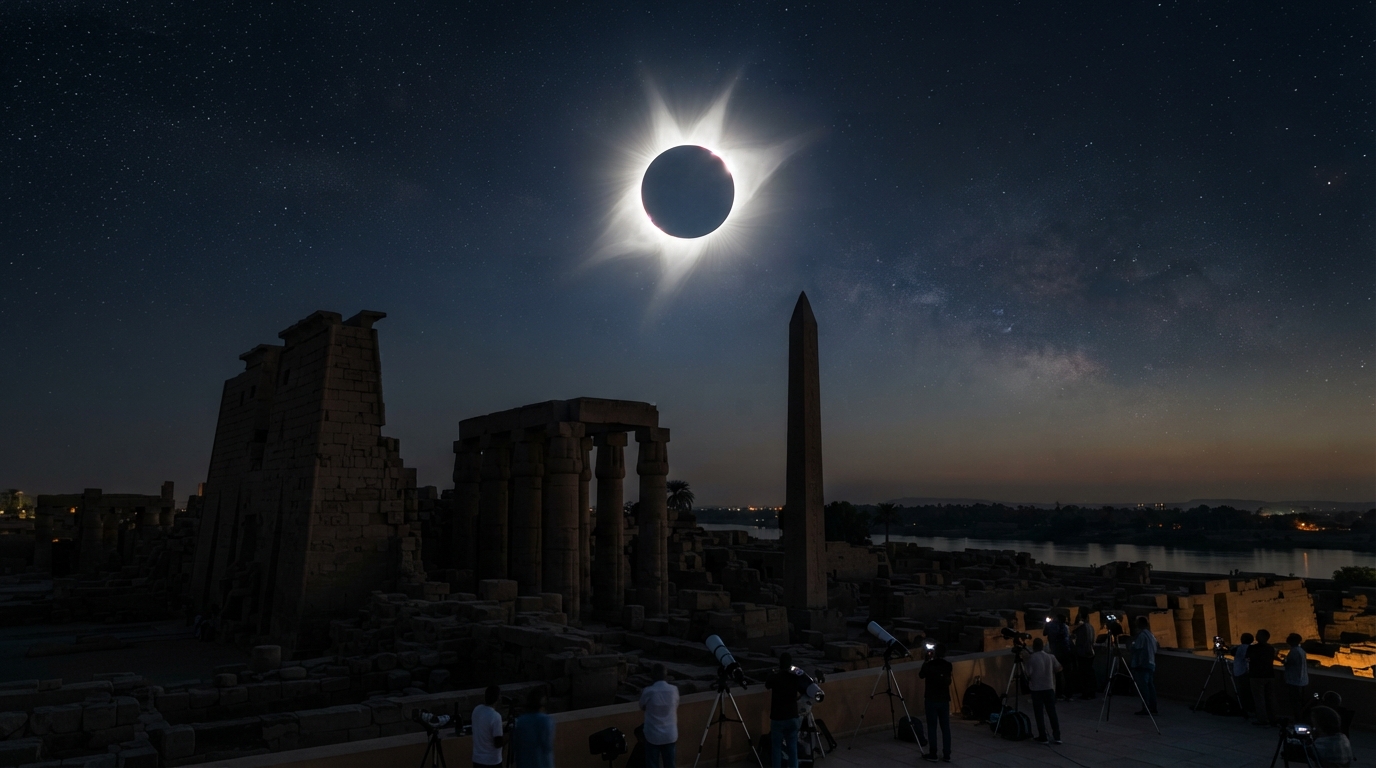
NASA lists a total solar eclipse crossing Egypt on this date. It is an exceptional reason to visit Luxor in summer, but August remains very hot. An eclipse itinerary needs heat planning, safe certified solar viewers and verified site-specific arrangements. Read NASA eclipse information.
At Giza, Karnak, the Valley of the Kings and Abu Simbel, morning access usually makes summer days more manageable. Check each attraction's actual operating hours before finalizing your schedule.
Bring breathable clothing, comfortable shoes, sun protection and a light jacket. Cairo winter nights, early-morning Nile boat outings and desert camps can feel cool.
Spring dust episodes are possible and can affect visibility, photography and outdoor comfort. Keep a flexible day plan rather than guaranteeing a perfectly clear desert sunrise.
Red Sea snorkeling, diving and boat schedules depend on local sea conditions. Sunny skies do not guarantee comfortable wind or calm water on a specific date.
Seasonal prices depend on air tickets, hotel category, room availability, cruise dates, guides and events. Summer is not automatically cheapest on the Red Sea, and winter is not uniformly expensive everywhere.
Children, older guests and first-time visitors benefit from realistic walking time, shade, rest and air-conditioned transport. Do not add remote desert and Upper Egypt sightseeing to a short trip just to tick off more places.
These official pages support the article's broad climate guidance and two calendar-specific events. Check them again near travel, particularly when a visit depends on the weather or event access.
For a culture-focused first trip, November, February, March and October are strong choices. Weather is generally more comfortable for Giza, Luxor and Aswan than in midsummer, although exact conditions vary by year.
It is generally the most comfortable broad window for outdoor archaeological sightseeing and Nile cruises. It is not the only time worth visiting; summer can work well with heat-aware plans and Red Sea stays.
Cairo is hot and Luxor, Aswan and Abu Simbel can be extremely hot. Visits are possible, but they require early starts, air-conditioned transfers, shade, hydration and shorter outdoor sessions. A full midday temple schedule is a poor choice.
October to April usually offers the most comfortable temple-visiting weather. Cruises may operate at other times, but exact sailing dates and vessel availability must be confirmed before booking flights.
November through March is often the most comfortable period for long temple and tomb visits. October and April also work well, though daytime heat rises, especially toward late April.
Yes. Hurghada and Sharm El Sheikh are year-round destinations. Winter days can be sunny, but the sea and wind may feel cool for some swimmers, especially after snorkeling or boat excursions.
Not necessarily. Some Cairo and Upper Egypt services may have lower demand, but resort, school-holiday and special-event pricing can differ. Compare a real quote for your specific dates rather than assuming summer always costs less.
March and early April can be good before peak summer heat. Windblown dust and sandstorms are possible in spring, and desert nights can be cold, so check conditions and use an authorized operator.
Travel is possible during Ramadan, and evenings can be especially atmospheric. Restaurant routines, service timing and some attraction hours may shift. Ramadan follows a lunar calendar, so check the dates and local arrangements for your travel year.
The temple is traditionally known for solar alignment on February 22 and October 22. Expect special interest and demand around these dates; confirm access arrangements in advance.
A total solar eclipse crosses Egypt on August 2, 2027. It is a special reason to travel in the hottest season, not evidence that August is the best month for normal sightseeing. Plan approved eye protection, heat management and official viewing arrangements.
For November to February and major holiday periods, earlier booking offers better choice of hotels, guides, domestic flights and cruise cabins. Three to six months is a useful planning target, not a guarantee. Special events can require more advance planning.
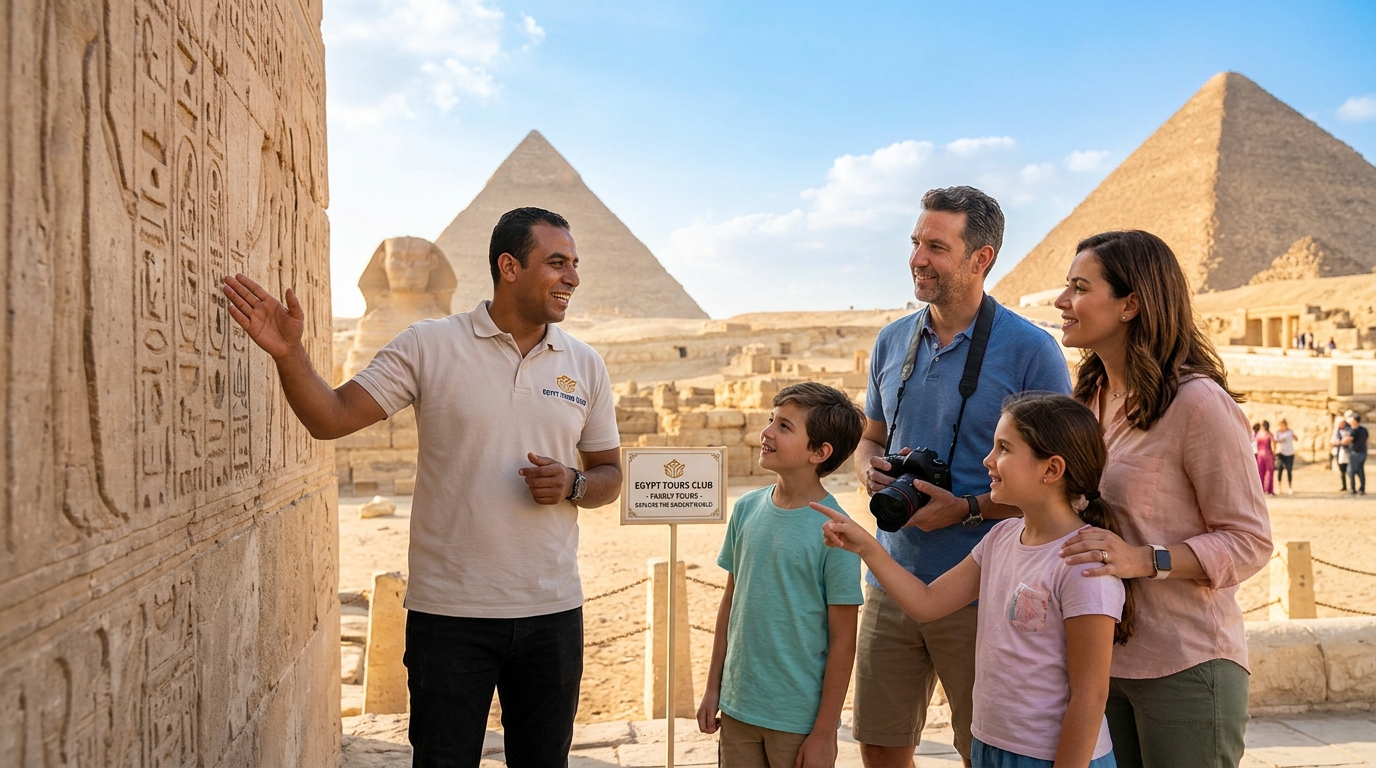
Tell Egypt Tours Club when you can travel, what you want to see and how much walking and heat you are comfortable with. We can propose an itinerary that balances Cairo, the Nile Valley, the Red Sea and realistic transfer times.
Editorial note: weather, prices, holiday dates and access arrangements change. This article avoids fixed ticket costs and unverified temperature promises. Photographs are hosted on Egypt Tours Club and identified by the destination actually shown.