Documents · clothing · sun protection · shoes · medication · day bag · charging
The short list · not the entire suitcase
Essential Items to Bring to Egypt: The 12 Things That Matter Most
You do not need to pack your entire home for Egypt. The most important items are the ones that protect your documents, health, comfort and mobility: breathable clothing, reliable walking shoes, sun protection, a small day bag, essential medication, charging gear and organized travel documents.
Quick Answer
What are the most important things to bring to Egypt?
Prioritize travel documents, breathable clothing, comfortable walking shoes, a hat, sunglasses, sunscreen, a lightweight scarf, a reusable water bottle, a small day bag, your essential medicines, a phone-charging kit and a little backup cash. Everything else is secondary.
Think in terms of the trip you are actually taking. Cairo and Giza need dust-friendly walking shoes and sun protection; Luxor and Aswan reward light layers and strong heat management; Nile cruises benefit from one slightly smarter evening outfit; the Red Sea adds swimwear and water-friendly gear.
Pack for the Route
What changes depending on where you are going?
Use this visual guide to match your packing to the parts of Egypt in your itinerary. The grid is complete and balanced, with no empty space.
Detailed packing by route
Use only the route cards that match your confirmed itinerary.
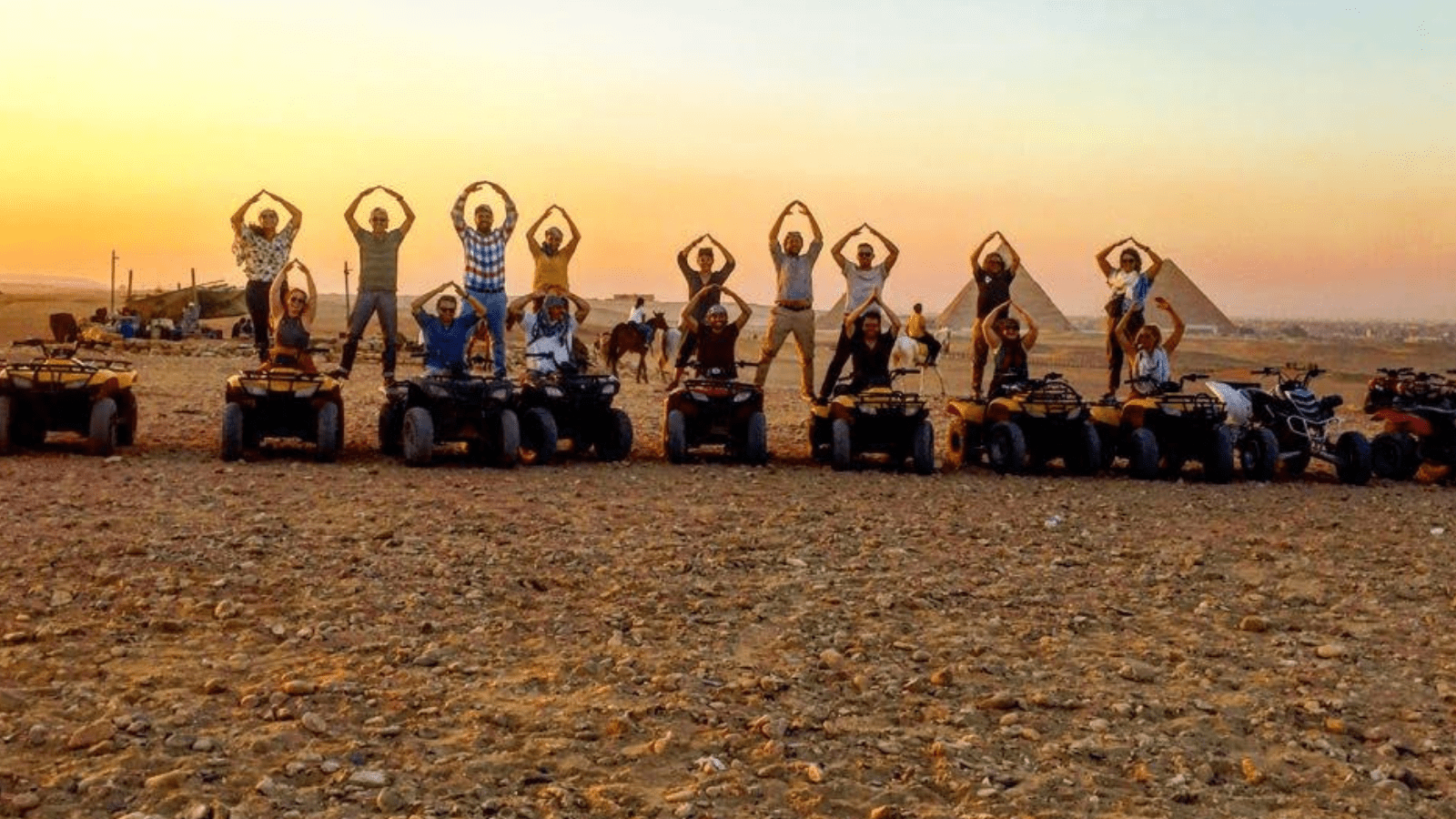
Urban sightseeing + exposed archaeology
- Supportive walking shoes
- Hat, sunglasses and sunscreen
- Breathable layers
- Small secure day bag
- Tissues and small cash
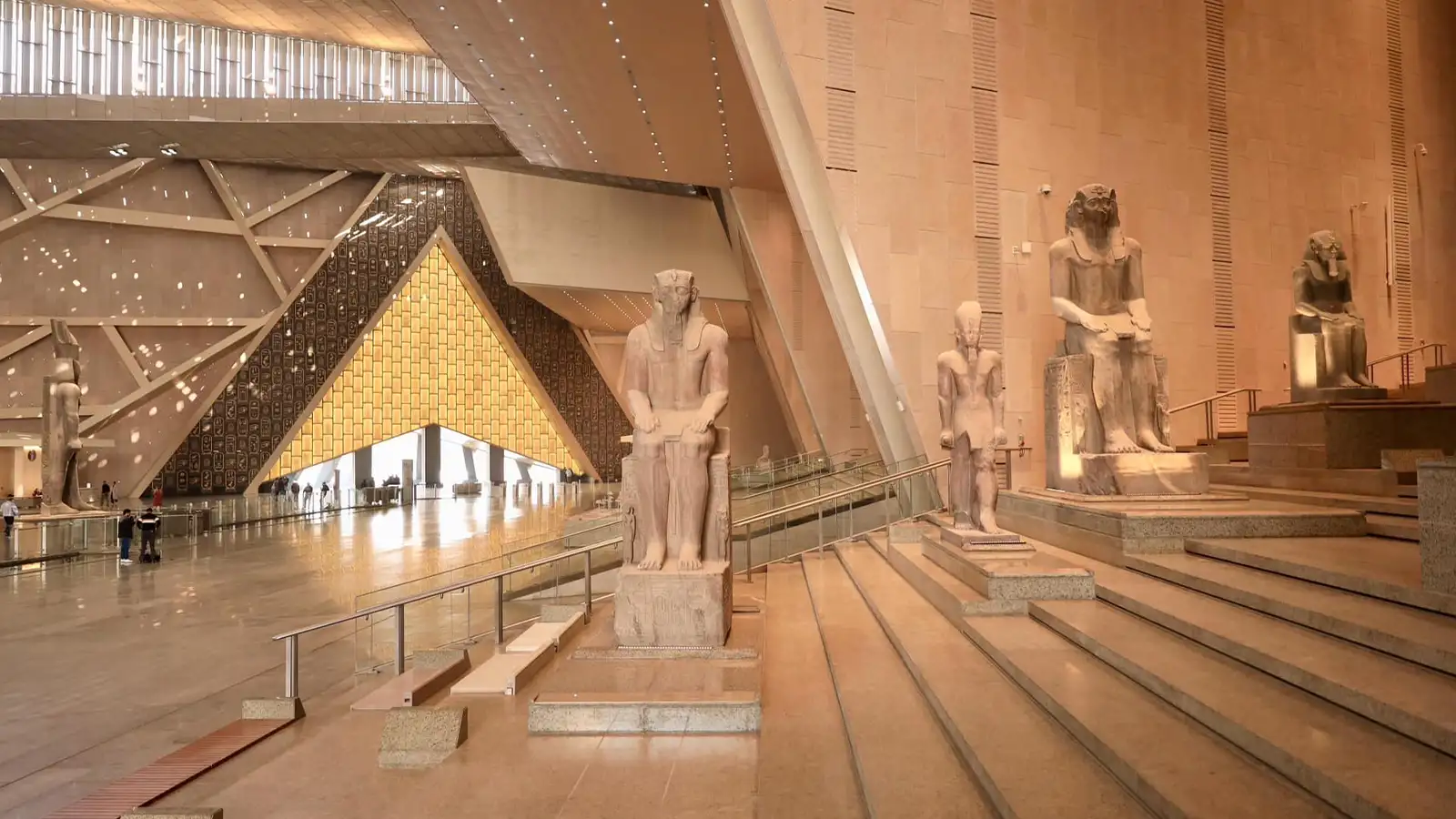
Why: long walks, uneven stone, strong sun and busy city movement.
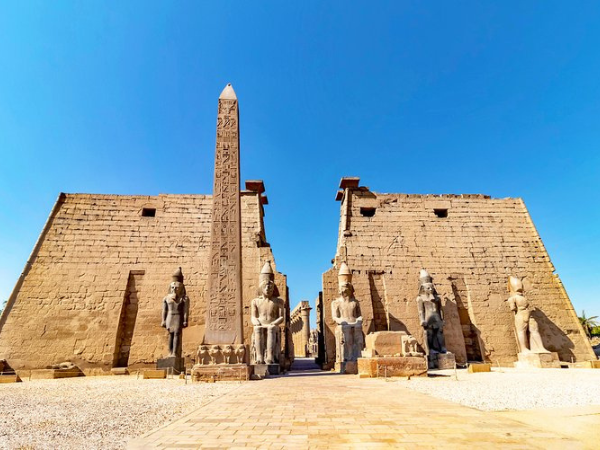
Giza planning guide →Temples, tombs and very exposed walking
- Light breathable clothing
- Reliable shoes with grip
- Sun hat and sunscreen
- Reusable water bottle
- Light scarf or long-sleeve layer
Why: early starts, exposed West Bank sites and long archaeological days.
Luxor packing context →Heat management becomes more important
- Very breathable clothing
- Strong sun protection
- Hydration
- Light scarf or shawl
- Comfortable sandals or walking shoes
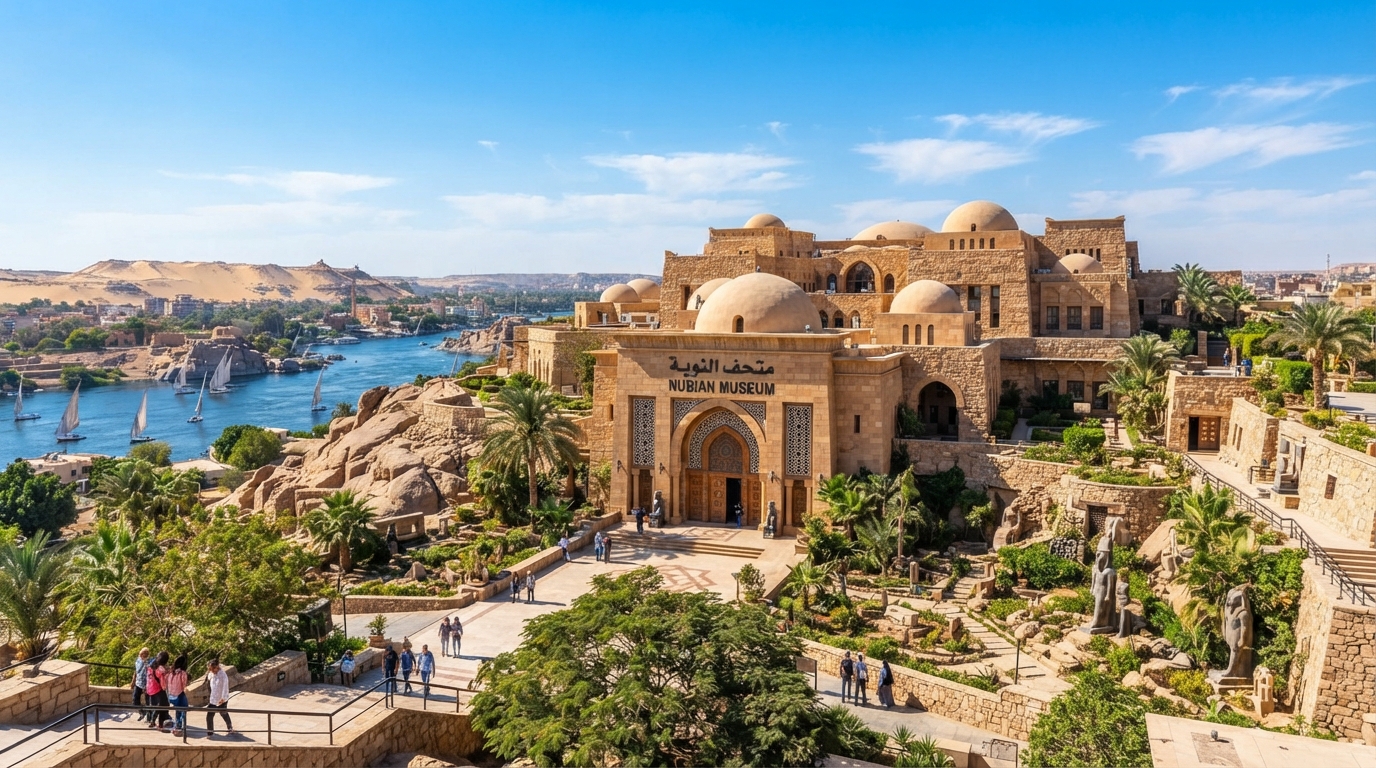
Why: southern heat, boat rides and outdoor visits can make sun management the priority.
Aswan tours →Pack for sightseeing by day and comfort at night
- Temple-ready daywear
- One smart-casual evening outfit
- Light layer for air-conditioning
- Comfortable shoes
- Compact charging kit
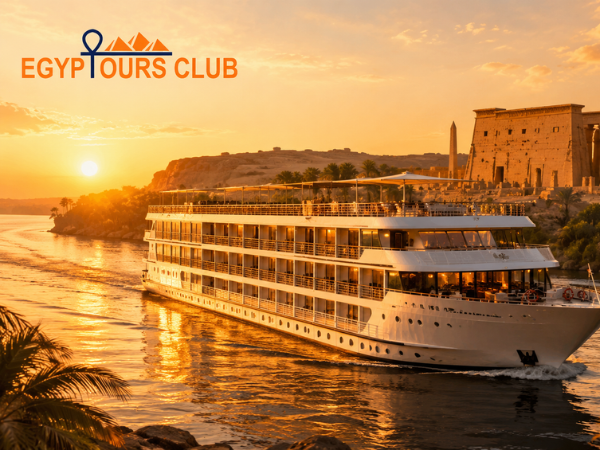
Why: cruise days combine archaeological visits, ship time and relaxed evenings.
Nile cruise packing guide →Beach and marine gear replaces some city items
- Swimwear and cover-up
- Sandals
- Sun protection
- Dry pouch for phone / documents
- Light evening clothing
Why: boat trips, beach days and resort time need different gear from Cairo or Luxor.
Hurghada activities →Prioritize reliability over style
- Extra water
- Power bank
- Closed practical shoes
- Sun cover
- Personal medicine you cannot easily replace
Why: distance from shops, pharmacies and charging points makes backup essentials more important.
Adventure routes →12 Essential Items
The short Egypt packing list that actually matters
These are the items most travelers will use repeatedly. Keep the list priority-based and adapt quantities to your season and trip length.
Travel Documents & Secure Copies
Keep your passport, required entry documents, insurance details, flight information and hotel or tour confirmations together. Store secure digital copies separately from the originals and leave a copy of key information with someone you trust.
Supportive Walking Shoes
Ancient sites involve uneven paving, gravel, steps and long outdoor walks. A broken-in pair of supportive sneakers or walking shoes is more useful than packing several dress shoes. Add sandals only if they are stable enough for your actual itinerary.
Breathable Clothing You Can Layer
Choose lightweight, breathable shirts, trousers, skirts or dresses that can be mixed and layered. A light long-sleeved option helps with sun exposure, cool interiors and more conservative settings without forcing you into heavy clothing.
Hat, Sunglasses & Sunscreen
Many archaeological sites have long stretches with little shade. Pack a comfortable hat, UV-protective sunglasses and sunscreen you are happy to reapply. Lip protection with SPF is useful on dry, windy days.
A Lightweight Scarf or Shawl
A light scarf is one of the most useful low-space items in Egypt. It can provide sun coverage, warmth in air-conditioned spaces and extra coverage when visiting active religious sites. Women may find it particularly useful when a mosque visit requires hair coverage.
A Small, Comfortable Day Bag
Choose a compact bag that sits comfortably for several hours and keeps your daily items organized. Carry only what you need for the day instead of moving through sites with a full travel backpack.
A Reusable Water Bottle
Long sightseeing days and road transfers make hydration easy to forget. Carry a bottle you can refill from safe drinking-water sources provided by your hotel, cruise or operator. On remote routes, carry extra water rather than assuming it will always be immediately available.
Your Essential Medicines
Bring enough personal medicine for your trip and reasonable delays. Keep it clearly labeled, preferably in original containers, and carry it in your hand luggage. If you use prescription medication, verify that it is legal to bring into Egypt rather than assuming rules are the same as at home.
A Compact Personal First-Aid Kit
Keep it small: blister treatment, adhesive bandages, antiseptic wipes and any over-the-counter items you personally rely on. The goal is not to carry a pharmacy; it is to handle minor issues without interrupting a sightseeing day.
Phone, Charging Kit & Adapter
Bring the charging cables you actually use, a compact power bank for long sightseeing days and a travel adapter suitable for Egypt. Check the input rating on your own chargers before travel rather than assuming every device needs the same electrical setup.
Tissues, Hand Sanitizer & Small Wipes
A small packet of tissues and hand sanitizer is useful on road journeys, at remote archaeological sites and during long tour days. Carry travel-size quantities and replace them as needed rather than filling your luggage with bulky supplies.
Cards Plus a Small Cash Backup
Cards are useful for larger payments where accepted, but small amounts of cash remain practical for minor purchases, tips and situations where card payment is inconvenient. Avoid carrying all of your money in one place.
Clothing by Situation
Dress for heat, movement and context
| Situation | What Works Best | Why | Useful Link |
|---|---|---|---|
Giza & archaeological sitesOutdoor walking | Breathable top, comfortable trousers or skirt, supportive shoes, hat | Sun exposure, uneven ground and long walks | Giza Guide |
Luxor & AswanHot outdoor sightseeing | Light layers, long-sleeve option, breathable fabrics, sun hat | Heat, exposed temples and early starts | Luxor Guide |
Nile cruiseDay + evening | Comfortable daywear plus one smart-casual option | Temple visits by day and relaxed ship evenings | Cruise Guide |
Red SeaBeach & marine activities | Swimwear, cover-up, sandals, sun protection | Beach, pool and boat days | Hurghada Tours |
Museums & religious sitesUrban visits | Light layers with shoulders and knees easily coverable; scarf if useful | Comfort, air-conditioning and respectful coverage where required | Historic Cairo |
Daily Carry
What should be in your day bag?
Always
- Phone
- Water
- Hat and sunglasses
- Sunscreen
- Tissues
- Small cash amount
When Relevant
- Scarf or shawl
- Power bank
- Personal medicine
- Printed booking details
- Camera battery / memory card
Leave at the Hotel
- Unneeded passport copies
- Extra cards
- Large cash amounts
- Heavy electronics
- Anything you will not use that day
Pack Less, Move Better
What can you leave behind?
Skip excessive jewelry, too many shoes, bulky “just in case” clothing and electronics you will not realistically use. Egypt rewards mobility: lighter luggage is easier on domestic flights, trains, cruise transfers and multi-city routes.
Trusted Sources & Planning Links
Use this short list with the full packing guide when you need more detail
Frequently Asked Questions
Egypt travel essentials FAQ
What are the five most important things to bring to Egypt?
Travel documents, supportive walking shoes, sun protection, essential personal medicines and a small day bag are the five highest-priority categories for most travelers.
What clothes should I bring to Egypt?
Pack breathable, lightweight clothing that can be layered. Keep shoulders and knees easy to cover for active religious sites, and bring one light long-sleeved layer for sun, air-conditioning and cooler evenings.
Do I need a scarf in Egypt?
It is not a universal requirement, but a lightweight scarf is extremely useful for sun, cooler interiors and extra coverage at religious sites. Women may need hair coverage in some active mosque settings.
What shoes are best for Egypt?
Broken-in supportive walking shoes or sneakers are the most useful option for archaeological sites. Uneven stone, gravel, sand and long walks make comfort and grip more important than formal appearance.
Can I bring my prescription medication to Egypt?
Do not assume every medicine permitted at home is automatically legal in Egypt. Keep medication clearly labeled and in original containers, carry supporting documentation where appropriate, and verify restricted prescriptions before departure.
Should I bring cash to Egypt?
A combination works best. Use cards where convenient and keep a modest cash backup for smaller payments and situations where card acceptance is limited. Avoid storing all cards and cash together.
What should I pack for a Nile cruise?
Pack the same sightseeing essentials you would use in Luxor and Aswan, plus one smart-casual evening outfit. You do not need formal cruise wear unless your specific ship or event states otherwise.
What should I keep in my carry-on?
Keep documents, essential medicines, phone, charger, valuables and at least one change of clothing in your carry-on so a delayed checked bag does not stop the first day of your trip.
Pack for Your Actual Route
Start with the essentials, then add only what your itinerary requires
A Cairo–Luxor–Aswan trip, a Nile cruise, a Red Sea stay and a Western Desert route do not need identical luggage. Use your confirmed itinerary to make the final packing decisions.