


.png)
Human history · Nile civilization · pyramids · writing · science · religion · cultural continuity
State formation · architecture · writing · medicine · mathematics · Nile culture
Why Egypt Is Important to Human History
Egypt matters to human history because it preserves one of the clearest long-term records of an early complex society: centralized government, monumental architecture, writing, mathematics, medicine, religion, agriculture, trade and artistic traditions developed along the Nile and remained visible across thousands of years. Its importance is not that Egypt “invented everything,” but that its achievements are exceptionally early, influential and extraordinarily well preserved.
Quick Answer
Why is Egypt important in human history?
Ancient Egypt was one of the world's earliest long-lived centralized civilizations. By the early dynastic period, the Nile Valley supported organized kingship, administration, agriculture, taxation, writing and monumental building. Over time, Egyptian society produced some of the most influential surviving evidence for ancient architecture, religion, engineering, medicine, mathematics and written administration.
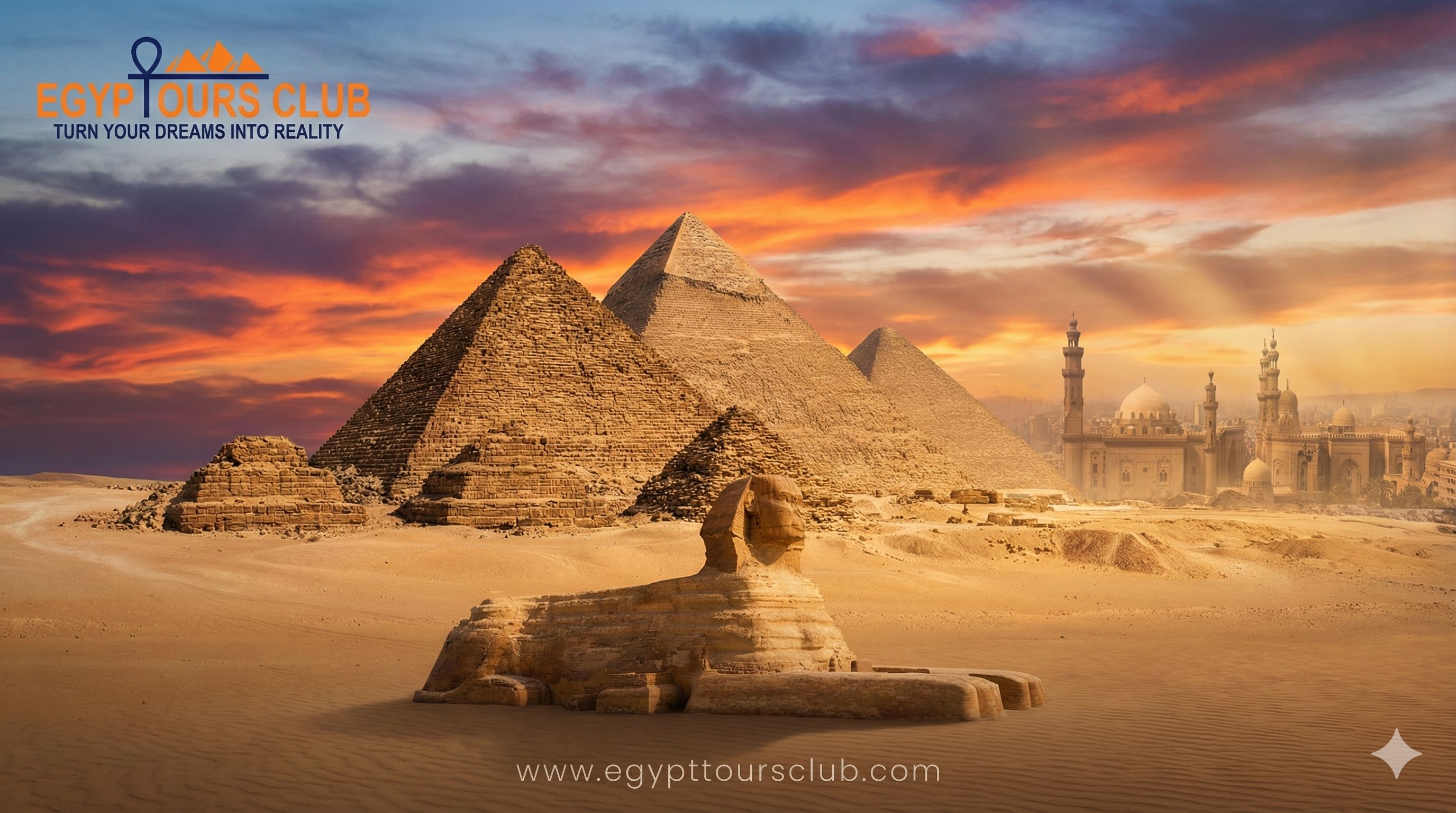
Its global importance is also archaeological. Few places let travelers move so directly through the development of a civilization—from the Step Pyramid at Saqqara and Giza Pyramids to the temples and tombs of Luxor, the southern sanctuaries of Aswan and later Coptic and Islamic layers in Cairo.
History in Pictures
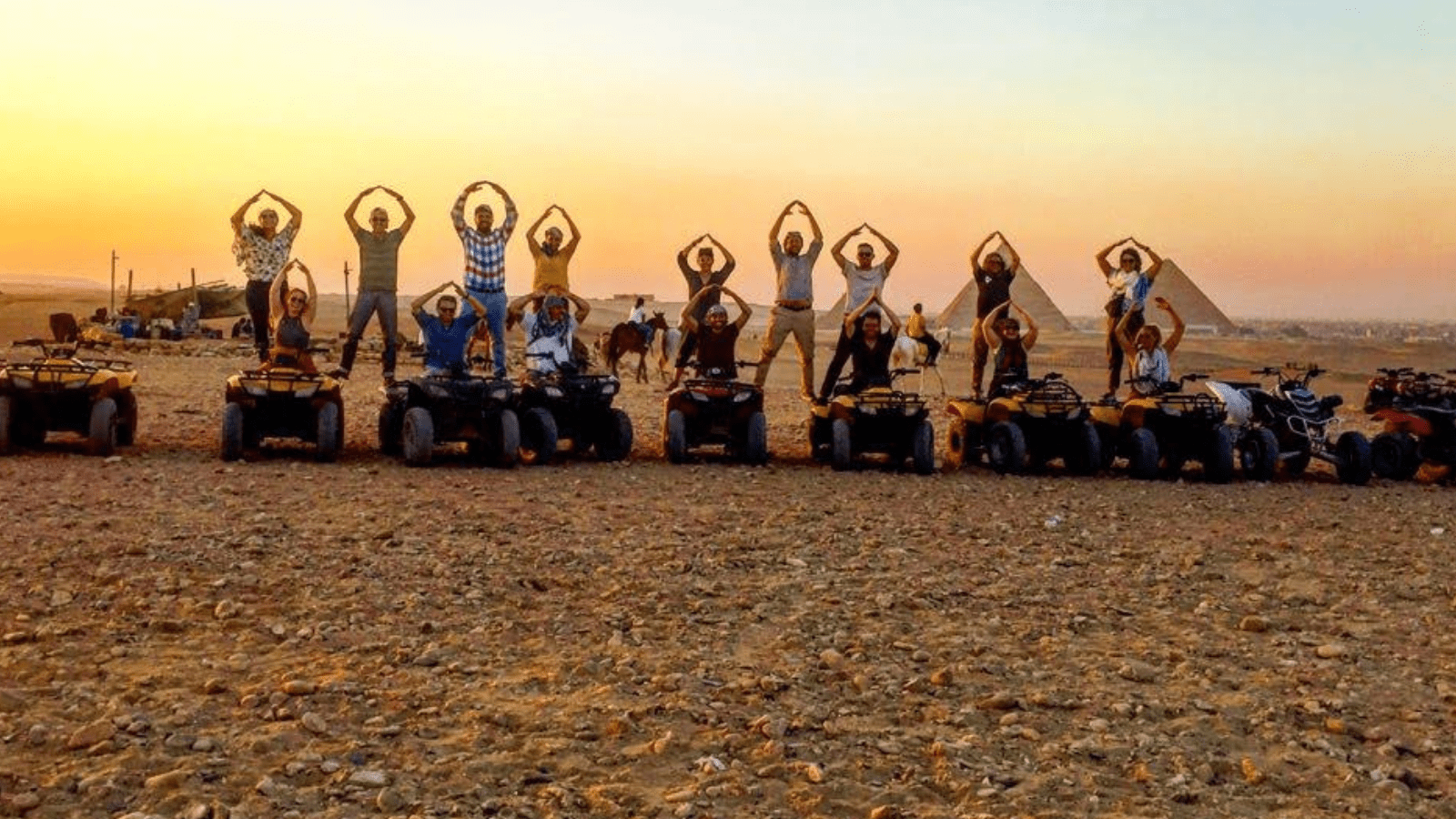
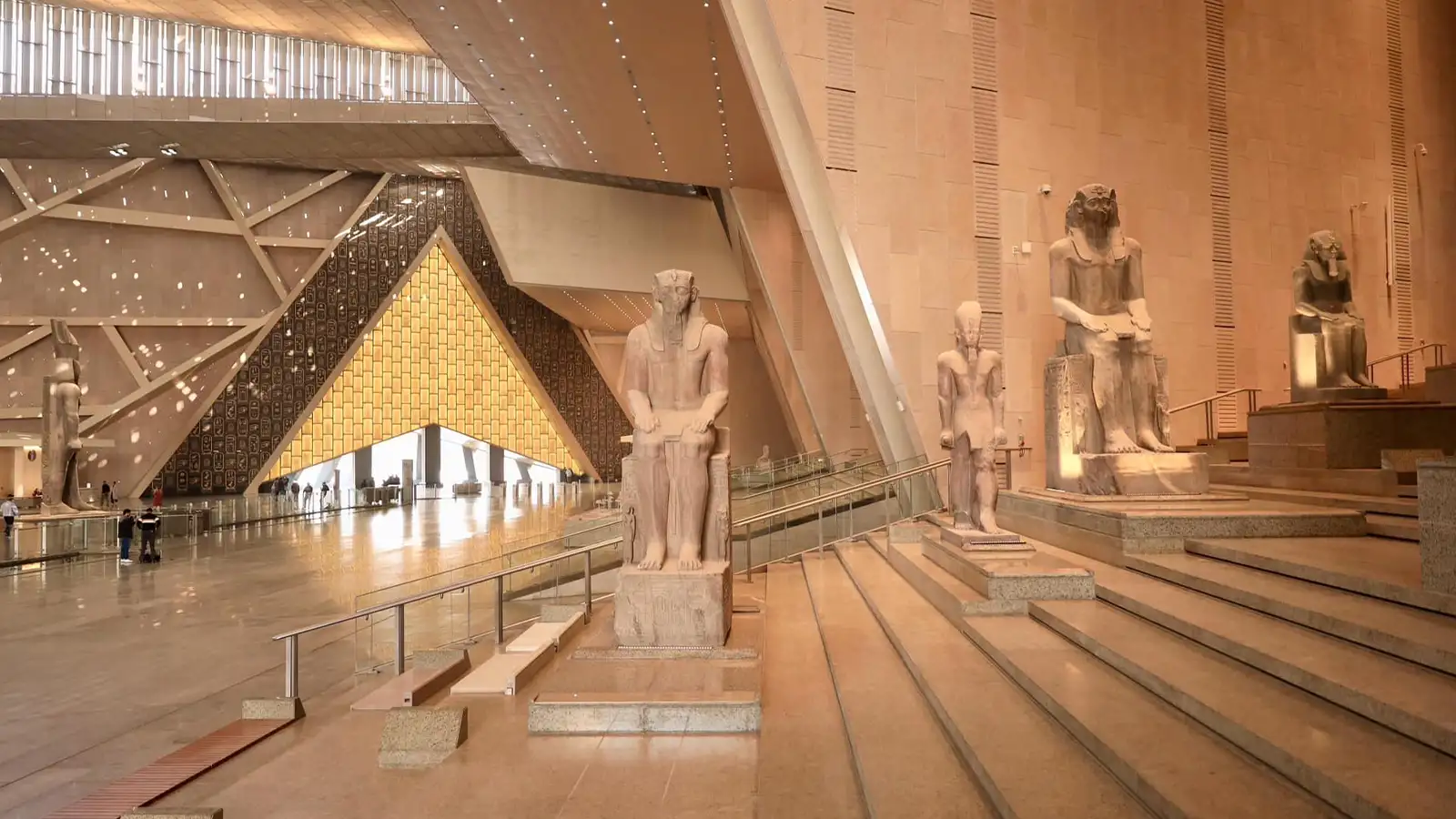
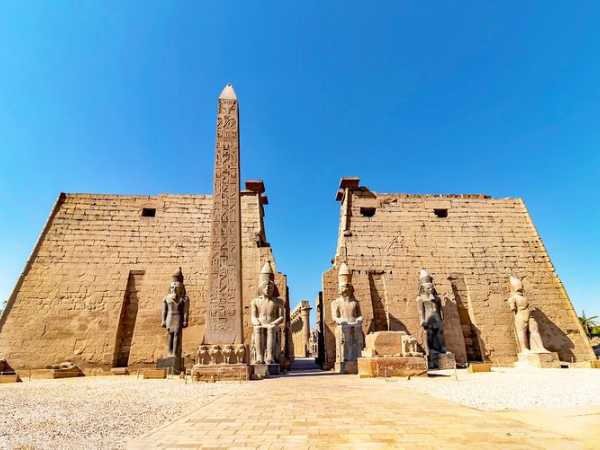
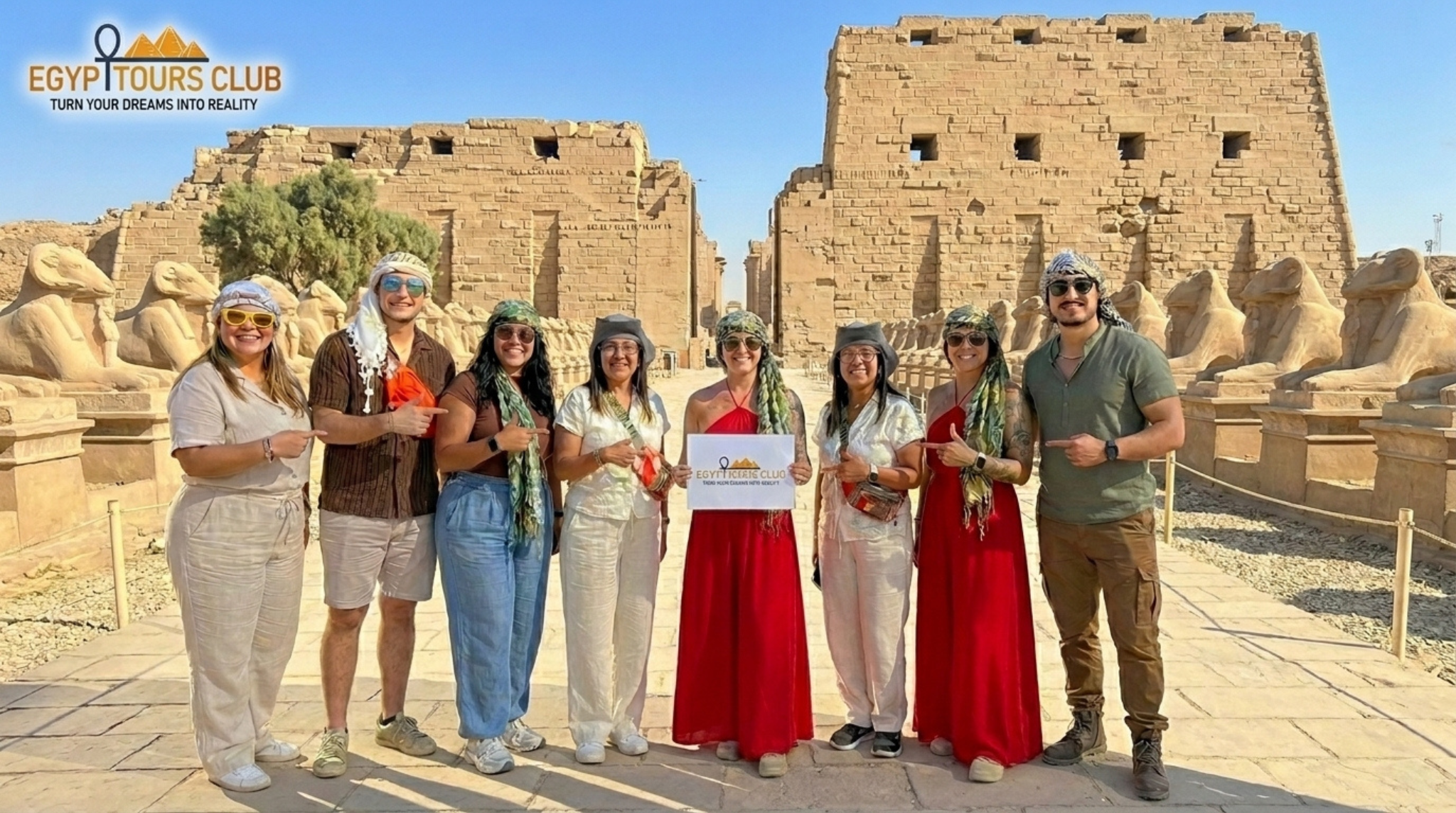
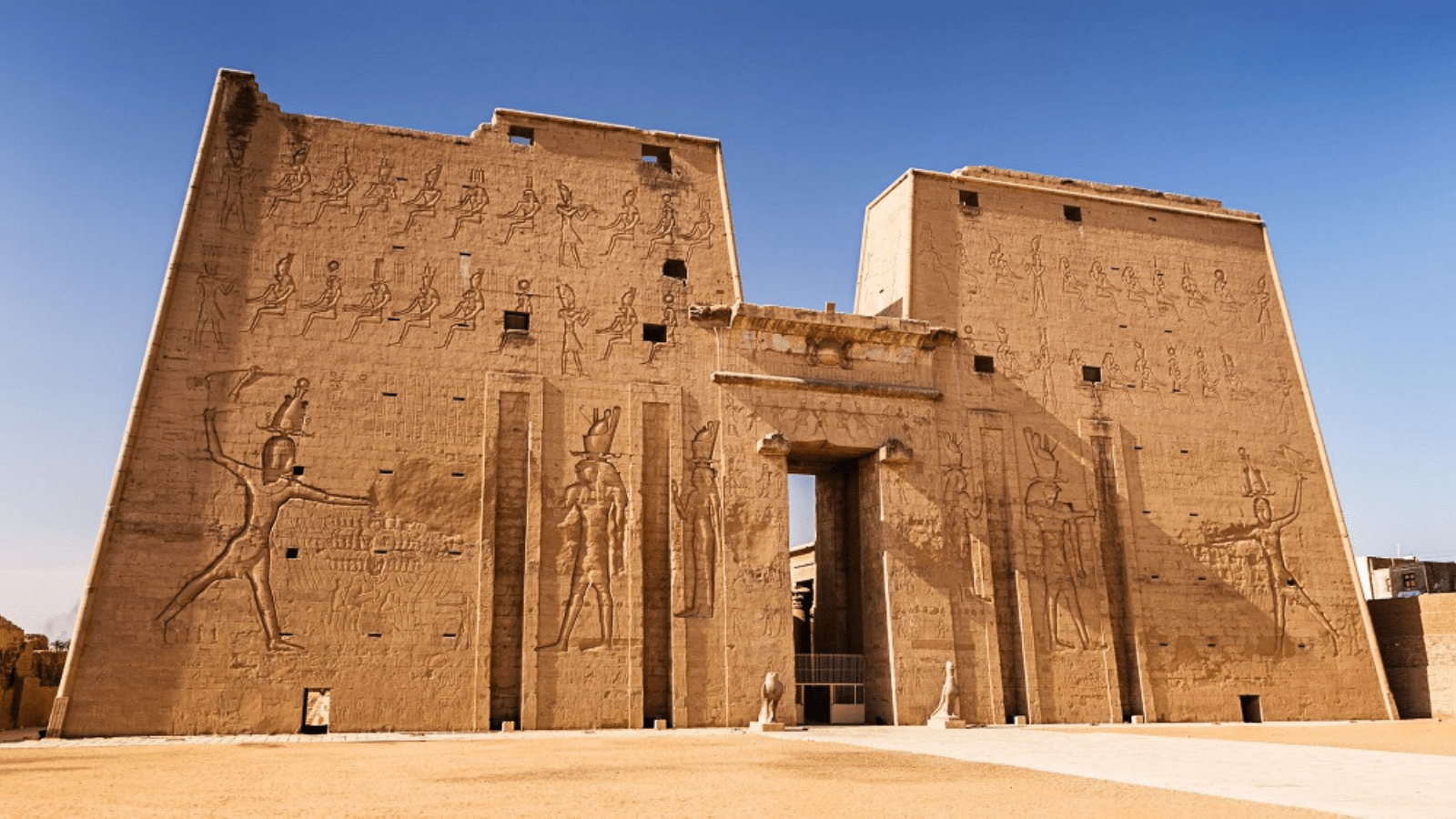
Egypt's importance is still visible in the landscape
The country's historical importance is unusually tangible: pyramid fields, temple cities, museums, the Nile corridor and surviving religious architecture let travelers see how ideas about government, engineering, belief and writing were expressed in physical form.


Seven Historical Contributions
What ancient Egypt contributed to human history
Early State Formation & Administration
Political unification around the start of the dynastic period produced one of the world's earliest durable centralized states. Royal authority, scribal administration, taxation, agricultural management and temple institutions allowed Egypt to organize labor and resources at an extraordinary scale.
Monumental Architecture & Engineering
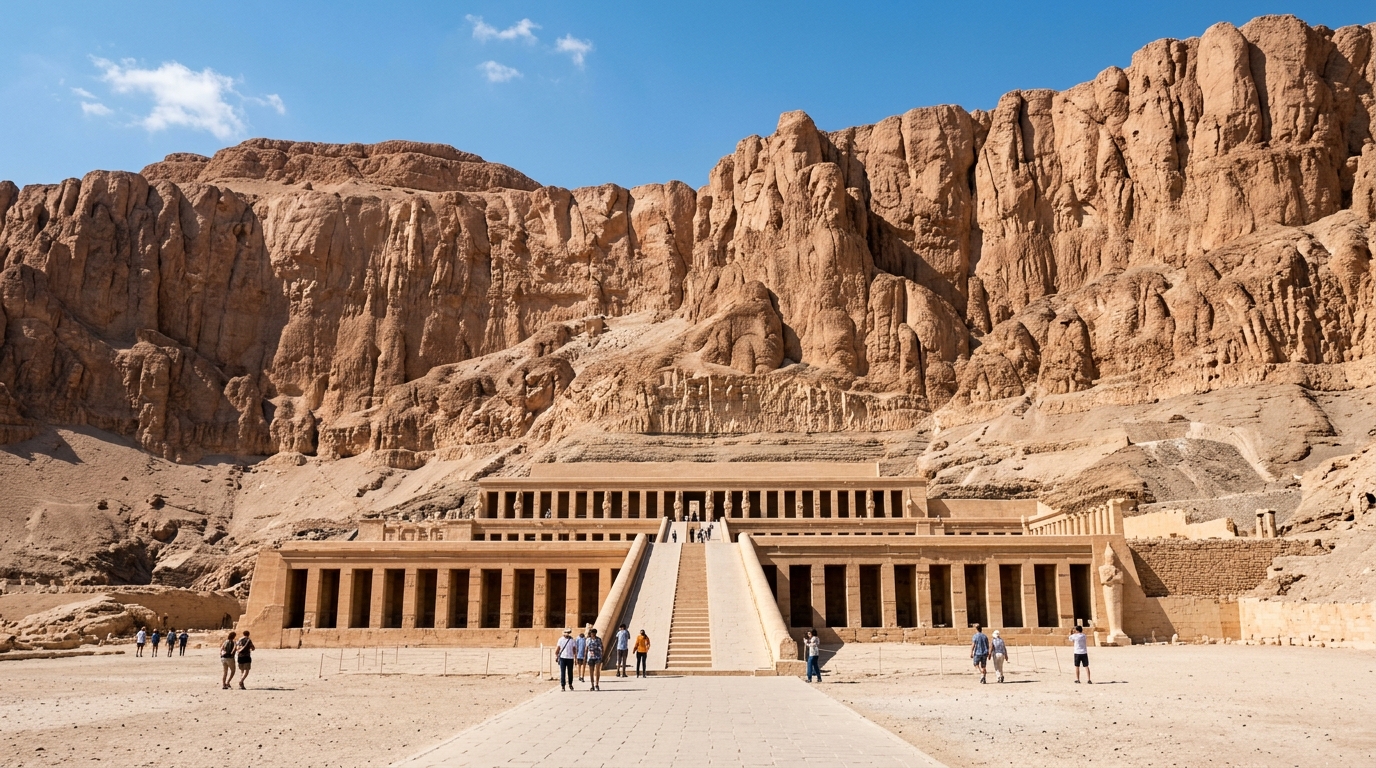
Saqqara, Dahshur and Giza document the evolution from mastabas to monumental stone pyramids. Later temples at Karnak, Luxor, Abu Simbel and Philae show increasingly complex planning, stone transport, carving, alignment and ceremonial design.
Writing & Recorded Administration
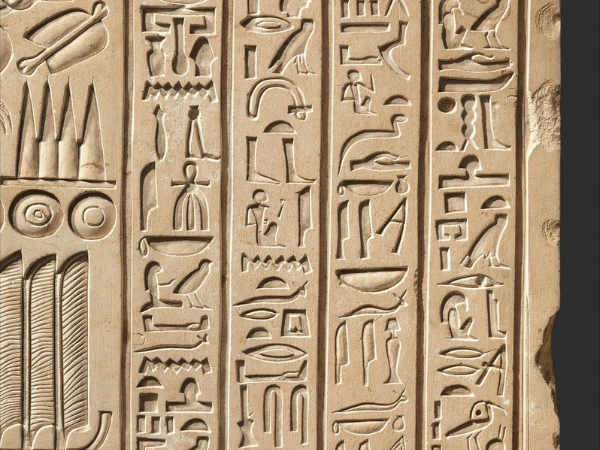
Egyptian hieroglyphic and hieratic writing preserved religious texts, royal inscriptions, legal and economic records, tax information and everyday administration. This written record is one reason Egyptian society can be studied in such unusual depth.
Mathematics, Measurement & Surveying
Egyptians used mathematics for accounting, land measurement, construction, distribution of grain and practical problem-solving. The Rhind Mathematical Papyrus, dating to about 1550 BCE, preserves worked examples used by scribes.
Medicine, Healing & Body Knowledge
Medical papyri preserve observations, diagnoses, practical treatments and remedies. Mummification also required sustained anatomical familiarity, although funerary practice and medical science should not be treated as the same discipline.
The Nile: Agriculture, Transport & Trade
The Nile supplied water, fertile floodplain soil, fishing, papyrus, transport and a north–south route that helped bind Upper and Lower Egypt together. Agricultural surplus supported cities, temples, labor forces and long-distance exchange.
Religion, Art & Ideas About Eternity
Egyptian ideas about divine kingship, cosmic order, death, rebirth and the afterlife shaped temples, tombs, sculpture and funerary literature for millennia. These beliefs also influenced the way later cultures interpreted Egypt.
Where Religion, Art & Eternity Become Visible
Temple walls, royal tombs and funerary monuments make Egypt's religious worldview unusually tangible. Compare solar theology, royal ritual, mortuary art and ideas of rebirth across Luxor, the Valley of the Kings and Philae.
Where Travelers Can See This History
The best places in Egypt for understanding human history
| Place | What It Reveals | Historical Theme | Best Next Step |
|---|---|---|---|
Giza & SaqqaraOld Kingdom pyramid fields | Monumental stone architecture, kingship, funerary belief and organized labor. | State formation + engineering | Giza GuideUNESCO |
Grand Egyptian MuseumObject-based history | Royal objects, sculpture, material culture and museum interpretation across multiple periods. | Art + technology + material culture | GEM GuideOfficial Tickets |
LuxorAncient Thebes | Karnak, Luxor Temple, Valley of the Kings and royal funerary landscapes. | Religion + writing + empire | Luxor GuideUNESCO Thebes |
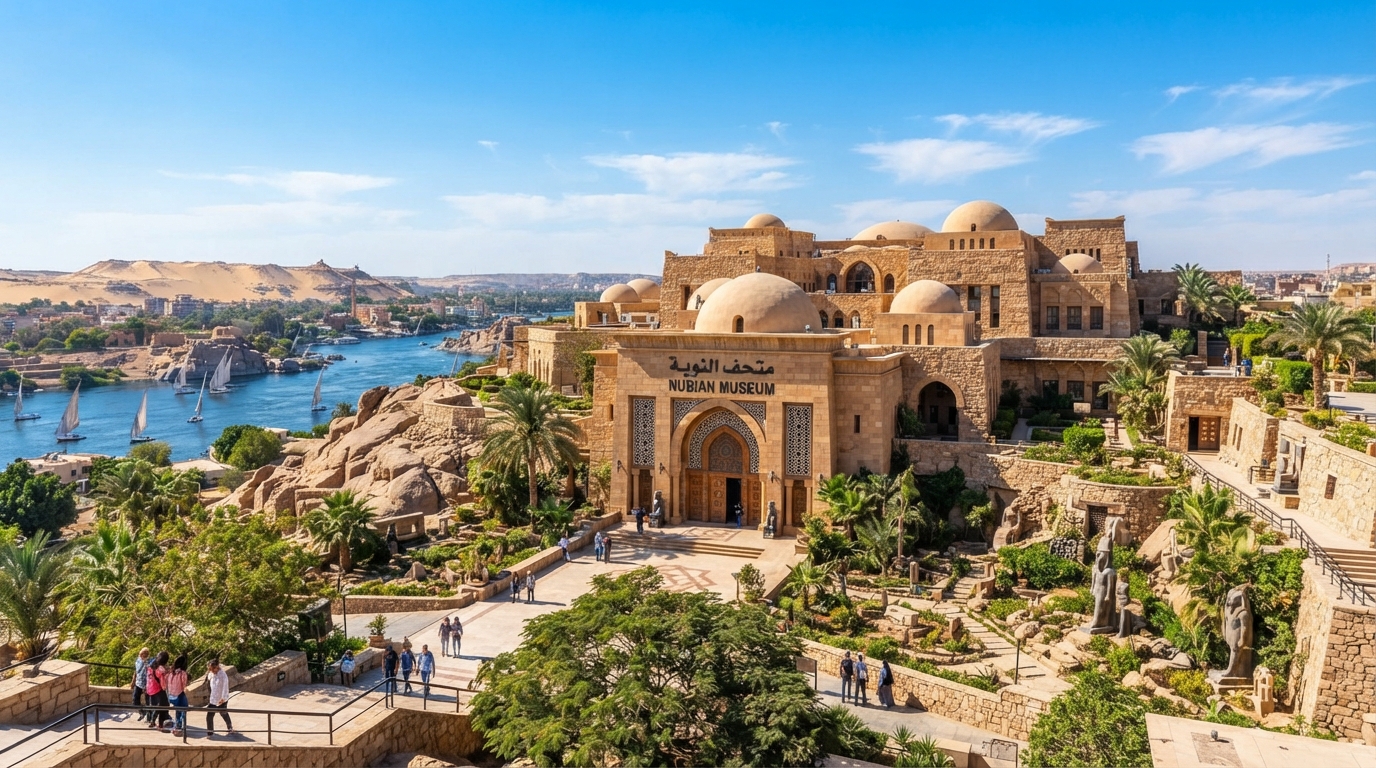
Aswan & NubiaSouthern Egypt | Trade routes, quarrying, Nile geography, Nubian interaction and relocated temple heritage. | Trade + engineering + cultural exchange | Aswan GuideUNESCO Nubian Monuments |
More Than Ancient Egypt
Egypt's historical importance continued across later civilizations
Egypt did not stop being historically important after the pharaohs. Greek, Roman, Christian and Islamic periods added new layers that remain visible in Alexandria, Old Cairo and Historic Cairo.
Dynastic Egypt
From early kingship to the Old, Middle and New Kingdoms, this is the period most associated with pyramids, royal tombs, temples and hieroglyphic state culture.
Alexandria & Mediterranean Egypt
After Alexander the Great and under the Ptolemies and Romans, Egypt became a major Mediterranean intellectual, political and commercial center.
Early Christianity
Egypt became one of the major centers of early Christianity and monasticism, leaving churches, monasteries and traditions that remain central to Egyptian heritage.
Historic Cairo
Fustat and later Cairo became major Islamic political, religious and commercial centers, adding mosques, madrasas, markets and urban architecture to Egypt's historical record.
Archaeology & Global Heritage
Modern Egypt has also shaped archaeology, museum culture, heritage conservation and international debates about excavation, preservation and cultural property.
Seven UNESCO Properties
Egypt currently has seven inscribed World Heritage properties: six cultural and one natural, ranging from Memphis and Thebes to Historic Cairo, Saint Catherine and Wadi Al-Hitan.
Best Historical Route
See Egypt's human story in the right geographical order
For a first trip focused on history, start with Cairo, Giza and Saqqara; continue south to Luxor for temples and royal tombs; travel the Nile corridor through Edfu and Kom Ombo; then finish in Aswan and Abu Simbel. Add Alexandria or Historic Cairo when you want the Greco-Roman, Coptic and Islamic layers too.
Trusted Sources & Planning Links
Internal travel planning plus external historical references
Frequently Asked Questions
Why Egypt matters to human history FAQ
Why is ancient Egypt important to world history?
Ancient Egypt is important because it was one of the world's earliest long-lived centralized civilizations and left unusually extensive evidence for government, writing, architecture, mathematics, medicine, religion, agriculture and art.
Did Egypt invent civilization?
No. Complex societies developed independently in several parts of the ancient world. Egypt is better described as one of the earliest and most influential centers of civilization, with an exceptionally long and visible archaeological record.
When did ancient Egyptian civilization begin?
The beginnings of dynastic Egypt are generally associated with political unification around 3100 BCE, although Nile Valley communities and cultural development long predate that point.
What did ancient Egypt contribute to mathematics?
Egyptian mathematics was used for accounting, land measurement, construction and practical problem-solving. Surviving papyri such as the Rhind Mathematical Papyrus preserve examples of scribal calculations.
Why was the Nile so important?
The Nile supplied water, fertile floodplain soil, transport and trade routes. It helped sustain agricultural surplus and linked settlements across Upper and Lower Egypt.
Where can travelers best understand ancient Egyptian civilization?
Start with Giza and Saqqara for early monumental architecture, continue to Luxor for temples and royal tombs, then Aswan and Abu Simbel for southern Nile and Nubian context. Museums in Greater Cairo add object-based interpretation.
How many UNESCO World Heritage Sites does Egypt have?
UNESCO currently lists seven World Heritage properties in Egypt: six cultural and one natural.
Is Egypt's historical importance only Pharaonic?
No. Egypt also played major roles in Greek, Roman, Christian and Islamic history, which is why Alexandria, Old Cairo and Historic Cairo are essential for understanding the country's longer human story.
Turn History Into a Real Route
Follow the Nile from the first pyramids to the great temple cities
The best way to understand Egypt's importance is to move through the places where that history happened: Giza and Saqqara, Luxor, the Nile corridor, Aswan and—when time allows—Abu Simbel, Alexandria and Historic Cairo.


.png)