


Guided monument order
The street has many façades, gates and religious buildings. A planned route helps travelers understand what matters instead of passing by the landmarks too quickly.
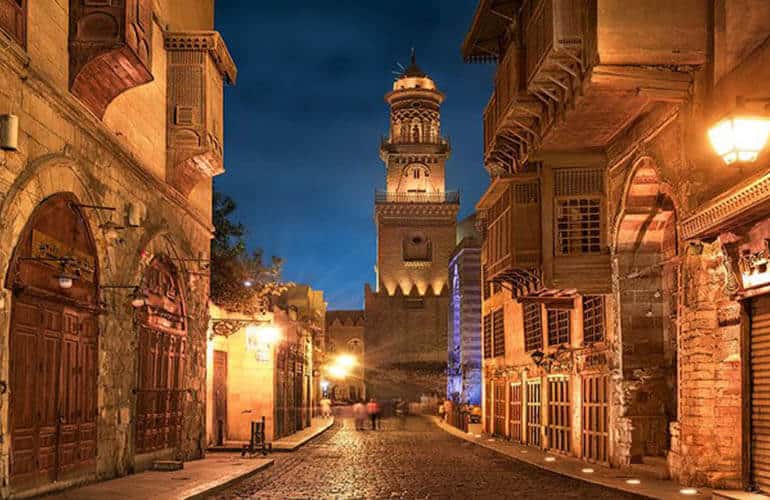
Walk through medieval Cairo with Fatimid history, Islamic monuments, Al Muizz Street night atmosphere and Khan El Khalili bazaar nearby.
An Al Muizz Street tour is one of the best ways to experience Islamic Cairo on foot. The route combines Al Muizz Street Cairo tour route with medieval monuments, historic façades, mosques, madrasas, old city lanes and a natural finish at Khan El Khalili.
Start here: this is the main tour comparison table for Al Muizz Street. It includes routes that naturally support Al Muizz Street, Islamic Cairo, Khan El Khalili, Old Cairo, Saladin Citadel, Coptic Cairo and the Egyptian Museum.
The best Al Muizz Street tour is a guided Islamic Cairo walking tour that combines medieval monuments, Fatimid Cairo history, Al Muizz Street night atmosphere and Khan El Khalili Bazaar. The strongest route usually includes Al Muizz Street, Al Hussein area, Al Azhar area, Khan El Khalili and, for a longer Cairo heritage day, the Citadel or Coptic Cairo.
Al Muizz Street is best when the walk is planned around timing, monument order, nearby bazaar access and enough space for photos. These points give the page a clearer reason to choose a guided route with practical value.
The street has many façades, gates and religious buildings. A planned route helps travelers understand what matters instead of passing by the landmarks too quickly.
Late afternoon and evening make the route stronger for photos, illuminated façades and a natural finish near Khan El Khalili.
The bazaar is close enough to turn the walk into a fuller Islamic Cairo experience with shopping, cafés, lantern streets and market energy.
A good route avoids rushing. It leaves time for short stops, photos, mosque façades, historic houses and local street life.
Al Muizz can follow the Citadel, Old Cairo or a museum visit, making it flexible for half-day and full-day Cairo planning.
Old Cairo streets can feel busy for first-time visitors, so a clear pickup point, walking route and ending point make the experience easier.
Al Muizz Street is not only a beautiful old street. It is a layered walk through Fatimid, Ayyubid, Mamluk and Ottoman Cairo, where façades, minarets, gates, courtyards and market life sit close together.
A strong Al Muizz Street tour experience starts by reading the street like a timeline. The northern and central sections show how medieval Cairo developed around gates, mosques, schools, merchant life and public buildings. Without guidance, many visitors see only stone façades; with a good guide, the same façades explain power, worship, education, trade and daily life inside old Cairo.
The walk is also different from a museum visit. You are moving through a living district where locals, worshippers, shop owners and visitors share the same space. That is why the route should be paced carefully: stop for the key buildings, leave time for photos, respect prayer spaces, and finish naturally near Khan El Khalili when the street becomes more atmospheric.
For most travelers, the best plan is a late afternoon Islamic Cairo walking tour. The light is softer, the carved stone details are easier to photograph, and the walk can continue into an evening bazaar route. If you want a deeper heritage day, combine Al Muizz Street with the Citadel, Old Cairo or the Egyptian Museum through a planned Cairo heritage tour.
Choose this route if you want Islamic architecture, old Cairo atmosphere, street photography, Khan El Khalili nearby, and a slower cultural walk rather than a fast monument stop.
The best photos on Al Muizz Street usually come from angles, doorways, façades and evening light rather than one single viewpoint.
Use the long street view to frame arches, minarets and the movement of people through old Cairo.
Look for carved stone, geometric patterns, wooden screens, inscriptions and decorative doorways.
Softer light makes the old façades warmer and more textured than harsh midday sun.
The nearby bazaar adds lanterns, shopfronts and evening color after the historical walk.
Some entrances and courtyards create natural frames for people, arches and shadow lines.
Evening lights can turn the route into one of Cairo’s most atmospheric walking experiences.
The best time plan depends on whether you want a short atmospheric walk, a guided architecture route or a full Islamic Cairo evening.
| Time Available | Best Plan | Who It Fits |
|---|---|---|
| 60–90 minutes | Short walk, key façades, quick photos, Khan El Khalili nearby | Travelers with limited time or a packed Cairo day |
| 2–3 hours | Guided walking route with monument context, photo stops and bazaar finish | Most first-time visitors |
| Half day | Al Muizz Street with Khan El Khalili, Al Hussein area, cafés and a slower pace | Photography travelers and culture lovers |
| Full day | Citadel or Old Cairo first, then Al Muizz Street and Khan El Khalili later | Travelers building a complete Cairo heritage day |
Al Muizz Street is a living heritage area, so the best visit balances photography, curiosity and respect for local life.
Street scenes are beautiful, but people are not props. Ask politely before photographing vendors or locals closely.
The route passes religious and traditional areas, so modest clothing helps the experience feel comfortable.
Some monuments may have separate entry rules or restrictions for flash, tripods or filming equipment.
Old Cairo lanes can be busy. Step aside for photos instead of blocking shop entrances or narrow paths.
Night photos are atmospheric, but avoid intrusive lighting near worship spaces and local shops.
A guide helps balance photo stops, cultural explanation, shopping time and the safest ending point.
Use this checklist to make sure the walking route matches the traveler’s time, pace and Cairo plan.
| Check | What to Confirm | Why It Matters |
|---|---|---|
| Start time | Morning, late afternoon or evening | Evening is usually better for atmosphere; morning is calmer and easier for families. |
| Walking length | Short walk or deeper monument route | Some travelers want photos and atmosphere; others want detailed history and architecture. |
| Nearby add-ons | Khan El Khalili, Citadel, Coptic Cairo or museum stop | The right add-on prevents the day from feeling disconnected or rushed. |
| End point | Bazaar, café stop, hotel pickup point or next attraction | Old Cairo lanes are busy, so the ending point should be clear before starting. |
| Dress and shoes | Comfortable shoes and modest clothing | The route includes religious areas, old stone streets and longer walking segments. |
Use these route choices to help visitors continue planning while keeping this page centered on Al Muizz Street.
Al Muizz Street Cairo is one of the strongest walking experiences in the city because it brings Islamic Cairo monuments, medieval architecture and old market life into one route.
Unlike a simple attraction stop, an Al Muizz Street walking tour works best as a slow route. Travelers can see stone façades, decorated entrances, mosque details, madrasas, historic houses and the living atmosphere of Cairo’s old city.
For traveler planning, this page focuses on Al Muizz Street tour, Islamic Cairo walking tour, Al Muizz Street and Khan El Khalili tour, Cairo old city tour, Cairo heritage tour and Al Muizz Street night tour.
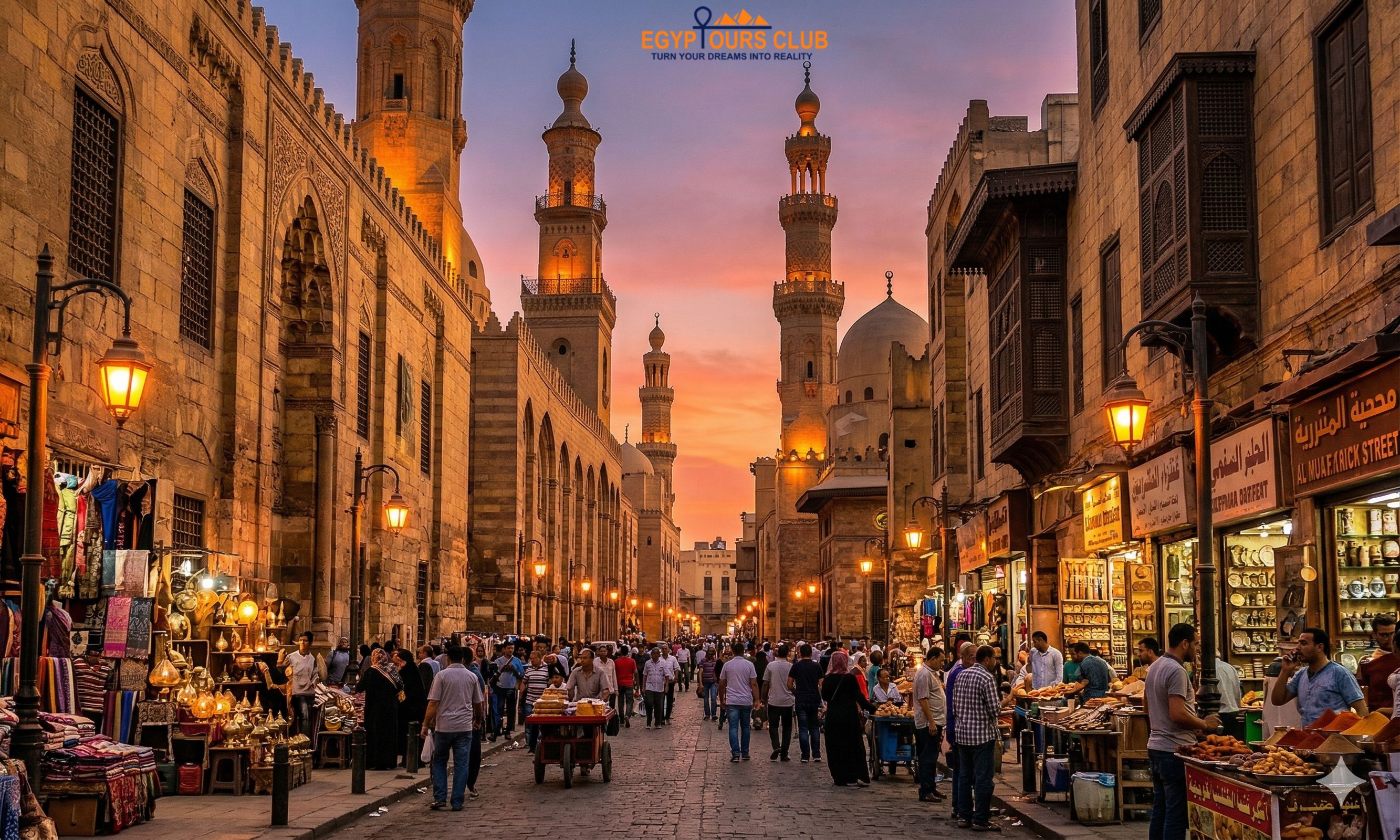 Al Muizz Street · Islamic Cairo Walking Tour
This section shows what makes the walk worth planning with a guide.
Al Muizz Street monuments make the route feel like an open-air museum of Islamic Cairo architecture.
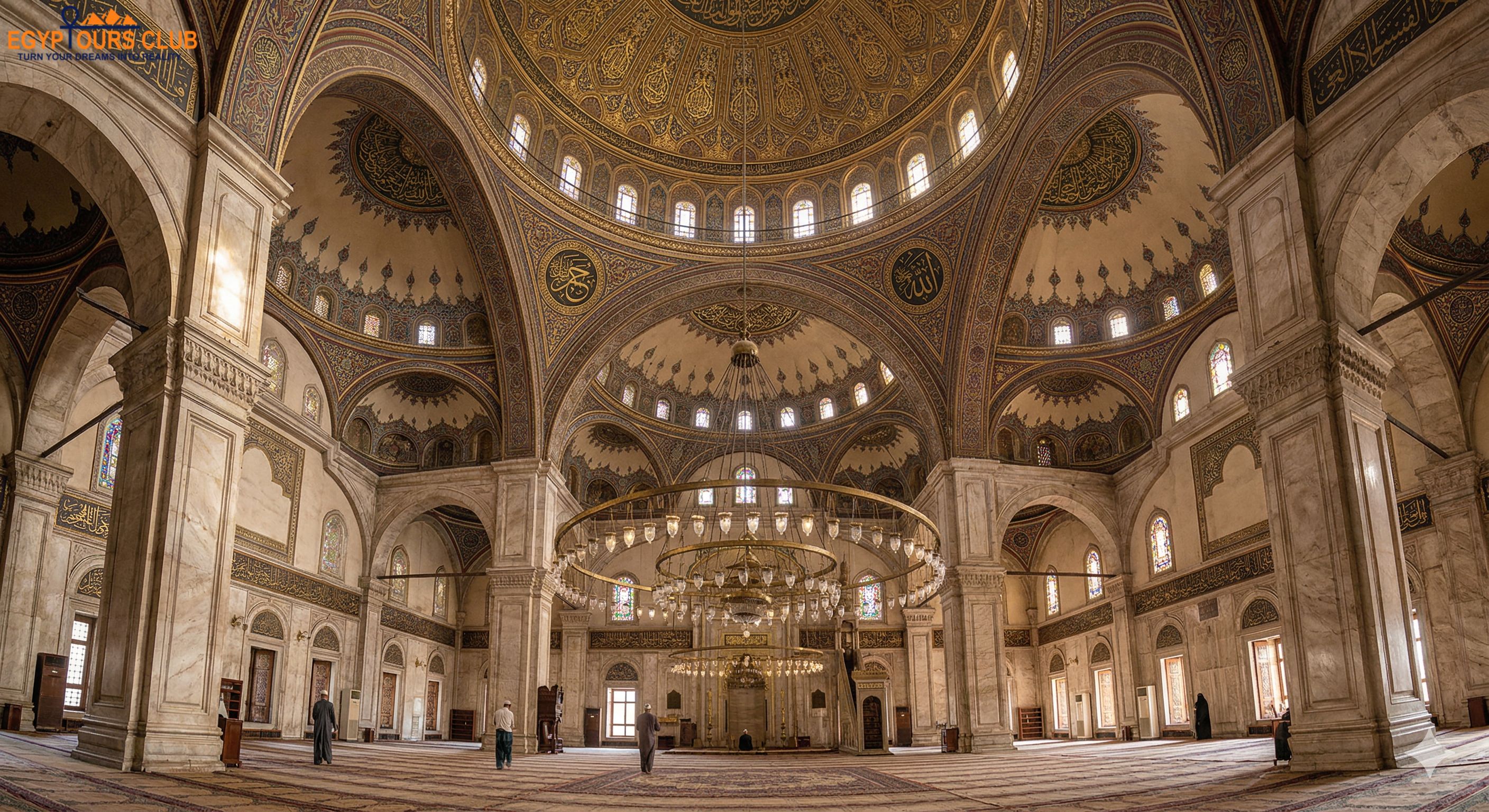
Historic mosques, madrasas and façades give the walking route depth beyond a simple street visit.
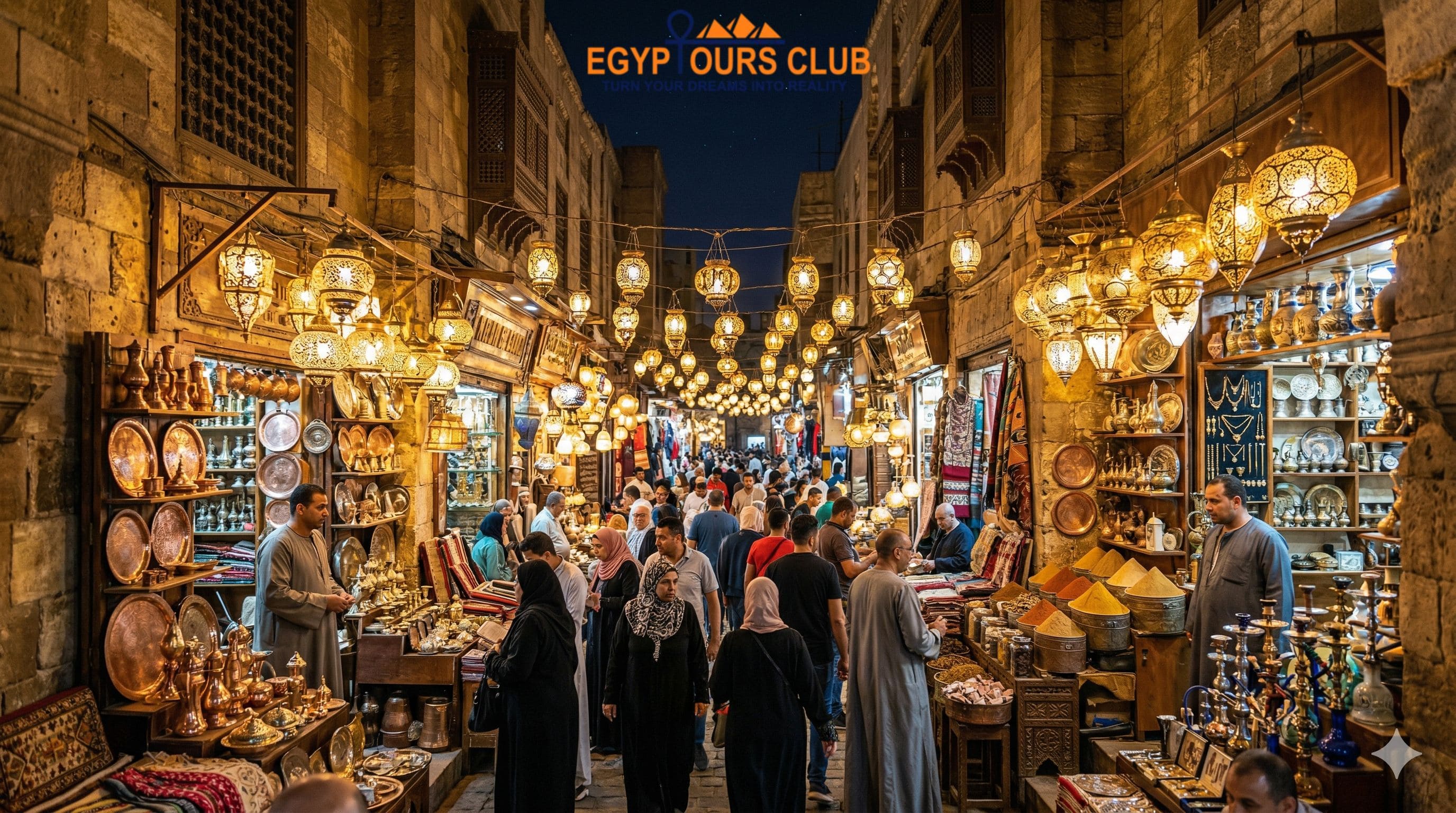
The bazaar adds lanterns, cafés, shopping and evening atmosphere after the historic street walk.
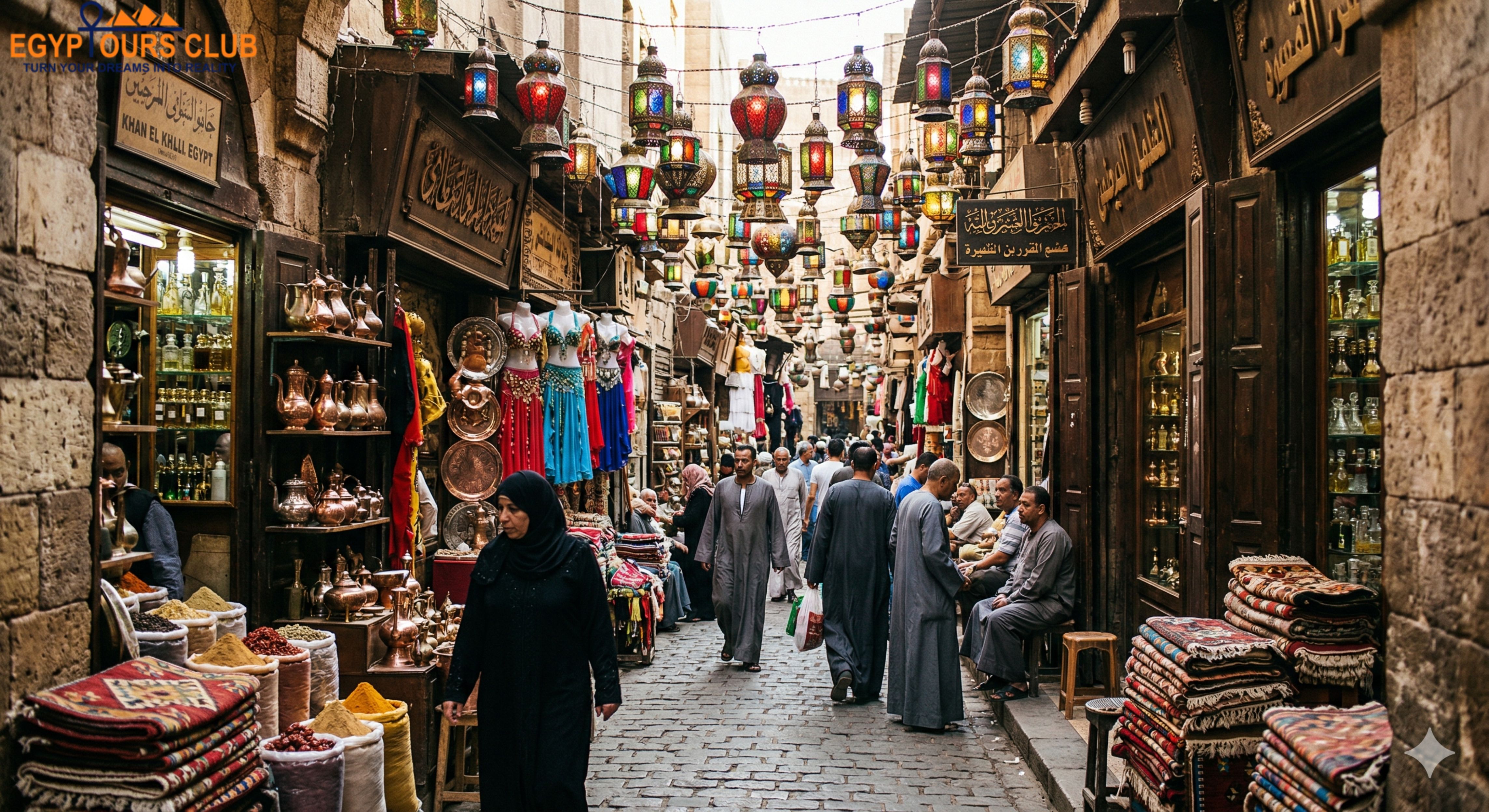
Al Muizz Street evening walk routes are strong for photos, lighting and old city atmosphere.
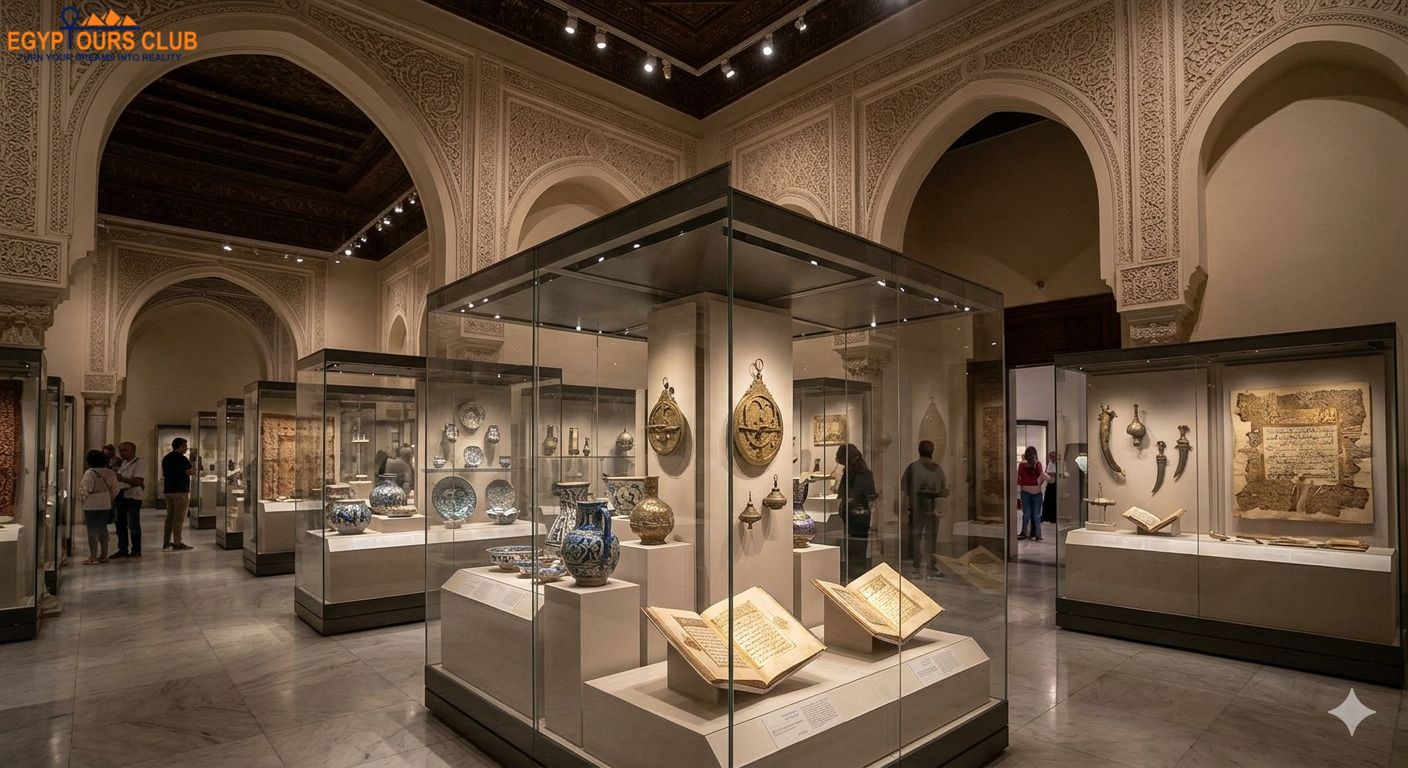
Wood, stone, metalwork and calligraphy make this a rich Cairo historical walking tour.
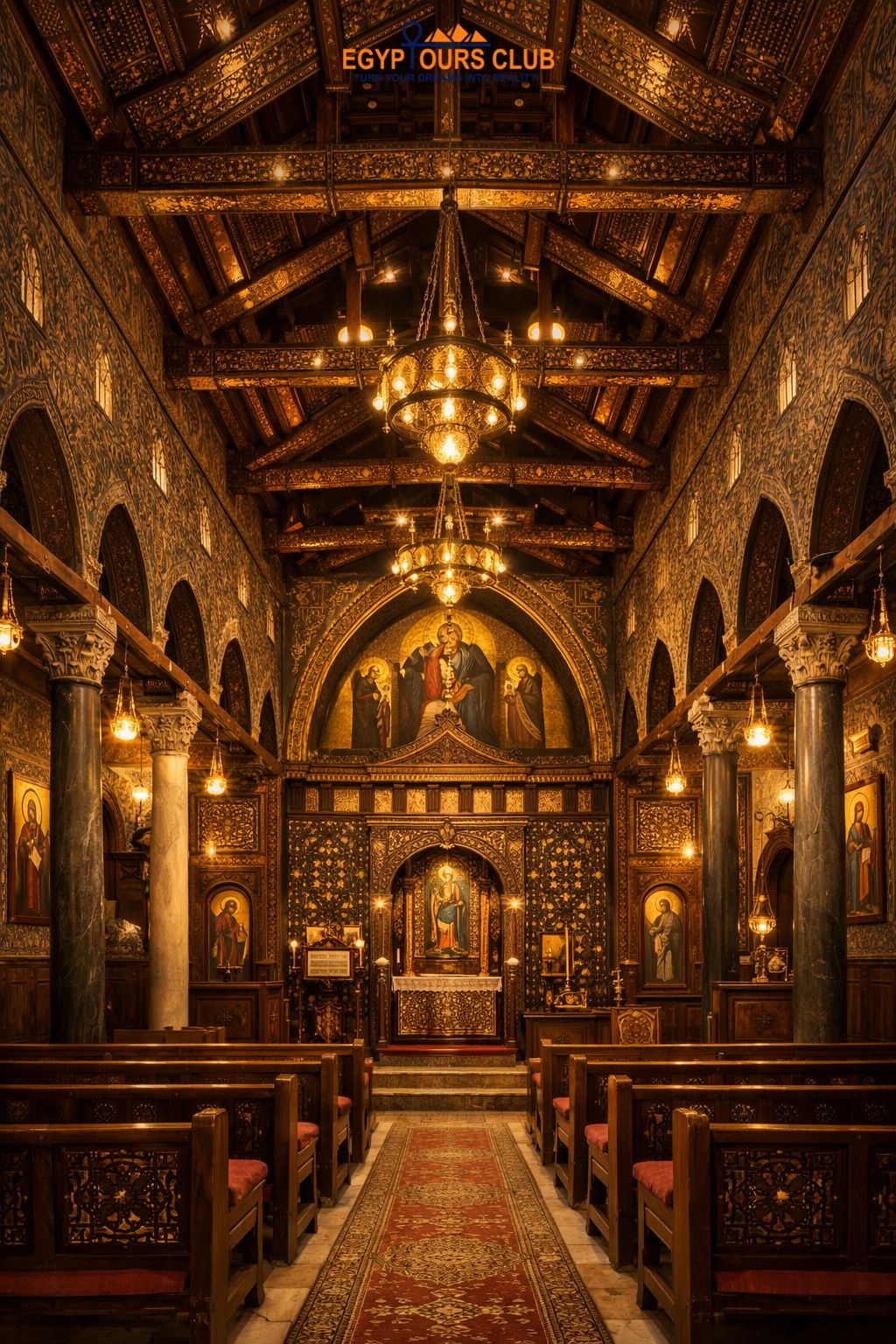
Combine Islamic Cairo and Coptic Cairo for a stronger full-day Cairo cultural tour.
Al Muizz Street can be a short atmospheric walk or the core of a longer Islamic Cairo walking tour.
| Item | Planning Detail | Best Use |
|---|---|---|
| Recommended duration | 90 minutes to 3 hours | Enough for monuments, photos, explanations, Khan El Khalili and café time. |
| Best time | Late afternoon to evening | Best light, illuminated façades and market atmosphere. |
| Best pairing | Khan El Khalili Bazaar | The closest and most natural continuation after the walking route. |
| Best route type | Guided Islamic Cairo walking tour | Useful for understanding monuments instead of only passing by them. |
| Family-friendly? | Yes, with a relaxed pace | Keep the route visual, flexible and not too long. |
These photos show why the street works best as a guided walking route.
| Route | Best For | Suggested Flow | Useful Link |
|---|---|---|---|
| Islamic Cairo Evening Route | Photography and atmosphere | Al Muizz Street → Al Hussein area → Khan El Khalili | View |
| Cairo Heritage Day | First-time visitors | Coptic Cairo → Saladin Citadel → Al Muizz Street → Khan El Khalili | View |
| Citadel and Old City Walk | Architecture lovers | Muhammad Ali Mosque → Islamic Cairo → Al Muizz Street → Bazaar | View |
| Two-Day Cairo Plan | Balanced travelers | Day 1 Pyramids + GEM → Day 2 Old Cairo + Al Muizz Street | View |
The monuments, street lights and nearby Khan El Khalili atmosphere are stronger later in the day.
Al Muizz Street is best as a slow walking route with time for façades, stories and photos.
This is the strongest visitor combination for travelers searching Islamic Cairo walking tours.
The Mosque of Muhammad Ali and Saladin Citadel work well before an evening Al Muizz Street route.
This is a walking experience, and the best parts happen between monuments, not only inside them.
These related routes help visitors move naturally from Al Muizz Street to the most relevant Cairo pages and wider Egypt planning pages.
The best option is a guided Islamic Cairo walking tour that combines Al Muizz Street with Khan El Khalili, Al Hussein, Al Azhar, Islamic Cairo monuments or the Citadel.
Yes. They are very close and are commonly visited together on Islamic Cairo walking tours and Cairo bazaar routes.
Yes. Late afternoon and evening are usually best because the façades are lit and Khan El Khalili becomes more atmospheric.
Plan around 90 minutes to 3 hours depending on how deeply you explore monuments, photos, cafés and shopping.
You can see medieval Islamic architecture, mosques, madrasas, historic façades, old houses, gates, market atmosphere and nearby Khan El Khalili.
Yes, especially with a relaxed pace, comfortable shoes, short walking segments and time for photos or a café stop.
Explore Al Muizz Street with a guided Cairo route, flexible pacing and a route that connects Islamic Cairo monuments with Khan El Khalili, old city atmosphere and Cairo heritage landmarks.