

Blue Hole Dahab | Snorkeling, Diving & Safety Guide | Egypt Tours Club
Blue Hole Dahab . banner

Blue Hole Dahab

Skip to the Blue Hole Dahab guide

Dahab · South Sinai · Red Sea natural attraction

Blue Hole Dahab: Snorkeling, Diving, Safety & Visitor Guide

Plan a responsible visit to Dahab's famous coral-walled Blue Hole with clear guidance on snorkeling, certified diving, the technical Arch, current protected-area fees, access and nearby coastal stops.

Guided snorkelingCertified scubaFreediving safetyThe BellsTechnical Arch

Quick travel answer

Is the Blue Hole in Dahab worth visiting?

The Blue Hole is worth visiting for its immediate reef access, clear-water scenery and dramatic meeting of Sinai mountains and the Gulf of Aqaba. Snorkelers can experience the shallow rim with proper supervision, while certified divers use planned routes such as the reef wall and the Bells-to-Blue-Hole drift.

The site's reputation requires precise language: surface snorkeling, recreational scuba and freediving are different activities with different risks. The deep Arch is an overhead technical dive at roughly 55 metres and is not part of a recreational route.

Use a qualified local guide, follow the checkpoint and protected-area rules, never touch or stand on coral, and do not enter if conditions or your swimming confidence are unsuitable.

At a glance

A deep coral-walled marine site beside the South Sinai shore

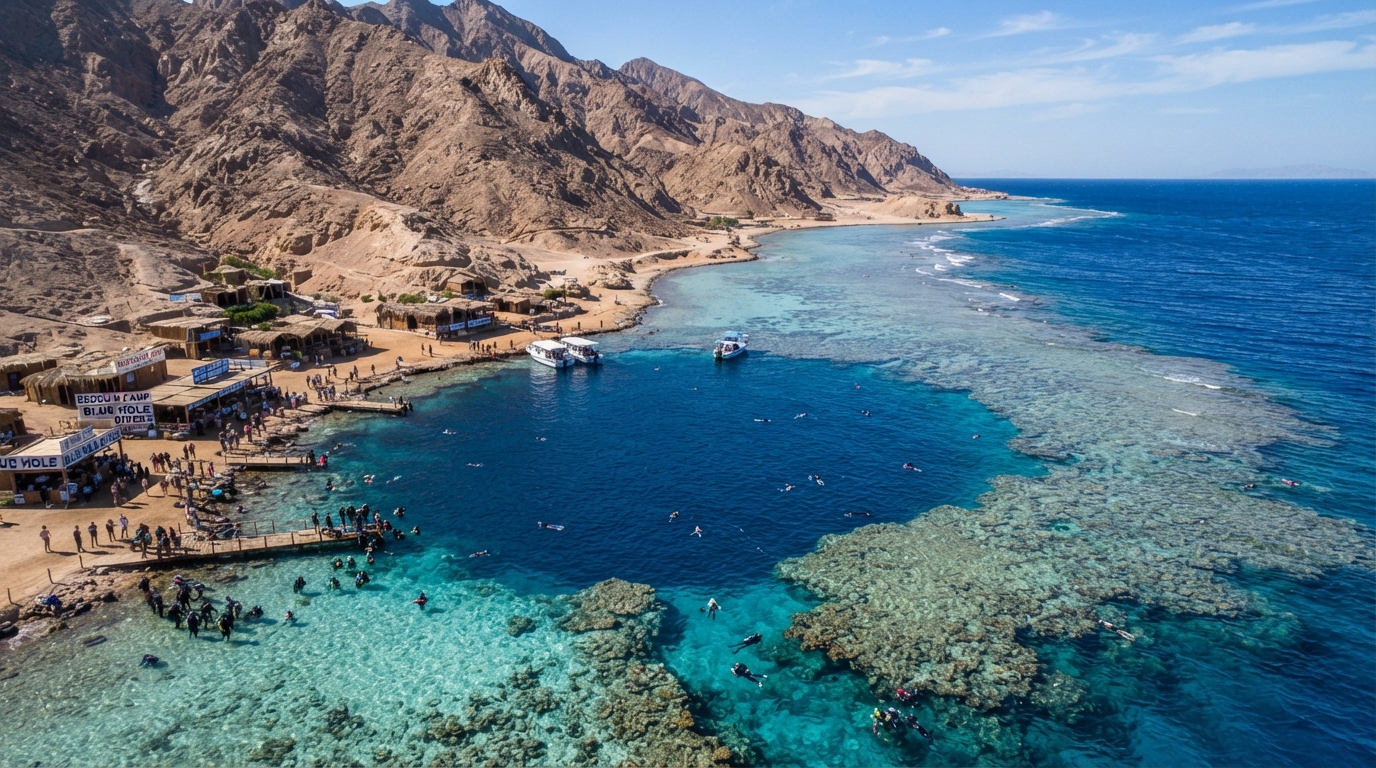
The Blue Hole is a broad opening in the fringing reef north of Dahab. Its depth increases abruptly close to shore, while a shallow reef crossing called the Saddle connects the basin with the open Gulf of Aqaba.

01

Best for

Guided snorkeling, certified shore diving, trained freediving, coral scenery and travelers combining the Red Sea with the Sinai coast.

02

Not a beach swim

The seabed drops away close to the entry. Weak swimmers and children need individual assessment, close supervision and suitable flotation support.

03

Main reef features

The shallow rim, the Saddle, the outside wall, the Bells entry and the deep Arch are distinct features; not every visitor should access each one.

04

Best timing

Start early when possible, then let the guide decide according to wind, visibility, crowding, current, entry conditions and the checkpoint schedule.

05

Getting there

Travel from Dahab by taxi, pickup, private vehicle or organized excursion. The final access route and parking follow local controls.

06

Guide value

A qualified guide matches the water route to ability, identifies safe entry and exit points, monitors conditions and explains reef-protection rules.

Reef · drop-off · protected landscape

How the Blue Hole fits into Dahab's reef and Ras Abu Galum coast

The Blue Hole sits within the narrow fringing-reef system along the Gulf of Aqaba. A sheltered-looking surface can hide a very deep vertical environment, which is why water activity must be planned by depth, qualification and sea conditions rather than by appearance.

Egypt's tourism authority presents the Blue Hole as one of Dahab's best-known dive and snorkel sites and places Ras Abu Galum Protectorate immediately to the north. Egypt's environmental authority lists a specific Blue Hole visitor fee within the Abu Galum protected-area schedule.

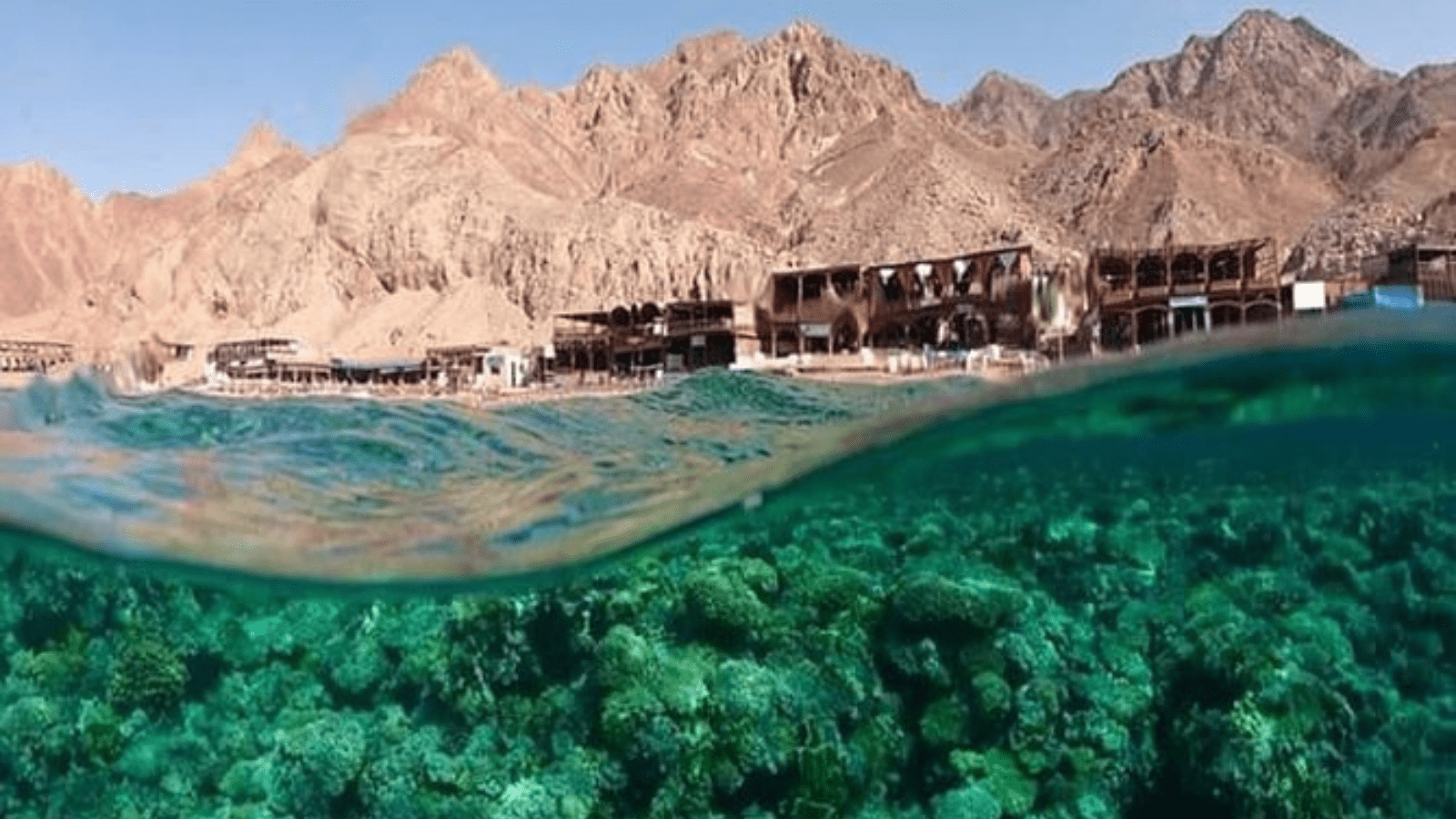
The surrounding cafés and road access make the shoreline feel developed, but the reef remains a fragile natural system. Do not collect shells or coral, feed fish, leave plastic, stand on the reef or anchor equipment to living coral.

A coral rim frames the basin

Shallow coral margins sit beside a rapid drop into deep water.

A shallow connection to open sea

The Saddle crosses the reef rim and is often used as the finish of a planned recreational dive.

A separate entry north of the hole

Certified divers may use this crack for a guided wall dive when their qualification and conditions permit.

A deep technical overhead

Its ceiling is commonly placed near 55 metres, beyond recreational limits and unsuitable for unqualified divers.

Managed access and conservation

Visitors follow checkpoint, parking, fee, operator and environmental rules that may change.

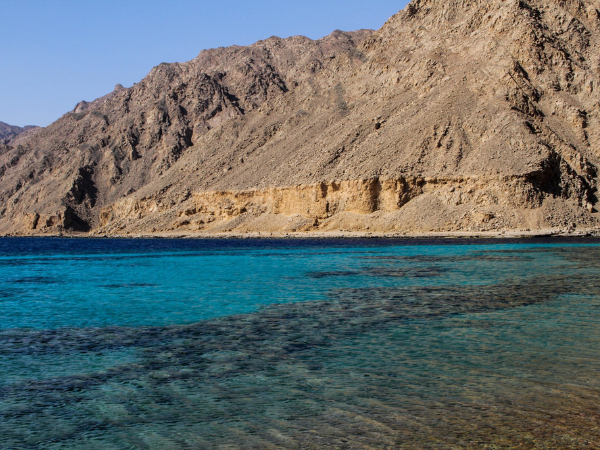
Rocky Gulf of Aqaba shoreline near the Blue Hole in Dahab
Blue Hole coast · reef edge, clear water and South Sinai mountains

What to experience responsibly

Six Blue Hole Dahab highlights—and who they suit

Treat each feature as a separate activity decision. Your certification, swimming ability, guide, equipment and real-time conditions determine what is appropriate.

Coral reef and shoreline facilities on the Dahab coast
Surface and shallow reef

Guided snorkeling along the rim

Clear water and coral close to shore can make a strong snorkeling stop, but the nearby drop-off means visitors must stay within the guide's defined area and use a buddy.

See the Blue Hole snorkeling tour
Clear Red Sea water and Sinai mountains near the Blue Hole
Certified scuba

The outside wall and Saddle

Recreational divers can follow a profile planned within their exact certification and no-decompression limits, finishing across the shallow Saddle when conditions allow.

Check the CDWS Dahab overview
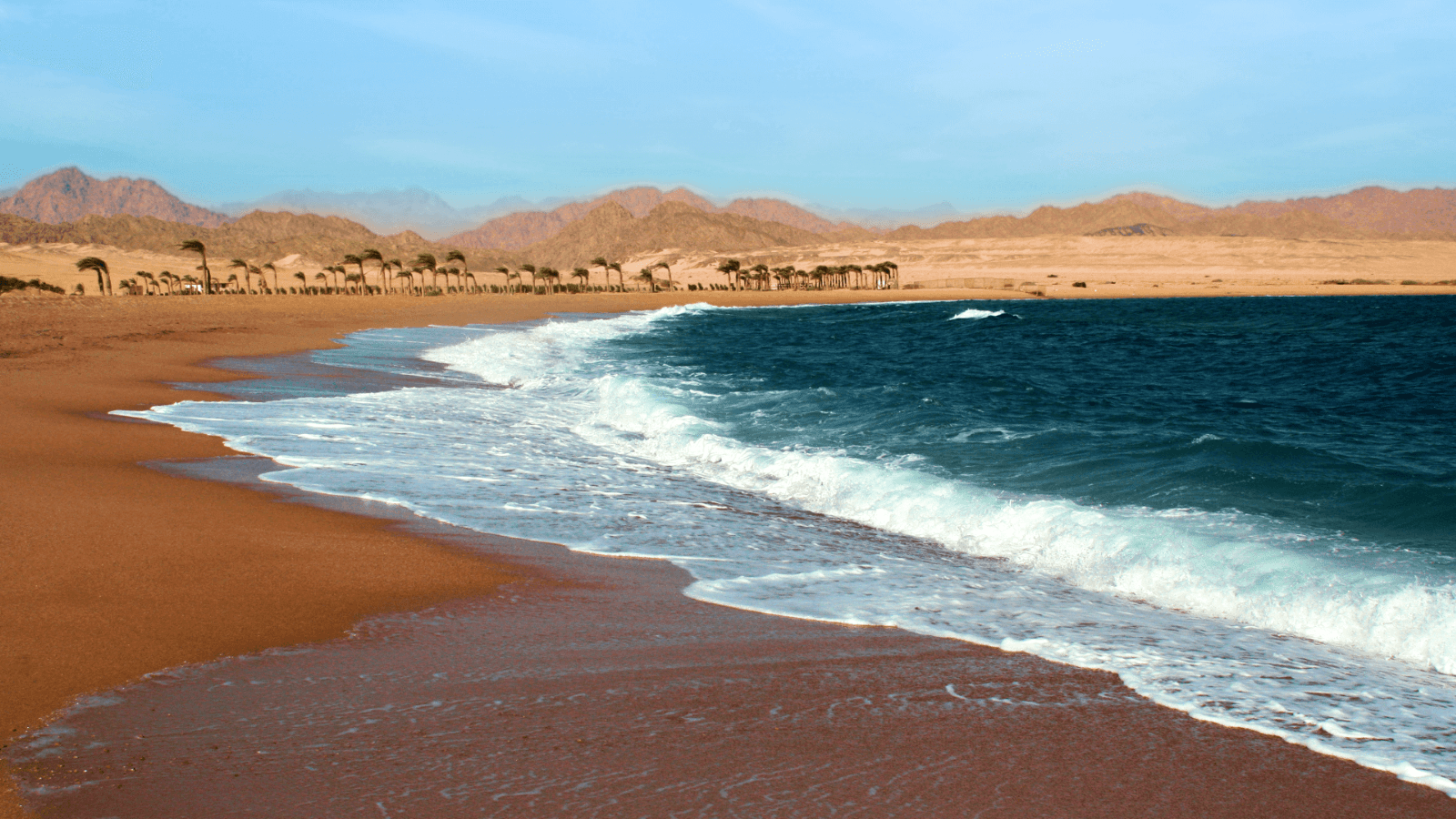
Open Gulf of Aqaba shoreline in South Sinai
Experienced certified divers

The Bells drift route

The Bells is a separate entry north of the basin. It requires a qualified guide, suitable certification, controlled buoyancy and a plan adjusted to the day's conditions.

Read the official Dahab dive overview
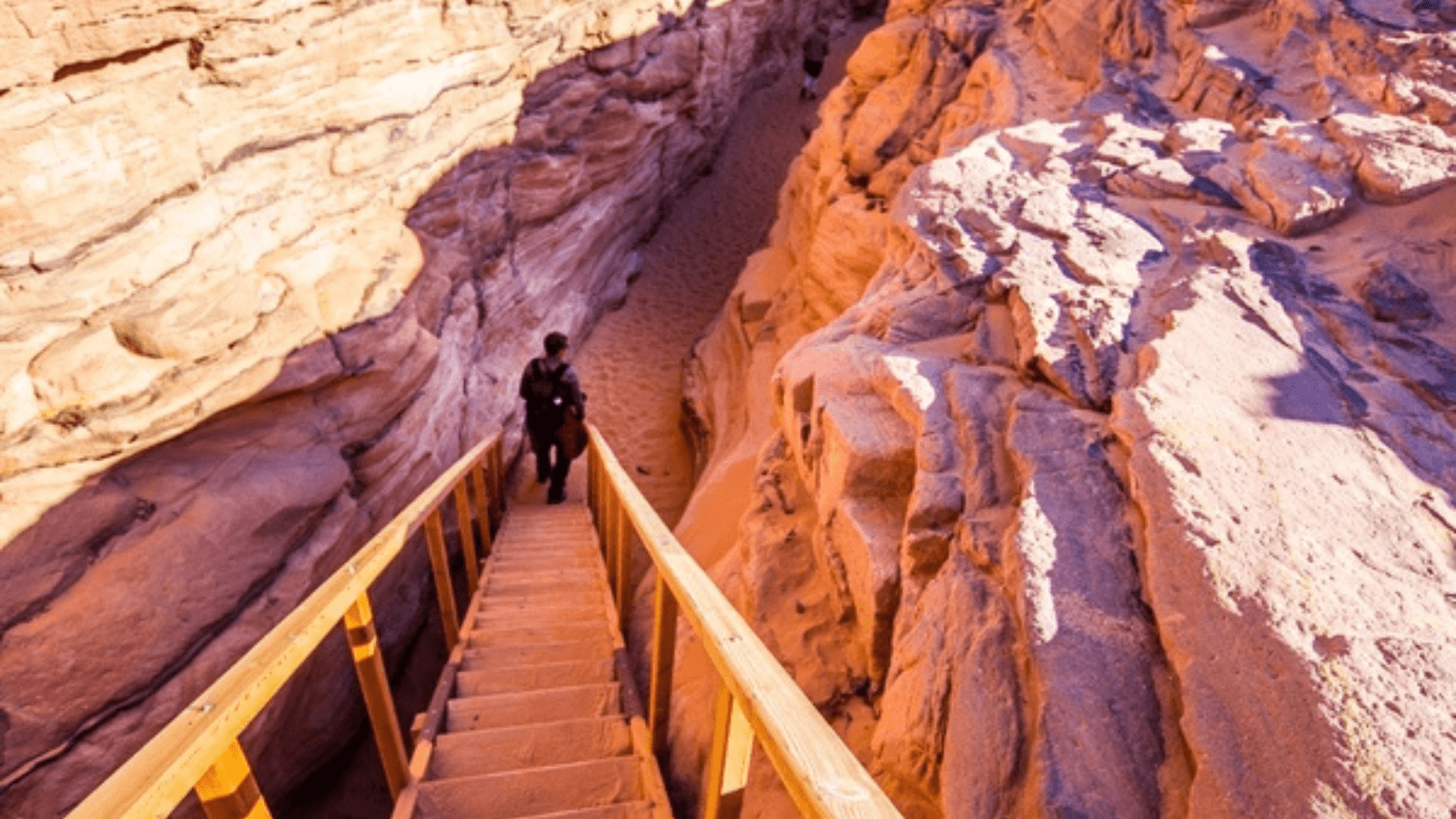
Guided walkway through a South Sinai canyon near Dahab
Trained freedivers

Depth training with dedicated safety

Freediving requires formal training, a trained buddy or safety team and an agreed rescue protocol. Never freedive alone; blackout can occur even near the surface.

Review DAN blackout safety
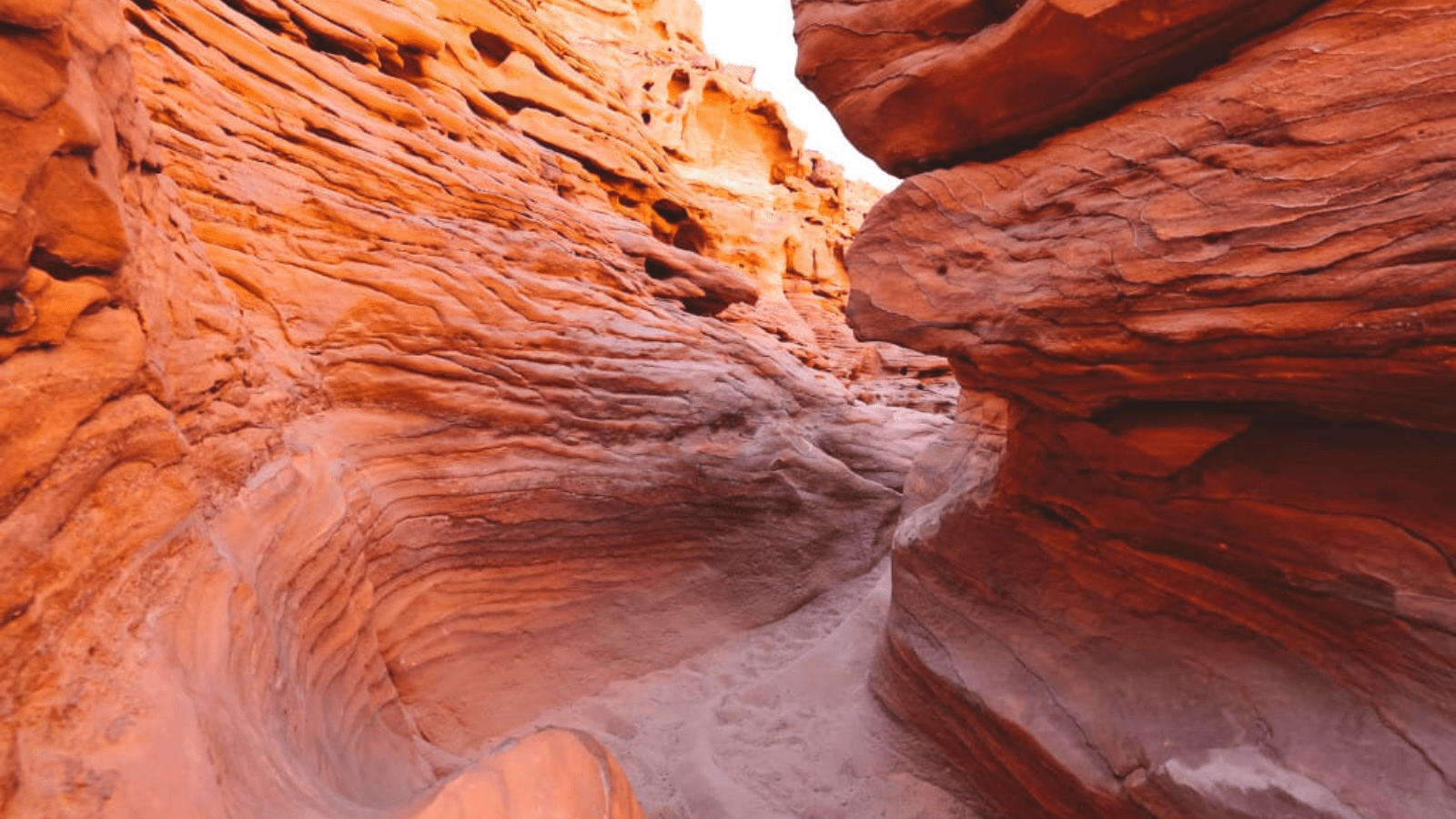
Narrow sandstone canyon representing South Sinai's overhead terrain
Technical diving only

The Arch

The Arch is a deep overhead environment around 55 metres. It is beyond recreational limits and demands technical certification, specialized gases and equipment, redundant systems and team planning.

Compare certification depth limits
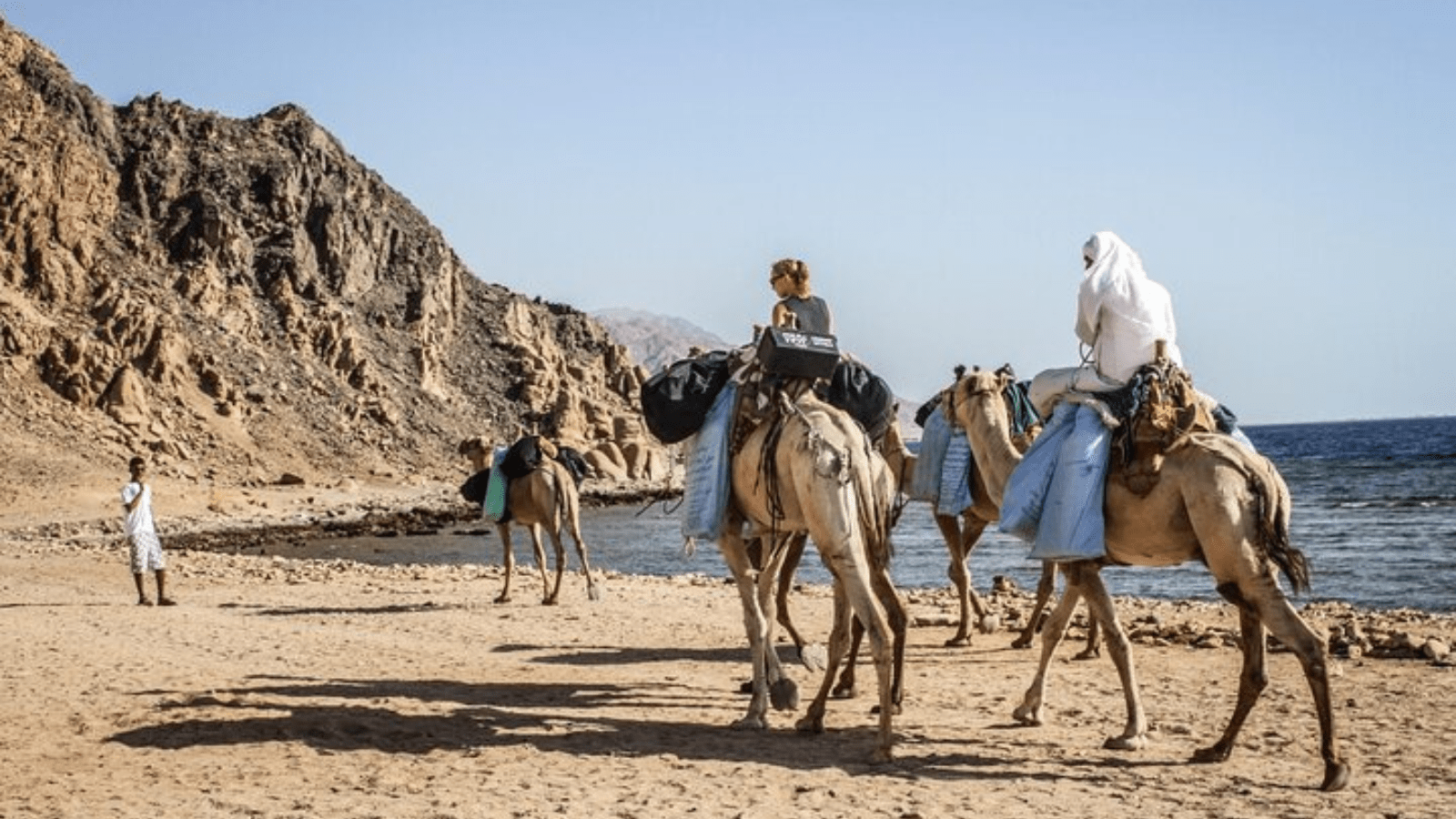
Camel route along the rocky Red Sea coast near Dahab
Coastal extension

Ras Abu Galum and Blue Lagoon

Approved guided routes continue north by the locally available transport or trail arrangements. Confirm permits, weather, return timing and what the booked trip actually includes.

Explore the official nature-reserve overview
Image note: Egypt Tours Club photographs show the Blue Hole and related Dahab, Nabq and South Sinai coastal experiences. Canyon images illustrate nearby excursion scenery, not an underwater passage.

Current visitor information

Blue Hole Dahab entrance fee, access and safety rules

Details checked on 3 August 2026. Protected-area fees, checkpoint access, parking, operator rules and sea conditions can change. Confirm the final plan with your licensed operator before departure.

Visitor detailCurrent information and practical advice
LocationGulf of Aqaba coast, about 10 km north of Dahab, South Sinai Governorate, Egypt.
Official listed feeEgypt's environmental authority currently lists USD 10 per foreign visitor and EGP 25 per Egyptian visitor for the Blue Hole area of Abu Galum Protectorate.
Opening / access hoursNo single official daily schedule was published at the review date. Access follows the checkpoint, daylight, local controls, weather and operator arrangements. Confirm the same day.
Getting there from DahabUse a taxi, pickup, private transfer or organized excursion. Travel is commonly about 20–30 minutes, but road and checkpoint conditions affect timing.
From Sharm El SheikhBook a guided full-day route from Sharm El Sheikh. Exact journey time depends on the hotel area, stops, checkpoints and road conditions.
Recommended durationAllow 2–4 hours for transfer from Dahab, registration, briefing, one appropriate water session and a shore break. Ras Abu Galum or Blue Lagoon combinations usually require a full day.
SnorkelingUse a qualified guide and buddy. Stay inside the stated area, keep away from scuba ascent/descent lines, and do not enter if wind, swell, fatigue or swimming confidence is a concern.
Scuba divingUse a licensed dive center, show valid certification, complete a briefing and dive only within your training, conditions, gas plan and agreed maximum depth.
FreedivingNever train alone. Use formal training, a dedicated trained buddy or safety team, agreed depth and surface-recovery procedures, and appropriate lines and equipment.
The ArchNot a recreational dive. Its roughly 55 m ceiling and overhead environment require technical certification, specialized gas and equipment, redundancy, decompression planning and an appropriately qualified team.
FacilitiesSimple cafés, shade, changing space and equipment services may be available along the shore, but quality, opening and payment arrangements vary. Carry water and essentials.
MobilityExpect an uneven rocky shoreline, steps or ladders and limited accessible infrastructure. Ask the operator about the exact route and assistance before booking.
Reef protectionDo not touch, stand on or remove coral; do not feed wildlife; secure loose equipment; take all litter away and follow protected-area instructions.
Fee and operation note: the USD 10 / EGP 25 figures are the official protected-area listing available on the review date. Ask whether your tour includes the fee, snorkeling equipment, wetsuit, flotation support, lunch and transfers.

Recommended visit order

A practical and safety-first Blue Hole visit route

The correct sequence is briefing first, water activity second and any coastal extension only after timing and conditions are confirmed.

Confirm the exact activity before departure

State swimming ability, age, medical concerns and certification. Confirm fees, equipment, guide ratio, insurance expectations and return time.

Before travel

Register and read the site conditions

Follow checkpoint instructions, use the designated parking area and ask the guide to identify entry, exit, reef edge, drop-off and no-go zones.

15–25 min

Complete a specific water briefing

Snorkelers review buddy position and boundaries; divers agree profile, gas and separation procedures; freedivers establish trained safety and recovery protocol.

15–20 min

Enter only when the guide confirms

Use the designated access, protect the reef, stay within the planned depth and distance, and end early if cold, tired, anxious or uncomfortable.

30–60 min

Recover, hydrate and log the experience

Exit carefully, account for every buddy, rest in shade and allow the correct surface interval before any additional diving or freediving.

30–45 min

Continue north only on a confirmed route

Add Ras Abu Galum or Blue Lagoon only when transport, permissions, weather and return timing are clear. Otherwise return to Dahab.

Half / full day

Continue exploring South Sinai

What to visit near the Blue Hole Dahab

Keep marine days realistic. A Blue Hole stop combines naturally with Dahab or Ras Abu Galum; mountain and monastery routes require separate timing and preparation.

About 10 km south

Dahab waterfront

Return for cafés, restaurants, local shops and the relaxed Masbat and Lighthouse atmosphere after the water session.

North along the coast

Ras Abu Galum Protectorate

Continue only with an approved local arrangement and confirmed weather, access, return and environmental rules.

Read the official overview
Beyond Abu Galum

Blue Lagoon

A remote turquoise-water stop known for wind sports and scenery; transport, facilities and return planning matter more than distance alone.

Check the official Dahab guide
Dahab dive coast

The Canyon and Lighthouse Reef

Alternative dive and snorkel locations can suit different experience levels. Let a licensed center select the site from current conditions.

Compare Dahab dive sites
Full-day route

St. Catherine's Monastery

Pair a separate cultural day with a Dahab stop rather than squeezing it into the same water schedule.

Overnight / early start

Mount Sinai

The summit hike needs proper footwear, warm layers, fitness and a guided timing plan independent of the Blue Hole visit.

Reliable visitor and safety sources

Verify Blue Hole fees, access and water-safety rules before traveling

Use the official Egyptian pages for the attraction and protected area, CDWS for licensed diving context, and recognized training and dive-safety organizations for activity limits.

Egyptian Environmental Affairs Agency

Official protected-area fee page listing the Blue Hole charge within Abu Galum Protectorate.

Check current fees ↗

Experience Egypt

Official Egyptian Tourism Authority overview of Dahab dive sites, the Blue Hole, the Bells, Ras Abu Galum and Blue Lagoon.

Read the official overview ↗

PADI certification limits

General depth and buddy guidance: Open Water 18 m, Advanced Open Water 30 m and Deep Diver up to 40 m.

Review diving restrictions ↗

Protected-area visitor conduct

Egyptian environmental campaign covering controlled visitor movement, designated parking and leave-no-trace behavior around the Blue Hole–Abu Galum coast.

Read the official notice ↗

Frequently asked questions

Blue Hole Dahab FAQs

Direct attraction-specific answers for fees, access, snorkeling, diving, the Arch and day-trip planning.

Where is the Blue Hole in Dahab?

It is on the Gulf of Aqaba coast about 10 km north of central Dahab in South Sinai, Egypt. Use a taxi, pickup, private transfer or organized excursion and follow checkpoint and parking controls.

How much is the Blue Hole Dahab entrance fee?

On 3 August 2026, Egypt's environmental authority listed USD 10 for foreign visitors and EGP 25 for Egyptians. Confirm whether a tour includes the charge because packages differ.

What are the Blue Hole Dahab opening hours?

No single official daily schedule was published at the review date. Access depends on the checkpoint, daylight, sea conditions, local controls and operator arrangements. Reconfirm on the day.

Can beginners snorkel at the Blue Hole Dahab?

Only when conditions, swimming ability and supervision are suitable. The drop-off begins close to shore, so non-confident swimmers should use a qualified guide and appropriate flotation support and may need a different site.

Do I need a guide at the Blue Hole?

Use a qualified guide for snorkeling and a licensed dive center for scuba. Divers must follow certification and the agreed profile. Freedivers should use trained dedicated safety and never train alone.

Is the Arch at the Blue Hole a recreational dive?

No. The Arch is a deep overhead technical environment with its ceiling around 55 m, beyond the 40 m maximum associated with appropriately trained recreational Deep Divers. It requires technical certification, specialized equipment and gases, decompression planning, redundancy and a qualified team.

What is the Bells-to-Blue-Hole dive?

It is a guided route entering at the Bells north of the basin, following the outside reef wall and finishing across the shallow Saddle. It is for suitably certified divers only when conditions and the dive plan permit.

How long should I spend at the Blue Hole?

Allow 2–4 hours for transfers from Dahab, registration, briefing, one appropriate water session and a shore break. A Ras Abu Galum or Blue Lagoon combination normally uses most of a day.

Can I visit from Sharm El Sheikh?

Yes. Egypt Tours Club offers a guided full-day Dahab and Blue Hole tour from Sharm El Sheikh. Pickup area, checkpoints, route order and conditions affect timing.

What should I bring to the Blue Hole Dahab?

Bring swimwear, towel, water, sun protection, secure footwear, cash and any personal medication. Confirm whether the operator supplies correctly fitting mask, snorkel, fins, wetsuit, buoyancy aid or certified dive equipment.

Egypt Tours Club · Dahab planning

Plan a Blue Hole visit around ability, conditions and responsible access

Share your hotel, date, group ages, swimming confidence, certifications and preferred activity. The local team can recommend a realistic guided Blue Hole route from Dahab or Sharm El Sheikh and explain what the confirmed booking includes.