

Expert Guide Insight
The Ancient Capital Behind the Pyramid Story
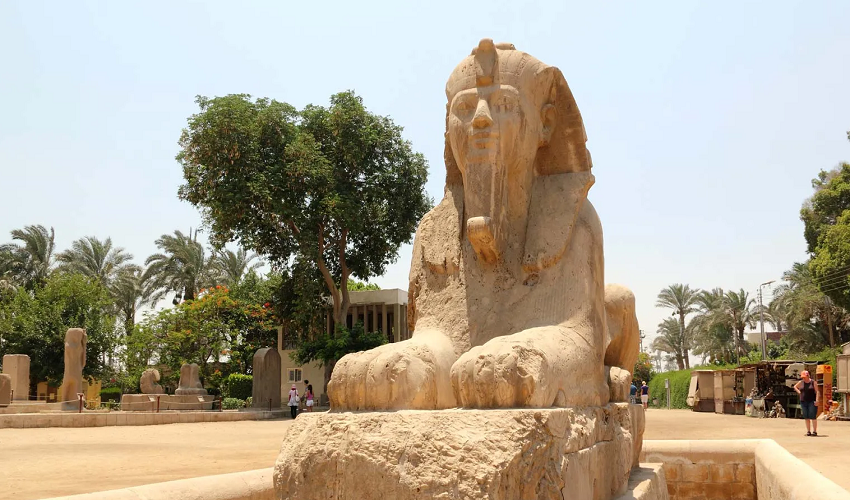
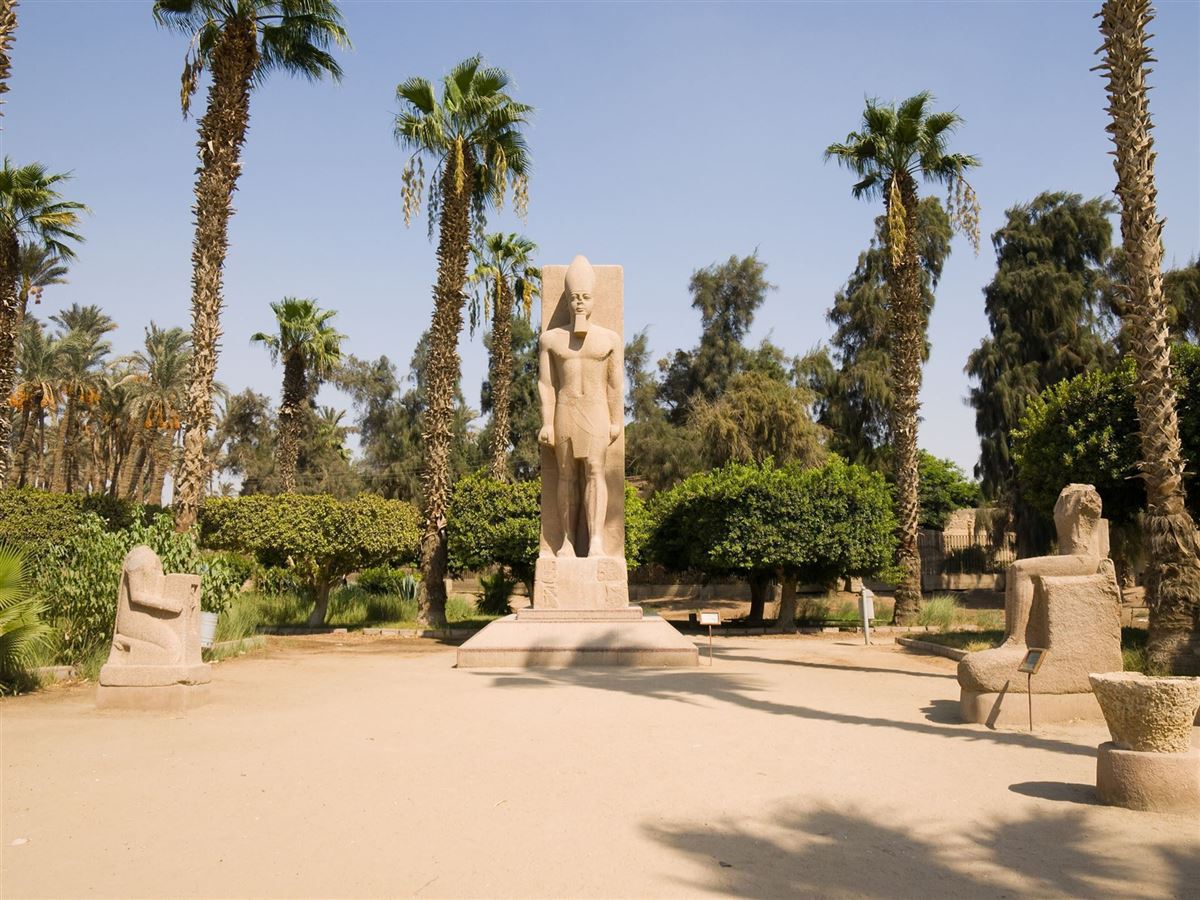
Ancient Memphis Egypt should not be judged like Karnak Temple, Luxor Temple or the Pyramids of Giza. The site does not survive as one complete monumental complex. Its importance comes from the role it played as a living capital, a royal workshop, a religious center and a strategic bridge between Upper and Lower Egypt. That is why a short guided stop can be more valuable than a longer visit without context.
Memphis stood close to the point where Egypt’s northern and southern worlds met. This made the city politically powerful and symbolically useful for kingship. From here, royal authority could look north toward the Delta and south toward the Nile Valley. When a guide explains Memphis properly, the site becomes an introduction to how Egypt turned from separated regions into a unified kingdom with administration, religion, craft production and royal ceremony working together.
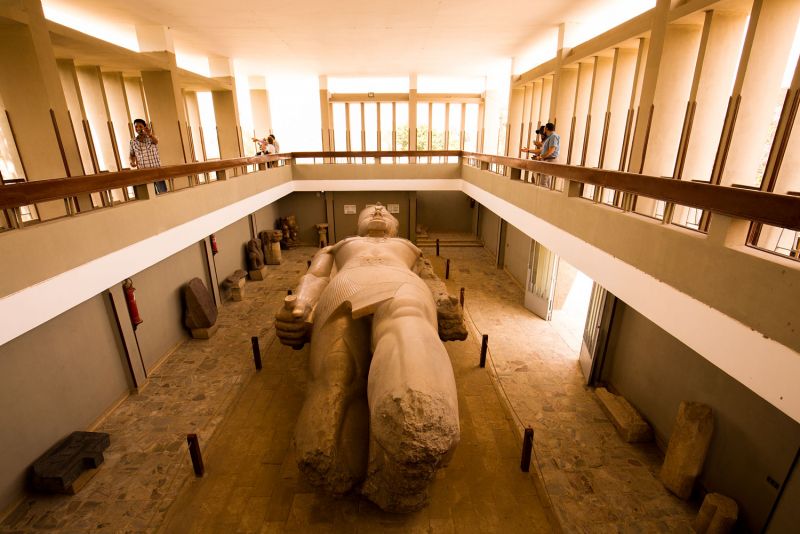
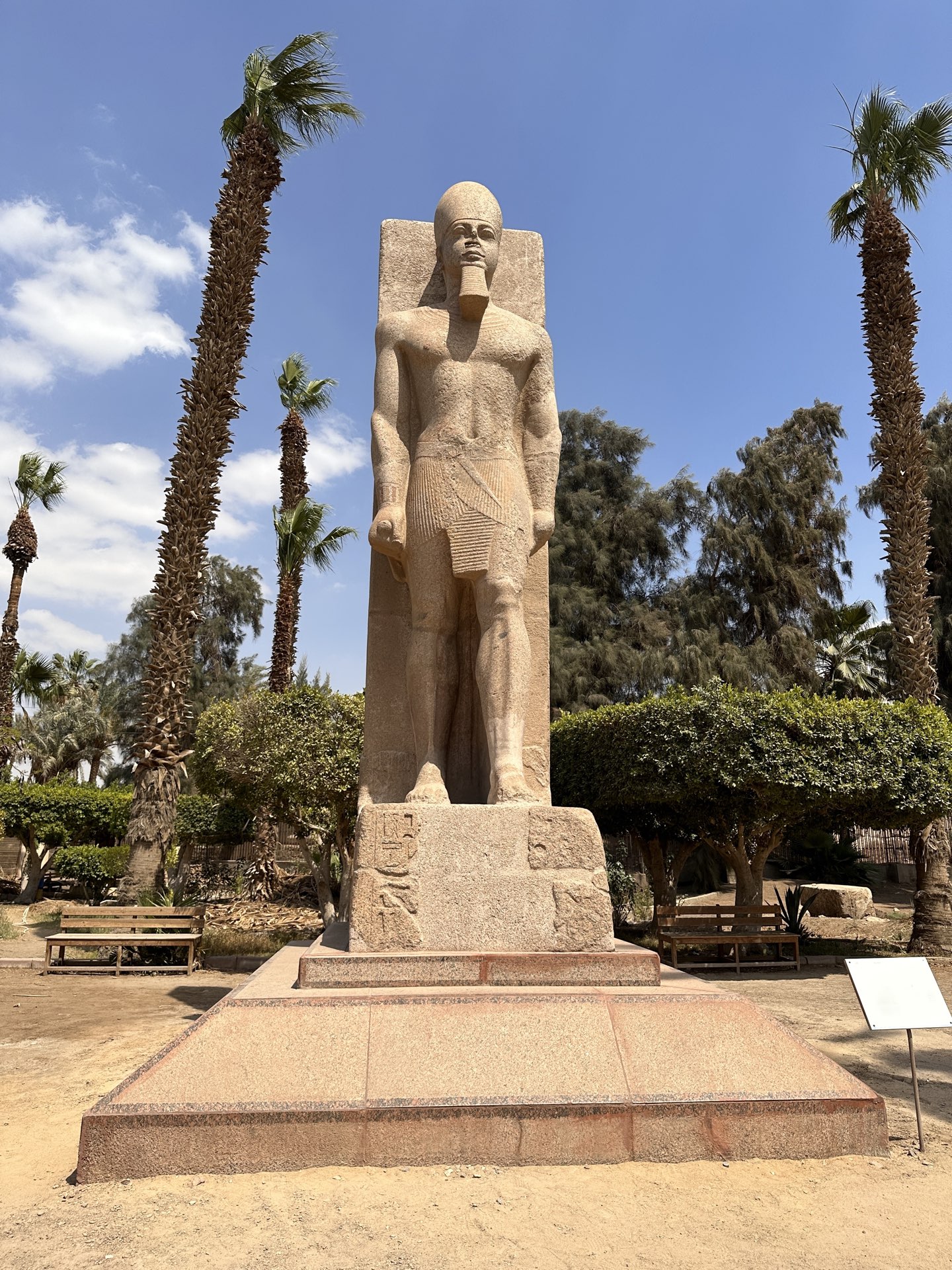
The religious heart of the city was closely connected with Ptah, a creator god associated with craftsmen and sacred making. This matters because Memphis was not only a royal address; it was also a place where divine creation, skilled work and royal image met. The colossal Ramses II statue Memphis is a good example. It is not just a large sculpture. It shows how kings used scale, beauty and idealized form to turn royal power into something visible and memorable.
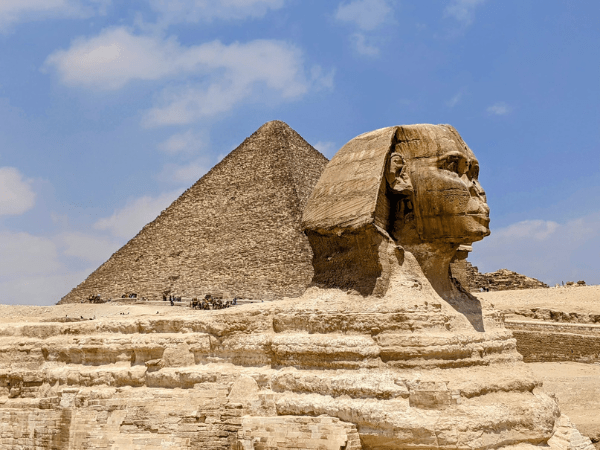
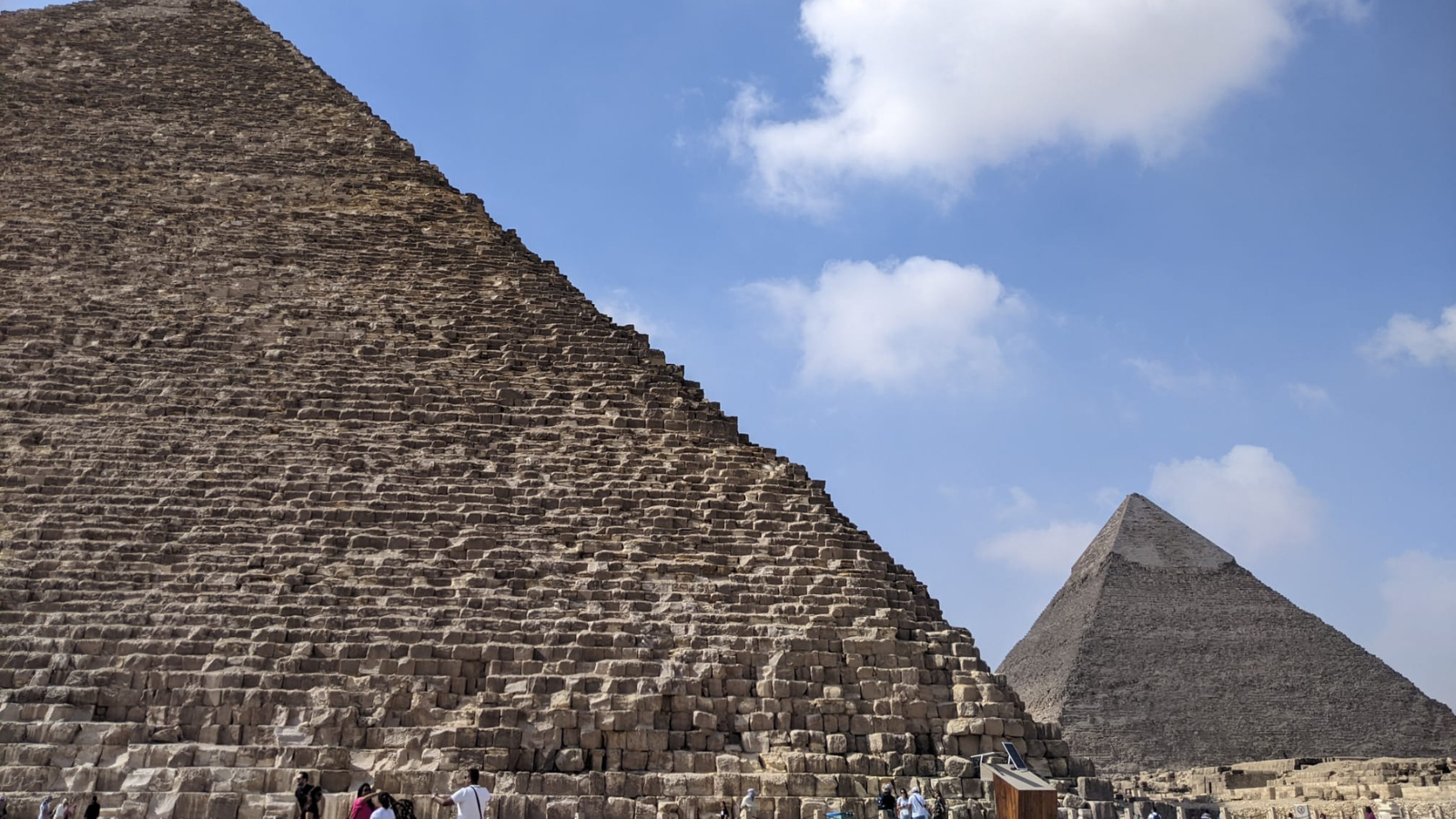
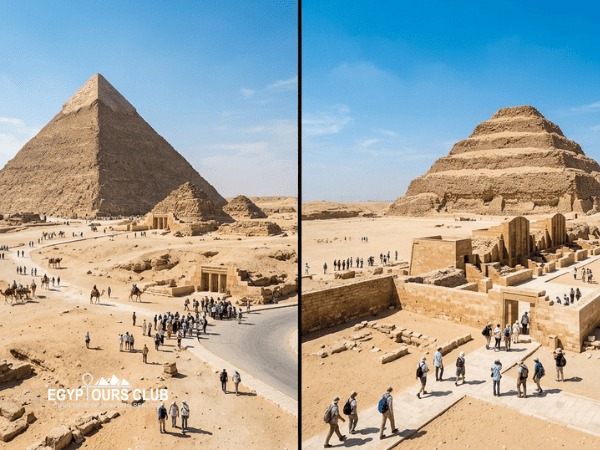
The most important planning point is the relationship between Memphis and Saqqara. Memphis was the capital; Saqqara was the burial landscape connected to that capital. Visiting Memphis before or after Saqqara helps travelers understand the difference between where royal life was managed and where royal memory was preserved. Add Dahshur, and the route becomes even stronger because it shows the development from early tomb landscapes to pyramid experiments and then toward the famous Giza skyline.
For first-time visitors, Memphis works best as a meaningful chapter inside a Cairo archaeology day. Do not treat it as a standalone headline stop. Use it to understand the beginning of the capital story, then let Saqqara and Dahshur continue the archaeological sequence.