

Paromeos Monastery (Baramos) | Wadi El Natrun Guide | Egypt Tours Club
Paromeos Monastery . banner

Paromeos Monastery

Egypt Tours Club

Coptic heritage and Wadi El Natrun travel planning by a licensed local Egypt travel team

Wadi El Natrun · Desert of Scetis · Coptic Heritage

Monastery of the Paromeos (Baramos): Complete Guide to the Oldest Desert Sanctuary in Wadi El Natrun

Discover Deir al-Baramus, the northern sentinel of Scetis: its fourth-century origins, Saints Maximus and Domitius, Saint Moses the Black, ancient Virgin Mary church, defensive keep and practical visitor planning from Cairo or Alexandria.

Quick Travel Answer

Why is the Paromeos Monastery important?

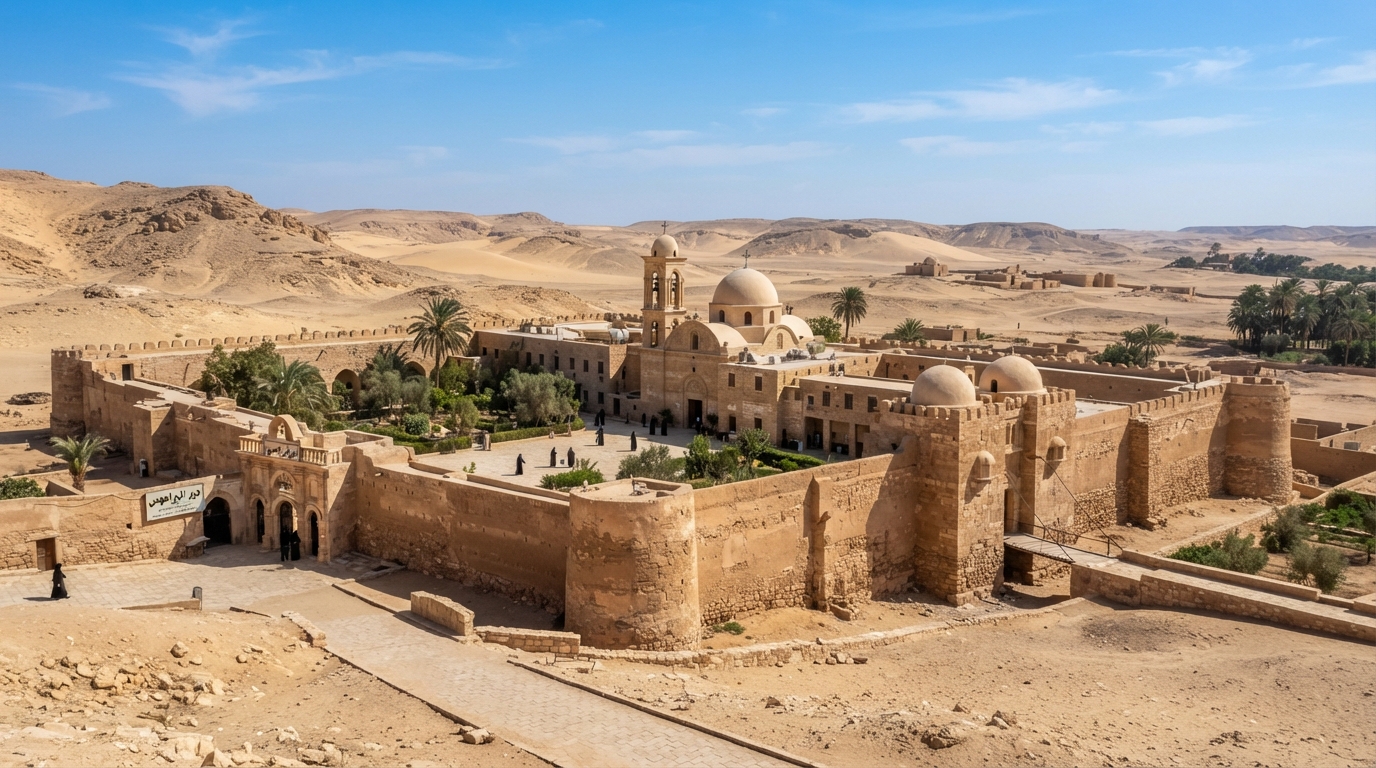
Deir al-Baramus is presented in the source article as the oldest continuously functioning monastic settlement in Wadi El Natrun, founded around 335–340 AD by Saint Macarius the Great. Its Coptic name Pa-Romeos, “That of the Romans,” commemorates Saints Maximus and Domitius.

The monastery is also closely associated with Saint Moses the Black. Behind its fortified walls are early churches, relic shrines, medieval frescoes, a defensive keep and a historic refectory that preserve the atmosphere of the Desert Fathers.

Explore Wadi El Natrun Coptic Heritage
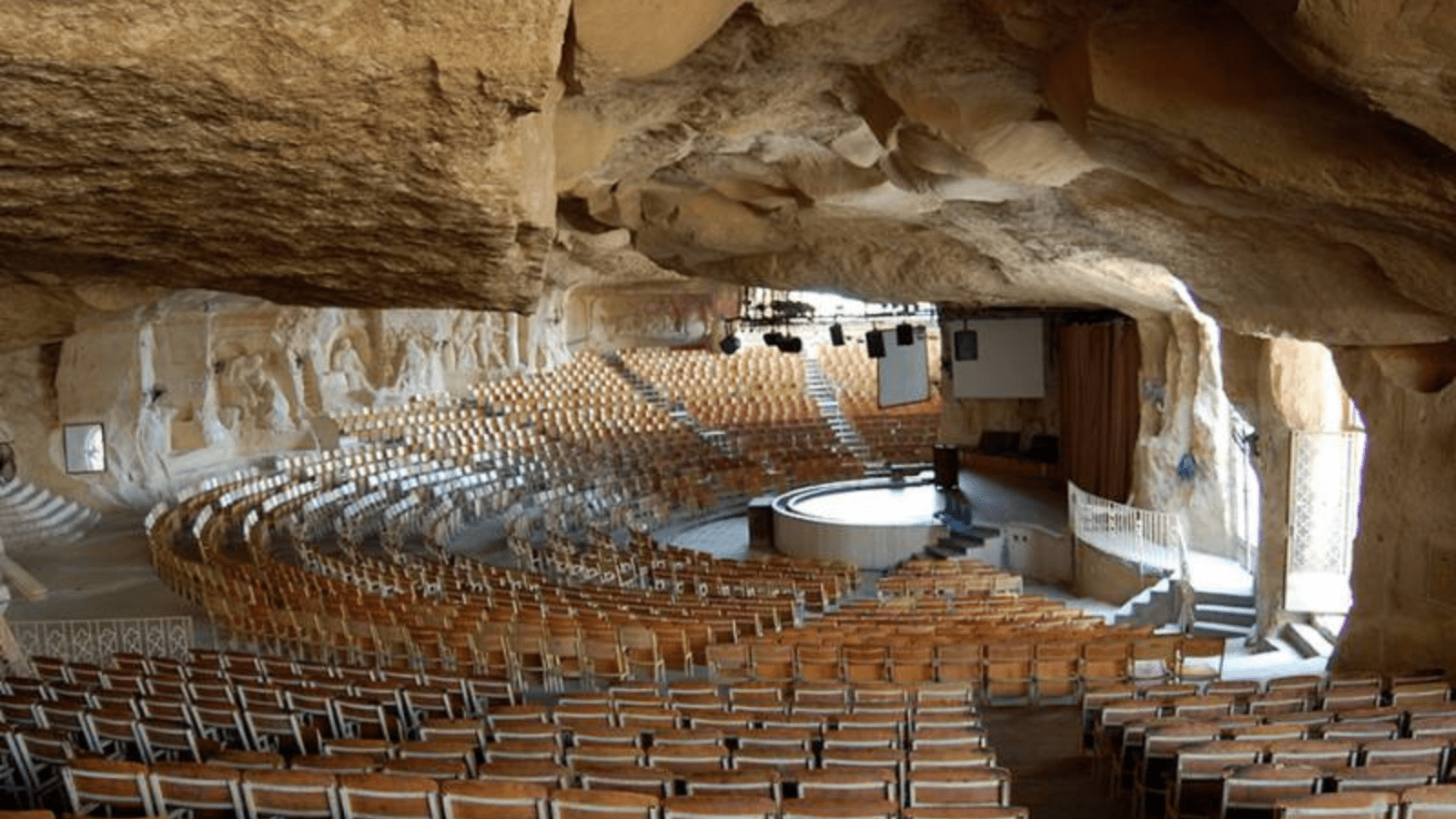
Inside Deir al-Baramus

The essential sacred, historical and architectural highlights

Explore the monastery through the people and spaces that define its identity: Saint Moses the Black, the Roman princes, the ancient Virgin Mary church, the fortified keep and the communal refectory.

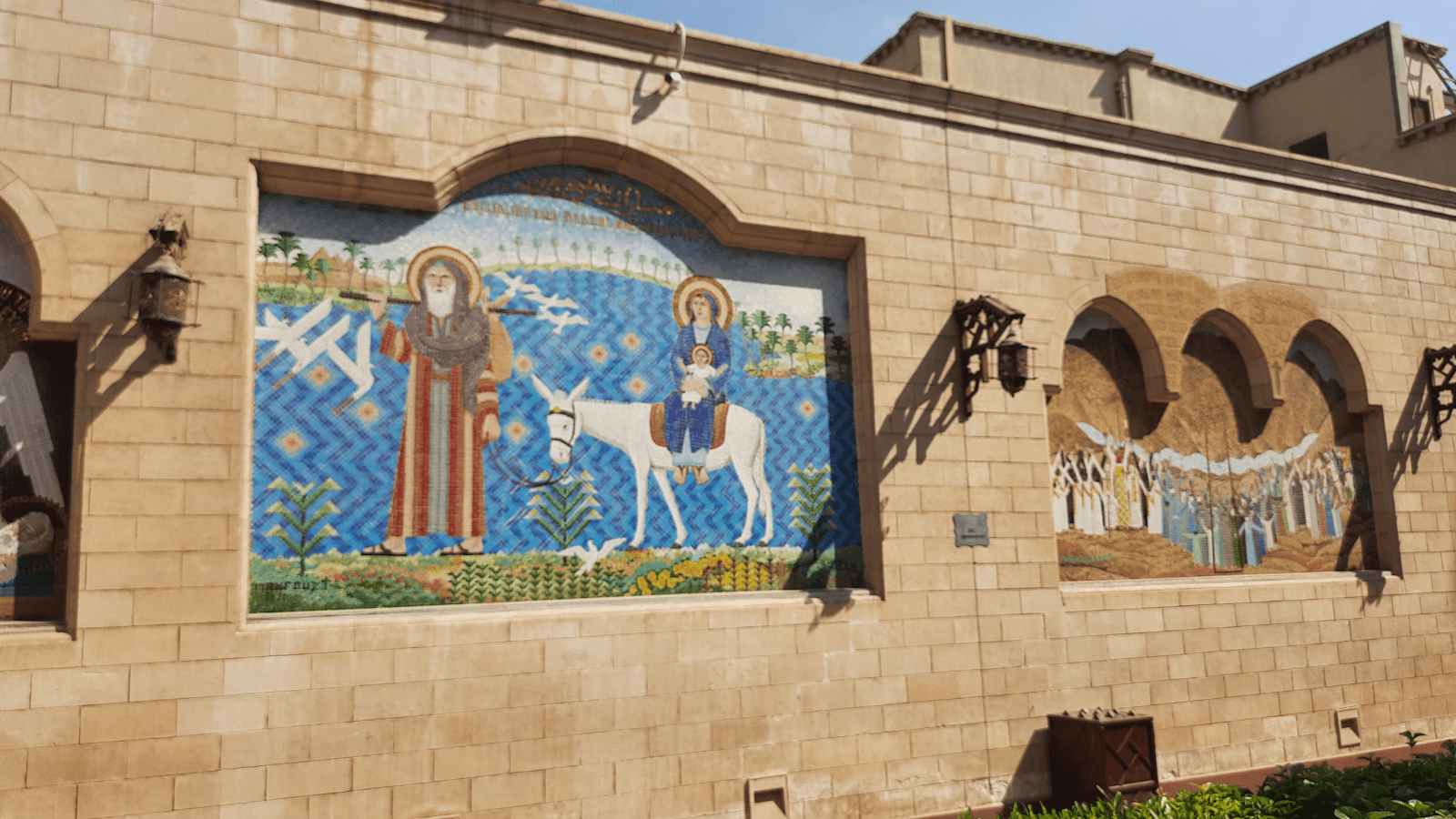
Coptic Holy Family mural from Egypt Tours Club used as contextual sacred-art imagery for Egyptian Christian heritageAncient Sanctuary

Ancient Church of the Virgin Mary

6th–7th centuryRelic shrines

The monastery’s oldest surviving church preserves Byzantine-era limestone elements, historic vaulting, the traditional tombs of Maximus and Domitius, and the relic shrine associated with Saint Moses the Black and Saint Isidore.

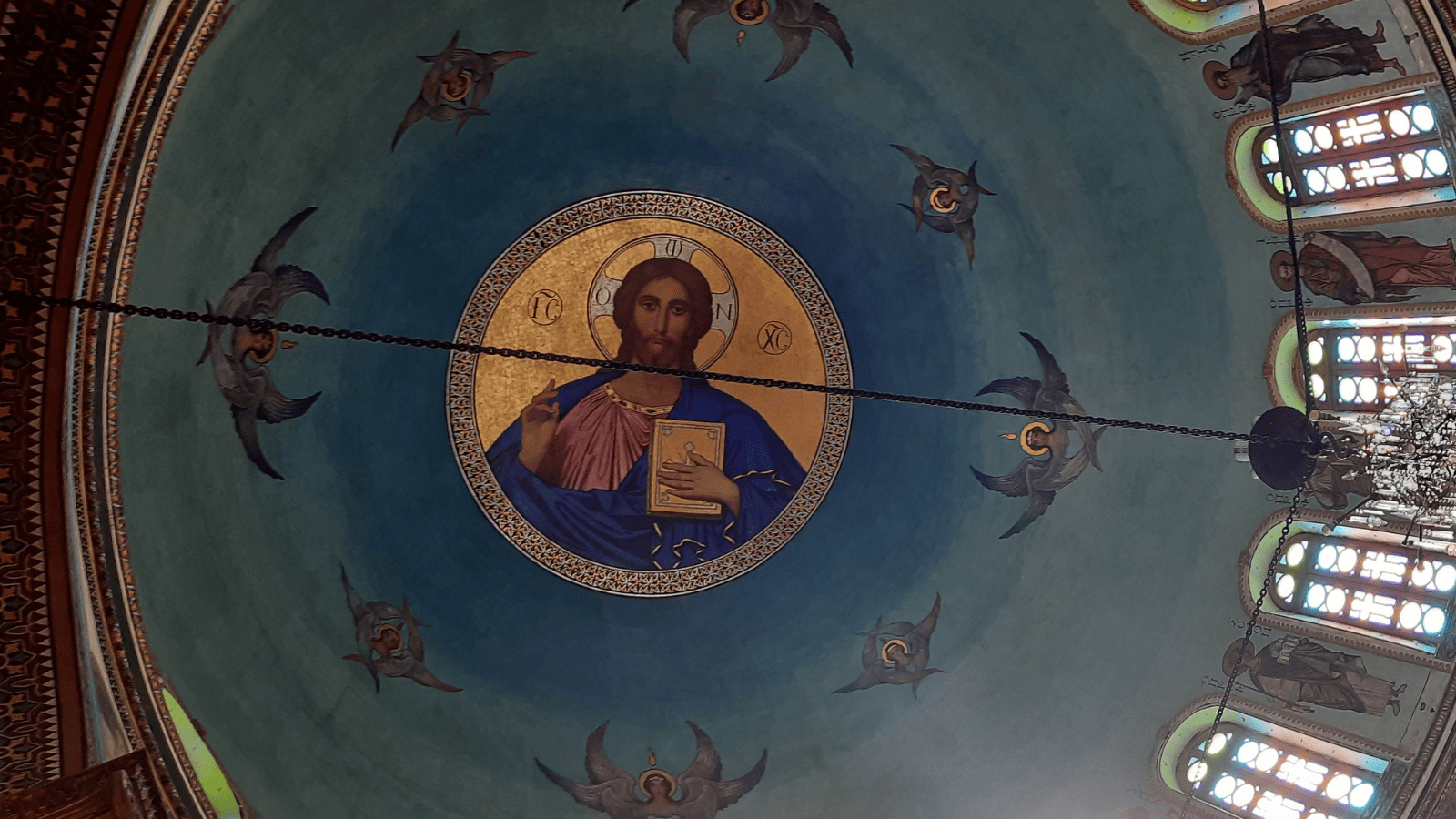
Coptic image of Christ from Egypt Tours Club used as contextual sacred-art imagery for the Saint Moses the Black sectionDesert Father

Saint Moses the Black

Abba MosesRelics

Baramus is revered as the spiritual home and resting place of Saint Moses the Black, remembered in the source article for his transformation from bandit leader to monk, priest and Desert Father, and for his martyrdom in 405 AD.

Rock-cut Coptic monastery worship space from Egypt Tours Club used as contextual imagery for Egyptian monastic architectureFortress

The Ancient Keep (Al-Hisn)

7th centuryDrawbridge

The four-story defensive keep was designed as a self-sustaining refuge, with an elevated drawbridge, water well, grain storage, ovens and an upper chapel dedicated to the Archangel Michael.

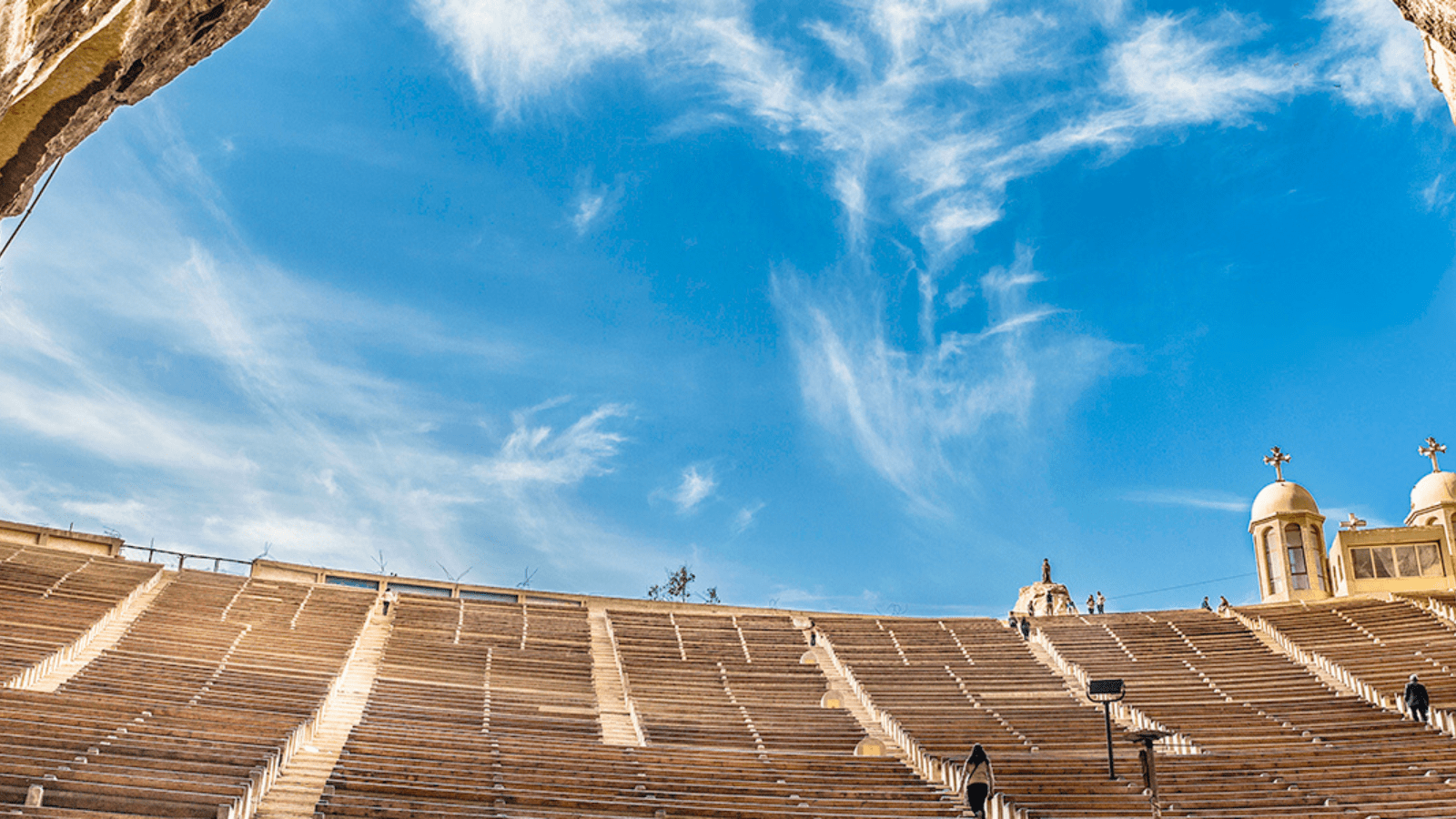
Large Coptic monastery amphitheatre and church setting from Egypt Tours Club used as broader Egyptian monastic contextScetis Origins

Maximus, Domitius & the Name Pa-Romeos

Roman princesSaint Macarius

According to the article’s Coptic hagiographic tradition, Saints Maximus and Domitius renounced imperial privilege for ascetic life under Saint Macarius. Their memory gave the monastery its name: Pa-Romeos, “That of the Romans.”

Choose Your Route

Practical ways to include Baramus in a Wadi El Natrun journey

1.5–2.5 hours

Focused Baramus visit

  • Ancient Church of the Virgin Mary.
  • Shrine of Saint Moses the Black.
  • 7th-century defensive keep.
  • Historic refectory and monastery courtyards.
Full day

Desert of Scetis monastic circuit

  • Depart Cairo in the morning.
  • Visit Deir Anba Bishoy.
  • Continue to Deir El-Suryan.
  • Finish at secluded Deir al-Baramus.
Cairo → Alexandria

Christian heritage transit

  • Leave Cairo for Wadi El Natrun.
  • Tour Baramus and Saint Bishoy.
  • Continue north toward Alexandria.
  • End along the Mediterranean Corniche.

Planning note: Visitor hours, fasting closures and photography rules can change. Confirm current monastery access before leaving Cairo or Alexandria.

Helpful Travel Answers

Paromeos Monastery questions before you go

What does “Baramus” mean?

Baramus comes from the Coptic Pa-Romeos, meaning “That of the Romans,” commemorating Saints Maximus and Domitius.

Who is Saint Moses the Black?

The source article describes Saint Moses the Black as a former bandit leader who converted to Christianity, became a monk, priest and Desert Father, and was martyred in 405 AD. His relics are traditionally enshrined at Baramus.

Is Deir al-Baramus the oldest monastery in Wadi El Natrun?

The supplied article identifies it as the earliest anchoritic monastic community in Scetis, founded around 335–340 AD by Saint Macarius the Great.

How long should I spend at Baramus?

Allow approximately 1.5 to 2.5 hours for the ancient church, relic shrines, keep, refectory and courtyards.

Can tourists visit all parts of the monastery?

Visitors can generally access the principal churches, courtyards, keep and relic shrines, while residential monastic cells and working areas remain private.

What should I wear?

Wear modest clothing covering shoulders, upper arms and knees, keep voices low, and ask permission before photographing monks or sensitive interior spaces.

How do I reach Deir al-Baramus?

The monastery lies in Wadi El Natrun in Beheira Governorate, about 110 km northwest of central Cairo. Private transport or an organized tour is the practical option.

What can I combine with Baramus?

Combine it with Deir Anba Bishoy and Deir El-Suryan for a Wadi El Natrun monastic circuit, or use it as a heritage stop between Cairo and Alexandria.

Private Coptic Heritage Planning

Build a respectful Wadi El Natrun monastery route

Share your dates, Cairo or Alexandria hotel, group size and heritage interests. Egypt Tours Club can help organize private transport and a coherent route through the monasteries of Scetis.