

Siwa Salt Lakes | Floating, Safety & Travel Guide | Egypt Tours Club
Siwa Salt Lakes . banner

Siwa Salt Lakes

ETCEgypt Tours Club

Siwa Oasis planning by a licensed local team

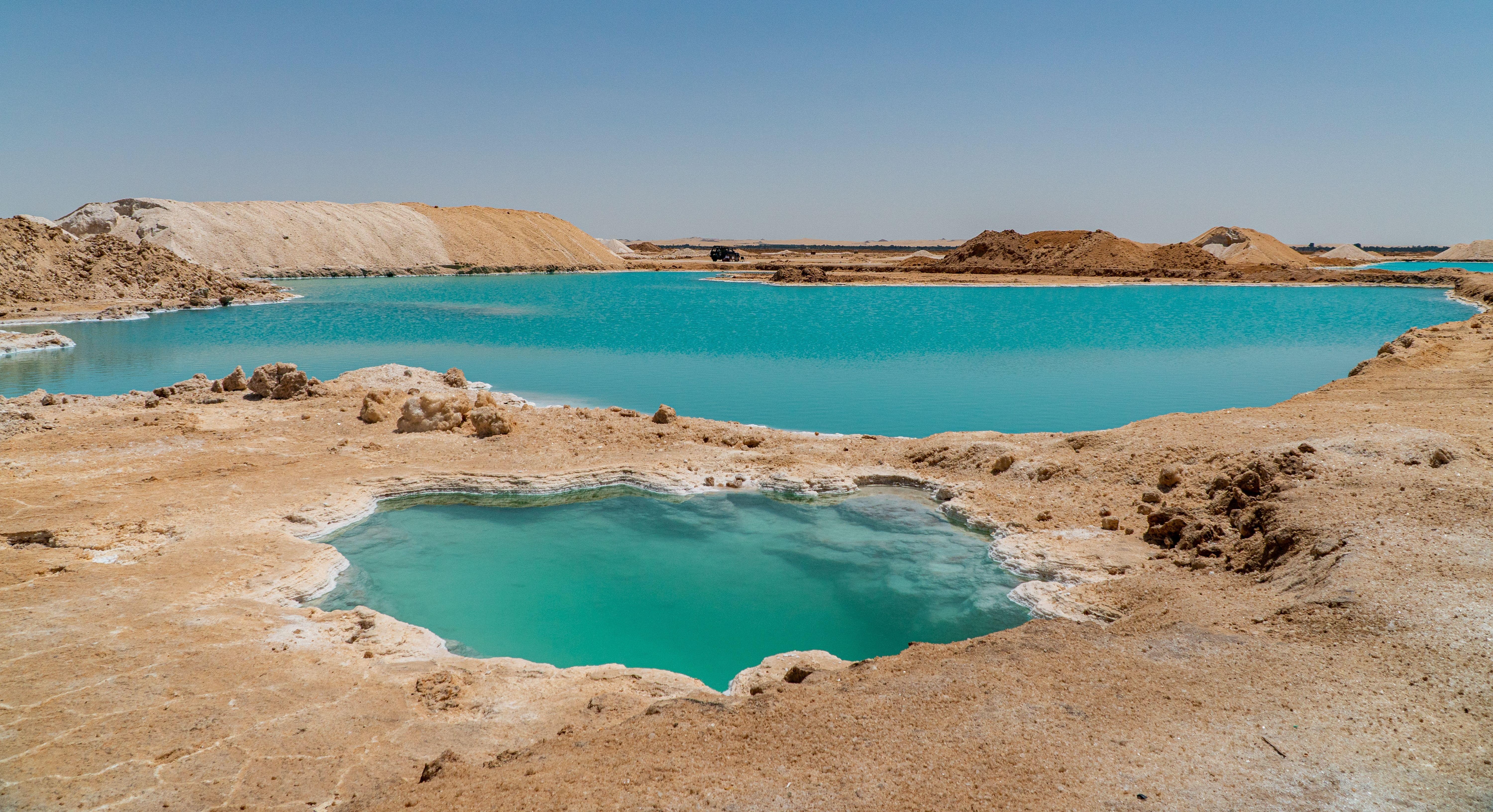
Turquoise salt pools surrounded by white mineral crust in Siwa Oasis

Hypersaline pools · Siwa Oasis

Siwa Salt Lakes: Complete Guide to Floating, Safety and Oasis Attractions

Float in brilliant turquoise brine, understand Siwa’s salt landscape and plan a safer visit with local transport, fresh rinse water and nearby oasis stops.

Quick answer and landscape context

Why the Siwa Salt Lakes are extraordinary

Siwa’s intensely blue salt pools combine hypersaline groundwater, evaporite deposits and an active salt-working landscape. Their dense brine increases buoyancy, while white crystalline edges create one of Egypt’s most recognizable desert scenes.

What are the Siwa Salt Lakes?

The name covers both broad saline lakes around the oasis and smaller, vivid pools found in salt-extraction areas. The smaller basins are the famous floating locations, but they are not standardized swimming facilities.

A 2026 hydrogeological study reported hypersaline Siwa lake water with mean total dissolved solids near 98 grams per liter. Individual pools can differ, so unsupported claims such as “95% salt” should not be used.

Open Egypt’s official Siwa profile
Floating, landscapes and practical safety

Top experiences at the Siwa Salt Lakes

The best visit balances the visual spectacle with cautious swimming, respect for working salt areas and enough time to rinse and continue to nearby Siwa landmarks.

Travelers beside a turquoise salt pool in Siwa OasisSignature experience

Float in vivid turquoise brine

High buoyancyLocal guidance

Dense saline water provides striking buoyancy, but conditions, edges and depths vary. Enter only a pool identified as suitable by a responsible local guide, move slowly and never treat buoyancy as a substitute for water safety.

Turquoise pools and salt extraction landscape in SiwaSalt landscape

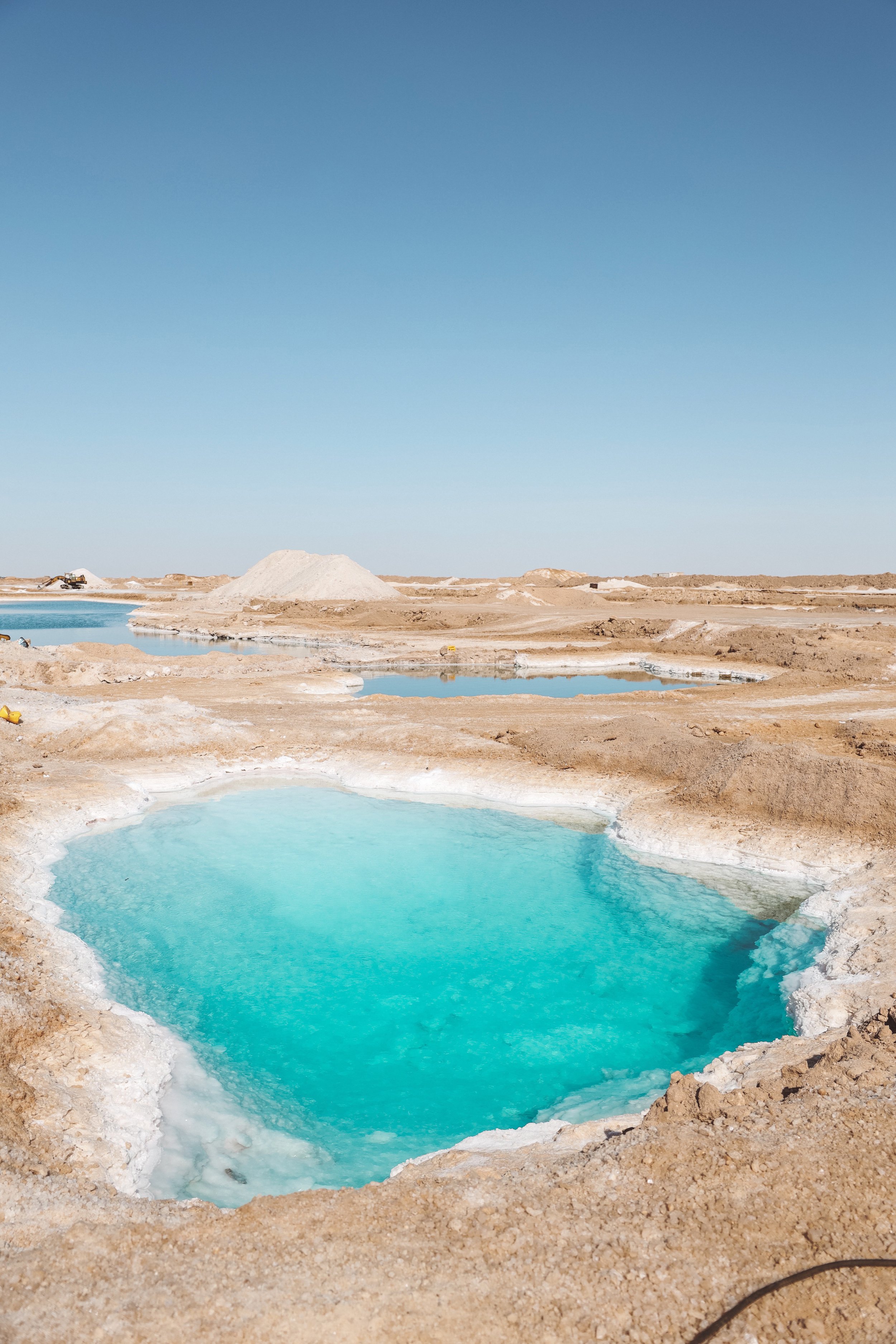
Mining basins and crystalline shores

Human-shaped poolsEvaporation and minerals

Many photogenic pools occupy a working salt-extraction landscape. Excavated basins intersect saline groundwater, while evaporation and dissolved minerals help create dense brine, white crusts and brilliant blue-green color.

Visitors floating in a narrow saltwater pool at SiwaSwimming safety

Protect eyes, skin and feet

No splashingWater shoes

Keep your face above the surface, avoid splashing, wear secure footwear and stay out with recent cuts or freshly shaved skin. Highly saline water can sting intensely and crystalline edges can be sharp.

Visitors relaxing in Siwa saltwaterComfort planning

Fresh-water rinse afterward

Bring waterShort immersion

Bring plenty of fresh water for an immediate rinse, plus a towel and dry clothes. Limit the first float, leave if skin becomes irritated and rinse before handling cameras, phones or vehicle interiors.

Blue salt lakes across the desert landscape of SiwaWider oasis

Lake Siwa and Zeitoun landscapes

Sunset viewsBirdlife and shores

Siwa’s wider saline lakes differ from the small, deep-blue pools. Their broad horizons, salt-crusted margins and changing desert light reward landscape photography, quiet walks and seasonal nature observation.

Cleopatra Spring surrounded by palms in Siwa OasisClassic Siwa pairing

Cleopatra Spring and oasis heritage

Freshwater stopCulture and history

Combine the salt lakes with Cleopatra Spring, Shali Fortress, the Temple of the Oracle or Fatnas. A balanced day mixes swimming with Siwan heritage and avoids spending the hottest hours exposed on salt flats.

Transport and visit planning

How to reach the Siwa Salt Lakes

The photogenic pools are outside central Siwa in an active salt landscape. Locations and access tracks can change, so a knowledgeable local driver is the most practical option.

Most practical

Local driver or tuk-tuk

  • Agree on the route, waiting time and price before departure.
  • Ask for a pool currently used safely by visitors.
  • Bring fresh rinse water rather than assuming facilities exist.
  • Arrange the next stop at Cleopatra Spring.
Open the complete Siwa guide
Organized option

Private Siwa tour

  • Include hotel pickup and return transport.
  • Combine the lakes with Siwa history and springs.
  • Confirm towels, rinse water and footwear arrangements.
  • Keep a flexible plan for heat and local access.
View the Siwa itinerary
From Cairo

Multi-day road journey

  • Siwa requires a long overland transfer from Cairo.
  • Allow at least three nights for a balanced visit.
  • Do not plan the salt lakes as a Cairo day trip.
  • Confirm current checkpoints and transport arrangements.
Ask for private route planning

Safety note: Pool access, depth, edges and water conditions vary. Never enter alone, never dive, supervise children closely and follow current local guidance.

Multiple blue salt pools across the pale Siwa landscape

Trusted tourism and environmental sources

Authoritative information about Siwa

Egypt Tours Club helps plan the route. Use these official and scientific sources for the oasis, its protected landscape and measured water chemistry.

External pages open in a new tab. Reconfirm local access and swimming conditions before visiting.

Frequently asked questions

Questions about the Siwa Salt Lakes before you visit

Direct answers clarify salinity, buoyancy, safety, packing, transport, visit timing and nearby attractions.

Why are the Siwa salt lakes so buoyant?

Their water contains a high concentration of dissolved salts, increasing its density and making floating easier than in ordinary freshwater. Salinity varies by lake and pool.

Are the Siwa salt lakes really 95% salt?

No reliable evidence supports describing the water as 95% salt. Scientific work confirms hypersaline conditions, but salt content should be stated using measured salinity or total dissolved solids, not exaggerated percentages.

Is swimming in the Siwa salt pools safe?

It can be enjoyable with local guidance and precautions, but pools vary in depth and access. Do not swim alone, keep brine away from your face, wear footwear and avoid entering with cuts.

How long should I stay in the water?

Start with a short float of around 10–15 minutes and leave sooner if you feel irritation, dizziness or discomfort. Rinse thoroughly with fresh water afterward.

What should I bring to the salt lakes?

Bring fresh rinse water, a towel, swimwear, water shoes, sun protection, drinking water, dry clothes and a waterproof pouch kept away from direct brine contact.

How do I reach the Siwa salt lakes?

The pools lie outside Siwa town in salt-working areas. Use a knowledgeable local driver or organized tour rather than trying to locate a suitable pool independently.

What can I combine with the salt lakes?

Cleopatra Spring is a practical freshwater stop. Shali Fortress, the Temple of the Oracle, Fatnas and a Great Sand Sea safari can complete a longer Siwa itinerary.

What is the best time to visit?

October to April generally offers milder weather. For vivid water color, bright daylight helps, but avoid prolonged exposure during extreme heat and follow current local conditions.

Private Siwa Oasis planning

Plan your Siwa salt lakes and desert itinerary

Share your dates, Cairo pickup point, group size, preferred stay style and priority activities. Egypt Tours Club can arrange a private Siwa route connecting the salt lakes, springs, Shali, the Oracle Temple and the Great Sand Sea.