


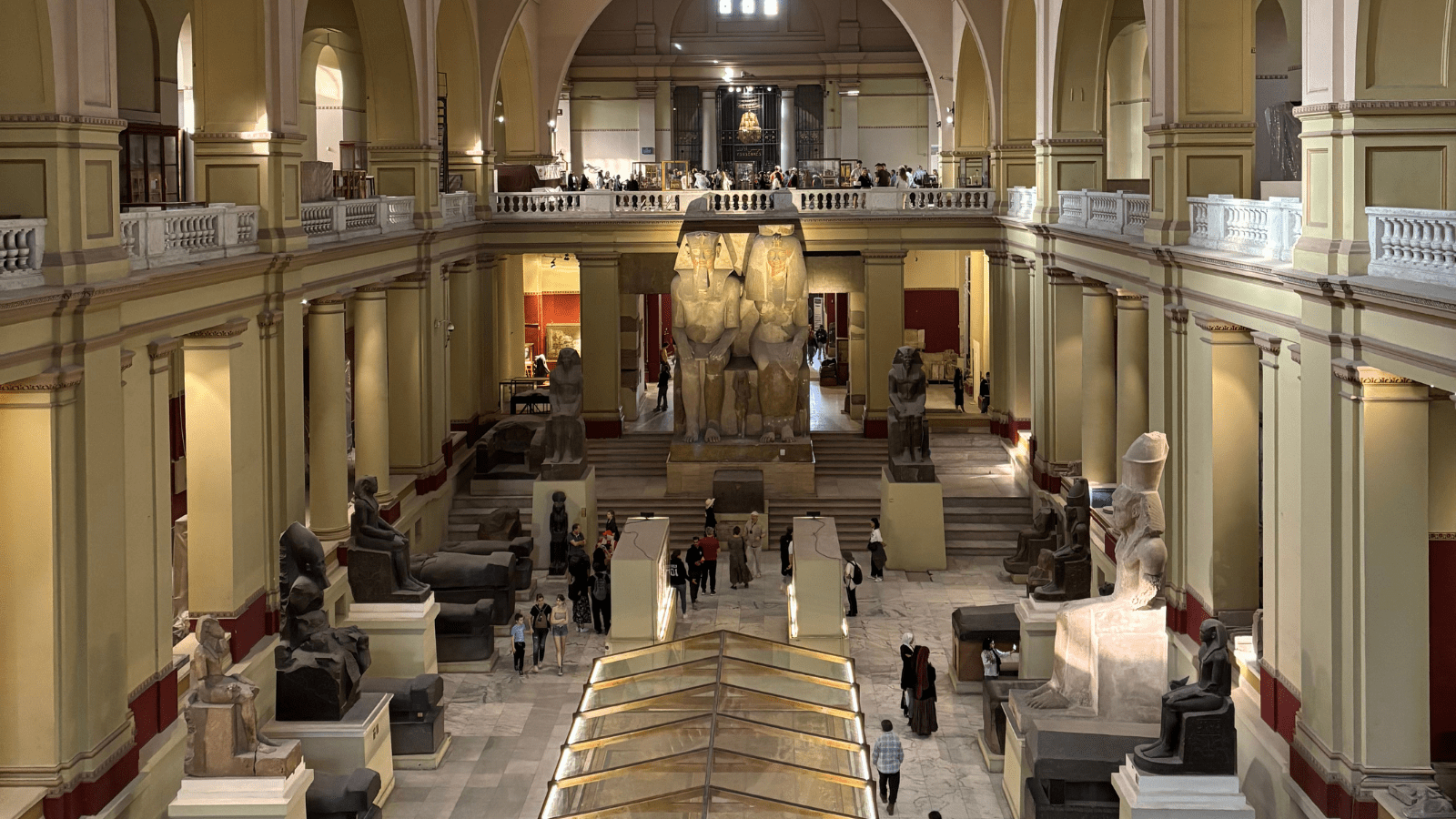
A visit to the Egyptian Museum in Cairo is one of the richest cultural experiences in Egypt. With thousands of artifacts, royal treasures, statues, coffins and ancient stories in one place, a smart plan helps you enjoy the museum without feeling overwhelmed.
Why the Egyptian Museum in Cairo Is Worth Visiting
The Egyptian Museum in Cairo is one of the most important museum experiences in the country. It brings together objects from different periods of ancient Egyptian history, allowing visitors to move from the earliest dynasties to royal burial traditions, daily life, religious beliefs and the world of pharaohs.
For travelers interested in ancient Egyptian artifacts, Tutankhamun treasures, royal mummies, statues, papyri and funerary objects, the museum offers a dense and fascinating introduction to Egypt’s civilization.
The challenge is that the museum can feel overwhelming without a clear route. A guided experience such as the Explore the Egyptian Museum in Cairo half-day tour helps organize the visit around the most important highlights, so you understand what you are seeing instead of simply walking past display cases.
Quick Answer
The best way to visit the Egyptian Museum in Cairo is to go early, spend around 2 to 3 hours, focus on key highlights, and use an Egyptologist guide to explain the stories behind the artifacts.
Best Time to Visit the Egyptian Museum in Cairo
The best time to visit the Egyptian Museum is usually early morning, shortly after opening. This gives you a calmer start, better focus and more time to enjoy the main galleries before heavier crowds arrive.
Weekdays are often smoother than weekends, especially in busy travel seasons. If your itinerary includes several Cairo attractions, starting with the museum in the morning can help you avoid mental fatigue later in the day.
| Visit time | Experience level | Best for |
|---|---|---|
| Early morning | Usually calmer and easier to navigate. | First-time visitors, families and serious history lovers. |
| Late morning | Can be busier with tour groups. | Travelers with flexible expectations. |
| Afternoon | May feel more tiring after a full day in Cairo. | Short-stay travelers who cannot visit earlier. |
| Weekdays | Often more comfortable than weekends. | Visitors who want a smoother museum pace. |
For a balanced Cairo day, many visitors combine the museum with Tahrir Square, the Nile Corniche or nearby cultural districts depending on timing and traffic.
How Long Should You Spend at the Egyptian Museum?
You could spend an entire day inside the Egyptian Museum, but most travelers do not need to see every object. A focused visit of 2 to 3 hours is usually the best balance between depth and comfort.
A professional Egyptologist guide can make that time much more valuable by selecting the most meaningful exhibits, explaining the timeline, and connecting artifacts to wider Egyptian history.
1 Hour
Only enough for a quick overview or one focused highlight section.
2–3 Hours
The ideal visit length for most travelers on a Cairo half-day tour.
4+ Hours
Best for archaeology lovers, researchers or repeat visitors with strong interest.
Best Choice for Most Travelers
A half-day guided Egyptian Museum tour gives you enough time to understand the major exhibits without rushing or suffering museum fatigue.
What to See First Inside the Egyptian Museum
The museum contains thousands of artifacts, so prioritization matters. Instead of trying to see everything, focus on the objects and sections that explain the biggest stories of ancient Egypt.
| Museum highlight | What you see | Why it matters |
|---|---|---|
| Tutankhamun’s treasures | Royal burial objects, golden items and famous funerary masterpieces. | One of the world’s most iconic archaeological discoveries. |
| Royal mummies and funerary objects | Objects connected with embalming, burial and afterlife beliefs. | Helps explain mummification, royal death and eternal life. |
| Old Kingdom statues | Early royal and elite sculptures from Egypt’s pyramid age. | Shows the artistic foundations of pharaonic power. |
| Papyri and inscriptions | Written records, religious ideas, administration and daily-life evidence. | Connects visitors to ancient writing, bureaucracy and belief. |
| Sarcophagi and coffins | Decorated burial containers with symbols and protective texts. | Reveals ancient Egyptian beliefs about death and rebirth. |
| Daily-life artifacts | Tools, jewelry, household objects and ritual items. | Shows that Egyptian history was not only kings and temples. |
If you are also planning to visit the Grand Egyptian Museum, ask your guide how to connect both museum experiences without repetition.
Is a Guided Tour of the Egyptian Museum Worth It?
Yes, a guided tour is strongly recommended. The Egyptian Museum is rich in symbolism, dynastic history, religious meaning and archaeological context. Without guidance, many objects may look interesting but remain disconnected from the bigger story.
A guided experience transforms artifacts into a coherent narrative. Instead of seeing “a statue,” “a coffin” and “a mask,” you understand who the object belonged to, why it was made, what symbols it carries and how it fits into ancient Egyptian belief.
| Without a guide | With an Egyptologist guide |
|---|---|
| You may spend time trying to decide where to go next. | Your route is structured around the most important highlights. |
| Objects may feel isolated or repetitive. | Artifacts become part of a clear historical timeline. |
| You may miss small but important details. | Symbols, inscriptions and artistic choices are explained. |
| Large galleries can feel overwhelming. | The visit feels focused, manageable and meaningful. |
| Your visit depends mostly on labels and guesswork. | You get storytelling, context and expert interpretation. |
For the best balance of time and value, book the Explore the Egyptian Museum in Cairo half-day guided tour.
Dress Code and Practical Preparation
There is no complicated dress code for visiting the Egyptian Museum, but comfort matters. You will be walking, standing, listening and moving between galleries for several hours.
Comfortable Shoes
Essential because museum visits involve extended walking and standing.
Light Layers
Useful for moving between outdoor waiting areas and indoor halls.
Small Bag
Avoid large backpacks because security checks and storage rules may apply.
Water
Carry a small bottle for before or after the visit, following museum rules.
Charged Phone
Useful for communication, tickets, notes and permitted photos.
Sunglasses
Helpful for outdoor areas before and after the museum visit.
Photography Rules Inside the Egyptian Museum
Photography rules inside Egyptian museums and heritage sites may vary by gallery, object type and current regulations. Some areas may allow personal photography, while others may restrict cameras, flash, video or professional equipment.
The safest approach is to follow posted signs and your guide’s instructions. Never use flash where it is prohibited, especially around delicate artifacts, painted surfaces, papyri or sensitive display areas.
Photography Tip
Before taking photos, ask your guide where photography is allowed. This avoids confusion and protects your experience from interruptions.
For a broader guide, read our article on photography rules in Egypt temples and tombs.
Combining the Egyptian Museum With Other Cairo Highlights
The Egyptian Museum works well as part of a wider Cairo itinerary. Depending on your interests and available time, you can combine it with historic districts, the Nile or major archaeological sites.
Tahrir Square and Downtown Cairo
A natural nearby stop that connects the museum with modern Cairo’s central energy.
Islamic and Coptic Cairo
Ideal for travelers who want mosques, churches, old streets and living cultural history.
Read Islamic and Coptic Cairo Guide →The Nile Corniche
A relaxed Cairo add-on for river views, evening atmosphere and a break after museum time.
Giza Pyramids and Sphinx
A powerful full-day combination for travelers who want museum objects and monumental architecture together.
Explore Giza & Museum Tour →Suggested Half-Day Egyptian Museum Visit Plan
A half-day route gives structure to your visit and prevents overload. This is a practical flow for most travelers.
| Stage | Focus | Why it works |
|---|---|---|
| Arrival and orientation | Meet your guide, understand the route and museum layout. | Prevents confusion before entering the galleries. |
| Royal and Old Kingdom highlights | Statues, early royal art and pyramid-age context. | Builds a foundation before later periods. |
| Tutankhamun section | Royal burial treasures and famous golden objects. | Gives the visit its most iconic highlight. |
| Funerary and afterlife objects | Coffins, mummies, sarcophagi and protective symbols. | Explains burial beliefs and mummification. |
| Daily life and writing | Papyri, tools, reliefs and administrative objects. | Shows ancient Egypt beyond kings and tombs. |
| Final recap | Questions, photos where allowed and onward planning. | Helps visitors remember the story, not just the objects. |
Final Tips for an Enjoyable Egyptian Museum Visit
Small planning decisions can make the museum experience much smoother.
Arrive Early
Early visits are usually calmer and better for concentration.
Focus on Quality
Do not try to see everything. The best visit is selective and meaningful.
Use a Guide
An expert turns artifacts into stories and connects the museum timeline.
Take Short Breaks
Museum fatigue is real, especially with dense collections.
Ask Questions
Your guide can personalize the visit around your interests.
Pair It Smartly
Combine the museum with nearby Cairo attractions if time allows.
Explore More Cairo and Museum Routes
Continue planning your Cairo visit with these related Egypt Tours Club pages.