


The fortress position
The name “Hanging” comes from the elevated location above Babylon Fortress. Ask your guide to show how the old structure shaped the church setting.
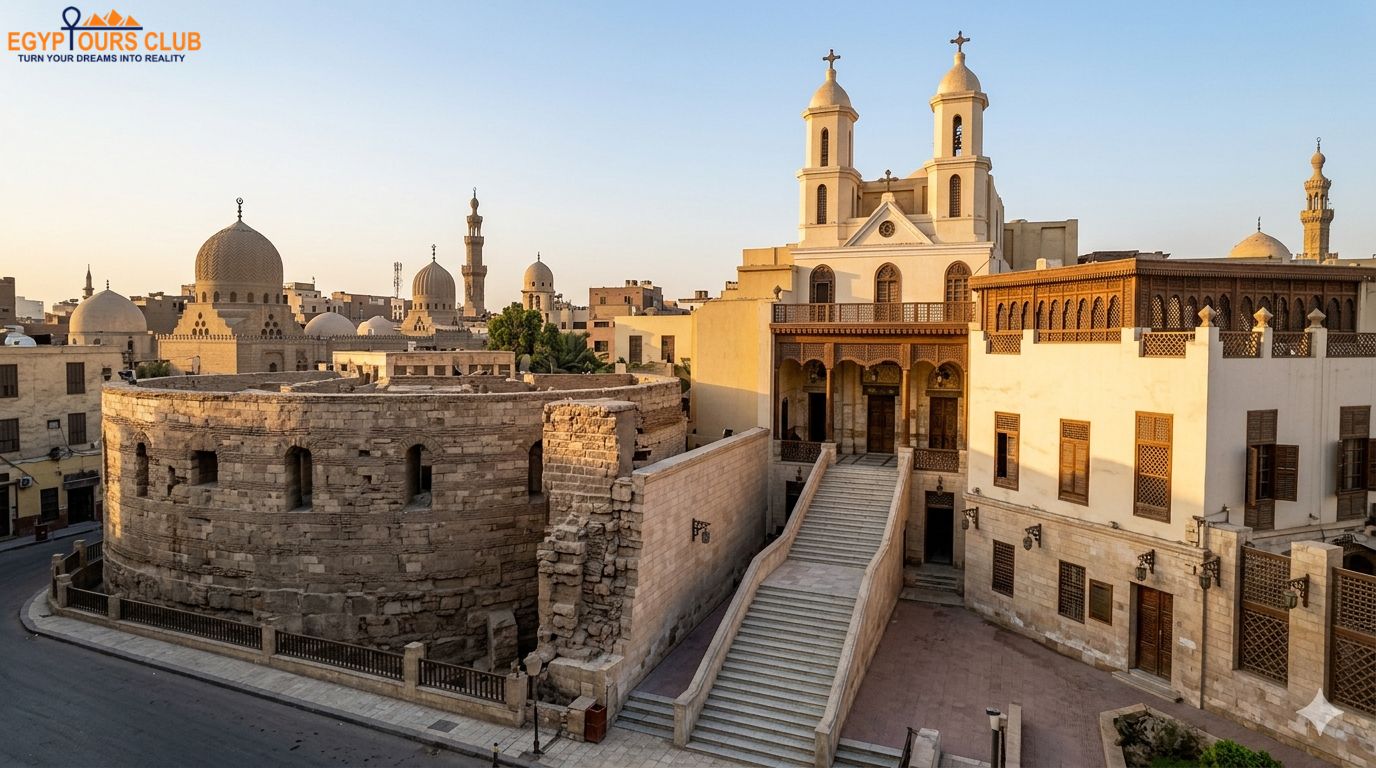
Visit Saint Virgin Mary’s Coptic Orthodox Church above Babylon Fortress with a clear route through Coptic Cairo, Old Cairo churches and Christian heritage sites.
A Hanging Church Cairo tour should do more than point at a famous church. It should explain why the church is called “Hanging,” how its elevated position relates to Babylon Fortress, what to notice inside, how long to spend, where photos work best and how to combine the visit with nearby Coptic Cairo landmarks.
Yes. The Hanging Church Cairo is worth visiting because it is one of the strongest places to understand Coptic Cairo in a short, walkable area. The church gives you architecture, icons, a rare elevated setting above Babylon Fortress and a natural route to nearby Old Cairo churches. It is best for culture travelers, Christian heritage travelers, families and anyone who wants Cairo beyond the Pyramids and museums.
Use this planner to decide how much time you need, whether to book a guide and what to combine with the Hanging Church.
| Choice | Best For | Time | Route Style | Action |
|---|---|---|---|---|
| Hanging Church only Short Stop | Travelers with limited time in Coptic Cairo | 45–75 minutes | Church, icons, pulpit, ceiling, entrance and fortress setting | Ask |
| Coptic Cairo church walk Best Match | First-time visitors to Old Cairo churches | 2–4 hours | Hanging Church, Babylon Fortress, Abu Serga, Ben Ezra and Coptic Museum area | View |
| Hidden monastery extension Deeper Heritage | Travelers interested in Christian heritage beyond the main church area | Half day+ | Old Coptic Cairo plus a deeper monastery-focused route | View |
| Full Cairo heritage day Balanced Day | Travelers who want Coptic Cairo with Citadel and museum context | Full day | Coptic Cairo, Saladin Citadel, Mosque of Muhammad Ali and Egyptian Museum | View |
Hanging Church Cairo, also known as Saint Virgin Mary’s Coptic Orthodox Church or Al Muallaqa Church, is one of the most famous Christian heritage sites in Egypt. Its name comes from its position above the gatehouse of Babylon Fortress, which gives the church a setting unlike most other churches in Cairo.
The church is important because it connects architecture, faith and place. Inside, visitors should not rush past the icons, the wooden ceiling, the marble pulpit, the nave layout and the quiet details that reveal how Coptic churches organize space, devotion and visual storytelling.
For trip planning, this page focuses on the Hanging Church itself. For the wider old-city route, continue to the Islamic and Coptic Cairo tour. For bookable routes, use the Coptic Cairo tour with Hanging Church, Ben Ezra and Cavern Church or a wider Cairo day tour.
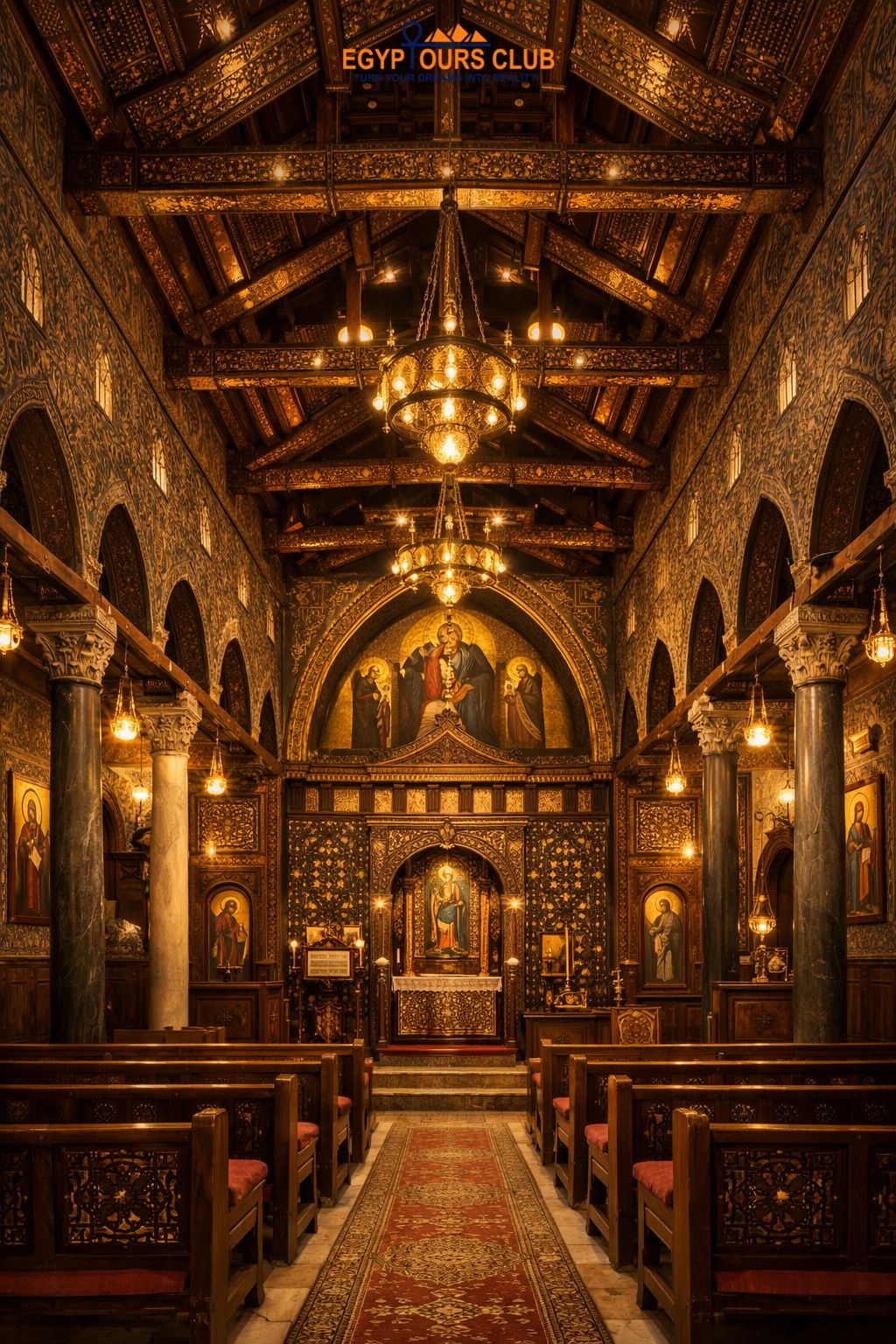 Hanging Church · Coptic Cairo
The Hanging Church is often introduced with one simple fact: it stands above Babylon Fortress. That is true, but the better visit goes deeper. The fortress setting matters because Coptic Cairo is not a random collection of churches; it grew around Roman, Christian, Jewish and later Islamic layers of the city. When you stand near the church entrance, you are not just entering a church building. You are entering one of Cairo’s most concentrated heritage zones.
Inside the church, the most meaningful details are not always the largest ones. The wooden ceiling, often compared to the shape of Noah’s Ark, helps visitors read the church as a symbolic space. The marble pulpit, columns, screens and icons are part of a visual language that guides attention toward worship, memory and sacred storytelling. A good guide explains these details without turning the visit into a lecture.
The route also matters. If you visit the Hanging Church alone and leave immediately, you miss the surrounding story. Abu Serga helps explain early Christian traditions in Egypt. Ben Ezra adds another layer of Old Cairo’s religious history. The Coptic Museum area gives context to textiles, manuscripts, carvings and icons. Together, these stops turn a short church visit into a coherent Coptic Cairo tour.
The best pace is slow but not long. Pause at the entrance, understand the fortress location, look upward at the ceiling, notice the icon arrangement, listen to how the church layout works, then step back into the wider Old Cairo area. This is where the Hanging Church becomes more than a landmark. It becomes a doorway into the Christian heritage of Cairo.
These details make the Hanging Church Cairo visit more meaningful and give your guide clear points to explain.
The name “Hanging” comes from the elevated location above Babylon Fortress. Ask your guide to show how the old structure shaped the church setting.
Look upward. The ceiling is one of the most memorable interior details and helps explain Coptic symbolism inside the church.
Icons are not decoration only. Their order, figures and placement tell stories of faith, memory and identity.
The surrounding area still carries the feeling of ancient walls, narrow passages and layered Old Cairo history.
This is an active sacred site, so the calm feeling is part of the visit. Move slowly and keep the tone respectful.
The church is stronger when paired with Abu Serga, Ben Ezra and the Coptic Museum area rather than visited alone.
Photography rules can change, especially inside active religious sites. These are practical composition ideas, not permission guarantees.
Use the approach to capture the Old Cairo atmosphere before entering the church area. Morning light is usually easier.
Frame the visit around the idea that the church is raised above old fortress remains, not simply standing at street level.
When allowed, look for balanced interior shots that show the ceiling, icons and symmetry without blocking worshippers.
Close details can be powerful, but avoid flash unless rules clearly allow it and never crowd other visitors.
The surrounding walk gives useful context: stonework, narrow paths, courtyards and the feeling of Coptic Cairo.
Do not photograph worshippers, staff or private moments without permission. Respect matters more than the shot.
Choose the route based on time, walking ability and how much Christian heritage context you want.
| Route | Duration | Main Stops | Best For | Focus | Action |
|---|---|---|---|---|---|
| Old Coptic Cairo church route Best Match | Half day | Hanging Church, Ben Ezra, Cavern Church, Babylon Fortress area | First-time visitors to Coptic Cairo | Churches, sacred stories and old lanes | View |
| Hidden monastery route Deeper Visit | Extended half day | Old Coptic Cairo plus monastery extension | Christian heritage travelers | Churches, monasteries and quieter stops | View |
| Coptic Cairo with Citadel and Museum Full Day | Full day | Coptic Cairo, Saladin Citadel, Mosque of Muhammad Ali, Egyptian Museum | Visitors with one cultural day in Cairo | Faith, history and city landmarks | View |
| Islamic and Coptic Cairo route Old City | Half or full day | Coptic Cairo, Islamic Cairo, Al Muizz, Khan El Khalili | Travelers comparing Cairo’s religious heritage | Churches, mosques and old streets | View |
Morning is usually better for a calmer Coptic Cairo walk and easier pacing before heat, traffic or museum visits.
Use 45–75 minutes for the church itself, or 2–4 hours when adding nearby Old Cairo churches and museum context.
Do not rely on old information. Confirm access, local rules and route order before your visit, especially on busy days or religious occasions.
Choose modest clothing. Comfortable shoes are important because the wider Coptic Cairo route includes walking lanes and courtyards.
A guide helps explain the fortress setting, icons, ceiling, church layout and the relationship between nearby sacred sites.
Families should keep the visit story-led and avoid an overly long route that turns sacred places into a checklist.
The best visual story connects the church with its Coptic Cairo setting, not only the building itself.
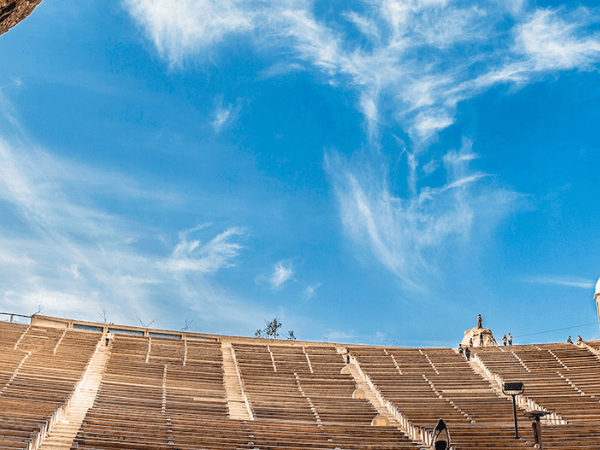
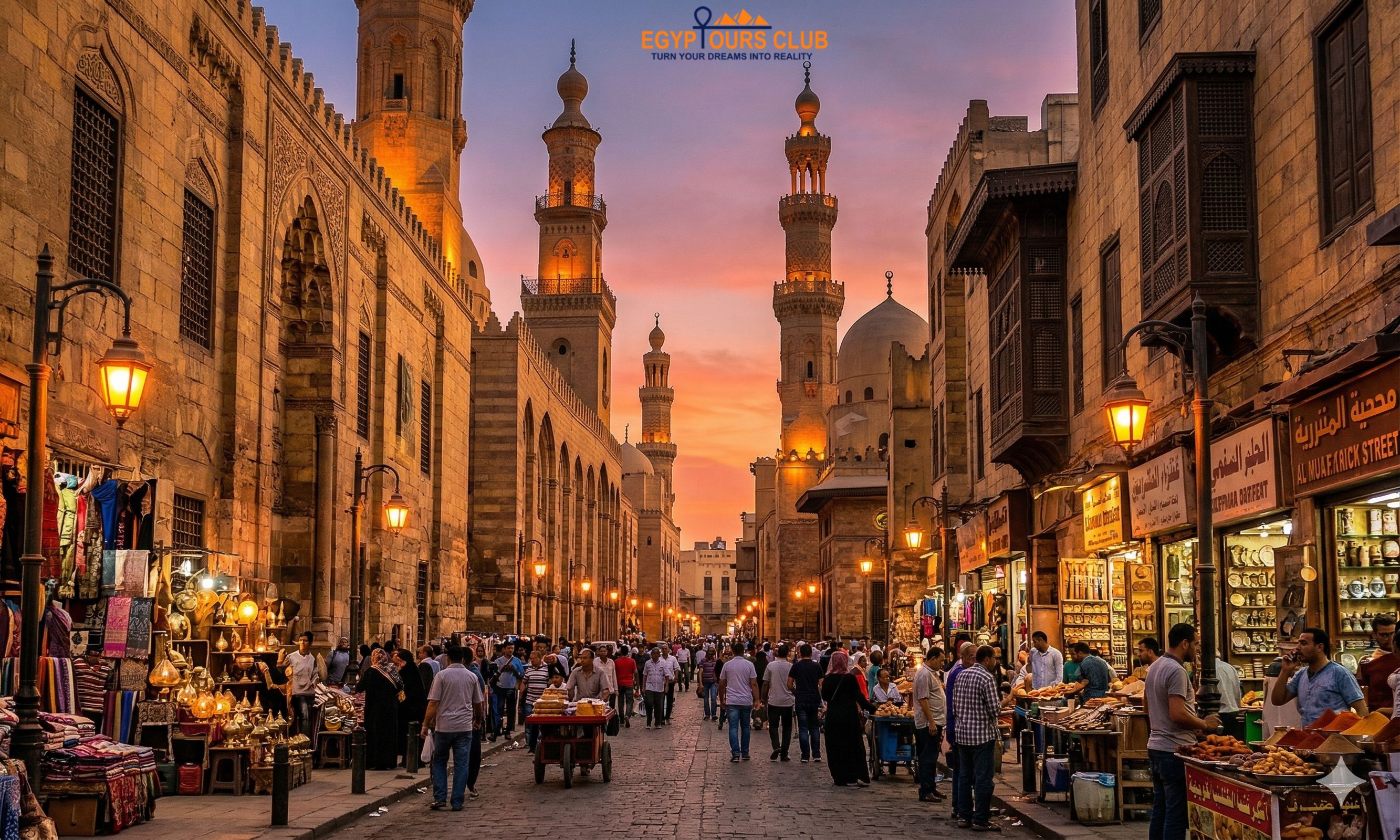
The Hanging Church is much stronger when paired with Babylon Fortress, Abu Serga, Ben Ezra and the Coptic Museum area.
Many visitors hear the name but do not understand the elevated fortress setting. Ask about the structure below the church.
Move calmly, dress modestly and be aware that this is an active sacred space, not only a sightseeing stop.
Confirm where photography is allowed, avoid flash unless permitted and ask before photographing people.
A focused Coptic Cairo route is enough for many travelers. Choose a full day only if you want the Citadel, museum or Islamic Cairo as well.
The surrounding churches, old walls and museum area are what turn the visit into a complete Coptic Cairo experience.
These links keep the page focused on the Hanging Church while helping visitors choose the next logical step in Cairo.
Best route for the Hanging Church, Ben Ezra, Cavern Church and nearby Old Cairo churches.
A deeper Christian heritage route for travelers who want more than the standard Coptic Cairo walk.
A balanced full-day Cairo heritage route with church, mosque, city and museum context.
Compare churches, mosques, historic streets and Old Cairo heritage in one wider route.
Pair Coptic Cairo with the Citadel, mosque architecture and panoramic Cairo views.
End the old-city day with bazaar lanes, cafés and Islamic Cairo atmosphere.
Connect Old Cairo churches with a medieval Islamic Cairo walking experience.
A strong nearby religious heritage pairing for travelers comparing Coptic and Islamic Cairo.
Add the classic Tahrir museum for a broader Cairo history day.
Compare full Cairo routes that include Coptic Cairo, museums, Citadel and Giza.
Useful for travelers who want a focused Coptic Cairo visit without a long day.
Plan hotel-based pickup routes from Cairo to Old Cairo, museums, the Citadel or Giza.
Choose Hanging Church only, a Coptic Cairo half day, a hidden monastery extension or a full Cairo heritage day.
Downtown Cairo, Giza, New Cairo and airport-area hotels can change the route order and best start time.
Coptic Cairo includes walking lanes and courtyards. Share mobility limits, children or senior travelers in advance.
Tell your guide if photos matter, but still follow current rules inside sacred spaces and museum areas.
Decide whether to continue to Islamic Cairo, the Citadel, the Egyptian Museum, Khan El Khalili or the Pyramids.
Yes. The Hanging Church Cairo is worth visiting if you want to understand Coptic Cairo, early Christian heritage in Egypt, Babylon Fortress, old churches and sacred architecture in one compact area.
The best Hanging Church Cairo tour is a guided Coptic Cairo route that combines the church with Babylon Fortress, Abu Serga, Ben Ezra and the Coptic Museum area, with enough time for icons, architecture and quiet observation.
Plan about 45 to 75 minutes for the church itself. A full Coptic Cairo walking route usually needs 2 to 4 hours depending on pace and nearby stops.
Yes. The Hanging Church is normally visited with Abu Serga, Ben Ezra, Babylon Fortress remains and the Coptic Museum area because they sit close together in Old Cairo.
A guide is strongly recommended for first-time visitors because the value of the church is in its fortress setting, icons, wooden ceiling, pulpit, old church layout and the wider Coptic Cairo story.
Modest clothing is recommended because the Hanging Church is an active religious site. Comfortable shoes are useful for the wider Old Cairo walking route.
Photography rules can change by area and day. Always follow site instructions, avoid flash unless clearly allowed and ask before photographing people or worshippers.
The strongest combinations are Coptic Cairo churches, the Coptic Museum area, Islamic and Coptic Cairo, the Mosque of Muhammad Ali, Khan El Khalili or a wider Cairo heritage day.
Send your hotel area, travel date, number of travelers and how much time you have. We will help you choose between a short Hanging Church visit, a Coptic Cairo walking route, or a full Cairo heritage day.