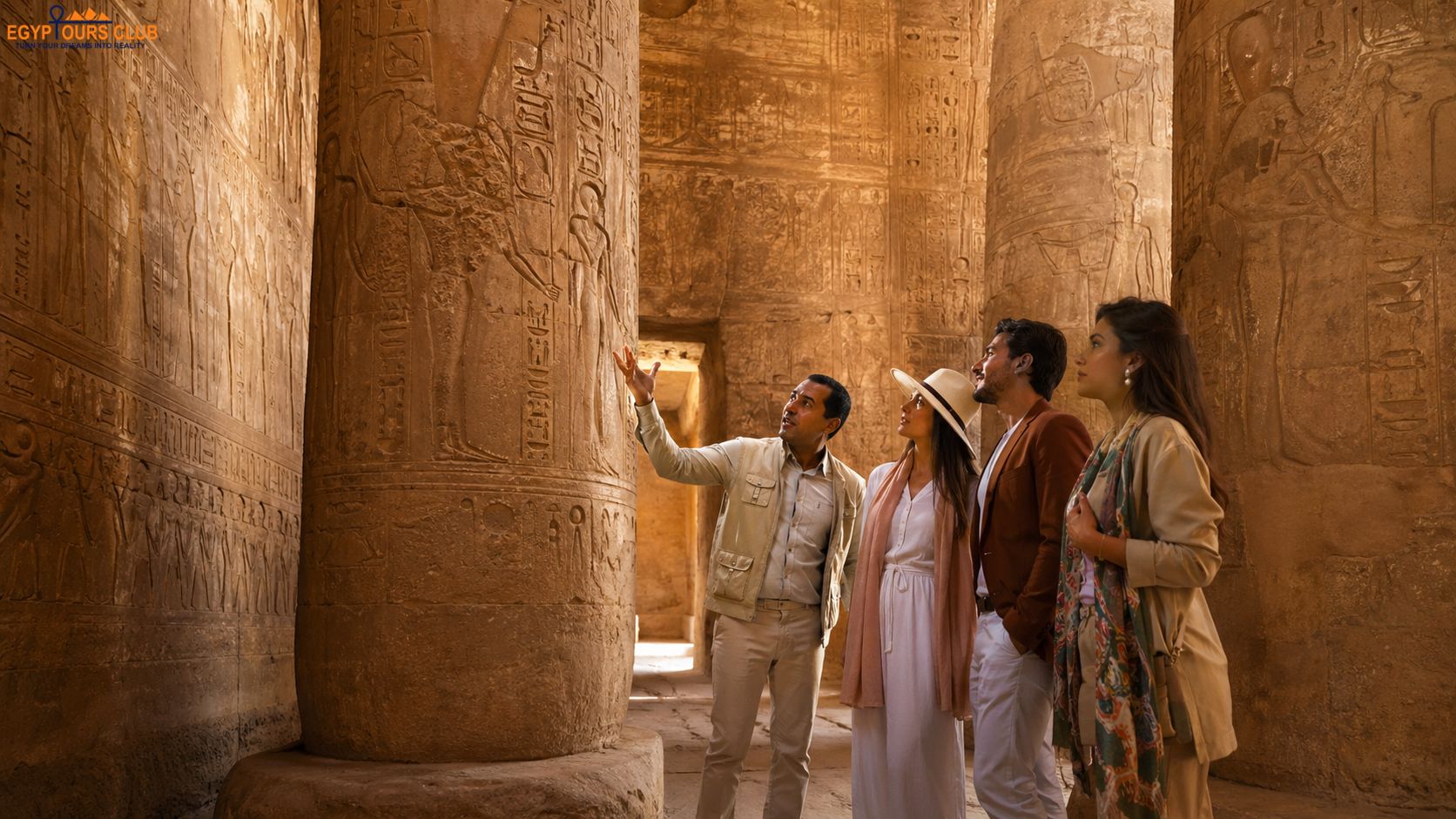


The Valley of the Kings is one of Egypt’s most unforgettable archaeological sites — but your experience depends heavily on timing, ticket choices, tomb strategy, and avoiding the classic visitor mistakes.
Valley of the Kings Tickets Explained
The most important thing to understand is that the standard Valley of the Kings ticket usually covers access to the valley and three regular open tombs of your choice. The open tomb list can rotate for conservation reasons, so the exact selection may vary by season and official site management.
Some famous tombs are not included in the standard ticket and require separate extra tickets. This is where many visitors get surprised, especially if they arrive expecting Tutankhamun, Ramses V and VI, or Seti I to be included automatically.
| Ticket type | What it usually includes | Best advice |
|---|---|---|
| Standard entry ticket | Entry to the Valley of the Kings plus three regular open tombs. | Good for first-time visitors, but plan your three tombs instead of choosing randomly. |
| Tutankhamun KV62 | Separate extra ticket for the famous tomb of Tutankhamun. | Historically iconic, but small and less visually rich than some other tombs. |
| Ramses V and VI KV9 | Separate extra ticket for one of the most vivid and rewarding tombs. | Often the best-value extra tomb if you choose only one. |
| Seti I KV17 | Separate premium ticket for one of the most spectacular tombs in the valley. | Expensive, but exceptional for serious Egyptology lovers. |
Best Ticket Strategy
If you only pay for one extra tomb, choose Ramses V and VI for the strongest balance of beauty, value, and visitor experience. Choose Seti I if budget is less important and you want a truly premium tomb experience.
Ticket prices in Egypt can change, so always check the official ticketing page or confirm with your guide before visiting. A guided Luxor day tour can also help you avoid confusion and plan the best tomb combination.
Opening Hours and Best Time to Visit
The Valley of the Kings usually opens early, with official working hours commonly starting at 6:00 AM. Last entry changes by season, with later afternoon last-entry times in summer and earlier closing patterns in winter or special periods.
The best practical advice is simple: go early. Arriving between 6:00 and 8:00 AM gives you cooler temperatures, fewer crowds, better photos, and a more relaxed tomb experience before the main tour bus wave arrives.
| Time | Experience level | Recommendation |
|---|---|---|
| 6:00–8:00 AM | Cooler, quieter, best light, fewer crowds. | Best time to visit. |
| 9:00–11:00 AM | Busier as tour groups arrive. | Still manageable, but less relaxed. |
| Midday | Very hot, especially in summer. | Avoid if possible. |
| Late afternoon | Can be quieter, but time is limited. | Only suitable if you are not visiting many tombs. |
What to Expect Inside the Valley of the Kings
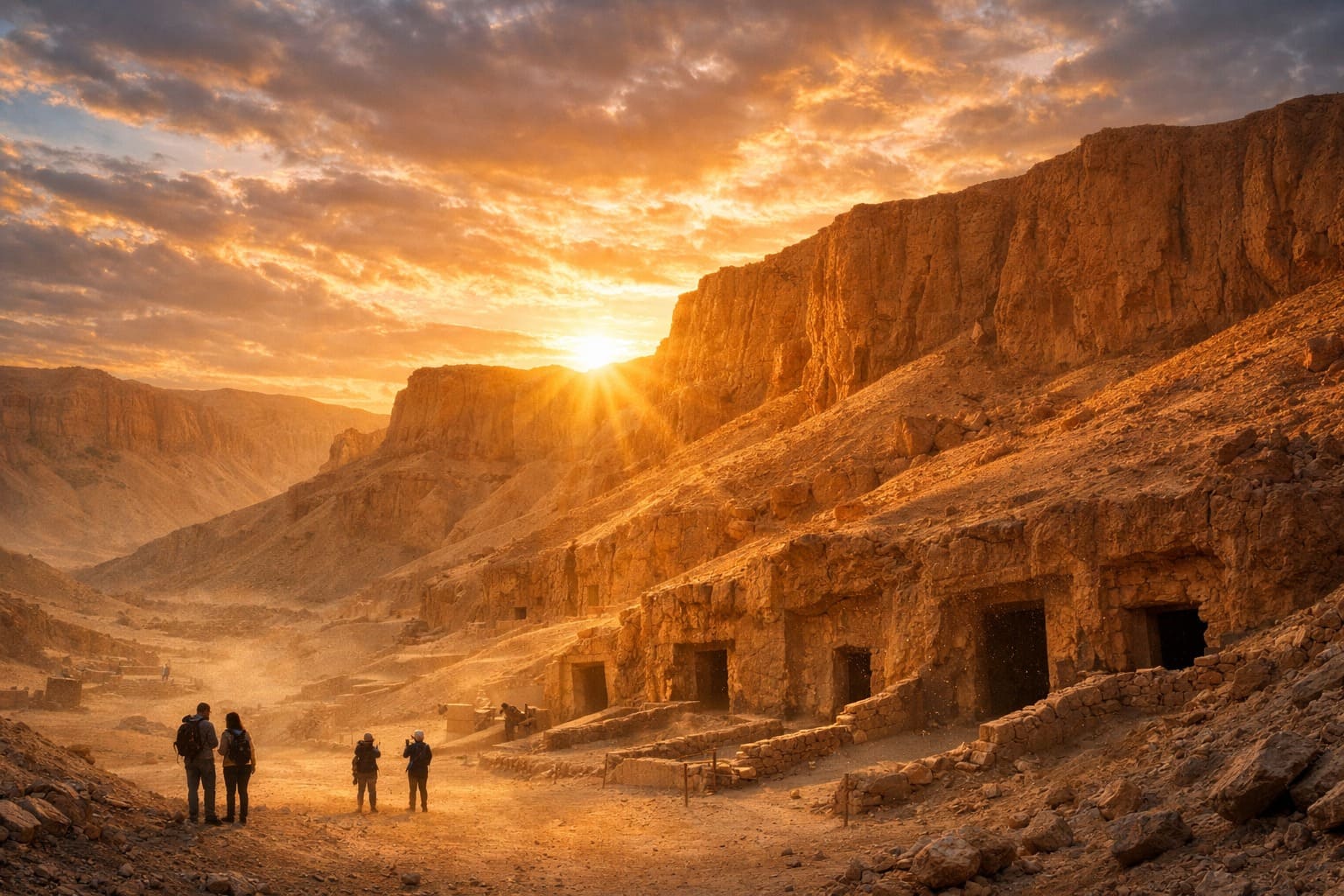
The Valley of the Kings is a desert archaeological site, not a museum-style indoor attraction. Expect bright sun, dry heat, rocky walking areas, and tomb entrances that may involve slopes or steps.
Inside the tombs, the atmosphere changes. Many interiors feel cooler but can become humid when crowded. Some tombs have long painted corridors; others are shorter but beautifully decorated. Most visitors spend around 10–20 minutes inside each tomb, depending on crowd levels and personal interest.
Heat
Summer heat can be intense, especially outside the tombs and around midday.
Walking
Expect short but exposed walks, tomb entrances, slopes, and some steps.
Decoration
Many tombs have vivid hieroglyphs, painted ceilings, and mythological scenes.
Photos
Photography rules may vary, so check signs and instructions before shooting.
Timing
A basic visit needs 2–3 hours; a relaxed visit is closer to 3–4 hours.
Navigation
A guide helps you choose tombs efficiently and understand what you are seeing.
What to Bring to the Valley of the Kings
Good preparation makes a major difference, especially in hot months. Bring only what you need, but do not arrive unprepared.
| Item | Why you need it |
|---|---|
| Water | Essential for heat and walking between tombs. |
| Hat or cap | Protects you from direct desert sun. |
| Sunglasses | Useful because the cliffs and paths can be very bright. |
| Sunscreen | Important even during short visits. |
| Comfortable shoes | Needed for tomb entrances, uneven paths, and standing. |
| Small cash | Useful for small costs, tips, or quick extras depending on the visit. |
Smart Tomb Strategy: Do Not Choose Randomly
Your standard ticket usually gives access to three regular tombs, so choose with a strategy. Do not simply follow the nearest crowd or pick tombs at random.
A strong beginner strategy is to mix one visually famous tomb with two quieter tombs. Then, if your budget allows, add one premium extra tomb such as Ramses V and VI.
Best value extra tomb
Ramses V and VI is widely loved for its vivid decoration and strong overall experience.
Most famous name
Tutankhamun is historically iconic, but the tomb is small compared with more decorated royal tombs.
Premium masterpiece
Seti I is one of the most spectacular tombs, but the separate ticket is usually expensive.
Relaxed experience
Choose one or two less crowded regular tombs to enjoy painted corridors without rushing.
Ideal Visit Length
Allow 2–3 hours minimum for a basic visit, and 3–4 hours if you want a better-paced experience with one extra tomb and time for photos.
What to Combine With the Valley of the Kings
The Valley of the Kings is usually best visited as part of a Luxor West Bank route. This gives the day more structure and helps you understand royal tombs, temples, and monumental landscapes together.
Temple of Hatshepsut
A dramatic terraced temple at Deir el-Bahari and one of the strongest nearby sites to combine with the valley.
Read Hatshepsut Temple Guide →Colossi of Memnon
A quick but iconic West Bank stop, ideal for photos and context before or after tomb visits.
Read Colossi of Memnon Guide →Valley of the Queens
A strong optional add-on, especially for travelers interested in Queen Nefertari and royal women.
Read Valley of the Queens Guide →Luxor East Bank
Add Karnak or Luxor Temple if you want a fuller day connecting tombs, temples, and royal ideology.
Explore Luxor Day Tours →Common Mistakes to Avoid
Most disappointing Valley of the Kings visits come from poor timing or poor planning, not from the site itself. Avoid these mistakes:
| Mistake | Why it hurts the visit | Better choice |
|---|---|---|
| Arriving late | More heat, more crowds, less energy. | Arrive as early as possible. |
| Ignoring extra tomb costs | You may miss the tomb you most wanted to see. | Budget for at least one extra tomb if possible. |
| Choosing tombs randomly | You may waste your three-tomb ticket on less suitable choices. | Plan a tomb mix before entering. |
| Forgetting water | Heat and walking become much harder. | Bring water and sun protection. |
| Rushing the valley | You leave with photos but little understanding. | Allow 3–4 hours for a richer visit. |
Quick Summary for First-Time Visitors
| Question | Best answer |
|---|---|
| What does the standard ticket include? | Usually three regular open tombs of your choice. |
| Best extra tomb? | Ramses V and VI for value; Seti I for a premium experience. |
| Best time to go? | Early morning, ideally 6:00–8:00 AM. |
| How long do you need? | 2–3 hours minimum; 3–4 hours is better. |
| Biggest tip? | Go early, plan tombs, bring water, and do not rush. |
Explore More on Egypt Tours Club
Continue planning your Luxor and West Bank experience through these related guides and tours.