


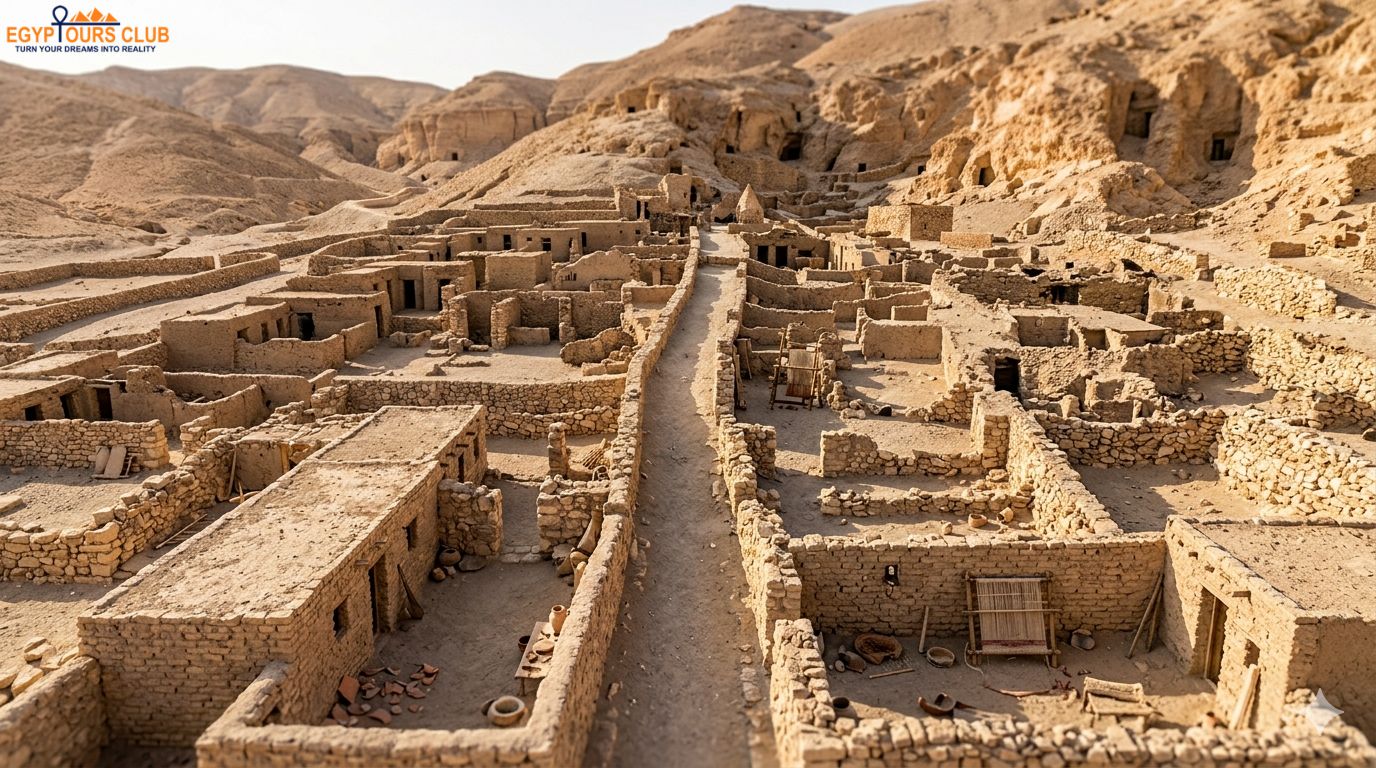
Workers’ Village Luxor
The remains of houses and lanes help visitors imagine the daily world of artisans, scribes, painters and their families.
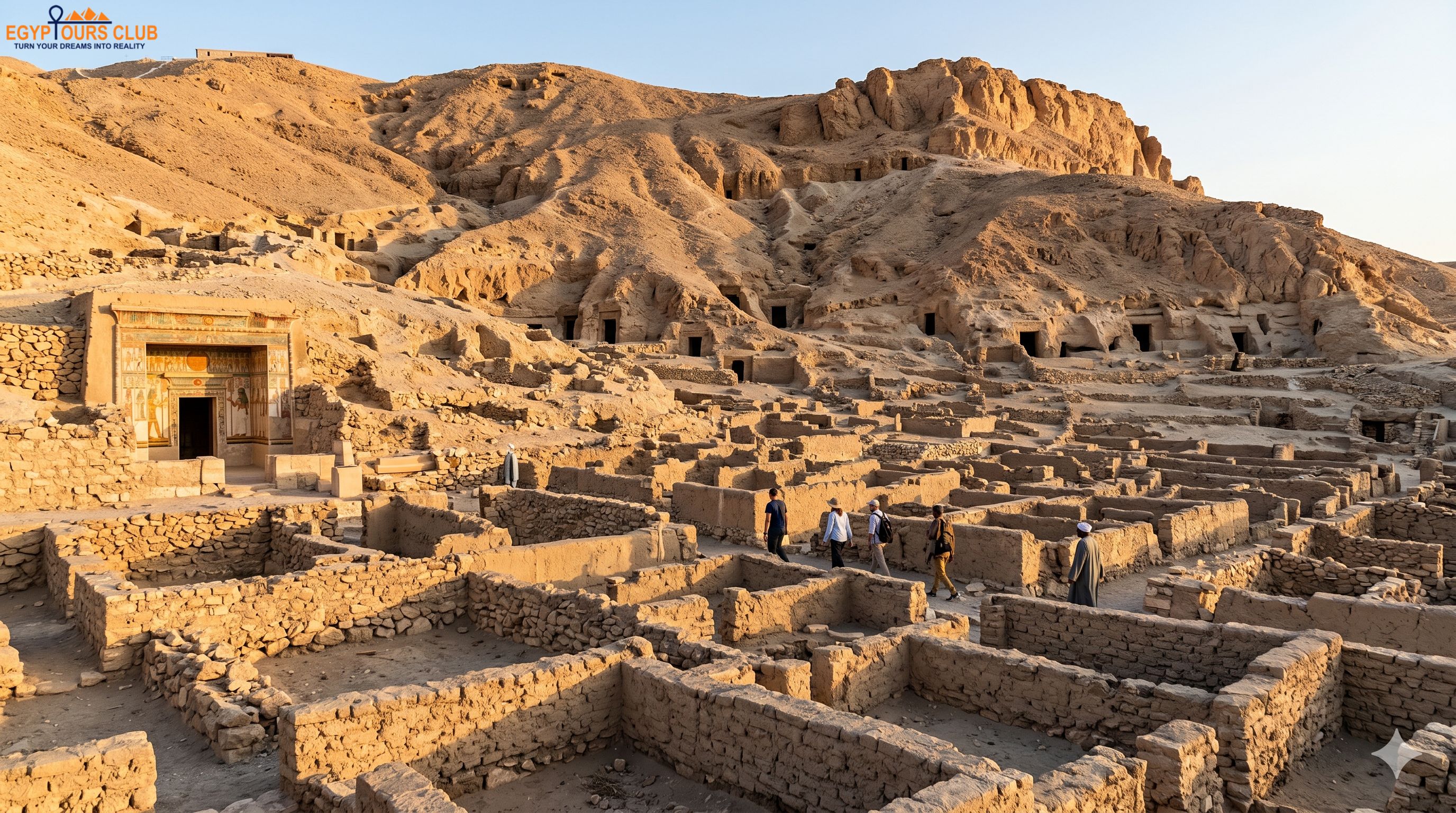
Step inside the village of the royal tomb builders — the artisans, painters and scribes behind the Valley of the Kings.
Deir el-Medina Luxor Egypt is one of the most human places on the West Bank. Instead of only showing kings and giant temples, it reveals the homes, tombs, beliefs and working life of the skilled community that created Egypt’s royal burial masterpieces.
Start here: choose the route based on whether you want a focused workers’ village visit, a full Luxor West Bank day, a family-friendly Luxor route, or a wider Egypt travel package.
| Tour / Route | Duration | Main Stops | Best For | Route Focus | Action |
|---|---|---|---|---|---|
| Luxor West Bank Route with Deir el-Medina Best Overall | Full Day | Valley of the Kings, Deir el-Medina, Medinet Habu, Hatshepsut Temple, Colossi of Memnon | First-time Luxor visitors | Luxor Day Tours with tombs, temples and village context | View |
| Valley of the Kings and Deir el-Medina Route Complete Tomb Story | Half / Full Day | Valley of the Kings, workers’ village, selected West Bank tombs | Travelers who want to understand the people behind the royal tombs | Valley of the Kings Tours plus workers’ village context | View |
| Valley of the Queens and Deir el-Medina Route Best for Tomb Art | Half / Full Day | Valley of the Queens, Deir el-Medina, painted artisan tombs | Art lovers and travelers focused on tomb paintings | Valley of the Queens Tour and Deir el-Medina tomb paintings | View |
| Egypt Classic Tour Packages with Luxor First Egypt Trip | Multi-Day | Cairo, Luxor, Aswan, Nile highlights and West Bank options | First-time Egypt travelers who want the main historical route | Egypt Classic Tour Packages with Luxor West Bank add-ons | View |
| Egypt Family Travel Packages with Luxor Family Pacing | Flexible | Luxor highlights, slower West Bank timing, family-friendly storytelling | Families who want ancient life explained through a real village | Egypt Family Travel Packages with relatable Luxor history | View |
| Tailor-made Luxor and Nile Route Flexible Route | Custom | Deir el-Medina, Valley of the Kings, Medinet Habu, Nile cruise route | History lovers, photographers and repeat visitors | Tailor-made Egypt Tours with Luxor West Bank depth | View |
Deir el-Medina is the ancient workers’ village on Luxor’s West Bank where the artisans, painters, scribes and craftsmen who built the royal tombs lived during the New Kingdom. It is one of Egypt’s best places to understand daily life, tomb art, work organization and the real people behind the Valley of the Kings.
Use Egypt Tours Club travel experts to connect Deir el-Medina with Valley of the Kings, Valley of the Queens, Medinet Habu, Hatshepsut Temple and wider Egypt tour packages.
Deir el-Medina works best when it is not isolated. Place it inside a Luxor West Bank route that explains royal tombs, village life and artisan tomb art together.
Best for travelers who want Valley of the Kings, Deir el-Medina, Medinet Habu, Hatshepsut Temple and the Colossi of Memnon in one guided route.
View Luxor Day Tours →Best for understanding the royal tomb builders, their village, their work and the tombs they helped create.
View Valley of the Kings Tours →Best for travelers who care about color, symbolism, painted chambers and the difference between royal and artisan tombs.
View Valley of the Queens Tour →Most Luxor journeys begin with temples and royal tombs. Deir el-Medina adds a different and deeper layer: it takes you into the settlement of the people who built, decorated and maintained the tombs of the Theban necropolis.
This was not a random desert village. It was a planned community connected to royal burial work, with houses, chapels, tombs, written records and a powerful local identity. The village’s ancient name, Set Maat, gives the site a sacred meaning linked to truth, order and the work of preparing royal eternity.
For travelers exploring Deir el-Medina Luxor Egypt, workers’ village Luxor, ancient Egyptian tomb builders and Deir el-Medina tomb paintings, the site offers something rare: a close view of skilled families, not only kings. It also connects naturally with Valley of the Kings Tours, Medinet Habu Temple Tours and wider Luxor attractions.
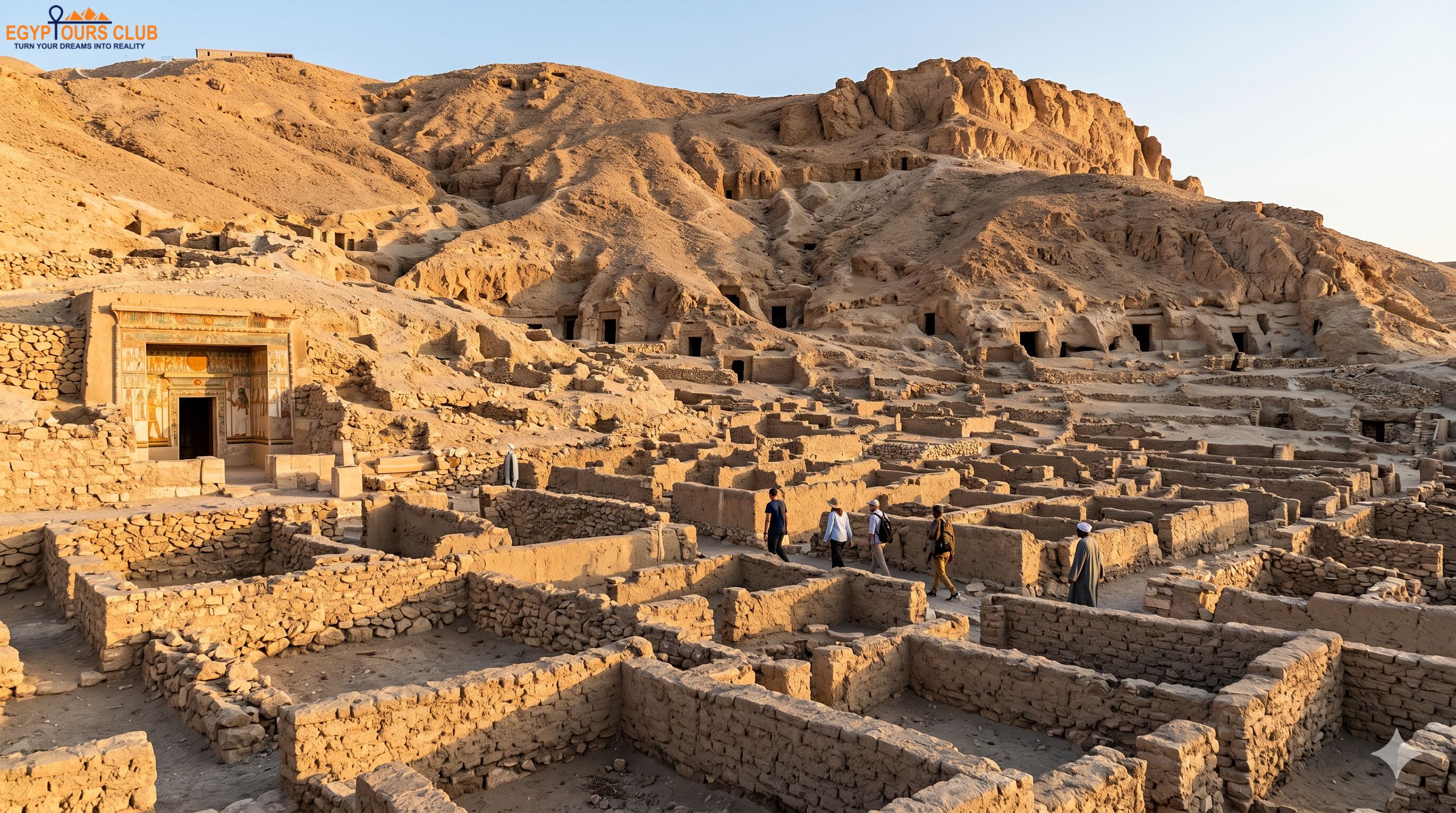 Deir el-Medina · Luxor West Bank
The site is powerful because it moves from open village lanes to intimate painted tombs, showing both everyday life and eternal belief.
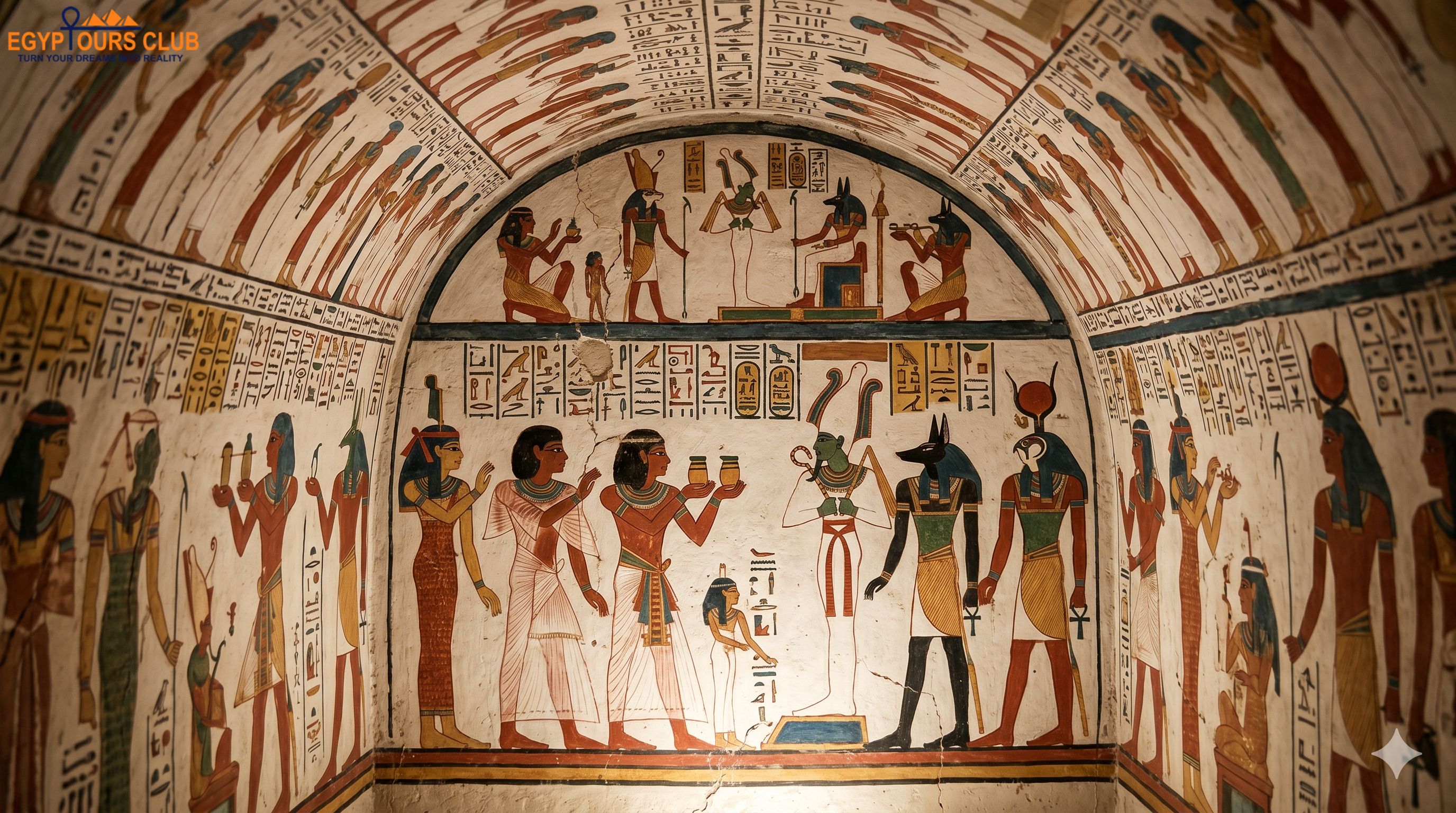
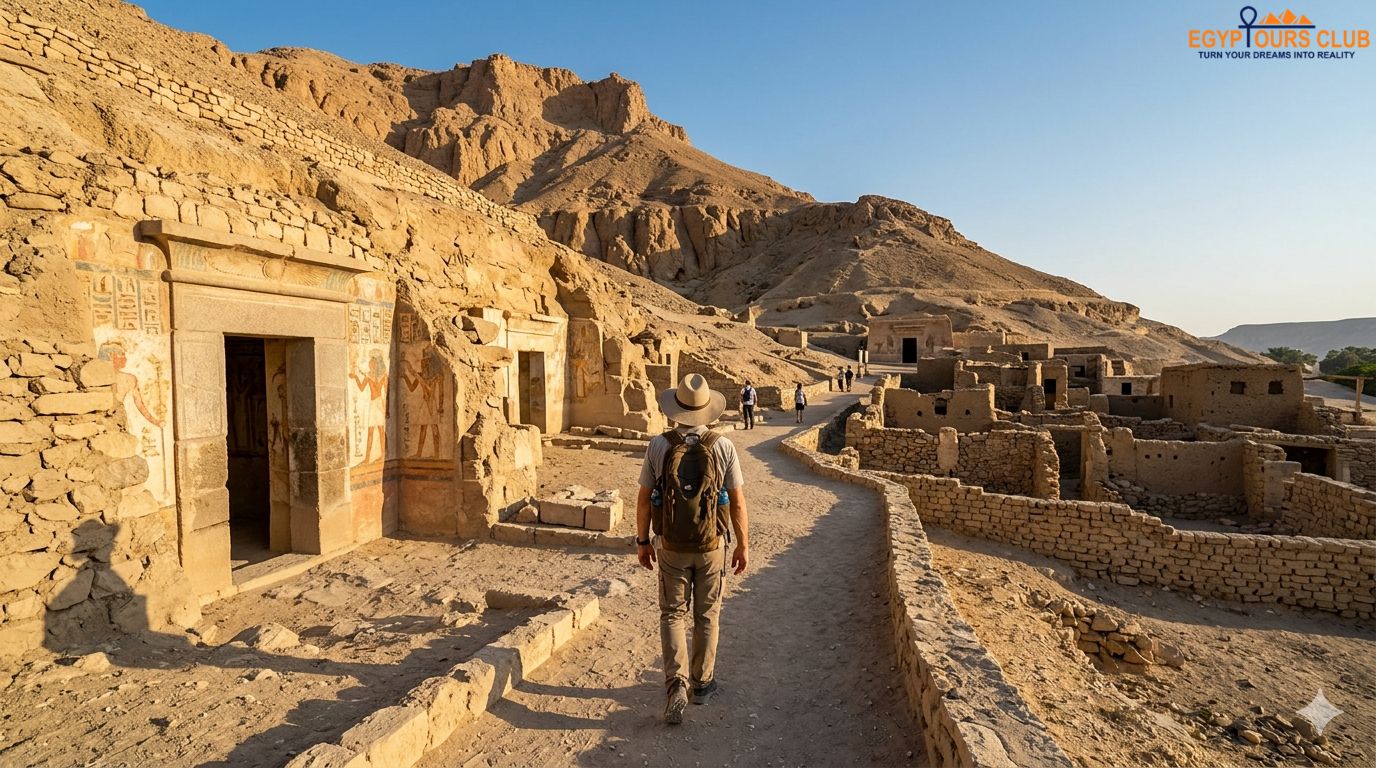
Deir el-Medina is not only a ruin. It is a rare historical record of work, faith, family life, art, social structure and the hidden labor behind royal monuments.
The remains of houses and lanes help visitors imagine the daily world of artisans, scribes, painters and their families.
The artisan tombs are famous for color, intimacy and artistic detail that differs from the scale of royal tombs.
The ancient name reflects the official and sacred identity of the community attached to royal tomb creation.
The best visit gives the village enough context before you move to the famous valleys and temples around it.
Small planning choices can change how much you get from the site. Use these tips to turn the visit from a quick stop into a meaningful Luxor experience.
Deir el-Medina works beautifully with Luxor’s royal valleys, West Bank temples, East Bank monuments and Nile cruise routes. These options help you continue the route naturally.
Deir el-Medina is an ancient workers’ village on Luxor’s West Bank where the craftsmen who built and decorated royal tombs lived during the New Kingdom.
It is important because it preserves evidence of ancient Egyptian daily life, skilled labor, family structure, religion, artisan tombs and painted wall decoration.
Set Maat is commonly translated as Place of Truth and is connected with the official identity of the royal tomb workers’ community.
Skilled artisans, painters, scribes, stone workers, foremen and their families lived in the village.
Yes. It is one of the best sites to combine with Valley of the Kings because it tells the story of the workers behind the royal tombs.
Most visitors need around 45–75 minutes, depending on how much time they spend in the village ruins and decorated tombs.
Visit Deir el-Medina with a guided Luxor route and connect the workers’ village to the Valley of the Kings, painted artisan tombs, New Kingdom history and the wider Theban necropolis.