

Deir el-Medina Tours | Workers’ Village, Tombs & Luxor West Bank
Luxor West Bank · Workers’ Village · Artisan Tombs
Deir el-Medina Tours Workers’ Village, Tombs & Luxor West Bank
Step inside the village of the royal tomb builders — the artisans, painters and scribes behind the Valley of the Kings.
Deir el-Medina Tours reveal one of the most human stories in Luxor. Instead of focusing only on kings and giant temples, this West Bank site shows the homes, tombs, beliefs and working life of the skilled community that created Egypt’s royal burial masterpieces.
Compare Deir el-Medina Tours and Luxor West Bank Routes
Choose the route based on whether you want a focused workers’ village visit, a complete West Bank day, a tomb-art route, or a longer Egypt journey with Luxor included.
Deir el-Medina is the ancient workers’ village on Luxor’s West Bank where the artisans, painters, scribes and craftsmen who built the royal tombs lived during the New Kingdom. It is one of Egypt’s best places to understand daily life, tomb art, work organization and the real people behind the Valley of the Kings.
Want the complete Luxor West Bank story?
Connect Deir el-Medina with the Valley of the Kings, Valley of the Queens, Medinet Habu and Hatshepsut Temple so the village becomes part of a complete historical route, not a rushed stop.
Deir el-Medina works best when it is not isolated. Place it inside a Luxor West Bank route that explains royal tombs, village life and artisan tomb art together.
Most Luxor journeys begin with temples and royal tombs. Deir el-Medina adds a deeper layer: it takes you into the settlement of the people who built, decorated and maintained the tombs of the Theban necropolis.
This was not a random desert village. It was a planned community connected to royal burial work, with houses, chapels, tombs, written records and a powerful local identity. The village’s ancient name, Set Maat, gives the site a sacred meaning linked to truth, order and the work of preparing royal eternity.
For travelers exploring Deir el-Medina Luxor, workers’ village Luxor, ancient Egyptian tomb builders and Deir el-Medina tomb paintings, the site gives travelers something rare: a close view of skilled families, not only kings. It also connects naturally with Valley of the Kings Tours, Medinet Habu Temple Tours and the Luxor Egypt Attractions Guide.
Deir el-Medina · Luxor West Bank
Expert Guide Insight
Why This Small Village Changes the Way You See Luxor
Deir el-Medina is powerful because it turns ancient Egypt from royal names into real people. The same West Bank that holds royal tombs also held a community of craftsmen, painters, scribes, wives, children, priests and officials who lived with a very direct connection to sacred work.
What most visitors miss
The village layout shows an organized community, not a casual settlement.
The artisan tombs are smaller than royal tombs but often feel more intimate.
Scenes inside the tombs reflect personal belief, family memory and hopes for the afterlife.
The site helps explain how the Valley of the Kings was made, not only where kings were buried.
Why a guide matters here
Many details are easy to pass without context.
The story depends on linking houses, tombs, written records and nearby royal valleys.
A guide can help you understand Set Maat, work teams, tomb painting and daily life.
The site is especially strong for families because it makes ancient Egypt feel human.
Deir el-Medina in Pictures
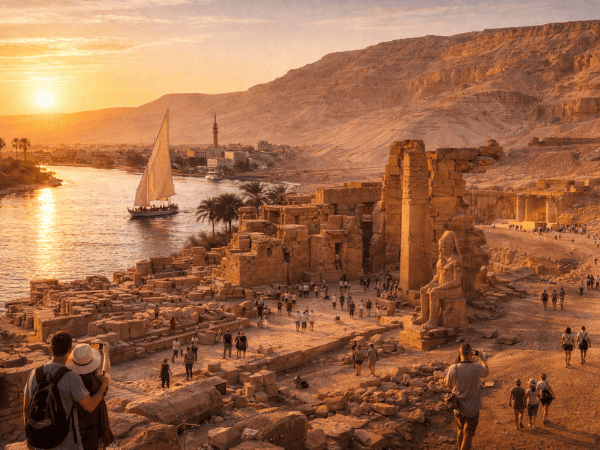
Village Ruins, Tomb Entrances and Painted Chambers
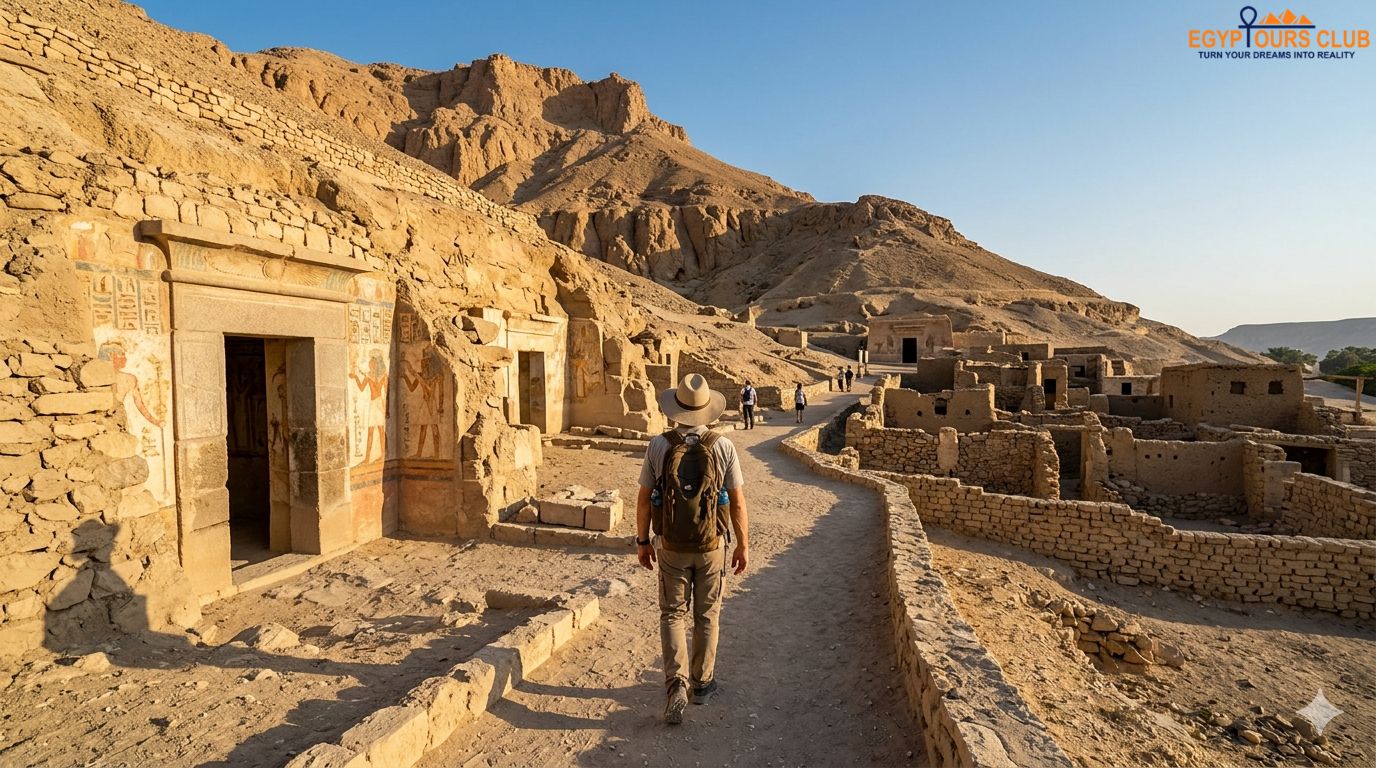
The site moves from open village lanes to intimate decorated tombs, showing both everyday life and eternal belief.
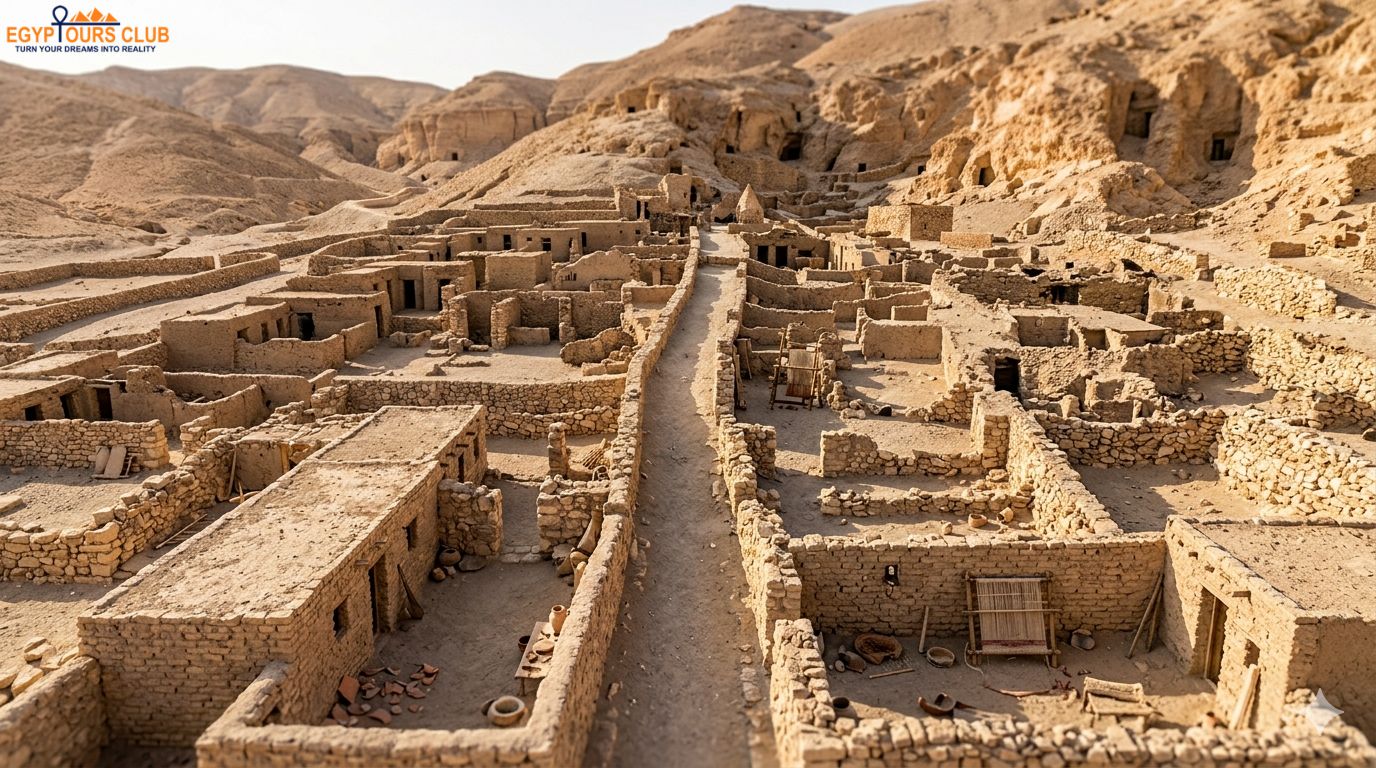
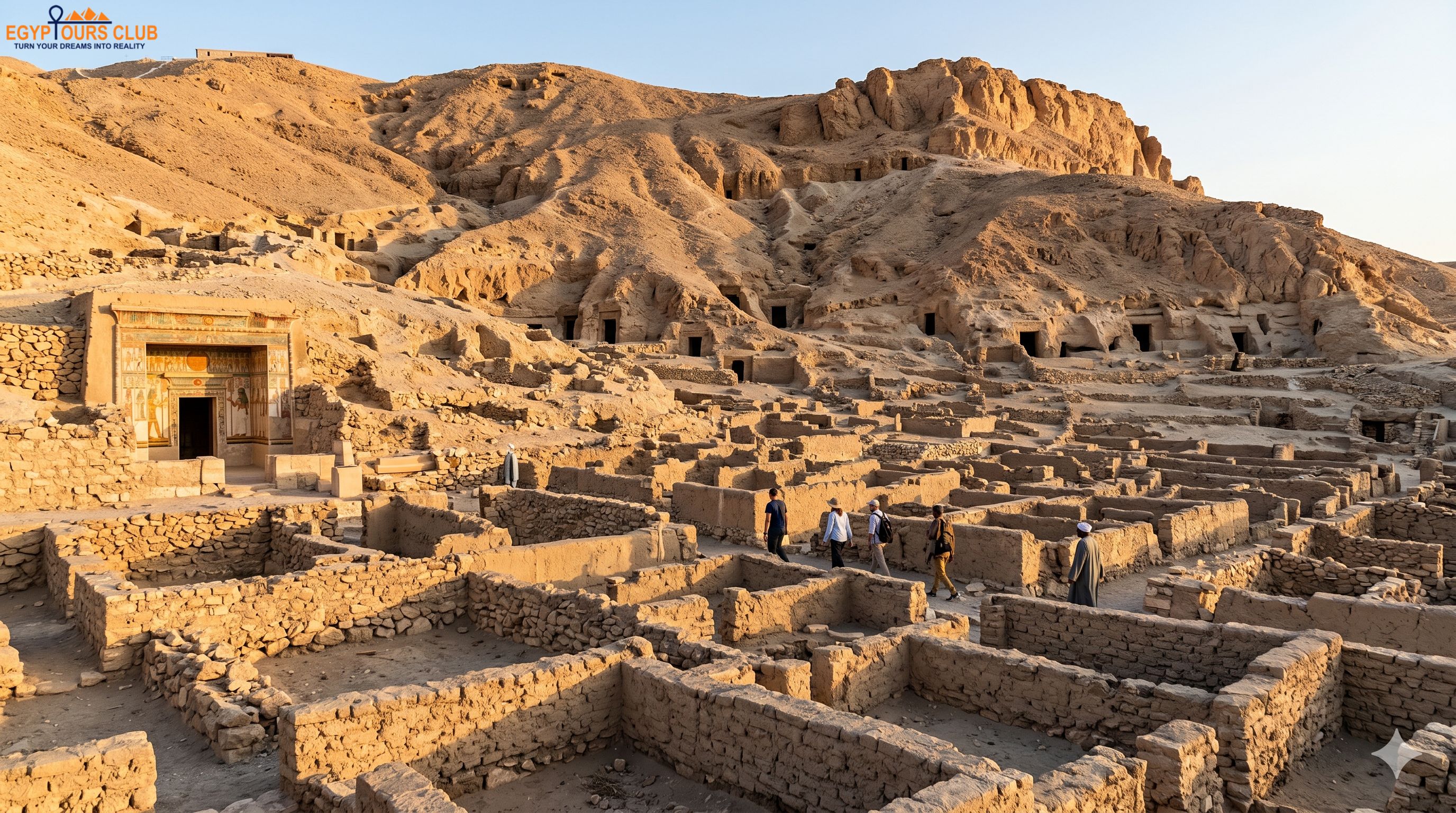
Workers’ Village LayoutStone houses and narrow lanes show how the royal tomb workers lived as an organized community.
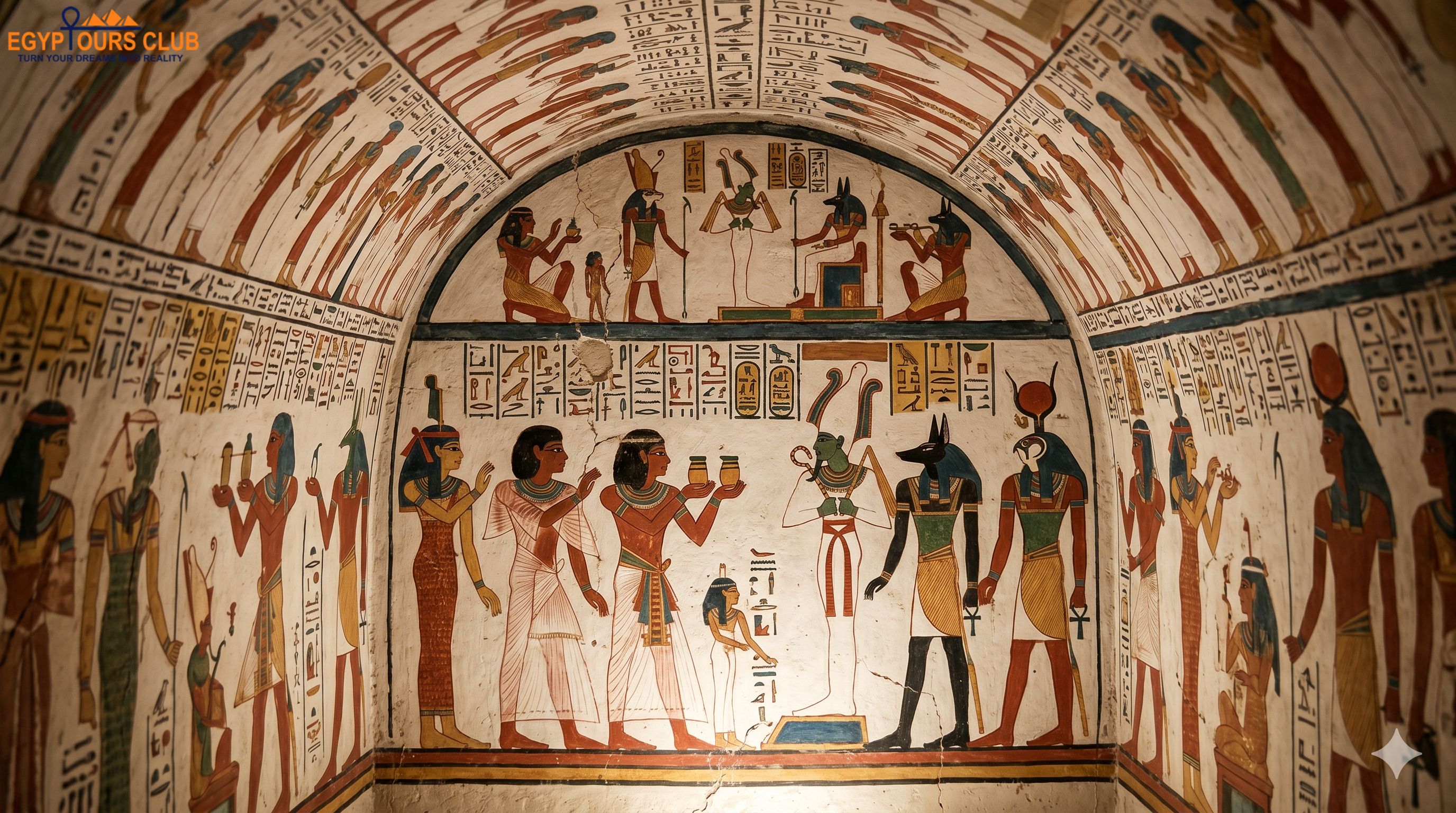
Artisan Tomb PaintingsBright funerary scenes reveal the spiritual imagination of the craftsmen themselves.Human-Scale West Bank StopThe village feels quieter and more personal than many larger Luxor monuments.
What to See
Best Things to Notice at Deir el-Medina
This site is not only a ruin. It is a rare historical record of work, faith, family life, art, social structure and the hidden labor behind royal monuments.
Workers’ Village Layout
The remains of houses and lanes help visitors imagine the daily world of artisans, scribes, painters and their families.
Village ruinsDaily life
Decorated Artisan Tombs
The artisan tombs are famous for color, intimacy and artistic detail that differs from the scale of royal tombs.
Wall artAfterlife scenes
Set Maat: Place of Truth
The ancient name reflects the official and sacred identity of the community attached to royal tomb creation.
Ancient nameRoyal work
West Bank Setting
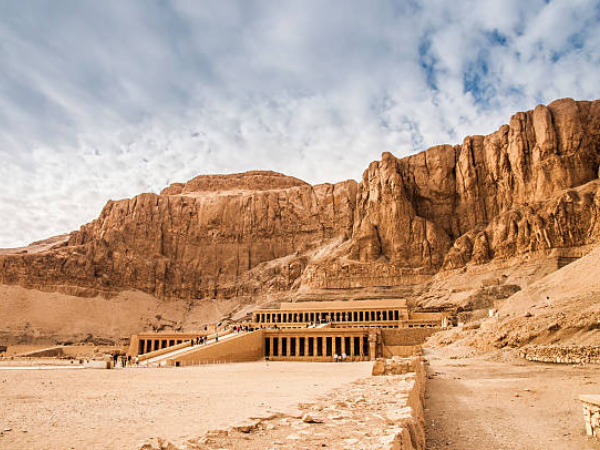
The desert location helps connect the village to nearby royal valleys, temples and the wider Theban necropolis.
LandscapeRoute context
Small Details in the Art
Look for offering scenes, protective gods, family references and color details that show personal belief.
Hidden detailsArt focus
Village-to-Tomb Walk
The short movement from houses to burial spaces makes the site easy to understand as a complete life-and-afterlife story.
Walking routeStory flow
Visit Planner
How to Plan Deir el-Medina Without Rushing
The best visit gives the village enough context before you move to the famous valleys and temples around it.
Best visit lengthAllow 45–75 minutes for the village lanes, tomb entrances and guide explanation.
Best time of dayMorning or late afternoon is more comfortable, especially when combined with other West Bank stops.
Walking levelLight to moderate walking, with uneven ground around the village ruins and tomb areas.
Best pairingPair with Valley of the Kings, Valley of the Queens or Medinet Habu depending on your main interest.
Route Style
Best Flow
Who Should Choose It?
First-time West Bank
Valley of the Kings → Hatshepsut Temple → Deir el-Medina → Colossi of Memnon
Travelers who want Luxor’s main story in one day.
Art and tombs
Valley of the Queens → Deir el-Medina → Valley of the Nobles
Travelers focused on painted chambers and smaller tombs.
Quieter West Bank
Deir el-Medina → Medinet Habu → Colossi of Memnon
Visitors who want depth with fewer rushed stops.
Photo and Entry Notes
Best Photo Spots and Practical Notes
Deir el-Medina has two kinds of photos: open-air village views and sensitive tomb interiors. Rules can change, so confirm on arrival.
Best photo spots
Wide view over the village ruins and surrounding desert.
The narrow lanes between stone house remains.
Tomb entrance areas, where permitted.
Landscape shots that show the village within the West Bank hills.
Important notes
Interior photography may be restricted or require permission.
Flash is usually not suitable inside decorated tombs.
Respect closed areas, barriers and site staff instructions.
Wear comfortable shoes because the ground can be uneven.
Visitor Mistakes
Mistakes to Avoid at Deir el-Medina
Small planning choices can change how much you get from the site. Use these notes to turn the visit from a quick stop into a meaningful Luxor experience.
Do not visit it without Valley of the Kings contextThe site becomes much stronger when you understand that this community was connected to the royal tombs nearby. Pair it with Valley of the Kings Tours.
Do not treat the village as only ruinsAsk for the story of families, work teams, scribes, religious life and the decorated artisan tombs. That is where Deir el-Medina becomes memorable.
Do not overload the West Bank dayIf you want Deir el-Medina, Valley of the Kings, Hatshepsut Temple and Medinet Habu together, use a focused Luxor Day Tours route with sensible timing.
Deir el-Medina works beautifully with Luxor’s royal valleys, West Bank temples, East Bank monuments and Nile cruise routes. These options help you continue the route naturally.
Deir el-Medina is an ancient workers’ village on Luxor’s West Bank where the craftsmen who built and decorated royal tombs lived during the New Kingdom.
What is the best Deir el-Medina tour?
The best option is a guided Luxor West Bank route that connects Deir el-Medina with Valley of the Kings, Valley of the Queens, Medinet Habu or Hatshepsut Temple.
Why is Deir el-Medina important?
It preserves evidence of ancient Egyptian daily life, skilled labor, family structure, religion, artisan tombs and painted wall decoration.
What does Set Maat mean?
Set Maat is commonly translated as Place of Truth and is connected with the official identity of the royal tomb workers’ community.
Can Deir el-Medina be visited with Valley of the Kings?
Yes. It is one of the best sites to combine with Valley of the Kings because it tells the story of the workers behind the royal tombs.
How long do you need at Deir el-Medina?
Most visitors need around 45–75 minutes, depending on how much time they spend in the village ruins and decorated tombs.
Egypt Tours Club · Luxor West Bank Routes
See the Human Story Behind Luxor’s Royal Tombs
Visit Deir el-Medina with a guided Luxor route and connect the workers’ village to the Valley of the Kings, painted artisan tombs, New Kingdom history and the wider Theban necropolis.