

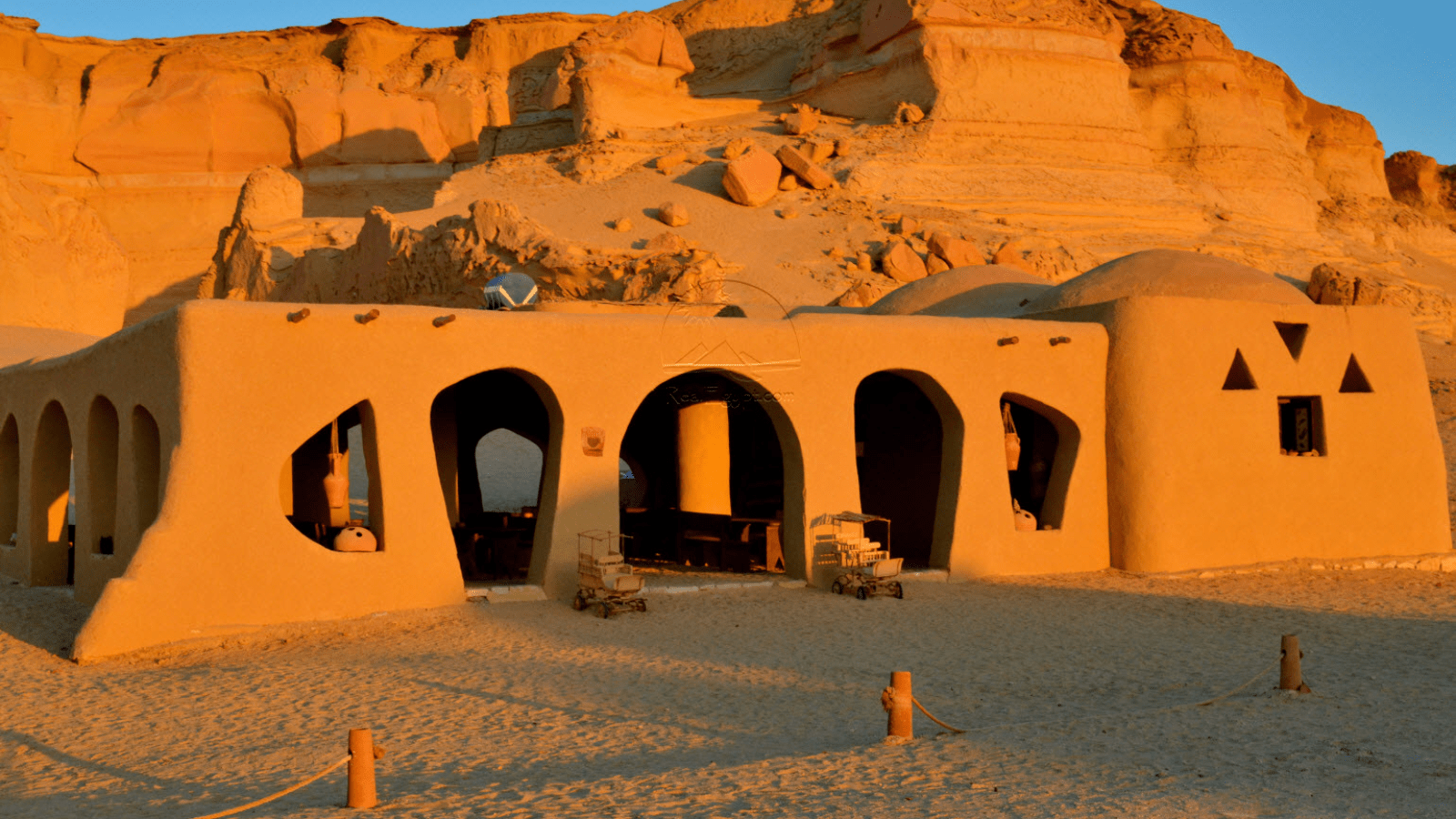
Kom Oshim y Karanis Egipto: Guía de Fayoum | Egypt Tours Club
Kom Oshim y Karanis Egipto . banner

Kom Oshim y Karanis Egipto

Egypt Tours Club

Planificación del patrimonio de Fayoum por un equipo local de viajes autorizado en Egipto

Kom Oshim · Antigua Karanis · Fayoum grecorromano

Kom Oshim (Karanis), Egipto: guía completa de la antigua ciudad grecorromana de Fayoum

Explora la antigua Karanis en Kom Oshim, la puerta nororiental de Fayoum. Fundado en época ptolemaica, este importante asentamiento agrícola conserva casas de adobe, templos dedicados a divinidades cocodrilo, baños romanos y hallazgos arqueológicos que revelan la vida cotidiana en el Egipto grecorromano.

Respuesta rápida para el viajero

¿Qué es Kom Oshim y por qué es importante Karanis?

Kom Oshim is the modern mound containing the ruins of ancient Karanis, one of Fayoum’s major Greco-Roman agricultural settlements. The source article dates its foundation to the 3rd century BCE under Ptolemy II Philadelphus as part of agricultural development around ancient Lake Moeris, now Lake Qarun.

Karanis prosperó posteriormente bajo dominio romano, con viviendas de varios pisos, graneros, prensas de aceite, baños públicos y santuarios religiosos. El ambiente seco del desierto conservó papiros, tejidos, madera, cuero y vidrio, ofreciendo a los arqueólogos testimonios excepcionalmente detallados sobre la vida cotidiana provincial.

Descubre la guía de viaje de Fayoum
La vida cotidiana en el Egipto grecorromano

Principales lugares que ver en Kom Oshim y la antigua Karanis

Recorre una antigua ciudad agrícola, descubre sus templos y su infraestructura romana, y visita después el museo y los lugares cercanos de Fayoum para situar Karanis dentro de un contexto histórico más amplio.

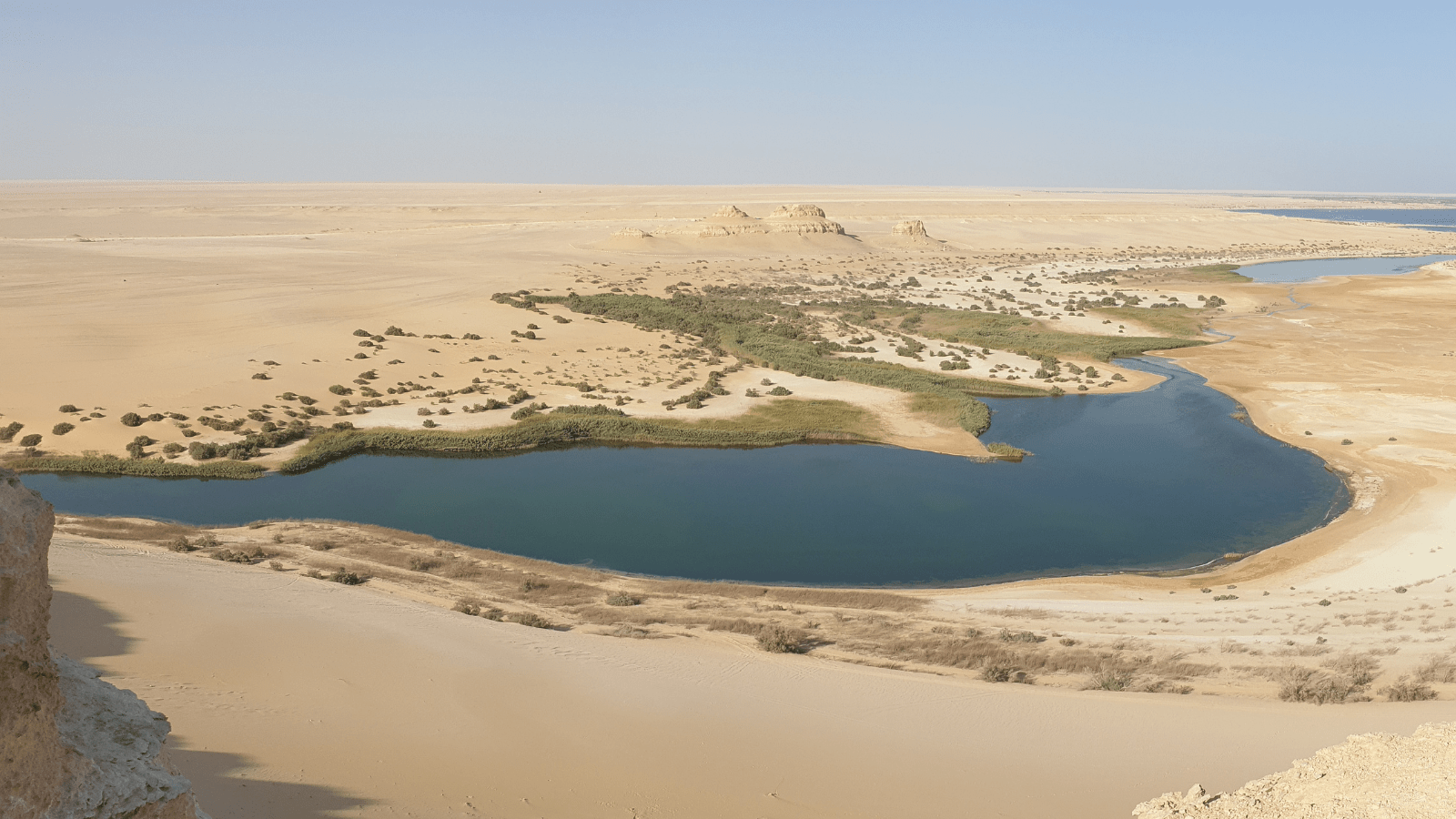
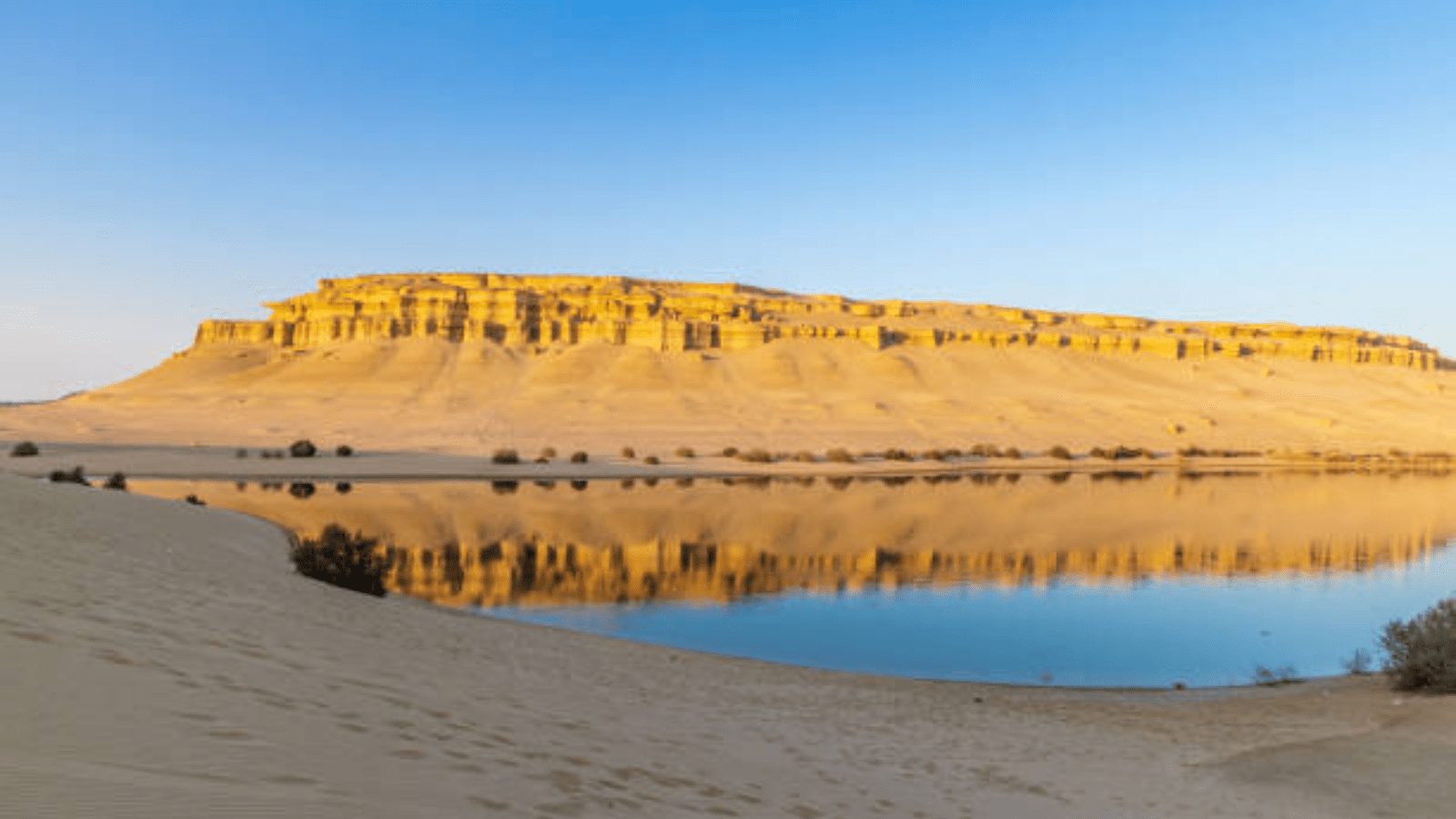
Fayoum desert and oasis landscape representing the setting of Kom Oshim and ancient KaranisCiudad antigua

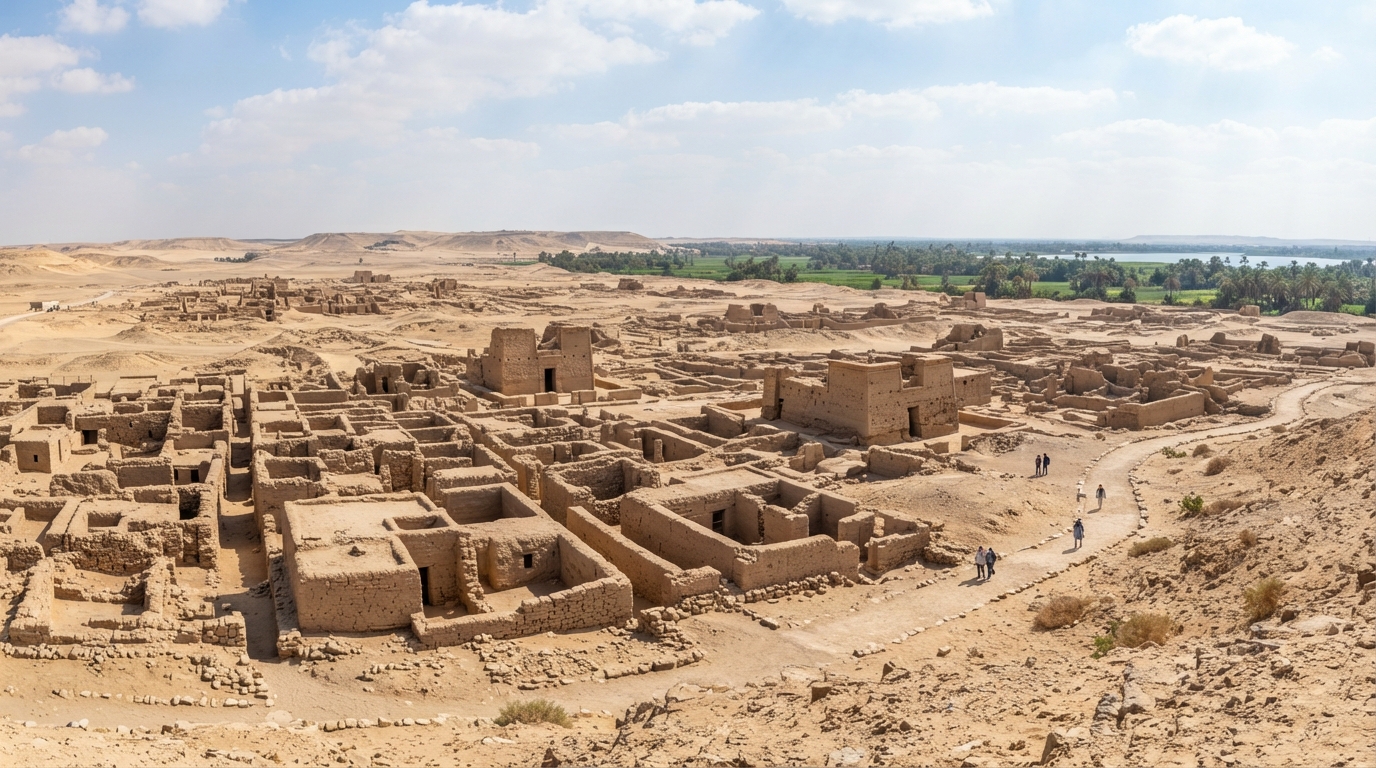
Ciudad de adobe de Karanis

Ptolemaica y romanaArquitectura doméstica

Antiguas calles atraviesan casas de adobe de varios pisos con puertas arqueadas, escaleras, paredes enlucidas y espacios subterráneos de almacenamiento. Los grandes graneros abovedados reflejan el papel agrícola de Karanis en el Egipto romano.

Ancient stone temple architecture in Fayoum associated with the region's Greco-Roman crocodile cult heritageCulto al cocodrilo

Templos Sur y Norte

Pnepheros & PetesouchosPiedra caliza local

Karanis conserva dos santuarios principales de piedra asociados con divinidades cocodrilo. El Templo Sur mantiene una planta de varias salas, mientras que el más pequeño Templo Norte pertenece al paisaje sagrado de época romana.

Fayoum archaeological landscape near Kom Oshim and KaranisInfraestructura romana

Baños romanos

ThermaeCalefacción bajo el suelo

Los restos excavados de baños públicos cerca del distrito residencial incluyen evidencias de calefacción por hipocausto, piscinas de inmersión y salas diseñadas para diferentes temperaturas del agua, mostrando las costumbres urbanas romanas en el Egipto provincial.

Fayoum heritage landscape representing archaeological collections from the oasisMuseo regional

Museo de Kom Oshim

En la entrada del sitioArqueología de Fayoum

El museo regional presenta hallazgos de todo Fayoum, incluidos objetos de vidrio romano-egipcios, figurillas de terracota, herramientas agrícolas, materiales funerarios, tejidos coptos y testimonios de la tradición de los retratos de Fayoum.

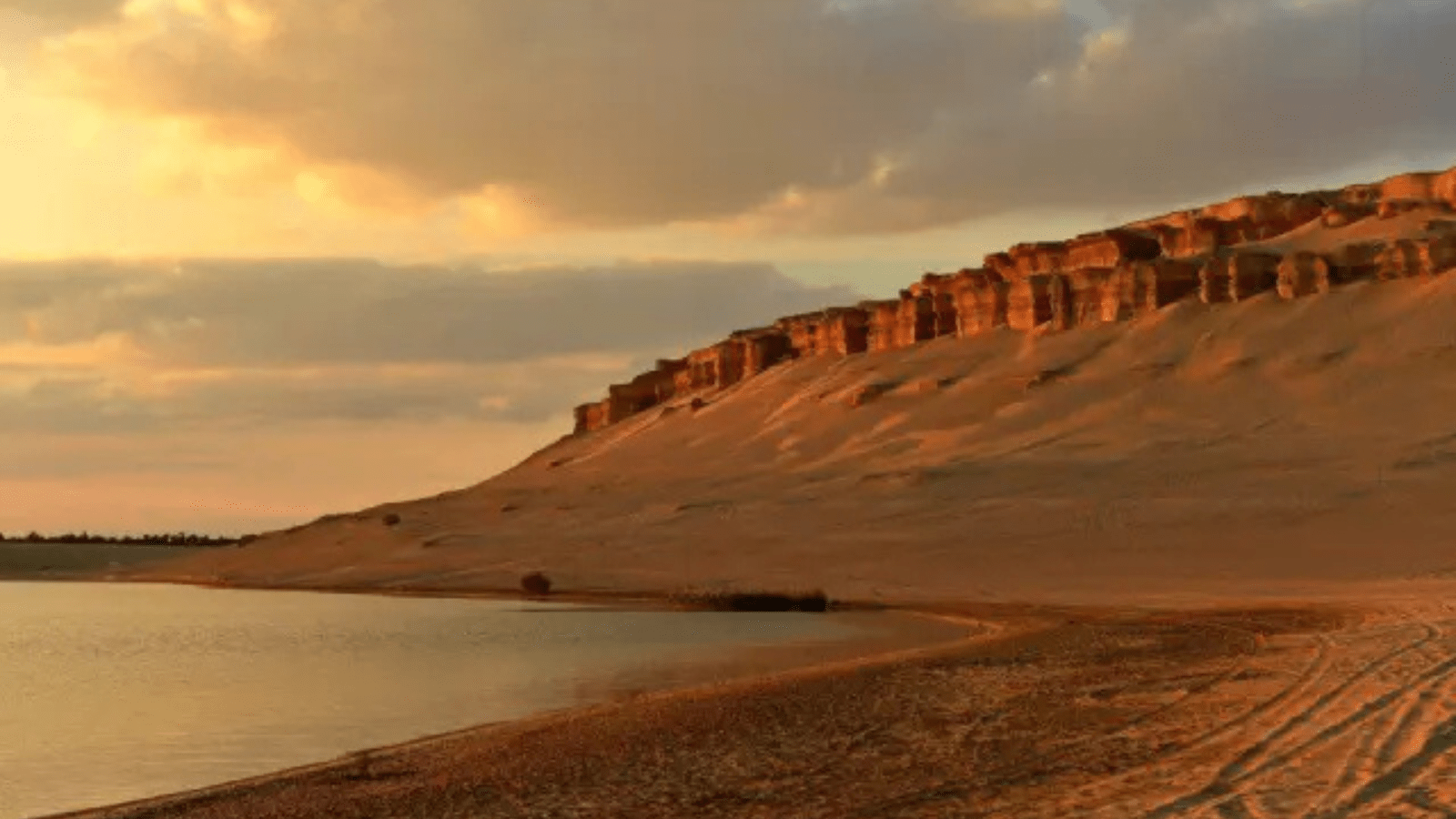
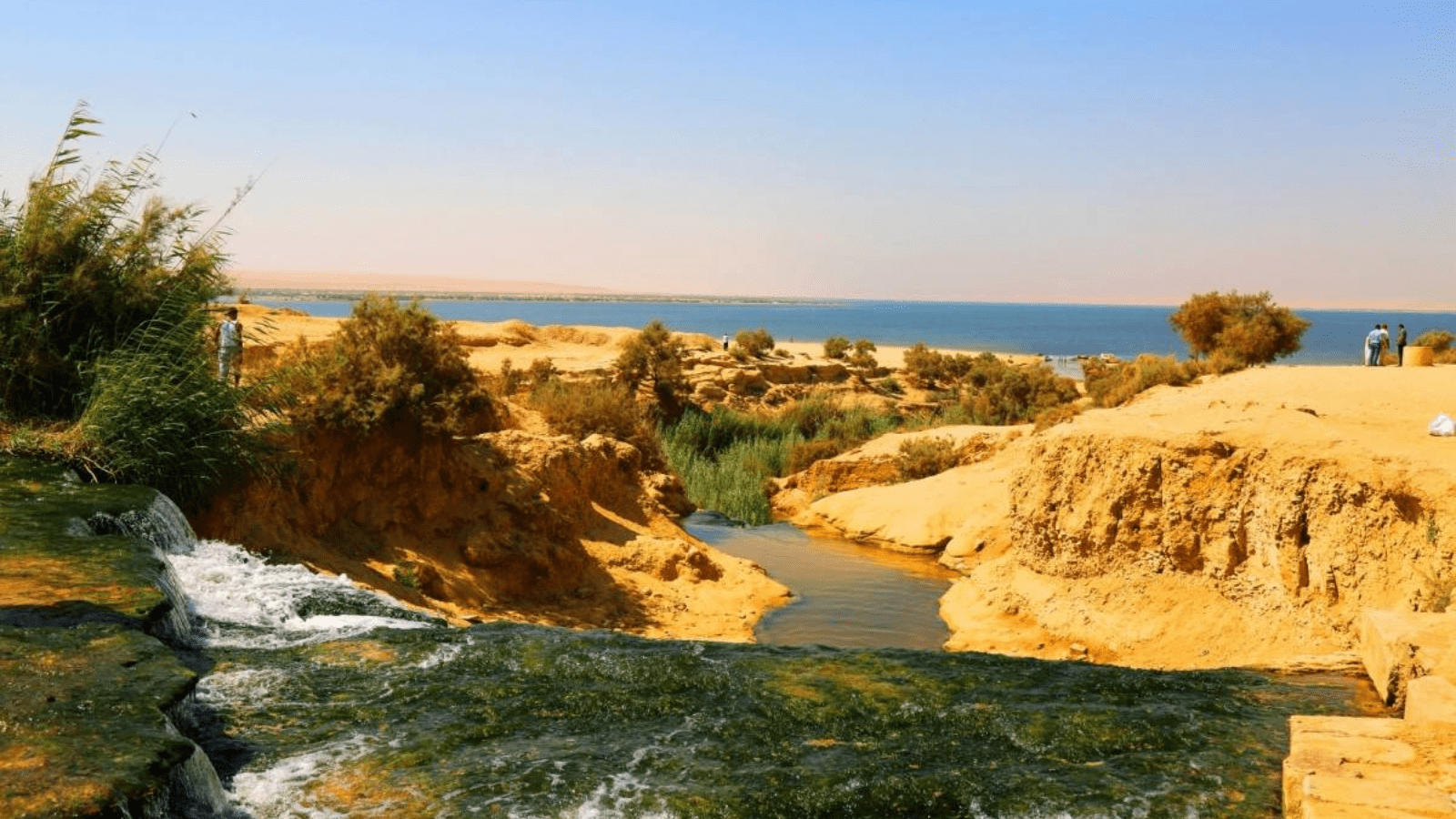
Lake Qarun in Fayoum near Kom Oshim and ancient KaranisNorte de Fayoum

Lago Qarun, Qasr El Sagha y Dimai

Naturaleza + arqueologíaFayoum septentrional

Continue around northern Fayoum for Lake Qarun scenery and remote archaeological landscapes such as Qasr El Sagha and Dimai, expanding the Karanis visit into a broader desert-and-oasis route.

Elige según el tiempo disponible

Formas prácticas de visitar Kom Oshim desde El Cairo o Fayoum

Its gateway location makes Kom Oshim especially useful as the first archaeological stop on a Fayoum itinerary from Cairo.

From Cairo

Kom Oshim first-stop route

  • Drive southwest on the Cairo–Fayoum Desert Highway.
  • Start at Karanis before continuing deeper into Fayoum.
  • Visit the archaeological city, temples and museum.
  • Continue toward Lake Qarun or Tunis Village.
Request a private Fayoum route
From Fayoum City

Focused Karanis archaeology visit

  • The source places Kom Oshim about 25 km northeast of Medinet El-Fayoum.
  • Explore domestic architecture and granaries.
  • Study the Templos Sur y Norte.
  • Finish inside the Museo de Kom Oshim.
Open the Fayoum guide
Full Fayoum route

Karanis, Lake Qarun and desert landscapes

  • Begin at Kom Oshim in the morning.
  • Continue around Lake Qarun and northern Fayoum.
  • Add Tunis Village or archaeological extensions.
  • Finish with Wadi El Rayan or another oasis highlight depending on timing.
Explore Fayoum adventure options

Planning note: The supplied article lists daily opening hours of 9:00 AM–5:00 PM and states that one ticket covers Karanis and the Museo de Kom Oshim. Opening hours, ticket rules and access conditions can change, so confirm current details before travel.

Lake Qarun landscape in Fayoum near ancient Karanis

Fuentes fiables de arqueología y destino

Amplía la información con fuentes autorizadas sobre Karanis y Fayoum

Use institutional archaeology resources alongside Egypt Tours Club planning pages for deeper historical context and current monument information.

External pages open in a new tab. Confirm current opening hours, ticket prices and archaeological access close to your visit.

Respuestas útiles para el viaje

Preguntas sobre Kom Oshim y Karanis antes de tu visita

Direct answers about the site’s history, temples, museum, location and practical visit planning.

¿Qué es Kom Oshim?

Kom Oshim is the modern Arabic name for the archaeological mound containing the ruins of ancient Karanis in northeastern Fayoum.

¿Qué era la antigua Karanis?

Karanis was a major agricultural settlement founded in the Ptolemaic period and later developed under Roman rule, with homes, granaries, baths, workshops and temples.

¿Qué puedo ver en Karanis?

Puntos destacados include extensive mud-brick residential ruins, granaries, the Templos Sur y Norte, Roman bathhouse remains and the nearby Museo de Kom Oshim.

¿Qué dioses eran venerados en Karanis?

The source identifies the principal temple deities as Pnepheros and Petesouchos, local crocodile gods associated with Fayoum’s wider crocodile-cult tradition.

¿Dónde está Kom Oshim?

Kom Oshim lies at the northeastern entrance to Fayoum Governorate, about 80 km southwest of Cairo and roughly 25 km northeast of Medinet El-Fayoum according to the supplied guide.

¿Cuál es la mejor época para visitar Kom Oshim?

October through April offers more comfortable outdoor conditions. Morning hours are especially useful because much of the archaeological site is exposed to the sun.

¿Puedo visitar Kom Oshim desde El Cairo?

Yes. The source describes a drive of about one hour via the Cairo–Fayoum Desert Highway, making Kom Oshim a practical first stop on a Fayoum itinerary.

¿Qué puedo combinar con Kom Oshim?

Nearby route options include Lake Qarun, Qasr El Sagha, Dimai, Tunis Village and pyramid sites such as Meidum and Hawara, depending on your itinerary and access.

Planificación privada de Fayoum

Añade Kom Oshim y Karanis a la ruta adecuada por Fayoum

Share your Cairo pickup, available time, travel date and interests. Egypt Tours Club can structure a private Fayoum itinerary connecting Karanis with Lake Qarun, Tunis Village, desert landscapes and other archaeological stops.